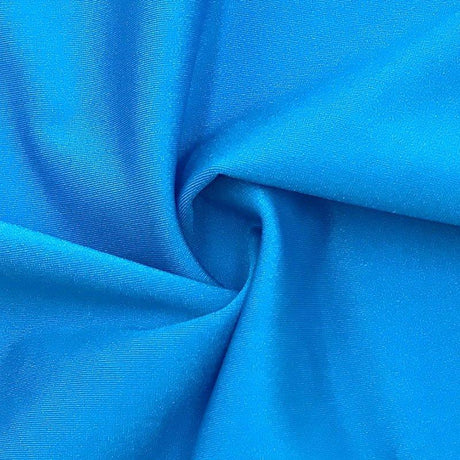
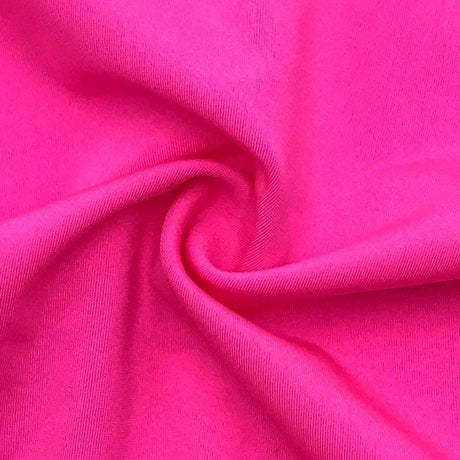
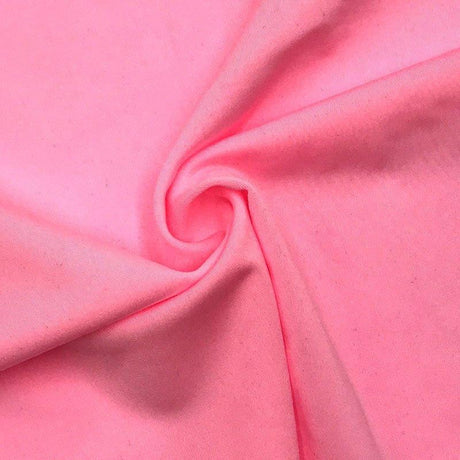
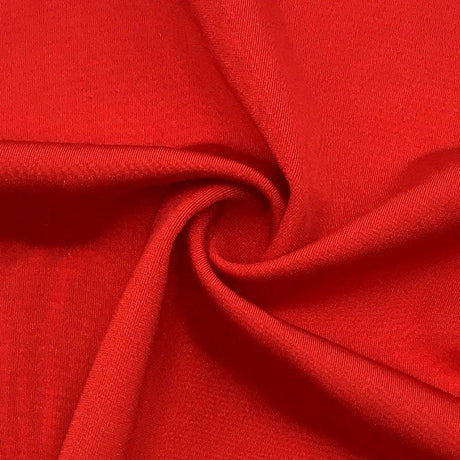
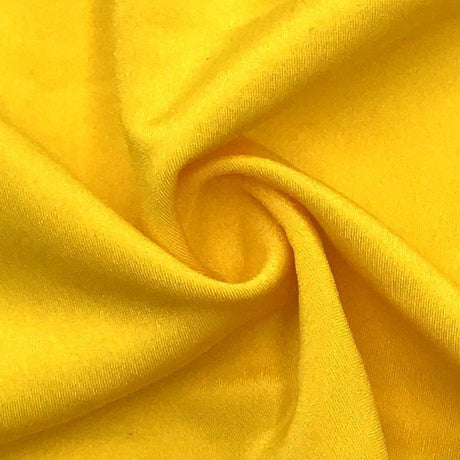
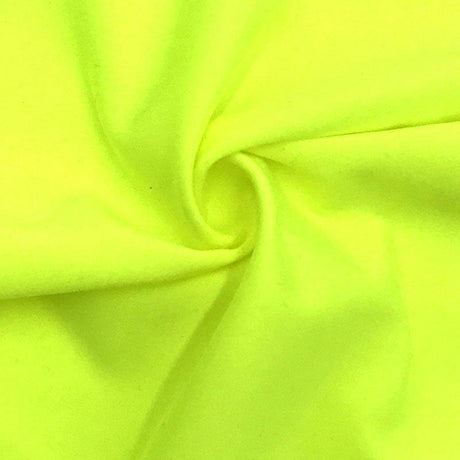
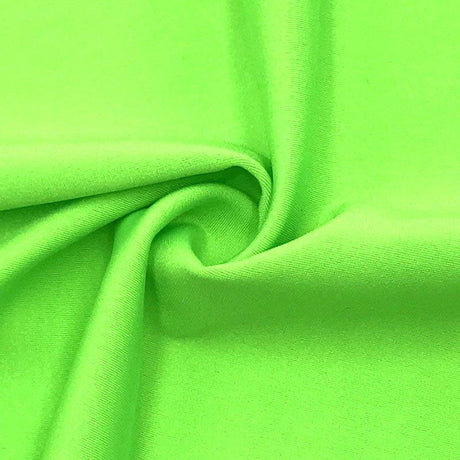
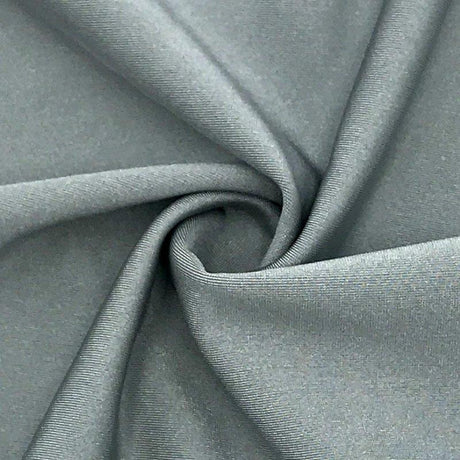
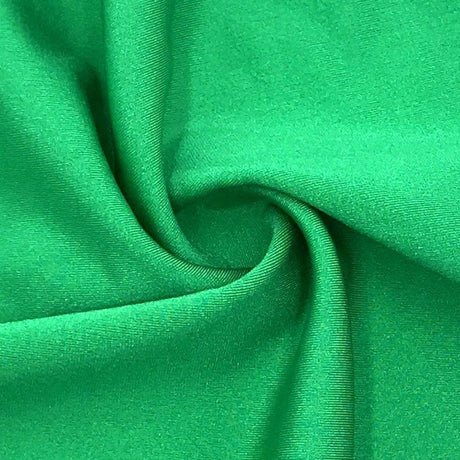
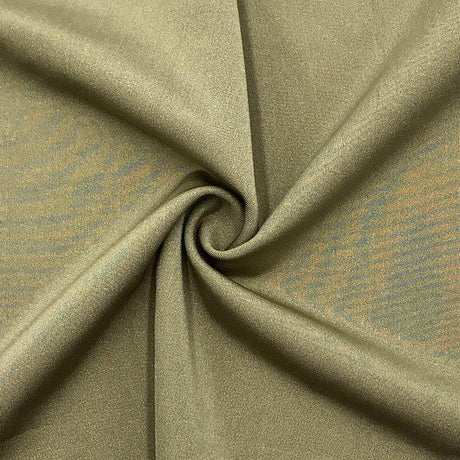
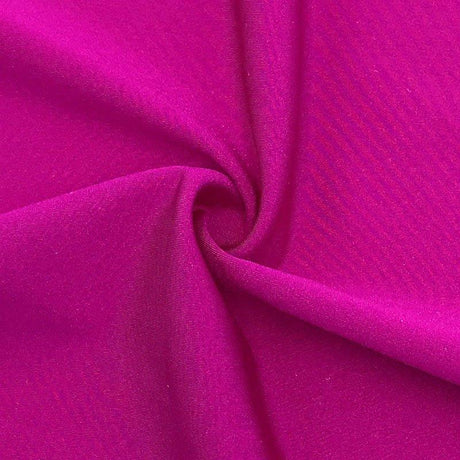
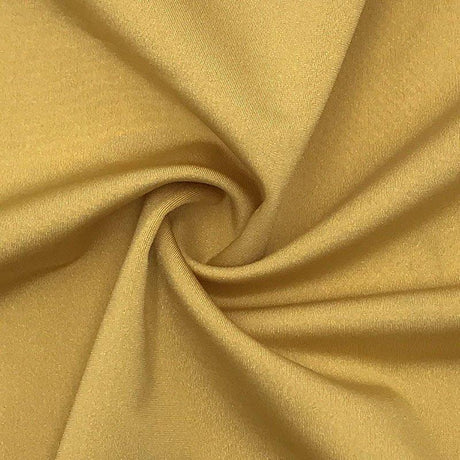
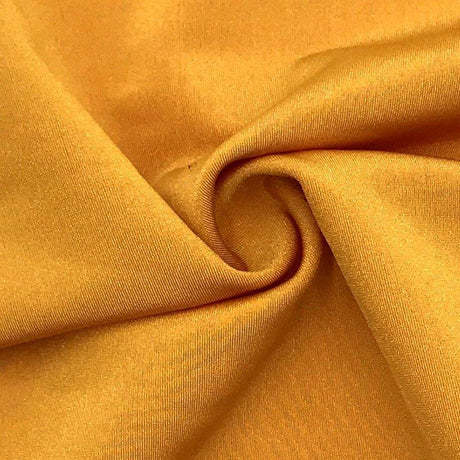
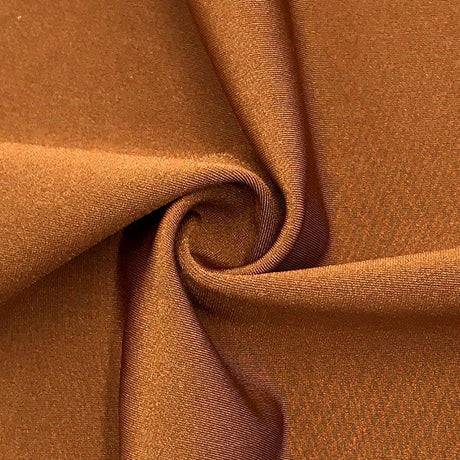
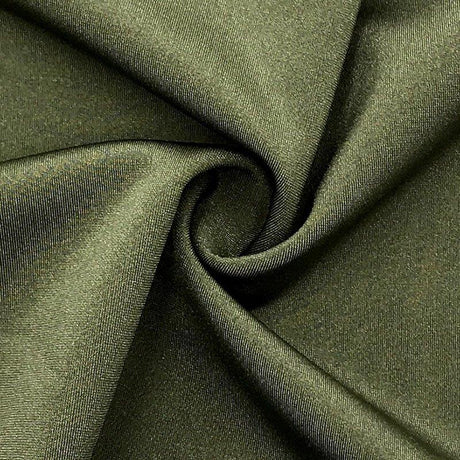
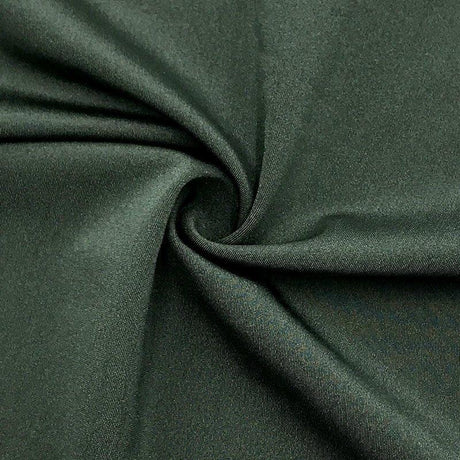
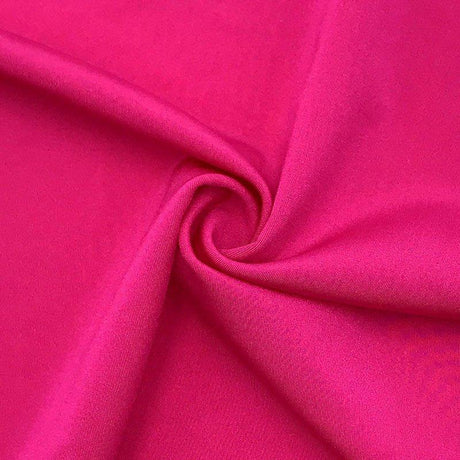
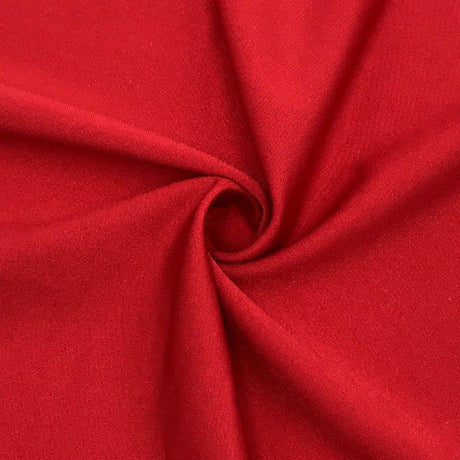
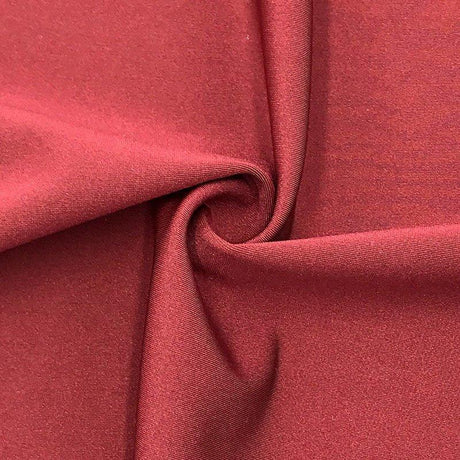
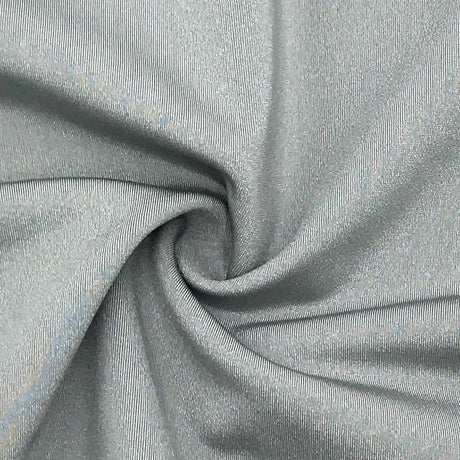
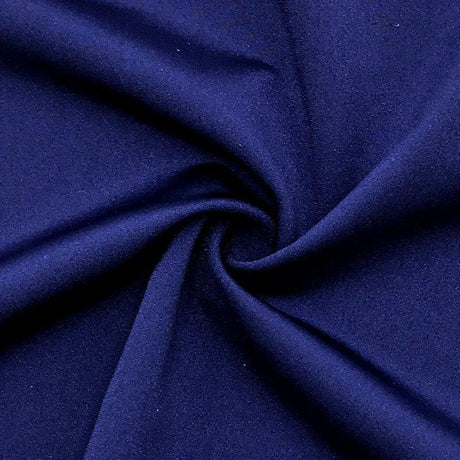
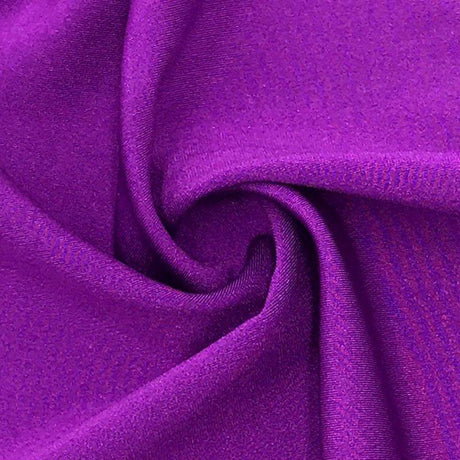
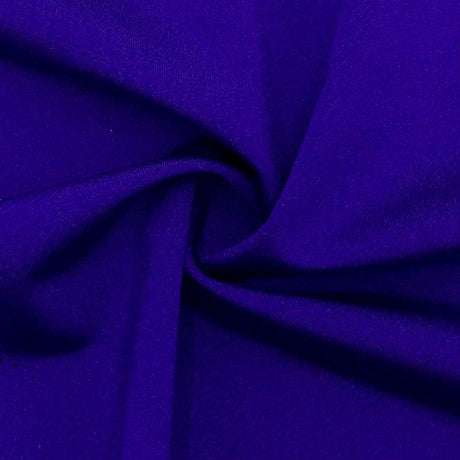
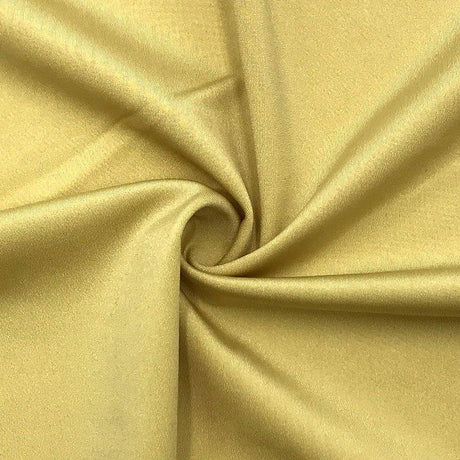
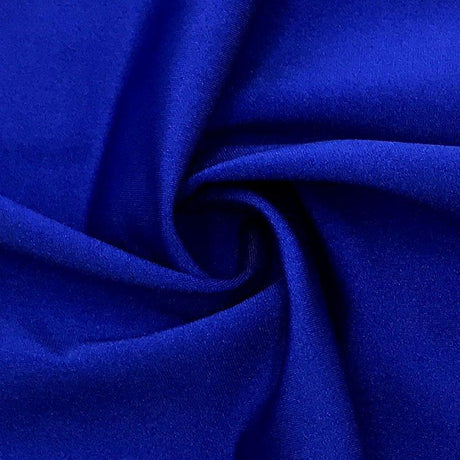
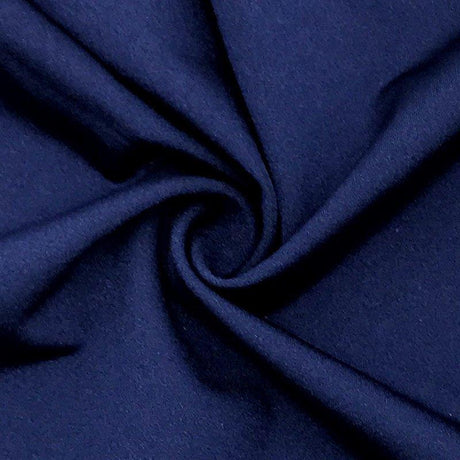
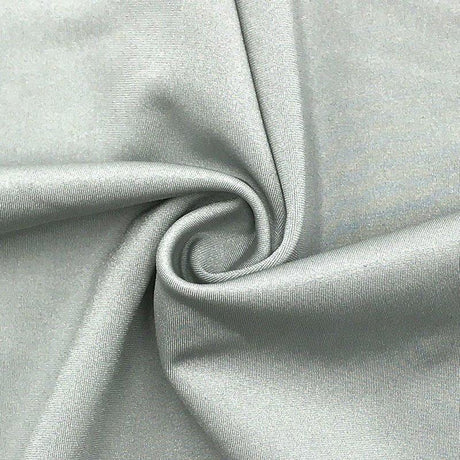
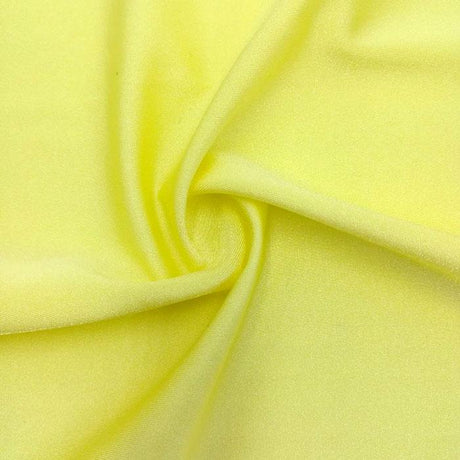
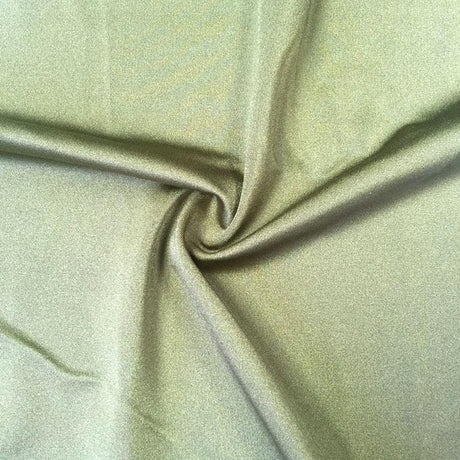
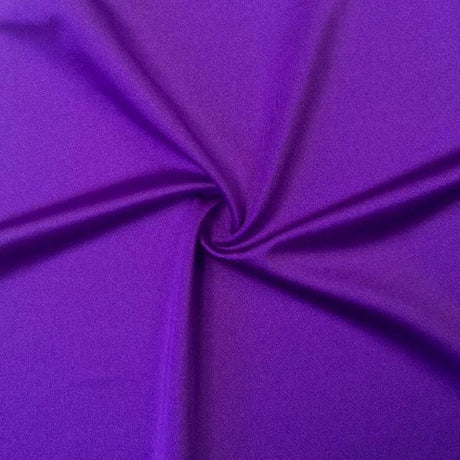
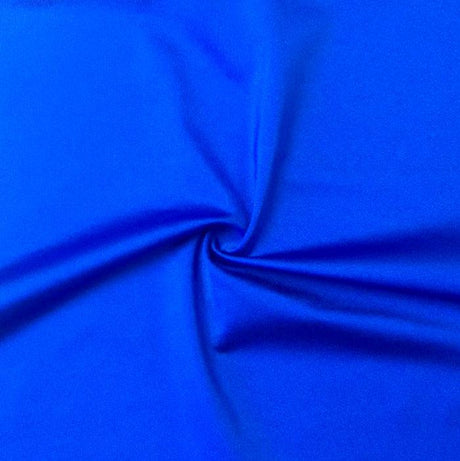
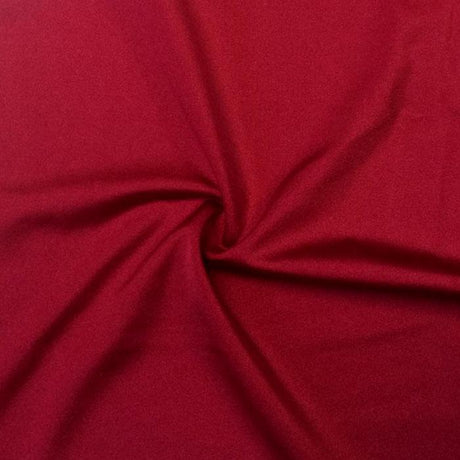
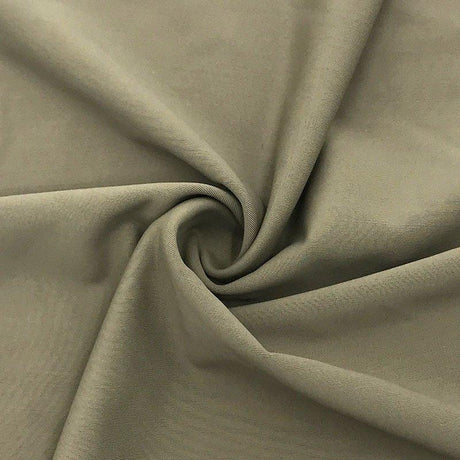
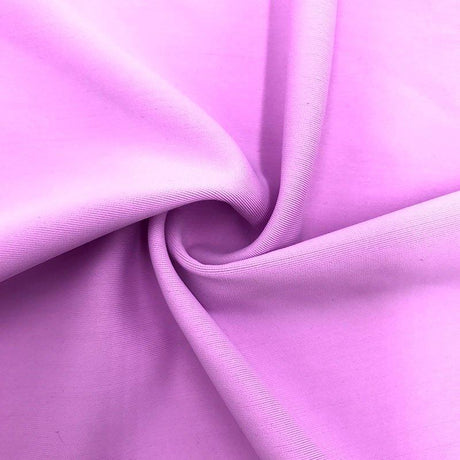
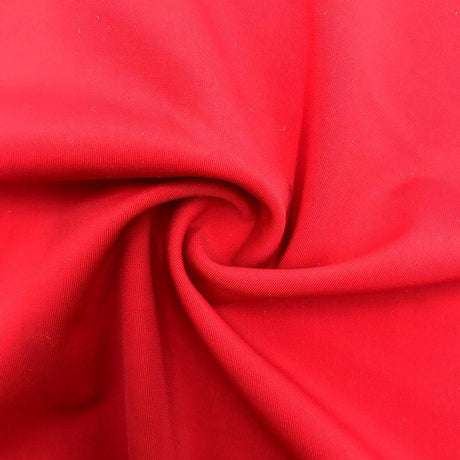
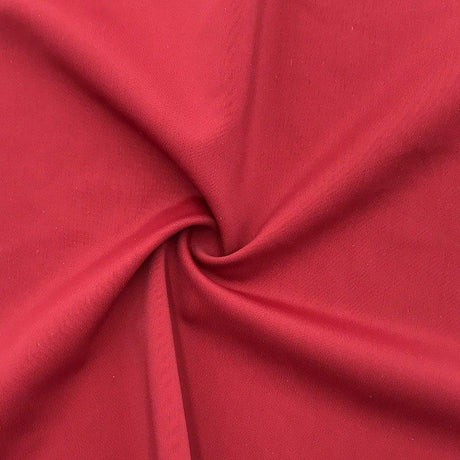
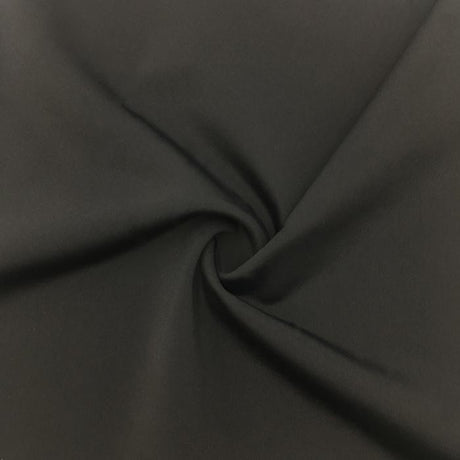
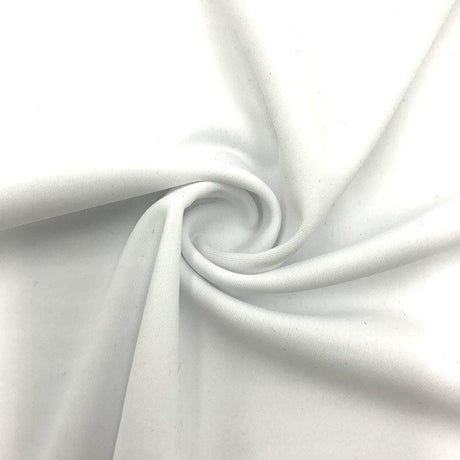
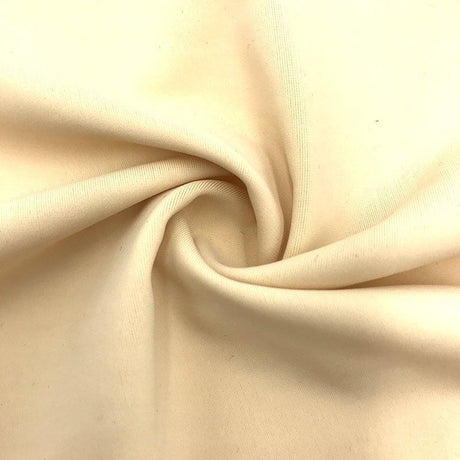
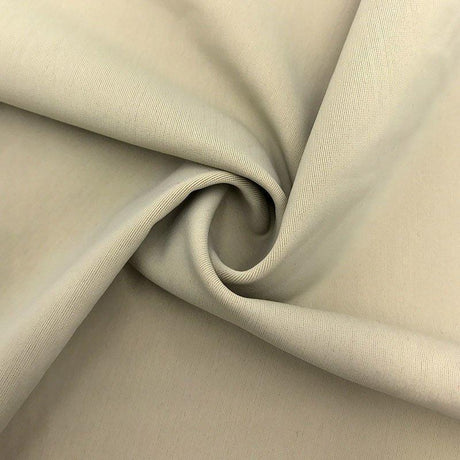
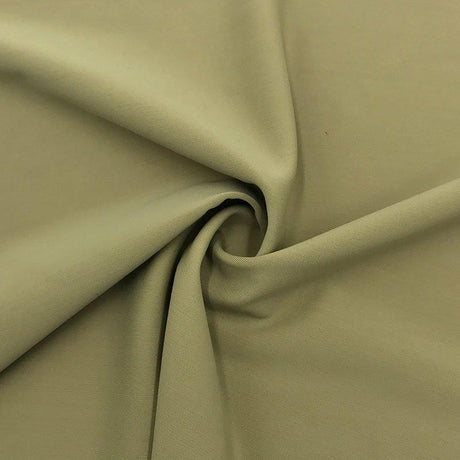
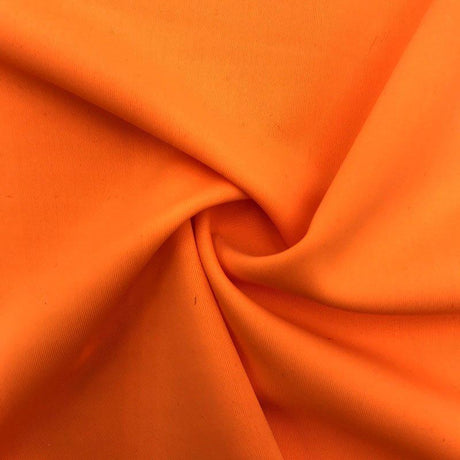
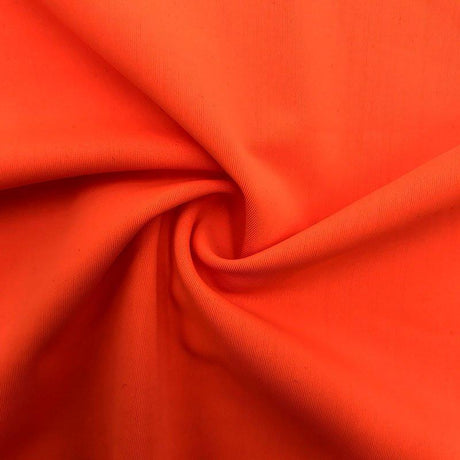
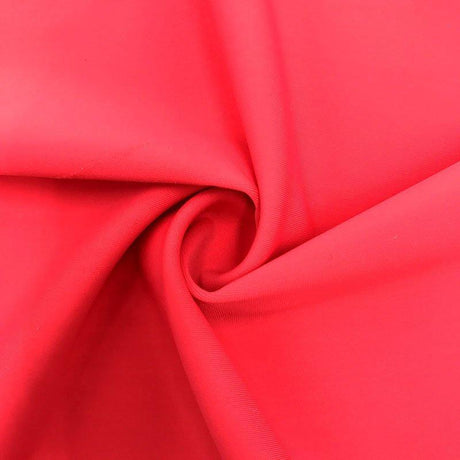
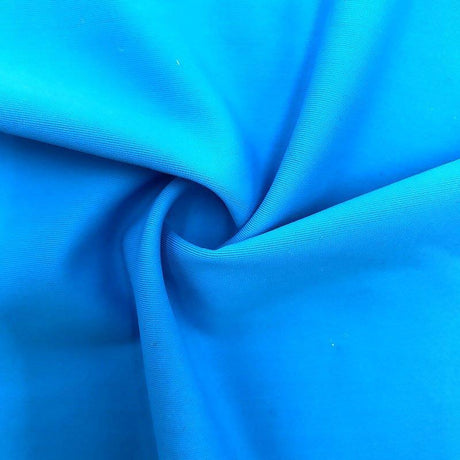
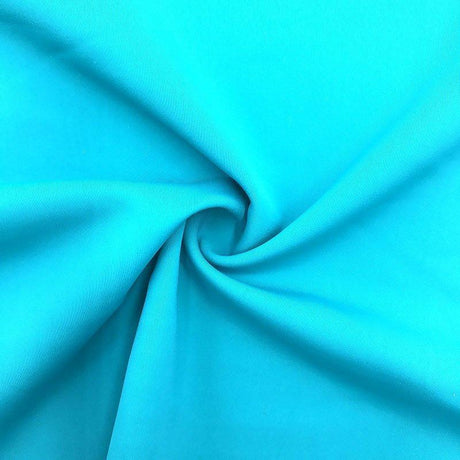
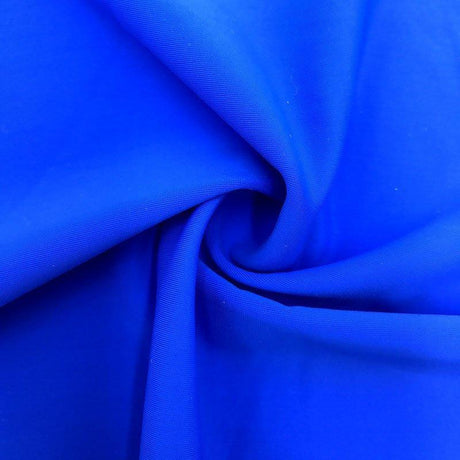
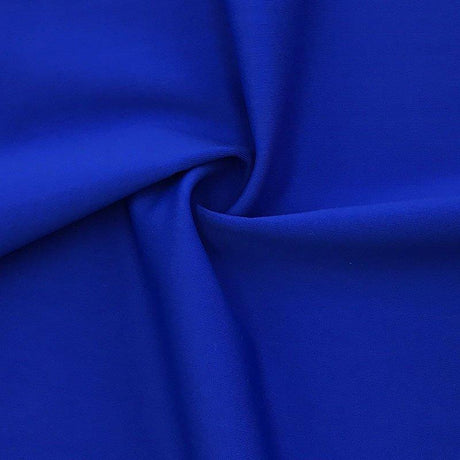
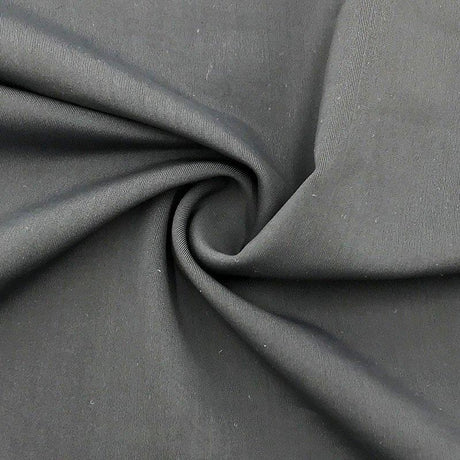
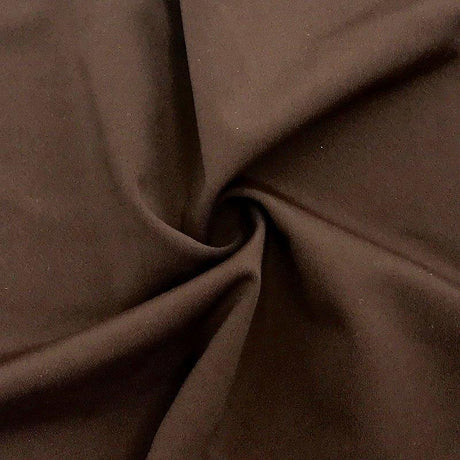
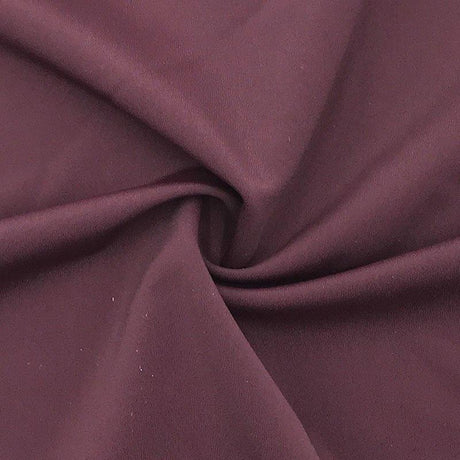
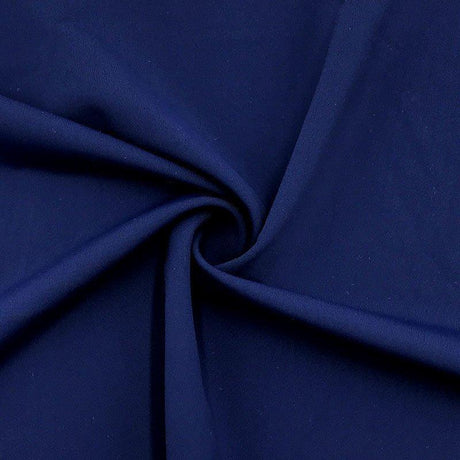
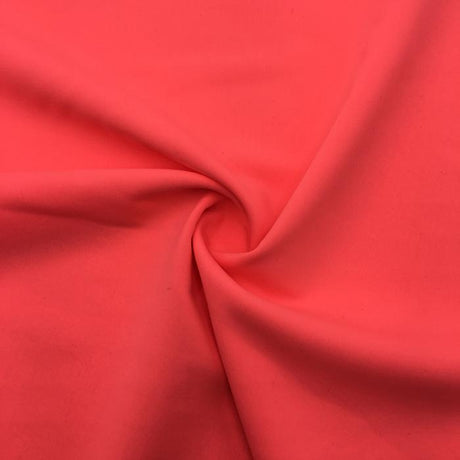
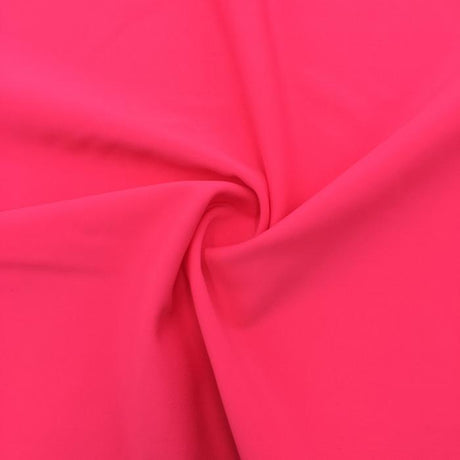
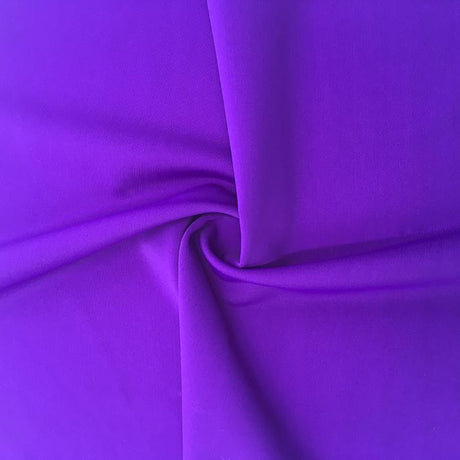
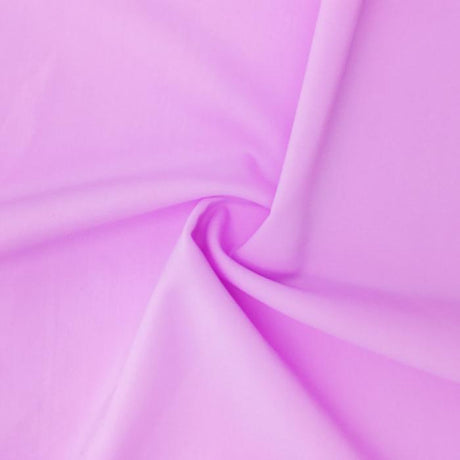
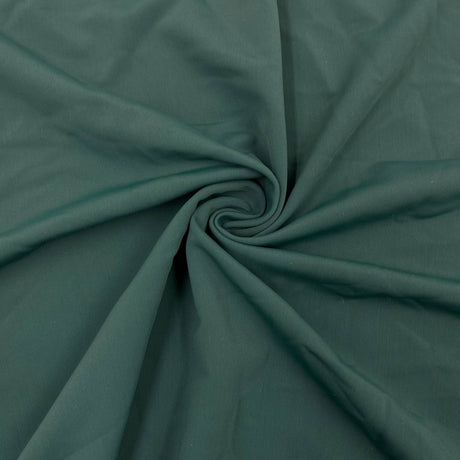
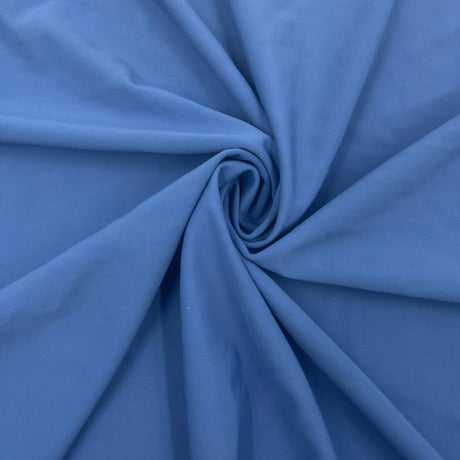
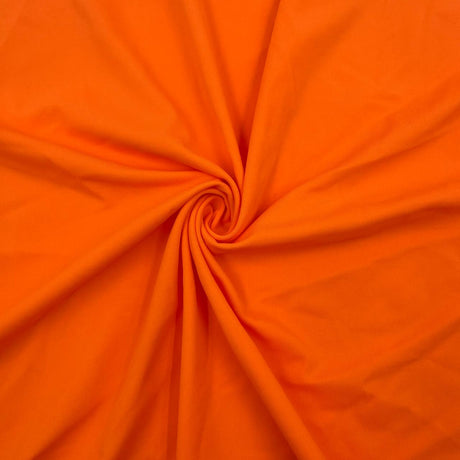
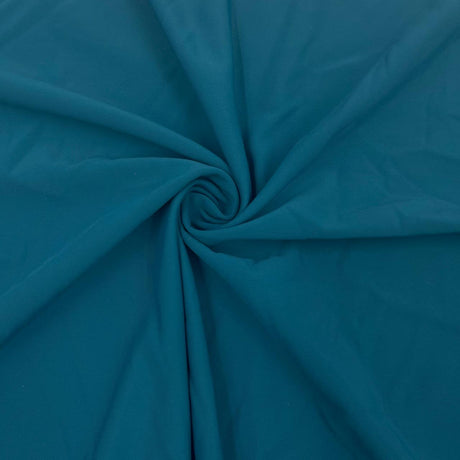
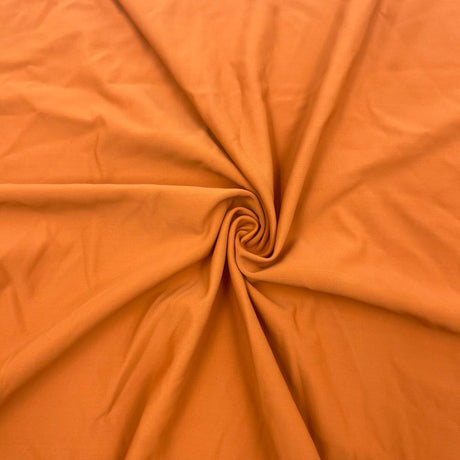
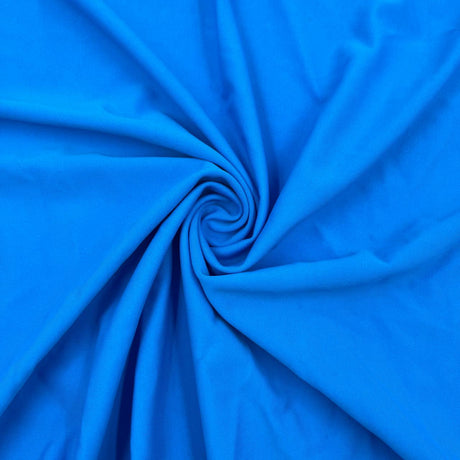
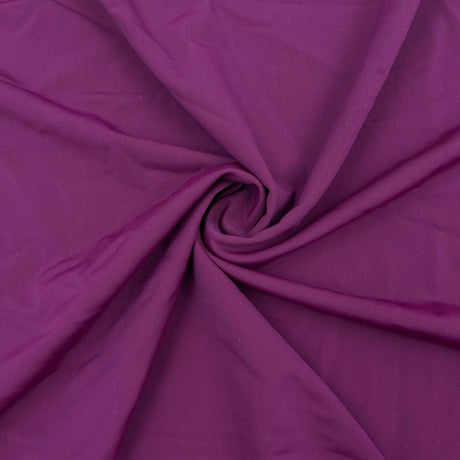
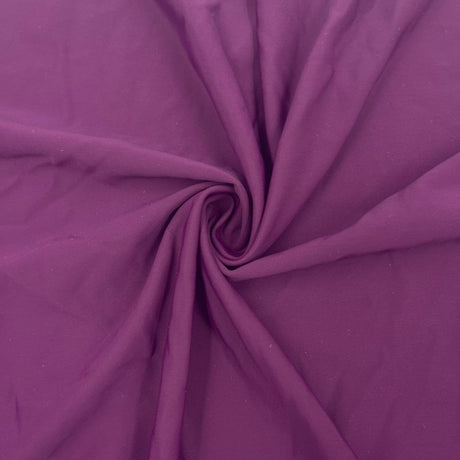
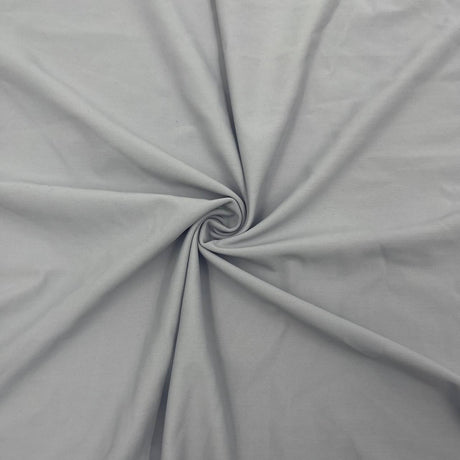
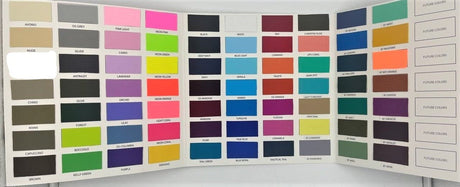
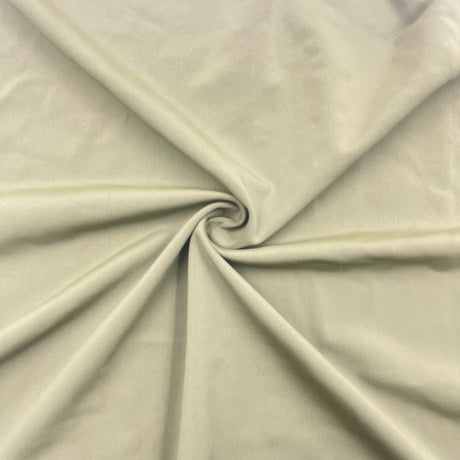
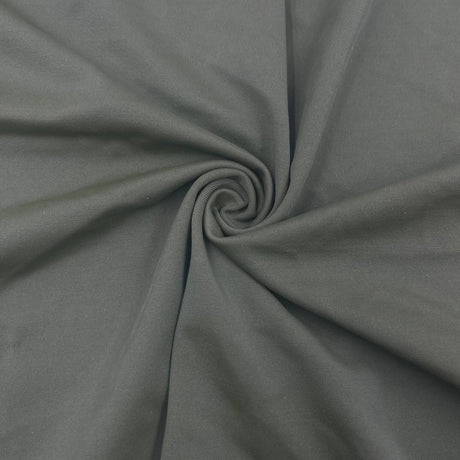
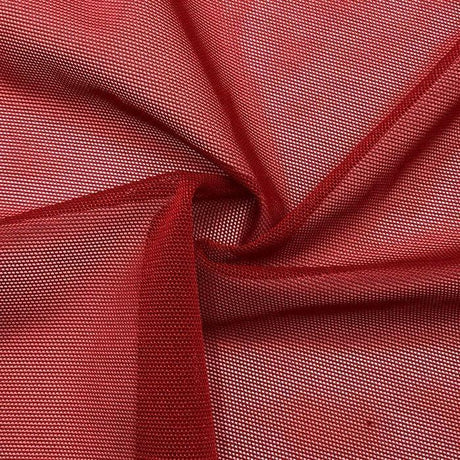
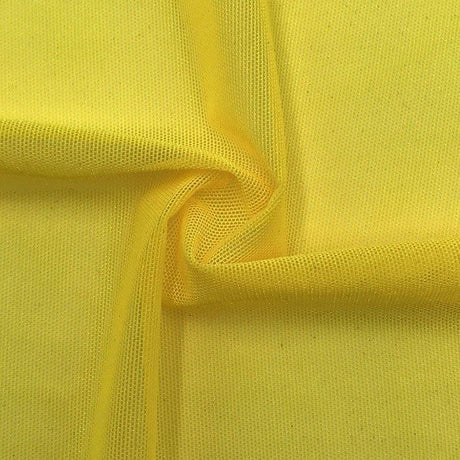
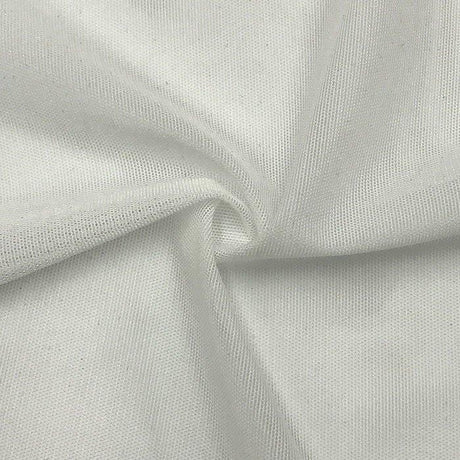
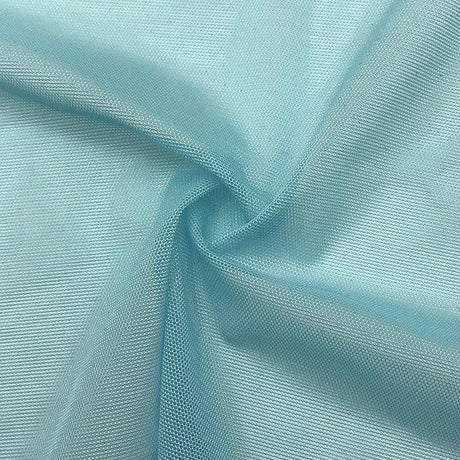
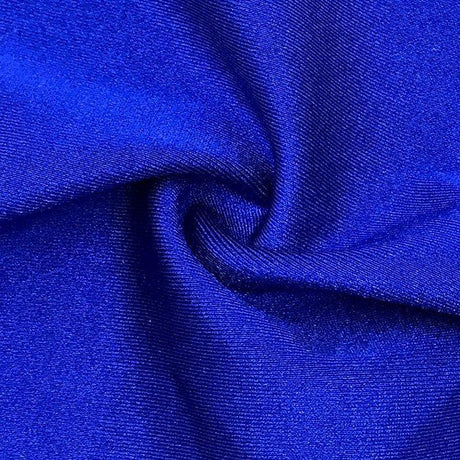
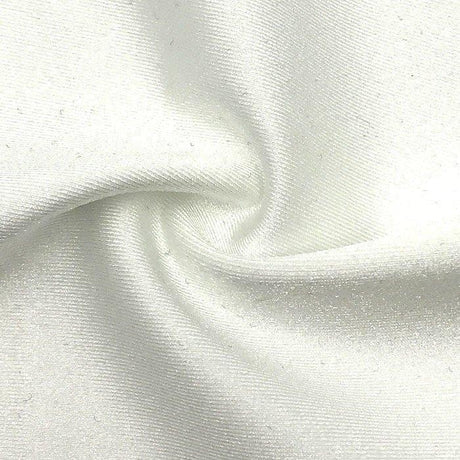
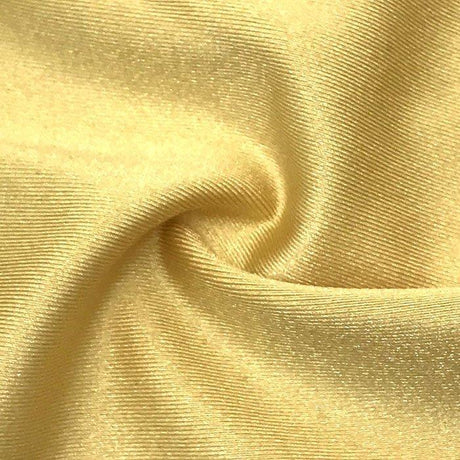
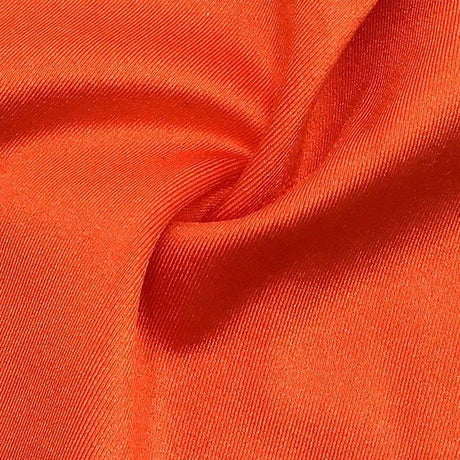
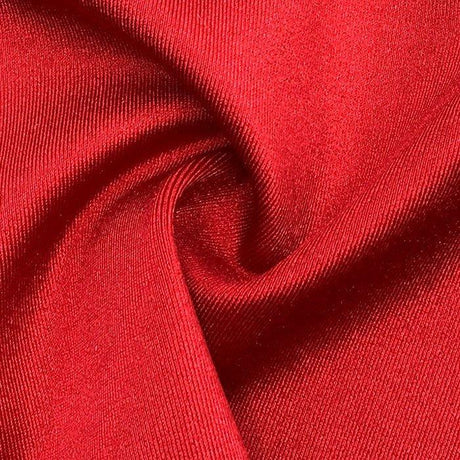
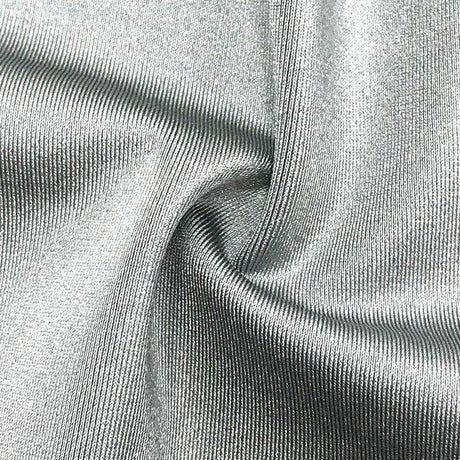
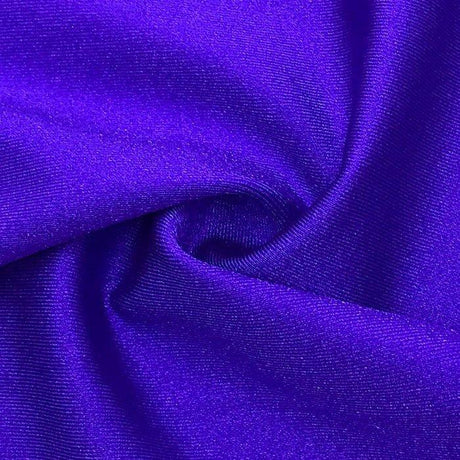
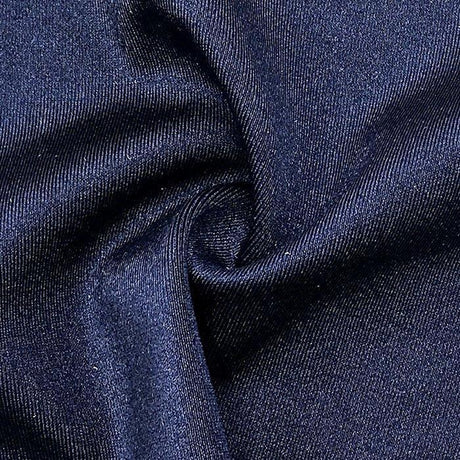
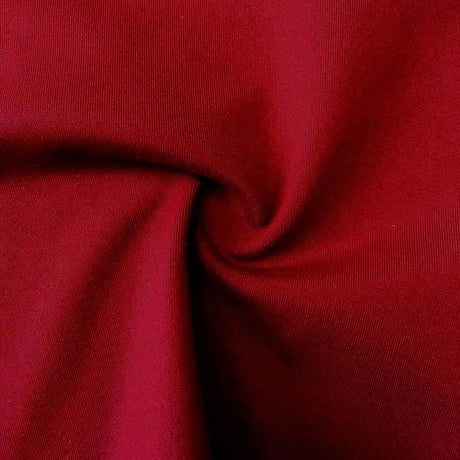
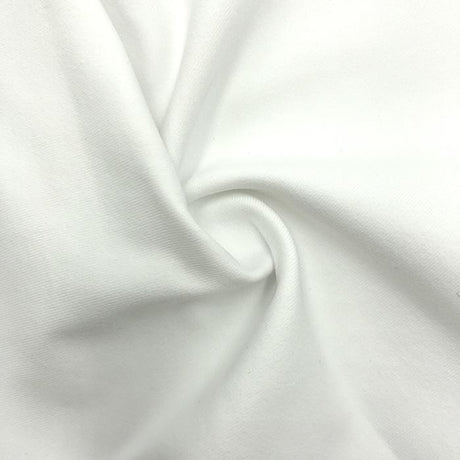
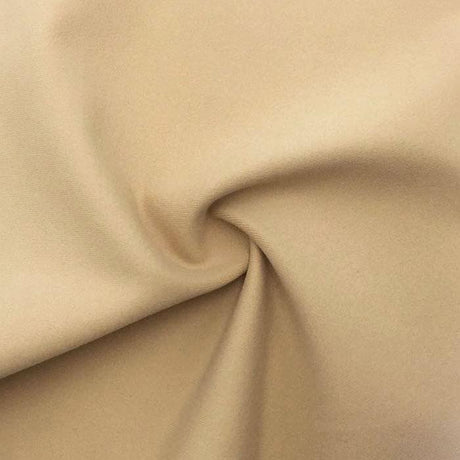
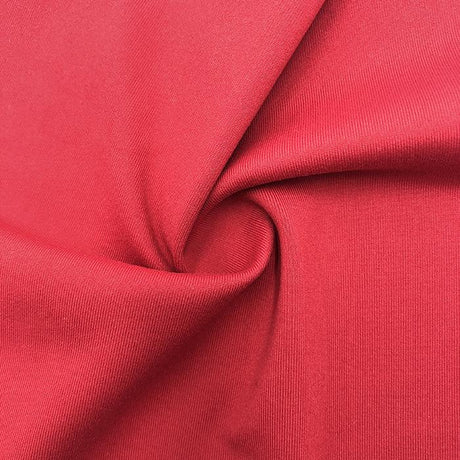
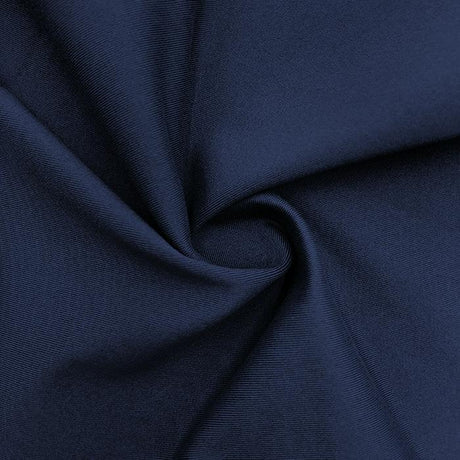
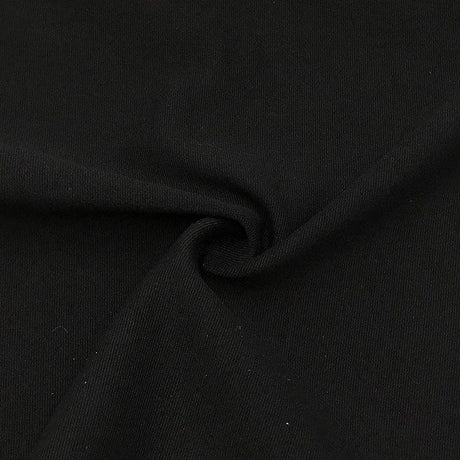
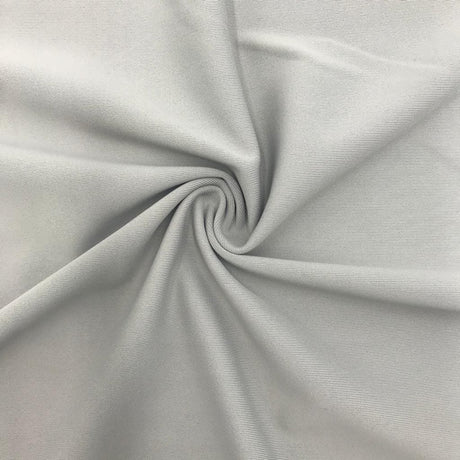
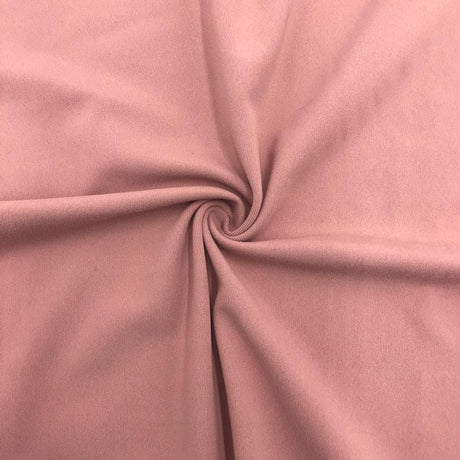
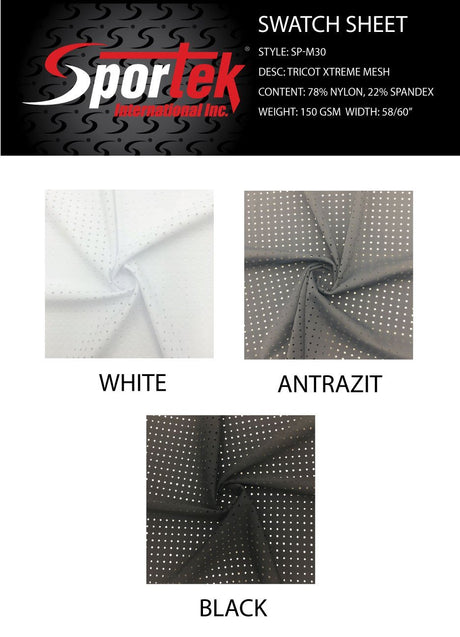
If you've ever worn a pair of stretchy leggings or a snug swimsuit, you've encountered the wonders of spandex – or was that Lycra? Many people use the terms spandex and Lycra interchangeably, leading to plenty of confusion about whether they're the same thing or something worlds apart. Spoiler alert: they're essentially the same fiber, just different names. For a broader foundation on spandex fiber properties before diving in, explore our stretch fabric types page or browse our full fabric guides hub.
What Is Spandex (aka Elastane)?
Spandex is the generic name of a synthetic elastic fiber known for its exceptional stretch. Spandex can stretch to 4–7 times its original length (400–700% elongation) and snap right back to shape without breaking. Technically, spandex is a type of polymer fiber – specifically a polyurethane-polyurea copolymer. In North America, we call this fiber "spandex," a name famously coined as an anagram of the word "expands." Elsewhere in the world, you might see it labeled as "elastane," which is simply the international term for the same material.
Spandex fibers are lightweight, smooth, and very durable despite their stretchiness. They're often blended into other materials – for example, a pair of jeans with 2% spandex, or a swimsuit that's 20% spandex with the rest nylon. Even a small percentage of spandex blended with cotton or polyester can dramatically improve a fabric's stretch and shape retention. Our stretch fabric types page covers how spandex percentage translates to real-world stretch percentages and recovery ratings across all common blend types.
It was originally developed in the late 1950s by chemists at DuPont, who were seeking a replacement for rubber in elastic garments. In 1958, Dr. Joseph Shivers at DuPont's lab in Virginia created the first spandex fiber – a breakthrough that would revolutionize sportswear, lingerie, dancewear, and more. By the early 1960s, spandex was making its way into foundation garments (like girdles and bras) as a superior alternative to rubber elastic.
Spandex is a category of fiber, not a specific brand. Many different manufacturers around the world produce spandex (elastane) fibers under various trade names. At its best, spandex fiber is soft, smooth, and able to stretch hundreds of percent and recover with ~90% resilience, giving long-lasting elasticity to fabrics. It's also resistant to everyday wear and tear: spandex won't be damaged by body oils, perspiration, lotions, or detergents. However, heat, chlorine, and UV light are the Achilles' heel of spandex. Our spandex care guide covers exactly why heat, chlorine, and UV are so damaging to elastane fibers and the care protocols that maximize garment lifespan.
What Is Lycra?
Lycra is simply a brand name – the most famous brand of spandex fiber. Think of it this way: Lycra is to spandex what Kleenex is to tissues. DuPont, the company that invented spandex, decided to trademark their particular version of the fiber under the name "Lycra" to distinguish it from generic competitors. So when we say Lycra, we're talking about authentic Lycra® spandex fibers produced by one specific company (today that's The LYCRA Company, which originated from DuPont's textile division).
From a fiber perspective, Lycra is spandex – there's no chemical difference just because of the name. The difference lies in who makes it and how it's made. Lycra fibers are manufactured under proprietary processes and strict quality control to ensure consistent performance. Over the years, the Lycra brand has also developed special variants with enhanced properties – for example, Lycra® Black (designed to prevent the white sheen that can show when dark fabrics stretch), or Lycra® XTRA LIFE™ (formulated to better resist chlorine, heat, and sunscreen oils for swimwear). Our swimwear fabric guide covers how Lycra XTRA LIFE and other chlorine-resistant elastane variants compare in real-world pool durability testing.
So, bottom line: Lycra is the original branded spandex, and all Lycra is spandex, but not all spandex is Lycra.
Spandex vs Elastane vs Lycra: A Quick Terminology Guide
Spandex – Common name in the U.S. (and Canada) for the family of synthetic elastic fibers. If a clothing label in America says "XX% spandex," it's referring to elastane fibers in the fabric.
Elastane – The generic name used in many parts of the world (Europe, Asia, etc.) for the same elastic fiber. On a European garment label you'll see "elastane" instead of the word spandex. It's literally the same material.
Lycra – A brand name/trademark for spandex. Originally introduced by DuPont, now owned by The LYCRA Company. Often used colloquially (especially in the UK, Australia, etc.) to mean any elastane fabric, though technically it refers to the specific branded fiber.
In summary: Spandex = Elastane (generic fiber), and Lycra = a particular brand of that fiber. Don't be surprised if you rarely see the word "spandex" outside North America – globally, "elastane" is the preferred term in product labeling. Our nylon-spandex fabric guide covers how nylon companion fibers work together with elastane content to determine overall fabric performance, whether the elastane is branded or generic.
A Brief History of Spandex (and Lycra)
The development of spandex fiber is a fascinating bit of textile history. In 1958, Dr. Joseph C. Shivers, a polymer chemist at DuPont, developed a stretchy polyurethane-based fiber that could be made into long filaments. This new fiber had tremendous elasticity and could withstand higher temperatures than earlier elastic fibers.
DuPont chose the brand name "Lycra" for its spandex fiber and began marketing it around 1960–1961. One of the first big applications was women's foundation garments: Lycra replaced rubber in girdles, corsets, and bras. A famous advertisement touted, "What nylon did for your legs, Lycra will do for your figure!" Throughout the 1960s, Lycra (spandex) started appearing in swimwear and underwear, and by the 1970s it was a staple in sports uniforms and dancewear. The fitness and aerobics boom of the 1980s took spandex to new heights of popularity.
Over time, other companies began producing their own elastane fibers: Creora (by Hyosung in Korea), Roica and Dorlastan (by Asahi Kasei in Japan/Germany), Elaspan (another Invista/DuPont elastane brand), and more. Lycra, however, remained the market leader and is often regarded as the gold standard of quality in elastane fibers.
Lycra vs Spandex: Performance and Characteristics Compared
Stretch & Elasticity: Both Lycra and generic spandex offer exceptional stretch, typically around 5x (500%) extension or more, and excellent recovery. A well-made elastane fiber – branded or not – will provide the comfortable give and snap-back we expect in stretchy clothing. Quality matters: a cheaply made spandex might lose its recovery faster over time, whereas Lycra fibers are engineered to maintain their elastic performance for a long time. Our stretch fabric types page covers how to measure and compare stretch percentages and recovery ratings when evaluating fabric samples.
Strength & Durability: Generic spandex is strong for its size, but it can be sensitive to environmental stress. Lycra tends to have an edge in durability: tests have shown that Lycra fibers retain about 85% of their tensile strength after 50 hours in chlorinated water, versus only ~65% for some generic spandex. The specialized Lycra XTRA LIFE fiber is said to last 10 times longer in chlorinated pool environments than unbranded elastane. If you're making a swimsuit or athletic gear for heavy outdoor use, using Lycra (or an equivalent premium elastane) can result in a garment that holds up better over time. Our spandex care guide covers the care protocols that maximize elastane lifespan regardless of whether the fiber is branded or generic.
Consistency & Quality Control: The LYCRA Company uses strict production standards to ensure each batch of Lycra fiber meets certain performance criteria. Generic spandex comes from many sources, and quality can vary. Manufacturers who "cut corners" can produce subpar spandex that loses elasticity sooner or yellows with time. Lycra's reputation allows consumers and designers to trust that the fiber will perform as expected.
Comfort & Feel: Both Lycra and other spandex fibers are designed to be soft and smooth to the touch. There isn't a notable tactile difference between Lycra and any decent-quality elastane unless a brand has a specific finish. Our fabric finishes guide covers how surface treatments affect the hand feel and appearance of stretch fabrics across both branded and generic elastane constructions.
"Grin-Through" and Color: In dark-colored garments, lower-quality spandex fibers might sometimes show a white sheen when fully stretched (called "grin-through"). The Lycra company tackled this by creating Lycra® Black technology, basically integrating color into the fiber so it stays dark even when stretched. Many generic spandex are now also available in "black" variants to address the same issue.
In short, performance differences between Lycra vs spandex come down to quality and engineering, not an inherent material gulf. If generic spandex is the standard gasoline that makes your clothes go, Lycra is the premium fuel with additives that keep the engine cleaner over time.
Marketing, Branding, and Consumer Perception
From a marketing standpoint, "Lycra" has a cachet that "spandex" lacks. Apparel companies often license the Lycra trademark to use on their labels or in advertising – hang tags that say "Contains Lycra® fiber for lasting stretch and fit" signal that the garment uses a high-quality elastane. In contrast, if a tag simply says "5% elastane," there's no easy way for a shopper to know which company's fiber that is.
From a consumer perception angle, Lycra often conveys premium quality, durability, and comfort. A well-constructed piece with Lycra may pill less, sag less, and generally look new longer than a bargain bin item with mystery spandex. However, it's also possible to have high-quality unbranded elastane in a garment and for it to perform excellently. For everyday clothing like a basic t-shirt with 3% stretch, whether it's Lycra or another elastane probably won't change your life. But for compression sportswear or a swimsuit that you expect to endure heavy use, the Lycra brand's reputation does give confidence. Our activewear fabric guide covers the performance specifications that distinguish premium-grade elastane blends from budget alternatives across all common activewear applications.
The LYCRA Company also provides support to garment makers in terms of testing and certification. When you see that Lycra tag, it often means the fabric supplier is an approved partner using genuine Lycra fiber and that the final fabric passed certain stretch and recovery tests.
Tips for Buying Stretch Fabric or Clothes: Does It Matter if It's Lycra or Just Spandex?
Consider the End Use: If you're sewing or buying something that needs to endure heavy stress – like a competitive swimsuit, sports uniform, or gymnastics outfit – it can be worth seeking out fabric that explicitly uses Lycra® or a high-quality elastane. Look for terms like "Lycra XTRA LIFE" for swimwear, or reputable spandex brands for activewear. Our swimwear fabric guide covers how to evaluate chlorine-resistant elastane variants when sourcing swimwear fabric.
For Everyday Apparel: For casual everyday wear (t-shirts, fashion leggings, socks, etc.), regular generic spandex is usually perfectly fine. If you take care to wash them in cooler water and avoid high heat drying, they'll last a good while. Our fabric care guide covers complete laundering protocols for all common spandex-blend garment types that apply to both branded and generic elastane.
Check Fabric Composition Labels: If you're buying stretch fabric by the yard (for example, from SpandexByYard or your local fabric store), see if the product description mentions Lycra or just says "spandex" or "elastane." If it says "% Lycra", the seller is indicating it has the branded fiber. Use the price and the feel as your guide too. Our how to choose fabric guide covers what to evaluate when a physical sample arrives, including stretch testing, opacity testing, and hand feel assessment – applicable to both branded and generic elastane fabrics.
Mind the Percentage: Regardless of brand, pay attention to how much spandex (elastane) is in the fabric. A higher percentage means more stretch and a tighter rebound. Jeans with 1–2% spandex will have a bit of give, whereas yoga pants with 20% spandex will be extremely stretchy and form-fitting. The brand doesn't change the percentage. Our stretch fabric types page covers how to interpret spandex percentage in terms of real-world stretch and compression behavior.
Care for Longevity: No matter which type you choose, proper care will extend the life of any spandex-containing fabric. Rinse swimwear after pool use, avoid bleach, and try not to bake your activewear in a hot dryer. Even Lycra isn't invincible – it just takes longer to degrade. Our spandex care guide covers exactly how chlorine, UV, and heat degrade elastane fibers and the care protocols that maximize garment lifespan for both branded and generic spandex.
Lycra vs Spandex: Comparison Table
| Aspect | Lycra (Branded Spandex) | Spandex (Generic Elastane) |
|---|---|---|
| What It Is | A trademarked brand of spandex fiber (originally by DuPont) | The generic name for any polyurethane-based elastic fiber (elastane) |
| Ownership | Owned by The LYCRA Company. Only this company produces genuine Lycra® fiber | Produced by many manufacturers worldwide (Creora, Roica, etc., or unbranded) |
| Name Usage | Brand name often used colloquially to mean any stretchy fabric; appears on labels only if genuine Lycra fiber is used | Common noun (spandex in NA, elastane in Europe) appearing on fabric content labels |
| Stretch & Recovery | Exceptional stretch & recovery – essentially the benchmark for elastane performance | Exceptional stretch & recovery as a property of elastane; performance can vary with manufacturer quality |
| Durability | Engineered for high durability: better resistance to chlorine, UV, heat in premium variants | Very durable for everyday use; may degrade faster under harsh conditions if it's a lower-grade fiber |
| Applications | Used in all the same applications as generic spandex – activewear, swimwear, denim, etc. | Used in virtually every stretch fabric application; default stretch ingredient in most clothing |
| Consumer Perception | Seen as a premium feature; "contains Lycra®" used in marketing to imply better quality | Generally not advertised by name; viewed simply as a functional component |
| Cost | Usually slightly higher cost due to brand premium | Typically more affordable; popular for budget-friendly apparel |
Conclusion
So what's the real difference between spandex and Lycra? In everyday terms – not much at all. Spandex (or elastane) is the name of the remarkable stretchy fiber that changed the clothing world, and Lycra is simply the most famous name of that fiber. Every piece of Lycra is spandex, and when you're wearing spandex you very well could be wearing Lycra – you just might not know it unless the label tells you.
For consumers and crafters, focus on quality and application. If you need top-of-the-line performance (say, for competitive swimwear or durable activewear), Lycra-branded spandex offers peace of mind with its proven track record and enhancements. If you're sewing a fun costume or buying regular leggings, generic spandex will do the job just fine – just treat it well.
Ready to find the right stretch fabric for your project? Use our stretch fabric types page and fabric weight guide to evaluate technical specifications, our nylon-spandex fabric guide and activewear fabric guide for curated fabric recommendations, and our swimwear fabric guide for swim-specific guidance on chlorine-resistant elastane options. Our spandex care guide and fabric care guide keep every finished garment performing at its best. Have questions? Our expert help and advice page and FAQ are always available. Sign up for SpandexByYard Rewards to earn points on every purchase – because whether it's Lycra or spandex, great stretch starts with great fabric.