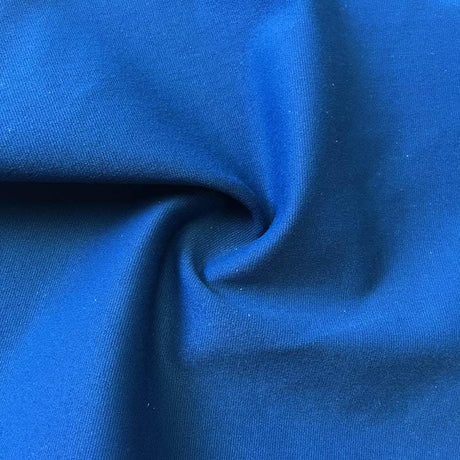
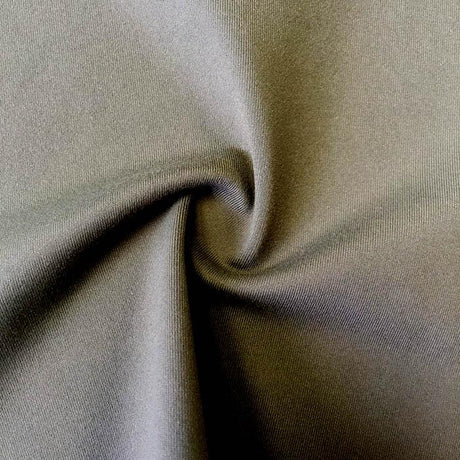
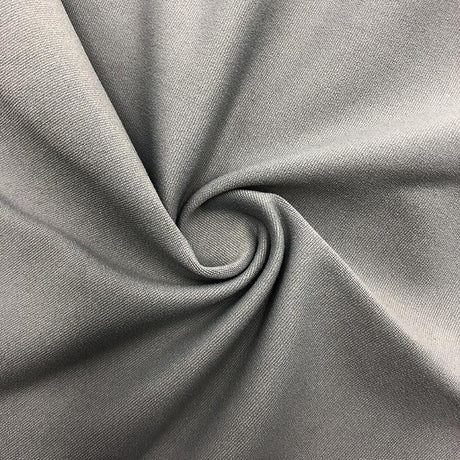
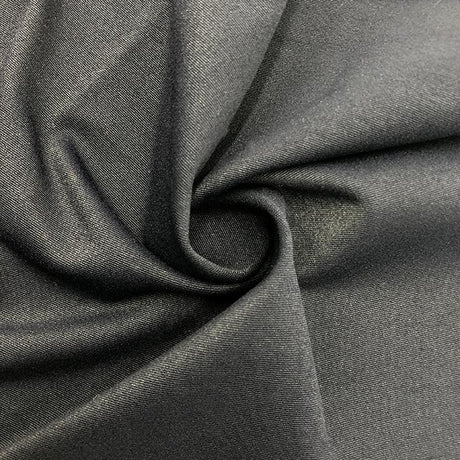
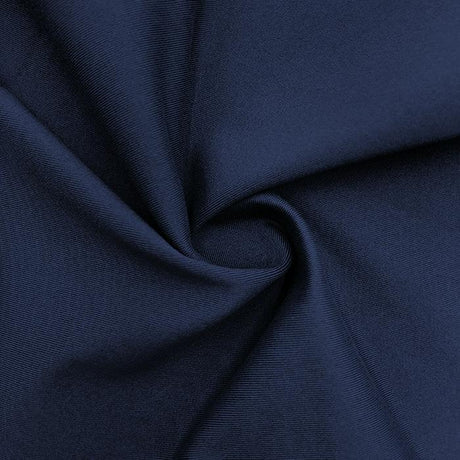
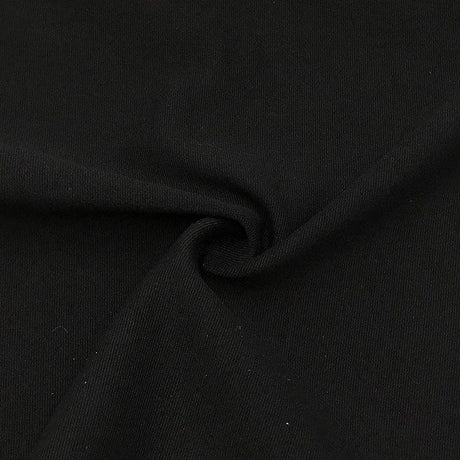
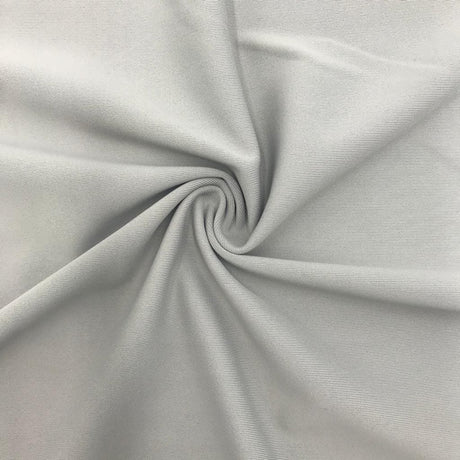
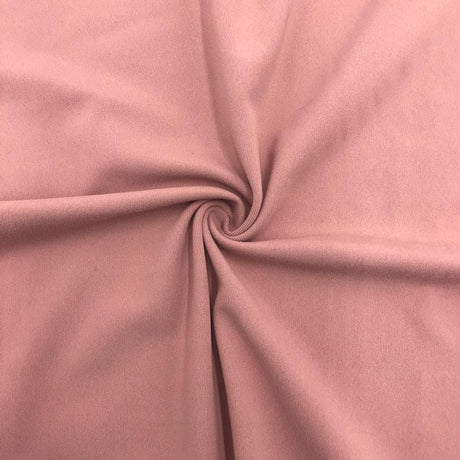
Why it Matters: Choosing between cotton-spandex and nylon-spandex blends is crucial for apparel makers. Each offers different stretch, feel, and performance characteristics that impact garment quality and customer satisfaction.
What to Expect: This guide provides a detailed comparison of these two popular stretch fabrics and when to use each. We'll cover technical specs, ideal applications (from yoga pants to upholstery), common pitfalls, and even an alternative blend to consider. For a broader foundation before diving in, explore our stretch fabric types page or browse our full fabric guides hub.
Cotton-Spandex vs. Nylon-Spandex: Overview
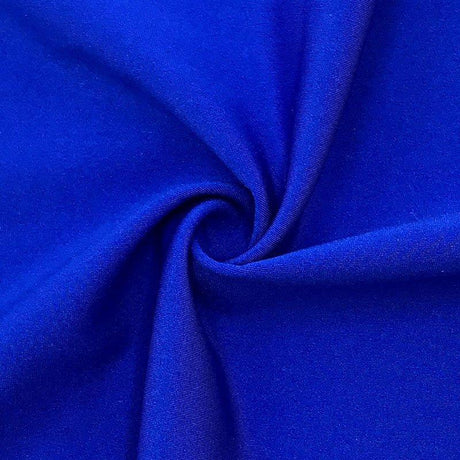
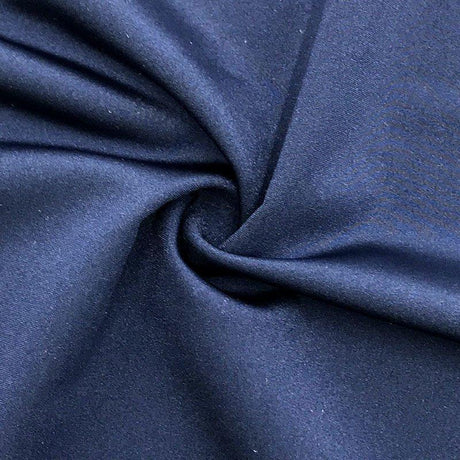
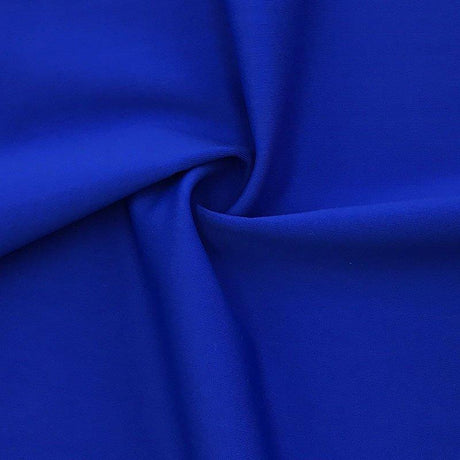
Cotton-Spandex Blend (Cotton Lycra): A natural cotton fiber base (often 90–95% cotton) combined with ~5–10% elastane. Renowned for its soft, breathable comfort and hypoallergenic feel, this cotton-stretch fabric is ideal for casual wear and low-impact apparel. However, cotton's limited stretch recovery means fabrics can lose shape ("bag out") faster than synthetics. Our cotton-spandex fabric guide covers this blend's full performance characteristics, care requirements, and best-use applications.
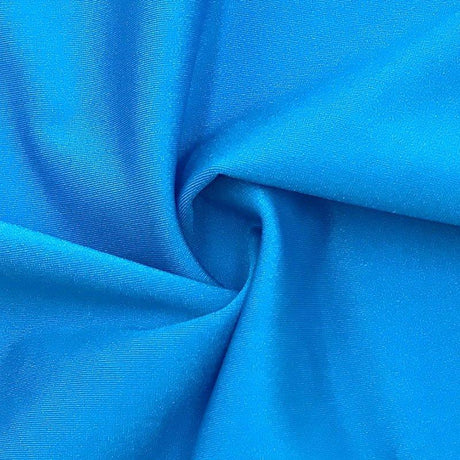
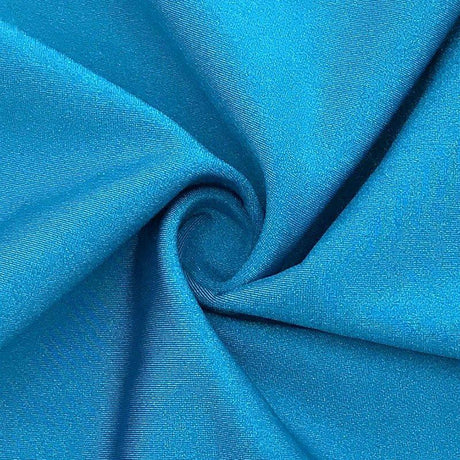
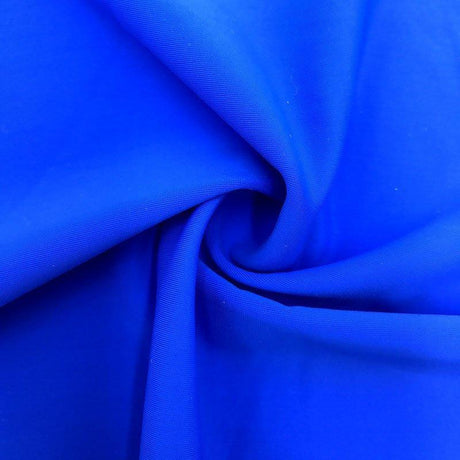
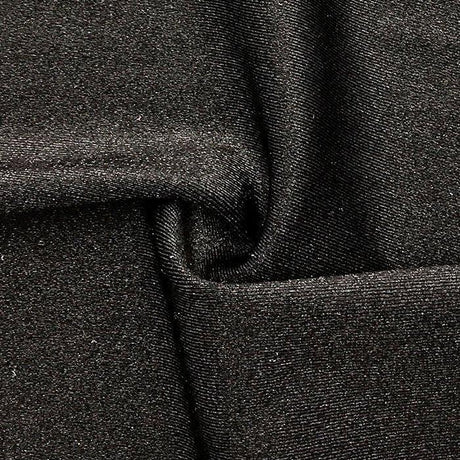
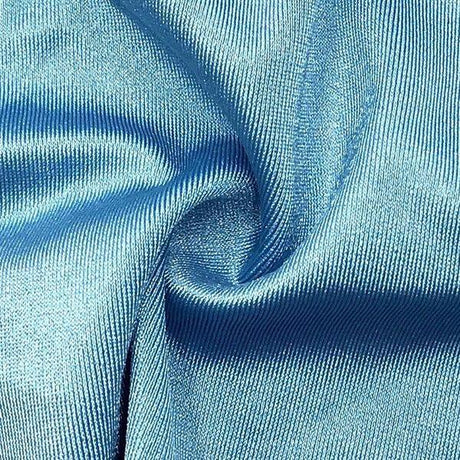
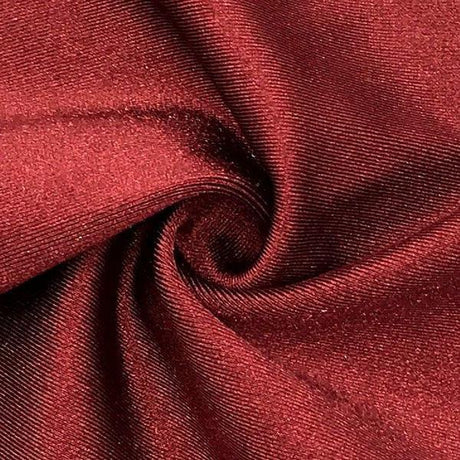
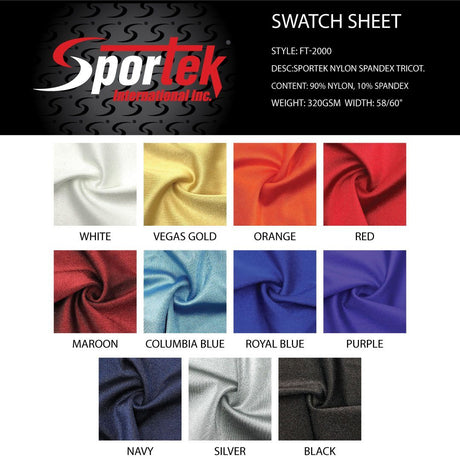
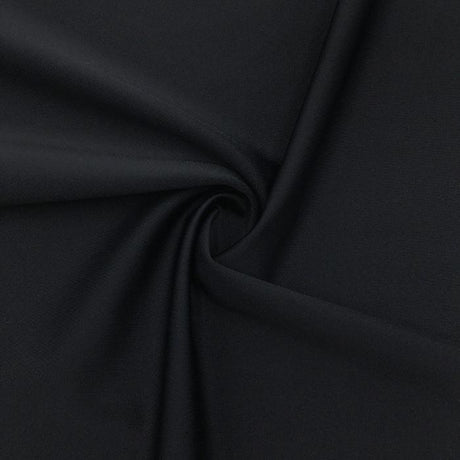
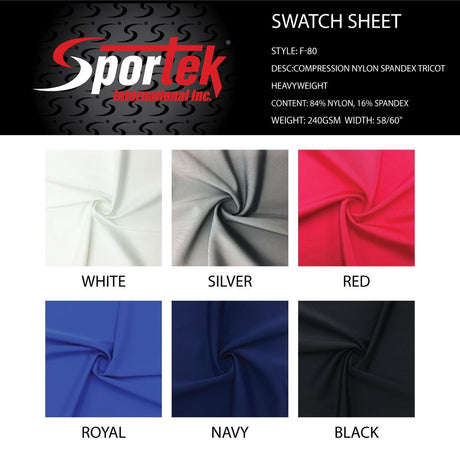
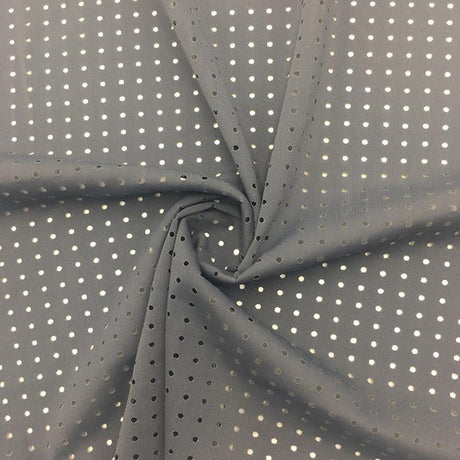
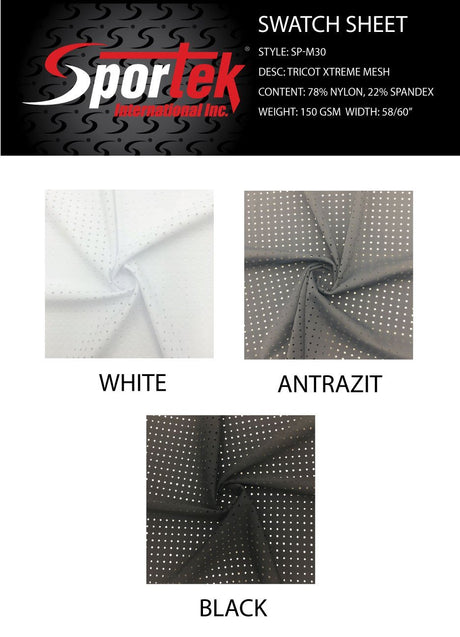
Nylon-Spandex Blend: A synthetic nylon (polyamide) base (commonly ~80% nylon, 20% spandex) known for a smooth, slightly silky feel and excellent four-way stretch. This nylon-stretch fabric offers high strength and snap-back elasticity, resisting abrasion and pilling under friction. It's prized in activewear for its "second-skin" fit and shape retention during movement, plus moderate moisture-wicking. Our nylon-spandex fabric guide covers this blend's full performance profile, including how it compares to polyester-spandex for different applications.
Technical Specifications Comparison
| Specification | Cotton-Spandex Blend | Nylon-Spandex Blend |
|---|---|---|
| Typical Composition | ~90–95% cotton / 5–10% spandex | ~70–85% nylon / 15–30% spandex |
| Typical Weight (GSM) | ~180–240 GSM | ~160–280 GSM |
| Stretch % | ~30–50% stretch | ~50–80% stretch |
| Stretch Direction | Usually 2-way (sometimes 4-way) | Typically 4-way |
| Breathability | High (natural fiber airflow) | Moderate (engineered ventilation) |
| Moisture-Wicking | Low–Moderate (absorbs moisture) | High (pulls sweat off skin) |
| Drying Speed | Slow–moderate | Fast |
| Durability | Moderate (can pill, fade over time) | High (abrasion-resistant) |
| Stretch Recovery | Moderate (may bag out) | Excellent (strong snap-back) |
| Shape Retention | Fair | Excellent |
| Best Uses | Casual leggings, loungewear, everyday comfort | Performance leggings, activewear, compression wear |
For a full explanation of how GSM ranges translate to real-world performance across both blends, visit our fabric weight guide. For a side-by-side comparison of stretch percentages and recovery ratings, see our stretch fabric types page.
Weight (GSM) and Fabric Thickness
Cotton-Spandex: Often mid-weight (e.g. ~180–220 GSM for jersey knits), providing opaque coverage with a cozy drape. Can be made heavier for structured stretch denim or lighter for t-shirt knits. Generally feels a bit heftier and warmer due to cotton's bulk.
Nylon-Spandex: Ranges from mid to heavy weights (e.g. ~200–300 GSM common in athletic knits) while feeling smoother and sometimes lighter on the skin for the same GSM. Higher density knits offer strong compression (great for sportswear) at the cost of some breathability. Our fabric weight guide covers how the same GSM can feel very different between cotton and nylon constructions.
Stretch & Recovery Performance
Stretchiness: Both blends provide excellent stretch, but nylon-spandex typically has higher elasticity for intense movement. Nylon fibers combined with spandex yield reliable four-way stretch that can handle deep bends (ideal for yoga or dance). Cotton-spandex stretches too, but usually to a lesser degree (and mostly two-way in many wovens). Our stretch fabric types page explains how to verify stretch direction and compare stretch percentages when evaluating fabric samples.
Recovery: Nylon-spandex excels at snapping back to shape without sagging – its resiliency prevents knees or elbows from bagging out. Cotton-spandex has more limited recovery; garments may lose some shape or fit after extended wear or stretching. Our spandex care guide covers how to preserve elastane recovery through proper laundering for both cotton and nylon-spandex blends.
Durability & Strength
Abrasion Resistance: Nylon-spandex is the more durable of the two. Nylon's tough synthetic fibers resist friction, making this blend ideal for garments that see a lot of movement or contact (e.g. workout leggings rubbing on gym equipment). It withstands repeated wear without pilling and generally has a longer lifespan under strain.
Longevity: Cotton-spandex, while comfortable, will typically show wear sooner. Cotton fibers can pill or weaken with heavy use and repeated washings. Nylon blends also better resist UV light and mildew, whereas cotton can degrade or fade faster under harsh conditions. Our fabric finishes guide covers anti-pilling treatments and UV-resistant finishes that can extend the lifespan of both cotton and nylon-spandex fabrics.
Breathability
Cotton-Spandex: Highly breathable. The cotton content allows air to circulate, making cotton-rich knits feel comfortable and cool against the skin. This breathability is why cotton-spandex is favored for everyday wear and loungewear – it doesn't trap as much heat.
Nylon-Spandex: Moderately breathable, depending on knit structure. Nylon fibers themselves are not as air-permeable as cotton, and when knit tightly with spandex for compression, airflow is reduced. In general, expect a nylon blend to run warmer than a cotton blend of similar weight. Our activewear fabric guide covers breathability ratings across both cotton and nylon-spandex constructions for performance applications.
Moisture-Wicking & Drying
Cotton-Spandex: Tends to absorb moisture rather than wick it. Cotton fibers soak up sweat and hold it, so a cotton-rich fabric will become damp and heavy during intense sweat. It also dries slowly. This is why you rarely see high-cotton blends in performance athletic wear.
Nylon-Spandex: Offers some moisture-wicking. Nylon is semi-hydrophobic, meaning it doesn't absorb much moisture and can pull perspiration off the skin to an extent. A nylon-spandex garment will dry faster than a cotton one and manages sweat reasonably well for moderate activity. Our activewear fabric guide covers moisture management ratings for both nylon and cotton-spandex blends across different activity levels.
How to Choose the Right Blend by Use Case
Our how to choose fabric guide walks through this decision framework systematically for all common garment types.
Activewear & Athleisure
High-Intensity Workouts: For gym sessions, running, or yoga, nylon-spandex is often the top choice. Its superior stretch recovery and moderate wicking keep compression leggings and sports bras supportive and comfortable through movement. Nylon blends also endure frequent stretching and washing without losing shape – key for athletic gear. Our nylon-spandex fabric guide covers the specific nylon-spandex constructions best suited to compression leggings, sports bras, and high-intensity activewear.
Casual Fitness & Athleisure: If you're making apparel for light exercise, yoga-lounge, or all-day athleisure wear, cotton-spandex can shine. These pieces prioritize comfort over sweat management. A cotton-spandex yoga pant or hoodie offers a soft, breathable feel that consumers love for low-impact routines or running errands. Our cotton-spandex fabric guide covers the best cotton-spandex constructions for everyday athleisure applications and what care adjustments they require.
Tip: In many activewear lines, cotton-spandex is used for tops or casual joggers where comfort is king, while nylon or poly-spandex is used for high-stress garments like compression leggings or sports bras where performance matters.
Swimwear & Water Sports
Best Blend: Nylon-spandex (or polyester-spandex) is the clear winner here. Traditional swimsuits commonly use ~80% nylon, 20% spandex for a smooth, form-fitting suit that holds its shape when wet. Always look for chlorine-resistant spandex variants (like Xtra Life Lycra) in swim fabrics to ensure the suit lasts longer in pools. Our swimwear fabric guide covers chlorine-resistant nylon and polyester-spandex options and how to choose between them for different aquatic applications.
Avoid Cotton-Blends: Cotton-spandex has no place in swimwear. Cotton will absorb water quickly, turning a suit heavy and saggy. It also dries slowly and breaks down with chlorine exposure. Our cotton-spandex fabric guide covers exactly why cotton blends are unsuitable for swim applications and what to use instead.
Competitive Swim & Surf: Consider polyester-spandex blends for even better chlorine and UV resistance. Poly-spandex fabrics withstand pool chemicals and sun-fade longer than nylon, though they might feel slightly less soft. In either case, avoid any cotton content in fabrics destined for water use. Our swimwear fabric guide covers the full comparison of nylon vs. polyester-spandex for competitive and recreational swim applications.
Everyday Apparel (Tops, Pants & Dresses)
Casual Wear: For daily-wear garments like t-shirts, blouses, stretch denim jeans, or dresses, cotton-spandex is often preferred. The natural cotton content provides breathability and a familiar, soft touch that consumers associate with comfort. A 95/5 cotton-spandex jersey makes an excellent stretchy t-shirt that feels good all day. These fabrics are also easy to cut and sew, and generally cost-effective. Our cotton-spandex fabric guide covers everyday cotton-spandex fabric options and their care requirements for daily wear applications.
Structured Garments: Cotton-spandex can also be found in bottom-weight fabrics (e.g. twill or denim with 2–5% spandex) to give a bit of give in jeans, chinos, or workwear. Nylon-spandex is less common in everyday street clothing, but might appear in fitted dresses or trousers where a smoother drape and lustrous finish is desired.
Styling & Preference: Many consumers prefer the look and feel of cotton for daily wear. It has a matte finish and natural feel, whereas nylon can have a slight sheen and cooler hand. Our fabric finishes guide covers how matte and sheen surface treatments compare across cotton and nylon-spandex constructions.
Stretch Upholstery & Heavy-Duty Use
Furniture & Upholstery: For stretch slipcovers, furniture upholstery, and automotive interiors, durability is paramount. Nylon-spandex or polyester-spandex blends are recommended for stretch upholstery fabric because of their superior strength and abrasion resistance. They can handle people sitting, pulling, and stretching the material daily without tearing.
Why Not Cotton?: Cotton blends may wear out faster, fade in sunlight, or succumb to mildew in humid environments. A nylon-spandex or poly-spandex upholstery fabric will be more resistant to stains, wrinkles, and degradation. Our fabric weight guide covers heavy-weight spandex-blend fabric options (250 GSM and up) suited to upholstery and commercial-use applications.
Common Mistakes to Avoid with Stretch Fabrics
Wrong Needle or Stitch: Avoid using a standard sharp needle on knit/stretch fabric – it can cause skipped stitches or holes. Use a ballpoint or stretch needle designed for spandex materials, which slides between fibers without damage. Also, employ stretch-friendly stitches (zigzag or serger/overlock) rather than a straight stitch, so seams can elongate without breaking. Our how to sew stretch fabric guide covers needle selection, stitch type, and machine setup for both cotton and nylon-spandex constructions.
Inappropriate Thread: Do not sew these blends with 100% cotton thread; it has no give and will snap on stretching. Opt for a polyester thread, which is strong, slightly elastic, and can handle strain. In high-stress areas, a wooly nylon thread (in sergers) can provide extra elasticity to the seams. Our how to sew stretch fabric guide covers thread pairing recommendations for all common stretch fabric types.
Ignoring Tension & Feed: Incorrect machine tension or presser foot pressure can wreak havoc on stretch fabric – causing puckered seams or uneven stitching. Always test on a scrap and adjust tension so that stitches lie flat. Consider using a walking foot or differential feed if the fabric is getting stretched out of shape while sewing. Our how to sew stretch fabric guide covers differential feed adjustment and presser foot recommendations for clean, flat seams on stretch knits.
Hot Washing or Drying: High heat is the enemy of spandex. Washing in hot water or tumble-drying on high can cause elastic fibers to contract or melt, permanently reducing stretch recovery. Wash in cold water and air dry or tumble dry low. Our spandex care guide covers heat sensitivity across different elastane blends and how to preserve recovery through repeated laundering, and our fabric care guide provides complete care protocols for both cotton and nylon-spandex garments.
Harsh Chemicals: Bleach and strong detergents can deteriorate elastane fibers. Do not use chlorine bleach on stretch fabrics. Likewise, avoid fabric softeners on activewear; they can coat fibers and inhibit moisture-wicking. Our fabric care guide covers safe detergent options and laundering best practices for all common stretch fabric types.
Skipping Pre-Wash: If you're sewing with cotton-spandex, always pre-wash your fabric. Cotton content can shrink on the first wash, so failing to pre-shrink can lead to sizing issues in the final product. Pre-washing also removes any finishes that might affect how the fabric stretches and handles. Our fabric care guide covers pre-washing protocols for both cotton and nylon-spandex fabrics.
Improper Cutting: When cutting stretch fabric, lay it flat without hanging over edges (to prevent distortion) and use weights or a rotary cutter if possible. Stretch fabrics can roll at the edges (especially jerseys), so be patient and use plenty of pins or clips to keep pattern pieces aligned. Our how to sew stretch fabric guide covers cutting techniques and grain alignment for both cotton and nylon stretch knits.
When to Use Polyester-Spandex Instead
Ultra High-Sweat Activities: If neither cotton nor nylon blends quite meet your needs for intense sweat conditions, polyester-spandex might be your blend of choice. Polyester is hydrophobic, meaning it wicks sweat extremely well and dries very fast. For marathon runners, HIIT training apparel, or any gear where staying dry is critical, poly-spandex outperforms both cotton and nylon in moisture management. Our activewear fabric guide covers polyester-spandex constructions and moisture management ratings for high-intensity performance applications.
Maximum Durability & Outdoor Use: Polyester-spandex fabrics are known for being tough and low-maintenance. Polyester has high tensile strength, resists abrasion, stretching, and shrinking, holds color vibrantly, and tolerates UV exposure better than nylon – a plus for outdoor gear or brightly printed sports uniforms. Additionally, polyester won't mold or rot like natural fibers can. Our swimwear fabric guide covers chlorine-resistant polyester-spandex options for swim and aquatic applications where nylon's limitations show.
Cost & Availability: Poly-spandex blends are often more budget-friendly than high-nylon blends. They're widely available in countless textures and weights – from brushed fleece-back athletic knits to sleek swim tricots. Our fabric weight guide covers polyester-spandex GSM ranges and how they compare to nylon-spandex at equivalent weights.
Easy Care & Wrinkle Resistance: Polyester is inherently wrinkle-resistant. Garments come out of the wash with few wrinkles and generally don't need ironing. Polyester-spandex pieces also handle repeated washings without much fading or pilling, as long as you launder them properly. Our fabric care guide covers how polyester-spandex compares to nylon-spandex in care durability through repeated washing cycles.
When to Opt for Polyester-Spandex: Choose it for high-performance activewear (especially for endurance sports or hot climates), swimwear that sees a lot of chlorine, or anytime you need a durable, fast-drying fabric. Keep in mind polyester-spandex can feel slightly less soft or "luxe" than nylon-spandex, and it may retain odors more (since polyester can hold oils). But when pure performance at a good price is the goal, poly-spandex is a strong contender.
Conclusion
Summary of Differences: In the cotton-spandex vs. nylon-spandex matchup, neither is "better" across the board – each has its niche. Cotton-spandex offers unparalleled comfort, breathability, and a natural feel, making it perfect for everyday wear and low-impact uses where comfort is key. Nylon-spandex delivers on technical performance – superior stretch, recovery, and durability – ideal for sports, dance, and form-fitting apparel that needs to move with you without wearing out.
Use-Case is King: The best way to choose is to think about the end use. For a yoga studio line or athletic uniform, lean into nylon or polyester blends that can handle sweat and strain. For a line of lounge clothes or maternity wear, cotton-spandex will likely delight customers with its softness. Don't force one blend to do the job of the other – you can even offer both options in your product range to cover different customer preferences. Our how to choose fabric guide walks through this trade-off framework systematically for all common garment types.
Confidence in Your Choice: By understanding the technical specs – from GSM weight to stretch percentages and recovery rates – you're equipped to evaluate fabric spec sheets with a critical eye. Ready to get started? Explore our cotton-spandex fabric guide and nylon-spandex fabric guide for full performance profiles on each blend, use our stretch fabric types page and fabric weight guide to compare your options, and visit our how to sew stretch fabric guide for construction best practices. Our fabric care guide and spandex care guide will keep finished garments performing beautifully. Have questions? Our expert help and advice page and FAQ are always available. Sign up for SpandexByYard Rewards to earn points on every purchase – happy fabric sourcing and sewing!