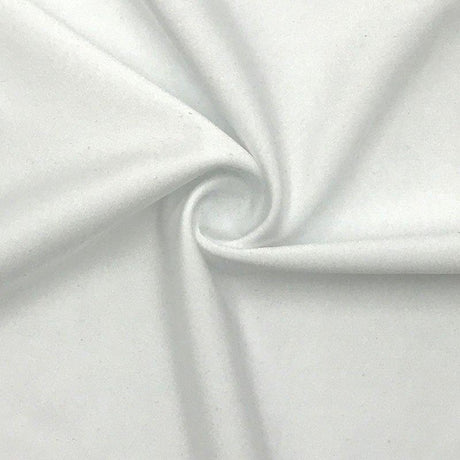
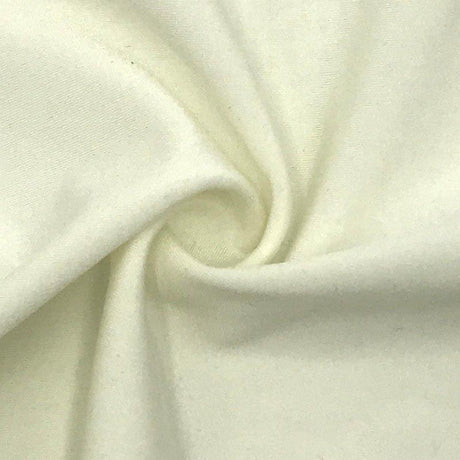
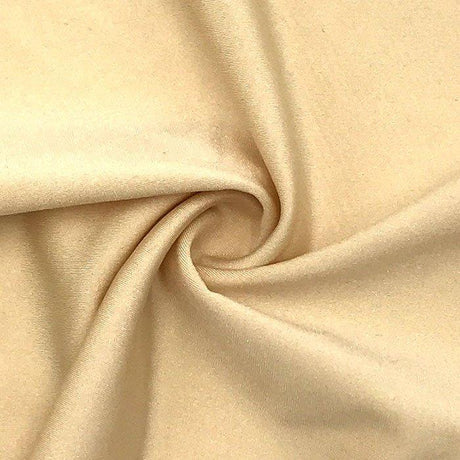
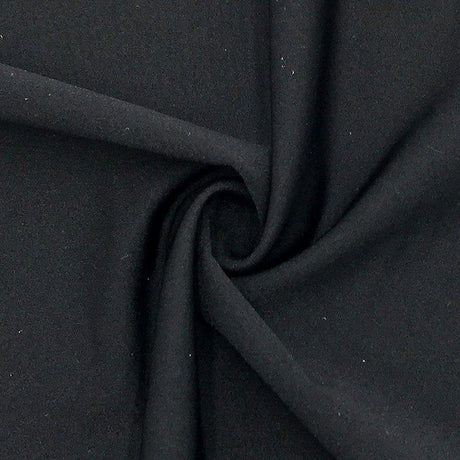
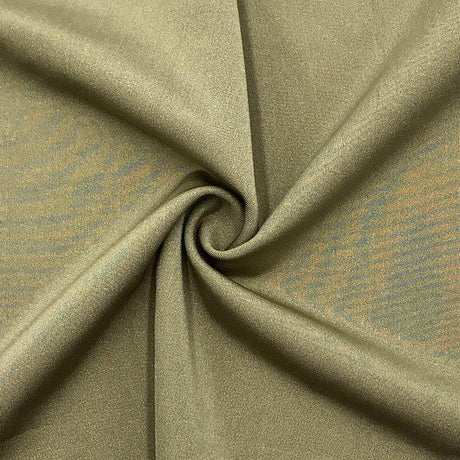
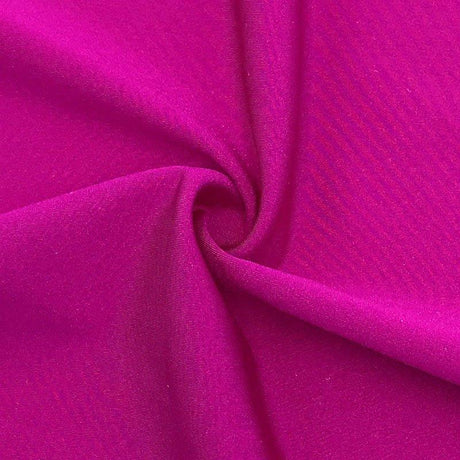
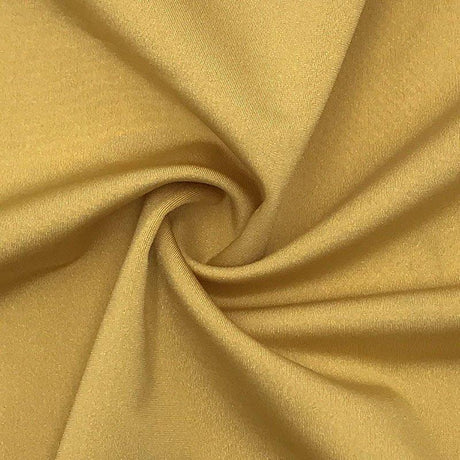
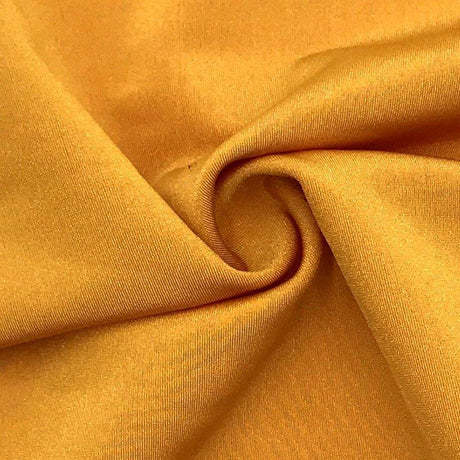
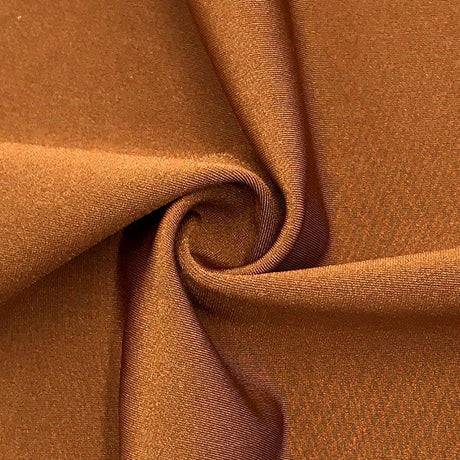
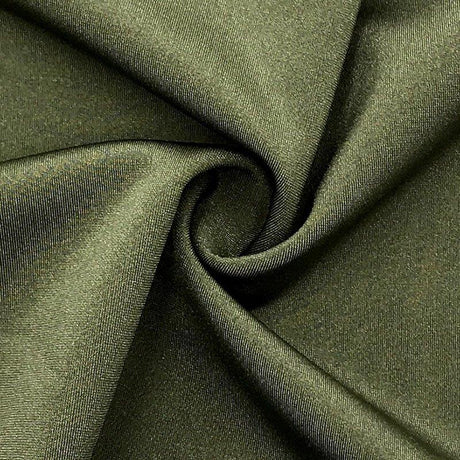
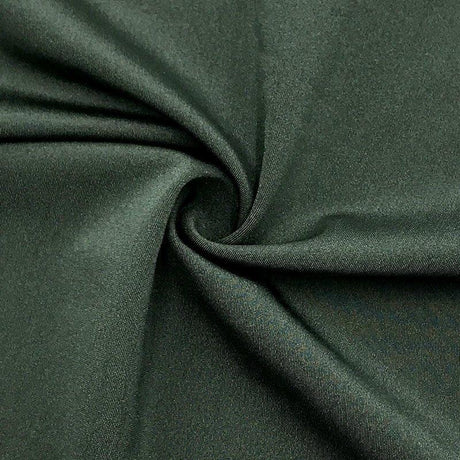
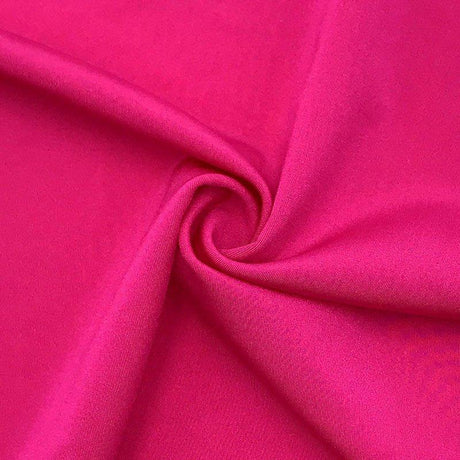
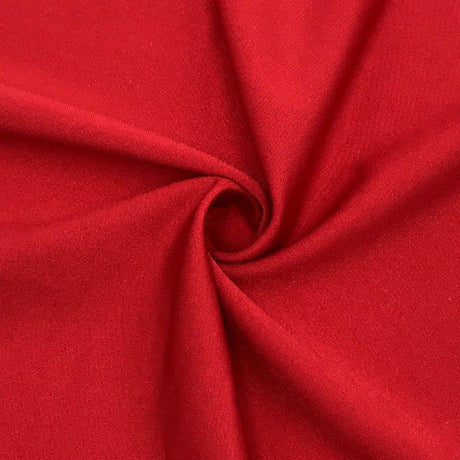
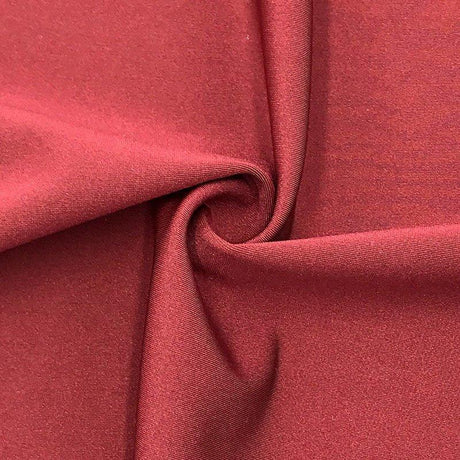
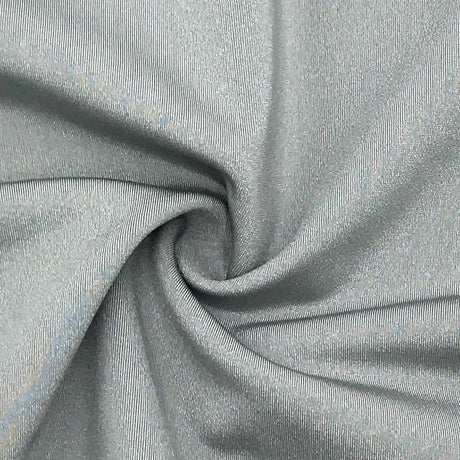
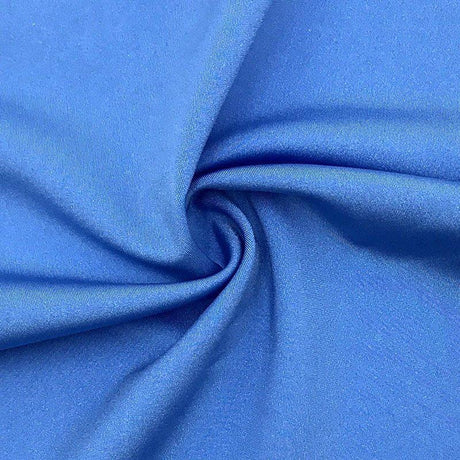
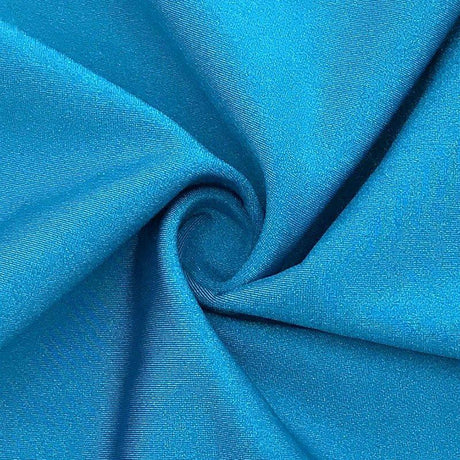
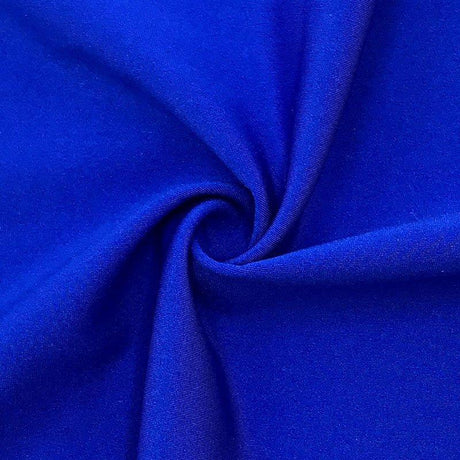
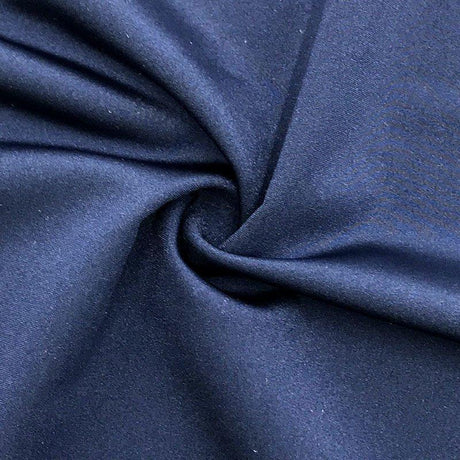
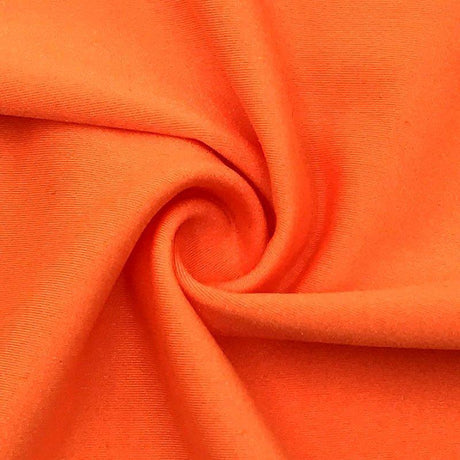
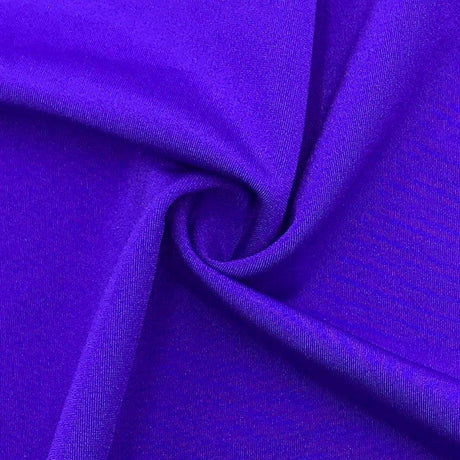
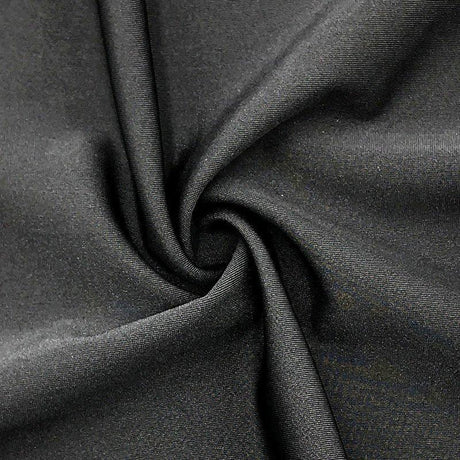
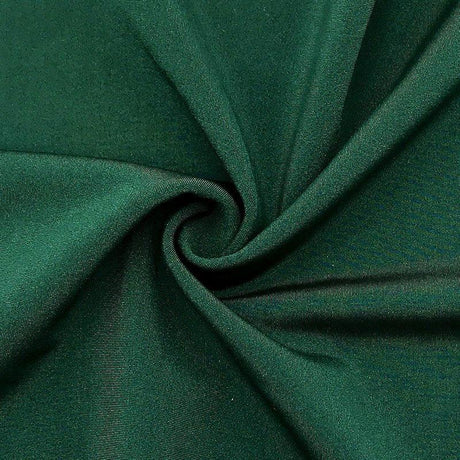
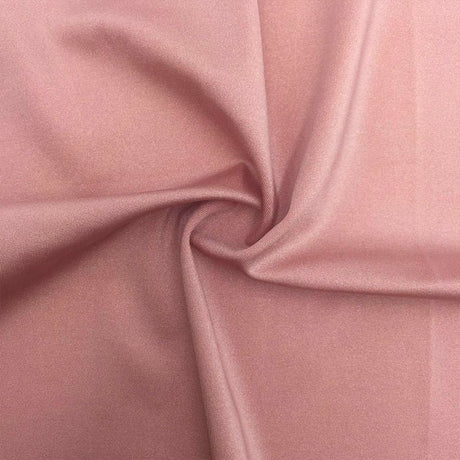
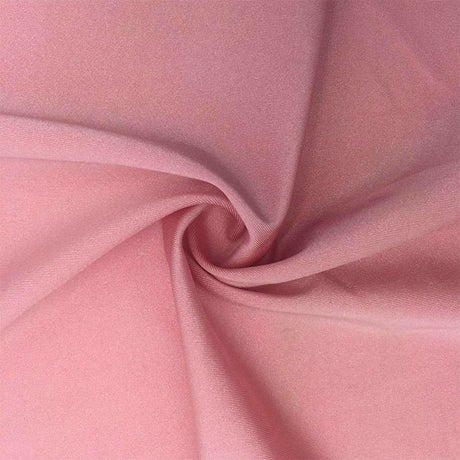
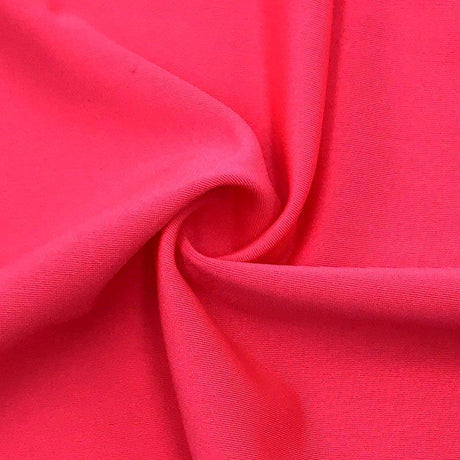
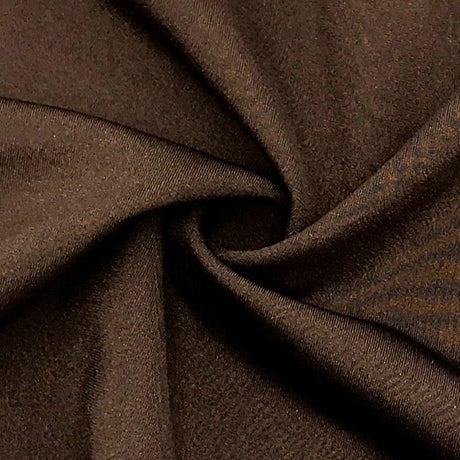
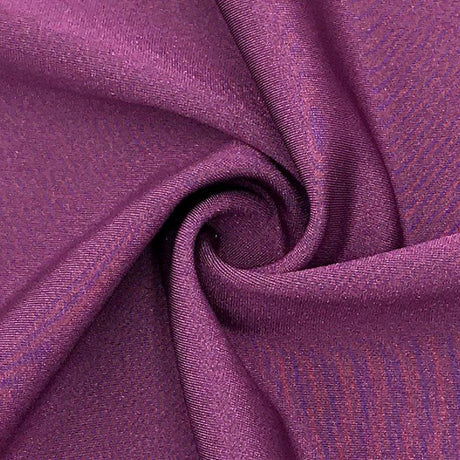
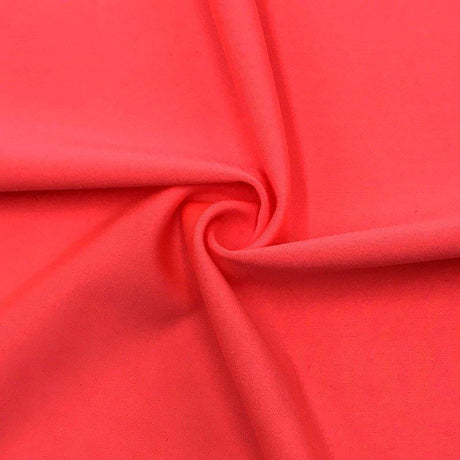
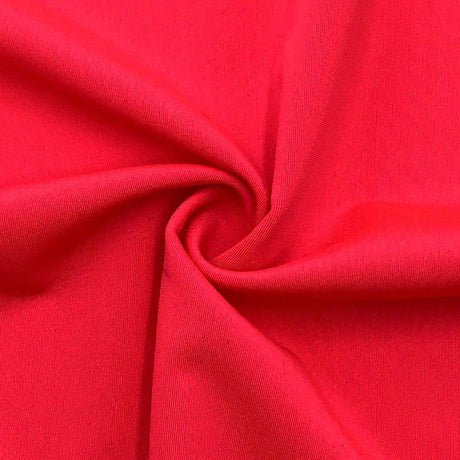
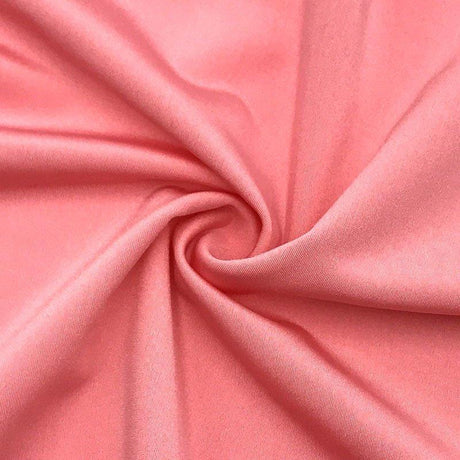
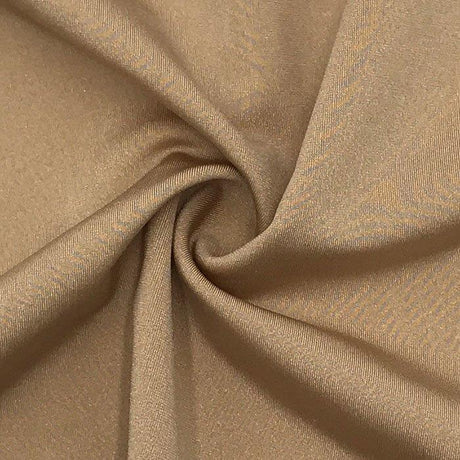
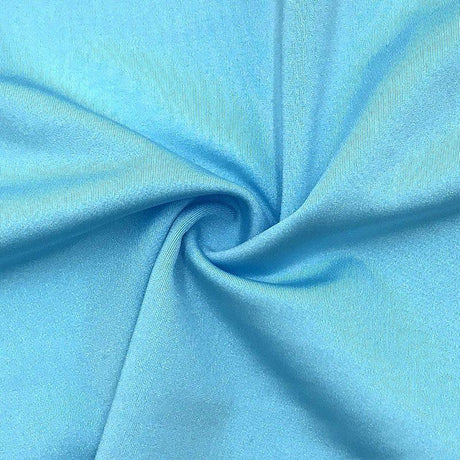
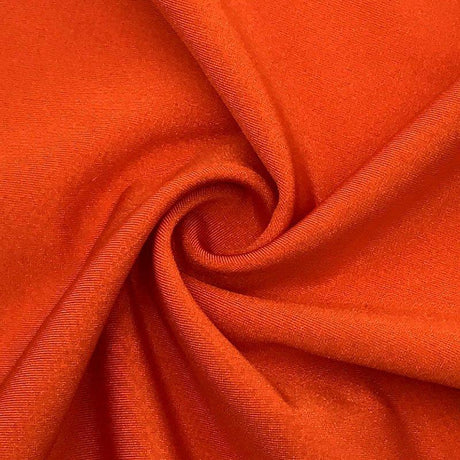
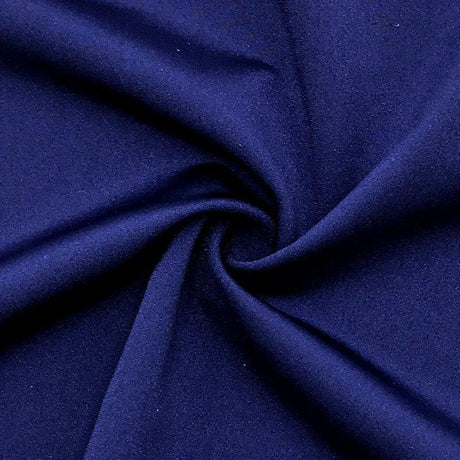
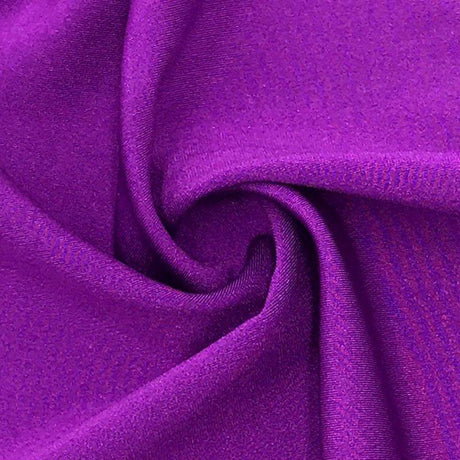
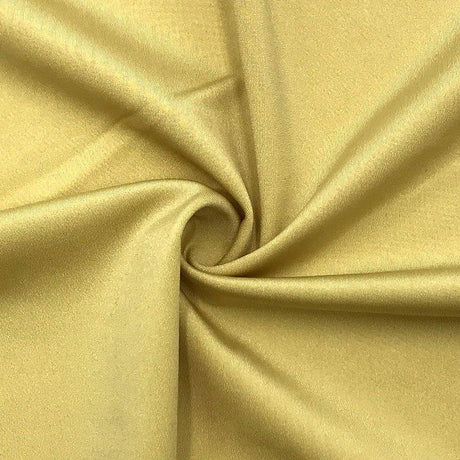
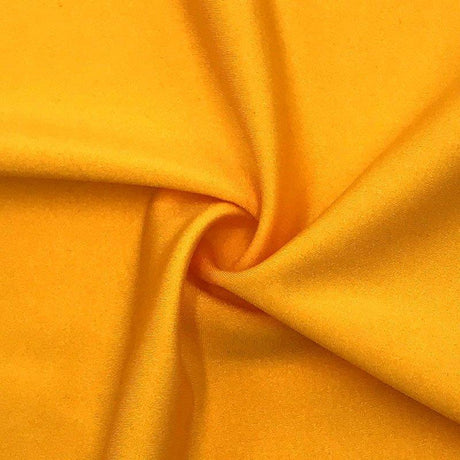
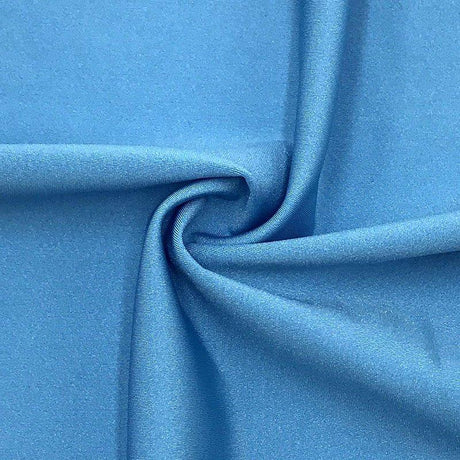
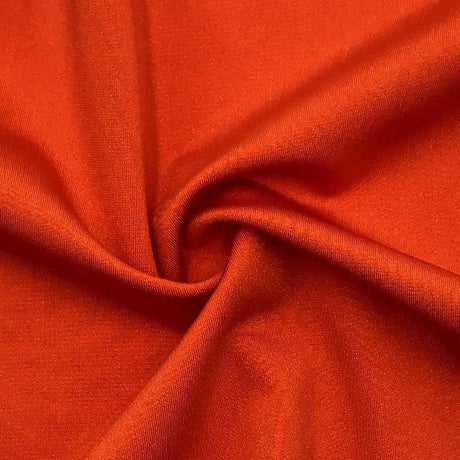
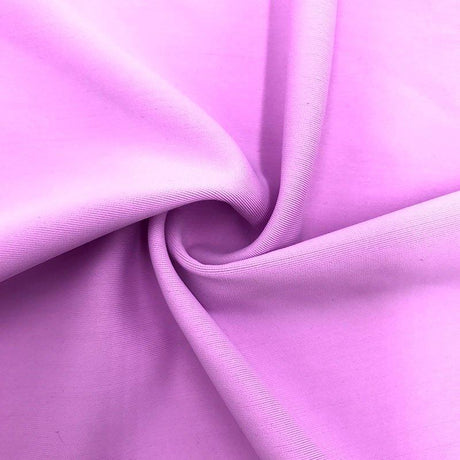
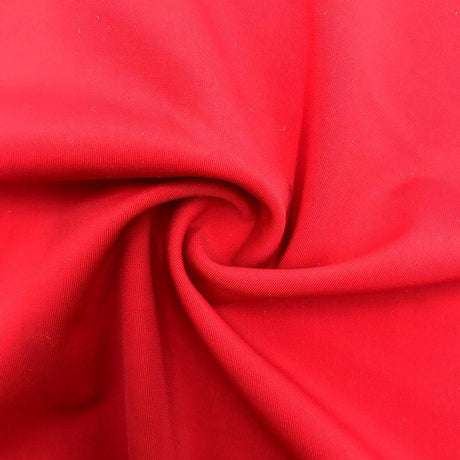
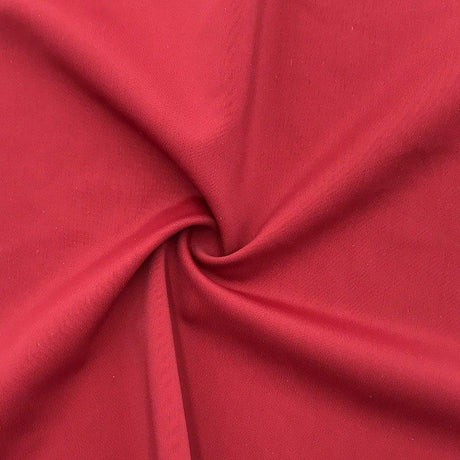
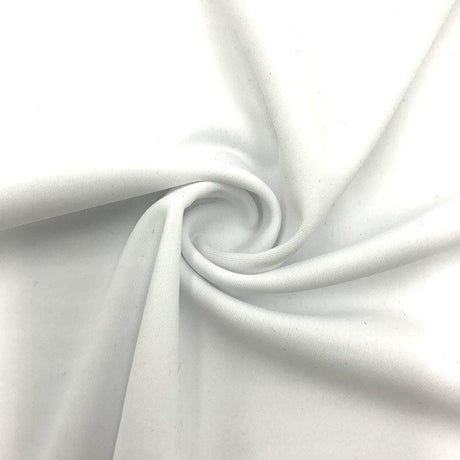
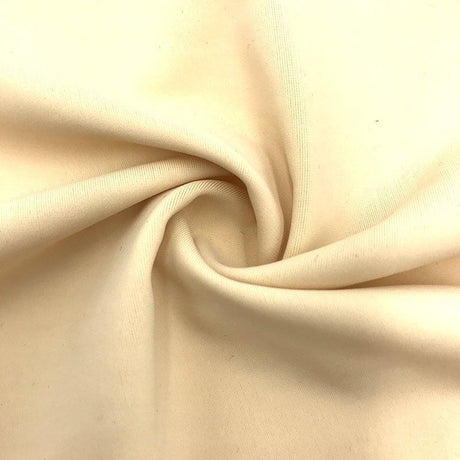
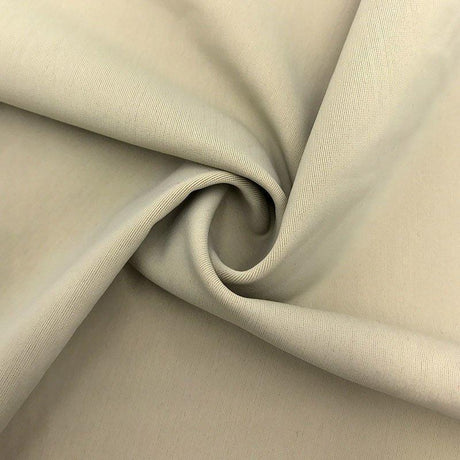
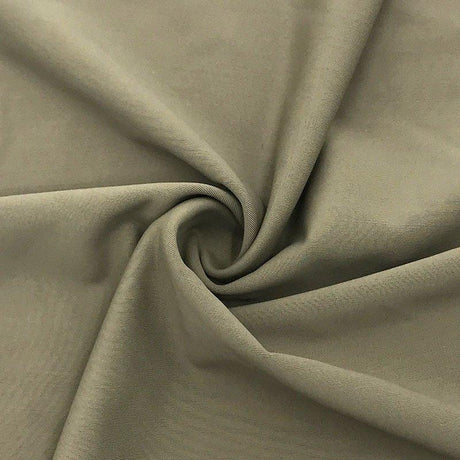
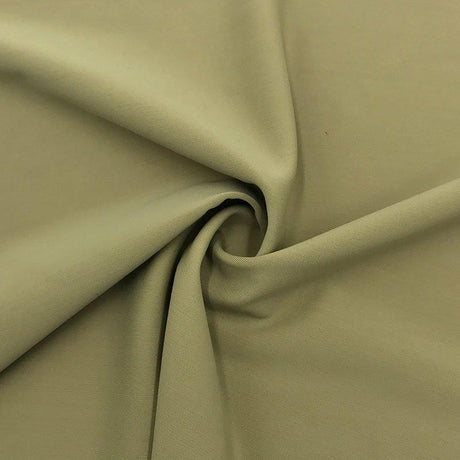
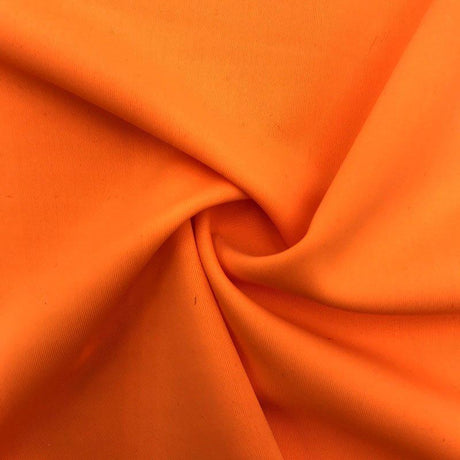
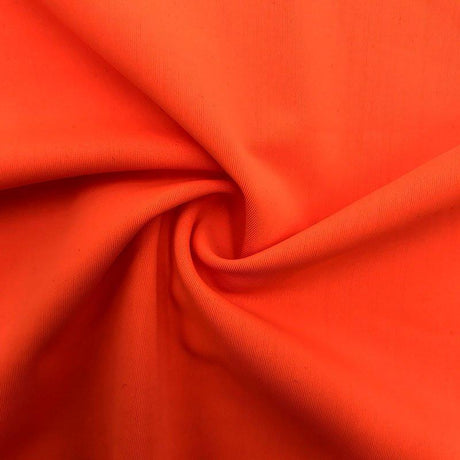
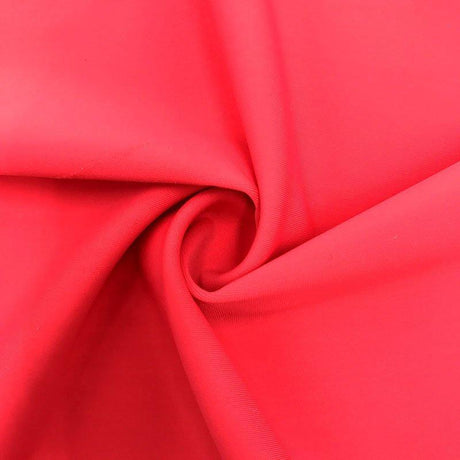
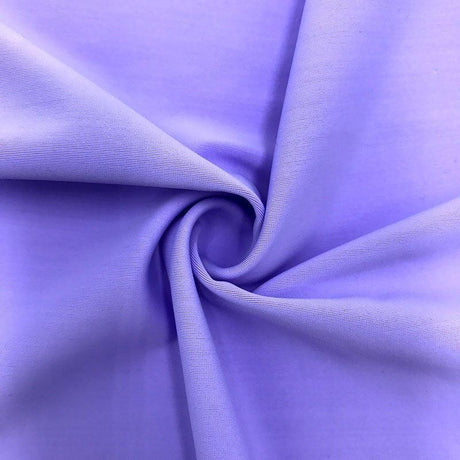
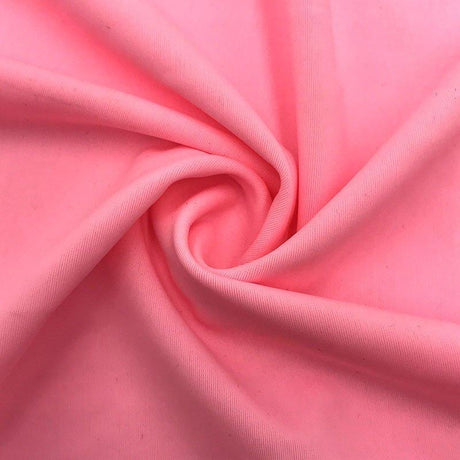
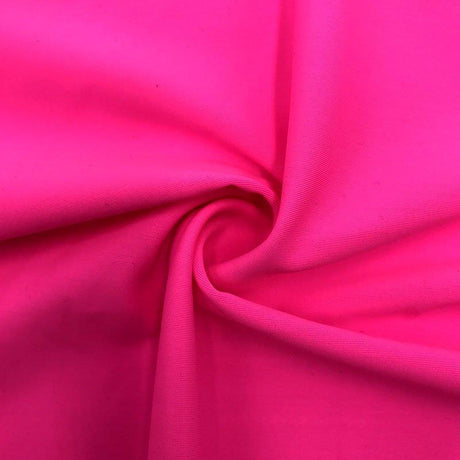
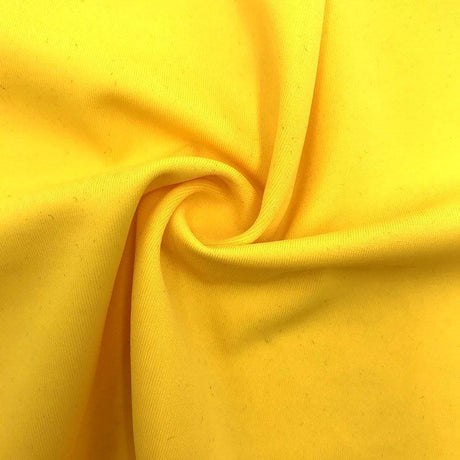
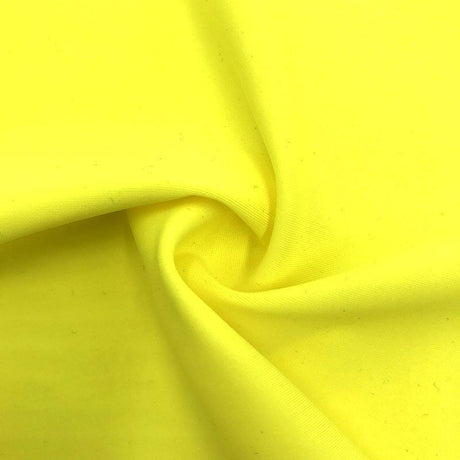
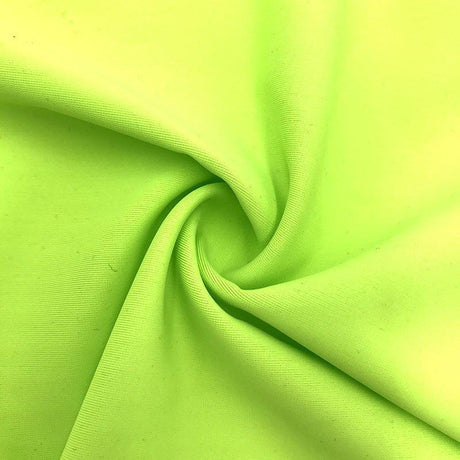
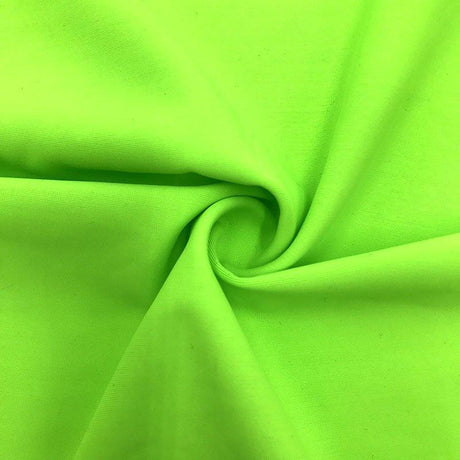
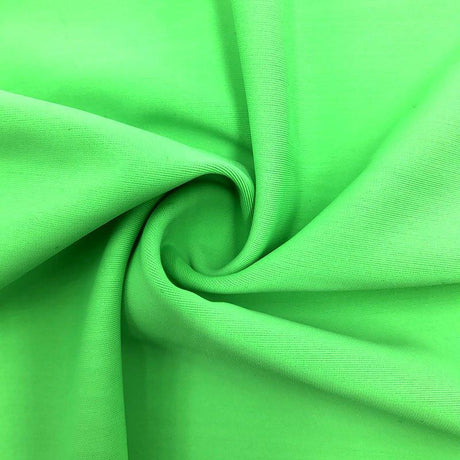
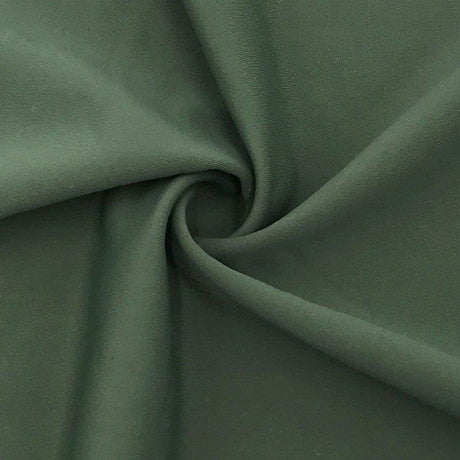
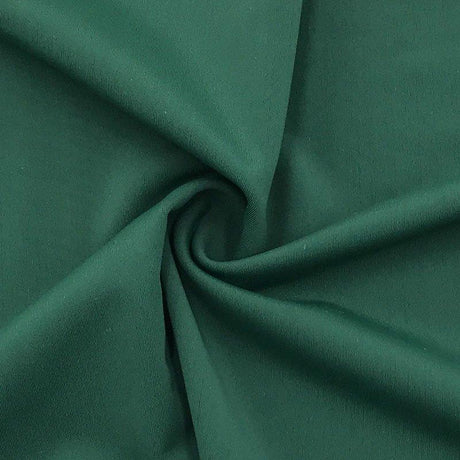
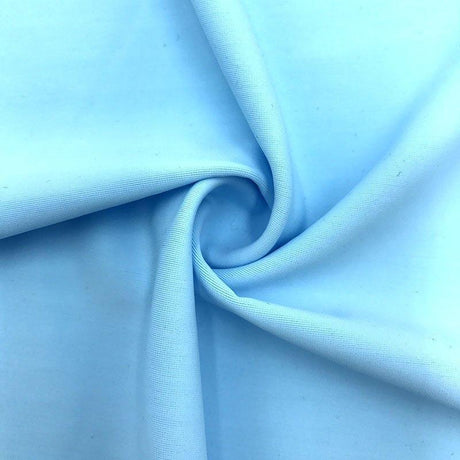
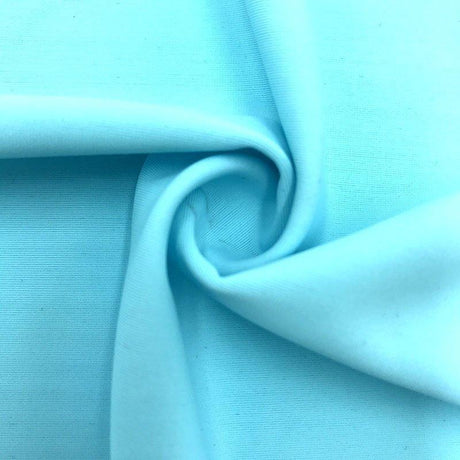
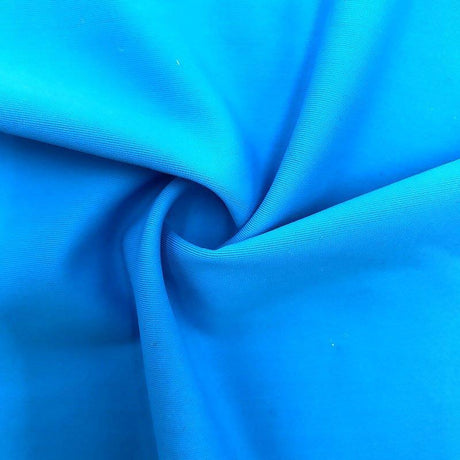
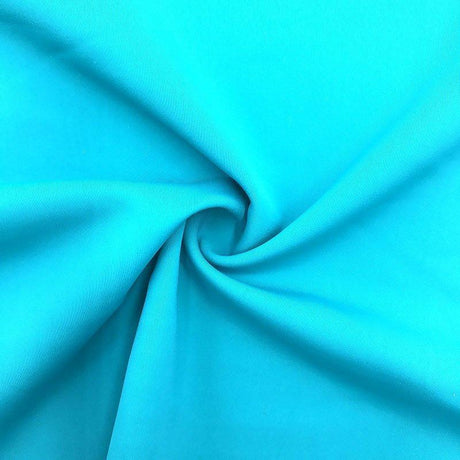
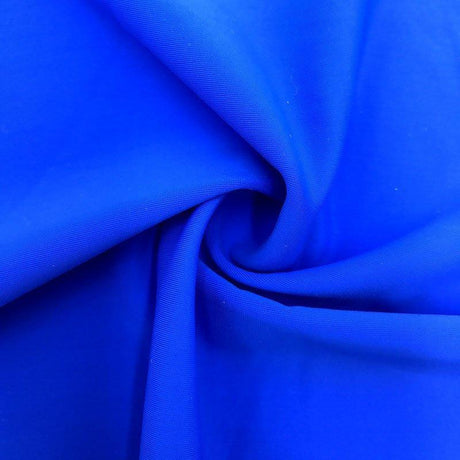
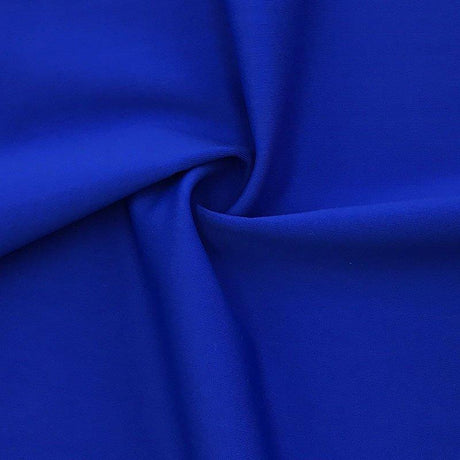
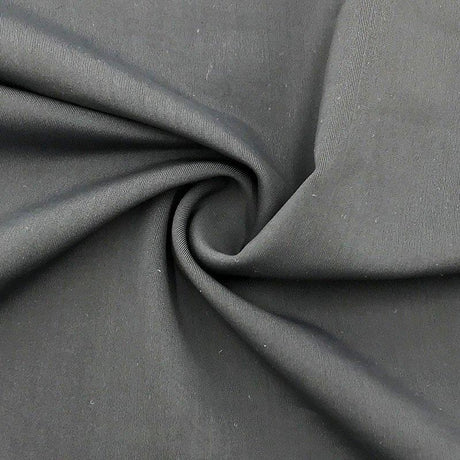
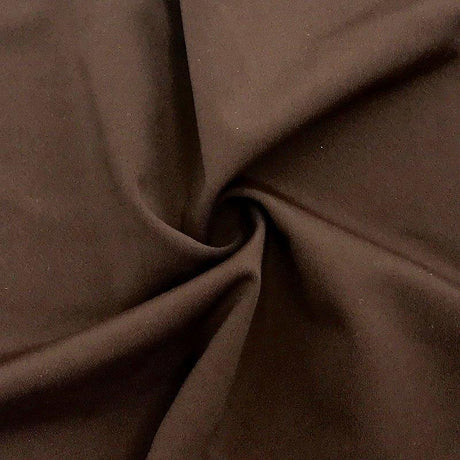
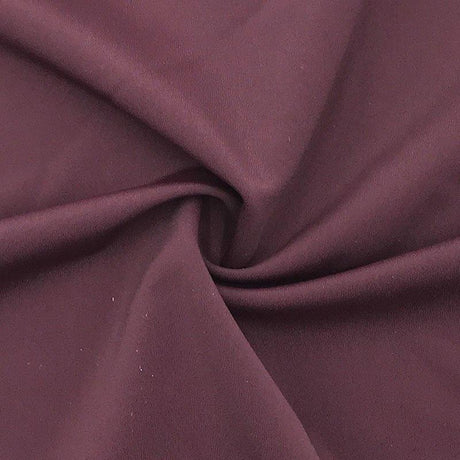
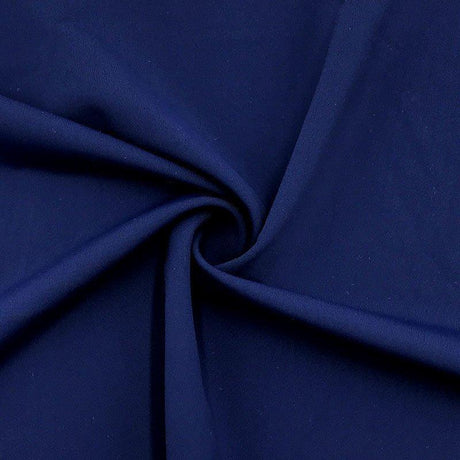
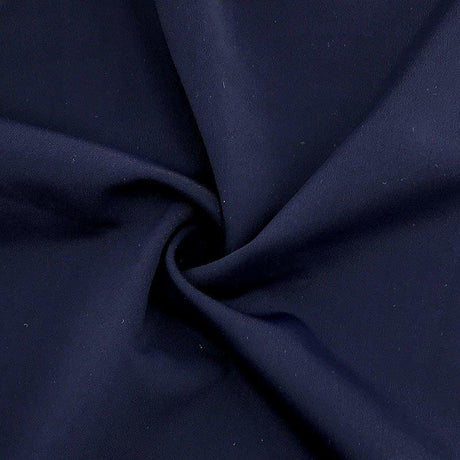
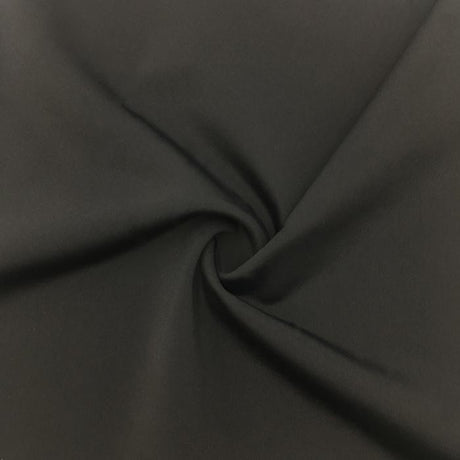
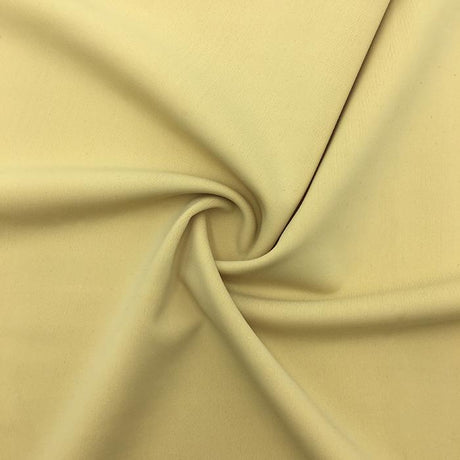
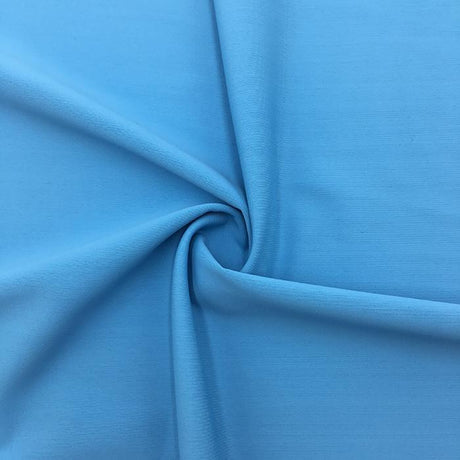
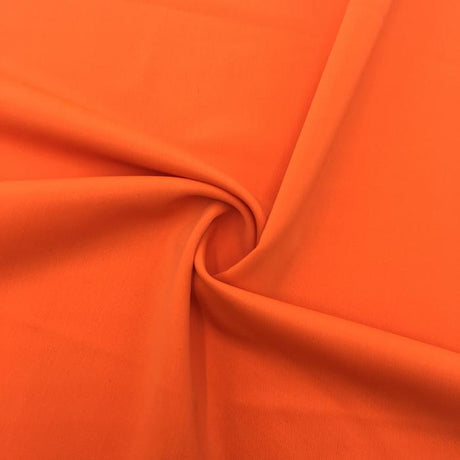
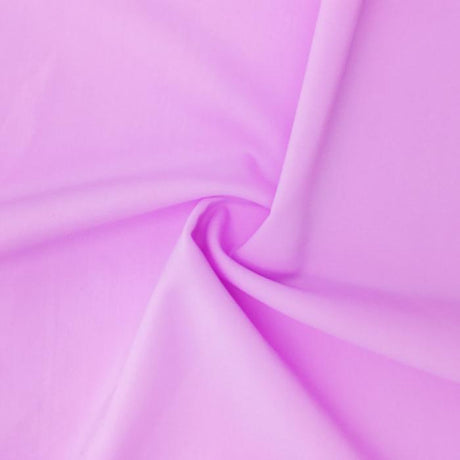
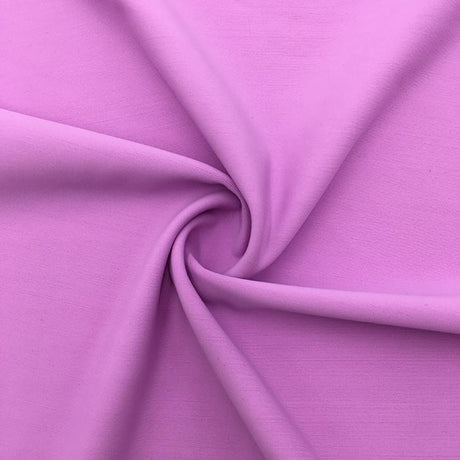
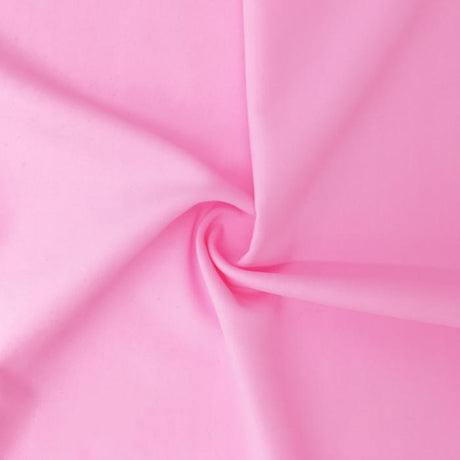
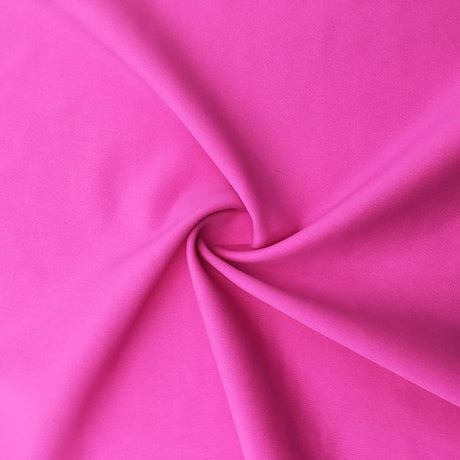
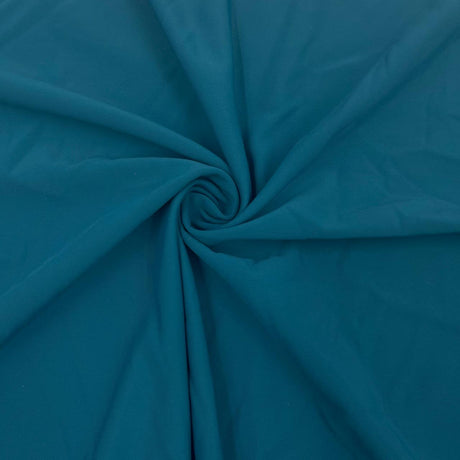
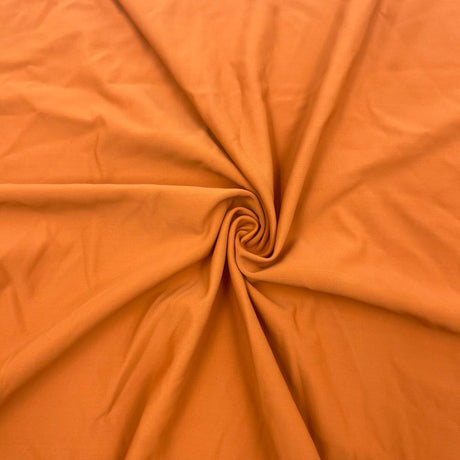
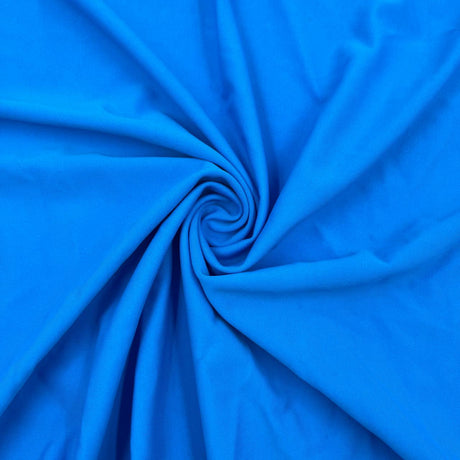
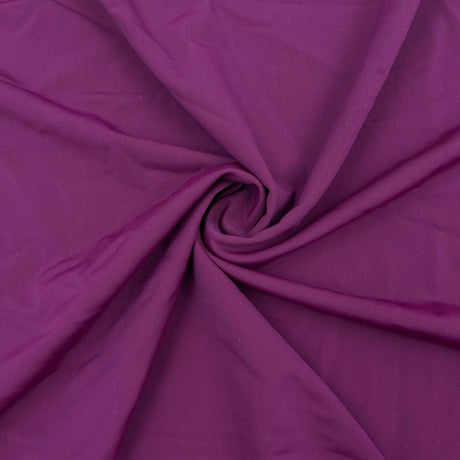
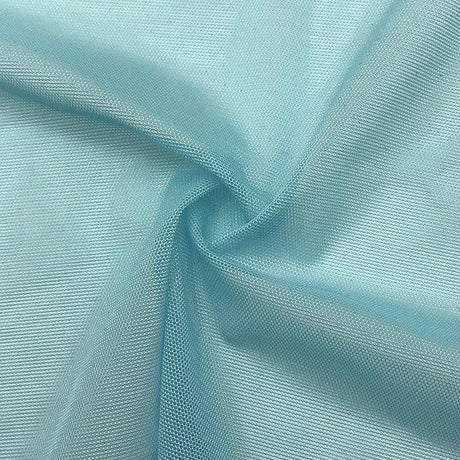
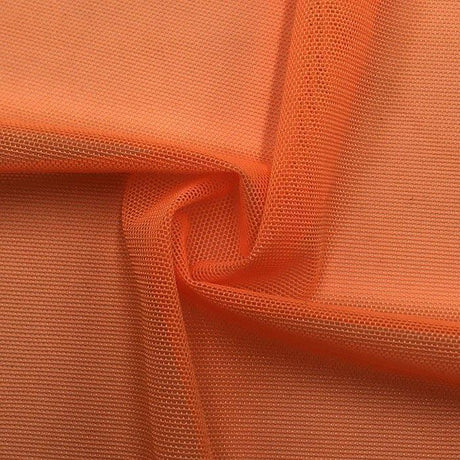
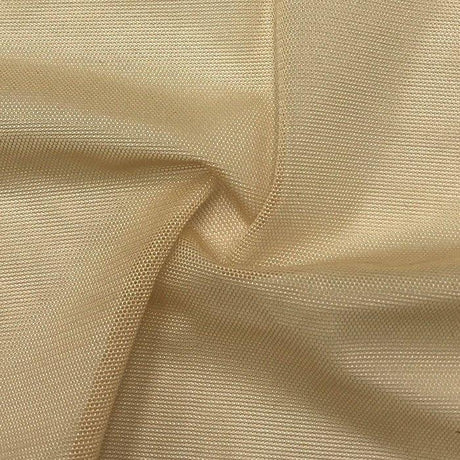
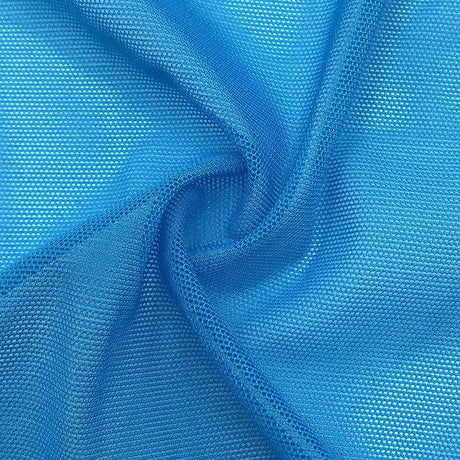
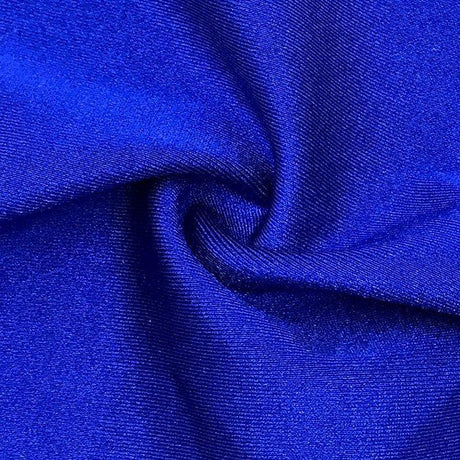
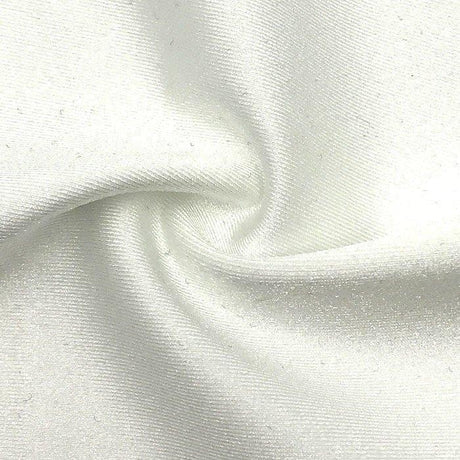
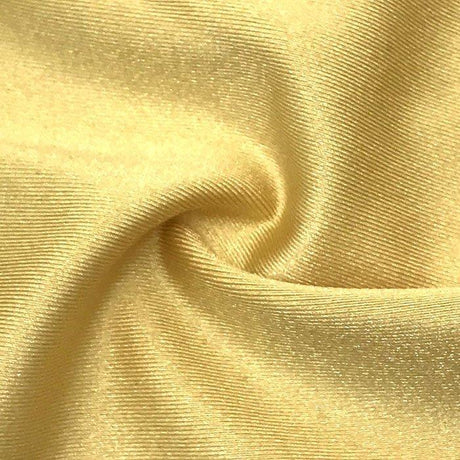
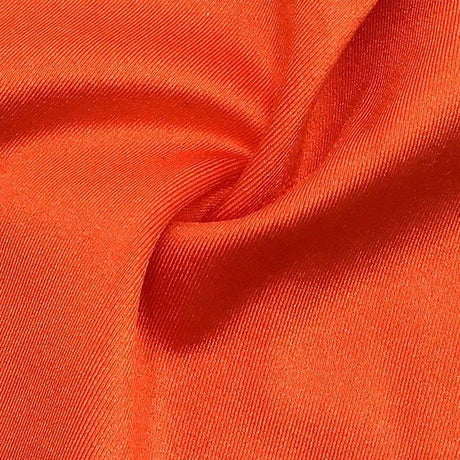
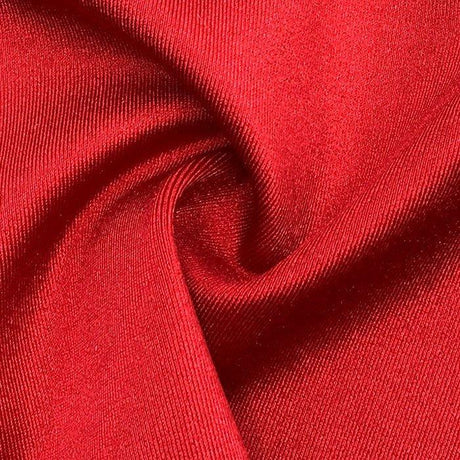
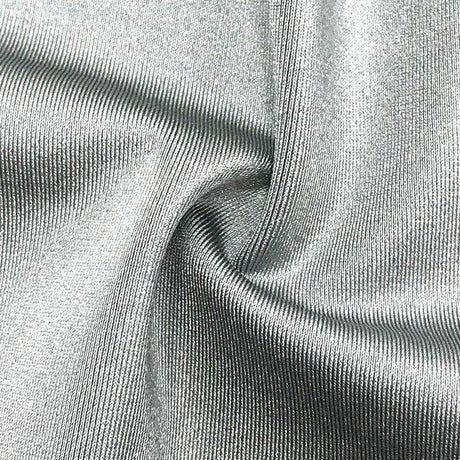
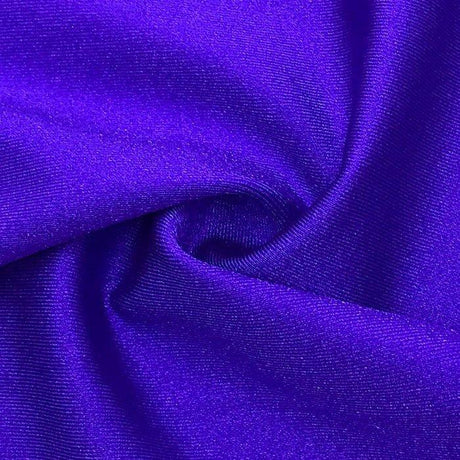
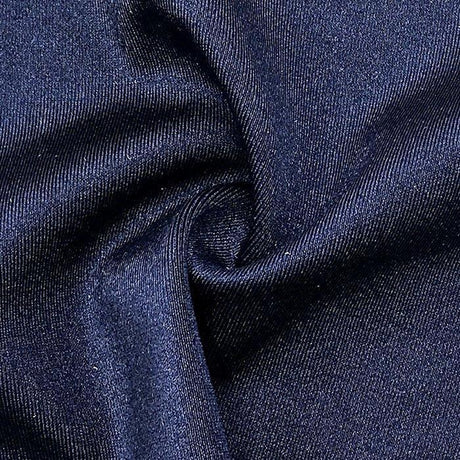
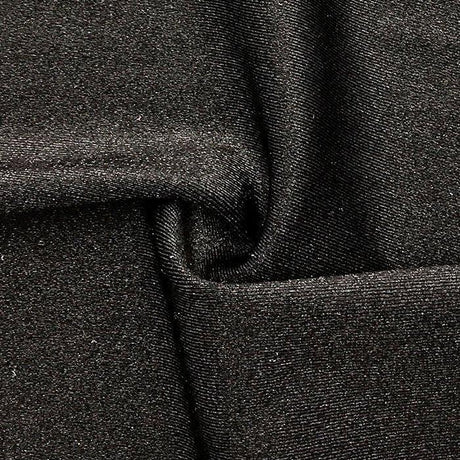
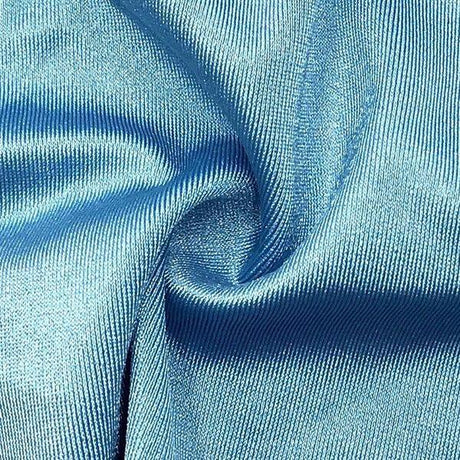
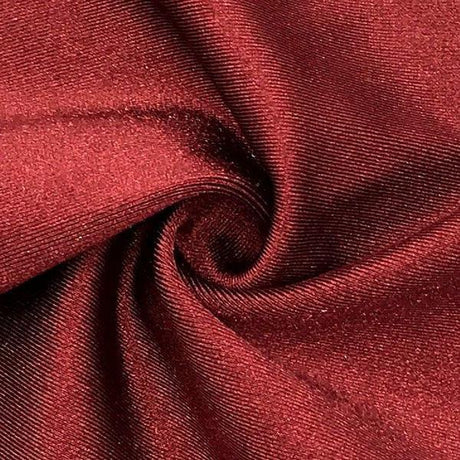
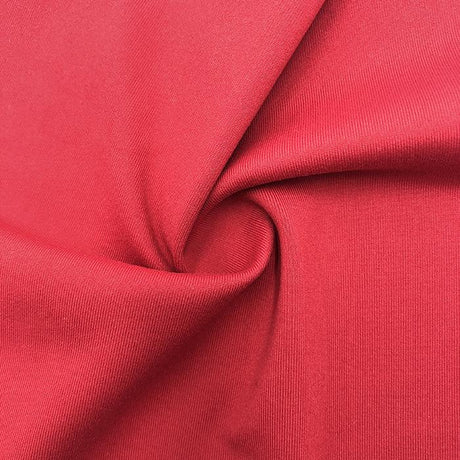
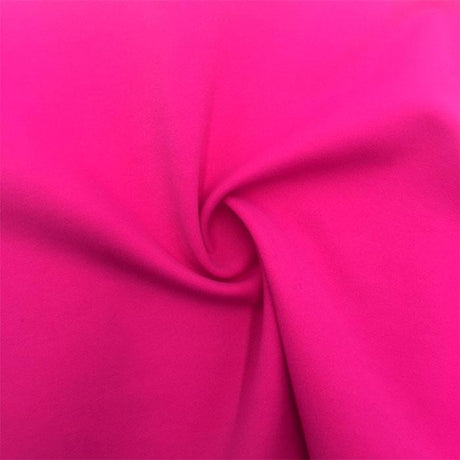
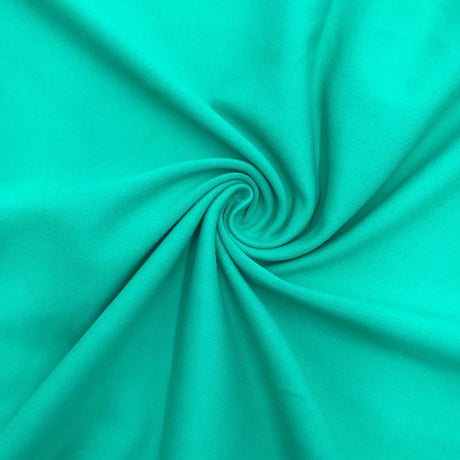
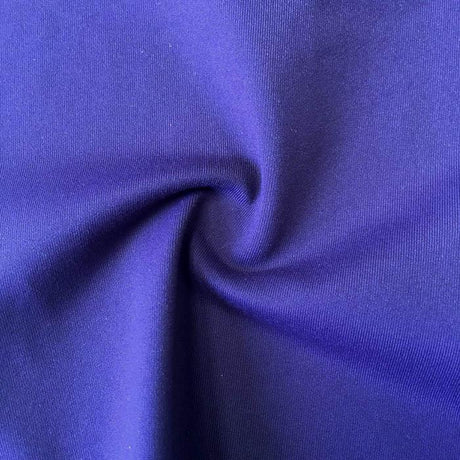
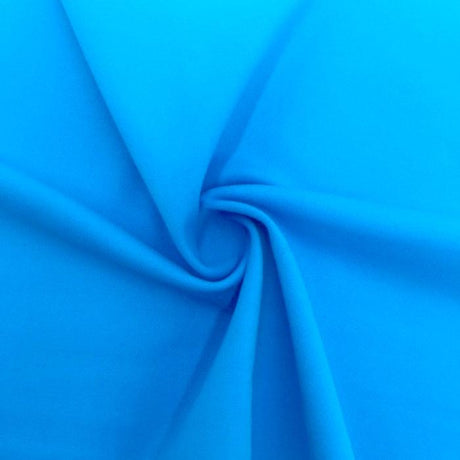
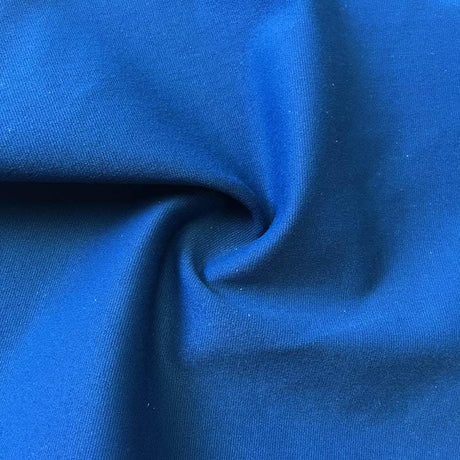
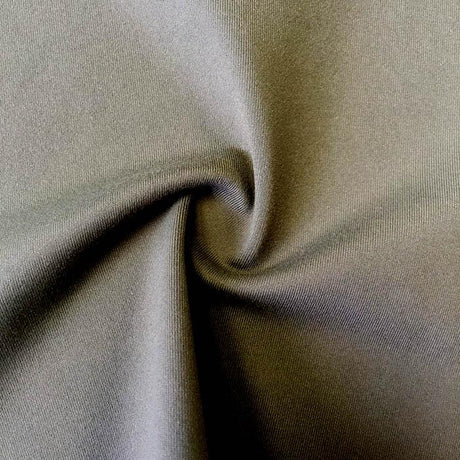
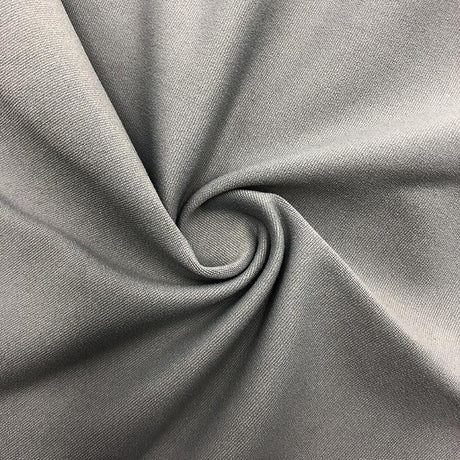
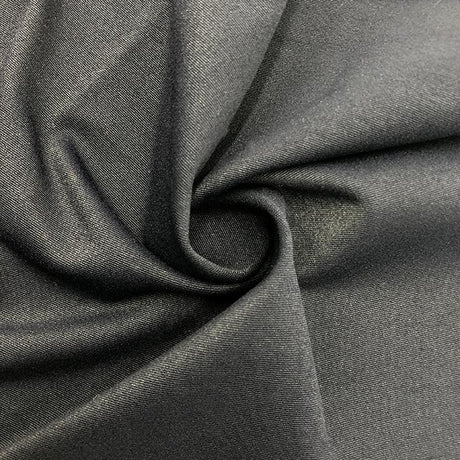
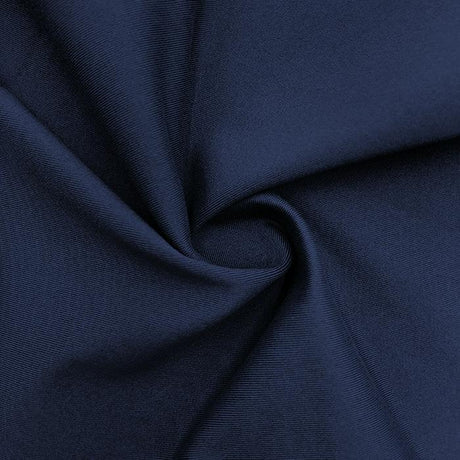
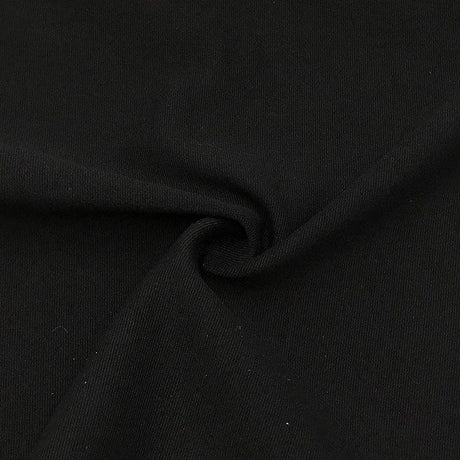
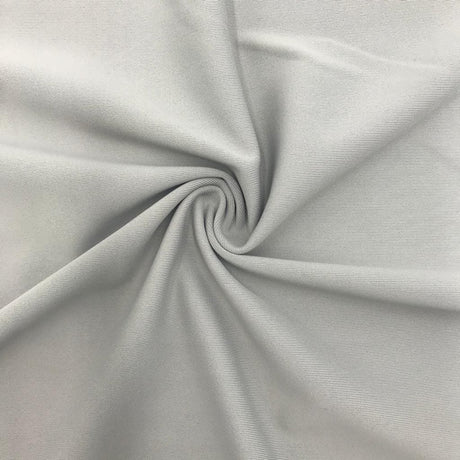
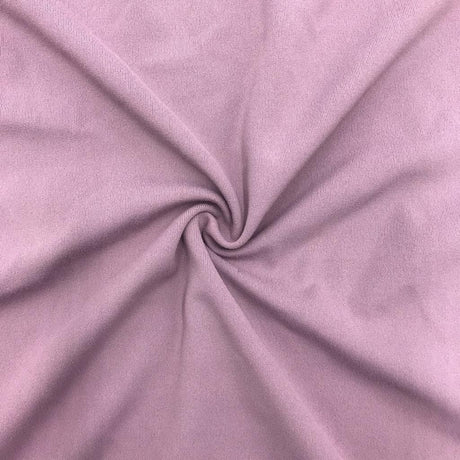
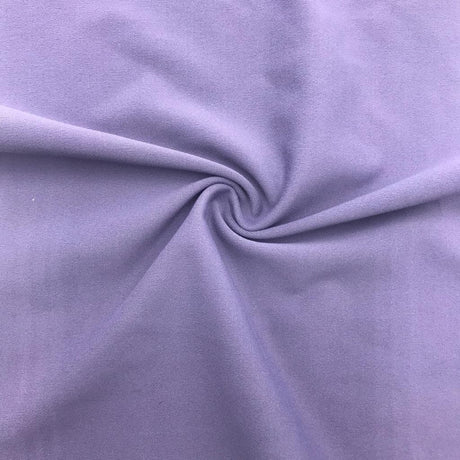
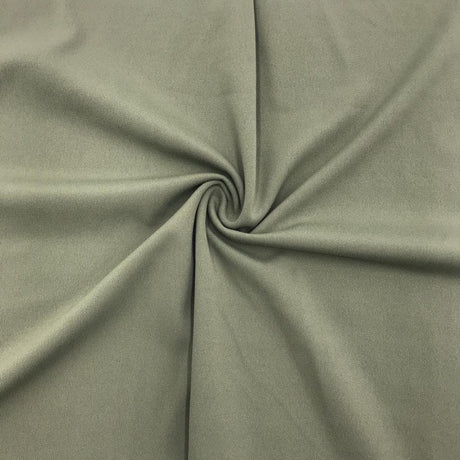
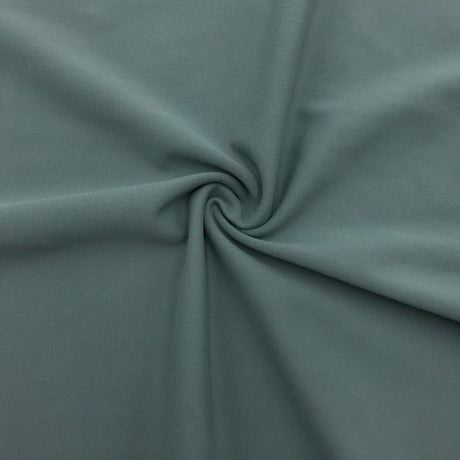
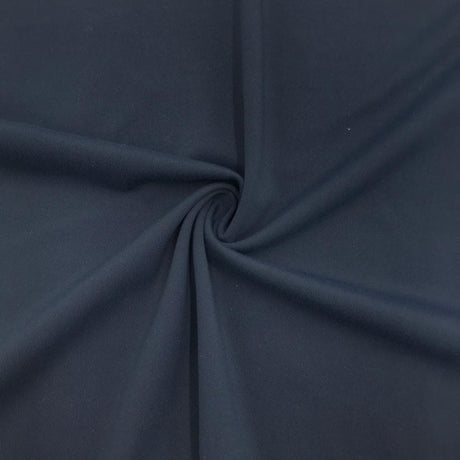
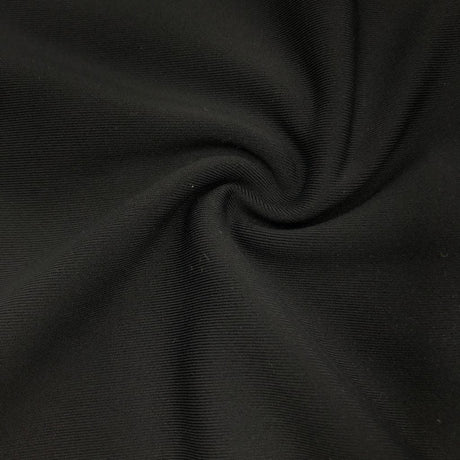
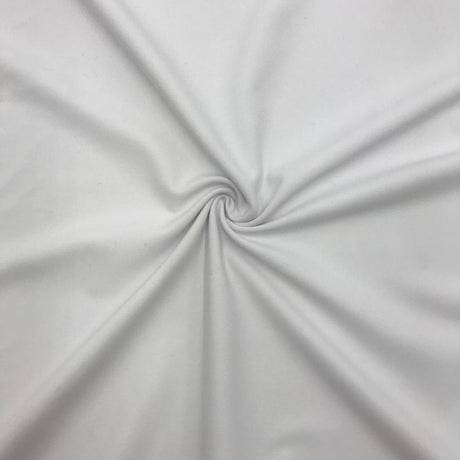
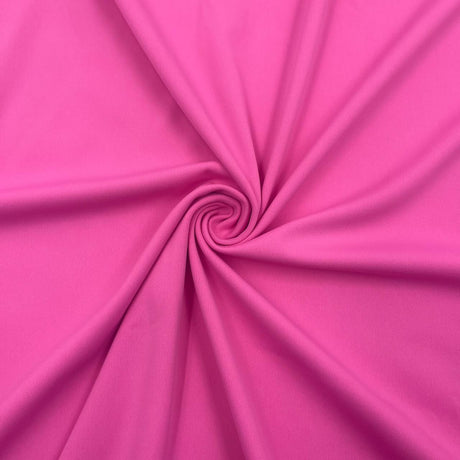
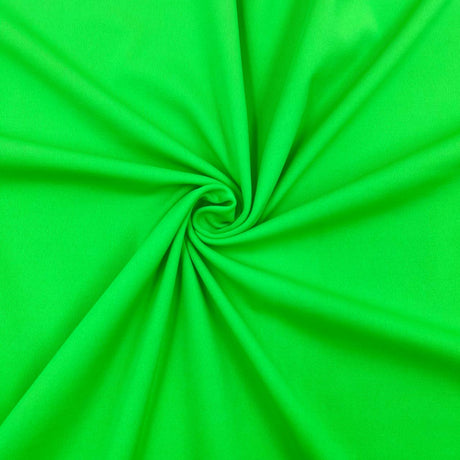
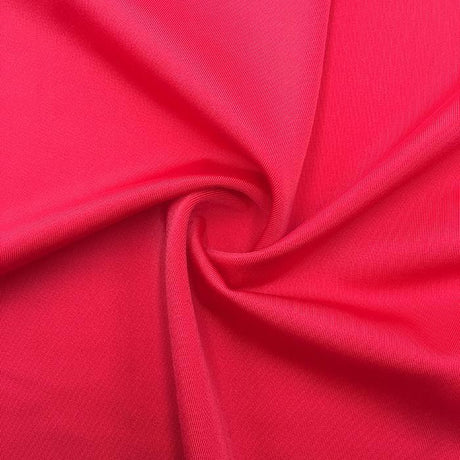
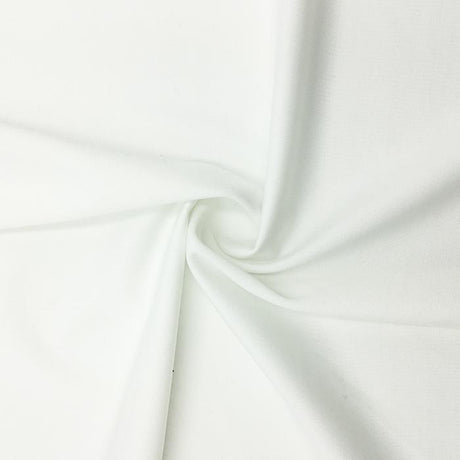
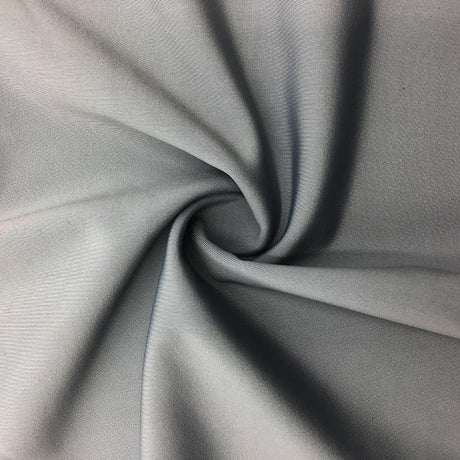
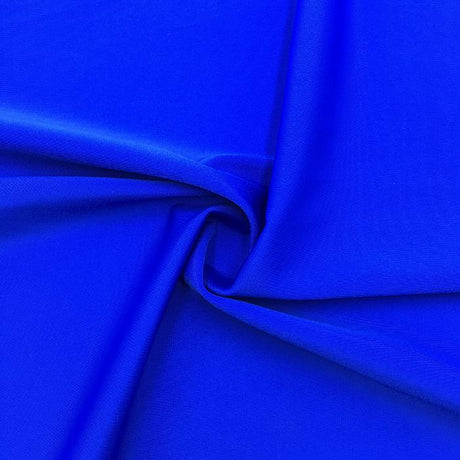
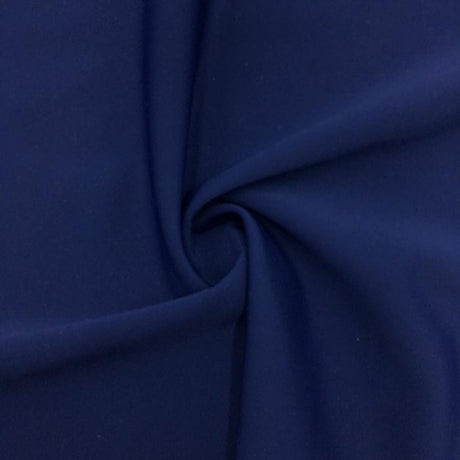
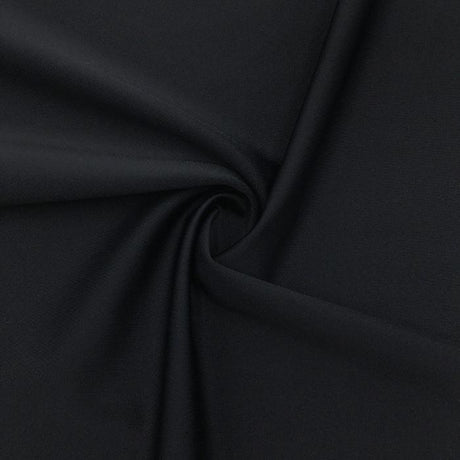
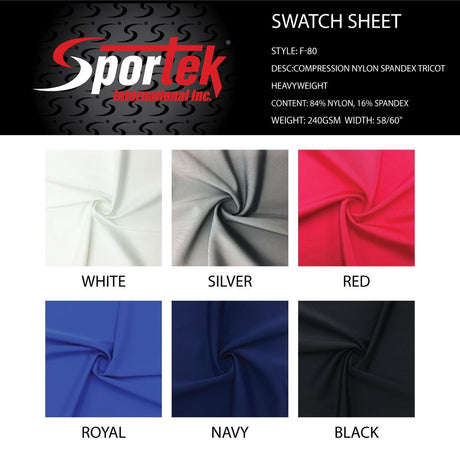
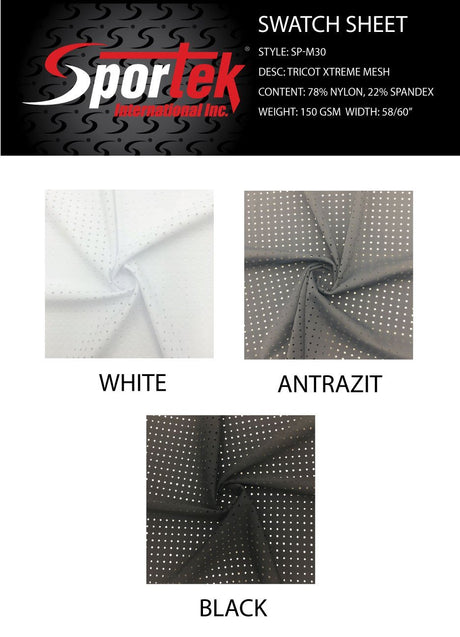
Compression fabric refers to a class of high-elasticity textiles designed to apply purposeful pressure to the body. Unlike ordinary stretch fabrics that simply expand for comfort, compression fabrics exert defined support and pressure on muscle groups and circulation. For a broader foundation on stretch fabric properties before diving in, explore our stretch fabric types page or browse our full fabric guides hub.
What Are Compression Fabrics?
Compression fabrics are elastic textiles engineered to provide pressure and support. They are typically made with a significant percentage of elastane (Spandex) fibers blended with a strong base fiber like nylon or polyester. By wrapping tightly around the body, a compression fabric garment applies external pressure that enhances blood flow and stabilizes tissues. This controlled pressure can improve circulation, reduce swelling, and support muscles during and after activity.
A defining feature of compression fabrics is their high elasticity coupled with powerful recovery. In practical terms, they can stretch significantly (often 70–100% beyond resting length) and then snap back to their original shape. Elastic recovery is in fact one of the most important performance indicators for a compression material – without good recovery, a fabric that stretches will simply bag out and lose its compressive effect. Our stretch fabric types page covers the step-by-step stretch and recovery testing methodology in detail, including how to calculate stretch percentage from a home swatch test.
Pressure zones and grading are another key aspect. Compression garments often incorporate different pressure levels in different areas of the body. Compression levels are often measured in millimeters of mercury (mmHg) for medical-grade garments – ranging from light 8–15 mmHg in mild support sleeves up to 40–50 mmHg in firm medical stockings. Athletic compression clothing typically falls in the moderate range (e.g. ~15–30 mmHg).
Fiber Types and Composition
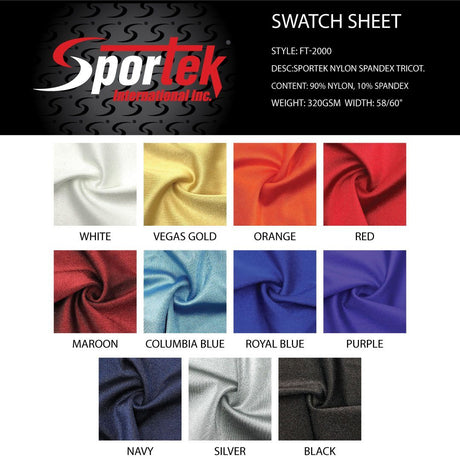
Nylon (Polyamide) + Spandex: Nylon-spandex blends are very common in high-performance compression wear. Nylon is generally soft, smooth, and highly durable, with good abrasion resistance. When combined with spandex (usually 10–30% elastane by weight), the result is a fabric that is supple to the touch yet strong in stretch. Our nylon-spandex fabric guide covers how nylon-spandex constructions achieve the combination of smooth hand feel, strength, and 4-way stretch that defines quality compression fabric.
Polyester + Spandex: Polyester-spandex blends are also widely used, especially in athletic and economy compression garments. Polyester is lightweight, hydrophobic (fast-drying), and often more cost-effective. Polyester doesn't absorb water like nylon, so these blends dry quickly (great for sweaty workouts). They also hold color well (useful for printed compression tights or team uniforms).
Other Fibers: Cotton-spandex blends exist (e.g. in some comfort compression or post-surgical wear) but cotton's high absorbency and lower recovery make it less ideal for sustained compression. Our cotton-spandex fabric guide covers how cotton-spandex blends compare to synthetic alternatives in stretch behavior and recovery for different end uses.
Spandex (Elastane) content is a critical factor. Compression fabrics typically have a much higher elastane percentage than regular stretch fabrics. A normal stretchy t-shirt might have 5% spandex, but compression leggings often contain 15–30% spandex. As a rule of thumb, light compression fabrics might use ~10–15% elastane, firm compression fabrics for sports or medical use often use 20% or more elastane, and shapewear powernets can reach 30%+ for maximum hold. Our fabric weight guide covers how GSM interacts with spandex percentage to determine overall compression, opacity, and feel across all common compression fabric constructions.
Knitting Techniques & Fabric Construction
Circular Knit (Weft Knit): Many compression fabrics are made on circular knitting machines, which produce a seamless tube of knit fabric. Circular knits tend to be very stretchy in all directions (four-way stretch) and have a soft, smooth surface. In compression applications, circular knit fabrics are often used for graduated compression socks, tights, and athletic compression tops. Circular-knit compression fabrics usually have a lighter, thinner profile compared to heavy powernets; they prioritize flexibility and smooth, even pressure.
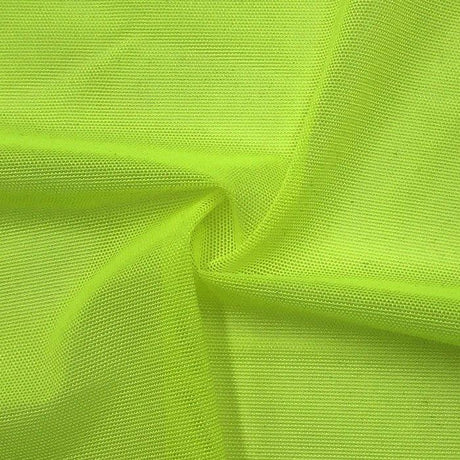
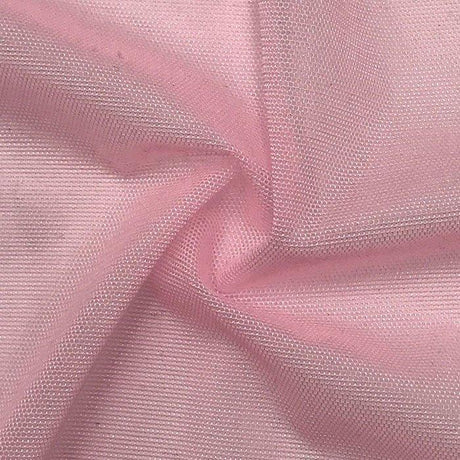
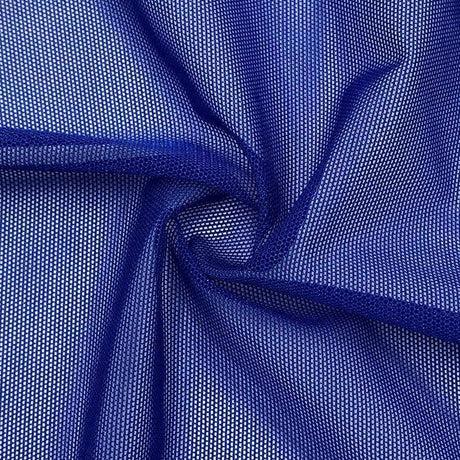
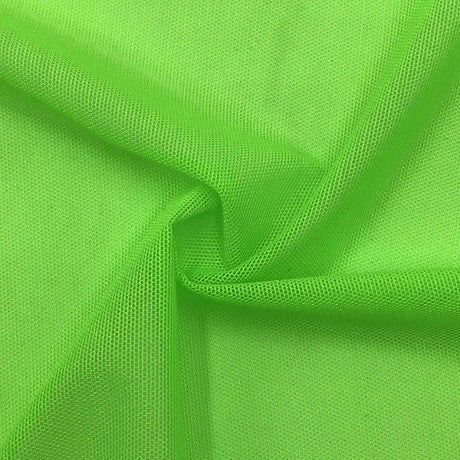
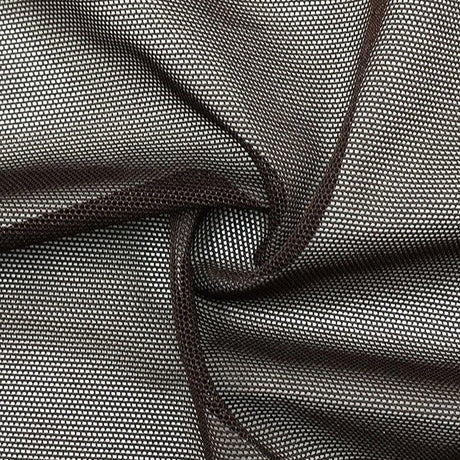
Warp Knit (Tricot and Power Mesh): Warp knitting produces a very stable, tightly constructed fabric. Warp-knit compression fabrics are renowned for their "power" and structural support. A common example is the powernet or power mesh – a net-like warp knit with high elastane content that is used in shapewear and medical braces. Powernet is a specific warp-knit mesh characterized by small openings and a heavy elastane yarn – it's used as an inner layer in girdles, waist trainers, and high-compression shapewear. Our activewear fabric guide covers how power mesh panels are used in compression and ventilation applications across all common activewear categories.
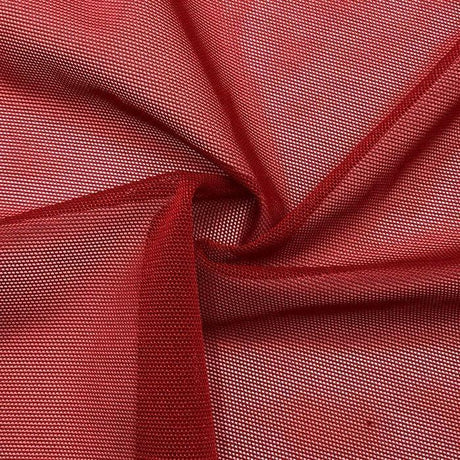
Power Mesh / Powernet: Power mesh is a breathable net-like fabric with powerful stretch resistance. Power mesh fabrics are ubiquitous in shapewear and medical compression wraps. The level of compression can be tuned by weight: lighter power mesh ~100 GSM for moderate compression versus heavy powernet 200+ GSM for firm compression.
Fabric GSM (Weight): In general, a higher GSM means a thicker, denser fabric which can exert more compression. Lightweight compression fabrics (under ~150 g/m²) might be used for sheer compression stockings or low-impact activewear. Midweight fabrics (~150–200 g/m²) are common in leggings, sports compression tops, and everyday shapewear. Heavyweight compression fabrics (200+ g/m²) are deployed for swimwear, high-compression shapewear, or support braces. Our fabric weight guide provides a full breakdown of how GSM affects compression, opacity, breathability, and durability across all common compression fabric constructions.
Activewear and Sports Applications
Muscle Support and Stability: During exercise, tight compression leggings or arm sleeves support the underlying muscle groups by reducing oscillation (vibrations). This can decrease muscle fatigue and perceived exertion. The fabric's firm hug can also improve proprioception (body awareness), potentially leading to better form during activities.
Improved Circulation and Recovery: A key selling point of compression sportswear is that it may increase blood flow to working muscles. Studies have found that wearing tight spandex compression gear can increase local blood flow by up to ~30–40% during activity and recovery. Athletes often use compression sleeves or leggings after training (so-called recovery wear) for this reason.
Comfort and Aesthetics: Modern compression activewear is also about comfort and fit. The snug, second-skin fit prevents chafing and muscle "bounce." Compression fabrics create a smooth, contoured look on the body. Our activewear fabric guide covers compression performance benchmarks and fabric weight recommendations across all common activewear constructions.
Not all sports compression wear is equal. A higher elastane percentage and a specified mmHg range indicate a functional compression garment. A medical-grade sports compression tight might list 23% spandex and an 18 mmHg rating at the ankle, whereas a fashion "compression" tight might have only 10% spandex and no pressure info.
Shapewear and Contouring Garments
Shapewear typically uses high-compression fabrics like powernet, power mesh, or heavyweight stretch knits. Faja-style Colombian shapewear often advertises "medium compression (20–30 mmHg) for balanced shaping, or firm compression (30–40 mmHg) for dramatic sculpting," depending on the fabric weight used.
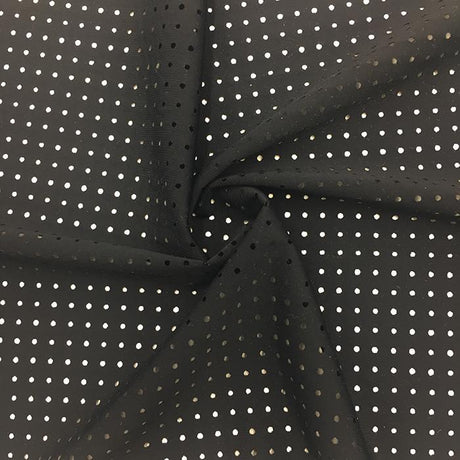
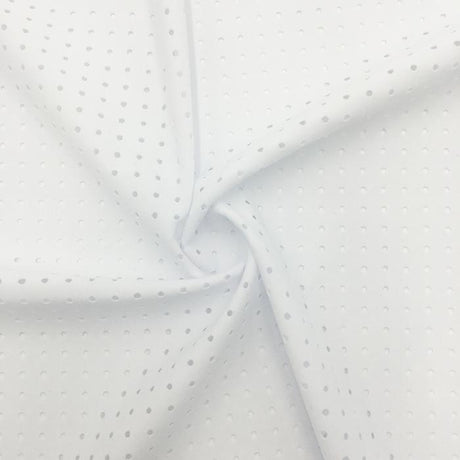
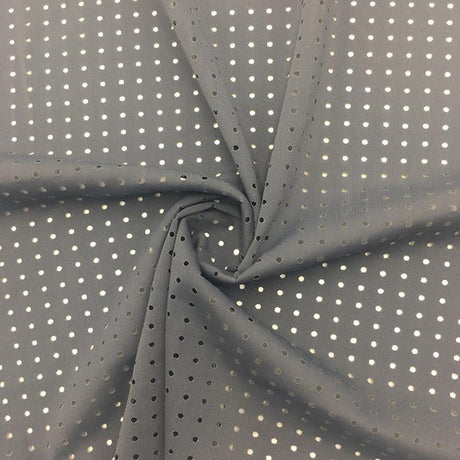
Key areas where shapewear applies compression fabric include the tummy and waist (high-waisted tummy shaper briefs or waist cinchers), hips, thighs, and buttocks (mid-thigh shaper shorts and leggings), and bust and back (shaping camisoles or posture correctors). Many shapewear compression fabrics are designed as meshes or include micro-perforations to vent heat. Our fabric finishes guide covers moisture-wicking and anti-microbial surface treatments and how to evaluate their durability across compression fabric constructions.
Medical and Post-Surgical Uses
Compression fabrics have a well-established role in medical garments and therapy, where they serve to improve circulation, reduce swelling, and support healing. Medical-grade compression garments are often prescribed for conditions like varicose veins, lymphedema, deep vein thrombosis (DVT) prevention, and post-surgical recovery.
Graduated Compression: Most medical compression garments are engineered with a gradient pressure (higher at the extremities, lower toward the body). The fabric's elastic properties must be very consistent and well-calibrated to achieve this.
Breathability and Skin-Friendliness: Many medical compression fabrics are latex-free and use soft fibers like nylon on the inside for a smooth feel. Moisture-wicking is also crucial to prevent skin maceration.
Durability: Medical compression garments are expected to last through many wear cycles and washes without losing compression. Patients are usually advised to replace compression garments every 3–6 months, partly due to gradual fabric fatigue. Our spandex care guide and fabric care guide cover the laundering protocols that preserve elastane recovery through repeated use.
Post-Surgery Compression Garments: After procedures like liposuction, tummy tucks, or breast surgery, patients wear compression garments to control swelling, improve circulation, and help the skin retract. These garments often use powernet-type fabrics for strong, uniform pressure (e.g. ~20–30 mmHg).
Orthopedic Supports and Braces: Many knee braces, ankle supports, and back braces incorporate compression fabric panels. An elastic knee sleeve for mild knee support is essentially a tube of sturdy compression knit that provides maybe 15–20 mmHg around the joint.
Swimwear and Athletic Swim Uses
Hydrodynamic Compression: Elite competition swimsuits are designed with very high elastane content fabrics that squeeze the swimmer's body firmly. The idea is to reduce drag by smoothing the body profile and to support muscles to delay fatigue. One Arena men's compression swim tight lists the upper leg portion as 59% polyamide and 41% elastane – an extremely high spandex ratio – to achieve that compression. Our swimwear fabric guide covers how compression fabric constructions compare across all competitive and recreational swimwear applications.
Shape and Support in Fashion Swimwear: High-end one-piece swimsuits or swim leggings often use fabrics similar to those in sports compression, typically a nylon/spandex tricot in the 180–220 GSM range. The challenge for swim compression fabrics is chlorine resistance and UV durability. To address this, these fabrics often use chlorine-resistant elastane fibers (like Lycra® Xtra Life) that last much longer in pool water. Our nylon-spandex fabric guide covers how nylon-spandex constructions compare to polyester-spandex in chlorine durability, stretch, and recovery for swimwear applications.
Surf and Watersports: Compression fabrics are used in surf leggings, swim tights, and even some wetsuit liners, where muscle support and fit are valued. Many compression swim fabrics boast a UPF 50+ rating, since they are dense knits.
Key Performance Factors in Compression Fabrics
Stretch & Elasticity: High-performance compression fabrics typically have high stretch (often 70%–100% or more) to allow full range of motion. Compression wear needs high multi-directional stretch (four-way stretch), so knit fabrics are engineered with elastane in both horizontal and vertical directions.
Modulus (Power): Modulus refers to the force required to stretch the fabric – effectively the fabric's stiffness or resistance when elongated. In elastic fabrics, a high modulus means the fabric is harder to stretch, which corresponds to delivering higher compression on the body. The term "power stretch" is used to denote a material with high power (modulus) along with stretch.
Recovery (Elastic Recovery): Recovery is crucial – it's the fabric's ability to return to original length after being stretched. Good recovery ensures the garment maintains compression over time and doesn't bag out at knees or elbows. Elastic recovery is arguably the most important factor for compression garments' long-term performance.
Breathability: Because compression garments fit tightly, breathability is key for comfort. Many compression fabrics are knitted (which inherently allows some air flow through interloop spaces). Some are designed with mesh structures or ventilation zones to enhance airflow. Moisture-wicking is extremely important in active compression wear.
Durability: Compression fabrics are often under high stress repeatedly, so durability is important. For compression swim fabrics, chlorine resistance is a part of durability. Proper care (gentle wash, no high heat drying) will extend a compression fabric's life by protecting the elastane fibers from degradation.
Selecting the Right Compression Fabric (Design & Buying Guide)
Define the Application & Compression Level: Start with the end use. Is it for medical use (requiring precise high compression), sports performance, or aesthetic shaping? The application dictates the required compression range (mmHg) and other properties. Our how to choose fabric guide covers what to evaluate when a physical swatch arrives, including stretch testing, opacity testing, and hand feel assessment.
Check Fabric Stretch Specs: Always look at the stretch percentage (in both directions) of the fabric. For dynamic compression apparel, at least 50% stretch in both directions is a good minimum. Our stretch fabric types page covers the step-by-step stretch and recovery testing methodology in detail.
Evaluate Weight and Opacity: Lighter weight fabrics (lower GSM) will be cooler and good for layering, but may not sculpt as much. Heavier fabrics provide more "hold" and coverage. Our fabric weight guide covers the GSM ranges that correspond to different compression levels and durability ratings across all common compression fabric constructions.
Fiber and Finish Considerations: Choose between nylon-spandex or polyester-spandex based on priorities. Nylon-spandex is typically best for high-end compression wear where feel and durability are key (activewear, medical, swim). Poly-spandex might be fine for cost-sensitive projects or where extra UV/chlorine resistance is needed.
Compression Fabric vs Regular Stretch Fabric: Be clear that you truly are getting a compression-grade textile. When sourcing, do not hesitate to ask suppliers "Is this suitable for compression garments? What products is it used for?" Have questions? Our expert help and advice page and FAQ are always available.
Compression Fabric vs. Regular Stretch Fabric
Purposeful Pressure vs. Just Stretch: Compression fabric is designed to apply noticeable pressure to the body, whereas regular stretch fabric is mainly designed to accommodate movement without restriction. Compression fabrics are the ones that "conform and press", while normal stretch just "conforms."
Higher Elastane Content: Compression fabrics usually contain a much greater percentage of elastane – often two to three times more than a typical stretch fabric. The tight blend of fibers in compression materials "puts added pressure on the skin," whereas a normal blend just gently adapts to the skin.
Stronger Modulus and Recovery: Compression textiles are engineered to have a higher modulus (tension) at a given stretch and to spring back without losing shape. Regular stretch fabrics often prioritize comfort over power – they have lower modulus and sometimes sacrifice recovery.
Feel on the Body: Compression fabrics create a "second-skin" sensation with a gentle pressure. The uniform pressure of compression fabric can even improve posture slightly. Regular stretch fabric won't do that; it will typically just stretch more at pressure points and not provide equalized pressure.
Function vs. Fashion: In summary, compression fabrics are functional tools – they are a textile technology aimed at physiological benefits (support, circulation) or structural tasks (shaping). Regular stretch fabrics are generally for comfort and fit in fashion. In short: all compression fabrics are stretch fabrics, but not all stretch fabrics can provide compression.
Ready to find the right compression fabric for your project? Use our stretch fabric types page and fabric weight guide to evaluate technical specifications, our nylon-spandex fabric guide for full performance profiles of nylon-spandex compression constructions, and our activewear fabric guide and swimwear fabric guide for end-use specific recommendations. Our spandex care guide and fabric care guide keep every finished garment performing at its best. Sign up for SpandexByYard Rewards to earn points on every purchase – compression fabrics truly are the foundation of support and performance in modern apparel!