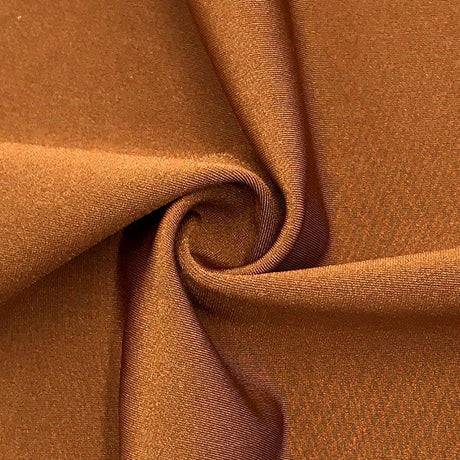
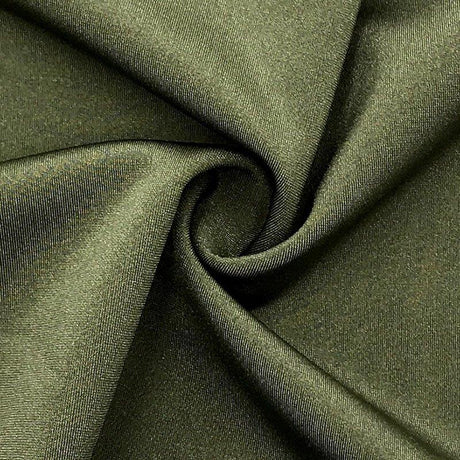
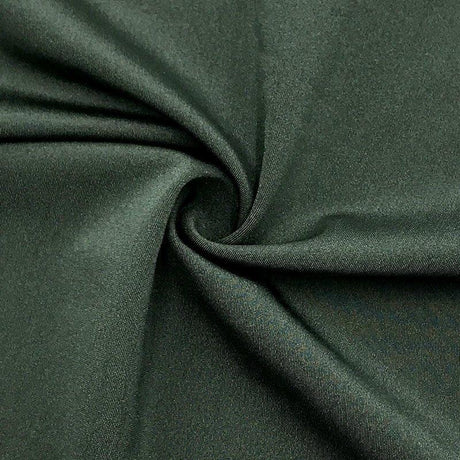
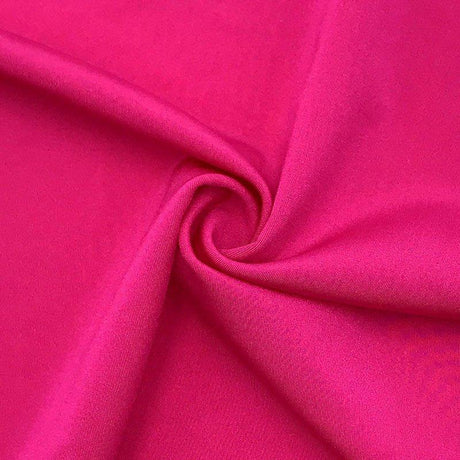
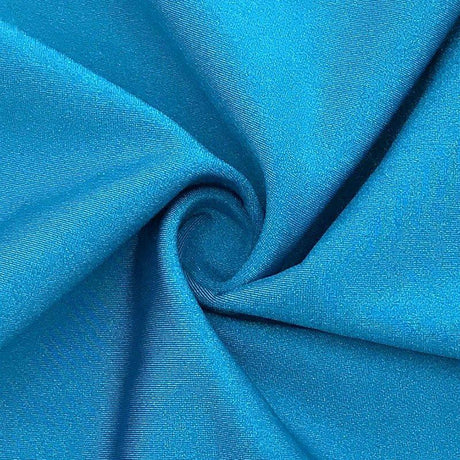
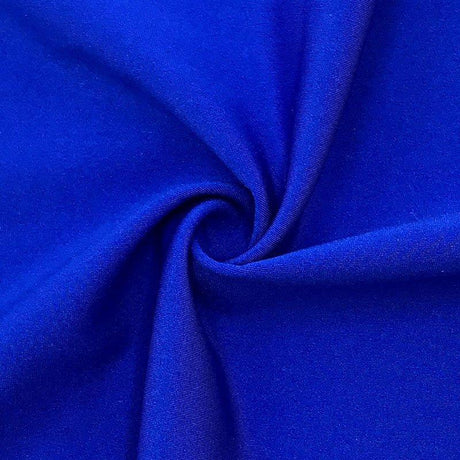
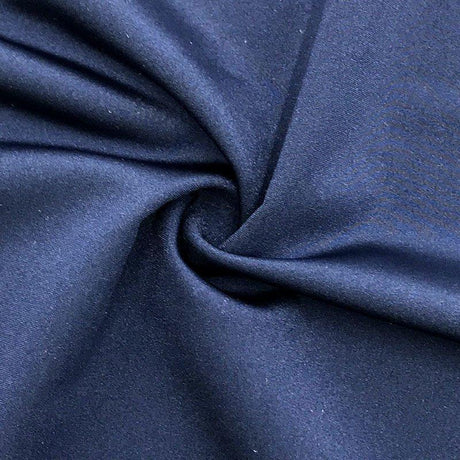
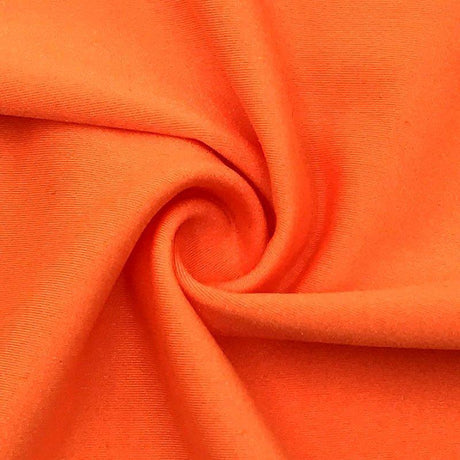
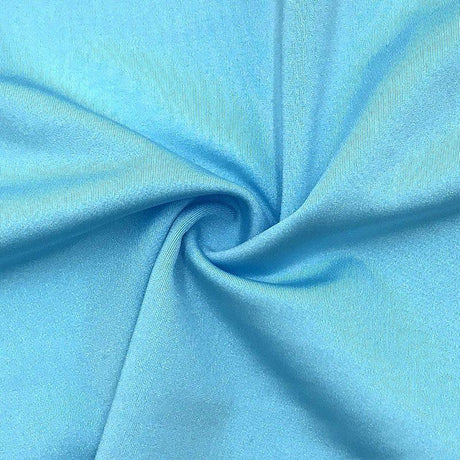
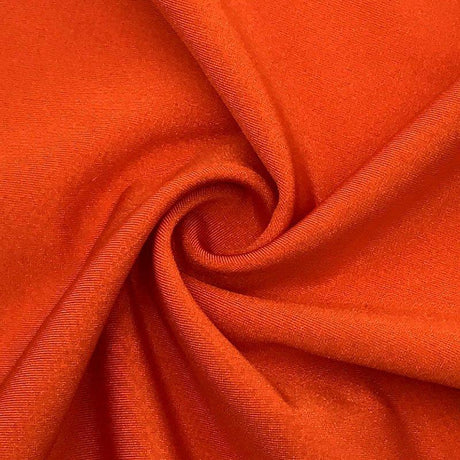
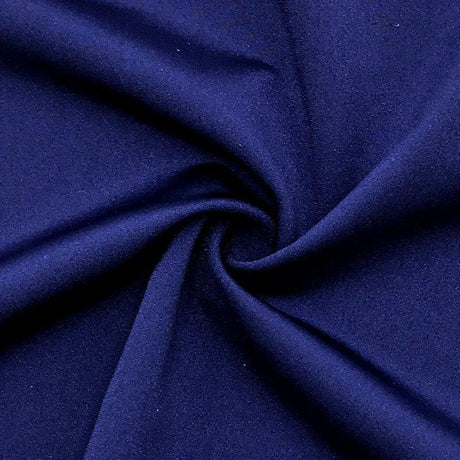
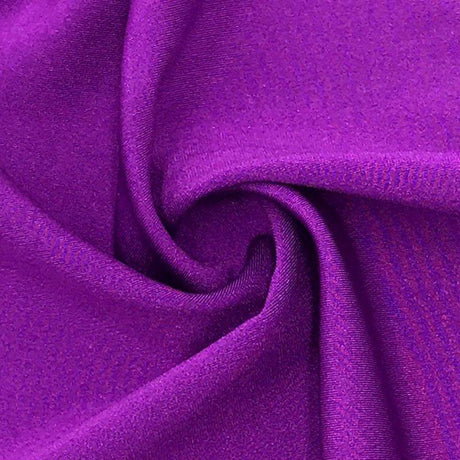
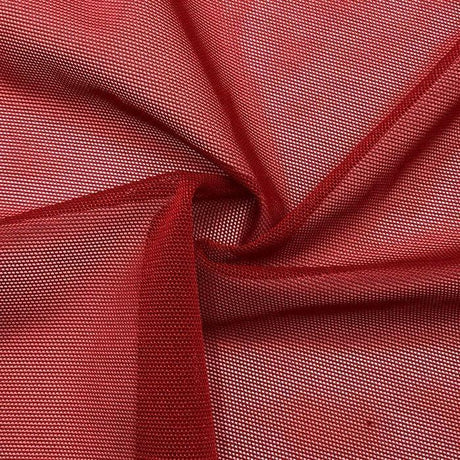
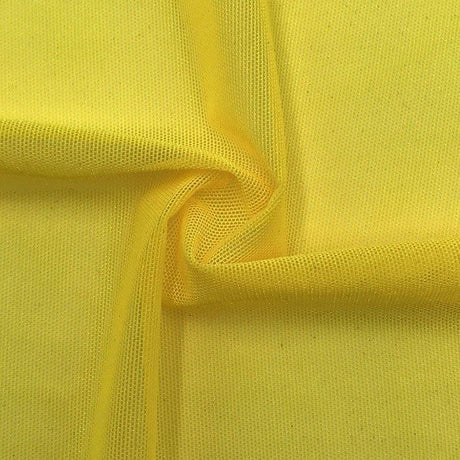
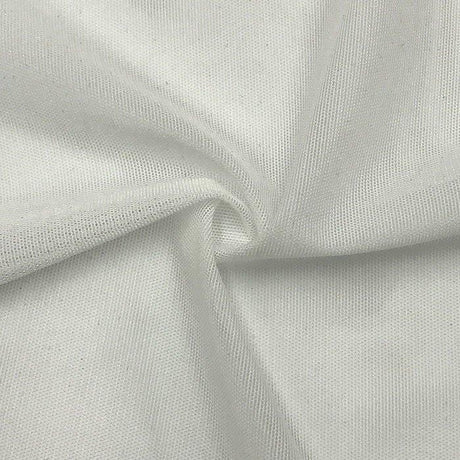
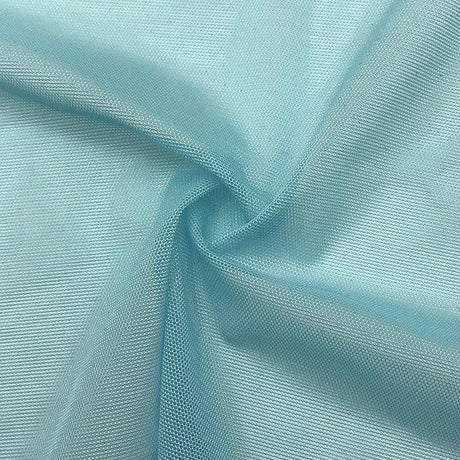
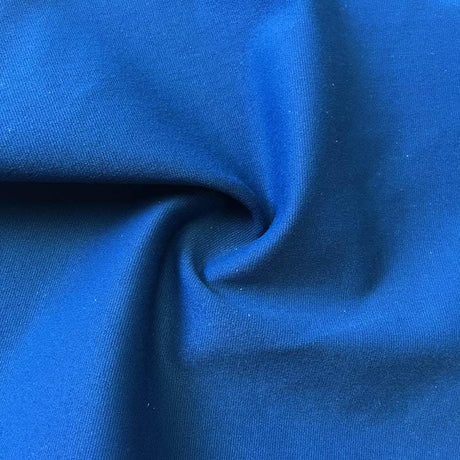
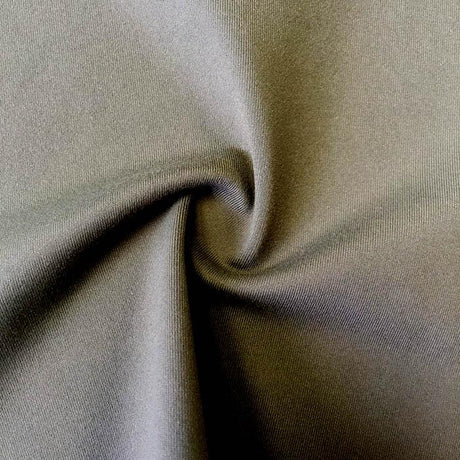
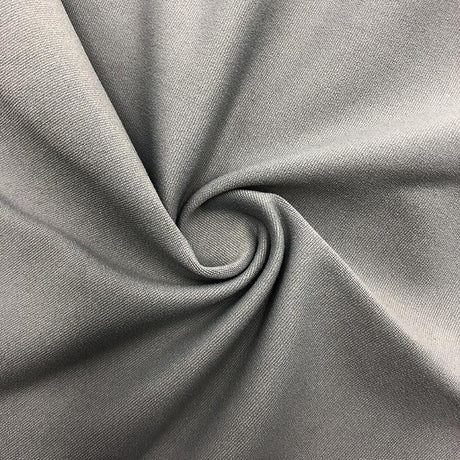
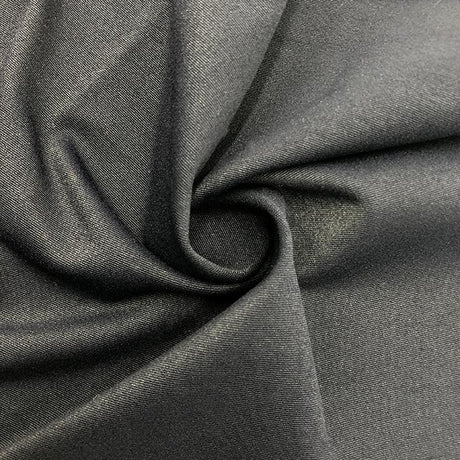
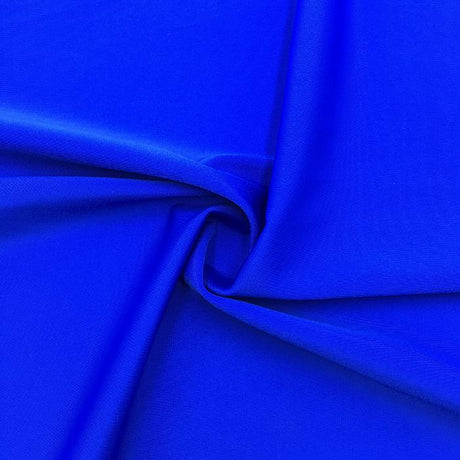
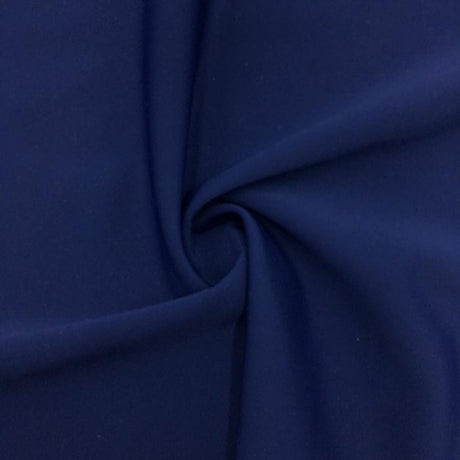
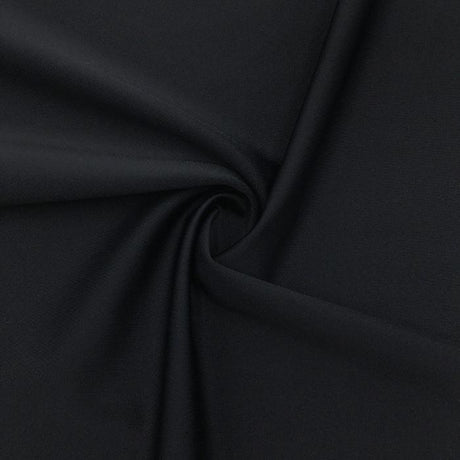
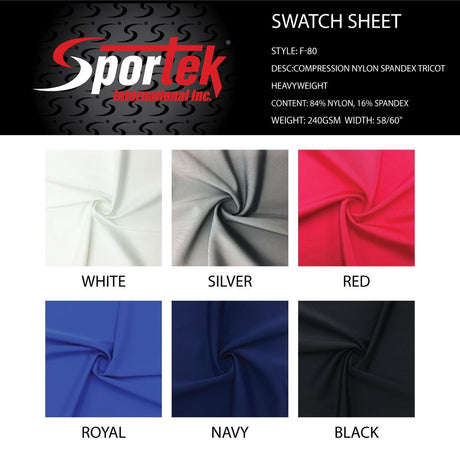
Cycling puts unique demands on apparel. Without the right shorts, riders can end up overheated, chafed, and unsupported. For example, ordinary fitness shorts often have seams in the worst places, causing friction on sensitive areas and painful chafing during rides. High-quality bike shorts solve these issues by using advanced materials and design: moisture-wicking fabrics that keep sweat under control and well-placed padding that prevents rubbing. They fit snugly like a second skin, providing compression and muscle support that improves blood circulation and reduces fatigue on long rides. In short, the fabric choice in your bike shorts can mean the difference between an uncomfortable ride and a confident, enjoyable one. For a broader foundation before diving in, explore our activewear fabric guide or browse our full fabric guides hub.
What Makes an Ideal Bike Short Fabric?
The best fabric for bike shorts is one that tackles sweat, heat, and movement all at once. Key characteristics of an ideal bike short material include:
Moisture-Wicking & Quick-Drying: The fabric should pull perspiration off your skin and dry rapidly. This keeps you dry and prevents the damp environment that leads to irritation. Technical blends (often polyester or nylon with elastane) excel at moving sweat outward, helping you stay cool. Our activewear fabric guide covers moisture management ratings and breathability across all common performance fabric constructions used in cycling apparel.
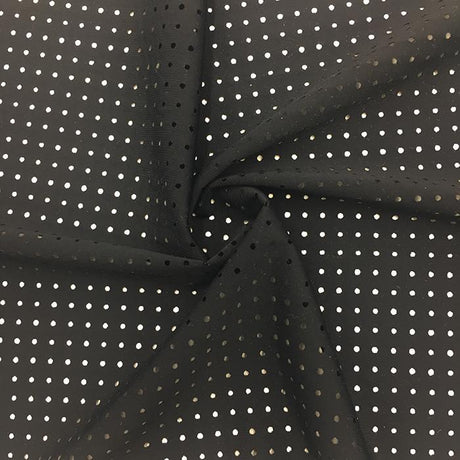
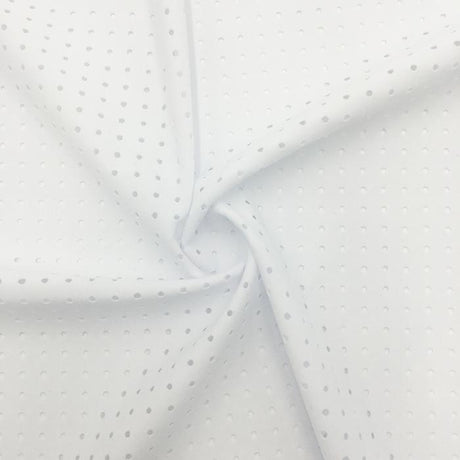
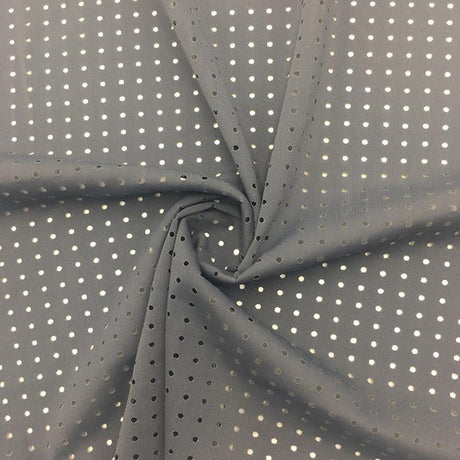
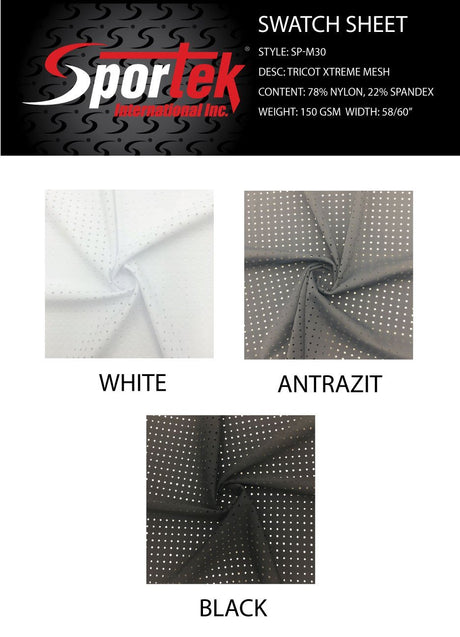
Breathability: Cycling generates body heat, so breathable material is a must. A lightweight, ventilating knit allows airflow to dissipate heat and keep you cool. Mesh panels or micro-perforations are sometimes used to enhance ventilation without sacrificing coverage. Our fabric finishes guide covers breathability-enhancing surface structures and how they interact with different fiber types.
4-Way Stretch & Shape Retention: Bike short fabric needs to stretch in all directions for unrestricted pedaling. Quality shorts use 4-way stretch spandex blends that move with you and then spring back to their original shape (no baggy knees). This ensures both comfort and a consistently snug fit. Our stretch fabric types page explains how to verify true 4-way stretch construction and compare recovery ratings across all common cycling fabric types.
Compression & Support: A high elastane (spandex) content (often ~15–25%) gives the shorts a compressive fit that supports your muscles. This gentle compression boosts circulation and reduces muscle vibration, which can decrease fatigue and even help with performance and recovery. Our nylon-spandex fabric guide covers high-compression nylon-spandex constructions and how spandex percentage translates to real-world compression level.
Durability & Abrasion Resistance: Cycling fabric endures a lot – constant motion, repetitive friction against the saddle, and frequent washes. Ideal fabrics are durable knits that resist pilling, tears, and UV damage. Nylon (polyamide) fibers are often chosen for their high tensile strength and abrasion resistance, offering ~40% better abrasion durability than polyester. Our fabric finishes guide covers anti-pilling treatments and abrasion-resistant coatings that extend the lifespan of cycling fabrics.
Technical Specifications Breakdown
When comparing fabrics for bike shorts, experts often look at a few technical specs that quantify performance. Below is a breakdown of key specifications and how they impact the shorts:
Fabric Weight (GSM): Grams per square meter indicates how heavy/thick the fabric is. Heavier weights (e.g., 250 GSM and above) often correlate with more compression and opacity – great for supportive shorts – whereas lighter weights (~150–180 GSM) feel cooler and are favored for hot weather or race day. A mid-weight around 200 GSM is common for all-purpose cycling shorts, offering a mix of support and breathability. Our fabric weight guide provides a full breakdown of GSM ranges and how weight affects compression, breathability, and opacity across all common activewear fabric types.
Composition: This refers to the fiber blend, typically a ratio of synthetic base to elastane. Common high-performance blends are 80% Nylon (Polyamide) / 20% Spandex or 80% Polyester / 20% Spandex. Nylon-spandex blends tend to be very strong and slightly more supportive, while polyester-spandex is lighter and extremely quick-drying. Our nylon-spandex fabric guide covers how nylon-spandex compares to polyester-spandex in stretch, recovery, durability, and moisture management for cycling applications.
Stretch % and Recovery: This measures how far the fabric can stretch and, importantly, how well it snaps back to shape (recovery). Quality bike short fabrics typically stretch to 150–200% of their length in both directions (4-way stretch) and recover ~100% without permanent deformation. Our stretch fabric types page explains how to read and compare stretch percentage and recovery ratings when evaluating cycling fabric options.
Compression Rating: Compression can be inferred from stretch resistance and elastane percentage. A material with ~20% spandex and a tight knit will provide moderate compression (supportive hug to the muscles). Some fabrics are labeled "compression-friendly stretch" if engineered specifically for muscle stabilization. If compression is a priority (say, for racing or long rides), look for fabrics and patterns designed to deliver a gentle squeeze on the thighs and glutes.
Durability Metrics: These might include abrasion test results (like number of rub cycles before showing wear) or tensile strength. Nylon blends often outperform here – a cycling fabric with high denier nylon can withstand thousands of abrasion cycles. Also check for features like pilling resistance (so the inner thigh area doesn't roughen over time) and chlorine resistance (important if you'll use the shorts for triathlons or pool training). Our swimwear fabric guide covers chlorine-resistant fabric options relevant to triathlon applications.
How to Choose Based on Your Project
Choosing the "best" fabric also depends on your specific project and use case. Our how to choose fabric guide walks through this decision framework systematically for all common activewear applications.
DIY vs. Commercial Production: If you're a DIY sewist or small maker, prioritize fabrics that are easier to work with on a home sewing machine. Medium-weight performance knits with a bit of texture (like a supplex nylon blend) can be more forgiving to sew than ultra-slick, thin racing fabrics. Our how to sew stretch fabric guide covers the tools, techniques, and machine settings that make working with performance cycling fabrics much more manageable on a home setup.
Intended Use & Riding Style:
Indoor Spin Class or Short Workouts: For spinning or gym cycling, a soft polyester-spandex that is breathable and extremely moisture-wicking is ideal (indoor studios get hot). Compression can be moderate; comfort and sweat management are key. Our activewear fabric guide covers lightweight polyester-spandex constructions and moisture management ratings suited to high-sweat indoor training environments.
Road Biking & Long Rides: For regular road cycling or touring, support and durability become paramount. A heavier weight nylon-spandex blend shines here for its abrasion resistance and muscle-hugging support. Many road shorts use a medium-heavy fabric with mesh panels behind the knees or thighs for extra ventilation. Our nylon-spandex fabric guide covers the specific nylon-spandex constructions best suited to long-distance compression and durability requirements.
Triathlon & Multi-Sport: Triathlon fabrics must dry extremely quickly after a swim and not become waterlogged. A common choice is a high-gauge (tight knit) poly-spandex that's thin with a water-repellent coating. Chlorine resistance can be important if pool training is involved. Our swimwear fabric guide covers chlorine-resistant fabric options and quick-dry properties relevant to triathlon and multi-sport applications.
Recreational or Casual Cycling: For casual rides or the athleisure "biker short" trend, you have more leeway. You might choose a cotton-blend stretch knit, knowing these won't be for marathon rides. Use these alternatives only when rides are short and low-intensity, or style is more important than technical function. Our cotton-spandex fabric guide covers when cotton blends are appropriate and what performance trade-offs they involve.
Checklist – Factors to Consider: Does it have enough stretch and recovery? Is it appropriately weighted for my type of riding? How does it handle moisture? Is it durable enough for the conditions (indoor vs. outdoor, summer heat vs. cooler weather)? Can I sew it with my equipment? A structured approach will save you from ending up with a fabric that underperforms. Our fabric weight guide and stretch fabric types page are your best references for working through this checklist systematically.
Common Mistakes to Avoid When Sewing or Wearing
Using Non-Stretch Stitches: When sewing stretch fabrics, never use a regular straight stitch. A straight seam will snap as soon as the fabric stretches. Instead, use a narrow zigzag stitch or a specialty stretch stitch on your machine. If you have a serger/overlock machine, finish seams with a 4-thread overlock for strength and stretch. Our how to sew stretch fabric guide covers stitch selection, tension settings, and serger setup for all common cycling fabric types.
Wrong Needle or Thread: Use a ballpoint or stretch needle in your sewing machine – it has a rounded tip that slides between knit fibers rather than piercing them, preventing runs or snags. Opt for polyester thread (with a bit of give) instead of cotton thread. Polyester thread can handle more tension and won't pop as easily when the seam stretches. Our how to sew stretch fabric guide covers needle selection, thread pairing, and machine setup for all common performance fabric types.
Poor Edge Finishing: Pay attention to how you finish the leg openings and other edges. Rough or bulky seams can rub against your skin and cause irritation on rides. Aim for flat, smooth finishes: use flatlock stitching if possible (this creates a flat seam ideal for athletic wear), or a covered seam where the bulk is minimized. Hemming the legs with a twin needle or a zigzag will allow stretch and keep edges from rolling.
Wearing Underwear Beneath Cycling Shorts: A cardinal rule among cyclists is "no underwear under bike shorts." High-quality bike shorts have an integrated chamois and are designed to be worn directly against the skin. Wearing underwear not only adds seams that can dig into you, but also introduces fabric that holds moisture – exactly what you don't want. Cotton underwear will absorb sweat and create friction, essentially undoing the shorts' benefits.
Improper Care & Washing: Fabric softener is a no-go for performance fabrics – it leaves a waxy residue that clogs the moisture-wicking fibers, and it can even degrade the elastane over time. Bleach and hot dryers will ruin the elasticity of your shorts (high heat literally breaks down spandex fibers). Wash your shorts in cold water with a mild detergent and hang them to dry. Our spandex care guide covers heat sensitivity and laundering best practices for elastane-blend fabrics, and our fabric care guide provides complete care protocols for all common cycling fabric types.
Skipping the Fit Check: A mistake both DIY folks and buyers make is not ensuring proper fit before putting shorts into action. The fabric should be snug all around, without excessive wrinkling or sagging. Baggy areas can lead to chafing because of movement against the skin, and overly tight areas can restrict motion or pinch. A well-fitted pair of shorts should feel like a "second skin" – supportive but not painfully tight, and certainly no loose fabric flapping.
How Linings Help with Chafing
One of the defining features of bike shorts is the lining, often referred to as the chamois (sha-mee). This built-in lining is essentially a pad and soft fabric layer that sits between you and the saddle. Its primary job is to provide cushioning and reduce friction. A high-quality chamois can reduce pressure points and prevent chafing to a remarkable degree.
Chamois Fabric and Construction: The top surface of the chamois (the part against your body) is usually made of a smooth, moisture-wicking fabric (often a microfiber) that keeps your skin dry. Under that surface, the chamois has foam layers of varying densities, strategically placed to give more cushioning where needed (like under the sit bones) and thinner where you need flexibility. Modern pads may even use gel inserts or perforated foam for better shock absorption and ventilation. Our fabric finishes guide covers microfiber and moisture-wicking surface treatments used in chamois construction.
Gussets and Seam Placement: Another lining-related feature that helps with chafing is the use of a gusset or careful seam placement in the crotch. Many bike shorts are designed with a crotch gusset – a small diamond or triangle of fabric at the intersection of the seams. The gusset's purpose is to take stress off that central point and eliminate a seam running straight down the middle. If you look inside quality bike shorts, you'll often notice that the panels are arranged so that no seam is directly in the saddle contact area – instead, seams are offset and flatlocked. Our how to sew stretch fabric guide covers flatlock seaming and gusset construction techniques in detail.
Lining in Baggy Shorts (Separate Liners): Mountain bikers and casual riders sometimes prefer looser baggy shorts, which still address chafing via a different approach: a removable liner short. These liner shorts are essentially lightweight compression shorts with a chamois, meant to be worn under the baggy outer short. The principle is the same – the liner provides the snug, wicking, padded layer to protect your skin, while the outer short gives a more casual appearance. Ensure the liner fits well and is made of a good moisture-wicking, anti-microbial fabric, just like any cycling short.
When to Use an Alternative Fabric
Cotton or Natural Fiber Blends (Casual Use): For fashion bike shorts (worn as everyday streetwear, not for 50-mile rides) or very light activity, a cotton-spandex blend could be used. The upside of cotton is that it's soft, breathable, and often budget-friendly. However, cotton absorbs sweat like a sponge, staying wet and heavy, and is prone to chafing when damp. Use cotton blends only when performance isn't a priority. Our cotton-spandex fabric guide covers cotton-spandex blend properties and the specific scenarios where they make sense over performance synthetics.
Polyamide vs. Polyester (Durability vs. Breathability): Both nylon (polyamide) and polyester are synthetics used in bike short fabrics, and each has its sweet spot. Nylon-spandex blends are known for being extremely durable and high in stretch, with great abrasion resistance and UV durability. Polyester-spandex blends are usually lighter and dry even faster. Many cycling shorts hybridize – using nylon in high-wear areas (saddle contact, inner thighs) and polyester elsewhere. Our nylon-spandex fabric guide covers this comparison in full detail, including how to choose between the two blends based on riding style and climate.
Merino Wool Blends (Odor Control for Touring): Merino is naturally antibacterial and odor-resistant, meaning you can wear it longer without stink. A few high-end touring shorts use a merino-synthetic blend for the inner lining or the short itself. Pros include unbeatable odor control, good thermoregulation, and a soft feel on skin. Cons include lower compression, higher cost, and the need for delicate washing. Use merino-blend fabrics for multi-day expeditions where riders might not wash shorts every day. Our fabric care guide covers delicate washing protocols for wool-blend performance fabrics.
Novelty & Luxury Fabrics (Velvet, Velour, etc.): These are clearly not for performance, but worth a mention for fashion-forward athleisure looks. A manufacturer might consider a polyester velour with some spandex for a limited-edition item. Pros: high style factor, unique texture; suitable for athleisure or wearing out, not working out. Cons: practically zero moisture-wicking, not very breathable, and stretch may be more limited. Our fabric finishes guide covers specialty surface treatments like velour and their stretch and care considerations.
If you need personalized guidance on fabric selection for a specific cycling apparel project, our expert help and advice page connects you with knowledgeable staff, and our FAQ page answers common ordering and specification questions.
Conclusion
By now it should be clear that choosing the right fabric for bike shorts is crucial for achieving a comfortable and high-performance ride. The fabric isn't just a trivial detail – it's the foundation that determines how well the shorts manage sweat, how they feel against your skin, how much support they offer, and even how long they last. A cyclist wearing shorts made from a premium moisture-wicking, compressive fabric will stay drier, avoid painful chafing, and experience less muscle fatigue, even on tough rides.
The best fabric for bike shorts is one that keeps you cool and dry, eliminates chafing, provides the right stretch and compression, and holds up to the rigors of the road (or trail). By following the guidelines above – and avoiding common pitfalls – you'll ensure that your bike shorts significantly enhance your ride comfort, garment lifespan, and overall cycling experience.
Ready to find the perfect fabric for your project? Explore our activewear fabric guide for curated cycling fabric recommendations, use our stretch fabric types page and fabric weight guide to compare your options, and visit our how to sew stretch fabric guide for step-by-step construction techniques. Our spandex care guide and fabric care guide will keep your finished shorts performing beautifully ride after ride. Sign up for SpandexByYard Rewards to earn points on every purchase – happy riding, and may your shorts never let you down!