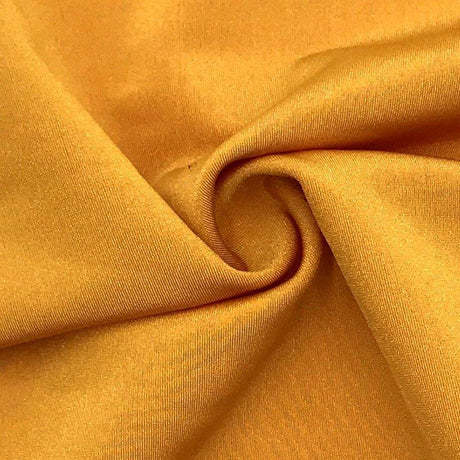
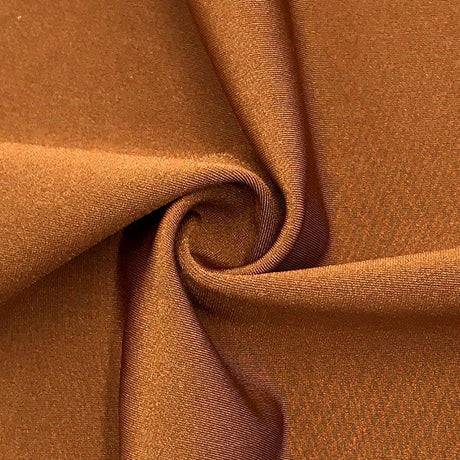
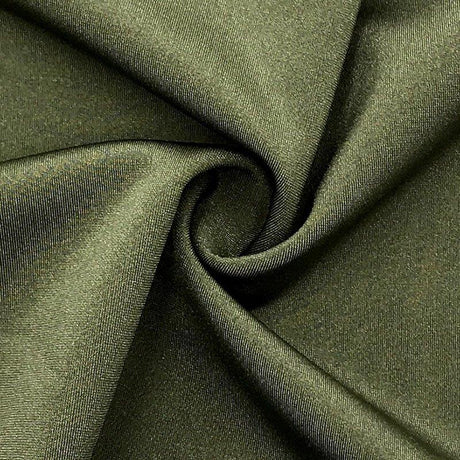
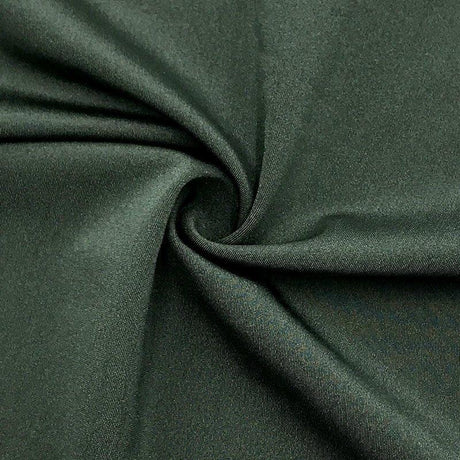
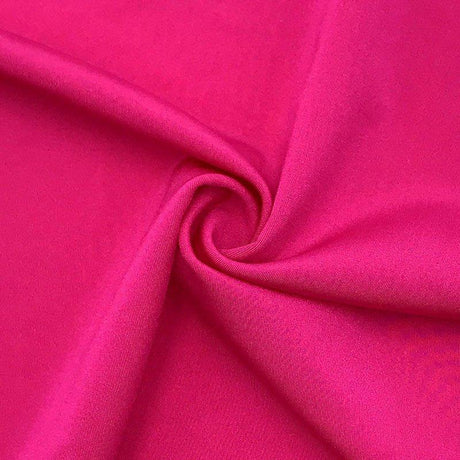
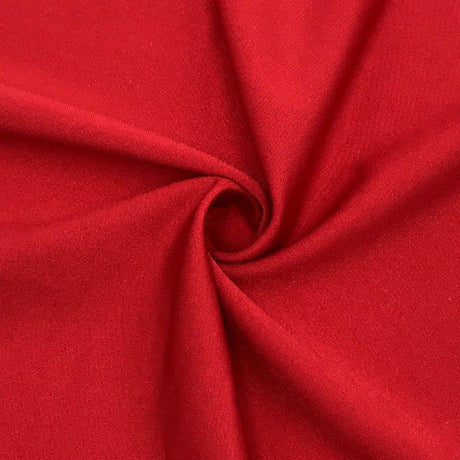
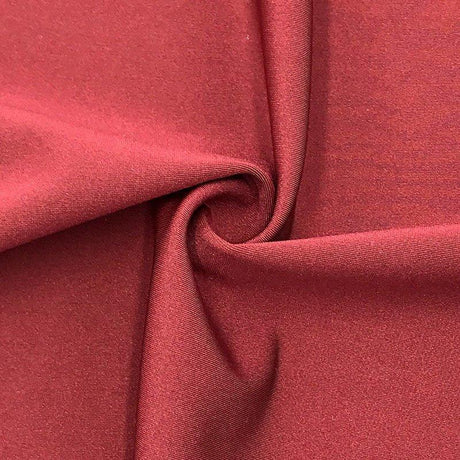
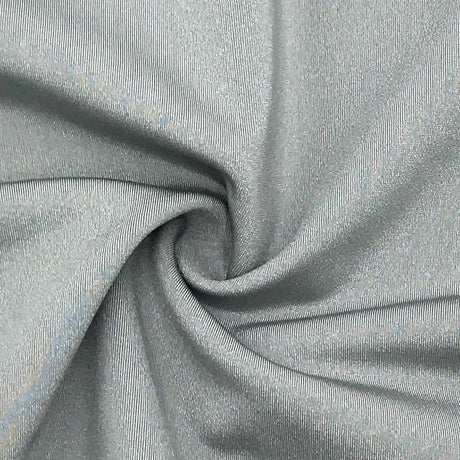
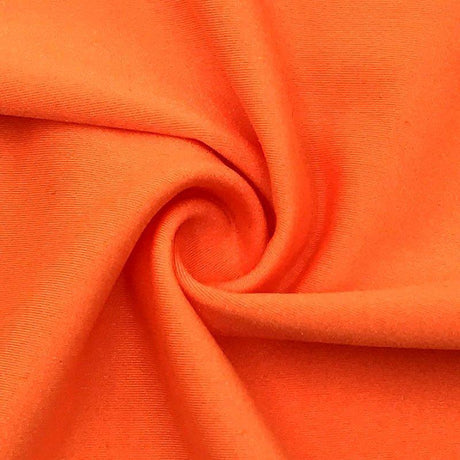
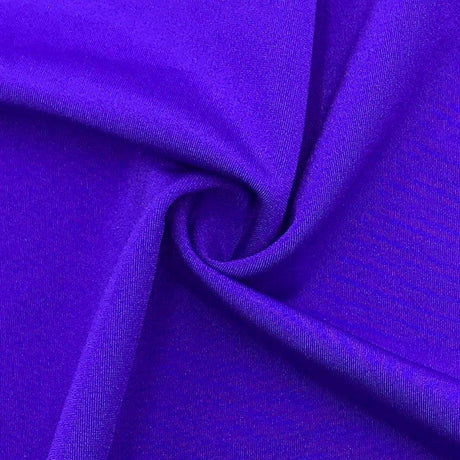
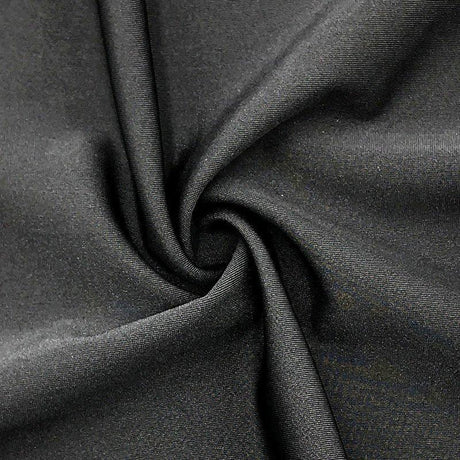
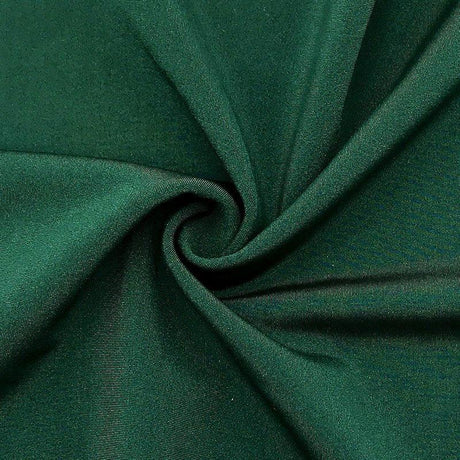
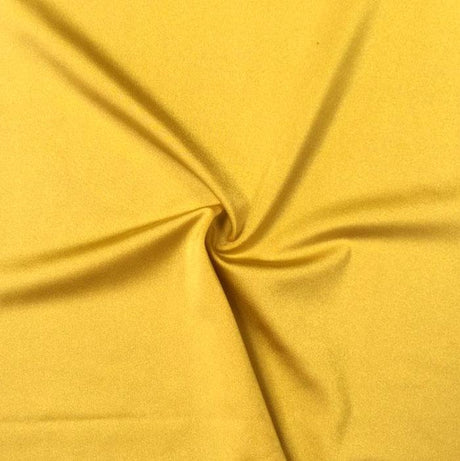
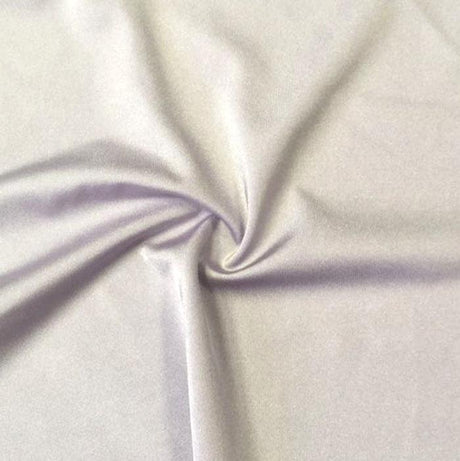
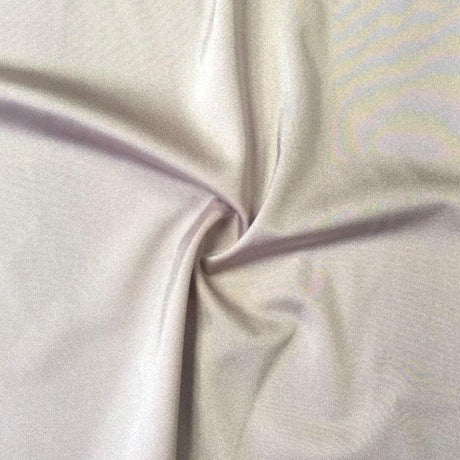
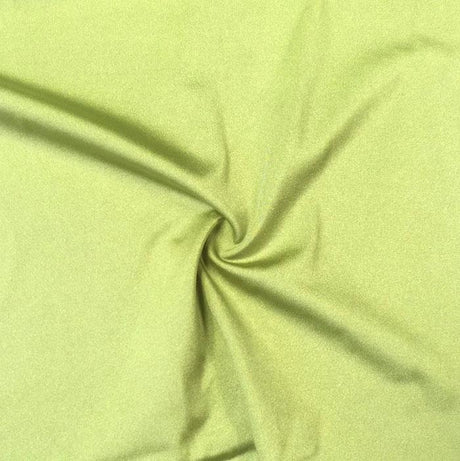
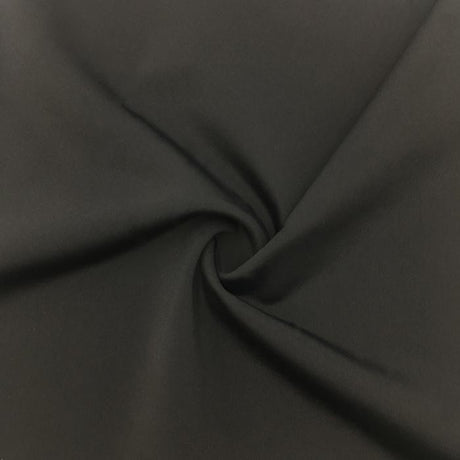
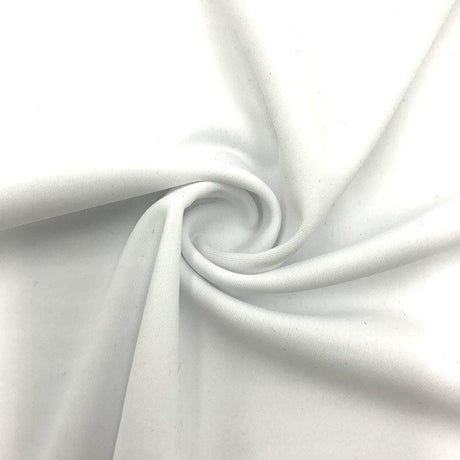
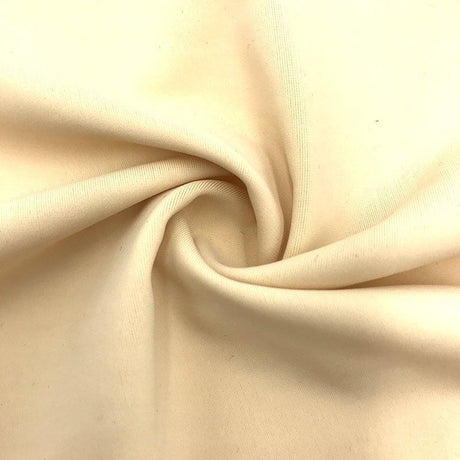
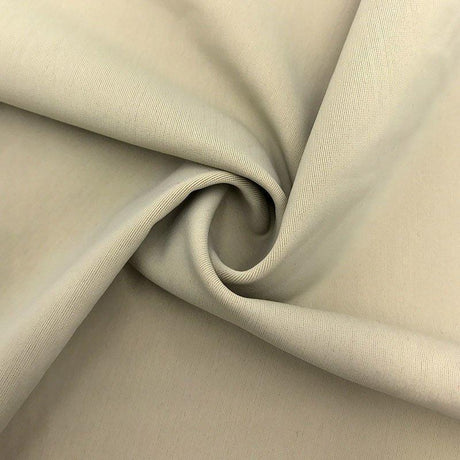
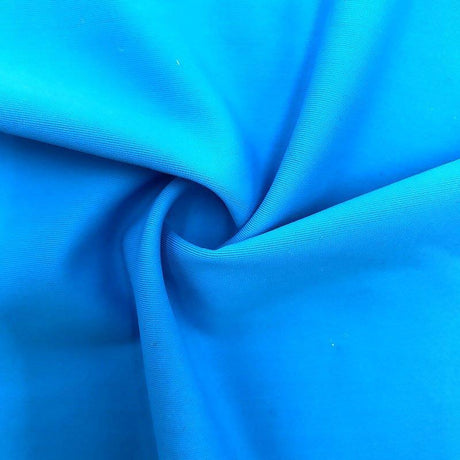
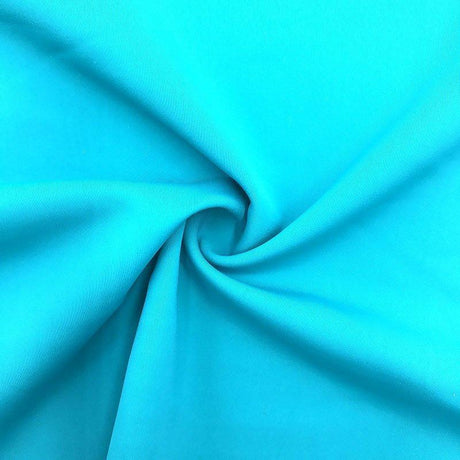
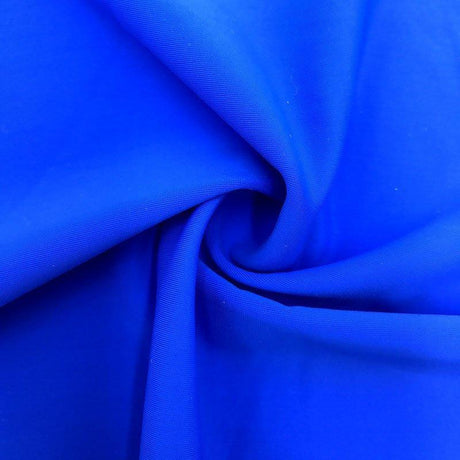
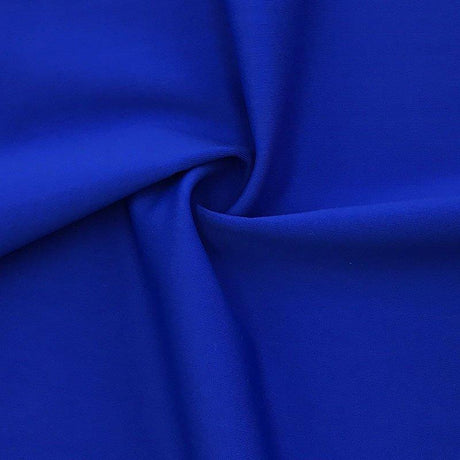
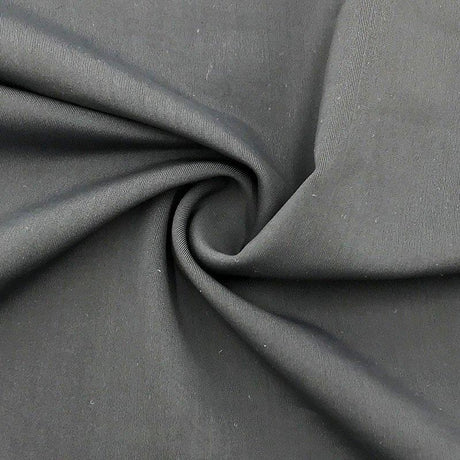
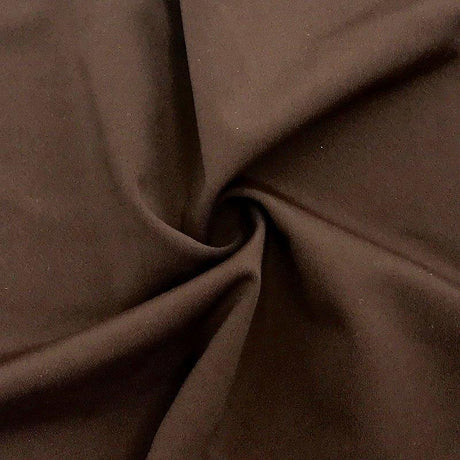
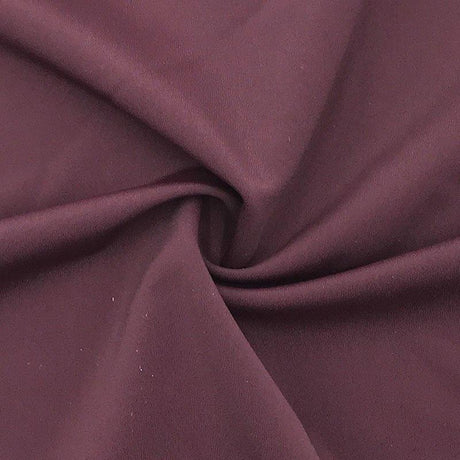
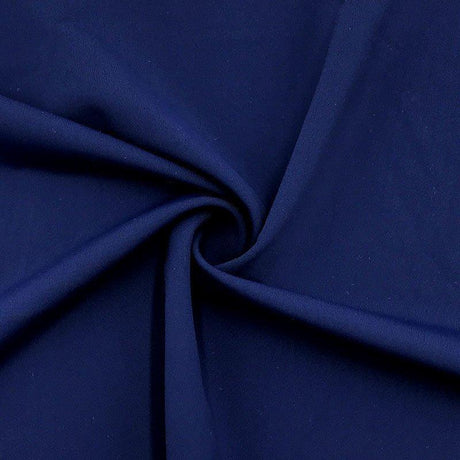
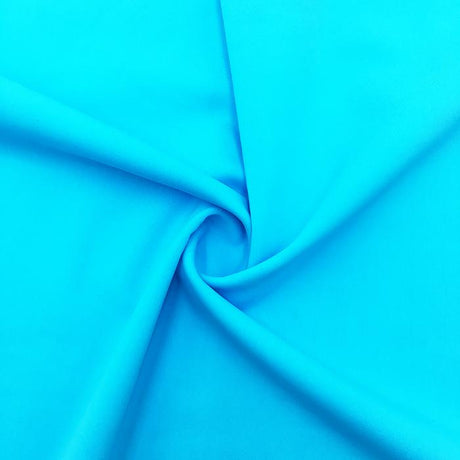
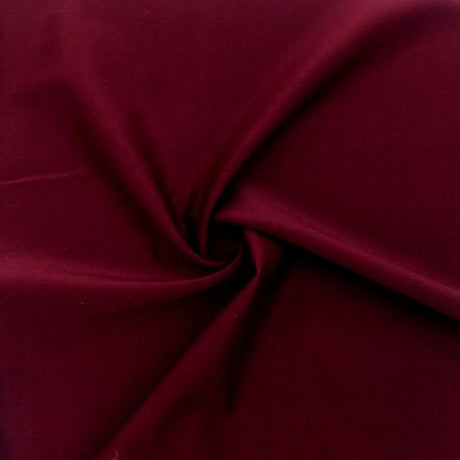
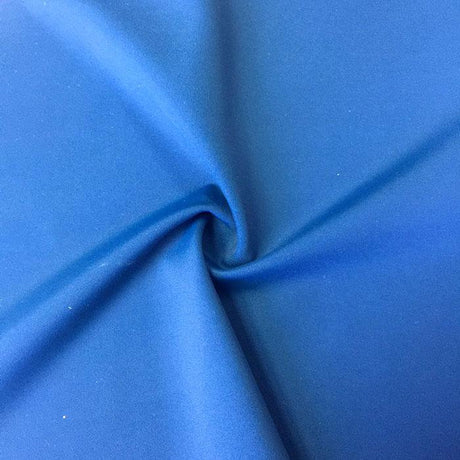
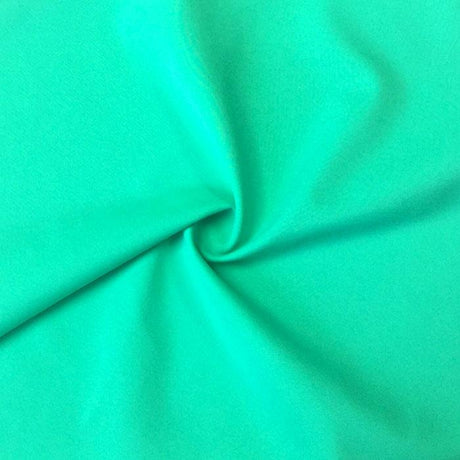
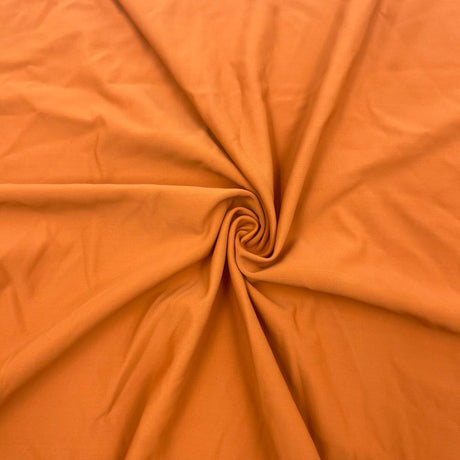
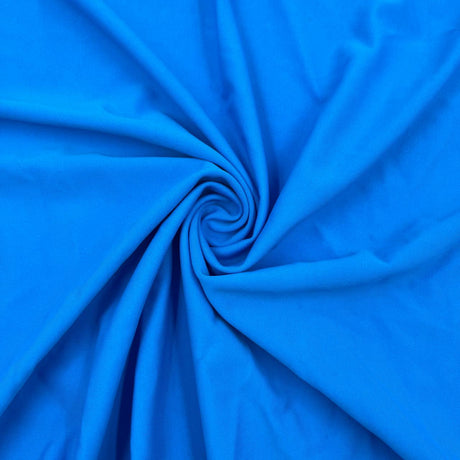
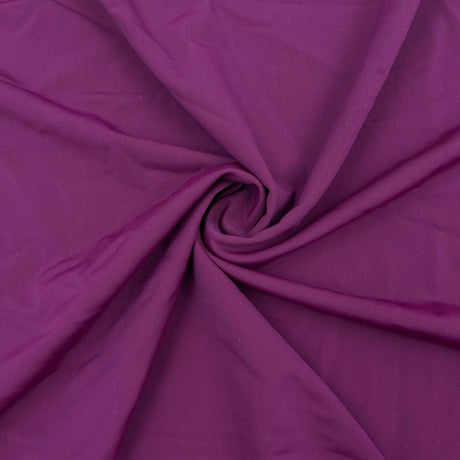
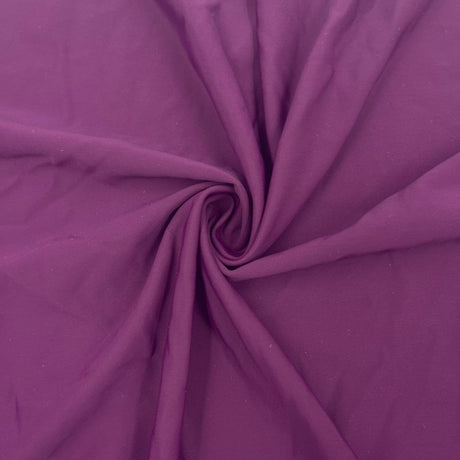
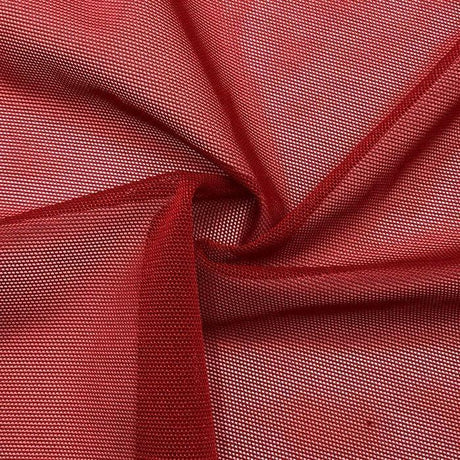
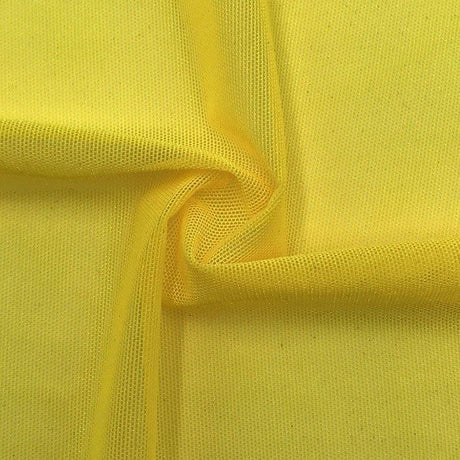
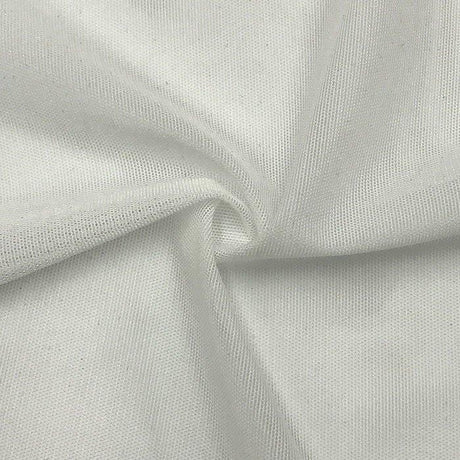
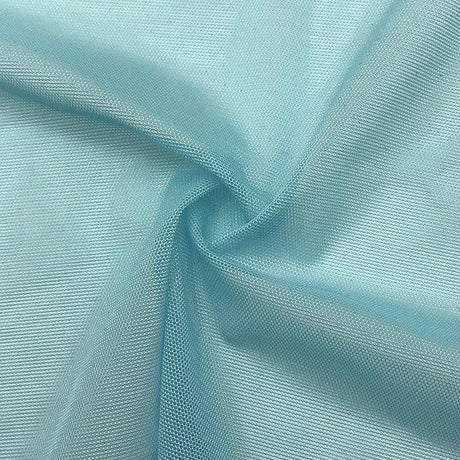
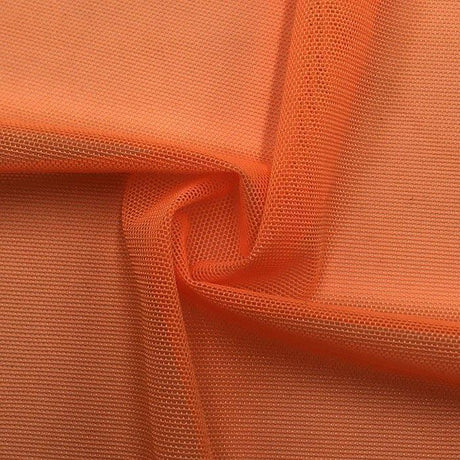
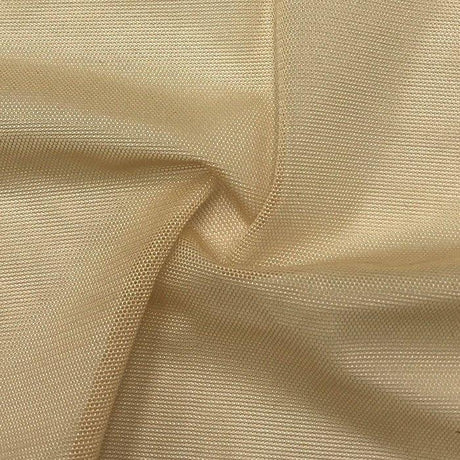
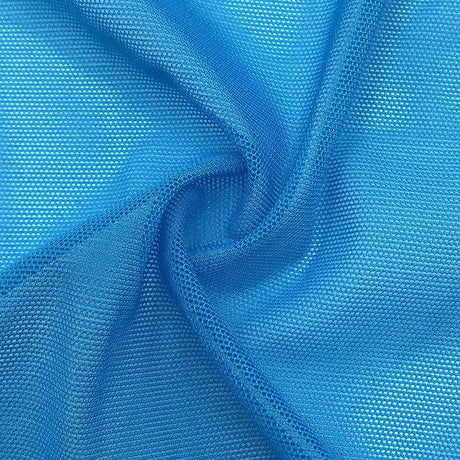
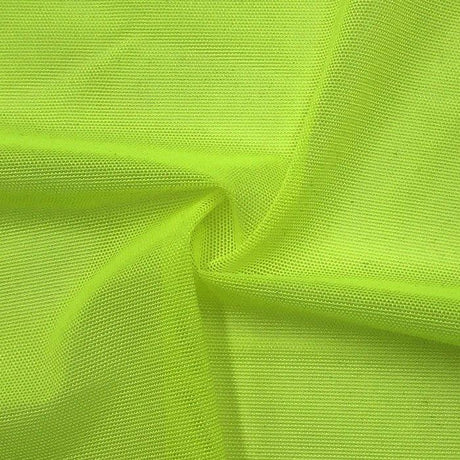
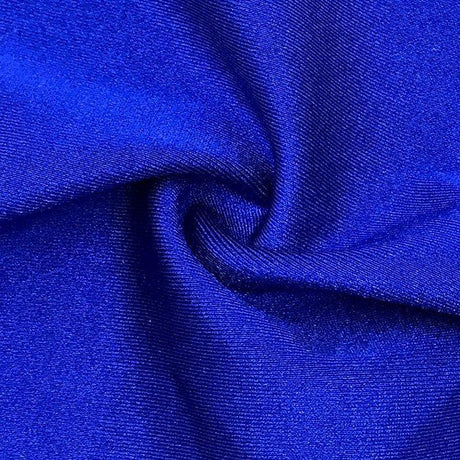
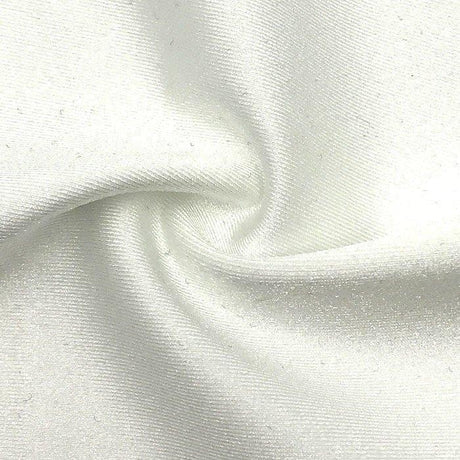
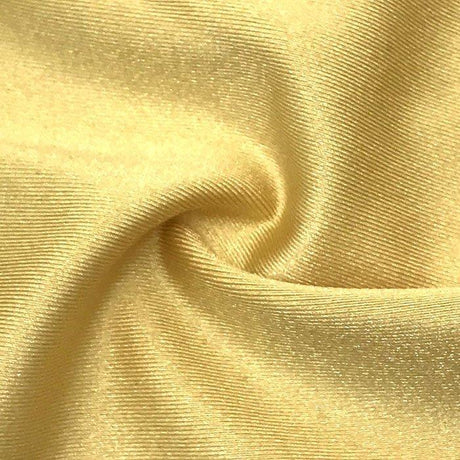
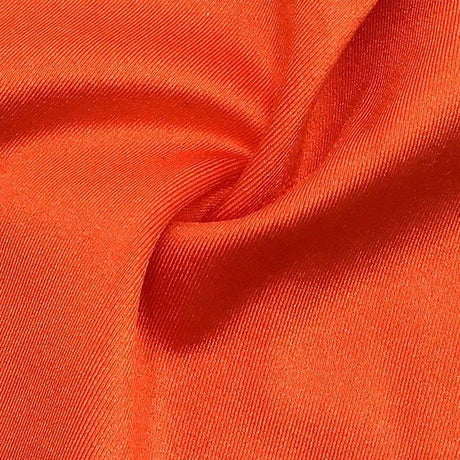
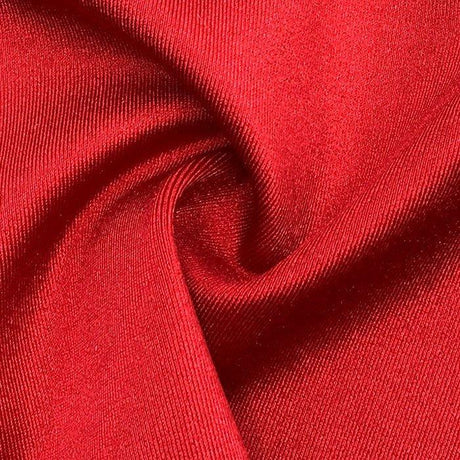
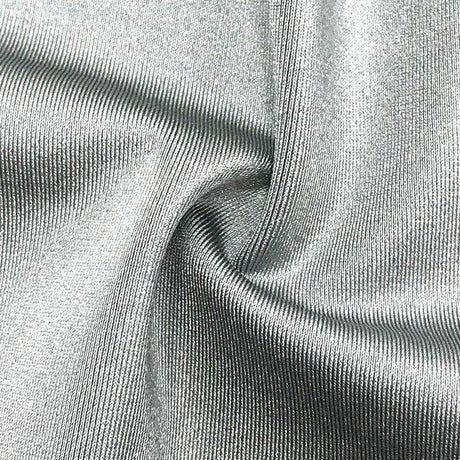
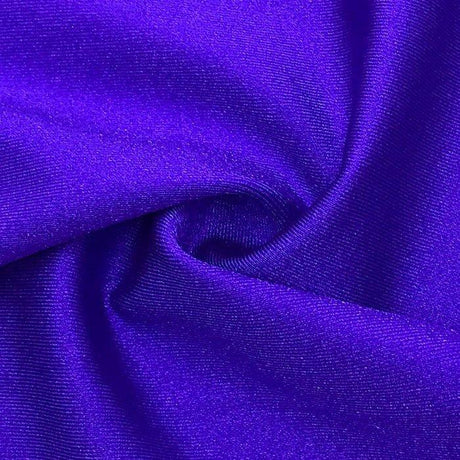
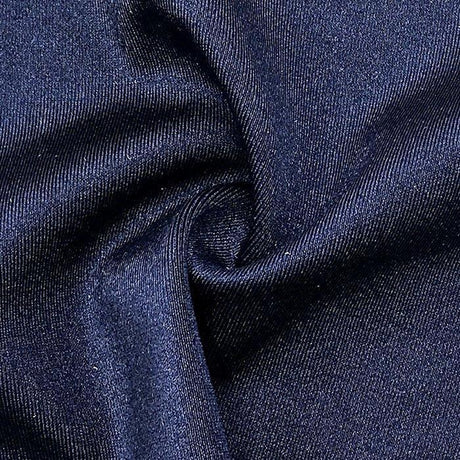
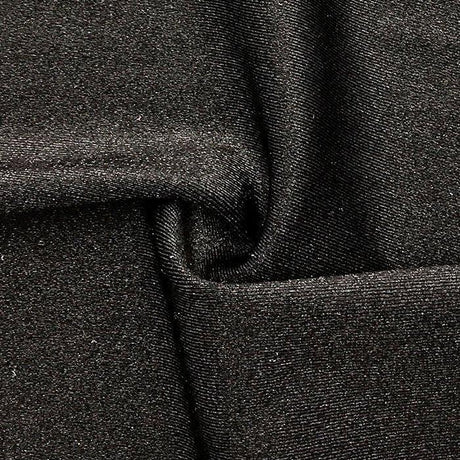
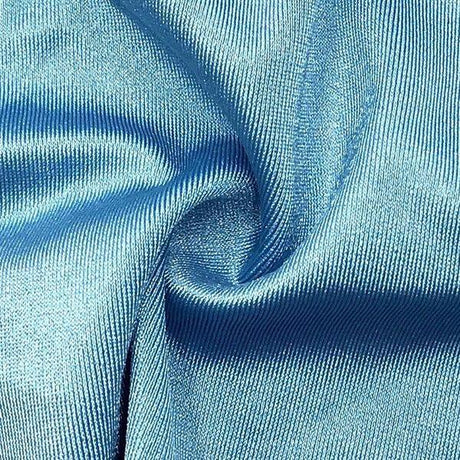
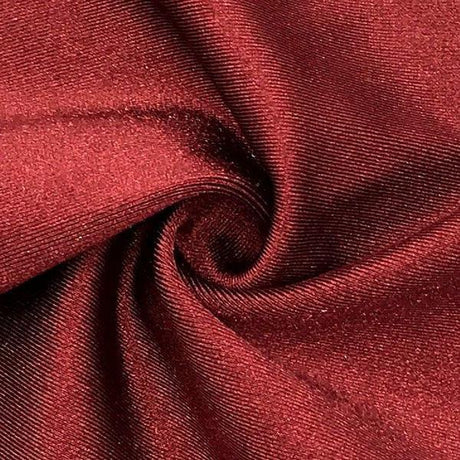
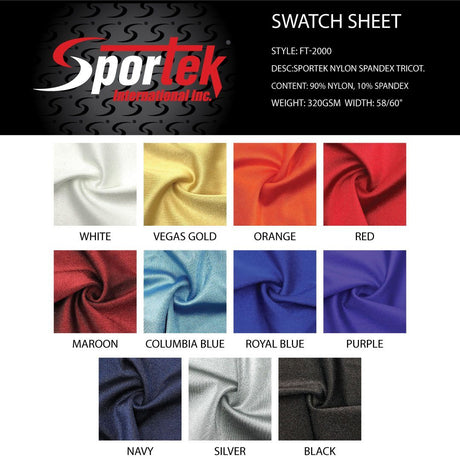
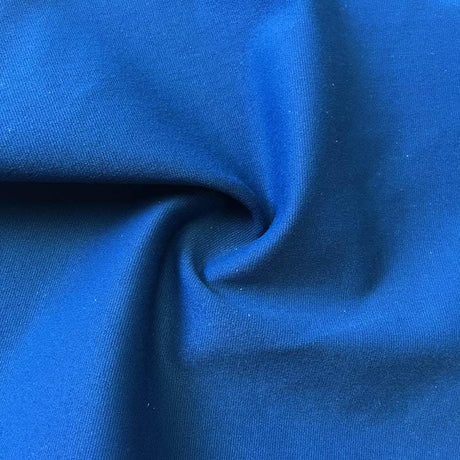
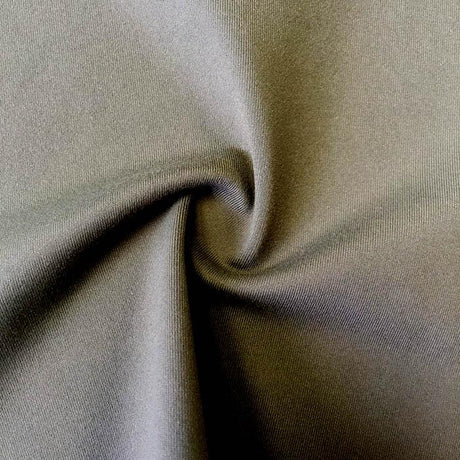
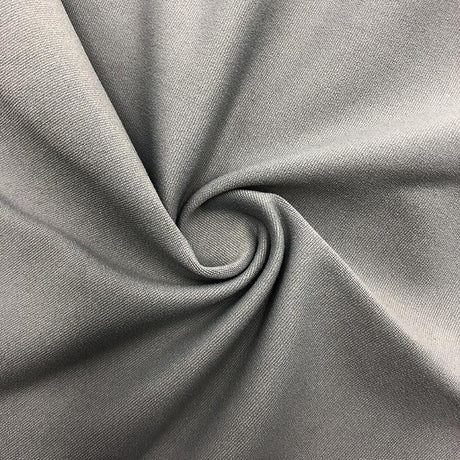
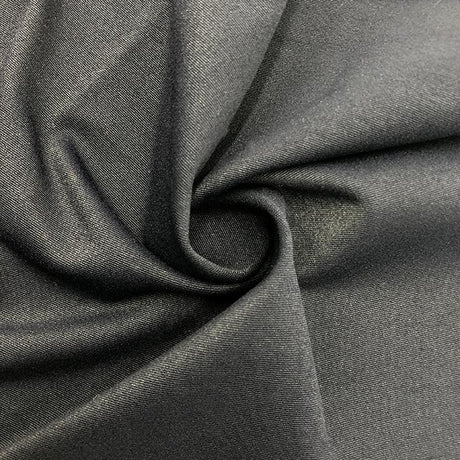
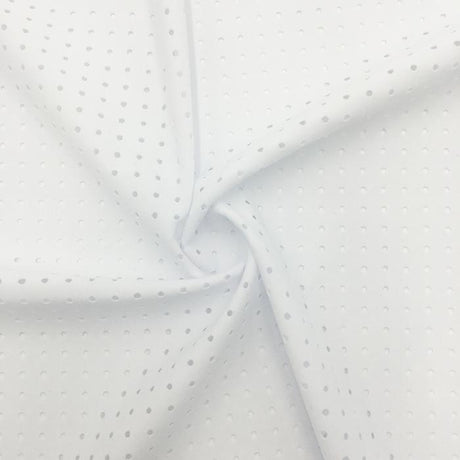
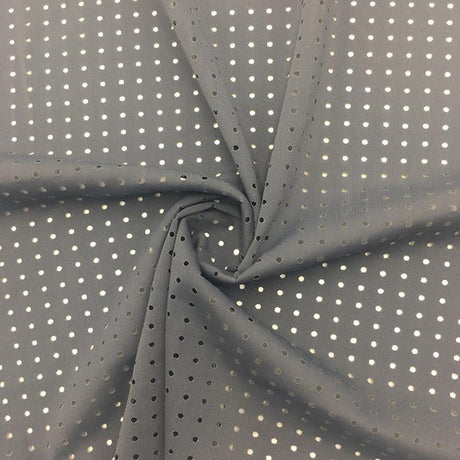
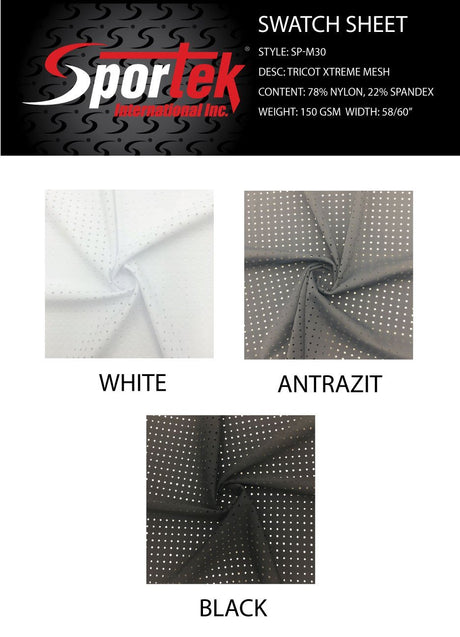
The activewear market is booming, offering an incredible array of leggings, sports bras, tops, and shorts designed to enhance every workout. But have you ever stopped to consider what truly makes your favorite activewear piece so effective, comfortable, or durable? Beyond design and brand, the secret often lies in the fabric's composition – specifically, the spandex blend. For a broader foundation before diving in, explore our activewear fabric guide or browse our full fabric guides hub.
While spandex (also known as elastane or Lycra™) provides the essential stretch and recovery, it's almost always blended with other fibers like nylon, polyester, or cotton. Each blend creates a fabric with unique properties, making it more suitable for specific activities, climates, and desired performance outcomes. Choosing the right blend isn't just about comfort; it impacts everything from moisture management and breathability to durability, compression, and even the garment's longevity.
The Foundation: Understanding Spandex in Activewear
Before diving into blends, let's quickly reiterate why spandex is the cornerstone of almost all modern activewear. Our stretch fabric types page covers these properties in full technical detail.
Exceptional Stretch & Recovery: Spandex can stretch 5–8 times its original length and snap back, providing unparalleled freedom of movement and preventing garments from bagging out.
Shape Retention: It helps garments maintain their form, ensuring a consistent fit even after repeated wear and washing.
Comfort: The inherent stretch contributes significantly to the comfortable, "second-skin" feel of activewear.
Durability (when blended): While spandex itself is strong, its blending with other fibers enhances the overall durability of the fabric, contributing to its longevity.
However, spandex rarely stands alone. Its properties are optimized and complemented by partnering fibers, each bringing its own strengths to the blend.
The Core Blends: Nylon-Spandex vs. Polyester-Spandex vs. Cotton-Spandex
These three blends form the backbone of the activewear fabric market. Understanding their individual characteristics is crucial.
1. Nylon-Spandex Blends (Polyamide Spandex)
Composition: Typically 80–90% Nylon, 10–20% Spandex (Elastane/Lycra)
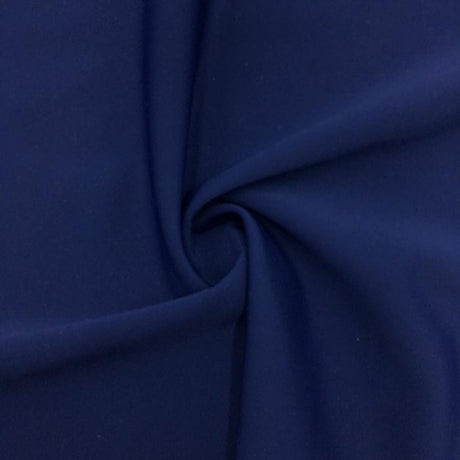
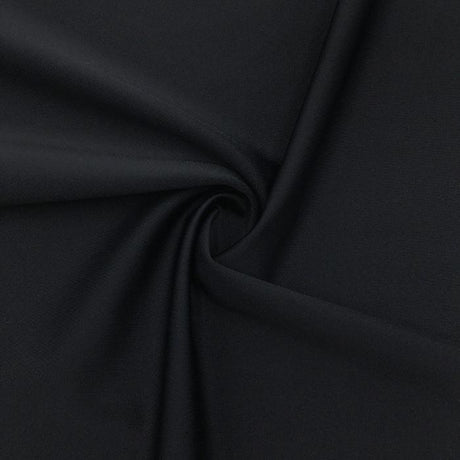
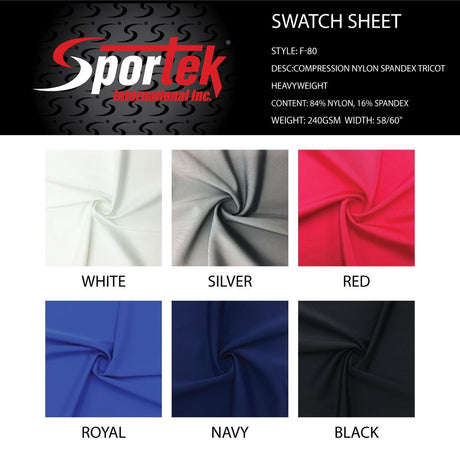
Nylon (Polyamide) is a synthetic fiber known for its exceptional strength, elasticity, and abrasion resistance. Nylon itself has some natural stretch, which is further enhanced by spandex. Our nylon-spandex fabric guide covers this blend's full performance profile, including how it compares to polyester-spandex in stretch, recovery, and durability for activewear applications.
Characteristics:
- Soft, Smooth Hand Feel: Often described as feeling "silky" or "buttery" against the skin.
- Excellent Stretch & Recovery: Highly elastic, offering great freedom of movement and maintaining shape.
- High Durability & Abrasion Resistance: Extremely strong, making it resistant to tearing, snagging, and pilling.
- Good Moisture Wicking: While not as strong as polyester, nylon wicks moisture away from the skin.
- Quick Drying (relative): Dries faster than cotton but typically slower than polyester.
- Good Drape: Flows well and conforms beautifully to the body.
- Luxurious Look: Often has a slight sheen, giving garments a premium, sleek appearance.
- Less UV Resistant: Can degrade and lose strength when exposed to prolonged sunlight, though blends for swimwear may have added UV protection.
Ideal For: High-performance activewear (yoga, Pilates, running, gym, cycling, dance), swimwear, compression wear, everyday leggings and athleisure.
Pros: Superior softness and comfort; exceptional durability and longevity; great stretch and shape retention; premium feel and appearance.
Cons: Can be more expensive than polyester-spandex; dries slightly slower than polyester; less UV resistant over time if untreated.
2. Polyester-Spandex Blends (Poly Spandex)
Composition: Typically 80–90% Polyester, 10–20% Spandex (Elastane/Lycra)
Polyester is a synthetic fiber renowned for its strength, wrinkle resistance, and excellent moisture management properties.
Characteristics:
- Excellent Moisture Wicking: The undisputed king of wicking. Polyester fibers are hydrophobic, drawing sweat away from the skin to the fabric's surface where it can evaporate quickly.
- Very Quick Drying: Dries incredibly fast, making it ideal for high-sweat activities.
- High Durability & Strength: Strong and resistant to stretching, shrinking, and wrinkles.
- UV Resistance: Naturally more resistant to UV rays than nylon, making it a good choice for outdoor activewear.
- Colorfastness: Holds dyes exceptionally well, resulting in vibrant, long-lasting colors that resist fading.
- Lighter Weight (often): Can often be engineered to be lighter in weight than nylon-spandex.
- Sublimation Printing: Polyester's ability to hold dye makes it perfect for intricate, vibrant designs applied through sublimation. Our sublimation guide covers how the sublimation process works with polyester-spandex fabrics, and our sublimation paper and sublimation transfer paper pages cover the tools needed for professional results.
Ideal For: High-intensity workouts (running, HIIT, CrossFit, cycling), outdoor activewear, team sports uniforms, sublimation printing.
Pros: Superior moisture wicking and quick drying; excellent UV resistance; great colorfastness; often more affordable than nylon-spandex; very durable and resistant to shrinking/stretching.
Cons: Traditionally less soft than nylon, though this is changing with newer technologies; can sometimes retain odors more easily; less breathable than cotton.
3. Cotton-Spandex Blends
Composition: Typically 90–95% Cotton, 5–10% Spandex (Elastane/Lycra)
Cotton is a natural fiber prized for its softness, breathability, and comfort. Our cotton-spandex fabric guide covers this blend's full performance profile, including stretch behavior, care requirements, and when cotton blends are appropriate for activewear vs. everyday applications.
Characteristics:
- Exceptional Softness & Comfort: Known for its natural, soft feel against the skin.
- High Breathability: Allows air to circulate freely, making it comfortable in moderate temperatures.
- Hypoallergenic: Less likely to cause skin irritation, making it suitable for sensitive skin.
- Good Absorbency: Absorbs sweat effectively, which can be a double-edged sword for activewear.
- Limited Stretch & Recovery (compared to synthetics): While spandex adds stretch, cotton's inherent properties mean these blends typically offer less stretch and bounce-back than nylon or polyester blends, and can bag out over time.
- Slow Drying: Cotton absorbs a lot of moisture and dries slowly, which can leave you feeling damp and heavy during intense workouts.
- Prone to Shrinking & Fading: Can shrink in the wash and fade over time, especially with frequent use and washing.
Ideal For: Low-impact activities (gentle yoga, Pilates), loungewear and sleepwear, sensitive skin, casual activewear for light workouts.
Pros: Unmatched natural softness and comfort; excellent breathability; hypoallergenic; generally more affordable.
Cons: Poor moisture wicking (gets saturated quickly); very slow drying; less durable for high-intensity use; prone to shrinking, fading, and bagging out.
Beyond the Basics: Advanced Blends and Features
4. Blends with Rayon/Viscose Spandex
Composition: Typically 80–90% Rayon/Viscose, 10–20% Spandex
Rayon (Viscose) is a semi-synthetic fiber derived from wood pulp. It has a beautiful drape and a silky feel. These blends offer luxurious softness and drape with good breathability and absorbency, but are not as durable as synthetic blends and have poor moisture management for high-sweat activities. Best for loungewear, casual activewear, and fashion-forward pieces designed to transition from workout to street wear.
5. Specialized Spandex Blends and Treatments
Blends with Silver or Carbon Fibers: Incorporated to provide anti-microbial and anti-odor properties, helping to prevent the growth of bacteria that cause unpleasant smells, especially common in polyester blends.
Brushed Interior: Many nylon and polyester-spandex fabrics feature a brushed interior (sometimes called "peach skin" or "fleece lined"). This process creates a soft, fuzzy texture on the inside, enhancing comfort, providing extra warmth, and sometimes improving moisture wicking. Our fabric finishes guide covers brushed and other surface treatments and how they affect performance in activewear applications.
Compression Finishes: Some fabrics undergo specific finishing processes to enhance their compression capabilities, providing targeted support to muscles.
UV Protection: Fabrics designed for outdoor use often have a UPF (Ultraviolet Protection Factor) rating. Polyester blends tend to have a natural advantage here. Our swimwear fabric guide covers UV protection ratings for swim and outdoor fabrics in detail.
Water-Repellent Coatings (DWR): For outdoor activewear (jackets, pants), a Durable Water Repellent finish can be applied to the fabric surface, causing water to bead up and roll off.
Recycled Spandex Blends: With a growing focus on sustainability, many brands are incorporating recycled polyester/nylon blended with virgin or recycled spandex to reduce environmental impact.
Choosing the Best Blend for Your Activity: A Practical Guide
Our how to choose fabric guide walks through this decision framework systematically for all common activewear garment types.
1. High-Intensity & High-Sweat Activities (Running, HIIT, CrossFit, Cycling, Spinning)
Primary Needs: Superior moisture wicking, quick drying, durability, compression, odor control.
Recommended Blend: Polyester-Spandex (80–90% Polyester, 10–20% Spandex). Polyester's excellent wicking and quick-drying properties are paramount. Its durability stands up to rigorous movement and frequent washing. Look for blends with anti-microbial treatments for odor control.
Considerations: Look for brushed finishes for added comfort, especially in colder climates. Ensure a good spandex percentage (15–20%) for adequate compression and support. Our fabric weight guide covers how GSM affects compression level and breathability across polyester-spandex constructions for high-intensity applications.
2. Yoga, Pilates & Low-Impact Activities
Primary Needs: Flexibility, softness, comfort, breathability, good drape, opacity during stretching.
Recommended Blends:
- Nylon-Spandex (80–90% Nylon, 10–20% Spandex): Offers a supremely soft, buttery feel, excellent stretch, and beautiful drape. It's opaque and comfortable for holding poses.
- Cotton-Spandex (90–95% Cotton, 5–10% Spandex): For those prioritizing natural fibers, extreme softness, and breathability, especially for gentle yoga or restorative practices. Be aware of slower drying times if you sweat a lot.
Considerations: For cotton blends, ensure the spandex percentage is adequate to prevent bagging. For nylon, check the GSM to ensure sufficient opacity. Our fabric weight guide covers GSM thresholds for opacity across nylon-spandex constructions used in yoga leggings.
3. Swimming & Water Sports
Primary Needs: Chlorine resistance, UV protection, excellent stretch and recovery, quick drying, durability, colorfastness.
Recommended Blend: Nylon-Spandex (80–85% Nylon, 15–20% Spandex) with specific treatments, or Polyester-Spandex (80–85% Polyester, 15–20% Spandex). Both can be used. Nylon-spandex with chlorine-resistant treatments (like Xtra Life Lycra) is traditional, offering a smooth feel and great fit. Polyester-spandex is gaining popularity for swimwear due to its superior chlorine and UV resistance, as well as excellent colorfastness. Our swimwear fabric guide covers these two options and how to choose between them for different aquatic applications.
Considerations: Always look for specific "chlorine resistant" or "UV protective" claims. A higher spandex content is crucial for a snug, supportive fit that stays put in water.
4. Outdoor Activities (Hiking, Climbing, Winter Sports)
Primary Needs: Durability, weather resistance (UV, water), warmth (for colder climates), breathability, moisture management.
Recommended Blends: Polyester-Spandex (85–90% Polyester, 10–15% Spandex) often with brushed interior or fleece lining. Polyester's natural UV resistance and quick-drying properties are valuable for varying outdoor conditions. Our fabric finishes guide covers DWR coatings and brushed interior treatments and how they enhance outdoor performance in polyester-spandex fabrics.
5. Everyday Activewear & Athleisure
Primary Needs: Comfort, style, versatility, moderate durability, good fit.
Recommended Blends:
- Nylon-Spandex (80–85% Nylon, 15–20% Spandex): For a luxurious, soft, and flattering feel that transitions well from the gym to casual outings.
- Cotton-Spandex (90–95% Cotton, 5–10% Spandex): For ultimate natural comfort and breathability in more relaxed settings.
Considerations: For daily wear, assess pilling resistance and shape retention over time. Our cotton-spandex fabric guide and nylon-spandex fabric guide cover long-term durability and shape retention for both blends in everyday athleisure applications.
Key Factors When Evaluating Spandex Blends (Beyond Composition)
Spandex Percentage:
- 5–10% Spandex: Offers comfort stretch, good for cotton blends or light stretch in wovens.
- 10–15% Spandex: Common for general activewear, providing good stretch and recovery.
- 15–25% Spandex: Essential for high-compression wear, swimwear, and garments requiring maximum stretch and recovery.
Our stretch fabric types page explains how spandex percentage translates to real-world stretch percentage, recovery ratings, and compression level across all common activewear blend types.
Fabric Weight (GSM – Grams per Square Meter):
- Lightweight (120–180 GSM): Breathable, airy, good for summer tops or lining.
- Mid-Weight (180–250 GSM): Versatile, balanced for most activewear leggings and tops.
- Heavy-Weight (250–400+ GSM): Provides high compression, maximum opacity, and superior durability, ideal for serious performance wear.
Our fabric weight guide provides a full breakdown of how GSM affects performance, breathability, and durability across all three core blend types.
Knit Type (for Knitted Fabrics):
- Jersey Knit: Smooth on one side, looped on the other; common and versatile.
- Interlock Knit: Two layers of jersey knit joined together, making it thicker, more stable, and less likely to curl; often used for higher quality leggings.
- Rib Knit: Creates vertical ribs, offering a lot of stretch and recovery.
- Jacquard Knit: Allows for intricate patterns to be knitted directly into the fabric, adding texture and design complexity.
Our stretch fabric types page covers all four knit structures and how they affect stretch, opacity, and performance in activewear applications.
Finish & Treatments: Brushed/sueded, anti-microbial/odor control, wicking/quick-dry, UPF/UV protection, and compression finishes can all enhance base fabric performance. Our fabric finishes guide covers all of these treatments in detail and how to identify them when sourcing fabrics.
Quality of Fibers & Manufacturing: Not all nylon or polyester is created equal. High-quality virgin fibers and precise manufacturing processes lead to superior fabric performance, feel, and durability. Reputable fabric suppliers will often provide detailed specifications and certifications (e.g., OEKO-TEX® for safety).
Making Your Decision: A Step-by-Step Approach
- Define Your Primary Activity: What will the garment primarily be used for?
- Prioritize Key Performance Needs: Based on the activity, what are the most crucial features?
- Consider Climate/Environment: Will you be exercising in hot, humid, cold, or sunny conditions?
- Think About Desired Feel & Fit: Do you prefer a buttery soft feel, structured compression, or natural breathability?
- Review the Common Blends: Use the guide above to narrow down the most suitable blend(s). Our how to choose fabric guide provides a complete evaluation framework.
- Check Additional Specifications: Look for GSM, specific finishes, and spandex percentage using our fabric weight guide.
- Read Product Descriptions & Reviews: Look for real-world performance insights.
- Order Swatches (for manufacturers/sewers): Always order swatches to feel the hand, test the stretch, and observe the drape before committing to a larger purchase. If you need guidance interpreting samples, our expert help and advice page connects you with knowledgeable staff.
Frequently Asked Questions (FAQ)
Q1: What's the best spandex blend for high-intensity workouts? For high-intensity workouts, Polyester-Spandex (80–90% Polyester, 10–20% Spandex) is generally the best choice. Polyester excels in moisture wicking and quick drying, keeping you dry and comfortable even during heavy sweating. Look for blends with added anti-microbial properties for odor control. Our activewear fabric guide covers polyester-spandex performance ratings for high-intensity applications.
Q2: Is nylon-spandex or polyester-spandex softer? Traditionally, Nylon-Spandex has been known for its superior softness and silky, "buttery" hand feel. However, advancements in manufacturing have significantly improved the softness of Polyester-Spandex, with many modern polyester blends now feeling very soft, especially those with a brushed finish. Our nylon-spandex fabric guide covers the handfeel comparison in detail.
Q3: Why do my cotton-spandex leggings get baggy? Cotton-spandex leggings can get baggy because cotton, while soft and breathable, has less inherent elastic recovery compared to synthetic fibers. Even with spandex blended in, the cotton fibers will absorb moisture and stretch more permanently over time. For better shape retention, consider nylon or polyester-spandex blends. Our cotton-spandex fabric guide covers why cotton blends have this limitation and what applications they are best suited to.
Q4: Can spandex activewear be worn for swimming? While activewear containing spandex can get wet, not all activewear is suitable for swimming, especially in chlorinated pools. Nylon-Spandex or Polyester-Spandex specifically designed and treated for swimwear is recommended. Our swimwear fabric guide covers chlorine-resistant options and how to identify the right fabric for pool vs. ocean use.
Q5: What percentage of spandex is ideal for activewear compression? For true activewear compression, look for blends with at least 15% to 25% spandex. This higher concentration of elastic fibers provides the necessary firm stretch and excellent recovery to exert consistent pressure on muscles. Our stretch fabric types page covers how spandex percentage translates to compression level across all common activewear constructions.
For additional questions about specific blends, certifications, or sourcing, our FAQ page answers common ordering and specification questions.
Conclusion
The activewear you choose is more than just a fashion statement; it's a critical component of your performance and comfort. The unsung hero in this equation is often the fabric blend, particularly the thoughtful combination of spandex with other fibers. By understanding the distinct properties of Nylon-Spandex, Polyester-Spandex, and Cotton-Spandex, along with specialized treatments and manufacturing techniques, you gain the power to select activewear that precisely meets your needs.
From the sweat-wicking prowess of polyester blends perfect for intense runs to the buttery softness of nylon blends ideal for tranquil yoga sessions, each composition offers a unique advantage. Make informed choices, and you'll not only enhance your athletic experience but also invest in activewear that lasts longer, performs better, and keeps you comfortable, no matter how you move.
Ready to find the perfect blend for your next project? Explore our nylon-spandex fabric guide, cotton-spandex fabric guide, and activewear fabric guide for detailed performance comparisons, use our fabric weight guide and stretch fabric types page to evaluate technical specifications, and visit our how to sew stretch fabric guide when you're ready to start constructing. Keep our spandex care guide and fabric care guide handy to protect every garment you make. Sign up for SpandexByYard Rewards to earn points on every purchase – because the right blend makes every workout better.