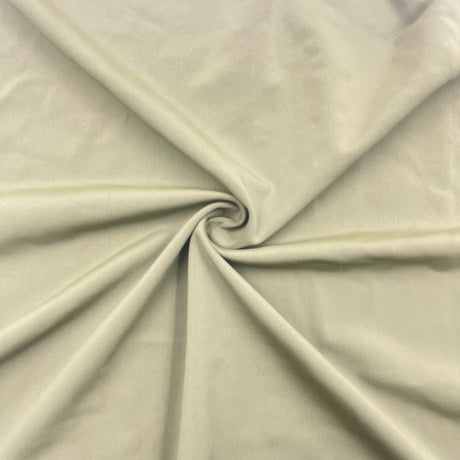
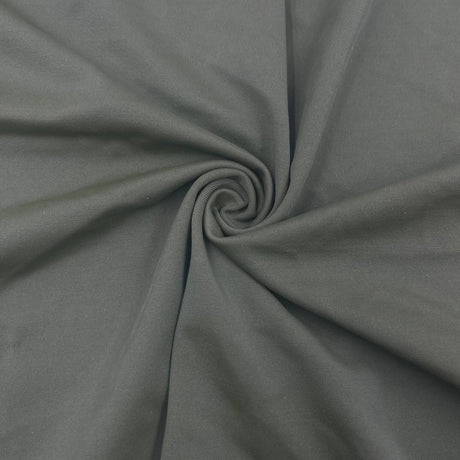
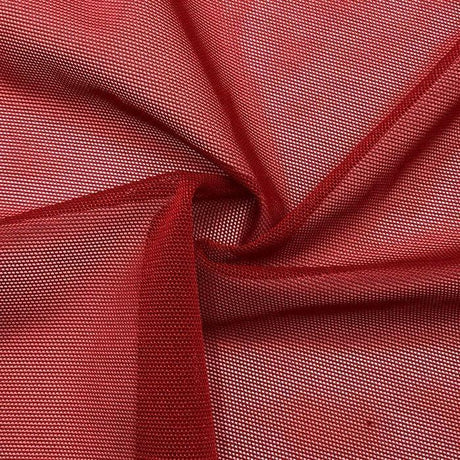
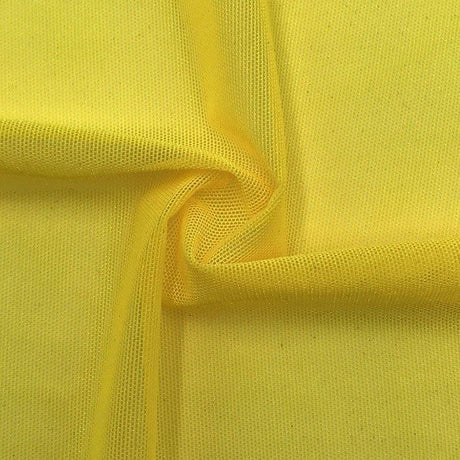
Have you ever excitedly bought stretch fabric for a new project, only to find it didn't quite behave as you expected when you started cutting or sewing? Or perhaps you've wondered why some leggings offer a "second-skin" fit while others feel a bit more rigid? The answer often lies in understanding a crucial, yet sometimes overlooked, characteristic of elastic fabrics: their stretch direction.
While spandex, elastane, or Lycra™ are synonymous with amazing stretch and recovery, not all stretch fabrics are created equal. The way the fabric stretches – either in two directions or four – profoundly impacts a garment's fit, comfort, and functionality. For anyone from a home sewing enthusiast to a small business owner sourcing materials, distinguishing between 2-way stretch spandex and 4-way stretch spandex is vital for project success. For a broader foundation before diving in, explore our stretch fabric types page or browse our full fabric guides hub.
Understanding Fabric Stretch: The Elastic Foundation
What is Stretch? In textiles, stretch refers to a fabric's ability to extend under tension and then return to its original shape. This remarkable property is what allows garments to conform to the body, provide comfort during movement, and retain their form over time.
The Role of Spandex/Elastane/Lycra: The magic behind modern stretch fabrics is primarily due to the incorporation of synthetic elastic fibers like spandex (known as elastane in Europe and Asia). Lycra is a well-known brand name for spandex, owned by The Lycra Company. These fibers possess exceptional elasticity, often stretching 5–8 times their original length and then snapping back. When blended with other fibers like nylon, polyester, or cotton, spandex imparts its stretch properties to the entire fabric. Our nylon-spandex fabric guide and cotton-spandex fabric guide cover these two most popular blend types in full technical detail.
Stretch Percentage: Beyond Direction: While understanding stretch direction is key, it's also important to consider the stretch percentage. This metric quantifies how much a fabric can stretch. For example, a fabric with 50% stretch means a 10-inch piece can stretch to 15 inches. A high stretch percentage (e.g., 70% to 100%+) is often found in performance activewear and requires less ease in patterns, while fabrics with lower stretch (e.g., 25% to 50%) are suitable for garments needing just a bit of give. Our stretch fabric types page covers stretch percentage ranges and how they translate to real-world fit and performance across all common spandex-blend constructions.
To measure stretch percentage:
- Take a 4-inch (or 10 cm) section of your fabric.
- Place a ruler or measuring tape on the fabric.
- Stretch the fabric as far as it comfortably goes without distorting.
- Note the new length.
- Calculate: (Stretched Length - Original Length) / Original Length × 100%.
Example: (6 inches - 4 inches) / 4 inches × 100% = 50% stretch.
Recovery: The Other Side of the Stretch Coin: Equally as important as stretch is recovery – the fabric's ability to return to its original dimensions after being stretched. Good recovery prevents garments from bagging out, sagging, or losing their shape after wear. Spandex excels in recovery, which is why it's so valuable in form-fitting apparel. Fabrics with poor recovery might stretch out during wear and stay stretched, leading to a sloppy fit. Our spandex care guide covers how to preserve this recovery through proper washing and drying so your garments maintain their fit over the long term.
What is 2-Way Stretch Spandex? Unidirectional Elasticity
2-way stretch fabric stretches significantly in one primary direction only. This direction is almost always the crosswise grain of the fabric, meaning it stretches from selvage to selvage. It typically has very little to no stretch along its length (the lengthwise grain, or warp direction).
How to Test for 2-Way Stretch: Take a piece of fabric. Pull it horizontally across its width. Does it stretch? Now, pull it vertically along its length. Does it remain relatively rigid? If so, you're likely holding a 2-way stretch fabric.
How is it Achieved? In 2-way stretch fabrics, the spandex fibers are predominantly integrated into the weft (crosswise) yarns during the weaving process, or the knitting structure is designed to allow stretch primarily in the horizontal direction. This creates a fabric that gives horizontally but maintains vertical stability.
Advantages of 2-Way Stretch Spandex
Stability for Structured Garments: The lack of stretch in one direction provides inherent stability, making it easier to maintain the shape of more structured garments like tailored pants, jackets, or certain types of dresses that need some give but not complete fluidity.
Easier to Cut and Sew (for beginners): Because it only stretches in one direction, 2-way stretch fabric can be less challenging to handle on the cutting table and under the sewing machine. It tends to shift and curl less than 4-way stretch, making it more forgiving for those new to sewing with knits. Our how to sew stretch fabric guide covers the tools, techniques, and machine settings that make working with all types of stretch fabrics much more manageable.
Targeted Stretch: Designers can strategically place panels of 2-way stretch fabric to provide comfort in specific areas (e.g., around the waist or across the shoulders) while maintaining the overall integrity and silhouette of the garment.
Potentially Lower Cost: Due to simpler manufacturing processes and potentially less spandex content, 2-way stretch can sometimes be a more cost-effective option.
Disadvantages of 2-Way Stretch Spandex
Limited Design Flexibility: The directional stretch can restrict garment design, especially for apparel requiring full range of motion. Pattern pieces must be carefully laid out to ensure the stretch runs in the direction where it's most needed.
Can Restrict Movement: If not properly incorporated into the garment's design, 2-way stretch can feel restrictive, particularly in areas that require both vertical and horizontal movement (like knees, elbows, or across the back).
Requires Careful Pattern Adaptation: Many commercial patterns are designed for 4-way stretch, and adapting them for 2-way stretch may require careful consideration of ease and fit to ensure comfort.
Common Applications of 2-Way Stretch Spandex
- Comfort-Stretch Jeans and Pants: Often used in denim blends to allow stretch around the hips and waist for comfort, while the legs maintain their shape.
- Some Activewear Panels: Certain activewear garments might use 2-way stretch in specific panels where vertical stability is preferred. Our activewear fabric guide covers how stretch direction affects panel design in performance garments.
- Blouses and Shirts: Ideal for creating comfortable blouses or shirts that allow ease of movement across the chest and shoulders without sagging vertically.
- Basic Skirts and Dresses: For styles that require some give but don't need to be extremely body-hugging or allow full athletic movement.
- Certain Costumes: Where stretch is only required in one specific direction for a particular effect or fit. Our dancewear fabric guide covers how stretch direction affects costume and performance garment design.
What is 4-Way Stretch Spandex? Bidirectional Elasticity at Its Best
4-way stretch fabric is the powerhouse of elasticity. It stretches significantly in both primary directions: lengthwise (along the warp or grain) and crosswise (across the weft or width of the fabric). This means you can pull it up, down, left, and right, and it will give in all these directions.
How to Test for 4-Way Stretch: Take a piece of fabric. Pull it horizontally. It stretches. Pull it vertically. It also stretches significantly. Now, try pulling it diagonally (on the bias). A true 4-way stretch fabric will feel consistently elastic in all directions.
How is it Achieved? Achieving 4-way stretch is more complex. In woven fabrics, spandex fibers are incorporated into both the warp and weft yarns. In knitted fabrics (which make up the majority of spandex blends), advanced circular or warp knitting techniques are employed to create a structure where the interlocked loops provide elasticity in all directions.
Advantages of 4-Way Stretch Spandex
Maximum Comfort and Unrestricted Mobility: 4-way stretch fabric moves with every curve and contour of the body, allowing for a full range of motion without feeling restrictive. It's like a second skin, ideal for highly dynamic activities. Our activewear fabric guide covers 4-way stretch performance ratings across different athletic and fitness applications.
Superior Fit and Body Conformance: Due to its ability to stretch in all directions, 4-way stretch fabric conforms exceptionally well to the body's shape, resulting in a sleek, figure-hugging fit that flatters and supports.
Enhanced Compression (when combined with high density): When a 4-way stretch fabric is also dense and has a high GSM, it can provide uniform, effective compression across muscles, which is vital for athletic performance and recovery. Our fabric weight guide covers how GSM affects compression level across different 4-way stretch constructions.
Greater Design Versatility: Designers have more freedom in pattern cutting, as the stretch direction is less of a limiting factor. This simplifies pattern placement and allows for more innovative garment designs.
Reduced Stress on Seams: The uniform stretch distributes tension more evenly across the garment, potentially reducing stress on seams and improving overall garment durability.
Disadvantages of 4-Way Stretch Spandex
More Challenging to Cut and Sew: Its high elasticity can make 4-way stretch fabrics prone to shifting, rolling, or curling at the edges, requiring more careful handling, precise cutting, and specific sewing techniques. Our how to sew stretch fabric guide covers every technique needed to manage 4-way stretch fabrics cleanly and professionally.
Requires Specialized Sewing Tools/Techniques: To prevent skipped stitches or popped seams, you'll almost always need a stretch or ballpoint needle and a stretch-friendly stitch (like a zig-zag, lightning bolt stitch, or serger/overlocker).
Generally Higher Cost: The more complex manufacturing process and often higher spandex content typically make 4-way stretch fabrics more expensive than their 2-way counterparts.
Potential for Bagging (if poor recovery): If the fabric blend or quality is poor, a high-stretch fabric with poor recovery can bag out in high-stress areas (like knees or elbows). Our spandex care guide covers how to evaluate and preserve recovery in 4-way stretch fabrics.
Common Applications of 4-Way Stretch Spandex
- High-Performance Activewear: Leggings, sports bras, cycling shorts, compression shirts – anything that needs to move seamlessly with intense physical activity. Our activewear fabric guide covers 4-way stretch fabric recommendations for different sport and training applications.
- Swimwear: Absolutely essential for comfortable, form-fitting swimsuits that allow for full range of motion in the water and resist bagging. Our swimwear fabric guide covers 4-way stretch options and chlorine resistance ratings for aquatic applications.
- Dancewear & Gymnastics Leotards: Critical for dancers and gymnasts who require maximum flexibility and unrestricted movement. Our dancewear fabric guide covers 4-way stretch fabric recommendations for performance costuming.
- Form-Fitting Fashion Garments: Bodycon dresses, fitted skirts, highly elastic tops that hug the body's contours.
- Costumes & Theatrical Wear: Especially for superhero costumes, unitards, or any attire requiring dynamic movement and a sleek silhouette.
- Medical Compression Garments: Where uniform, therapeutic compression is needed across a limb or body part.
Choosing the Right Stretch for Your Project: Key Decision Factors
Our how to choose fabric guide walks through the broader selection framework for all common garment types. Here are the key factors to consider when selecting between 2-way and 4-way stretch spandex for your specific project:
1. Garment Type & Function
High-Impact Activewear (Running, Gym, CrossFit): 4-way stretch is almost always superior. It provides the necessary mobility, compression, and support for dynamic movements. Our activewear fabric guide covers specific 4-way stretch fabric recommendations for different training intensities.
Low-Impact Activewear (Yoga, Pilates, Loungewear): Both 2-way or 4-way stretch can work. If you prioritize maximum flexibility and a "barely there" feel, 4-way is great. If you want a bit more structure and ease of sewing, a well-chosen 2-way stretch might suffice for simple designs.
Swimwear: Definitely 4-way stretch. The need for complete freedom of movement in water, combined with excellent fit and resistance to bagging when wet, makes 4-way stretch indispensable for quality swimwear. Our swimwear fabric guide covers 4-way stretch options for all common swimwear styles.
Outerwear/Jackets: Often a mix. The main body might use a more stable fabric, but areas like elbow patches or shoulder panels could benefit from 2-way stretch for strategic comfort.
Fashion/Everyday Wear: For structured pants or skirts with just a bit of give, 2-way stretch is common. For body-hugging dresses or comfortable leggings meant for daily wear, 4-way stretch provides superior comfort and fit.
Costumes/Theatrical Wear: If extreme acrobatics or full body movement is involved, 4-way stretch is a must. Our dancewear fabric guide covers stretch direction requirements for different types of performance costuming.
2. Desired Fit & Comfort
"Second Skin" Fit / Compression: If you're aiming for a garment that truly molds to the body and provides even compression (like high-performance leggings or shapewear), 4-way stretch is the only real option.
Comfort Stretch / Ease of Movement: For garments that need to move with you but aren't necessarily form-fitting, both types can provide comfort. However, 4-way stretch will always offer a greater degree of freedom.
Drape: 4-way stretch often has a softer, more fluid drape, while 2-way stretch can feel a bit more structured. Our fabric finishes guide covers how different surface treatments interact with stretch direction to affect drape and handfeel.
3. Sewing Skill Level
Beginner Sewers: 2-way stretch fabrics are generally more forgiving to work with. Their limited stretch in one direction means less shifting and curling.
Intermediate to Advanced Sewers: With the right tools and techniques, 4-way stretch fabrics become manageable. Our how to sew stretch fabric guide covers the full range of techniques for working with both 2-way and 4-way stretch fabrics professionally.
4. Design & Pattern Requirements
Grainline Alignment: When using 2-way stretch, you must pay close attention to the pattern's grainline. The stretch direction must align with the area of the body that needs the most give. With 4-way stretch, this consideration is less restrictive, as the fabric will stretch universally.
Ease in Patterns: Patterns designed for 4-way stretch often have "negative ease," meaning the finished garment measurements are smaller than the body measurements, relying on the fabric's stretch to provide the fit. Always check the pattern's recommendations for fabric stretch.
5. Fabric Recovery
Regardless of whether it's 2-way or 4-way, always assess the fabric's recovery. A fabric with poor recovery will bag out and lose its shape quickly, making even a high-stretch fabric feel sloppy. Our spandex care guide covers how to evaluate and preserve recovery in both 2-way and 4-way stretch fabrics.
6. Cost vs. Performance
Generally, 4-way stretch spandex tends to be more expensive due to its more complex manufacturing and potentially higher spandex content. Balance your budget with the performance needs of the final garment. Our how to choose fabric guide walks through this cost-vs-performance trade-off framework systematically.
Practical Tips for Working with Stretch Fabrics (Regardless of Direction)
Our how to sew stretch fabric guide covers all of these techniques in step-by-step detail.
Use the Right Needle: Always use a ballpoint or stretch needle with knit fabrics. These needles have a rounded tip that pushes the fabric fibers aside instead of piercing them, preventing skipped stitches and damage to the fabric.
Choose a Stretch Stitch: A straight stitch can easily pop when stretched. Opt for stitches that allow for movement: zig-zag stitch, lightning bolt stitch, serger/overlocker (the ideal choice for professional-looking durable seams), or twin needle (perfect for stretch hems).
Do Not Pull the Fabric While Sewing: Let the machine's feed dogs do the work. Pulling or stretching the fabric as you sew will result in wavy, stretched-out seams.
Pre-Wash Your Fabric: Always pre-wash and dry your spandex fabric as you intend to wash the finished garment. This preshrinks the fabric and removes any manufacturing finishes that might affect stitching. Our fabric care guide covers pre-washing protocols for all common spandex-blend fabric types.
Use Fabric Weights or a Rotary Cutter: When cutting, avoid hanging the fabric off the table. Lay it flat, use fabric weights to hold it in place (instead of pins, which can distort stretch fabrics), and consider using a rotary cutter for cleaner, more precise cuts, especially with slippery 4-way stretch fabrics.
Stabilize Where Needed: For areas that shouldn't stretch (like shoulder seams, necklines, or zippers), use clear elastic, knit interfacing, or twill tape to stabilize the seam and prevent stretching out during wear. Our fabric finishes guide covers stabilization treatments and interfacing options compatible with stretch fabrics.
Test Stitches on Scraps: Before sewing on your main project, always test your stitch settings, needle, and thread on a scrap piece of your actual fabric.
Consider a Walking Foot: A walking foot attachment can be incredibly helpful when sewing with stretch fabrics, as it feeds both layers of fabric evenly, preventing stretching and puckering.
How to Easily Test for 2-Way vs. 4-Way Stretch (A Simple Guide)
If a fabric's stretch type isn't specified, you can easily test it yourself:
- Get a Swatch: Cut a small square swatch of the fabric, at least 6×6 inches (15×15 cm).
- Identify the Grain: If there's a selvage, the threads running parallel to it are the lengthwise grain (warp). The threads running perpendicular to it are the crosswise grain (weft). If no selvage, gently pull the fabric – the direction with less stretch (or no stretch) is usually the lengthwise grain.
- Test Crosswise Stretch: Hold the fabric with both hands about 4 inches apart, spanning the width. Gently pull. Note how much it stretches and its recovery.
- Test Lengthwise Stretch: Rotate the fabric 90 degrees. Hold it with your hands about 4 inches apart, spanning the length. Gently pull. Note how much it stretches and its recovery.
-
Compare:
- 2-Way Stretch: Significant stretch in one direction (usually crosswise) but very little to no stretch in the other direction (lengthwise).
- 4-Way Stretch: Significant stretch in both the crosswise and lengthwise directions, often feeling relatively similar in elasticity. A true 4-way stretch will also have decent stretch when pulled diagonally (on the bias).
Our stretch fabric types page covers additional testing methods and how to interpret stretch and recovery results across all common spandex-blend constructions.
Conclusion
The distinction between 2-way stretch spandex and 4-way stretch spandex is more than just a technical detail; it's a fundamental concept that dictates the success, comfort, and performance of your fabric projects. While 2-way stretch offers targeted flexibility and can be easier to handle for certain applications, 4-way stretch reigns supreme for garments demanding ultimate comfort, freedom of movement, and a flawless, body-conforming fit.
By understanding the unique characteristics, advantages, and ideal applications of each, you are now equipped to make informed decisions. Remember to always consider the garment's intended function, the desired fit, and your own sewing skill level.
Ready to find the perfect stretch fabric for your next creation? Explore our stretch fabric types page and how to choose fabric guide to compare your options, visit our how to sew stretch fabric guide for construction best practices, and check our spandex care guide and fabric care guide to keep finished garments performing at their best. Still unsure which type is best for your project? Our expert help and advice page connects you with knowledgeable staff, and our FAQ answers common ordering and specification questions. Sign up for SpandexByYard Rewards to earn points on every purchase – because choosing the right stretch direction makes all the difference.