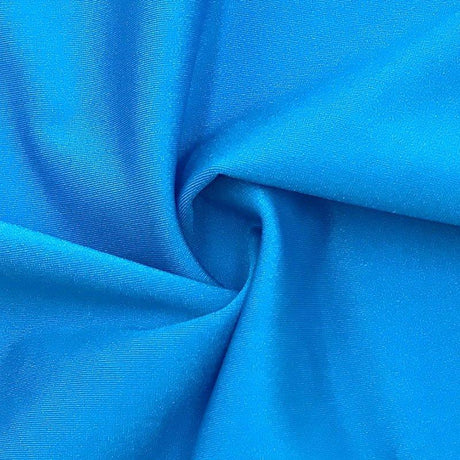
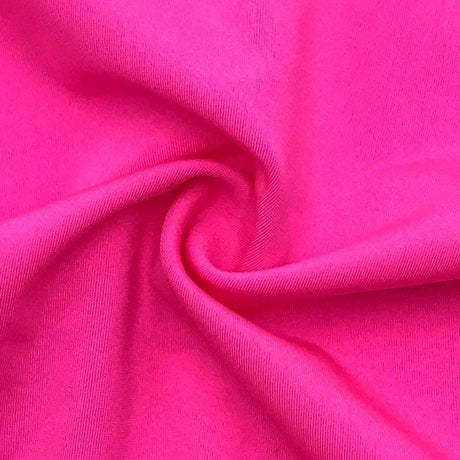
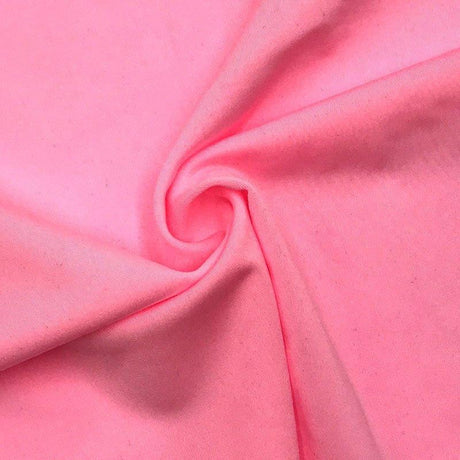
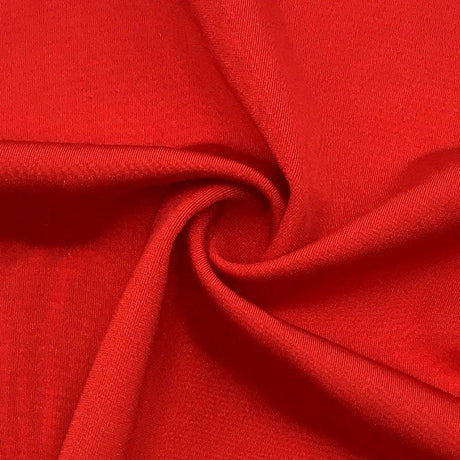
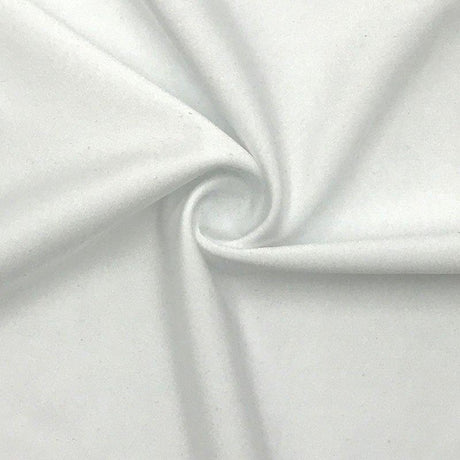
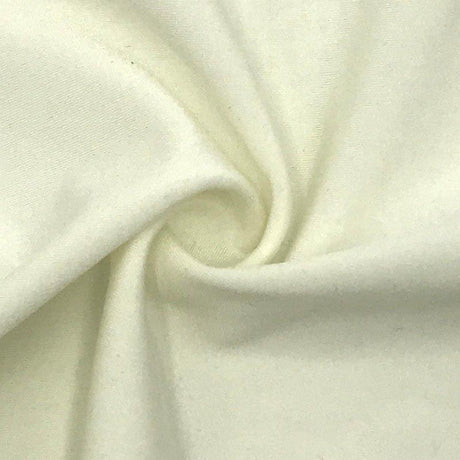
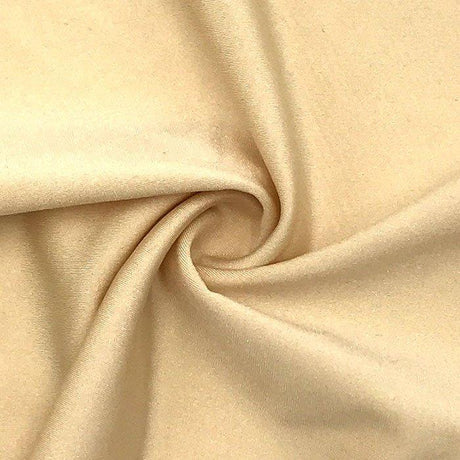
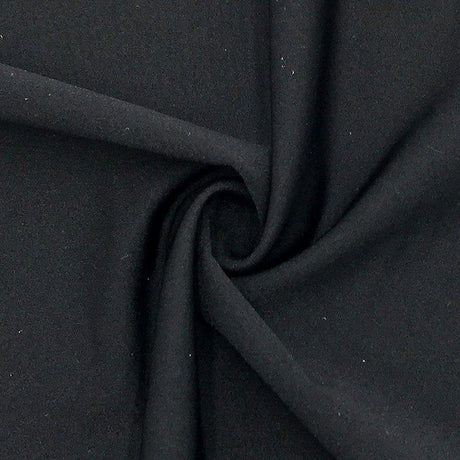
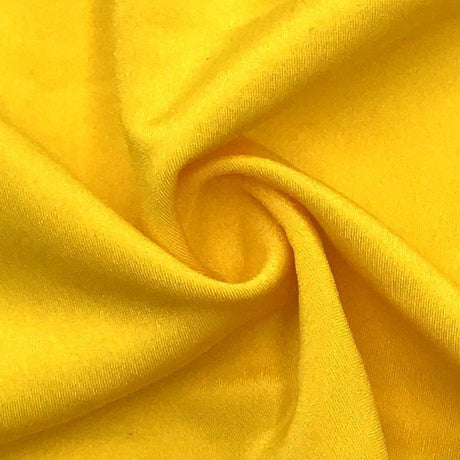
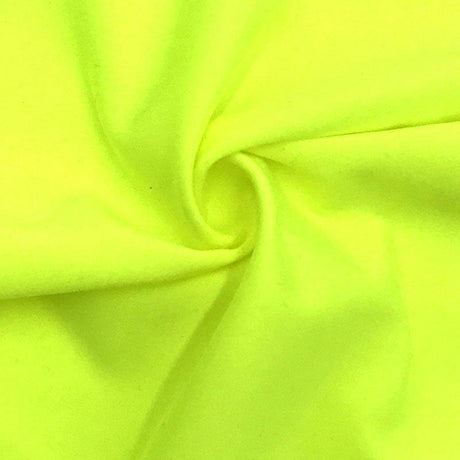
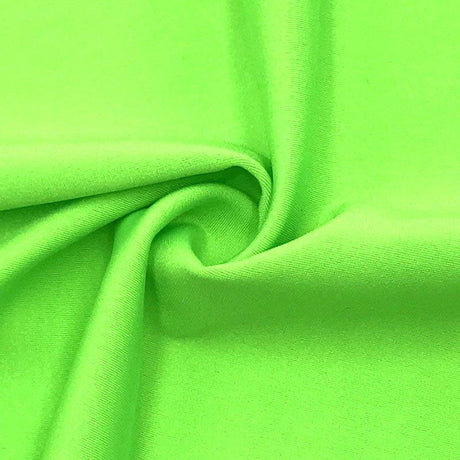
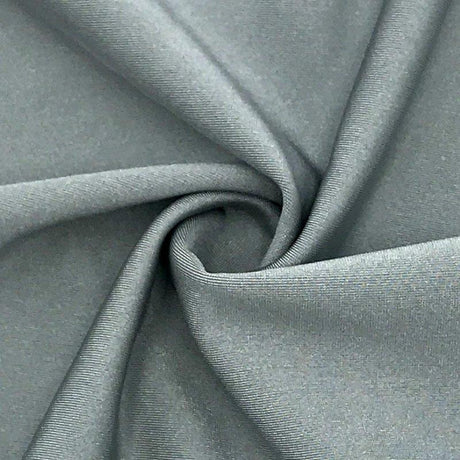
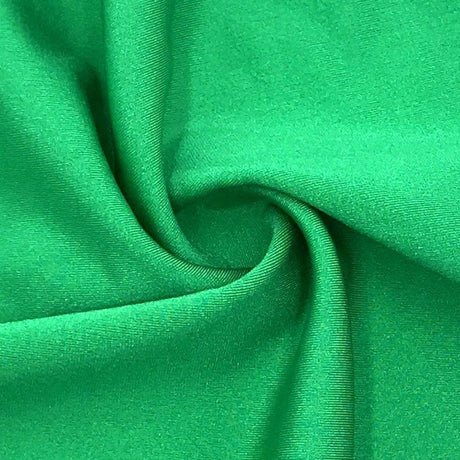
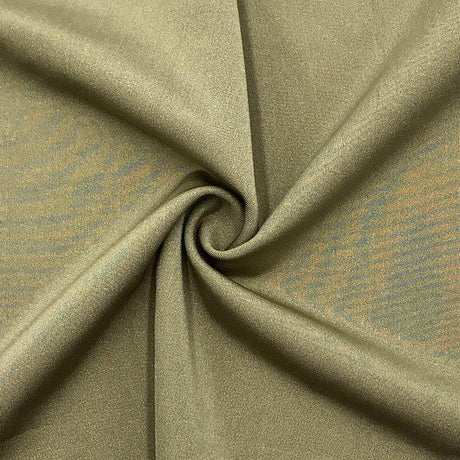
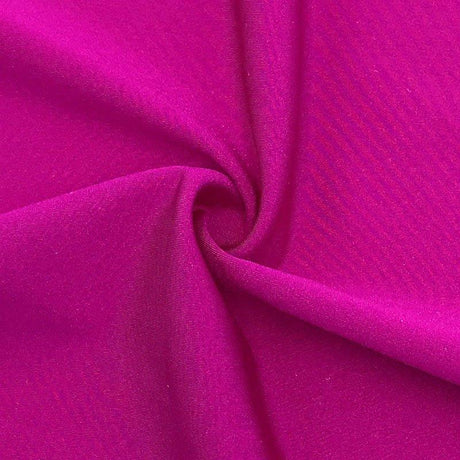
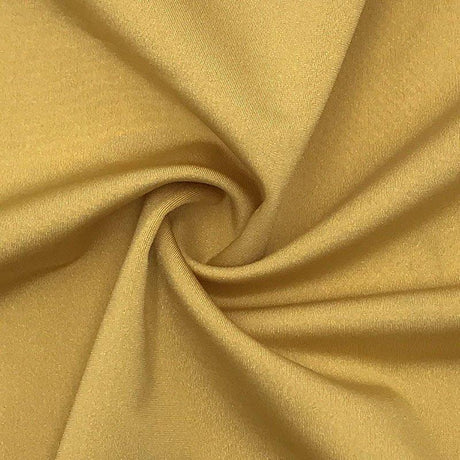
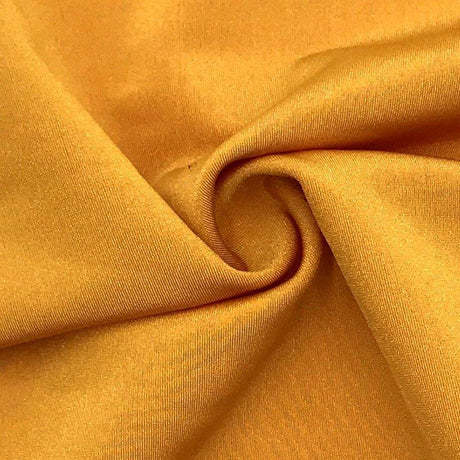
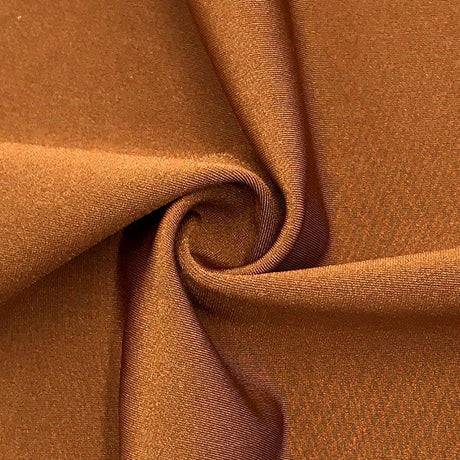
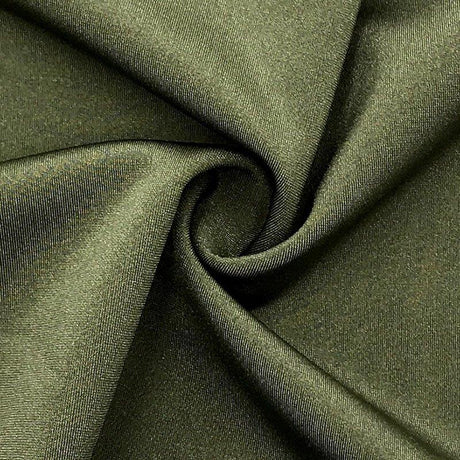
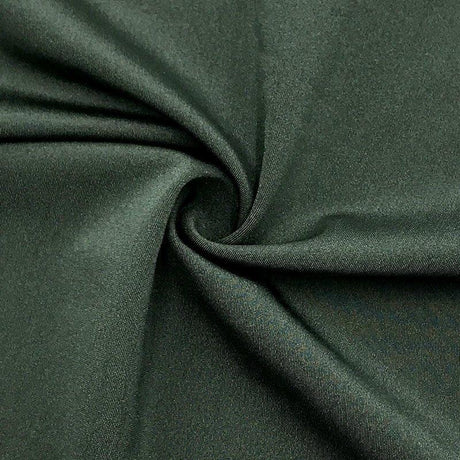
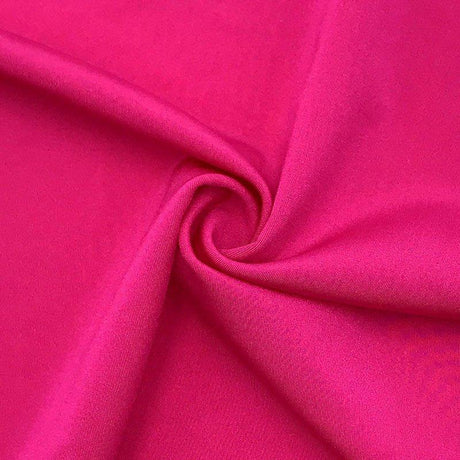
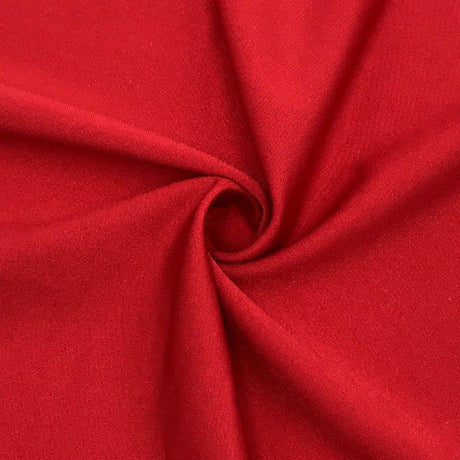
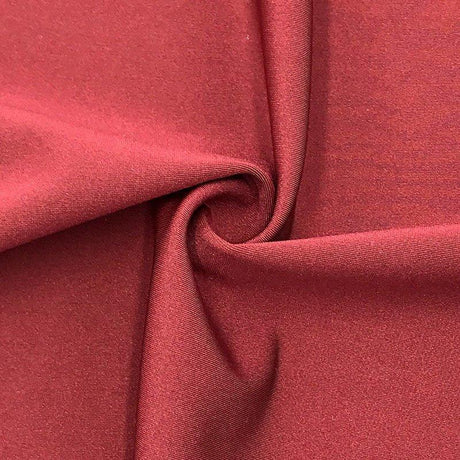
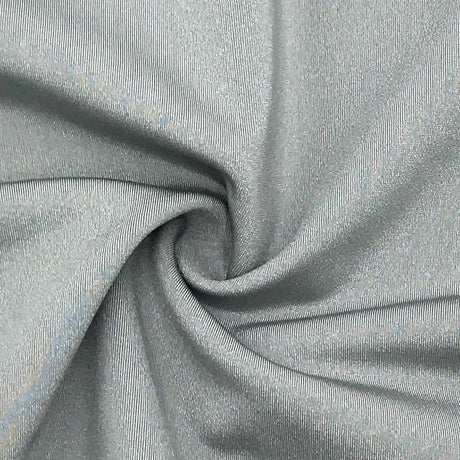
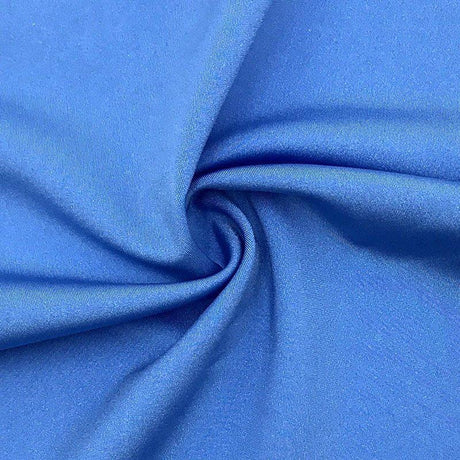
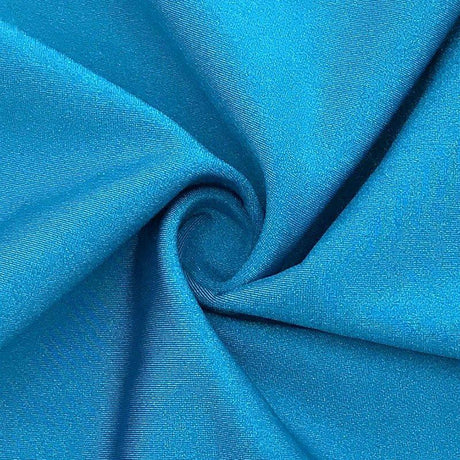
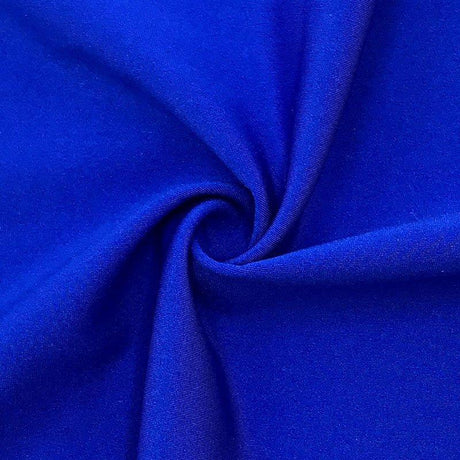
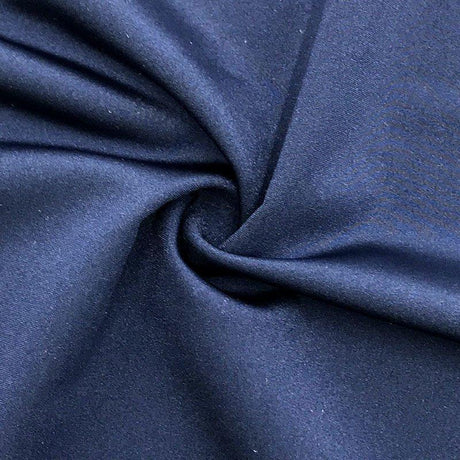
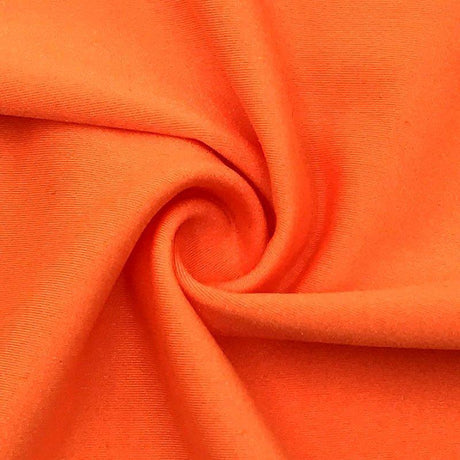
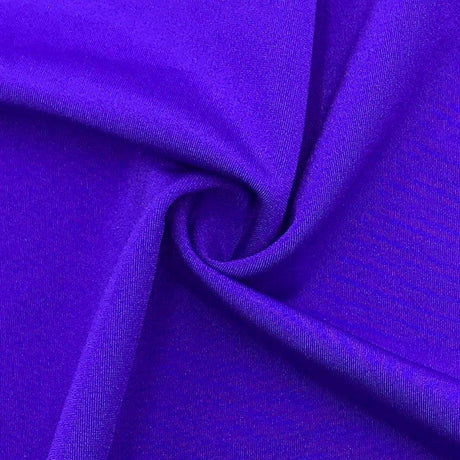
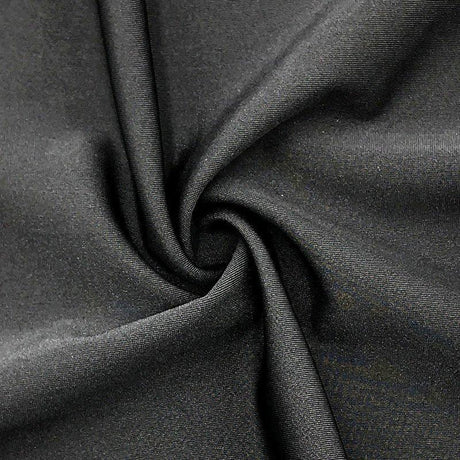
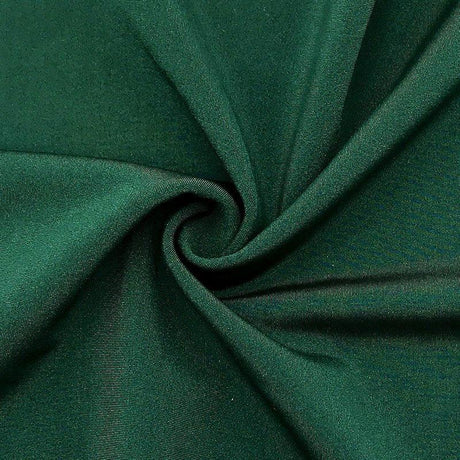
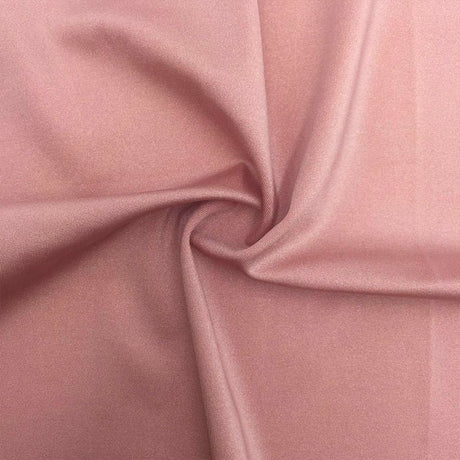
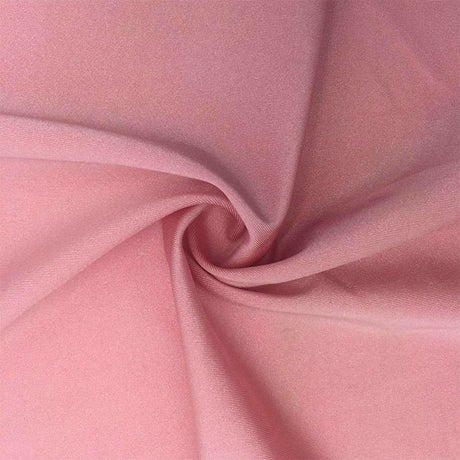
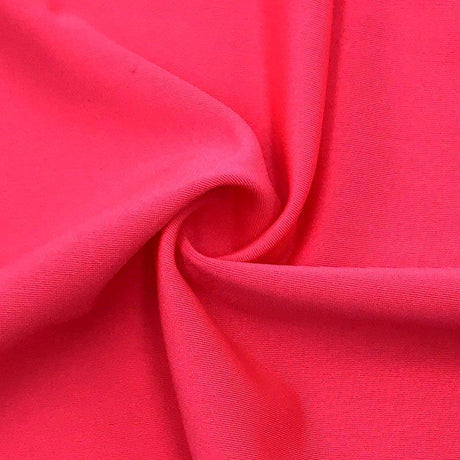
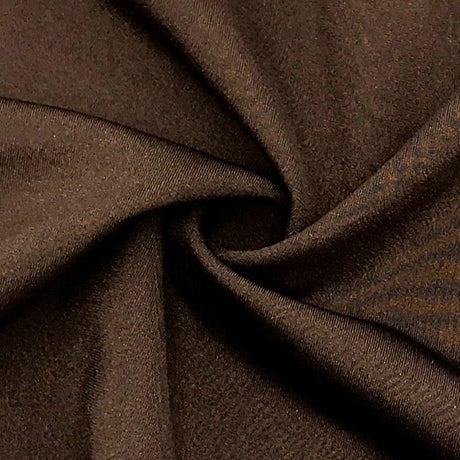
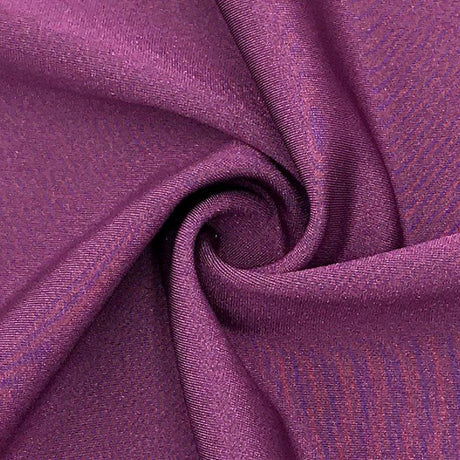
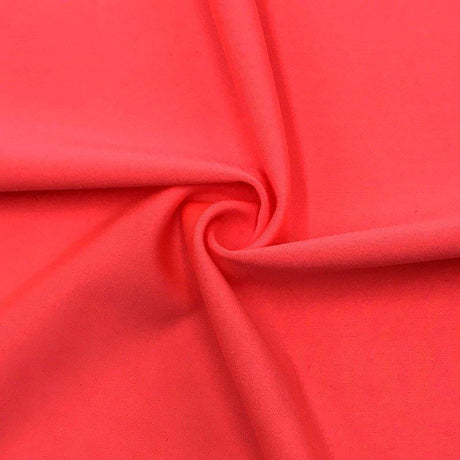
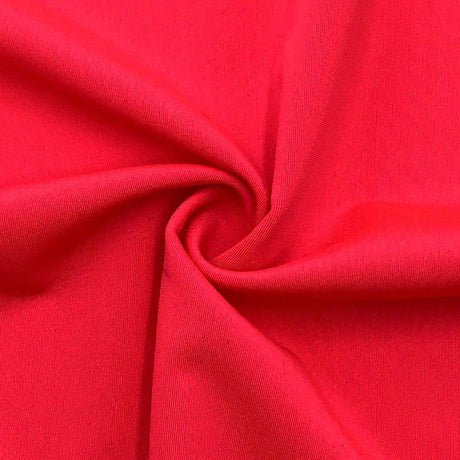
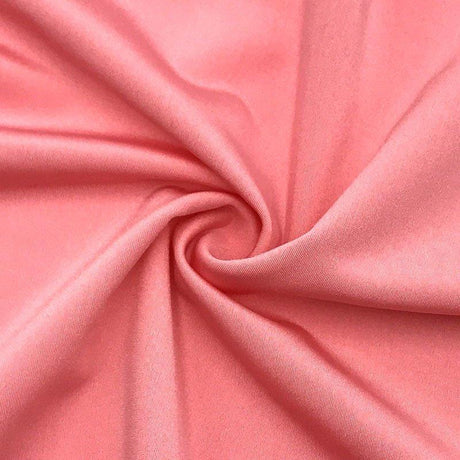
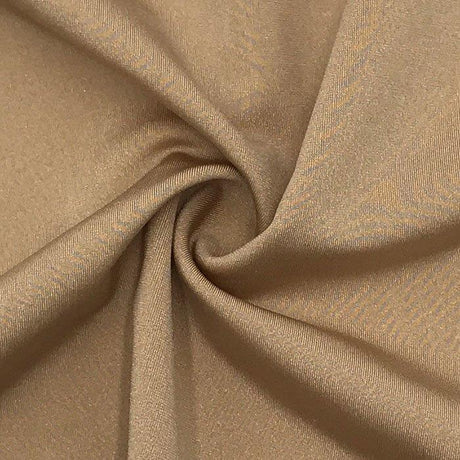
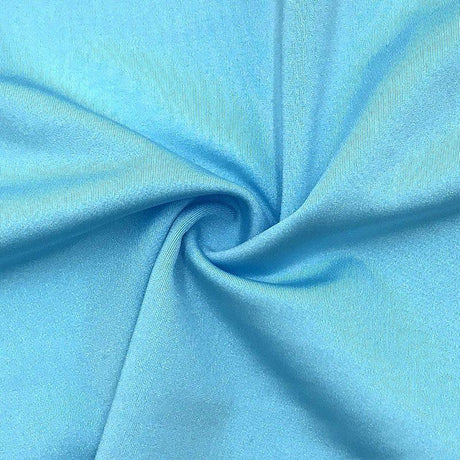
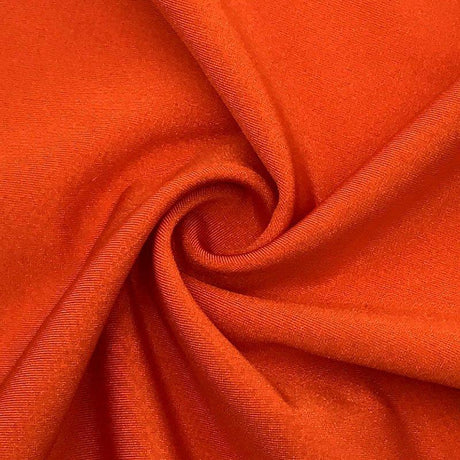
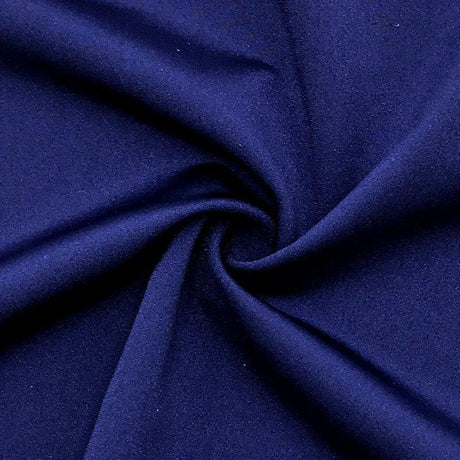
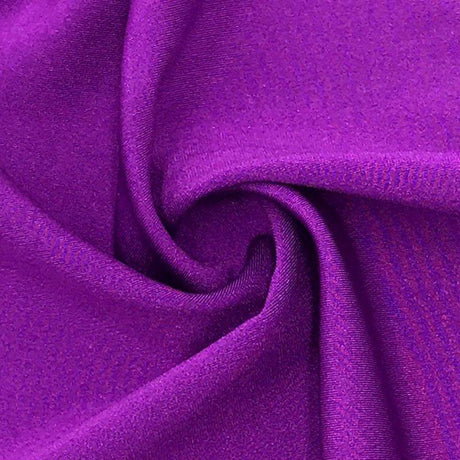
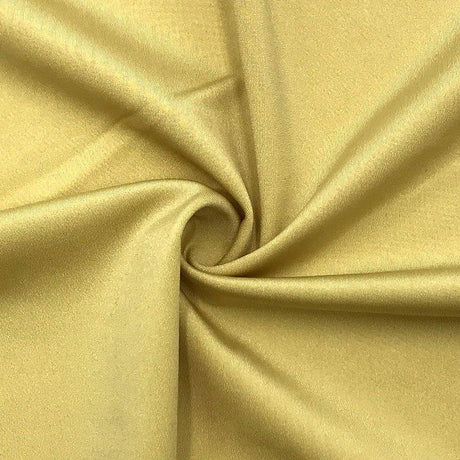
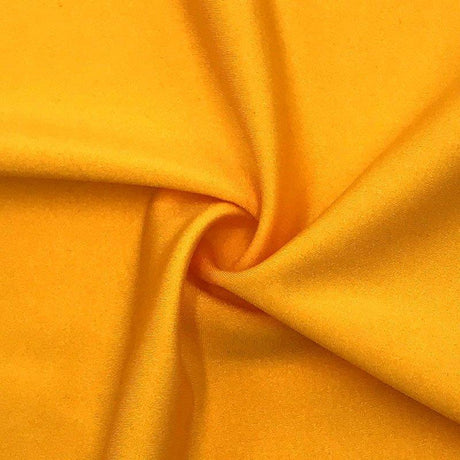
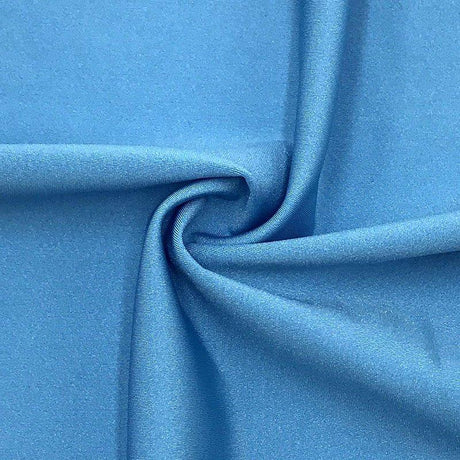
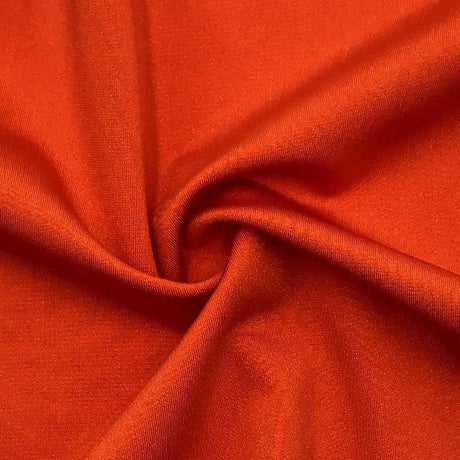
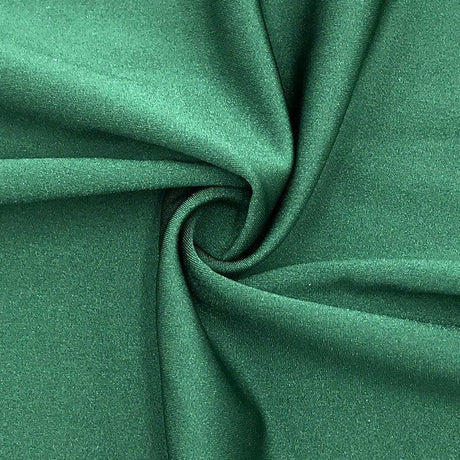
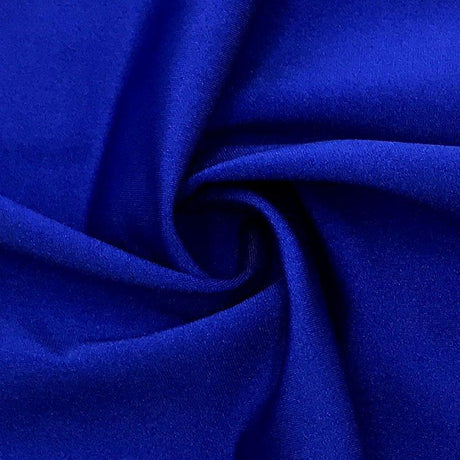
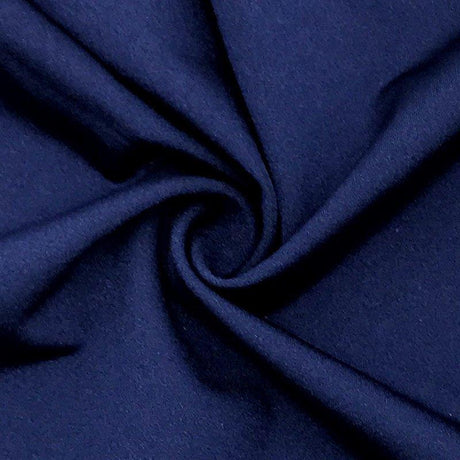
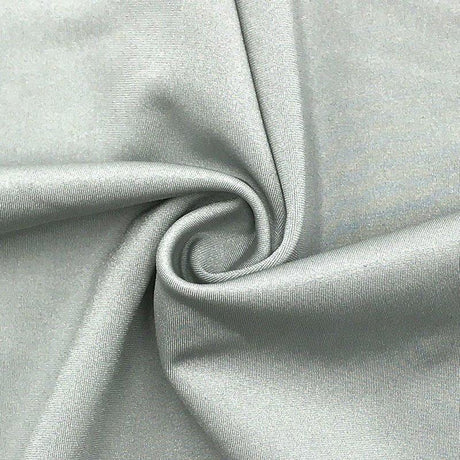
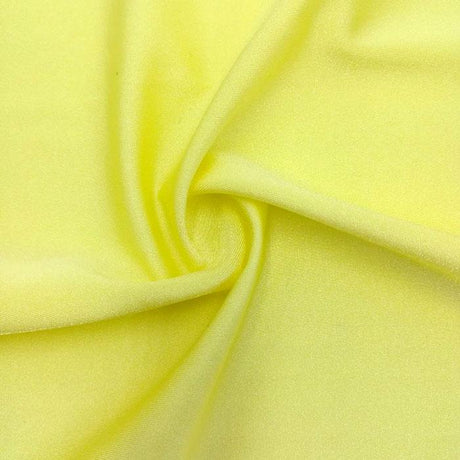
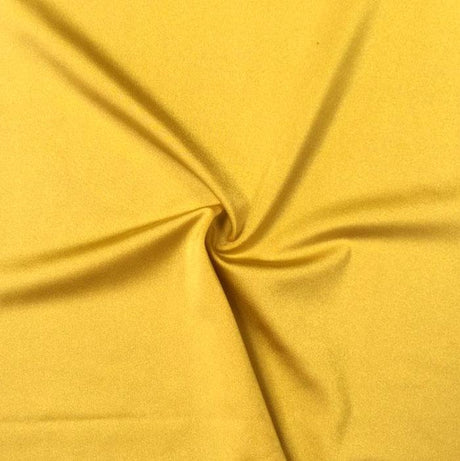
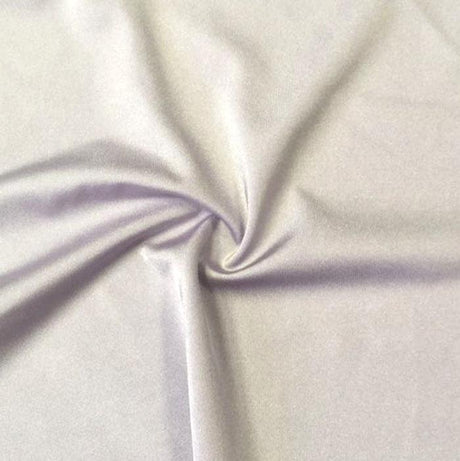
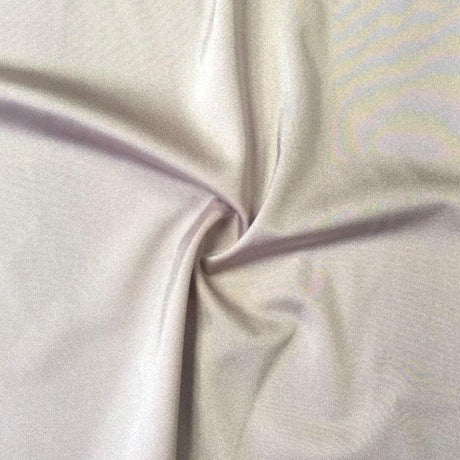
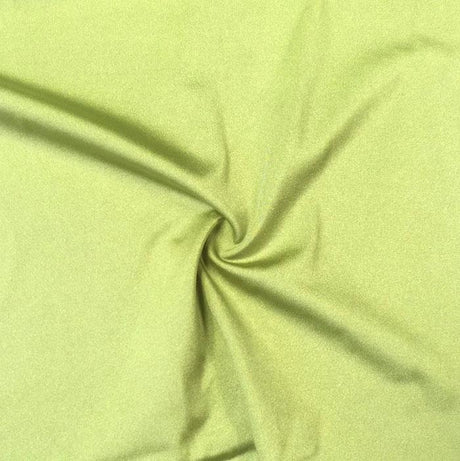
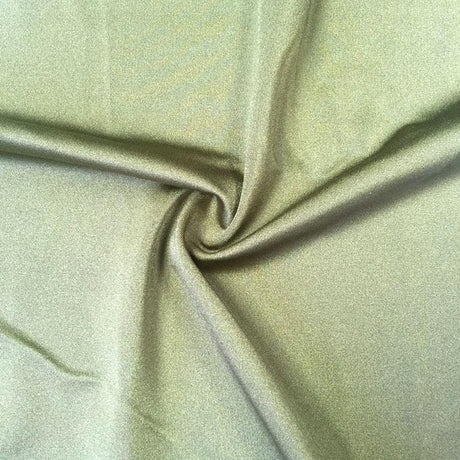
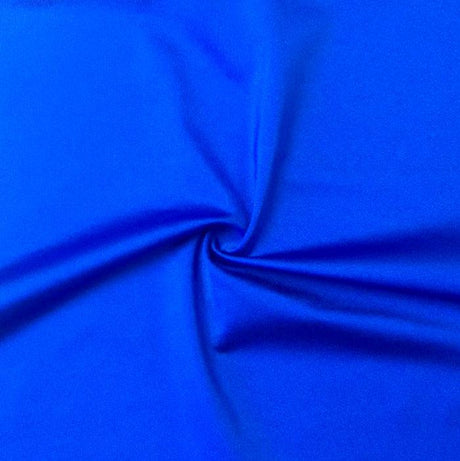
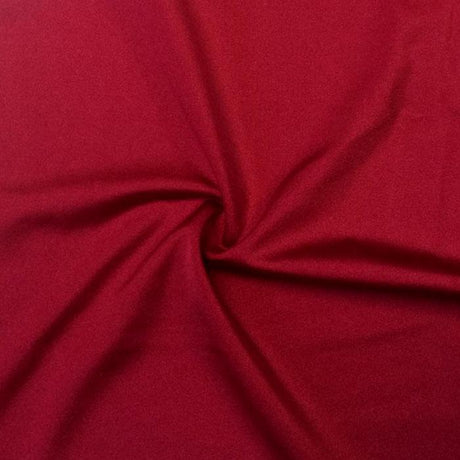
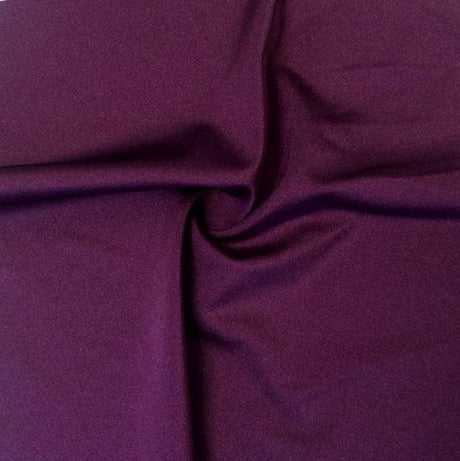
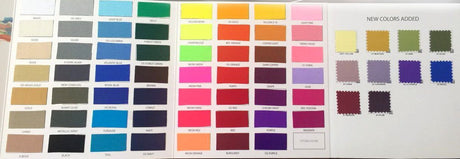
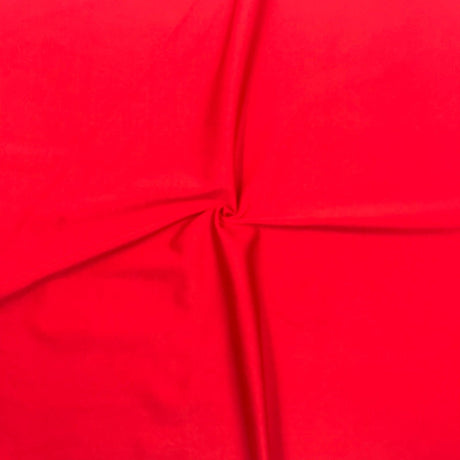
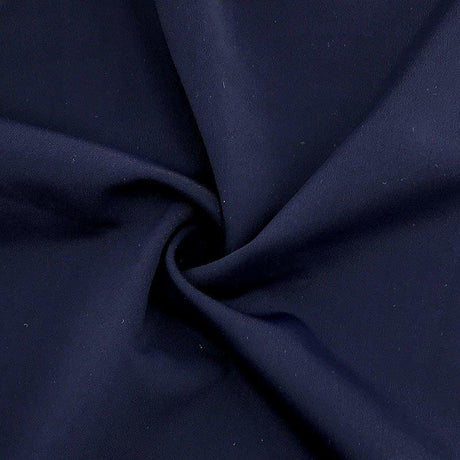
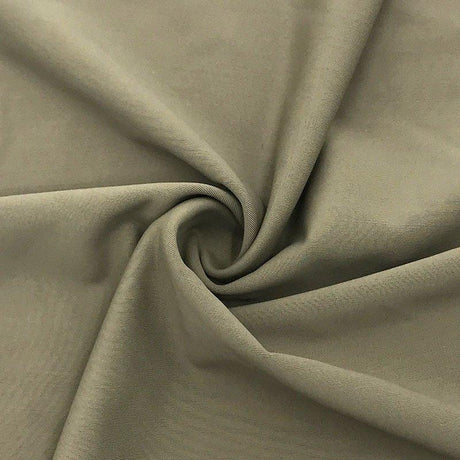
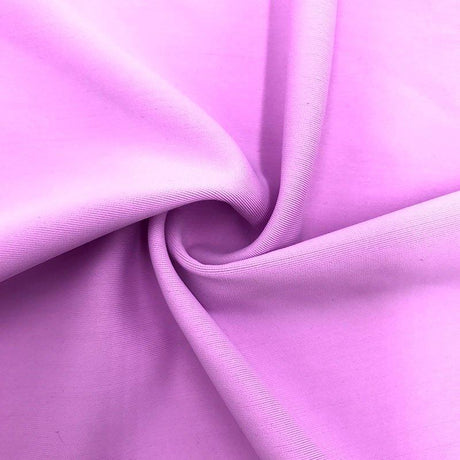
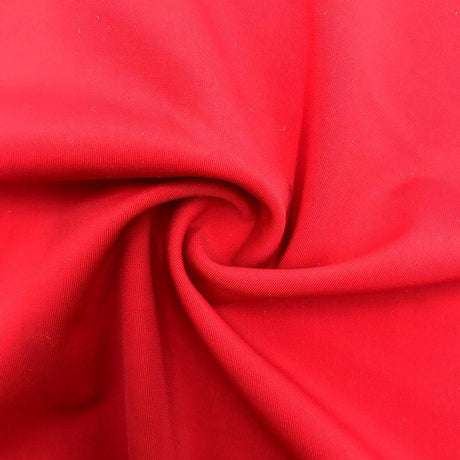
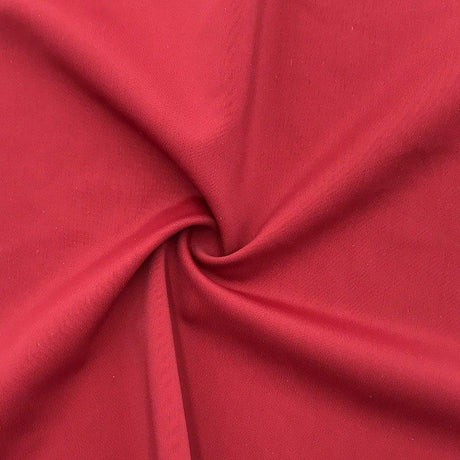
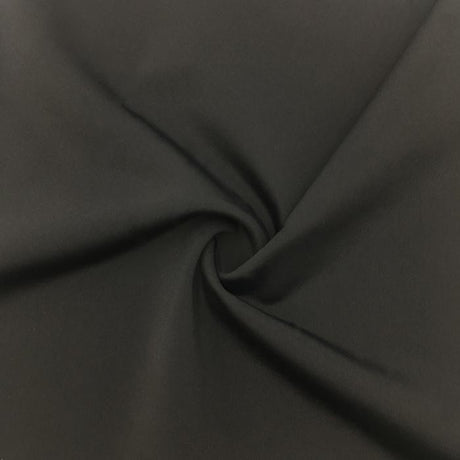
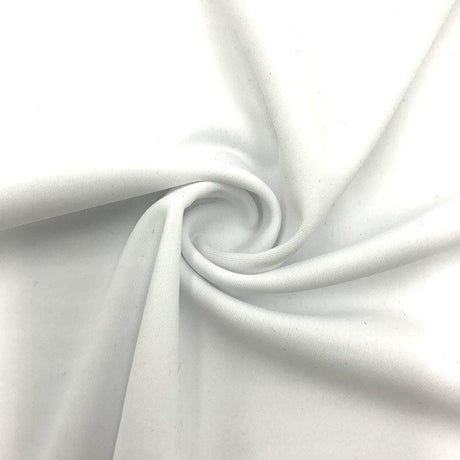
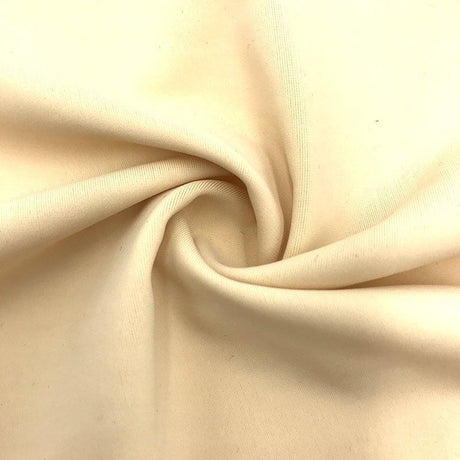
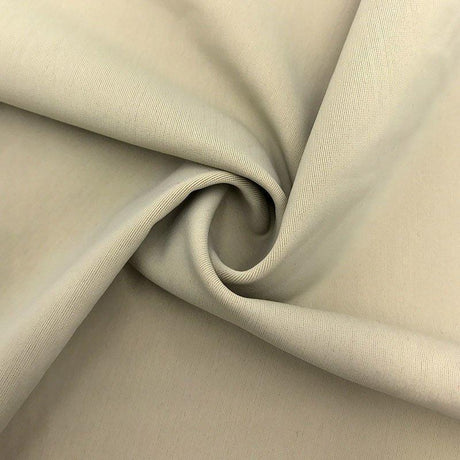
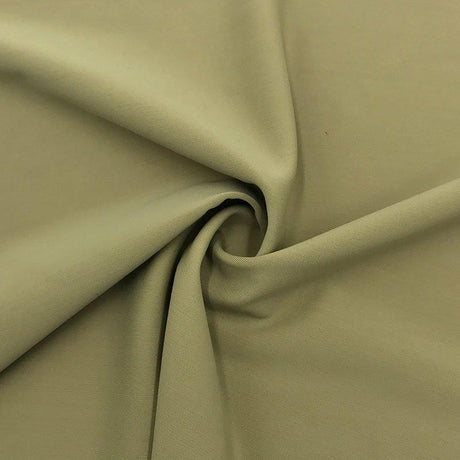
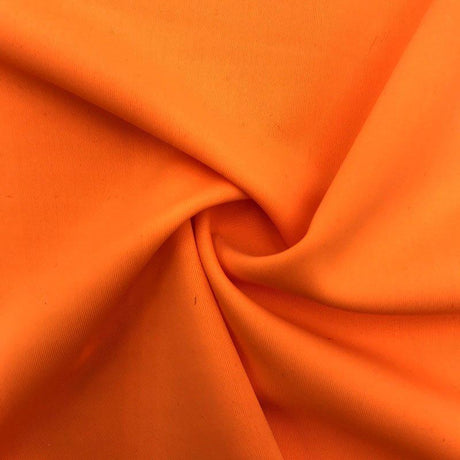
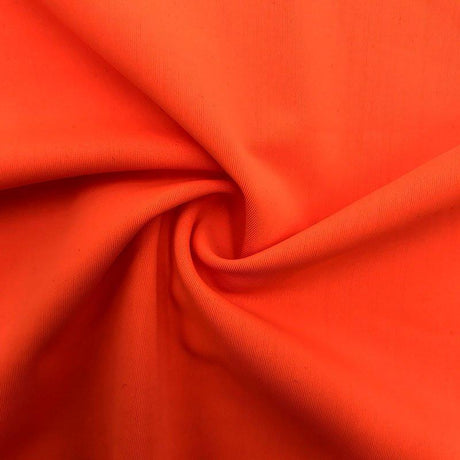
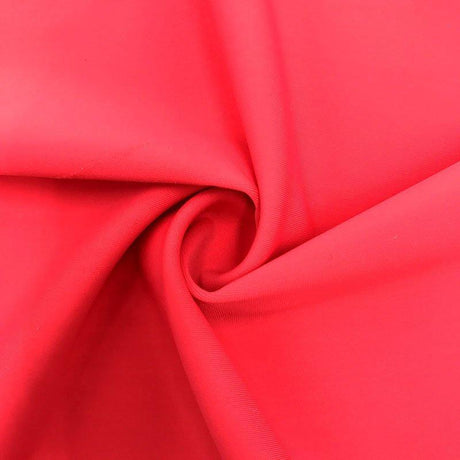
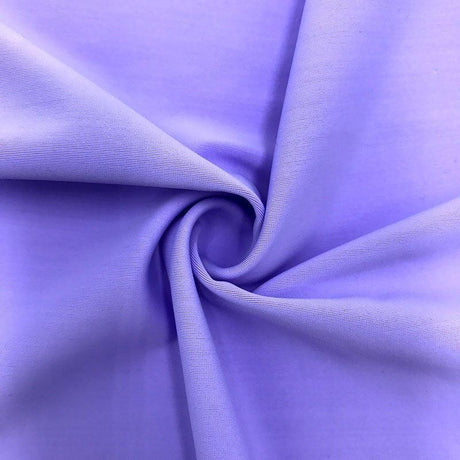
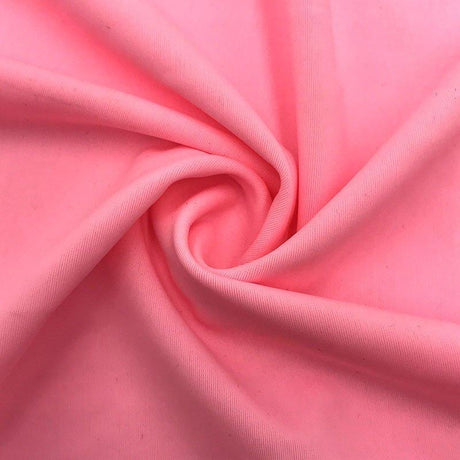
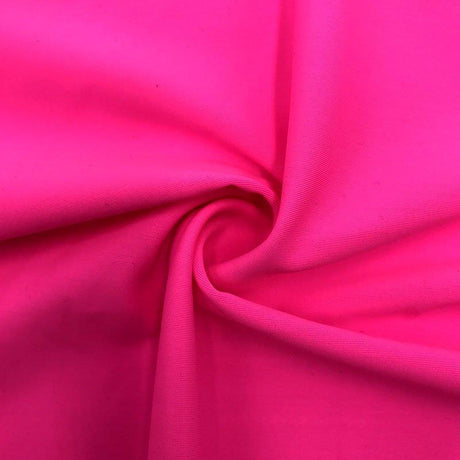
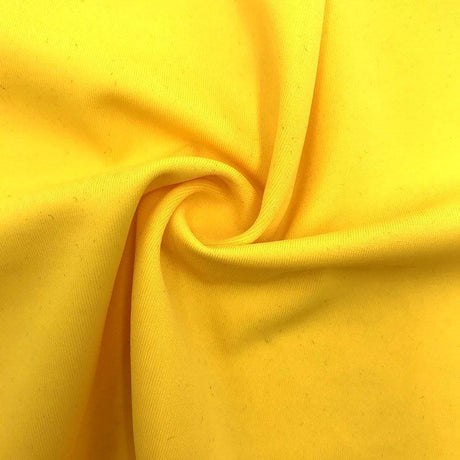
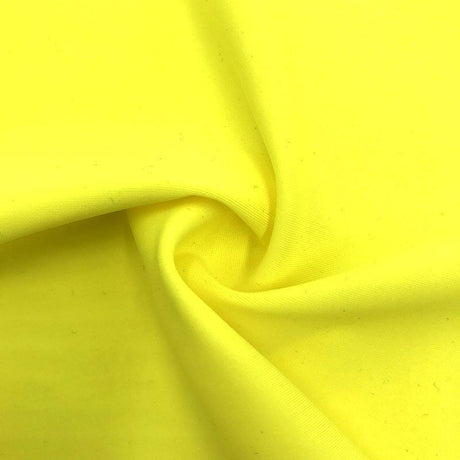
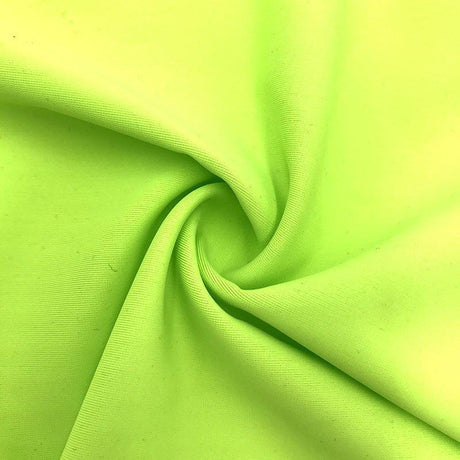
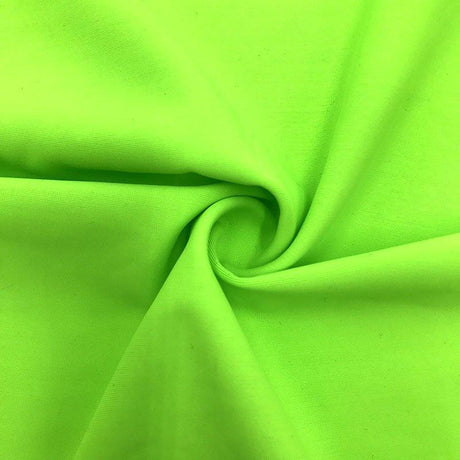
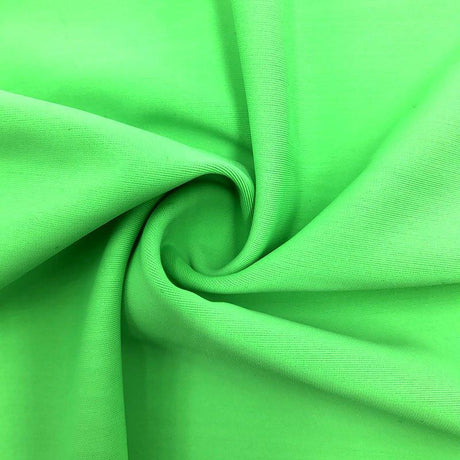
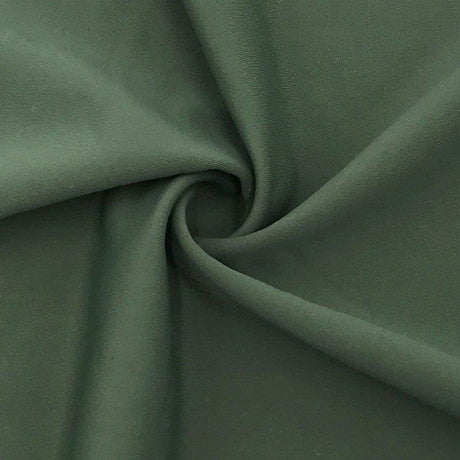
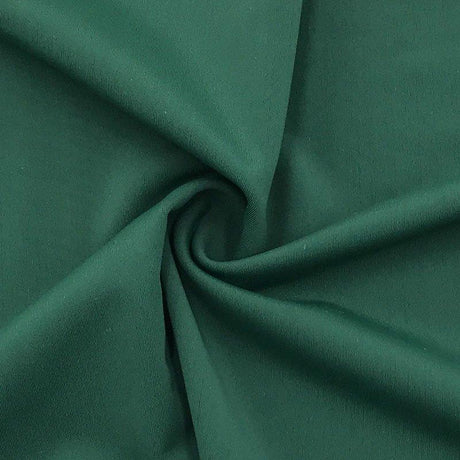
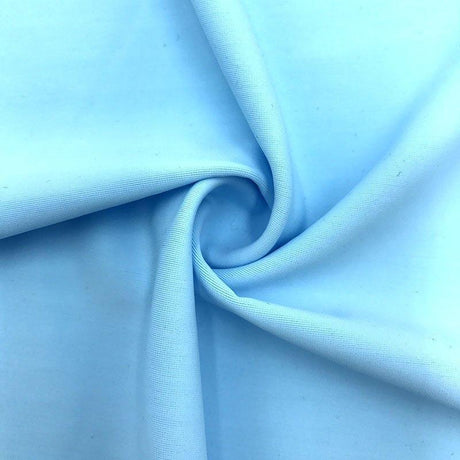
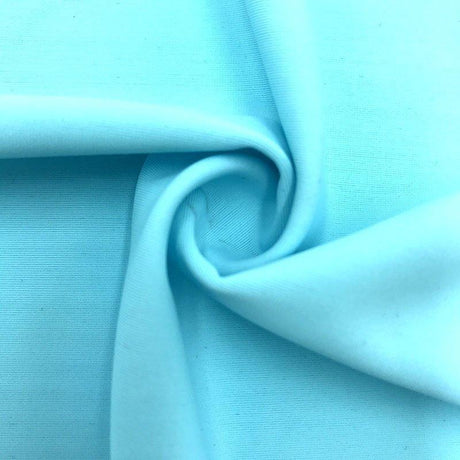
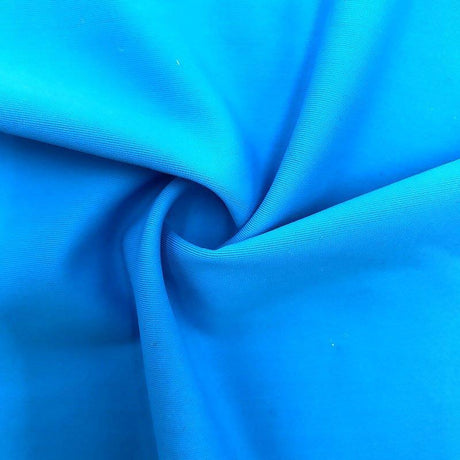
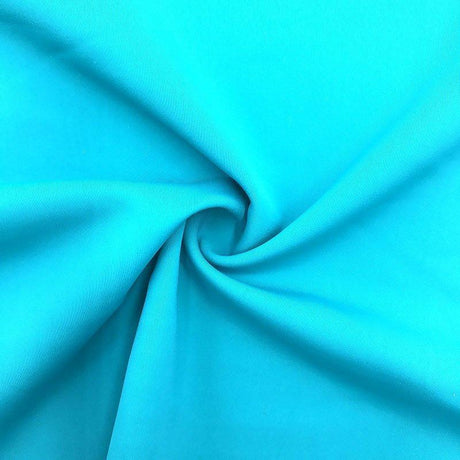
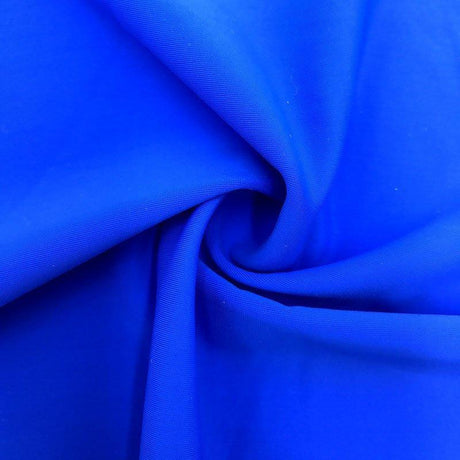
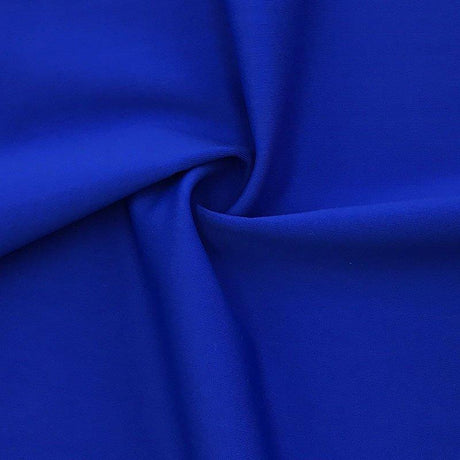
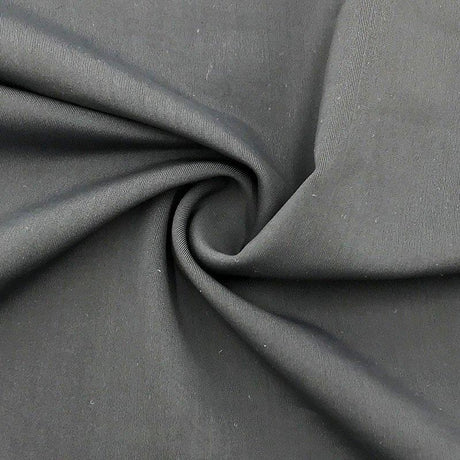
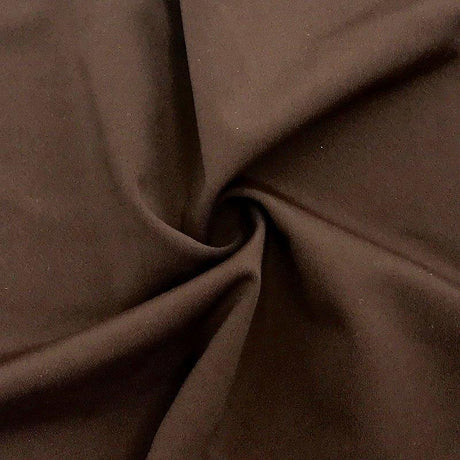
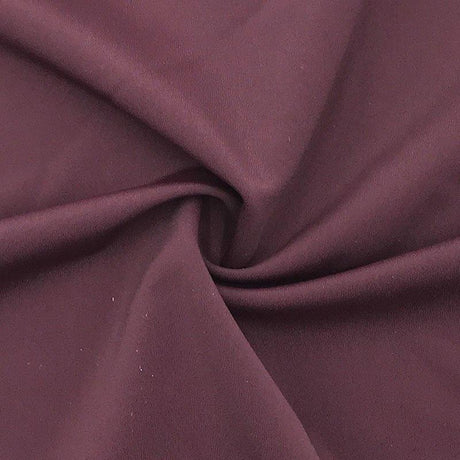
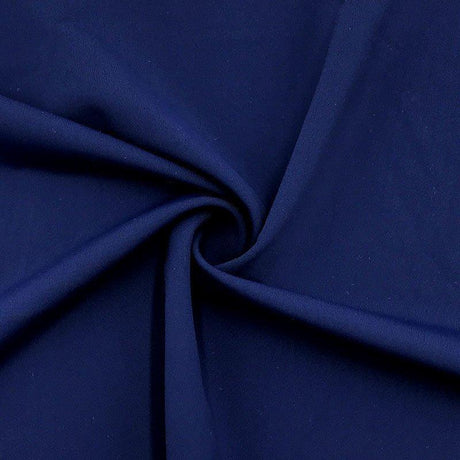
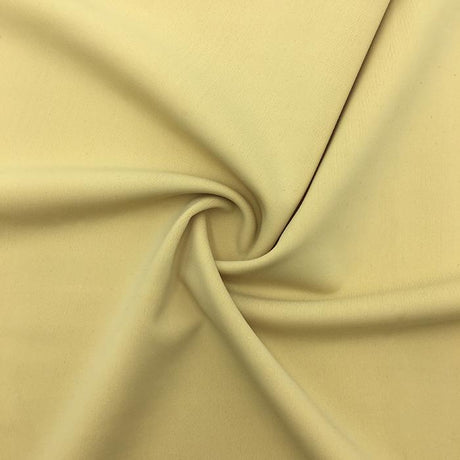
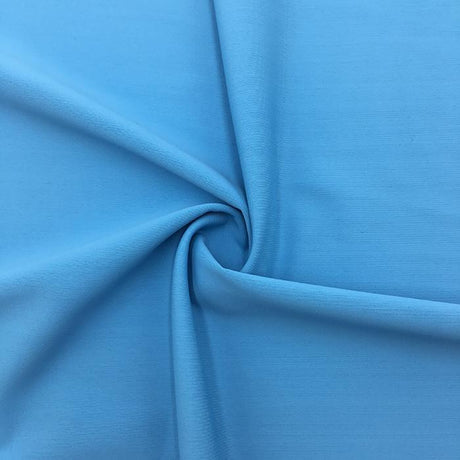
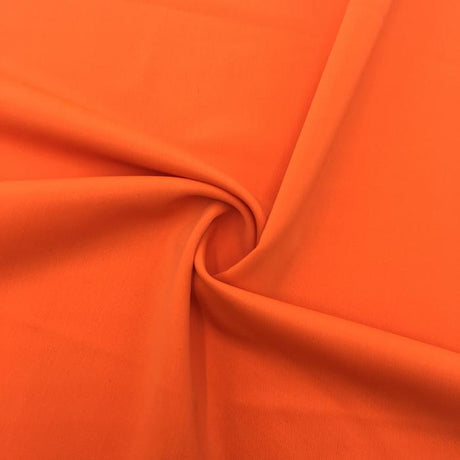
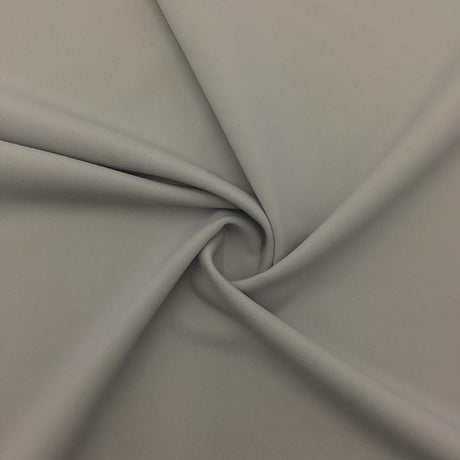
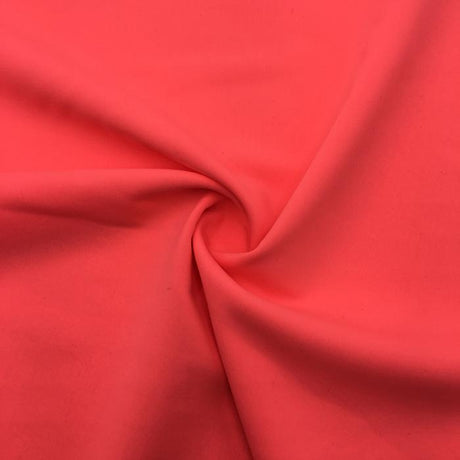
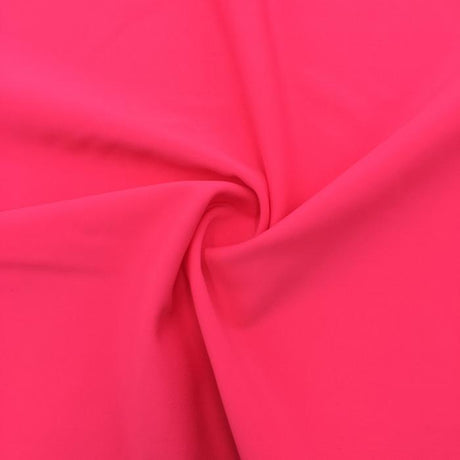
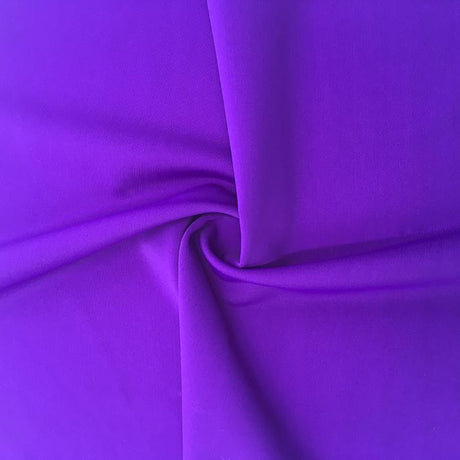
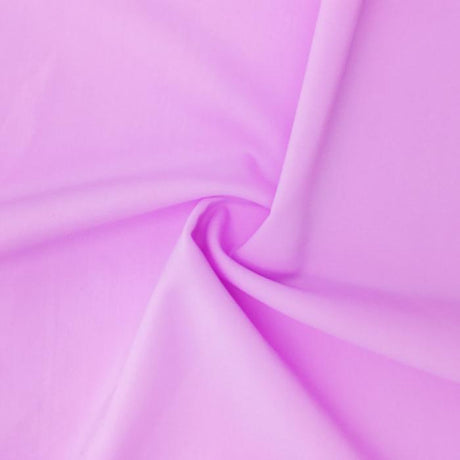
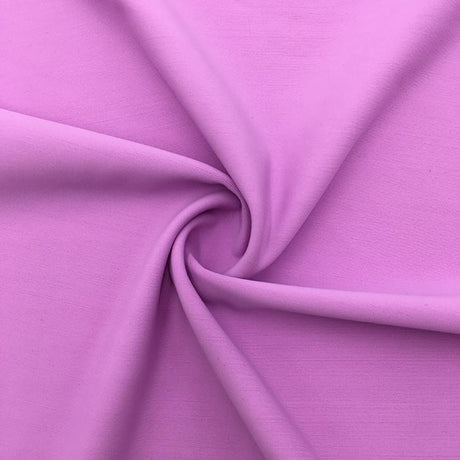
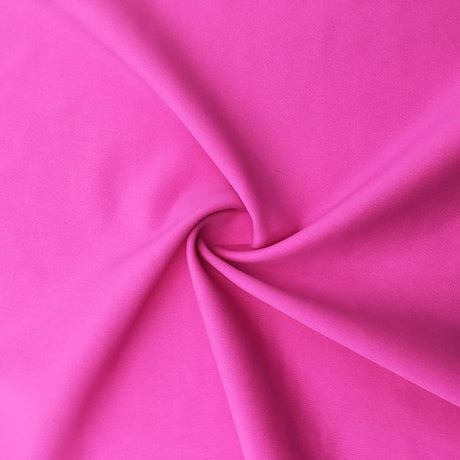
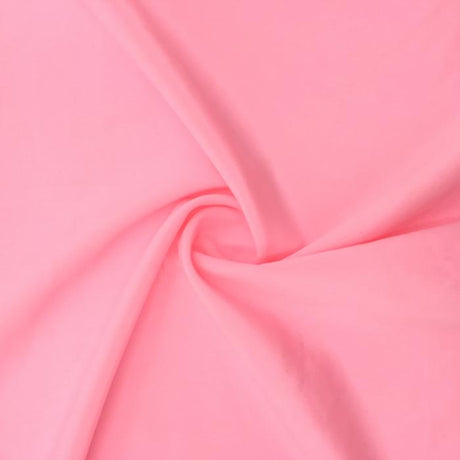
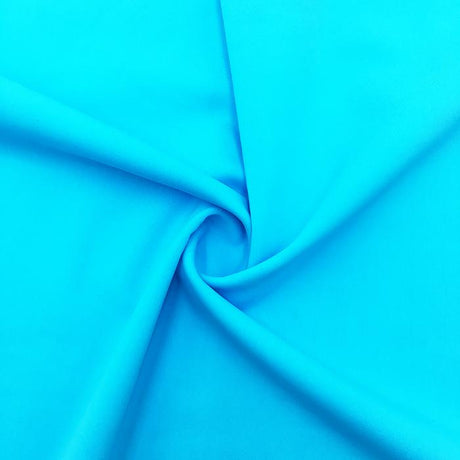
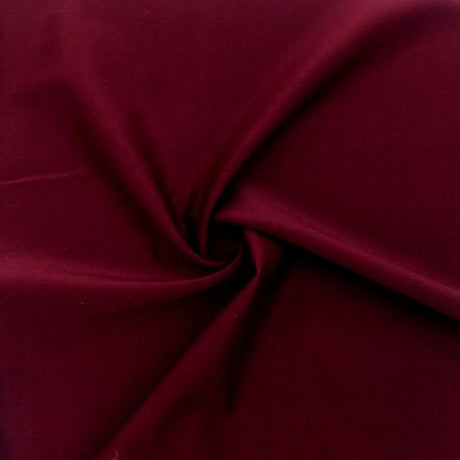
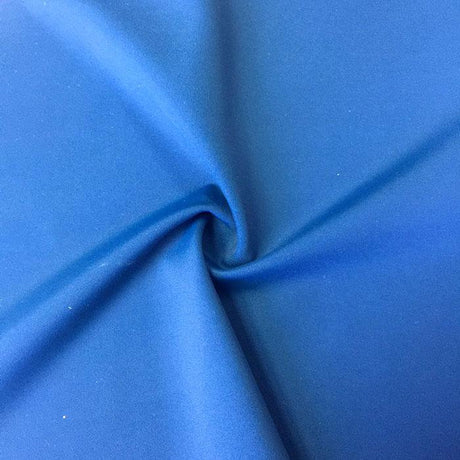
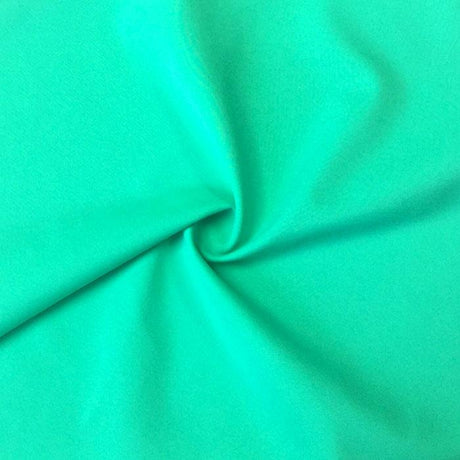
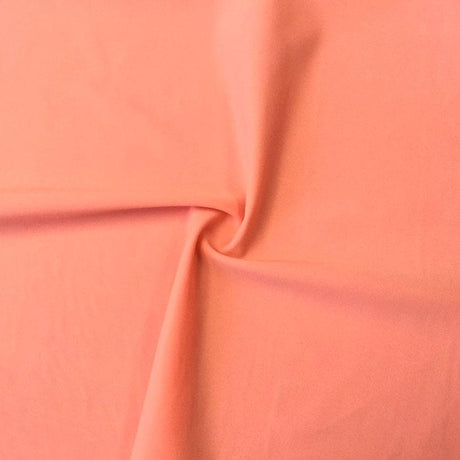
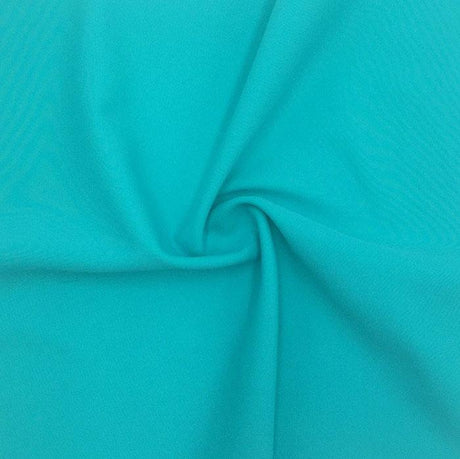
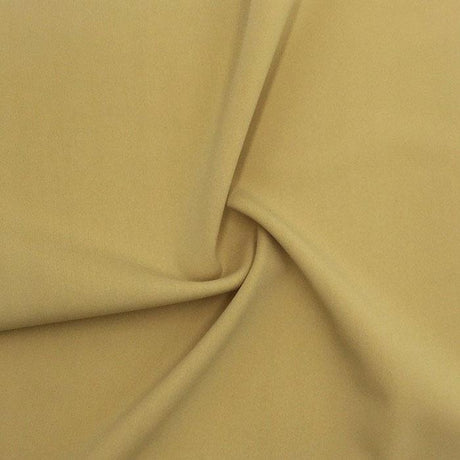
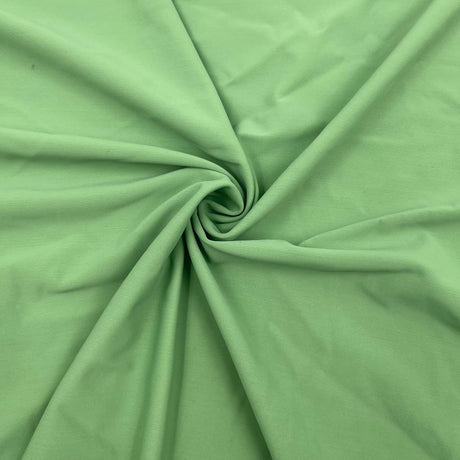
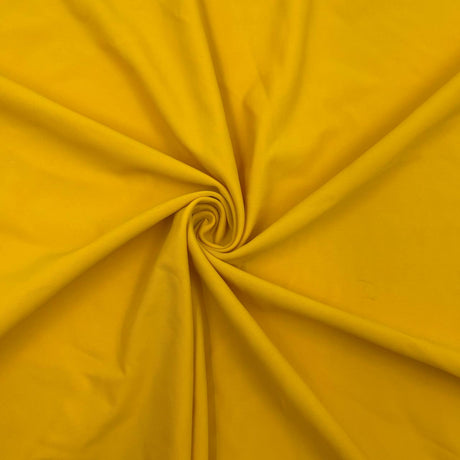
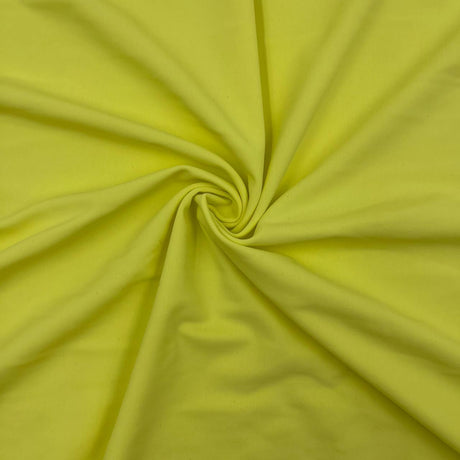
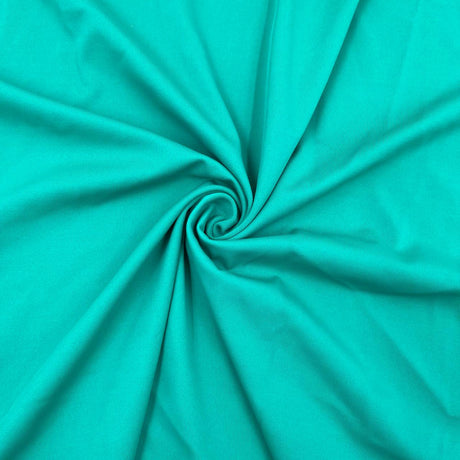
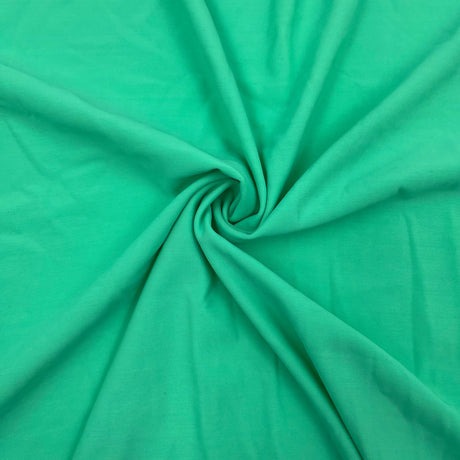
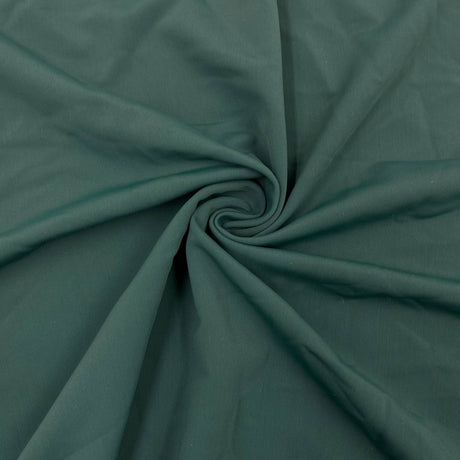
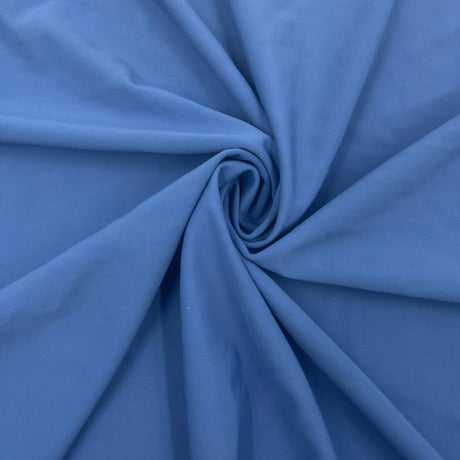
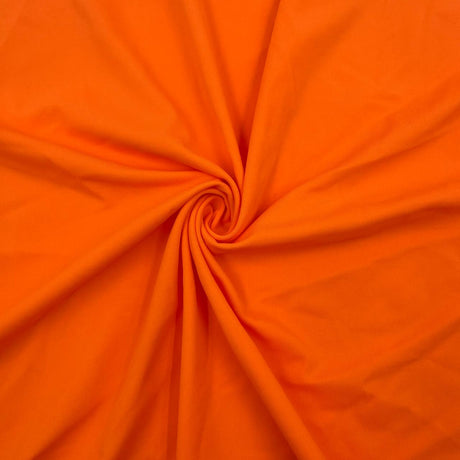
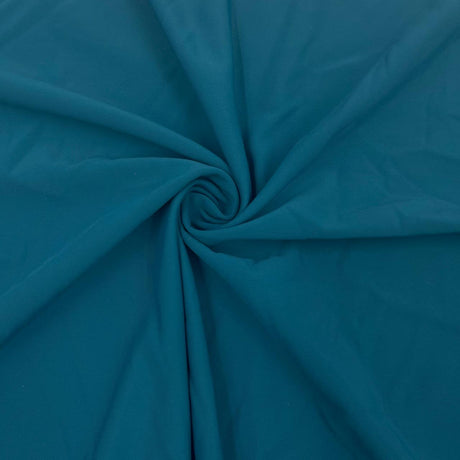
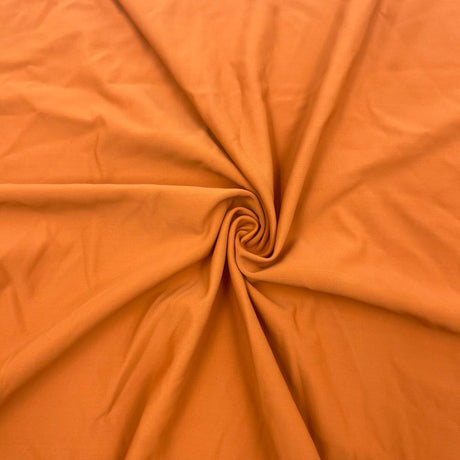
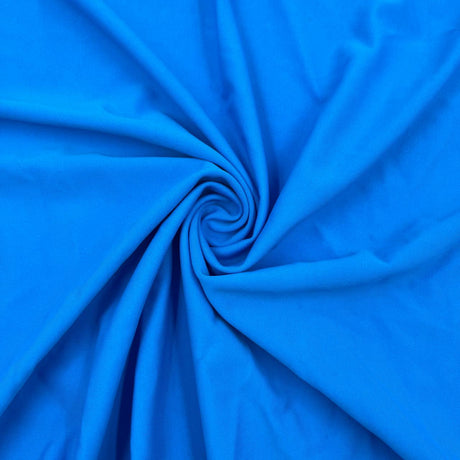
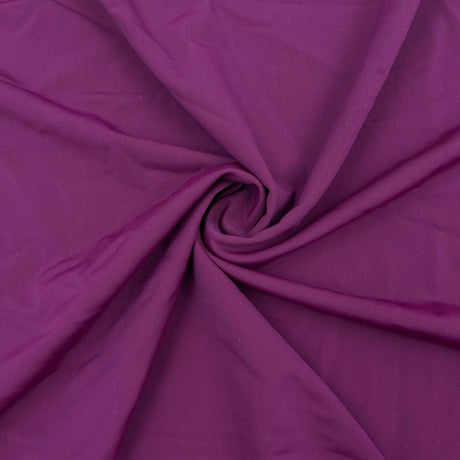
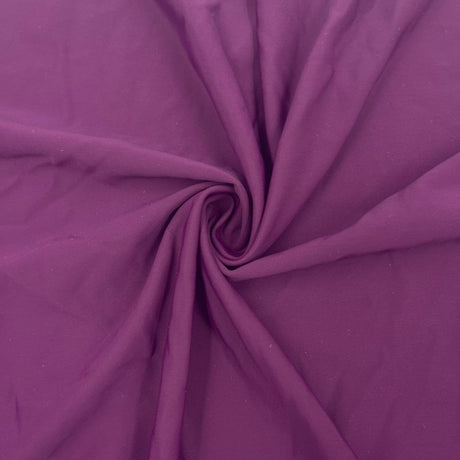
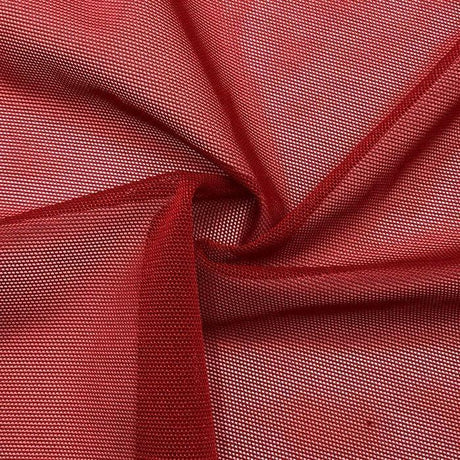
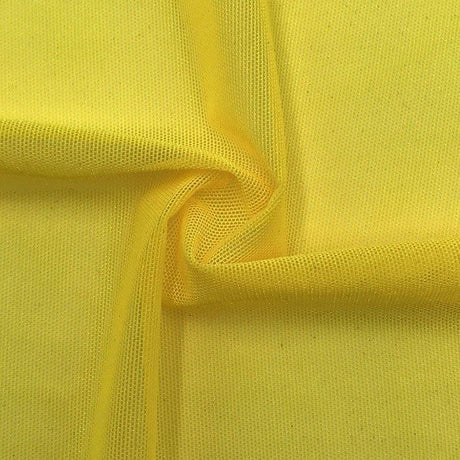
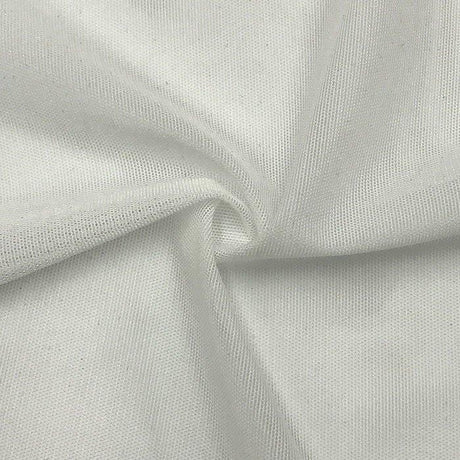
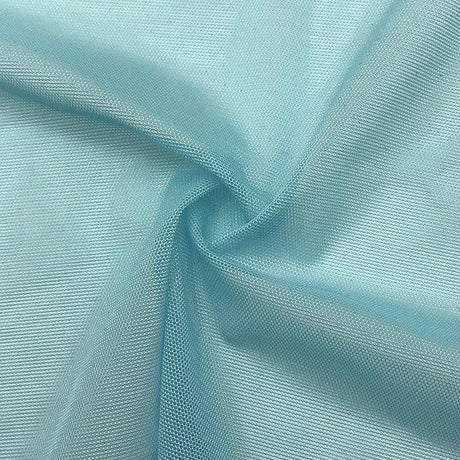
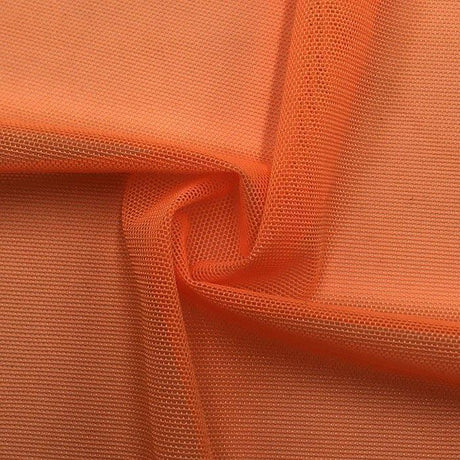
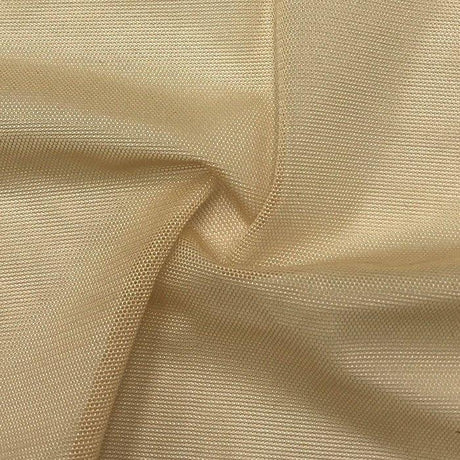
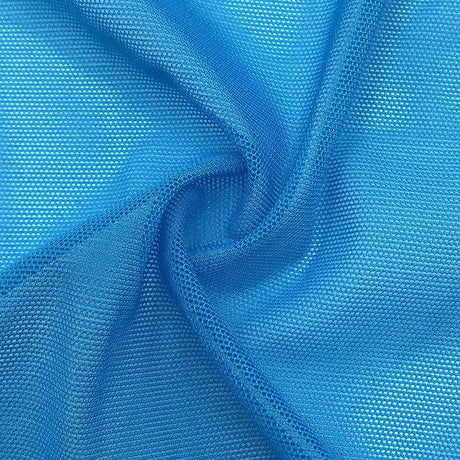
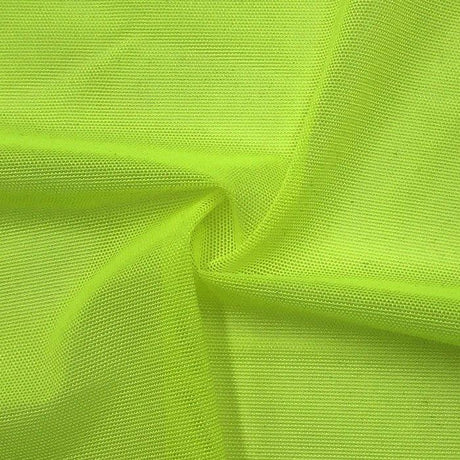
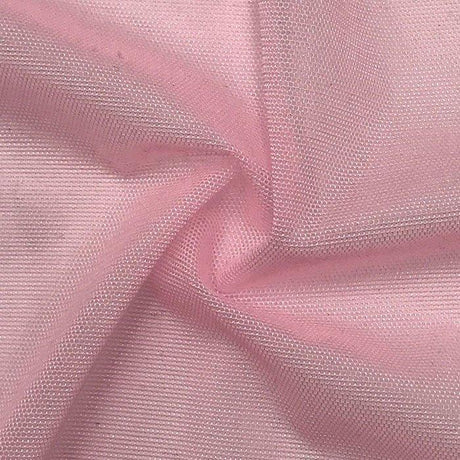
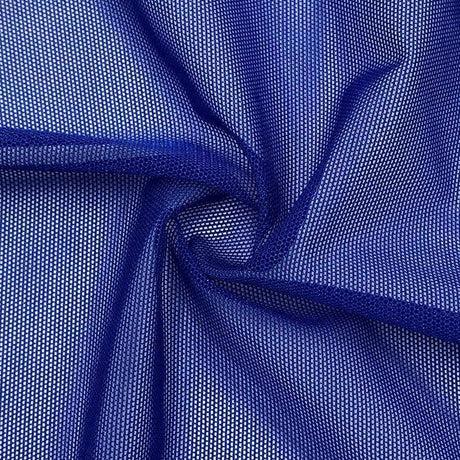
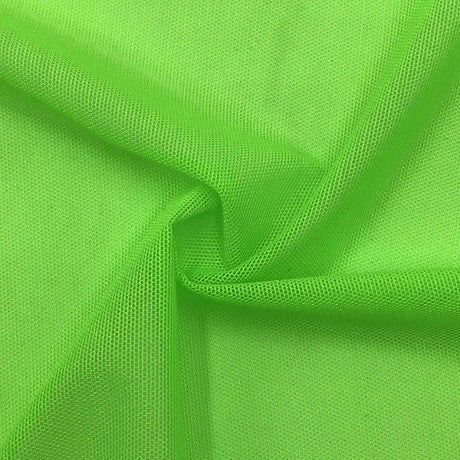
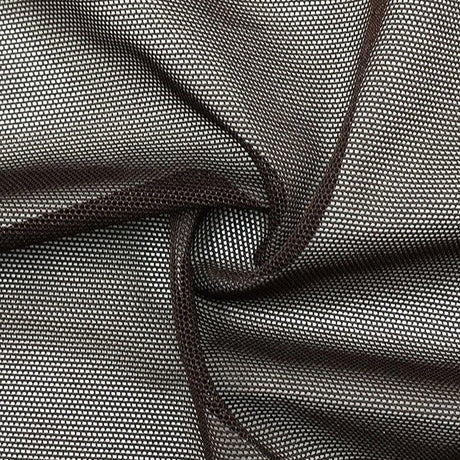
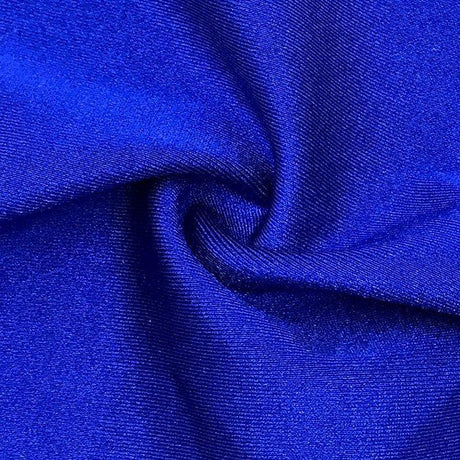
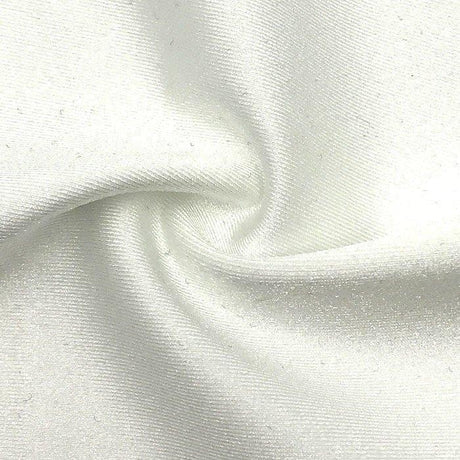
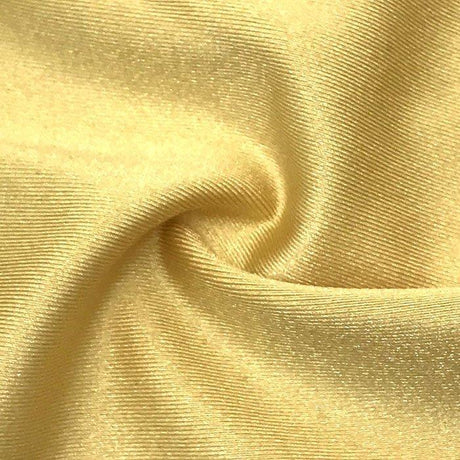
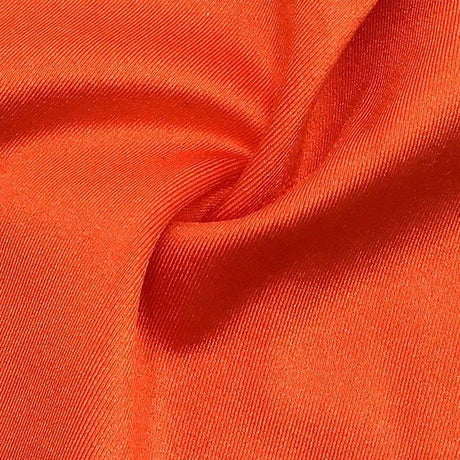
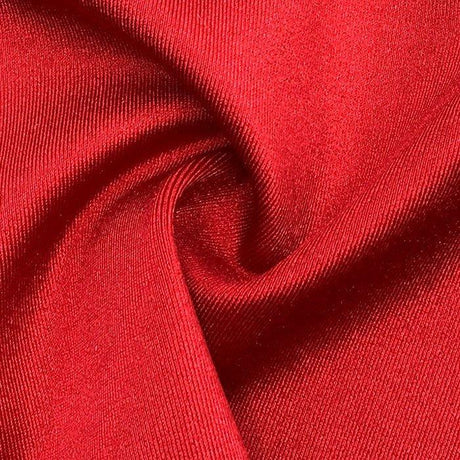
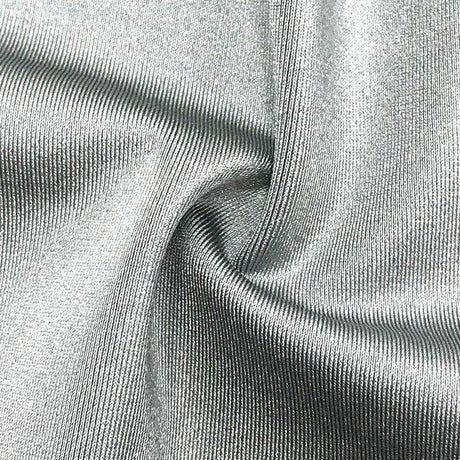
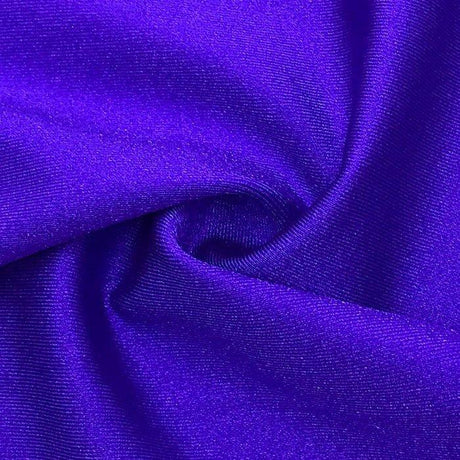
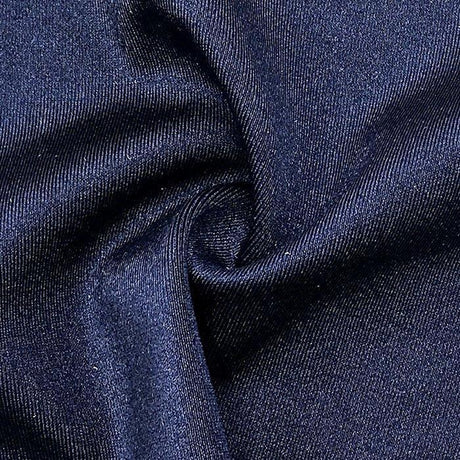
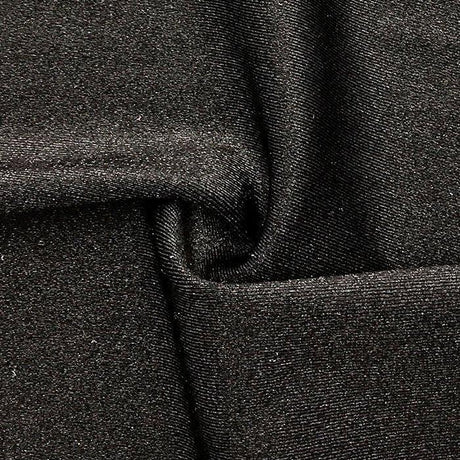
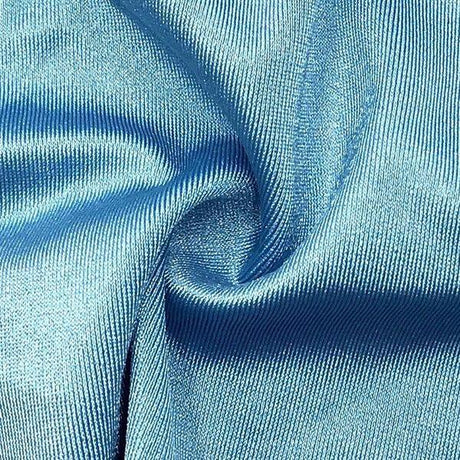
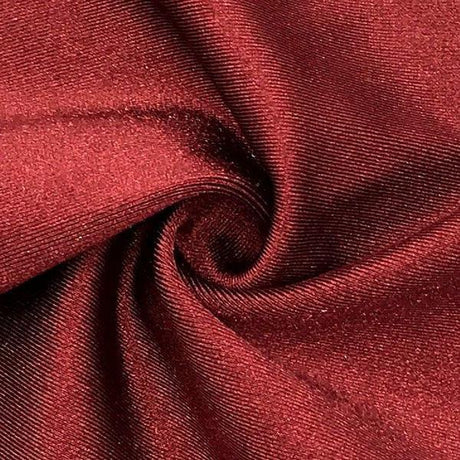
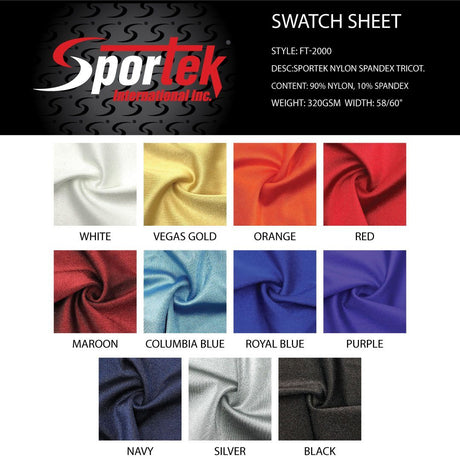
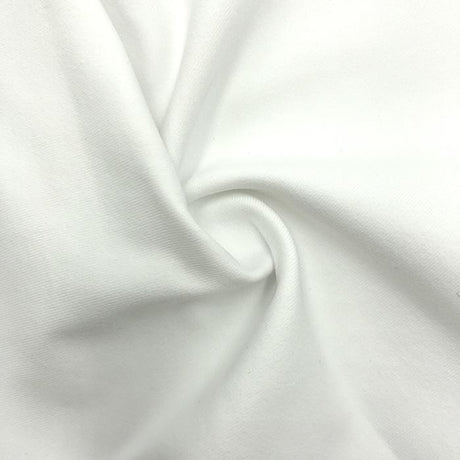
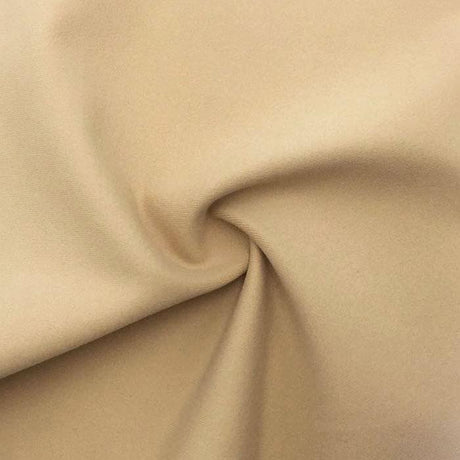
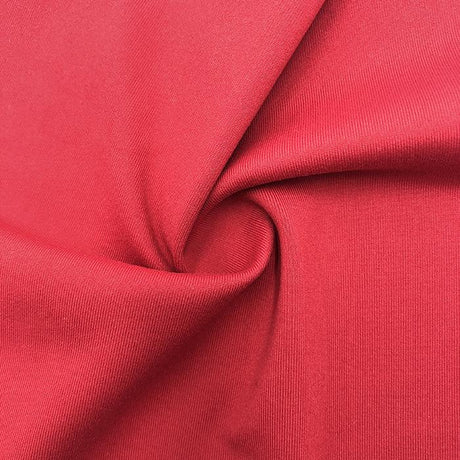
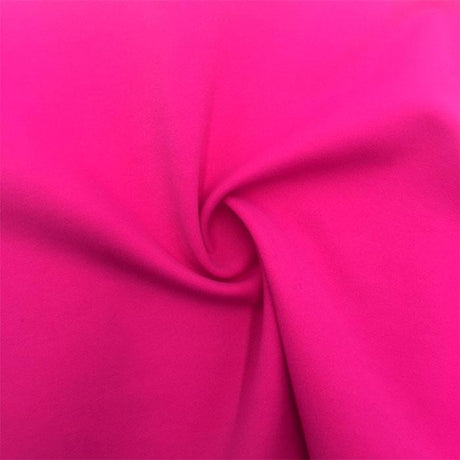
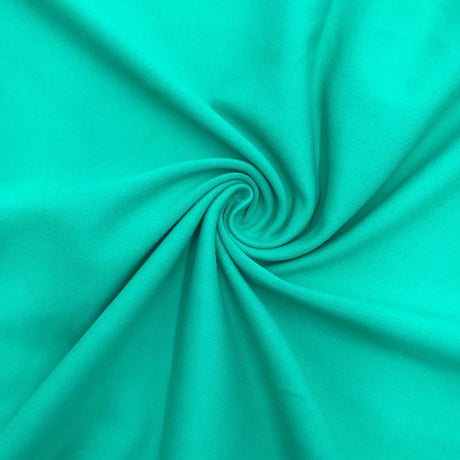
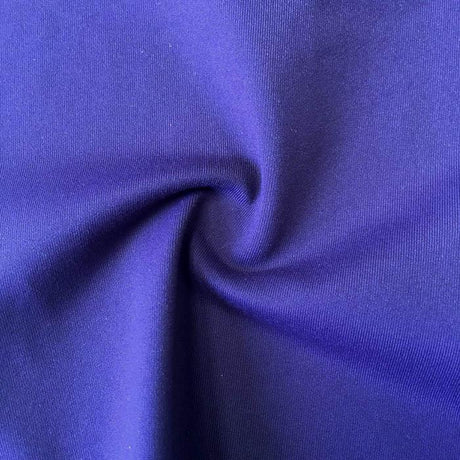
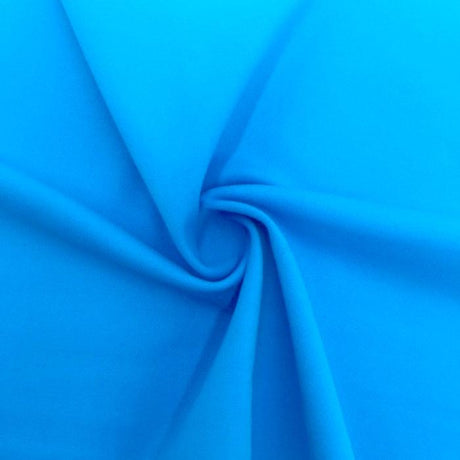
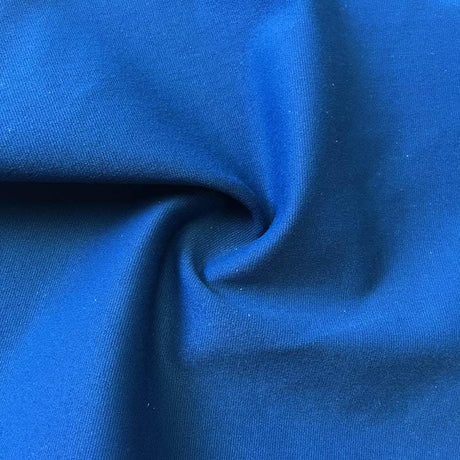
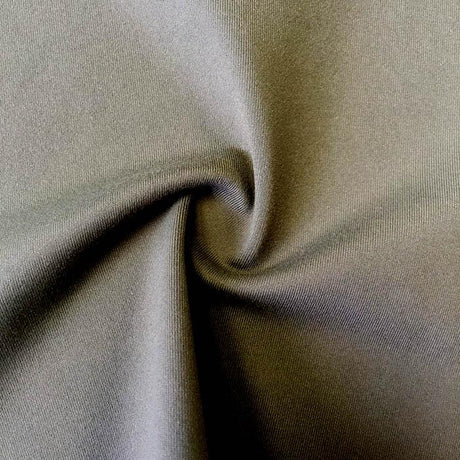
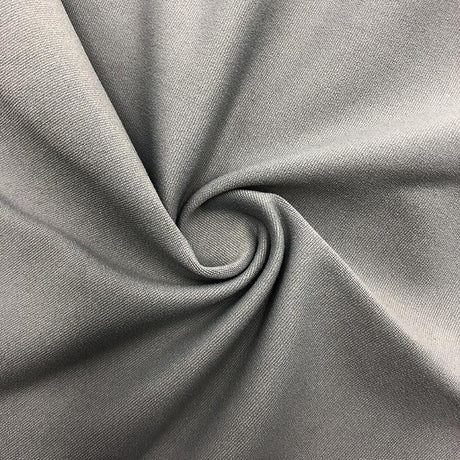
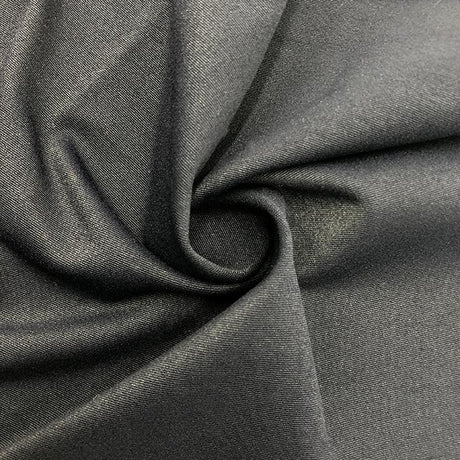
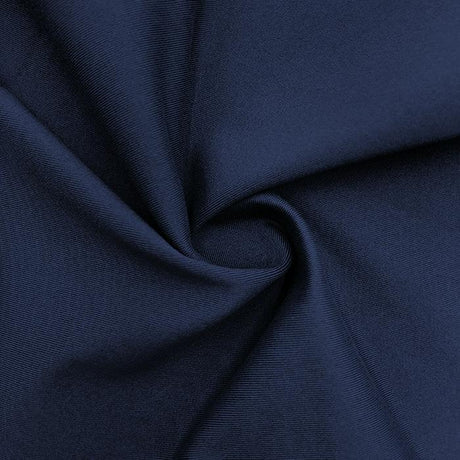
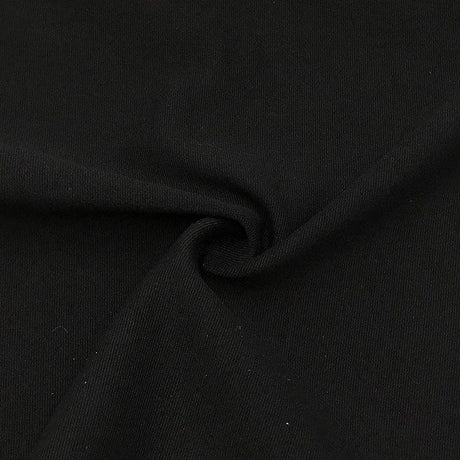
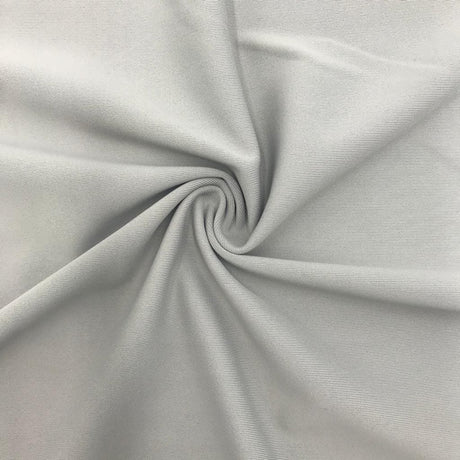
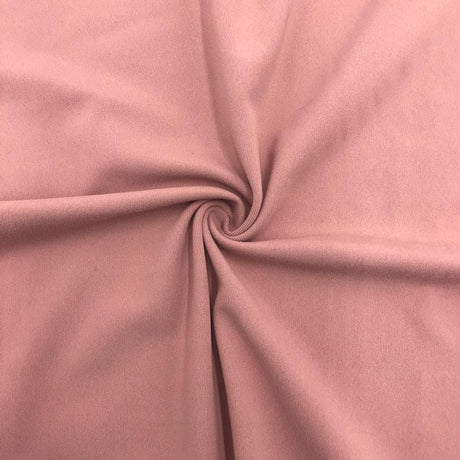
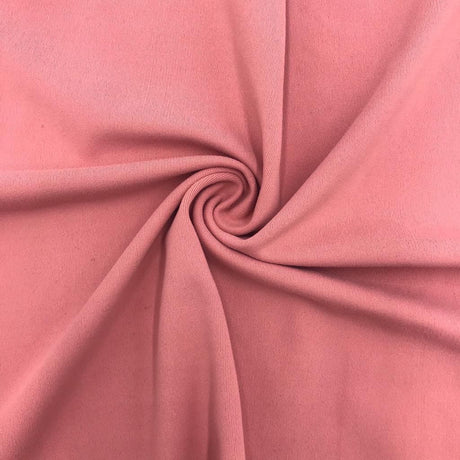
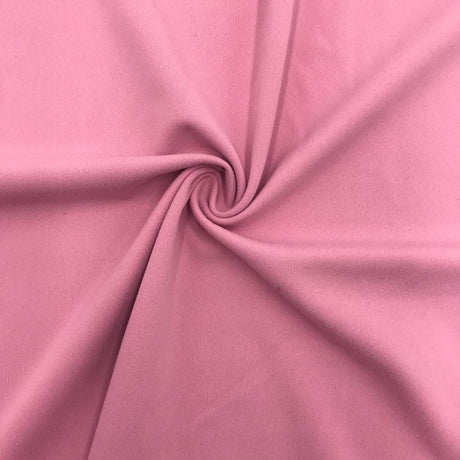
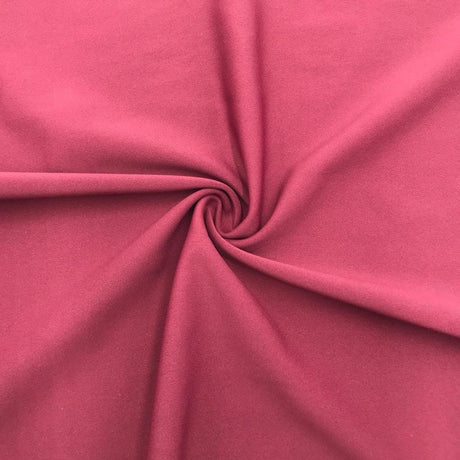
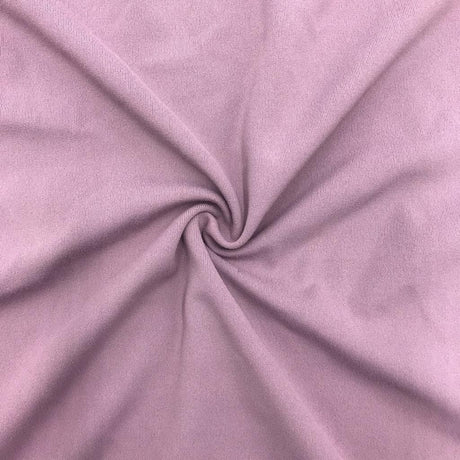
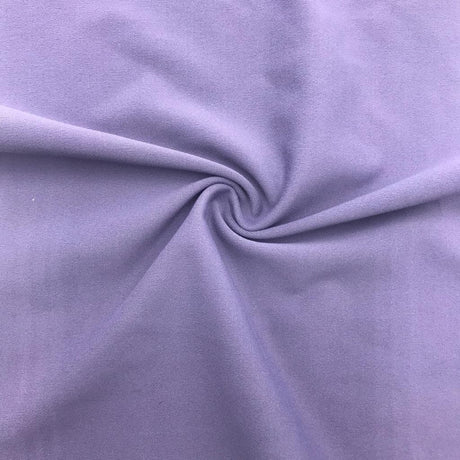
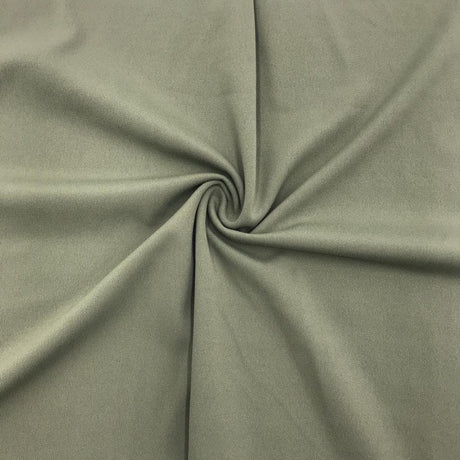
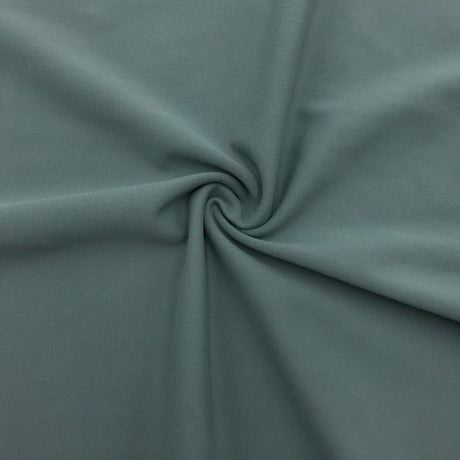
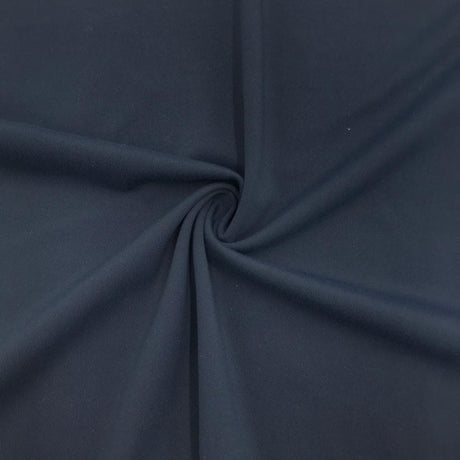
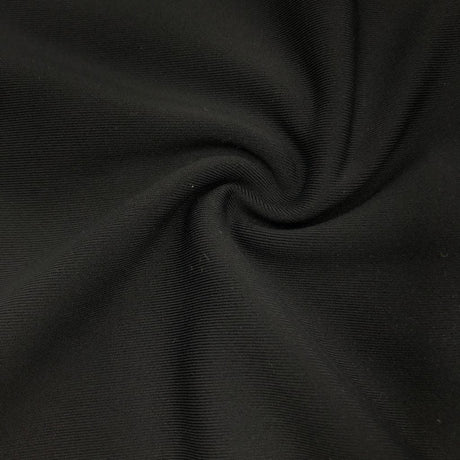
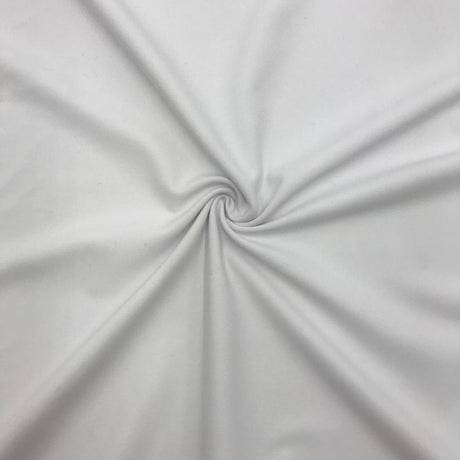
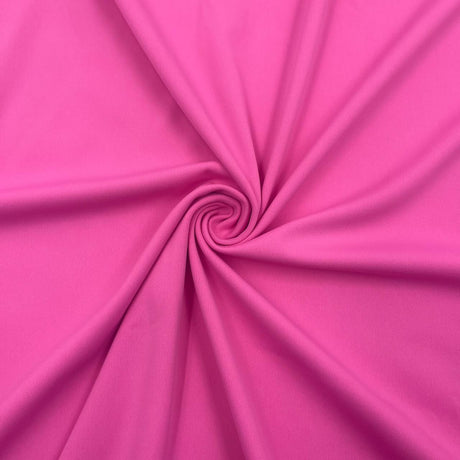
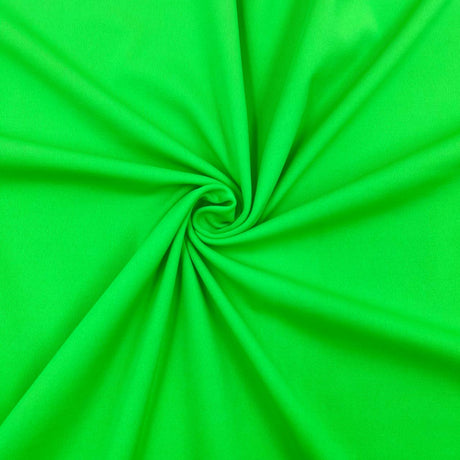
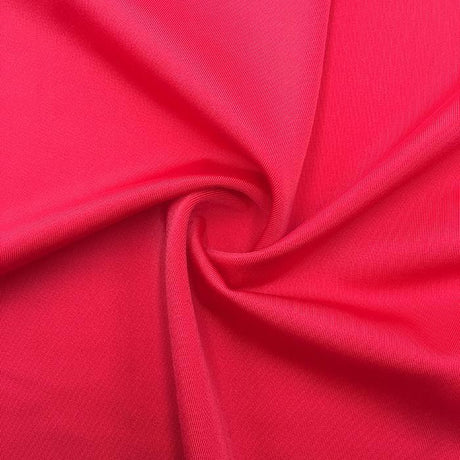
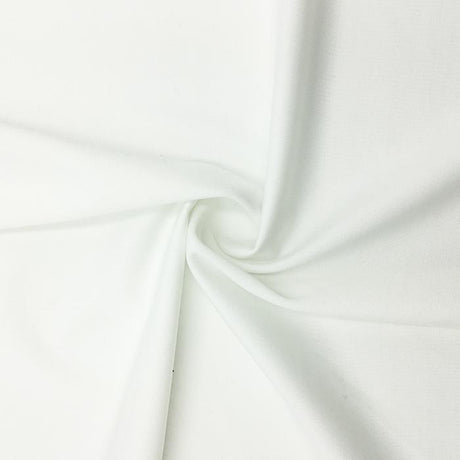
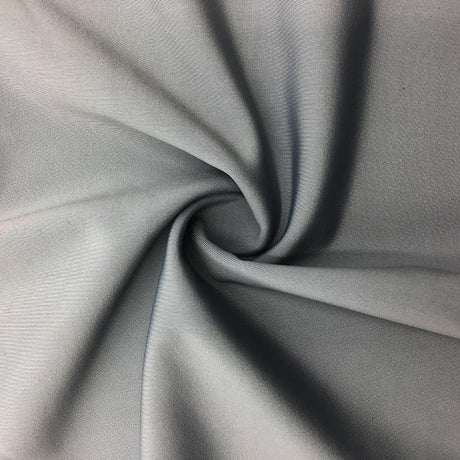
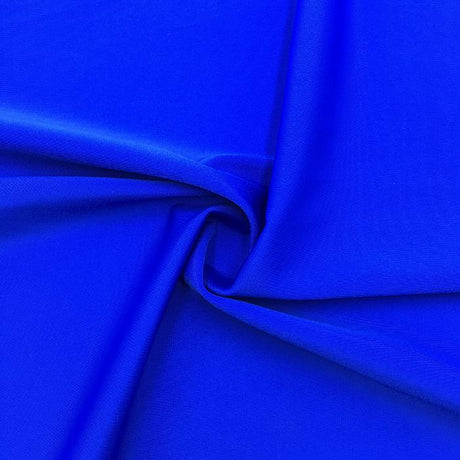
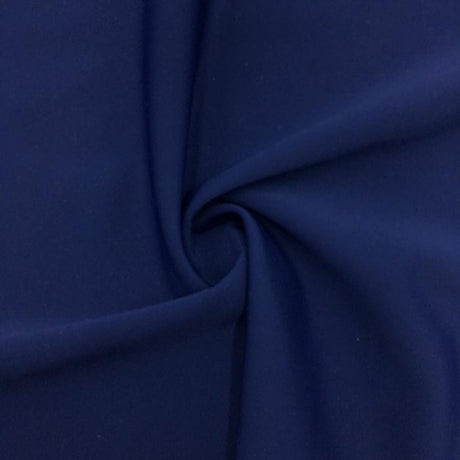
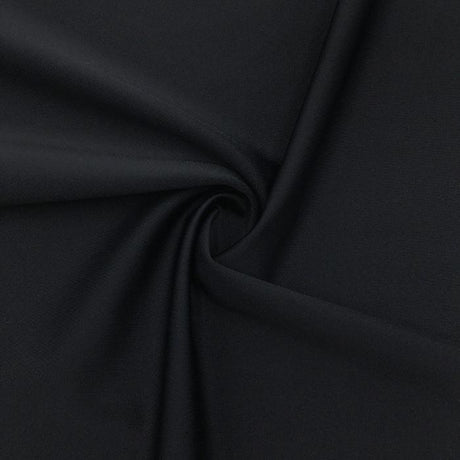
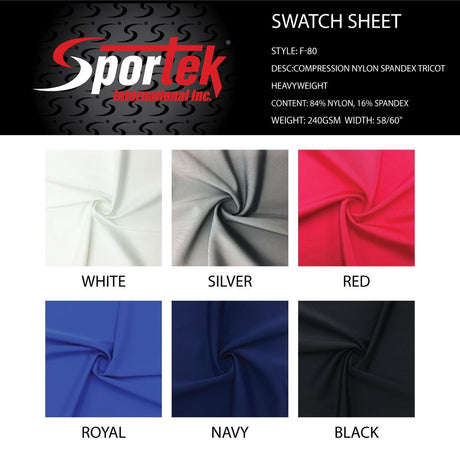
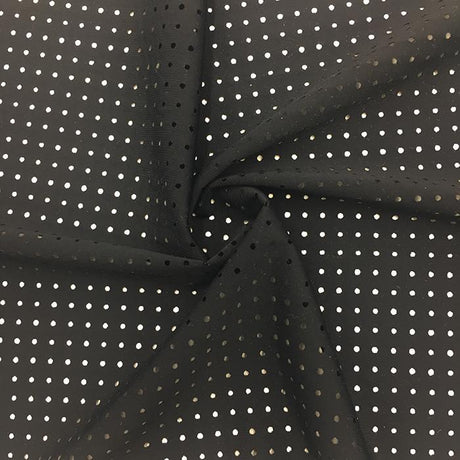
Nylon spandex swimwear has become the dominant choice for bikinis, one-pieces, and even performance suits due to its unique combination of stretch, sheen, and strength. This fabric blend – typically a mix of nylon (polyamide) fibers and spandex (elastane) – offers exceptional elasticity, a smooth body-contouring fit, and the durability needed to withstand sun, salt, and pool chemicals. For a broader foundation before diving in, explore our swimwear fabric guide or browse our full fabric guides hub.
What is Nylon-Spandex Fabric?
Nylon-spandex fabric (also known as a polyamide-elastane blend) combines the strengths of two synthetic fibers: nylon (a type of polyamide) and spandex (also called elastane or Lycra®). Nylon by itself is a lightweight, strong fiber that is quick-drying and abrasion-resistant. Spandex is an elastic fiber famous for its ability to stretch dramatically and snap back to shape. When about 10–20% spandex is knitted together with nylon (around 80–90%), the result is a 4-way stretch fabric with optimal stretch and recovery. Our nylon-spandex fabric guide covers this blend's full performance profile, including how it compares to polyester-spandex in stretch, recovery, softness, and durability for swimwear applications.
It's worth noting that different terms might be used for these fibers in various regions or contexts. Nylon is a type of polyamide, so sometimes fabric content labels use "polyamide (PA)." Likewise, spandex is the generic term in North America, while "elastane" is used in Europe; Lycra is a popular brand name for premium spandex fiber. Our stretch fabric types page covers how spandex percentage translates to real-world stretch, recovery, and compression ratings across all common blend types.
Properties of Nylon (Polyamide) and Spandex (Elastane)
Nylon (Polyamide): Nylon is a synthetic polymer known for its strength and durability relative to its weight. In swimwear, nylon fibers create a fabric that can withstand the stress of movement and contact with rough surfaces without tearing easily. Nylon is also soft and smooth to the touch, giving swimwear a comfortable feel against the skin. It absorbs less water than natural fibers (like cotton), so nylon dries fairly quickly. A plain nylon swim fabric might only offer about UPF 5, so manufacturers use tight knit constructions and UV stabilizers to achieve UPF 50+ protection.
Spandex (Elastane): Spandex is a polyurethane-based elastic fiber that can stretch 5–8 times its resting length and spring back to the original length without breaking. Even a relatively small percentage of spandex (15–20%) gives a fabric significant elasticity and "bounce-back" recovery. However, spandex is vulnerable to damage from chlorine, UV light, heat, and body oils over time. Chlorine (from pools) is especially harsh: it oxidizes and breaks down spandex fibers, causing the suit to lose elasticity and become baggy if not a chlorine-resistant variant. Our spandex care guide covers the science of chlorine and UV degradation in elastane fibers and why rinsing after pool use is so important.
How Nylon and Spandex Work Together: In a nylon-spandex swim fabric, the nylon yarns provide a stable, smooth structure while the spandex yarns impart the needed elasticity. This pairing yields a fabric that is strong yet supple: it can handle being pulled and will snap back to fit "snug and comfortable" every time.
Why Nylon-Spandex Dominates Swimwear
Superior Stretch and Fit: The blend of ~80% nylon with ~20% spandex gives excellent elasticity. Unlike rigid fabrics, it won't bag out or restrict movement at the shoulders, hips, or knees. This flexible fit has made nylon-spandex popular in everything from fashion bikinis to athletic one-pieces. Our stretch fabric types page covers how to measure and compare stretch percentages and recovery ratings across all common swimwear fabric constructions.
Softness and Comfort: Nylon has a soft, smooth texture, far gentler on skin than old-fashioned swim materials. The smooth surface of a nylon-spandex knit is often described as silky. This makes swimsuits comfortable for extended wear – you can swim, sunbathe, or play beach volleyball without feeling scratchy or chafed.
Quick Drying and Lightweight: Both nylon and spandex do not absorb much water, so suits made from them tend to dry quickly once out of the water. Nylon-spandex fabrics remain relatively light when wet. Our fabric care guide covers post-swim rinsing and drying protocols that preserve both the elastic properties and color of nylon-spandex swimwear.
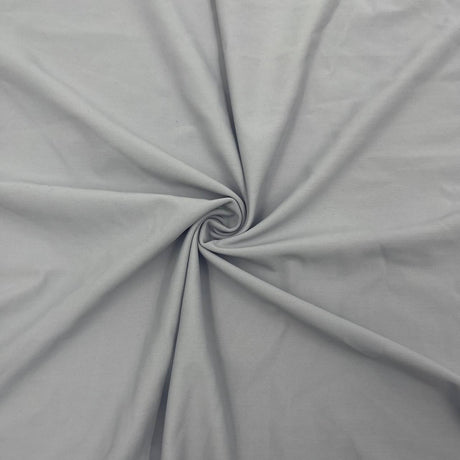
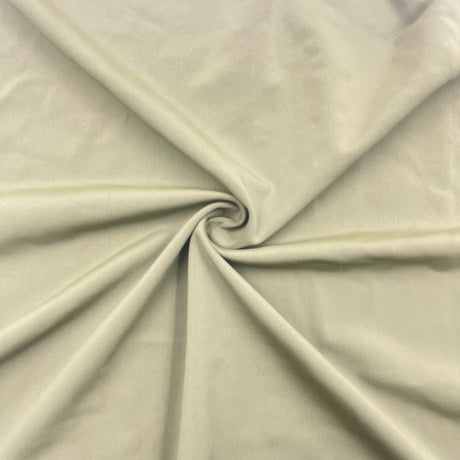
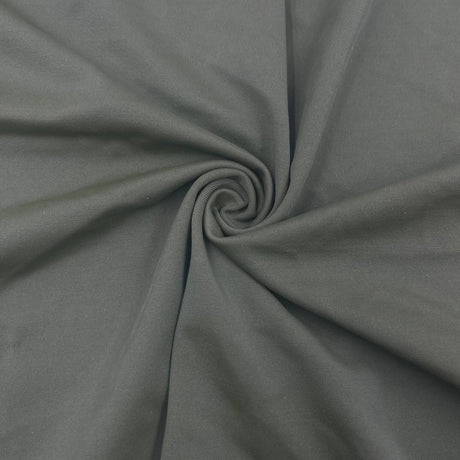
Aesthetic Versatility: Nylon-spandex fabrics have a naturally lustrous sheen that many swimwear designers and consumers find attractive. The slight shine of a classic tricot bikini catches the light and accentuates body lines. This blend also takes dye very well, yielding vibrant solid colors. Our fabric finishes guide covers how matte and shiny surface finishes differ in appearance and how each interacts with stage lighting and photography in performance swimwear applications.
Balanced Performance: A good nylon-spandex swim fabric is adequately durable for typical use. Recreational swimmers and beach enthusiasts generally get plenty of wear out of nylon-blend suits as long as they rinse them and avoid long soaks in heavily chlorinated pools.
Fiber Content Ratios and Fabric Construction
Common Fiber Ratios (80/20, 85/15, etc.): The classic blend is around 80% nylon, 20% spandex, but you will also see 85/15, 75/25, 90/10, and other combinations. The percentage of spandex largely determines the stretchiness: a fabric with 20% spandex will generally be more stretchy than one with only 10–15% spandex. As a rule of thumb, more elastane = more flexibility. Generally, 15–25% spandex is considered optimal for swimwear: enough to ensure excellent stretch and recovery, but not so much that the garment becomes overly delicate or prone to UV damage.
Warp Knit Tricot vs. Circular Knit: The majority of high-quality swimwear fabrics are made using a warp knitting process, producing what's known as tricot knit. Tricot is a type of knit that interloops yarns in a zigzag pattern along the length of the fabric, making it run-resistant and very stable in all directions. A nylon-spandex tricot has a smooth, flat surface on the face and offers consistent 4-way stretch and excellent recovery. For swimwear, always ensure the fabric has true 4-way stretch so it can handle movement and fit the body's curves in every direction. Our stretch fabric types page explains the full difference between warp-knit and circular-knit constructions and how each affects stretch, opacity, and performance in swimwear applications.
Fabric Weight (GSM): Most fashion swimwear fabrics weigh around 180–200 g/m², which is a medium-weight that balances coverage and stretch. Heavier fabrics in the 200–220+ g/m² range are often used for competitive swimwear or specialty designs. Our fabric weight guide provides a full breakdown of GSM ranges and how weight affects opacity, compression, breathability, and durability across all common swimwear fabric constructions.
Performance Attributes of Nylon-Spandex Swimwear
Chlorine Resistance: Chlorine from swimming pools is one of the most damaging elements for swimwear. Nylon-spandex blends have moderate chlorine resistance – better than untreated spandex alone, but not as high as polyester blends. Some nylon-spandex fabrics are now made with chlorine-resistant spandex (like Creora® HighClo™ or Lycra® Xtra Life) which significantly improves their lifespan in pools. You can extend the life of standard nylon-spandex by rinsing in cool water after swimming. Our swimwear fabric guide covers chlorine resistance ratings and how to identify chlorine-resistant spandex variants when sourcing swimwear fabric.
UV Resistance: Pure nylon has only minimal inherent UV blocking. Thus, many nylon-spandex swimwear fabrics rely on additives or special knit structures to achieve high UV resistance, often rated UPF 50+. Remember that UV exposure, like chlorine, contributes to slow degradation of the material, so drying in shade will help. Our fabric finishes guide covers UV-blocking treatments and how they are applied to nylon-spandex swim fabric constructions.
Saltwater and Sea Durability: Saltwater is less chemically reactive than chlorine, but salt can crystallize in fabric fibers and cause abrasion or slight deterioration in elasticity if not rinsed out. The main advice is to rinse swimwear in fresh water after using in the ocean.
Breathability: When it comes to breathability, synthetic swim fabrics are generally less breathable when dry than natural fibers like cotton, but their thin knit structure still allows some air flow. Nylon does absorb a small amount of sweat (more than polyester), which can help with moisture management.
Moisture Wicking & Quick-Dry: Nylon can pull a bit of moisture off the skin and spread it across the fabric to evaporate. Nylon-spandex is considered a quick-dry fiber as well. A nylon-spandex swimsuit will usually dry out in the sun within a few minutes to an hour depending on thickness. Always hang-dry or lay flat to dry; do not put swimwear in a hot dryer, as that can damage the spandex. Our spandex care guide covers why heat is so damaging to elastane fibers and the drying protocols that preserve elasticity in swimwear.
Stretch Stability (Shape Retention): A well-made fabric with quality spandex (especially with additives like Xtra Life Lycra) will maintain the suit fitting snug for many uses. To ensure good shape retention, designers often specify power net liners or higher modulus fabric in certain areas. To maximize the elastic lifespan, always follow care instructions: hand washing or gentle rinse, no bleach, and no high-heat drying. Our fabric care guide covers complete laundering protocols for all common swimwear fabric types.
Aesthetic Qualities: Sheen, Smoothness & Fit
Sheen (Matte vs. Shiny): Many nylon-spandex swimsuits have a subtle sheen or shine from the nylon fibers. A shiny finish can give swimwear a vibrant, glamorous look; a matte finish offers a more muted, sporty or sophisticated appearance. From a practical standpoint, matte fabrics are often a bit easier to sew because they're less slippery. Our fabric finishes guide covers the full technical difference between matte and shiny surface treatments and how each interacts with stage lighting and photography.
Smoothness and Soft Handfeel: A hallmark of nylon-spandex swim fabrics is how smooth and sleek they feel. This smoothness means the fabric glides over the body and doesn't catch or chafe. It's part of why putting on a nylon-spandex swimsuit can feel like pulling on a "second skin." Our nylon-spandex fabric guide describes the hand feel benchmarks for nylon-spandex constructions across different GSM ranges.
Body-Contouring Fit: When you wear a well-fitted swimsuit in this material, it provides gentle compression and support, smoothing over the body's contours. This creates a flattering silhouette. Nylon-spandex achieves this fit without discomfort; it's elastic comfort plus shaping in one. A good swim fabric stretches both horizontally and vertically, allowing it to "accommodate various body shapes with ease."
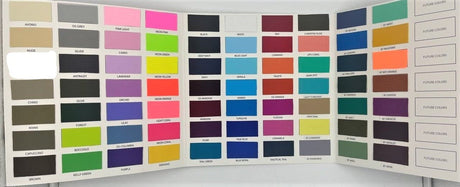
Color and Print: Nylon accepts dye readily (often using acid dyes) so you get rich, vivid colors. However, sublimation printing works best on polyester, not nylon. That's why many printed swimsuits in the market are actually polyester blends. If you need a photorealistic print or multi-color pattern, you might lean toward polyester blends; whereas for solid colors or simple patterns, nylon-spandex is fantastic. Our sublimation guide covers how sublimation printing works on polyester-spandex fabrics, and our sublimation paper and sublimation transfer paper pages cover the complete printing workflow.
Choosing the Right Nylon Spandex Swimwear Fabric
Fabric Weight (GSM): Determine the weight you need for your project. 180–200 g/m² is standard for most swimwear. For competitive or athletic swimwear that needs more compression and coverage, look at heavier fabrics in the 200–220+ g/m² range. Our fabric weight guide provides a full breakdown of GSM ranges and how weight affects opacity, compression, breathability, and durability across all common swimwear fabric constructions.
Stretch & Direction: Verify that the fabric has 4-way stretch. Check the spandex content as a clue: ~20% spandex usually gives ample stretch for most designs. Don't forget to test recovery: stretch a swatch and see if it bounces back. Our stretch fabric types page covers the step-by-step stretch and recovery testing methodology for evaluating swimwear fabric samples.
Hand Feel (Softness & Thickness): A high nylon content with fine yarns will feel extremely soft and slick. It's often a good idea to obtain swatches of a few options and compare their hand feel and stretch in person. Our how to choose fabric guide covers what to evaluate when a physical sample arrives, including stretch testing, opacity testing, and hand feel assessment.
Finish (Matte vs Shiny): Decide which look aligns with your brand or project. Keep in mind that very shiny or coated fabrics might have slightly less stretch or can delaminate if overstretched. Stick with reputable suppliers for specialty finishes.
Color Fastness: Choose fabrics with good color fastness to chlorine, UV, and salt. This is especially vital for bright colors and neons which can fade faster.
Opacity and Lining Needs: Consider whether the fabric will require a lining. Lighter colors (white, pastels) or lighter-weight fabrics often need a lining to prevent see-through when wet. A quick test: stretch the fabric over your hand; if you can see your fingers easily through it, you will likely need to line the suit. Our swimwear fabric guide covers lining fabric options and opacity evaluation techniques for all common swimwear applications.
Specialty Features: Some nylon-spandex swim fabrics come with extra features: UV protection (UPF ratings), antimicrobial treatments, or eco-friendly composition (like ECONYL® recycled nylon yarns). Recycled nylon fabrics perform similarly to virgin nylon in most cases. Our fabric guides hub covers GRS certification for recycled fiber options and their performance characteristics across swimwear applications.
Supplier Quality: Source from reputable suppliers or mills known for swimwear fabric. High quality nylon-spandex can make "a world of difference" in both sewing and wearing the swimsuit. Have questions about specific fabric specifications? Our expert help and advice page connects you with knowledgeable staff, and our FAQ page answers common ordering and specification questions.
Dry vs Wet: How the Fabric Behaves
Stretch and Fit in Water: Swimsuits loosen a bit when they get wet. Swimsuits are often designed to fit extra-snug when dry – almost tight or compressive – so that when you start swimming, it doesn't start slipping or dragging. As a rule, when fitting a new swimsuit, ensure it has "a little on the tight side when dry" because it will ease up in water.
Water Absorption and Weight: Nylon-spandex fabric will take on some water, but not a ton. Nylon can absorb some water into its fibers (around 4–6% of its own weight). The quick-dry nature kicks in rapidly in open air.
Transparency When Wet: A fabric that looks opaque when dry might become more transparent when wet, especially if it's a light color or stretched more. Designers absolutely must test light colors and lower-weight fabrics in water to see if lining is needed to preserve modesty. Our fabric weight guide covers the GSM thresholds at which swimwear fabrics maintain reliable opacity when stretched or submerged.
Elasticity and Bagging: Hot water (like hot tubs) can really sap the elasticity quickly; heat + chlorine is a bad combination for elastane. Try to use older suits for hot tubs or rinse immediately after.
Fit Adjustments: Knowing that a suit stretches more when wet, sometimes pattern-makers will build in negative ease into swimwear patterns to account for wet expansion. Our how to sew stretch fabric guide covers how to use stretch percentage results to select the correct pattern size and ease allowances for swimwear construction.
Use Cases: From Fashion to Athletic to Competitive
Fashion & Resort Swimwear: Nylon-spandex is ideal for fashion swimwear because of its soft feel, beautiful drape on the body, and ability to take on vibrant colors and creative textures. These suits typically use the standard blends (80/20, 82/18, etc.) and weights (180–200 gsm). Many brands are now using sustainable fabrics like ECONYL® recycled nylon blends, appealing to eco-conscious consumers. Our swimwear fabric guide covers fabric selection across all fashion and athletic swimwear categories.
Athletic & Fitness Swimwear: For activities like lap swimming, water aerobics, surfing, and triathlons, durability and performance attributes take on more importance. Nylon-spandex is still commonly used, but often in higher durability formulations incorporating chlorine-resistant spandex. UV protection is also critical for outdoor sports like surfing – so these fabrics will usually be UPF50+. Our activewear fabric guide covers how performance specifications for athletic swimwear compare to those for land-based activewear applications.
Competitive Swimwear (Racing): Competitive swimsuits are a specialized category where speed, compression, and minimizing drag are the objectives. For designers working on performance swimwear, considerations like drag reduction (adding a hydrophobic coating), seam bonding (to avoid seam drag), and panel orientation come into play. Many elite competition suits still contain nylon (polyamide) because it can be woven very fine and flat for a sleek surface with a bit more give than polyester.
Cross-Over and Other Uses: Nylon-spandex swim fabrics also find use in swim-activewear, swim dance costumes, and plus-size swimwear. Plus-size suits often use higher spandex content and powernet for more support. Our dancewear fabric guide covers fabric selection for synchronized swimming and water-based performance costumes where both shine and chlorine resistance are required.
Conclusion
Nylon spandex for swimwear truly delivers "stretch, sheen, and strength", making it a fabric that expertly merges form and function. Whether you're selecting fabric for a new swim line or simply shopping for your next swimsuit, keep an eye on the fiber content and fabric specs – that little percentage on the tag (say, 80% Nylon, 20% Spandex) is the key to why your swimsuit looks and feels as good as it does.
Ready to find the perfect nylon-spandex swimwear fabric for your next project? Use our nylon-spandex fabric guide for full performance profiles, our fabric weight guide and stretch fabric types page to evaluate technical specifications, and our swimwear fabric guide for curated recommendations by swimwear application. Our how to sew stretch fabric guide covers construction techniques for swimwear, and our spandex care guide and fabric care guide will keep every finished suit performing at its best. Have questions? Our expert help and advice page and FAQ are always available. Sign up for SpandexByYard Rewards to earn points on every purchase – happy swimming!