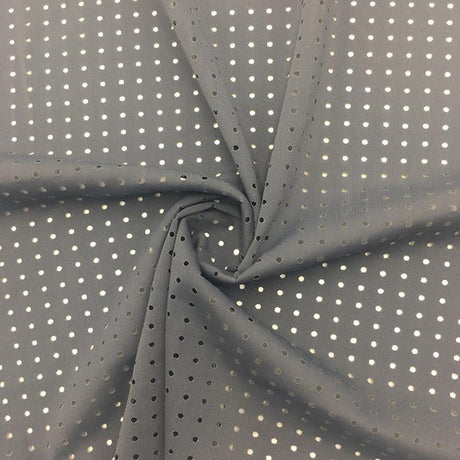
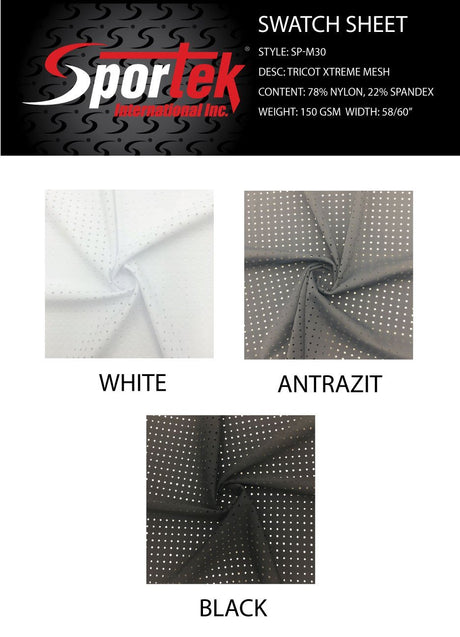
Choosing the right swimsuit fabric weight can be challenging. Bikinis and one-piece swimsuits have different coverage and support needs, making the optimal fabric GSM (grams per square meter) vary by style. Fabric weight impacts how opaque and supportive a suit will be, especially when wet.
Bikini vs one-piece needs: A skimpy bikini must balance a light, comfortable feel with enough opacity and support in small areas (like the bust and bottoms). In contrast, a full one-piece covers the torso and often needs heavier or double-layered fabric for modesty and shaping (so it doesn’t become see-through or sag).
Goal of this guide: Outline the best fabric weights (GSM) for bikinis vs one-piece swimsuits. We’ll cover what GSM means, typical weight ranges for each garment type, and how to choose a fabric that provides the right stretch, coverage, and durability for both professional swimwear brands and DIY makers.
Understanding GSM in Swimsuit Fabrics
- What is GSM and why it matters for swimwear: GSM stands for grams per square meter, a measure of fabric weight. It indicates how thick or dense a material is. In swimwear, GSM is crucial because it influences stretch, opacity, and support – e.g. a higher GSM fabric is usually thicker and less likely to be transparent, providing more support.
- Stretch, coverage & performance by GSM range: Fabric weight plays a big role in performance:
- Lightweight (<150 GSM): Very thin and stretchy with a “second-skin” drape, but can turn semi-sheer when stretched or wet. Often needs lining or is avoided for swimwear to ensure coverage.
- Mid-weight (~180–200 GSM): The sweet spot for swimwear – generally opaque, good stretch & recovery, and comfortable. Most fashion bikinis and one-piece fabrics fall in this range for a balance of flexibility and support.
- Heavyweight (200+ GSM): Thick, sturdy fabric with excellent opacity and compression. High GSM knits “hold you in” more (great for tummy control or athletic swimwear), but may feel warmer and less drapey. Often used in high-performance one-pieces or structured bikinis, sometimes alongside an inner lining.
- Why GSM isn’t the whole story: Remember that GSM is one factor – fiber content (nylon vs polyester) and knit structure (tricot, interlock, etc.) also affect feel and performance. For example, a 200 GSM nylon swim fabric might feel just as supportive as a 220 GSM polyester fabric due to nylon’s strength. Always consider GSM and fabric composition together when evaluating swimwear materials.
Technical Specifications by Garment Type
- Typical GSM range for bikinis: Most bikini fabrics are mid-weight. Around 180–200 GSM is common for quality bikini material. This provides enough opacity for small coverage areas while keeping the suit comfortable. Some skimpy fashion bikinis might use ~150 GSM fabric for a lighter feel, but they require double lining or darker colors to avoid transparency. High-performance or sport bikinis tend to use the upper end (~200 GSM) so they feel more substantial and durable.
- Typical GSM range for one-piece suits: One-piece swimwear often uses similar or slightly heavier fabric than bikinis. Ranges of ~190–220 GSM are typical for standard one-piece suits (many one-piece products list ~220 GSM nylon-spandex). The larger fabric area means opacity and support are critical, so some designs use an outer fabric ~200 GSM plus an inner lining ~100 GSM for full coverage. Competitive or shapewear-style one-pieces may go even heavier (250 GSM or more) for strong compression and to maintain shape when wet.
How to Choose Based on Swimwear Type
- Bikinis: For two-piece suits, look for medium-weight fabrics (~180–200 GSM) that strike a balance between stretch and coverage. Bikinis have less fabric, so comfort and flexibility are key – a fabric that’s too heavy might feel bulky on a tiny bikini bottom. However, always ensure opacity: lighter fabrics should be lined, at least in the front of bottoms and in bikini tops, to prevent any see-through issues. Consider support needs: a triangle string bikini relies on the tie construction, but a structured sport bikini top might benefit from a firmer, higher GSM fabric to keep its shape. Tip: Use quality lining or power mesh in the bust or crotch areas for extra support and coverage without adding excessive weight to the whole bikini.
- One-piece suits: For one-pieces, prioritize coverage and support. These suits cover the torso, so the fabric must not become transparent across the belly or rear – generally a fabric on the higher end of the swimwear GSM range or a double-layer approach. Heavier weights (200+ GSM) or compression fabrics are often used to give a one-piece a flattering, hugged fit and “tummy control”. Ensure the material has excellent recovery (springs back after stretch) so the suit doesn’t sag after swimming. One-pieces almost always use 4-way stretch fabric so the suit can accommodate torso length and movements without strain. Also, many quality one-pieces are fully lined (front and back) with an additional lightweight lining fabric for opacity and comfort against the skin.
- DIY/Small-Batch Checklist: (A quick checklist for hobbyist sewists or boutique brands when selecting fabric):
- Stretch requirements: Choose 4-way stretch fabric (stretches in both width and length) – this is crucial for one-piece patterns and still highly recommended for bikinis, ensuring comfort in all directions.
- GSM suitability: Verify the fabric’s GSM falls in the recommended range for your project (e.g. ~180–200 GSM for most swimwear). A quick fabric weight check can save you from ending up with material that’s too flimsy or too thick for your design.
- Opacity test: Hold a swatch up to the light and stretch it; do a wet test if possible. If it turns sheer when stretched or wet, plan to add lining or choose a heavier weight fabric. Light colors in particular need an extra opacity check.
- Lining and support: Source a good swim lining fabric (often 90–120 GSM, nylon/spandex) for areas needing extra coverage (e.g. front of a one-piece, bikini crotch, light-colored fabrics). Also consider power mesh or stronger lining in areas like the tummy or bust for added support in one-pieces.
- Durability concerns: If you’re sewing for sale or long-term use, pick fabrics labeled as chlorine-resistant (e.g. those with Xtra Life Lycra® or polyester blends) and UV-protective. These will better withstand pool water and sun exposure over time.
- Test and sample: Don’t skip ordering swatches or a sample yard. Feel the fabric, stretch it, and even sew a small prototype if possible. Ensuring the weight, stretch, and feel are right before bulk ordering can save money and headaches later.
- for readers interested in more supportive swimwear materials:
heavier nylon stretch options
Technical Considerations Beyond GSM
- Stretch recovery: A fabric’s GSM doesn’t guarantee how well it recovers after stretching. Ensure your swim fabric has a high elastane (spandex) content and quality knit construction for excellent recovery, so it snaps back to shape and maintains support. For instance, a high GSM fabric without good Lycra® quality could still bag out, whereas a slightly lighter fabric with Xtra Life Lycra® will hold its shape longer. Test by stretching a swatch – it should return to its original length without permanent distortion. Good recovery is especially vital for one-piece suits (which undergo more stress when worn) to avoid sagging.
- UV and chlorine resistance: Heavier weight alone won’t protect a suit from chlorine damage or UV fade. Check the fiber content and finishes: polyester-spandex blends naturally resist chlorine and UV better than standard nylon, and many swimwear fabrics include treatments for UV protection (look for UPF ratings) or use chlorine-resistant elastane. For example, a 200 GSM fabric made with chlorine-resistant spandex (e.g. Lycra® Xtra Life) will outlast a 200 GSM regular spandex in pool use. When choosing fabric, consider the end use – for a competition or lap-swimming suit, durability in chlorine might trump a super-soft hand feel.
-
Double-layering and lining: Instead of jumping to a much heavier fabric for more coverage, remember you can use lining layers to achieve opacity and support. Many swim garments use two layers of moderate-weight fabric rather than one ultra-heavy layer. For example, lining a 180 GSM fabric with a lightweight nude swim lining can prevent show-through just as well as switching to a 240 GSM fabric – and often with more comfort and flexibility. Use a comfortable, breathable lining (often a thin nylon mesh or tricot) in areas that need it, which allows you to maintain stretch and dry time. This modular approach (outer fabric + lining) also lets you mix properties – e.g. a softer outer fabric with a strong power mesh inner panel for tummy control.
Common Mistakes to Avoid
- Using fabric that’s too light for a one-piece: One common error is picking a lightweight, low-GSM fabric (meant for dancewear or lingerie) for a full one-piece swimsuit. A fabric under ~150 GSM will likely become see-through across the torso or rear once stretched and wet. It may also lack the heft to provide any shaping, leading to a saggy fit. Avoid: If your heart is set on a delicate-feel fabric, at least double-line the suit or use it only for smaller bikini pieces, not an unlined one-piece.
- Not using lining with lightweight fabrics: Even for bikinis, using a single layer of thin fabric (or any light color) without lining is a recipe for transparency issues. Swimsuit fabrics that are on the lower end of the GSM range must be lined to ensure coverage. Skipping lining can also shorten the life of the suit – the extra layer not only adds opacity but can provide support and protect the outer fabric from wear. Avoid: Always line white or pastel suits and any fabric that shows even a hint of translucence when stretched.
- Ignoring stretch direction (2-way vs 4-way): Some DIYers accidentally buy a 2-way stretch fabric (stretches only across the width) for a swimsuit, which can spell disaster especially for one-pieces. Without vertical stretch, a one-piece will not lengthen to fit the torso and can restrict movement or even tear at seams. Even for bikini bottoms, 2-way stretch can be problematic (e.g. when sitting or bending). Avoid: Stick to 4-way stretch fabrics for swimwear, and double-check the stretch percentage meets your pattern’s requirements (usually at least 50% in both directions).
- Overlooking durability for commercial swimwear: If you’re producing swimwear to sell, using a random nice-looking fabric without checking its technical specs can backfire. For example, a fabric that isn’t chlorine-resistant can cause customer complaints when suits rapidly deteriorate after pool use. Or a trendy textured fabric might look great but have low spandex content, causing poor recovery. Avoid: Always consider the performance characteristics – UV resistance, chlorine resistance, abrasion resistance – in addition to GSM. For commercial quality, choose fabrics specifically made for swimwear (nylon/poly with 15–20% elastane) and from reputable suppliers. Investing in high-quality material ensures the swimsuits hold up to sun and salt, protecting your brand’s reputation.
Conclusion
- Recap – bikinis vs one-piece fabric weights: In summary, bikinis typically use mid-weight swim fabrics (~180–200 GSM) that provide a good mix of stretch and coverage for smaller pattern pieces. One-piece swimsuits often call for equal or slightly heavier weights and nearly always benefit from added lining to ensure full coverage across the body. When in doubt, it’s safer to choose a fabric on the more substantial side for a one-piece (or add lining) than to risk a flimsy result.
- Choose based on performance, not just feel: While a soft, light fabric might feel lovely in hand, what matters is how it performs in the water and over time. Prioritize fabric weight and quality that meet the needs of the design – opacity, support, stretch recovery, and durability – rather than selecting by touch alone. A well-chosen GSM (paired with the right fiber and construction) ensures the final swimsuit not only looks good but also functions well (no embarrassing see-through moments or bagging) and stands up to real-world use. By focusing on the fabric’s performance properties for your bikini or one-piece, you’ll make more informed decisions and create swimwear that satisfies both the wearer’s comfort and the garment’s longevity.