Besides looking stylish, a swimsuit's fabric must perform under harsh conditions. Pool chlorine, saltwater, and intense sun exposure can all take a toll on swimwear. The right swimwear fabric will withstand chemicals and UV rays while keeping its shape; the wrong choice may sag, fade, or even leave your skin exposed to harmful sun. For designers, sewists, and swimwear brands, understanding fabric performance is crucial to create products that last. For a broader foundation before diving in, explore our swimwear fabric guide or browse our full fabric guides hub.
Most modern swimsuits are made from synthetic blends – typically either nylon or polyester combined with spandex (elastane) for stretch. We'll explore these fabric types (including PBT, a special chlorine-proof polyester) and compare how they perform in three key areas: chlorine resistance, UV protection, and stretch recovery.
Swimwear Fabric Types: Nylon, Polyester & PBT
Nylon-Spandex Blends (Polyamide Elastane)
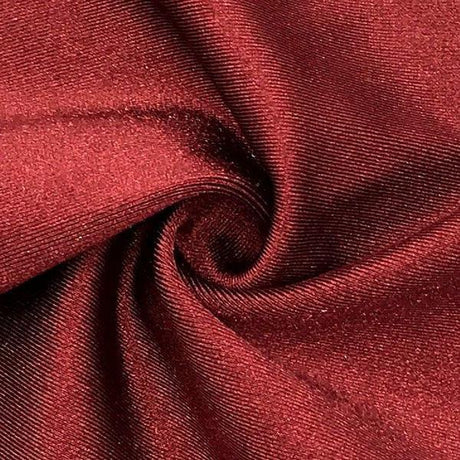
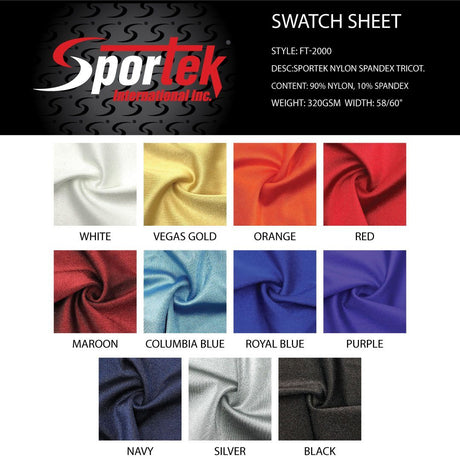
Nylon blended with spandex is one of the most popular choices for bikinis and fashion swimsuits. A typical nylon-spandex swim fabric might be around 80–85% nylon and 15–20% spandex. This composition yields a very stretchy, silky fabric that hugs the body and provides excellent comfort and mobility. Nylon fibers are lightweight, dry relatively quickly, and have a smooth, soft handfeel, making them ideal for high-end prints and vibrant colors on swimwear. Our nylon-spandex fabric guide covers this blend's full performance profile, including how it compares to polyester-spandex in stretch, recovery, softness, and durability for all swimwear applications.
However, nylon-spandex blends offer only moderate performance against chlorine and UV exposure. Nylon is less chemically stable in chlorine than polyester – it feels soft but can deteriorate faster in chlorinated pools, losing shape and elasticity over time. Similarly, untreated nylon provides minimal sun protection (roughly UPF 5 on its own). Many manufacturers compensate by using tighter knits or adding UV-blocking treatments to nylon fabrics to achieve UPF 50+ ratings.
Summary: Nylon-spandex blends are prized for their softness, 4-way stretch, and comfort, making them great for fashion-forward swimwear. They take color beautifully and feel gentle on the skin. Without special treatments, they are more prone to chlorine damage and UV fading, so they're best for occasional use, beachwear, or designs where maximum stretch and softness are the priority.
Polyester-Spandex Blends
Polyester-spandex blends have become the go-to for performance and longevity. Polyester is a tough synthetic fiber that resists stretching out and holds up well against pool chemicals and sunlight. Unlike nylon, polyester has a molecular structure that naturally blocks more UV radiation, with an inherent rating of about UPF 15 even without additives. It also absorbs less water than nylon, meaning swimsuits made with polyester remain lighter when wet and dry faster. Our stretch fabric types page covers how polyester-spandex constructions compare to nylon-spandex in stretch percentage, recovery ratings, and compression level across all common swimwear applications.
Modern polyester swim fabrics can be quite soft and high-quality. They are also a top choice for sublimation printing (transfer of vibrant prints via heat) because polyester yarns hold printed inks well. Our sublimation page covers how sublimation printing works on polyester-spandex swim fabrics, and our sublimation paper and sublimation transfer paper pages cover the complete printing workflow.
Summary: Polyester-spandex fabrics are highly regarded for athletic and all-purpose swimwear. They offer high chlorine resistance and UV stability, maintaining color and fit even with regular pool use. Use polyester blends when longevity and rugged performance are key – e.g. swim team suits, competitive swimwear, or any suit that needs to endure season after season.
Polyester PBT Blends (Chlorine-Proof Fabrics)
PBT stands for polybutylene terephthalate, a type of polyester known for its exceptional chlorine resistance. Fabric mills often blend PBT with standard polyester (often a 50/50 mix) to create swimsuits that are labeled "chlorine-proof" or "100% chlorine resistant." For example, Speedo's famous Endurance+ fabric is 50% polyester and 50% PBT. PBT's engineered molecular structure actively repels chlorine molecules, so it maintains strength and color even after hundreds of hours in treated pool water.
One remarkable aspect of PBT fabrics is that they achieve stretch without needing much (or any) spandex. PBT yarns can be textured during manufacturing to impart a natural 2-way stretch. This gives competitive swimmers muscle compression and a tight fit without the degradation issues of spandex. PBT fabrics also retain very little water, helping swimmers glide through water with less drag. Many PBT blends come with built-in UPF 50+ protection by virtue of their tight knit and the polyester content. Our fabric weight guide covers how the GSM ranges common in PBT constructions affect UV blocking, compression, and durability.
Summary: Polyester/PBT fabrics are the workhorses of the swimwear world, offering very high chlorine resistance (almost "chlorine-proof") and excellent longevity. Choose PBT blends if you need a swimsuit textile that can truly stand up to daily chlorine exposure.
Chlorine Resistance: How Fabrics Survive Pool Chemicals
Chlorine is added to pools to kill bacteria, but it's ruthless on swimwear fibers. In water, chlorine transforms into hypochlorous acid – essentially a diluted bleach that oxidizes fibers and dyes on a molecular level. A swimsuit can lose over 60% of its tensile strength after 300 hours in chlorinated water if made from a non-resistant fabric.
Effects of Chlorine on Swimwear:
Elastic fiber degradation: Chlorine attacks elastane (spandex) first, breaking its molecular bonds. The result is lost stretch – a once-snug suit suddenly sags and feels baggy as the elastic fibers "snap" and fail. Polyester and PBT fibers, in contrast, break down much more slowly under chlorine, so fabrics high in those fibers maintain their tension and shape longer. Our spandex care guide covers the science of chlorine degradation in elastane fibers and why rinsing after pool use is so important.
Color fading: Chlorine acts like a mild bleach. It oxidizes dyes, meaning vibrant colors and prints will gradually become dull, washed-out, or take on a yellowish tint. High-quality swim fabrics use chlorine-stable dyes and UV-stable dyes to slow this process, but frequent rinsing in fresh water after swimming is still recommended.
Fiber brittleness and pilling: As chlorine weakens fibers, the fabric can become more prone to abrasion. Rough pool decks or slides may snag a weakened swimsuit, causing pills or runs in the fabric.
In our fabric types above, poly/PBT blends are the best (virtually chlorine-proof), polyester-spandex blends are a close second (highly chlorine-resistant), and nylon-spandex blends are moderate (prone to faster breakdown). If you are designing swimwear for heavy pool use, prioritize fabrics with a high polyester or PBT content. Always check fabric labels or descriptions for terms like "chlorine-resistant" or "chlorine-proof" if pool durability is a priority. Our fabric care guide covers post-swim rinsing and drying protocols that preserve both the elastic properties and color of all common swimwear fabric types.
UV Protection: Blocking the Sun's Rays
UPF (Ultraviolet Protection Factor) is the clothing equivalent of SPF. A UPF 50 fabric means only 1/50th of UV rays (about 2%) can pass through, blocking 98% of UV. A typical white T-shirt might be around UPF 5. In swimwear, a UPF 50+ fabric is considered excellent sun protection.
Fiber content: Polyester generally does an excellent job of disrupting UV light due to its molecular structure. Nylon can have low UV protection if it's thin or light-colored (roughly UPF 5 without enhancements). Blending in spandex generally does not improve UV protection – if a fabric has a very high spandex percentage or is stretched very tight on the body, UV transmission can increase.
Fabric construction: A tightly knitted or thicker material will block more UV than a sheer or loosely woven one. Many swimwear fabrics are warp-knit tricot with a very tight structure specifically to improve coverage. Our fabric weight guide covers how GSM affects UV blockage across all common swimwear fabric constructions.
Color and dye: Darker or more saturated colors absorb more UV rays, preventing them from reaching the skin. A black or navy swimsuit will typically have higher UV protection than a white or pastel one, all else being equal.
Special finishes: Some swimwear textiles include UV-inhibiting treatments or fibers impregnated with additives (like titanium dioxide) to boost their sun protection. High-end swim brands often advertise "UPF 50+" on their garments, indicating such enhancements. Our fabric finishes guide covers UV-blocking surface treatments and how to evaluate the durability of different application methods.
When shopping for or specifying swimwear fabric by the yard, check if the supplier provides a UPF rating or mentions UV protection. For full-coverage swim garments like surf shirts, modest swimwear, or children's swimsuits, UPF 50+ is especially important. Our swimwear fabric guide covers UPF ratings and how to evaluate UV protection across all common swimwear fabric constructions.
Stretch & Recovery: Maintaining Shape and Comfort
Spandex (Elastane) is the key ingredient that gives swimwear its remarkable stretch. In swim fabrics, even a small percentage of spandex (usually 10–25%) provides the 4-way elasticity needed for tight fit and body-hugging comfort. A true 4-way stretch material is essential for swimwear because it ensures maximum flexibility in all directions, critical for activities like swimming laps or surfing. Our stretch fabric types page covers how spandex percentage translates to real-world stretch percentages and recovery ratings across all common swimwear fabric constructions.
Several factors influence a swim fabric's stretch & recovery performance:
Spandex content: Generally, 15–20% elastane is a sweet spot for swimwear, providing plenty of stretch for comfort and fit. Fabrics with more than 25–30% spandex tend to lose durability and can also have lower UV protection. Expert recommendations often suggest at least 8% spandex minimum in swimwear fabrics to ensure a secure fit.
Quality of elastane: Not all spandex is equal. Branded elastanes like Lycra Xtra Life or Creora HighClo are formulated to have better chlorine, heat, and oxidation resistance. High-quality spandex also tends to have better modulus (strength), meaning you can use a little less but still get good snap-back.
Fabric knit structure: A well-constructed swimwear knit (like a warp knit tricot) is designed to lock in stretch. Many swim fabrics use four-way stretch tricot construction, which balances stretch uniformly and prevents distortion. This construction creates dynamic stretch and recovery essential for athletic swimwear.
Recovery over time: Proper care helps here: rinse swimwear after use, don't wring it out harshly, and avoid high-heat drying. These practices protect the elastic and thus preserve recovery. Our spandex care guide covers the care protocols that maximize elastane lifespan in swimwear applications.
Performance Comparison Table: Swimwear Fabrics at a Glance
| Fabric Type | Chlorine Resistance | UV Protection | Stretch & Recovery |
|---|---|---|---|
| Nylon + Spandex Blend | Moderate. Prone to chlorine damage over time; nylon/spandex blends feel soft but can lose shape relatively quickly in pool water | Fair. Untreated nylon has low UV blockage (~UPF 5). Often needs tight knit or additives to reach high UPF; many nylon blends are now engineered to UPF 50+ with special treatments | Excellent (initially). Very high 4-way stretch and a silky, form-fitting drape. Recovers well when new, but extended chlorine or sun exposure can weaken the spandex |
| Polyester + Spandex Blend | High. Polyester is very chlorine-resistant and helps the fabric withstand fading and fiber breakdown | High. Polyester fibers inherently block more UV (often UPF ~15 alone). With dyes or finishes, poly blends easily achieve UPF 50+ | Excellent. Strong 4-way stretch with spandex and superior shape retention from polyester |
| Polyester + PBT (No Spandex) | Very High. Nearly "chlorine-proof" – engineered to endure hundreds of hours in chlorinated water | High. Typically constructed as a tight knit with UPF 50+ by design | Good. PBT blends have a somewhat firmer stretch but offer comfortable elasticity and consistent long-term recovery |
Tips for Choosing the Right Swimwear Fabric
Consider the Use Case: For competitive swimming or daily training in a pool, prioritize fabrics with high chlorine resistance (e.g. a polyester/PBT blend or a polyester with chlorine-resistant spandex). For fashion swimwear or occasional beach wear, a nylon-spandex fabric might be preferred for its soft luxury feel and stretch. Our how to choose fabric guide walks through the decision framework for all common garment types systematically.
Evaluate UV Protection Needs: If you're making swimwear intended for long hours in the sun – such as surf shirts, rash guards, or kids' swim outfits – opt for fabrics labeled UPF 50+. Many fabric suppliers will indicate if a textile is certified for UV protection. Choosing darker colors or prints can also help, as they naturally absorb more UV.
Stretch & Support: Ensure the fabric has 4-way stretch for optimal comfort. A quality swim fabric should stretch at least 50% in both directions and include a minimum of ~10% spandex for shape retention. If you need extra support or compression, look for fabrics with a slightly higher spandex content or special knit structures. Our stretch fabric types page covers how to verify true 4-way stretch and compare stretch percentages when evaluating swimwear fabric samples.
Chlorine-Resistant Elastane: If you love a fabric but worry about chlorine, see if it uses specialty spandex like Xtra Life Lycra® or Creora® HighClo. These elastanes are engineered to resist chlorine 10x longer than ordinary spandex, significantly extending the garment's life.
Printing and Aesthetics: For designs that involve sublimation printing or bright, custom patterns, polyester-based fabrics are often the best choice (they yield crisp, permanent prints). Our sublimation page covers how to evaluate a polyester-spandex swim fabric's suitability for sublimation printing.
Fabric Weight and Drape: Swimwear fabrics come in various weights, generally measured in grams per square meter (GSM). Lighter fabrics (~180–200 GSM) are great for fashion swimwear or ruffles, where you want a good drape. Heavier fabrics (~200–250 GSM) offer more support and are less likely to be see-through. Our fabric weight guide provides a full breakdown of GSM ranges for all common swimwear fabric constructions.
Supplier and Quality: Buy from reputable suppliers who specialize in swimwear textiles. Look for terms like OEKO-TEX® certified or recycled content if sustainability is a goal – many recycled poly or nylon fabrics now have performance equal to virgin fibers. Have questions about specific fabric specifications? Our expert help and advice page and FAQ are always available.
Testing and Prototyping: If time allows, test your chosen fabric. Make a prototype and use it in realistic conditions – chlorinated pool, ocean saltwater, sun exposure – to see how it holds up. At the very least, take a small cut of the fabric and soak it in a chlorine solution for a day, then compare stretch/feel/color to an untreated piece.
Conclusion
High-performance swimwear fabrics are the unsung heroes behind every long-lasting swimsuit. Nylon-spandex blends provide superb comfort and stretch for fashionable swimwear. Polyester-based fabrics offer rugged durability, making them ideal for frequent swimmers and athletic use, all while delivering solid UV protection and shape retention. And for the ultimate chlorine-proof solution, poly/PBT blends stand up to pool chemicals like champions.
Ready to find the perfect swimwear fabric for your next project? Use our nylon-spandex fabric guide and swimwear fabric guide for curated recommendations by swimwear application, our fabric weight guide and stretch fabric types page to evaluate technical specifications, and our how to sew stretch fabric guide for construction techniques. Our spandex care guide and fabric care guide will keep every finished suit performing at its best. Have questions? Our expert help and advice page and FAQ are always available. Sign up for SpandexByYard Rewards to earn points on every purchase – here's to making a splash with swimwear that is as functional as it is fashionable!