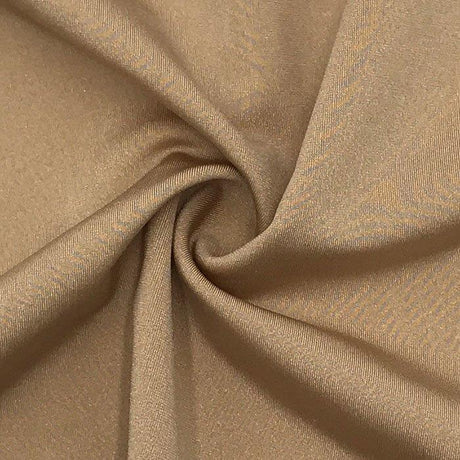
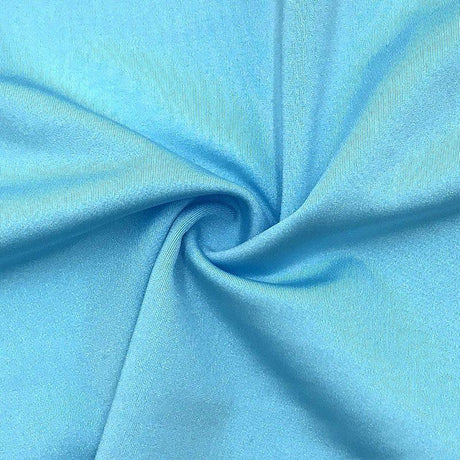
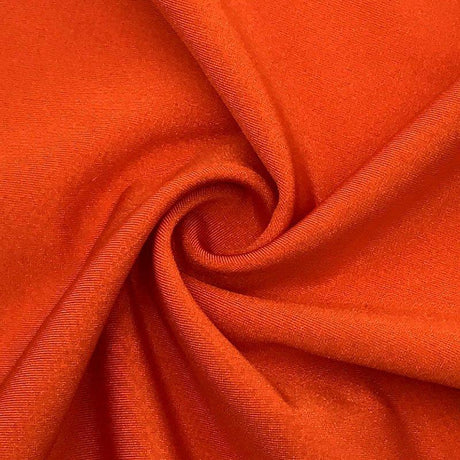
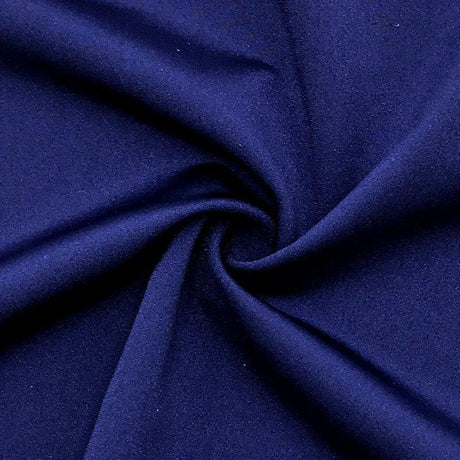
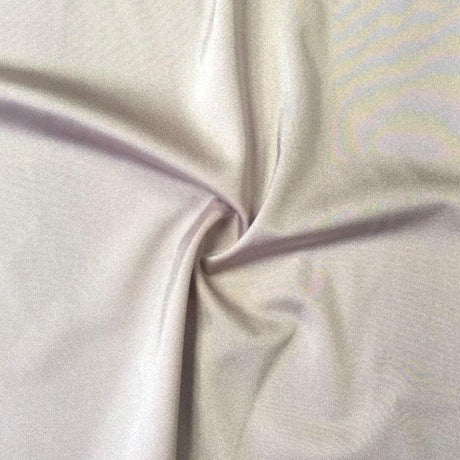
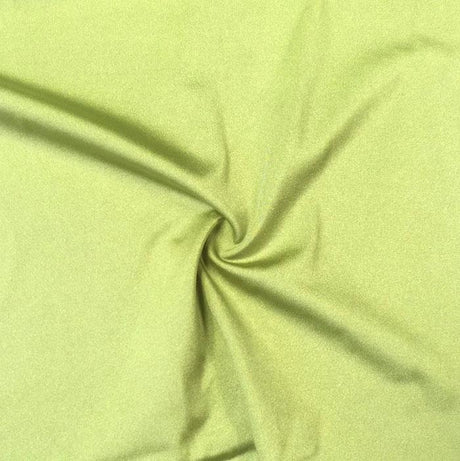
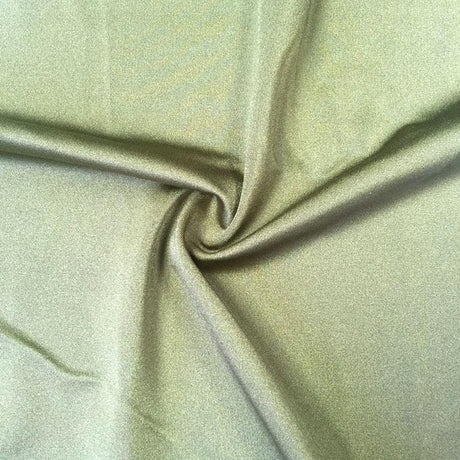
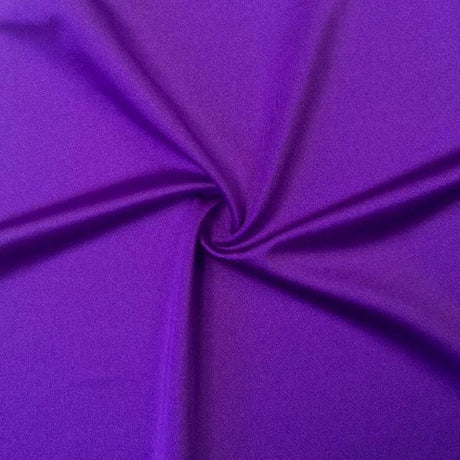
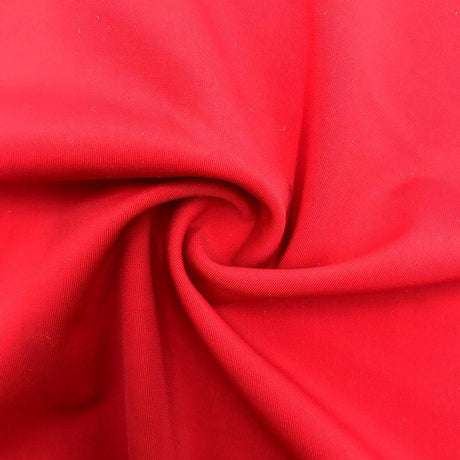
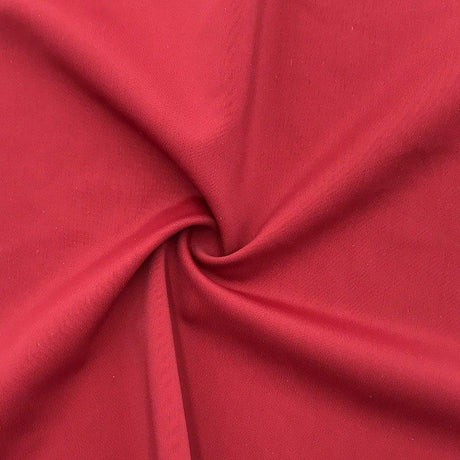
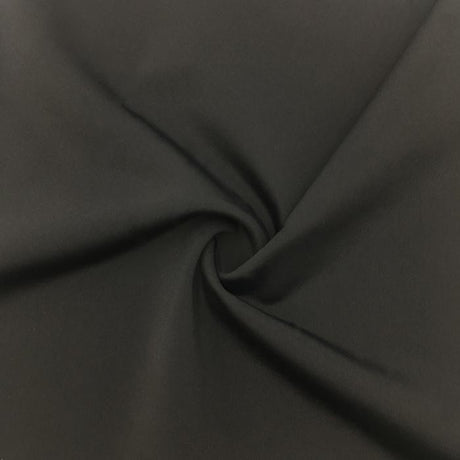
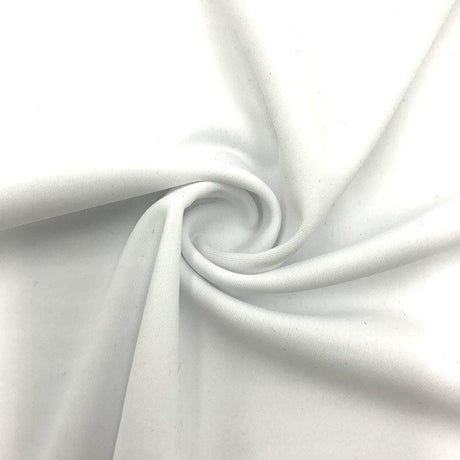
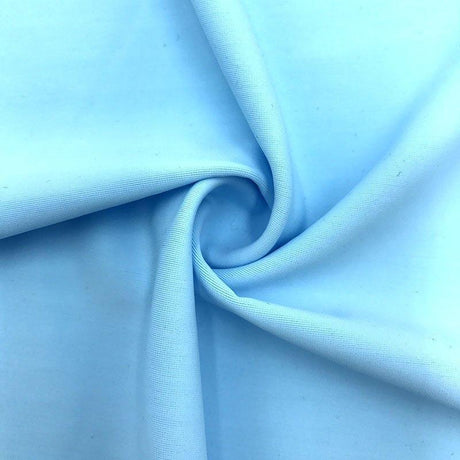
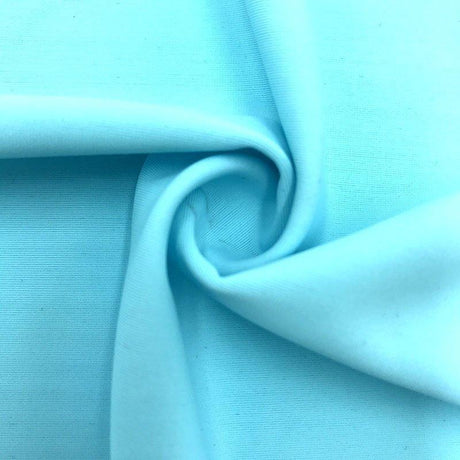
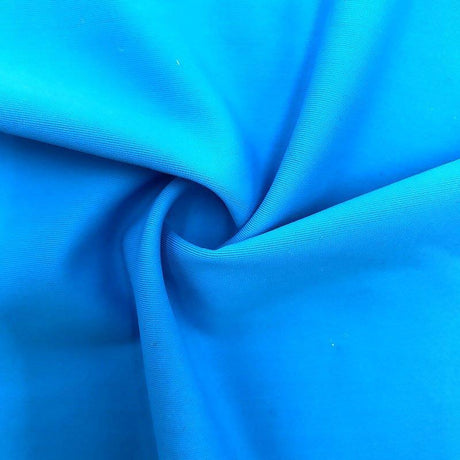
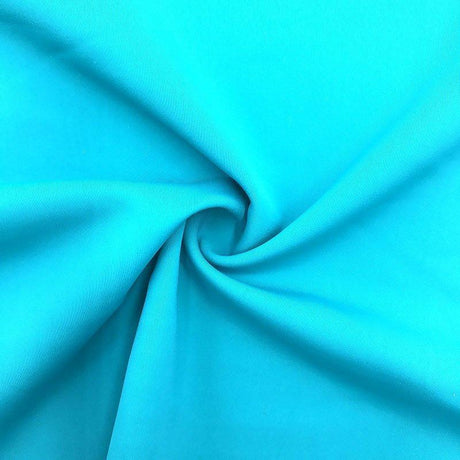
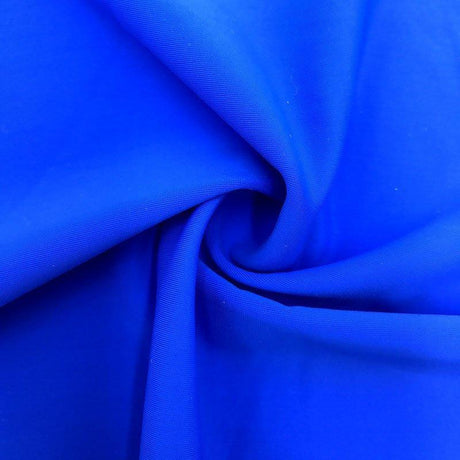
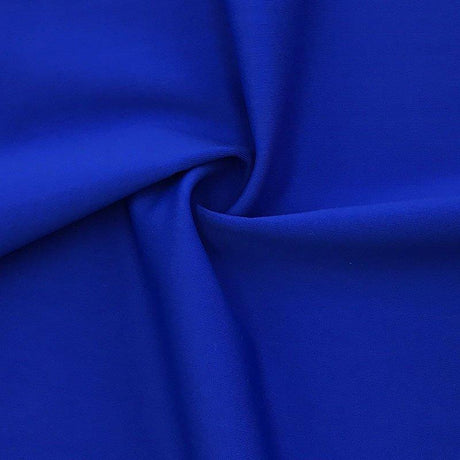
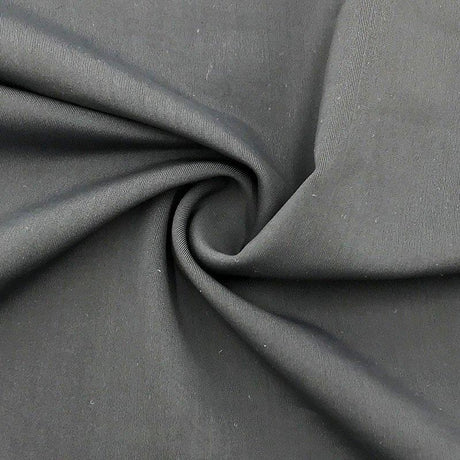
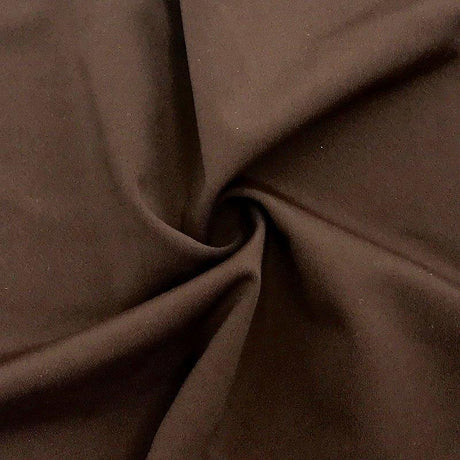
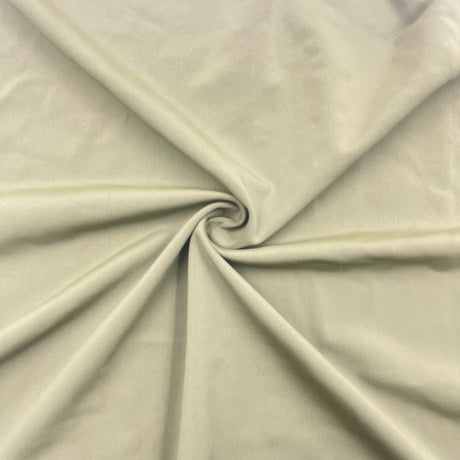
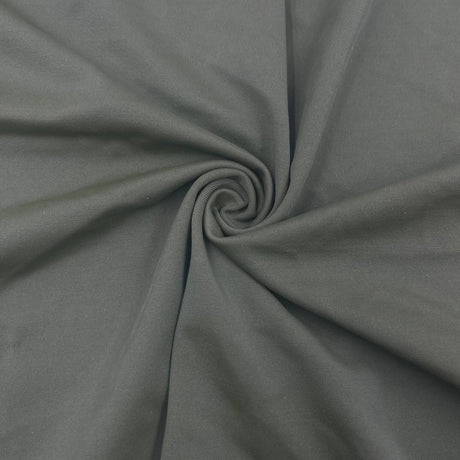
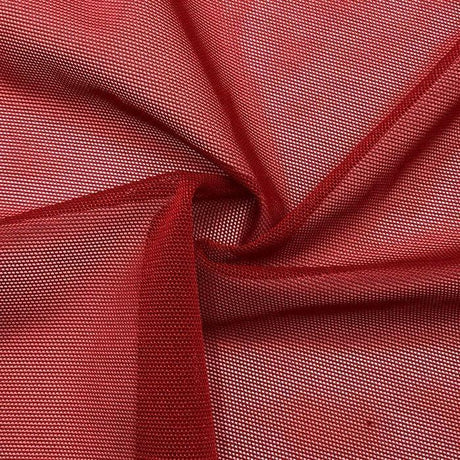
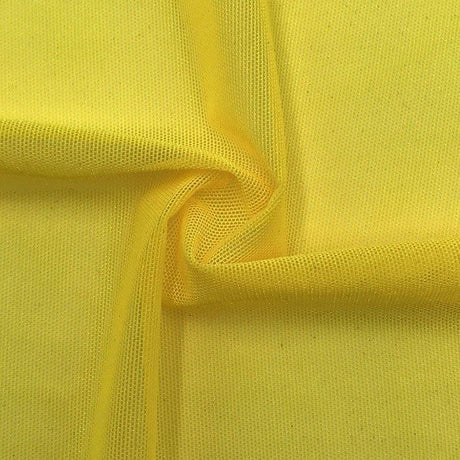
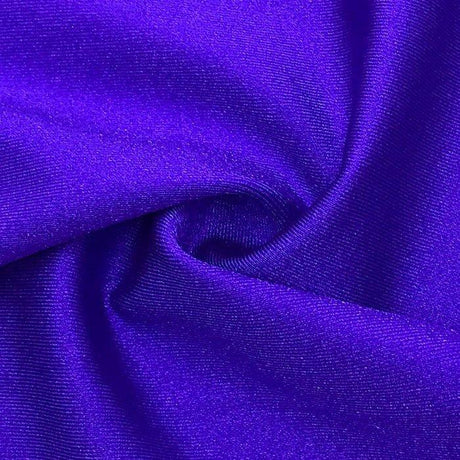
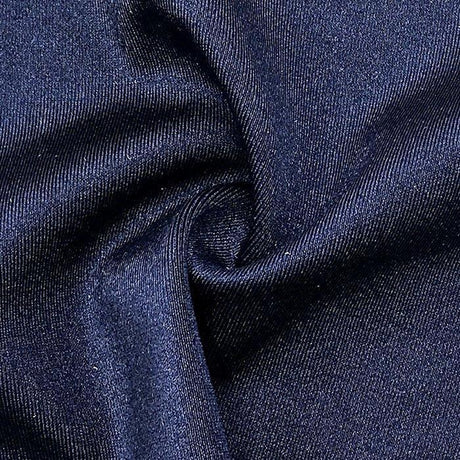
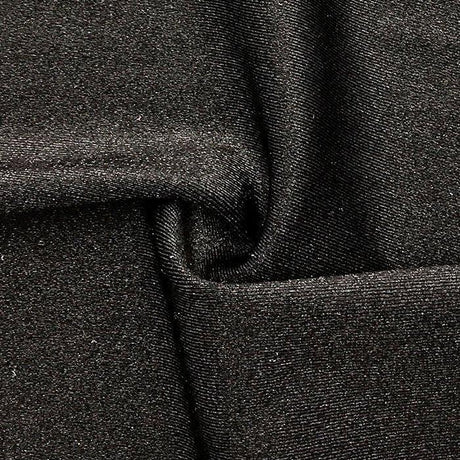
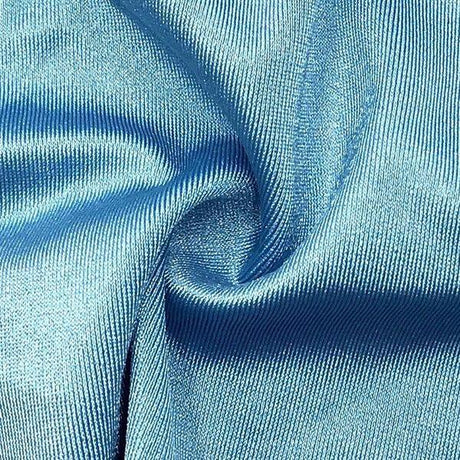
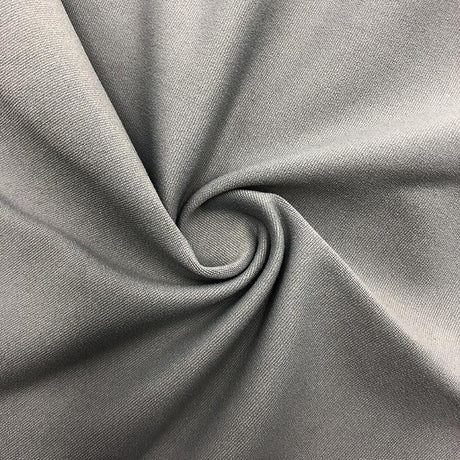
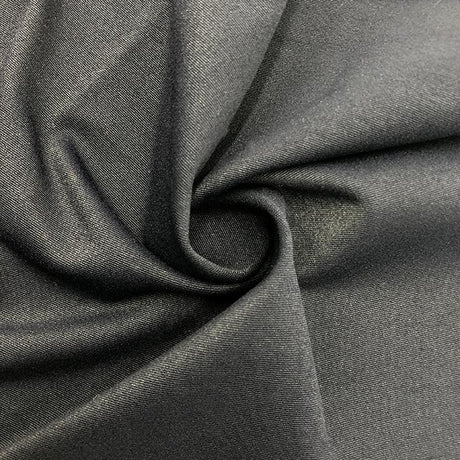
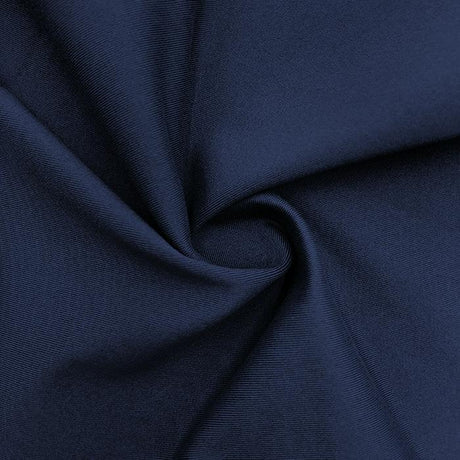
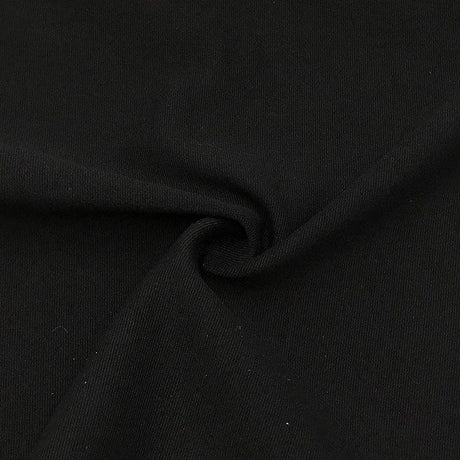
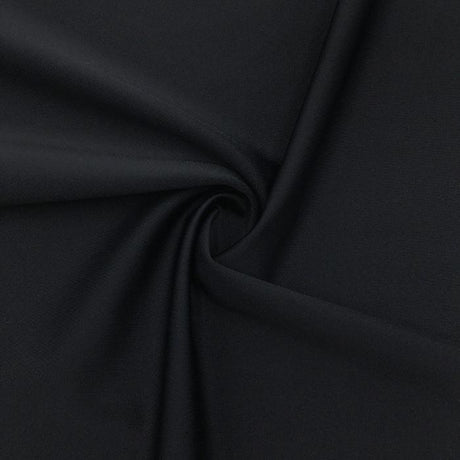
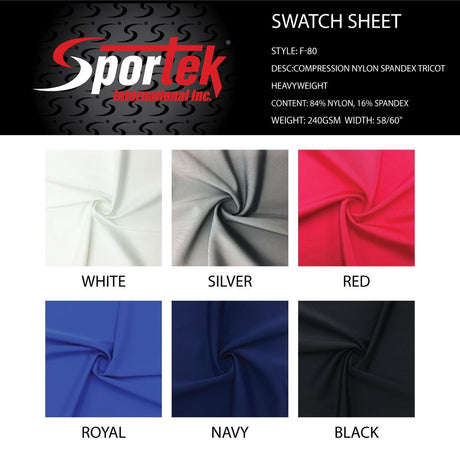
The Challenge: Finding the best fabric for sports bras means balancing solid support, all-day comfort, and moisture control. A sports bra's fabric must prevent excessive bounce during high-impact moves while also wicking sweat and allowing skin to breathe. For a broader foundation on stretch fabric properties before diving in, explore our activewear fabric guide or browse our full fabric guides hub.
Sports Bra Fabric Fundamentals: Weight, Composition & Breathability
Fabric Weight (GSM): The weight or GSM (grams per square meter) of a fabric influences its support and coverage. Heavier, higher-density knits generally provide more compression and support, whereas lighter fabrics offer more flexibility. For example, high-support bras often use thicker materials around 250–300 GSM to ensure a snug hold, while low-impact bras may use lighter fabrics since extreme compression isn't needed. Our fabric weight guide provides a full breakdown of how GSM affects compression, opacity, breathability, and durability across all common spandex-blend constructions.
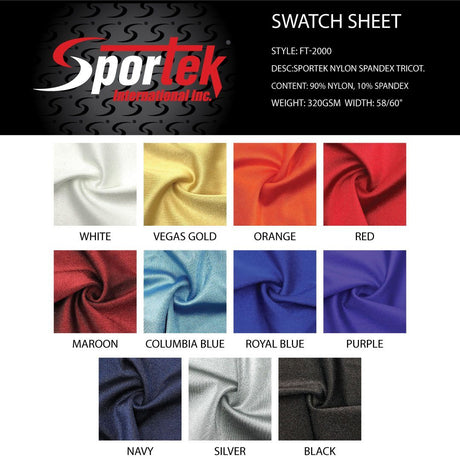
Fiber Composition: Most performance sports bra fabrics are blends of synthetic fibers (polyester or nylon) with elastane (spandex). Nylon/spandex blends (e.g., 80–90% nylon, 10–20% spandex) are prized for their strength, smooth feel, and excellent 4-way stretch. Polyester/spandex blends (e.g., 85–90% polyester, 10–15% spandex) are valued for moisture-wicking and quick drying. Both blends provide the stretch needed, but nylon tends to have a softer handfeel while polyester excels at sweat management. Natural fibers like cotton or bamboo are less common for high-sweat workouts due to moisture retention. Our nylon-spandex fabric guide covers how nylon and polyester companion fibers compare in hand feel, moisture management, and durability for activewear applications.
Breathability & Moisture Management: Breathable fabrics and moisture-wicking capability are non-negotiable for sports bras. Polyester is hydrophobic, meaning it doesn't hold water, so it dries fast and helps keep you dry. Nylon can absorb slightly more moisture but modern nylon fabrics often include wicking treatments to perform similarly. Knit structure also matters: pique or mesh knit panels increase airflow. Our fabric finishes guide covers moisture-wicking surface treatments and how to evaluate their durability across performance spandex-blend constructions.
Key Technical Specs: Stretch, GSM & Durability
Stretch & Recovery: A quality sports bra fabric must stretch to accommodate movement and then spring back to its original shape. High elastane content (often 15–25% spandex in high-support bras) provides that 4-way stretch for mobility. Equally important is recovery – the fabric's ability to snap back without losing shape. Fabrics with controlled, supportive stretch prevent bounce by offering firm hold with each wear. Too much loose stretch (low "power") can undermine support, so aim for materials that are both stretchy and resilient. Our stretch fabric types page covers how spandex percentage translates to real-world stretch percentages and recovery ratings across all common blend types.
Support & Compression (Fabric Power): Beyond just stretch percentage, consider a fabric's power or compressive strength. Higher GSM and tighter knit fabrics tend to increase compression, holding the bust more firmly against the chest. For high-impact activities, a dense knit with high spandex yields the necessary compression and bounce control. Some designs even use limited-stretch (two-way stretch) panels in certain areas for added reinforcement.
Durability and Quality: Sports bra fabrics take a beating from constant stretching, sweat, and frequent washing. Durable options (often nylon or high-tenacity polyester blends) resist abrasion and pilling. Consider colorfastness – dyes should not bleed when you sweat. A durable fabric maintains its supportive stretch and appearance after dozens of workout cycles. Our spandex care guide covers how chlorine, UV, and heat degrade elastane fibers and the care protocols that maximize garment lifespan.
Comfort & Handfeel: The best fabric for sports bras isn't just strong – it should feel good against the skin. Many modern sports bra textiles have a soft, brushed interior or seamless construction to minimize chafing. Prioritize materials labeled "soft touch" or "anti-chafe" for bras intended for long wear or low-impact daily use.
Lining and Layering for Support & Comfort
Dual-Layer Construction: Quality sports bras often use a dual-layer approach – an outer shell fabric for strength and an inner lining for either additional support or comfort. This layering helps achieve both a secure fit and a comfortable feel. For instance, a high-compression outer fabric may be paired with a soft wicking lining to balance performance and comfort.
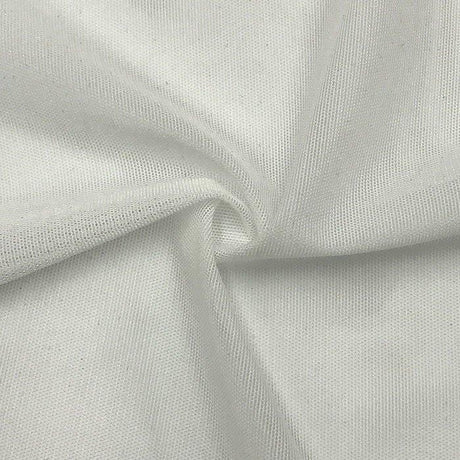
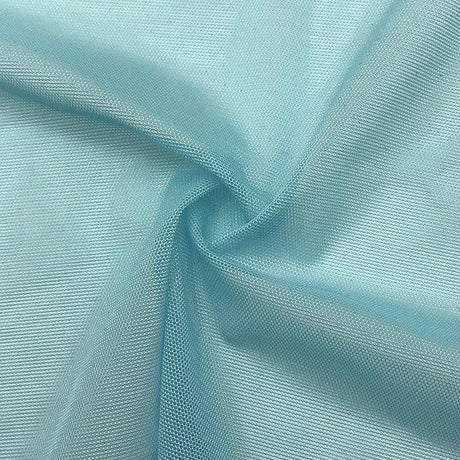
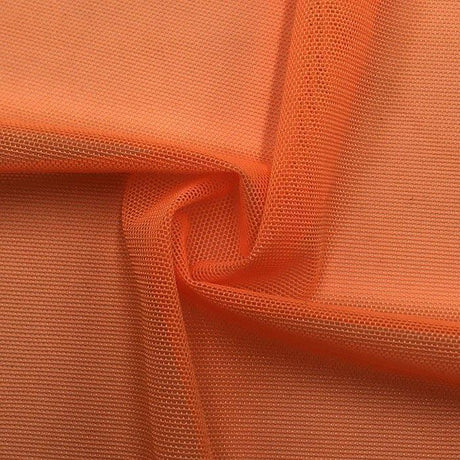
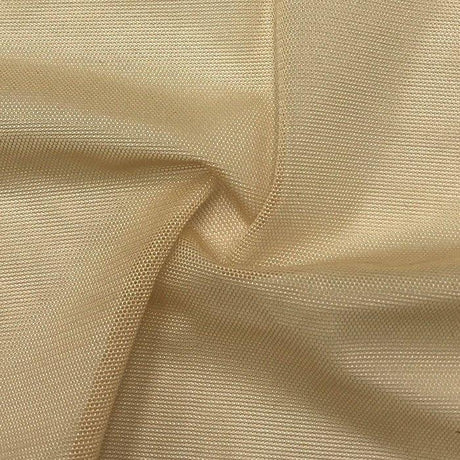
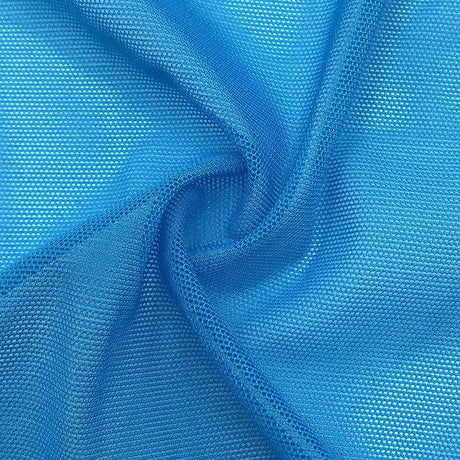
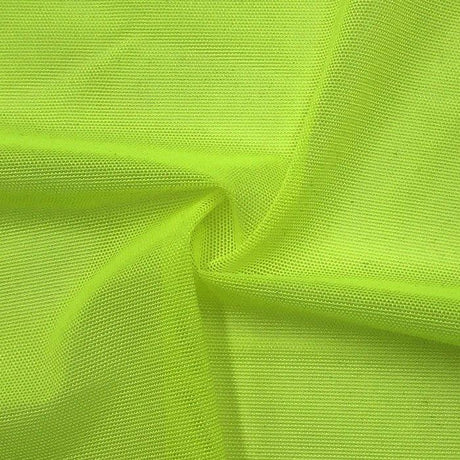
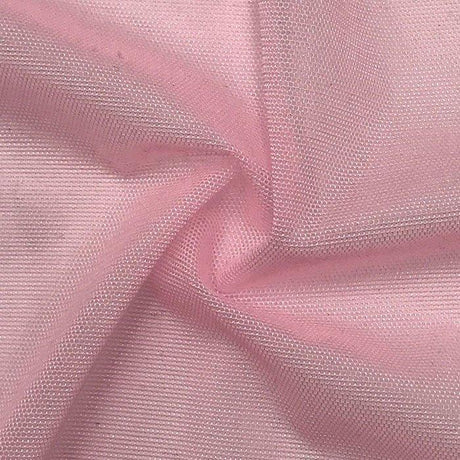
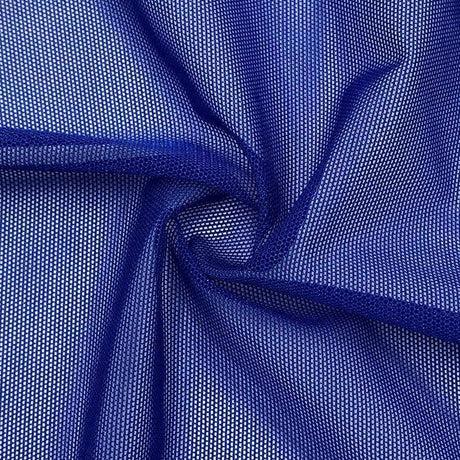
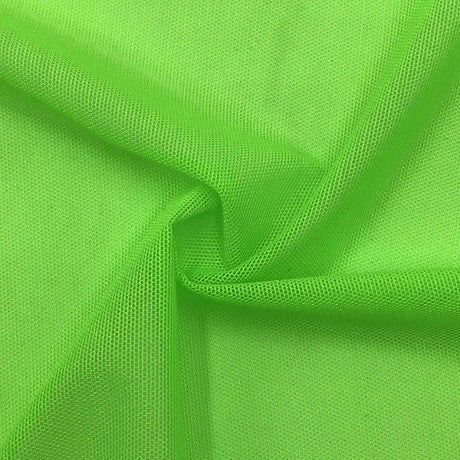
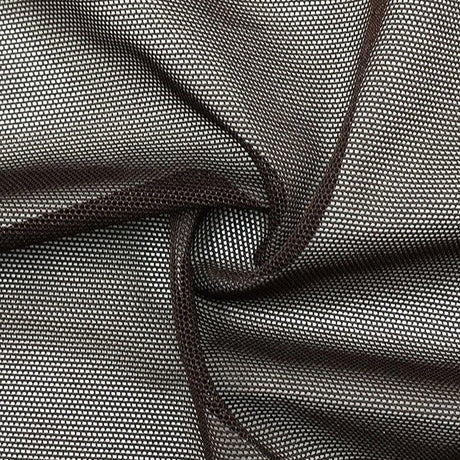
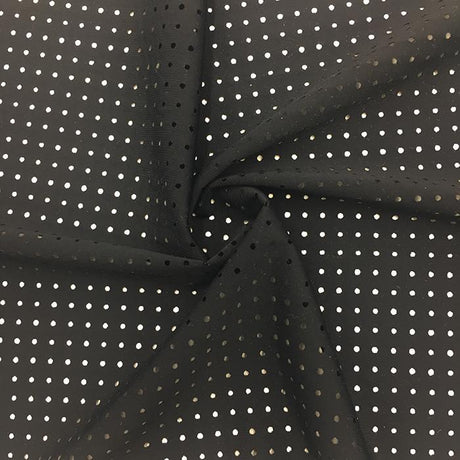
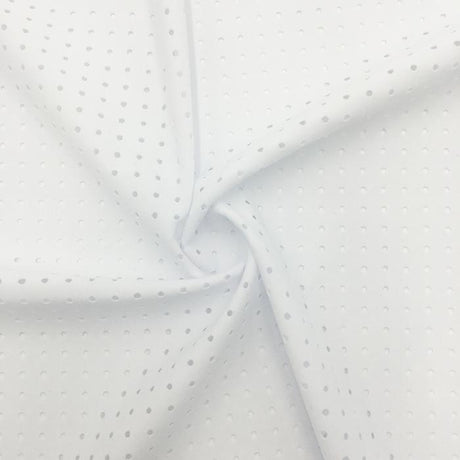
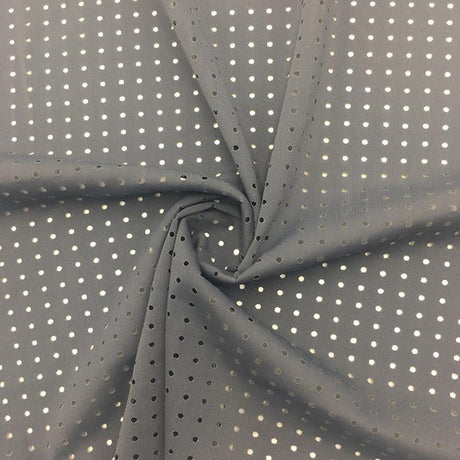
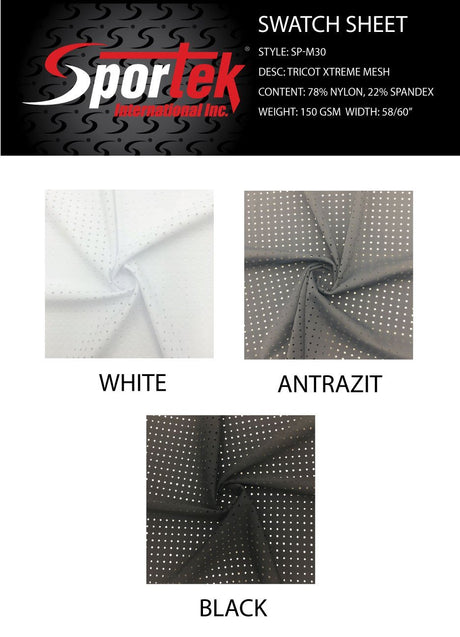
Power Mesh Lining for Support: A power mesh (a strong, small-hole mesh) can act as an internal sling or panel that provides extra reinforcement to high-stress areas without adding bulk. This mesh lining boosts support and stability while also improving breathability by allowing airflow. You'll often see breathable mesh lining the front or sides of bras to keep them light and cool during high-impact training. Our swimwear fabric guide covers how power mesh and power net linings are incorporated into performance garment construction – techniques that translate directly to high-support sports bra design.
Comfort Linings: In lower-impact or all-day wear bras, designers may include a comfort lining made of cotton jersey or a brushed fabric. While cotton or modal linings can increase comfort, they are used sparingly in high-sweat areas because they hold onto moisture. The key is to place natural fiber linings where they enhance comfort but still rely on performance fabrics for the outer layer or any area needing support.
Choosing the Right Fabric by Impact Level
High-Impact Activities (Running, HIIT, Sports)
For high-impact sports bras designed for running, aerobics, or high-intensity training, prioritize compression and stability. Look for heavy weight, robust knits (often warp-knit fabrics or thick interlocks) with a high spandex content (15–25%). Many high-impact bras use specialty fabrics like high-power nylon/spandex blends or incorporate power mesh panels for targeted reinforcement. Breathability is still crucial – features like mesh panels or ventilating keyholes help dump heat since these activities generate a lot of sweat. Our activewear fabric guide covers compression performance benchmarks across all common high-impact activewear fabric constructions.
Medium-Impact / Everyday Wear (Gym, Cycling, Dance)
Medium-impact sports bras (for activities like gym workouts, cycling, or dance) call for a balance between support and comfort. A medium-weight fabric (maybe ~180–220 GSM) with moderate spandex (10–15%) typically suffices. Fabrics like polyester/spandex interlock or double-knit are common here – they offer decent support and are often a bit softer or more flexible than the ultra-firm high-impact materials. The focus at this level is on all-day wearability: the fabric should feel comfortable for extended periods.
Low-Impact & Yoga (Stretching, Yoga, Leisure)
Low-impact bras for yoga, stretching, or casual wear prioritize flexibility, breathability, and a soft feel over maximum compression. Here, lighter fabrics with high stretch shine – for instance, a light jersey or rib-knit with 4-way stretch that allows unrestricted movement. The fabric might be around 150–180 GSM. Natural fiber blends can come into play: some low-impact designs use cotton-spandex or bamboo-spandex blends for their gentle, comfortable touch. Our cotton-spandex fabric guide covers how cotton-spandex blends achieve the soft-touch stretch that makes them popular for yoga and low-impact applications.
When to Use Cotton Spandex Fabrics
Softness vs. Performance: Cotton-spandex fabric (e.g., 90–95% cotton, 5–10% spandex) is occasionally chosen for sports bras, but usually for specific cases. The appeal is the soft, breathable comfort of cotton against the skin. If the wearer values a natural feel or has very light activity in mind, cotton blends can be suitable.
Drawbacks of Cotton Blends: Pure cotton absorbs and holds onto moisture, which means sweat doesn't evaporate quickly. A cotton-rich sports bra fabric will tend to get damp and stay damp, potentially causing discomfort or chafing during intense exercise. This is why you won't see pure cotton in high-support athletic bras – it just can't manage moisture and bounce effectively.
Best Use Cases: Use cotton-spandex for low-sweat, low-impact situations: yoga, lounging, or casual everyday bras where ultimate moisture-wicking isn't critical.
Tips When Using Cotton Blends: Ensure the blend still contains enough spandex (at least ~5–10%) to provide some stretch and recovery. Consider using cotton-spandex as a lining rather than the entire bra if you want the soft touch on skin but need more robust fabric on the exterior.
Common Fabric Selection Mistakes to Avoid
Choosing Insufficient Support: Avoid picking a fabric with too little spandex or structure for the intended activity. Match fabric capability to use case: high-impact needs strong compression fabric, whereas low-impact can use lighter stretch fabrics.
Wrong Stretch Direction Cut: When cutting and sewing a sports bra, it's critical to align the fabric's greatest stretch with the body's needs. Always identify the direction of greatest stretch and orient pattern pieces accordingly so the finished bra has stretch in the right directions (usually around the body). Our how to sew stretch fabric guide covers stretch direction alignment, needle selection, stitch type, and machine settings for all common spandex-blend activewear constructions.
Poor Sewing Techniques: Using a non-stretch stitch or the wrong needle can cause seams to pop and fabric to run. When working with high-stretch sportswear fabric, use stretch stitches (zigzag or serger) and the appropriate needle to preserve the fabric's integrity.
Neglecting Fabric Care: High heat and strong detergents can degrade spandex over time. Always wash sports bras in cool water and line dry them. Our spandex care guide and fabric care guide cover complete laundering protocols for all common spandex-blend garment types.
Fabric Features Checklist for Buyers
✅ 4-Way Stretch & Recovery: Ensure the fabric stretches in both directions and snaps back to shape. Our stretch fabric types page covers how to verify true 4-way stretch and compare stretch percentages.
✅ High Elastane Content: Look for at least 10–20% elastane (spandex) in the blend for a supportive sports bra. Higher spandex (15% or more) typically means more compression and better shape retention.
✅ Moisture-Wicking Fibers: Choose fabrics labeled as moisture-wicking or quick-dry (common in polyester or nylon blends) to keep sweat off the skin.
✅ Breathable Construction: Check if the material has mesh panels, perforations, or an airy knit pattern that promotes airflow.
✅ Appropriate Fabric Weight: Match the GSM/thickness to your needs – heavier fabric for high-impact support, lighter fabric for comfort and flexibility in low-impact wear. Our fabric weight guide provides GSM ranges for all common sports bra fabric constructions.
✅ Soft Touch or Lining: Feel the fabric's inside surface – it should be soft or smooth to prevent irritation.
✅ Durability Indicators: Opt for fabrics with features like anti-pilling, UV resistance, or chlorine-resistant spandex if available.
Conclusion
Selecting the right fabric is the foundation for designing a sports bra that truly performs. By understanding technical details – from support levels and stretch quality to linings and breathability – manufacturers and DIY creators can make informed choices. The payoff for this careful fabric selection is a bra that meets its purpose: offering exceptional support, comfort, and moisture management for the wearer.
Ready to find the right fabric for your project? Use our fabric weight guide and stretch fabric types page to evaluate technical specifications, our nylon-spandex fabric guide and activewear fabric guide for curated fabric recommendations, and our how to sew stretch fabric guide for complete construction guidance. Our spandex care guide and fabric care guide keep every finished garment performing at its best. Have questions? Our expert help and advice page and FAQ are always available. Sign up for SpandexByYard Rewards to earn points on every purchase – because the right fabric is the foundation of every great sports bra.