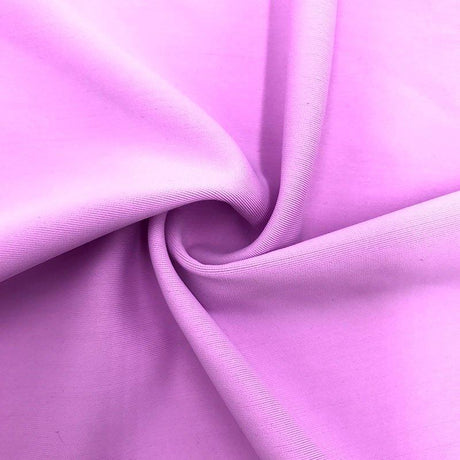
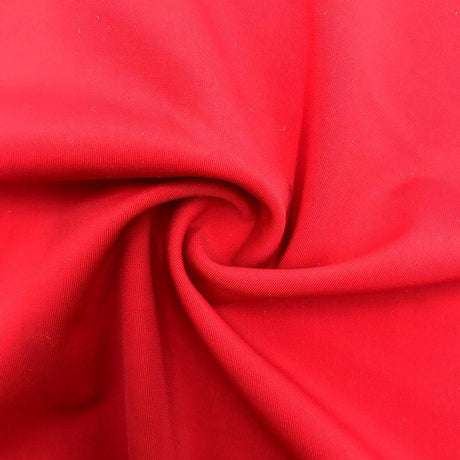
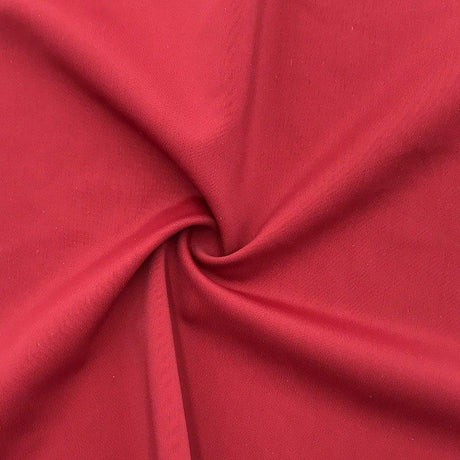
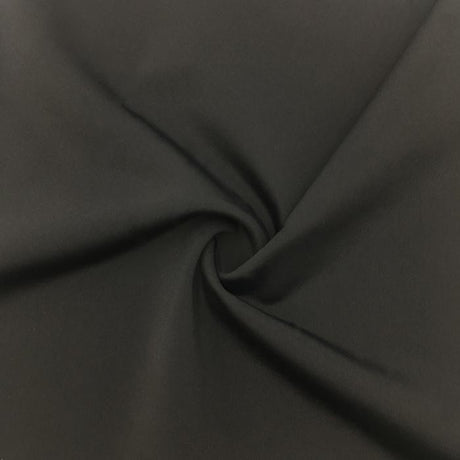
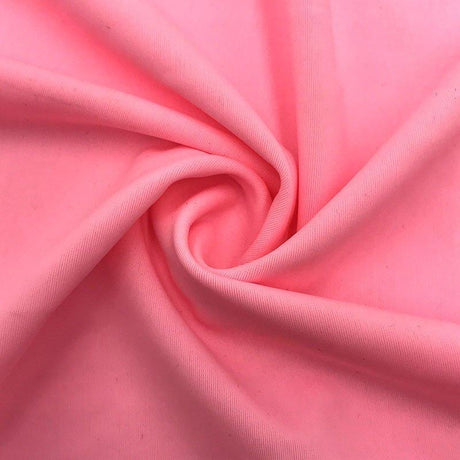
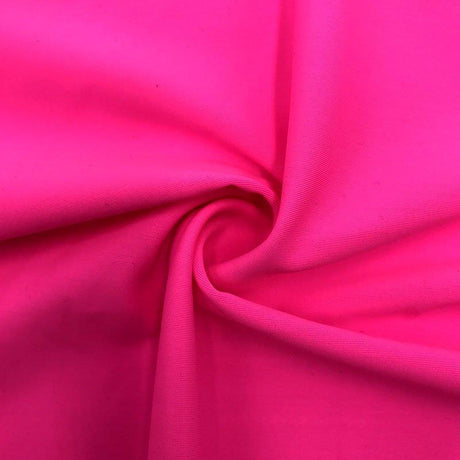
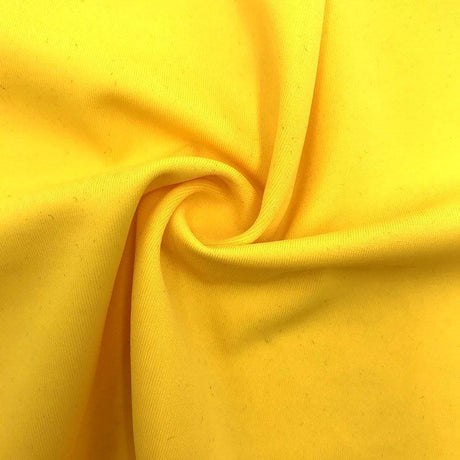
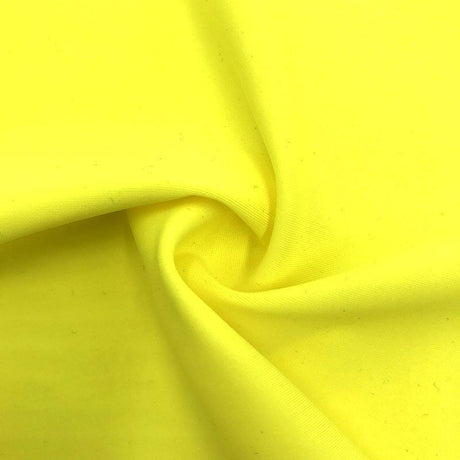
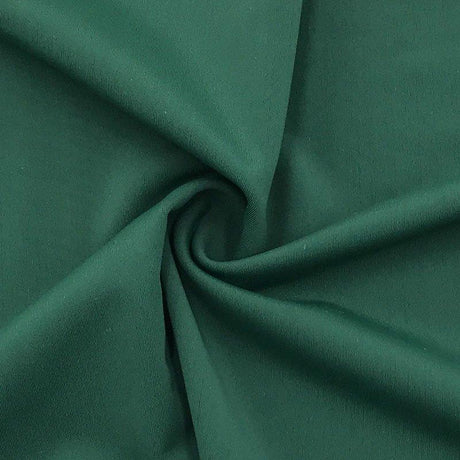
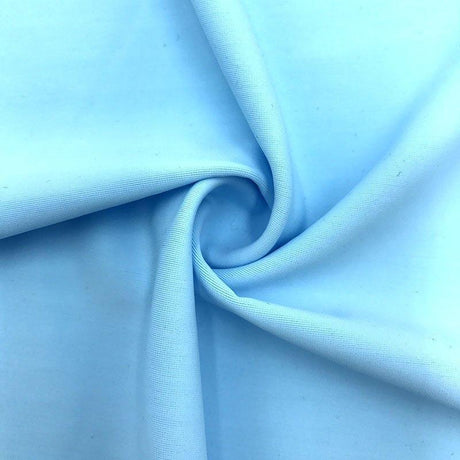
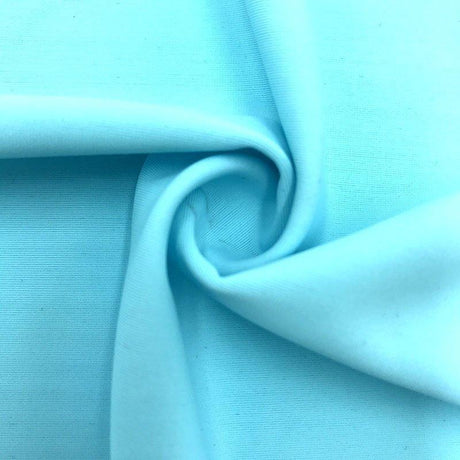
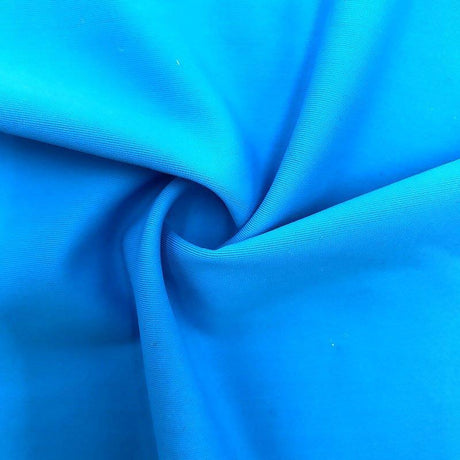
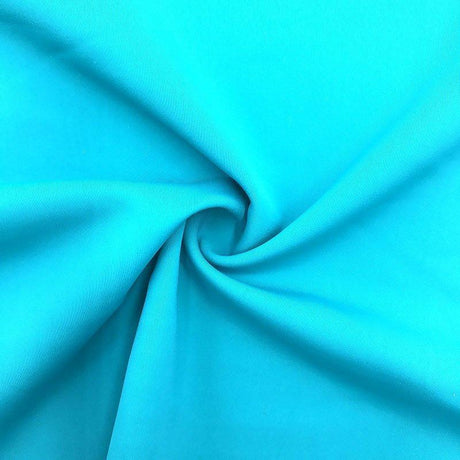
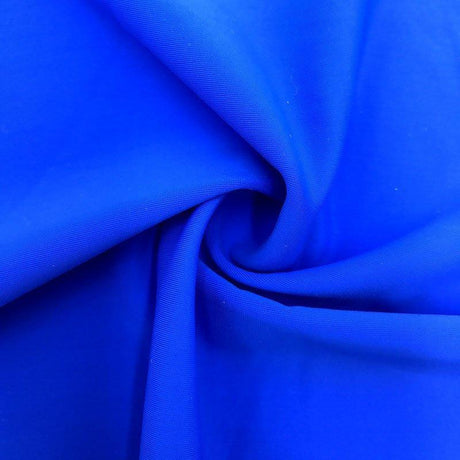
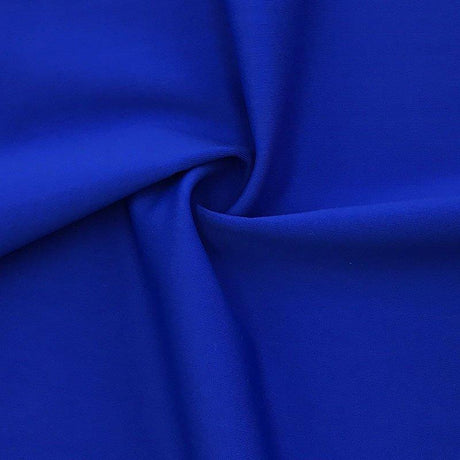
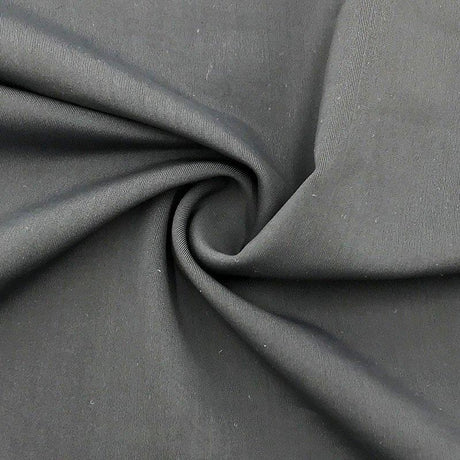
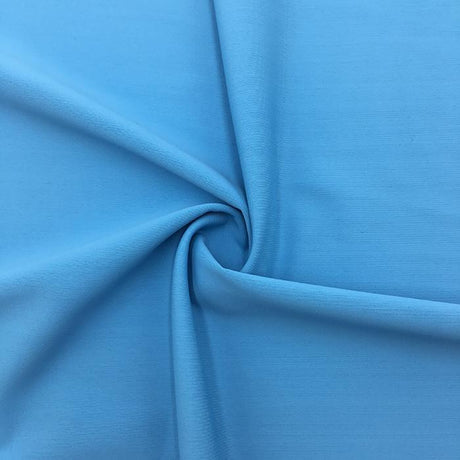
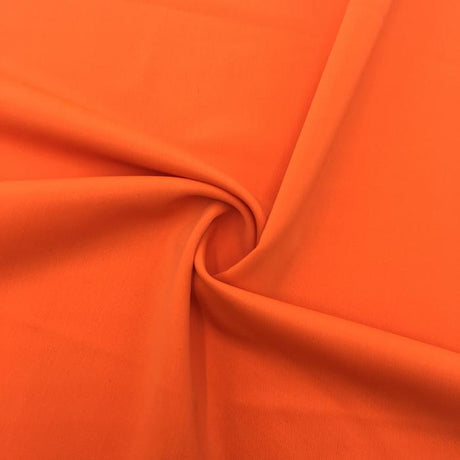
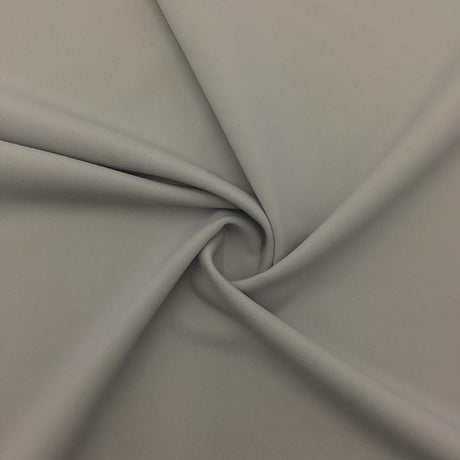
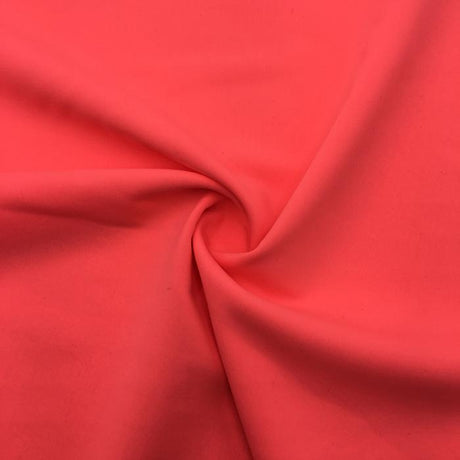
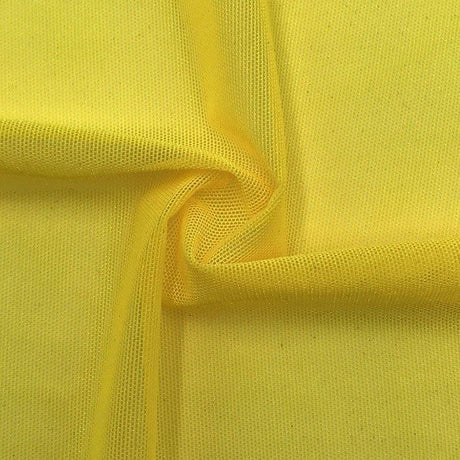
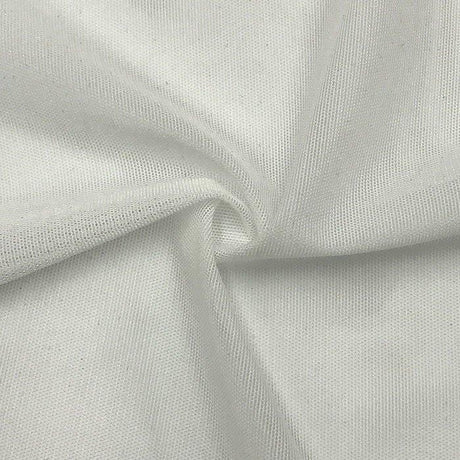
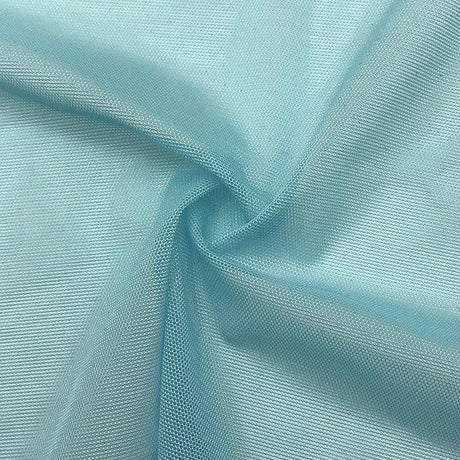
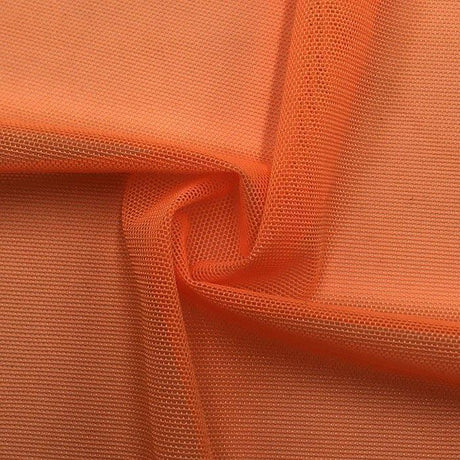
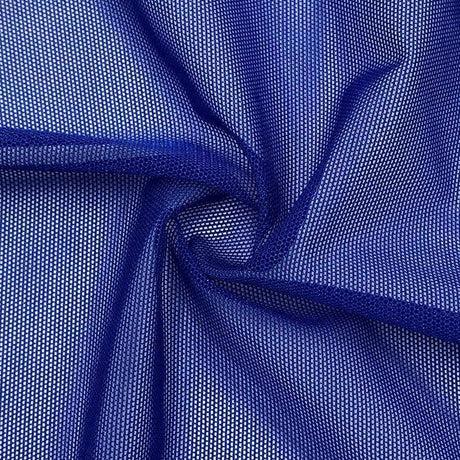
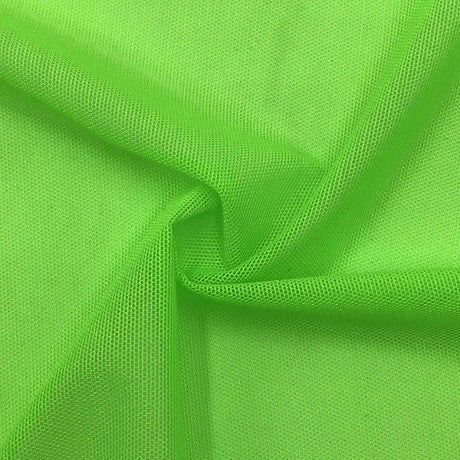
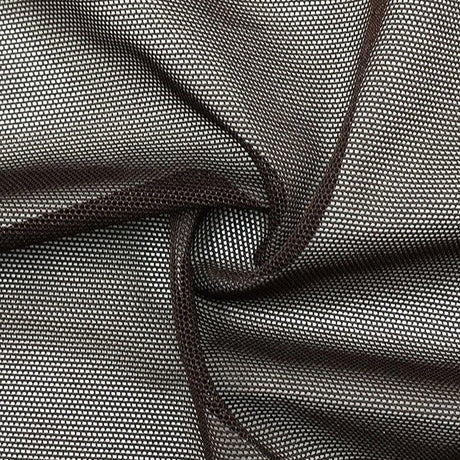
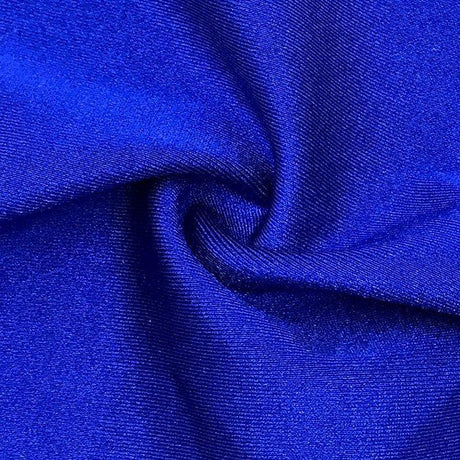
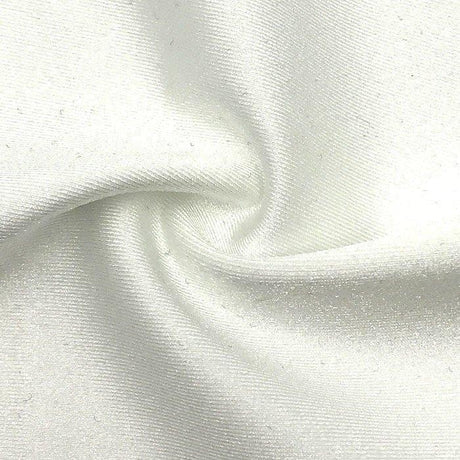
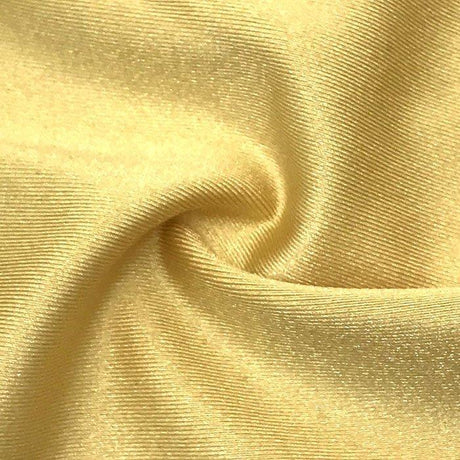
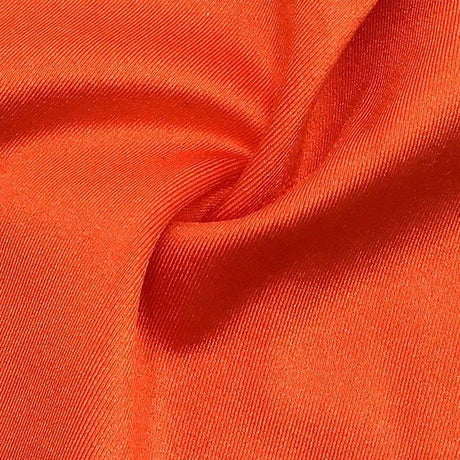
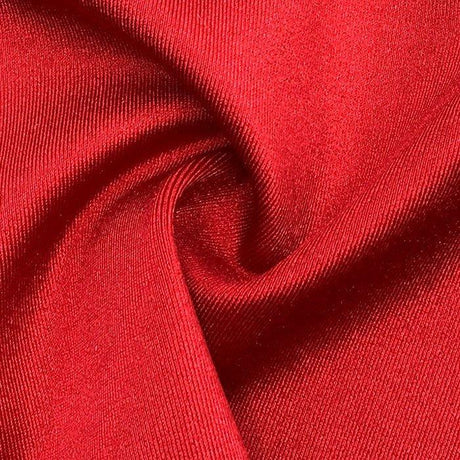
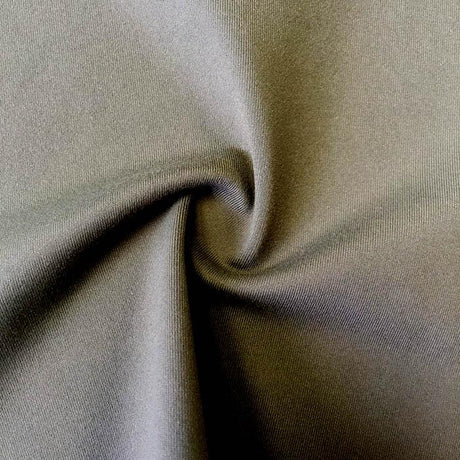
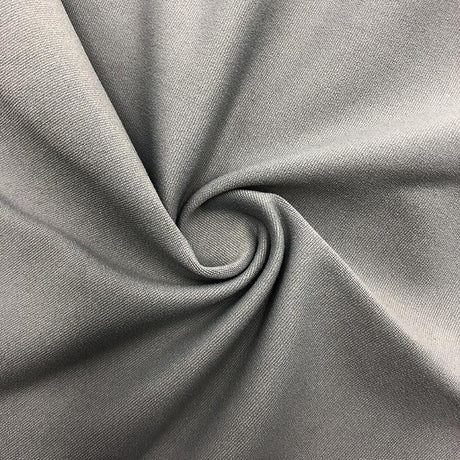
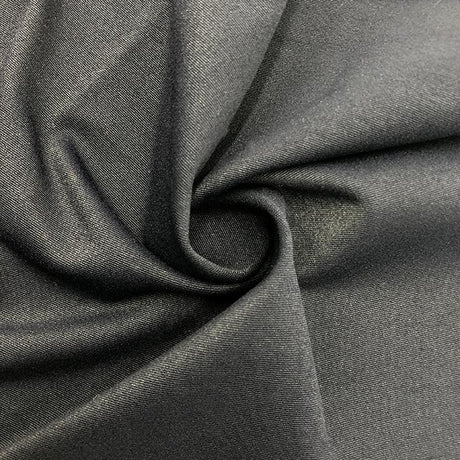
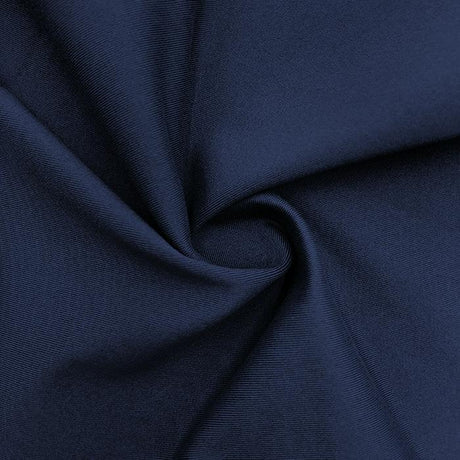
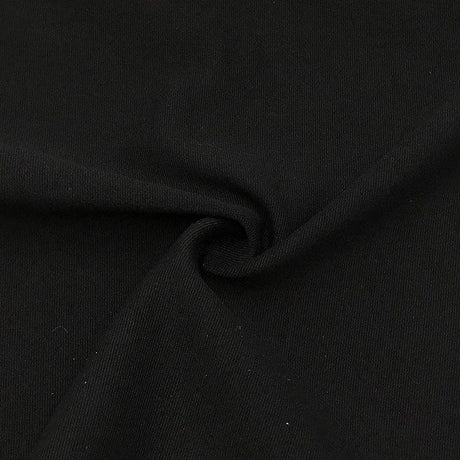
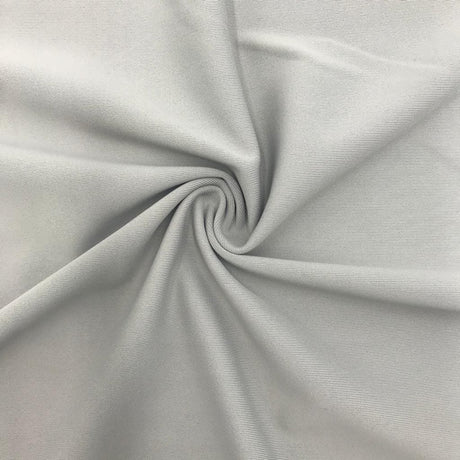
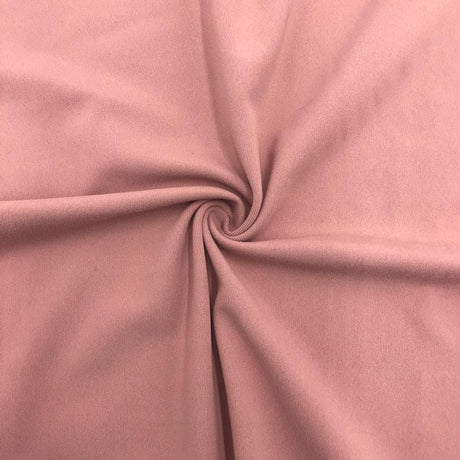
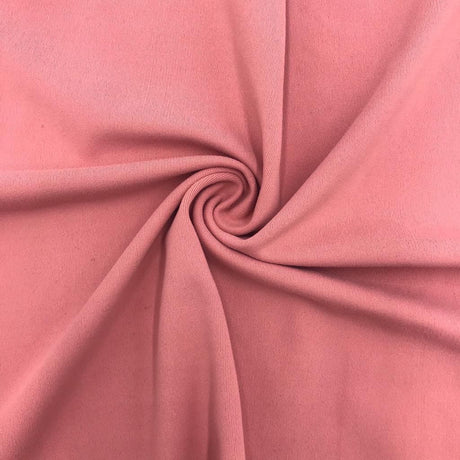
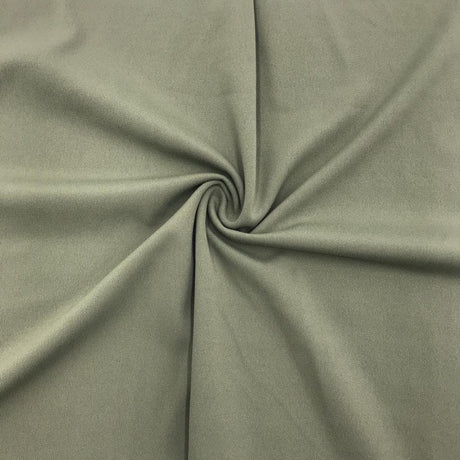
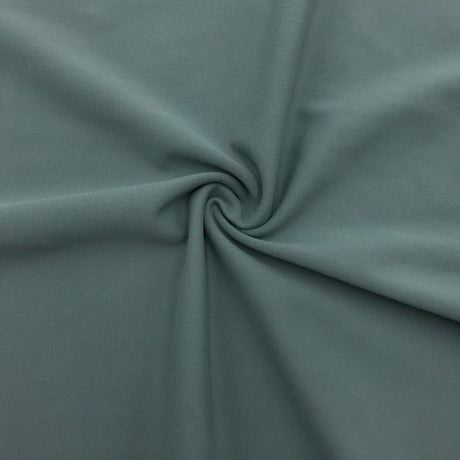
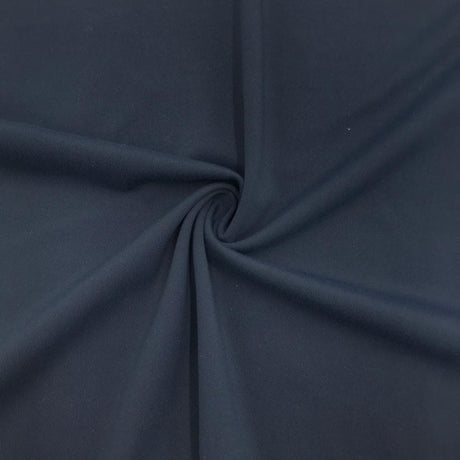
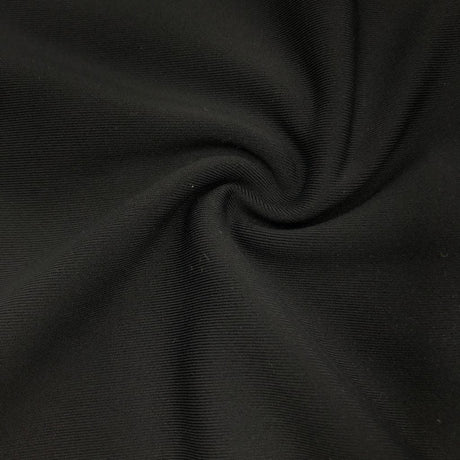
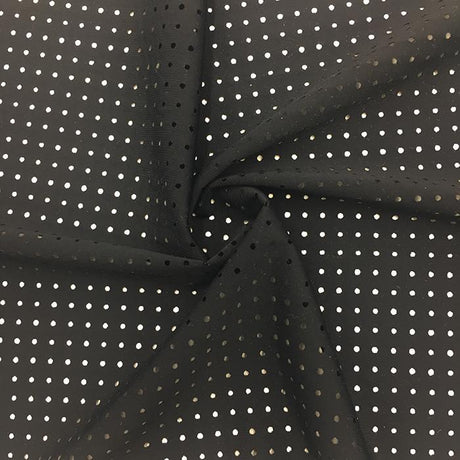
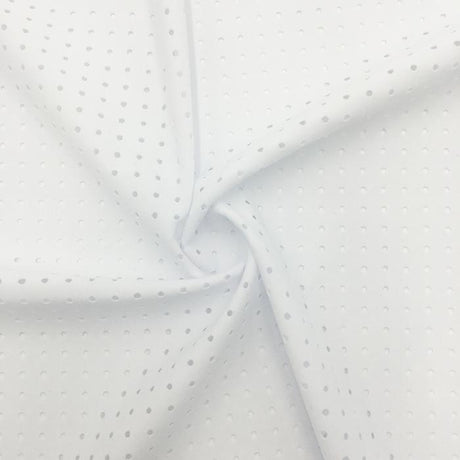
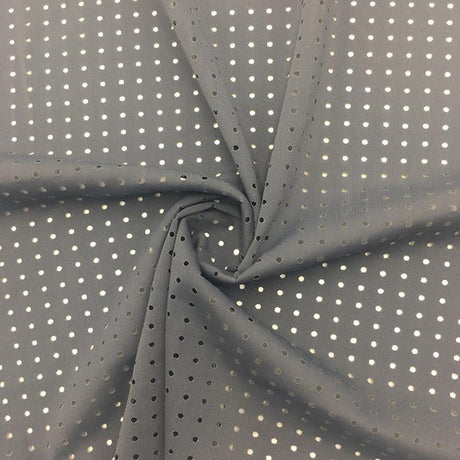
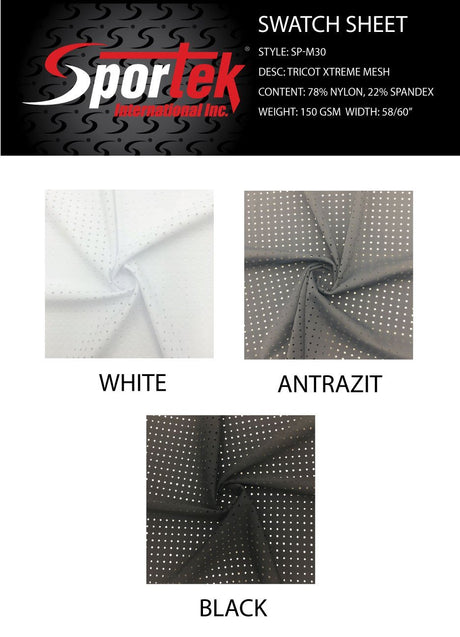
Choosing the right fabric for kids’ gymnastics leotards and dancewear is crucial for both comfort and durability. An ideal material prevents irritation and withstands all the flips and bends. Modern technical fabrics (like spandex blends) have revolutionized kids’ activewear with moisture-wicking, 4-way stretch fabric materials that keep up with energetic routines.
This article will first educate on key fabric qualities, then provide a technical comparison of popular materials, guide you on choosing the right one, and finally give use-case examples for various scenarios.

Key Factors in Gymnastics/Dancewear Fabric
Comfort: Softness and breathability are non-negotiable for kids. Look for fabrics that feel gentle on the skin and allow airflow (e.g., cotton blends or materials with a smooth finish). If using scratchy embellishments or metallic fabrics, consider adding a soft lining for comfort to prevent irritation. You can also explore our fabric care guide to maintain softness over time.
Stretch & Recovery: A high degree of 4-way stretch is the gold standard. The fabric should stretch in all directions and snap back to its original shape. This durable stretch for leotards ensures full range of motion without the outfit becoming baggy. Learn more in our stretch fabric types guide.
Durability: Kids’ activewear takes a beating, so fabric must withstand constant movement and frequent laundering. Blends of spandex with strong fibers like nylon or polyester are ideal – they resist tears, abrasion, and repeated stretching. See how durability relates to fabric weight (GSM).
Moisture Management: Active kids sweat, so materials that are moisture-wicking or quick-drying help keep them comfortable. Nylon and poly-spandex fabrics tend to wick sweat better than cotton. For more, check our activewear fabric guide.
Common Fabric Types for Kids’ Leotards
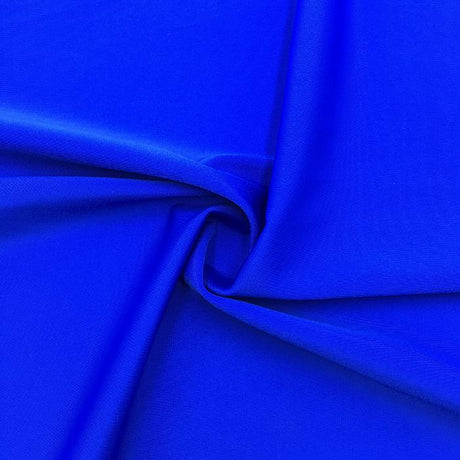
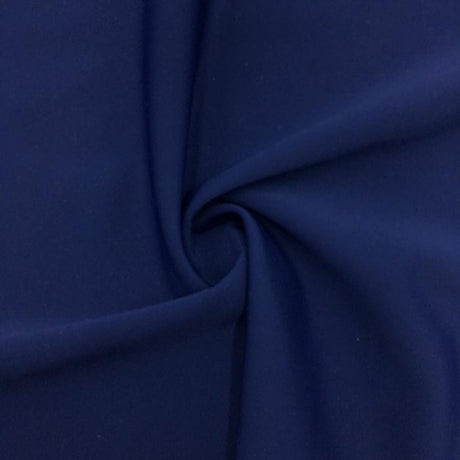
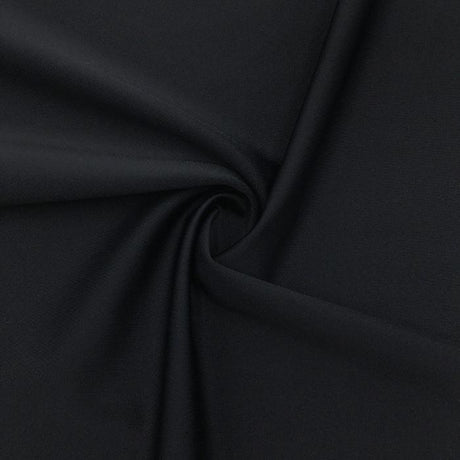
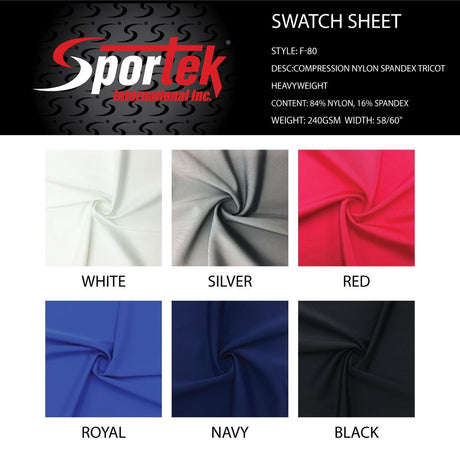
Nylon-Spandex (Lycra)
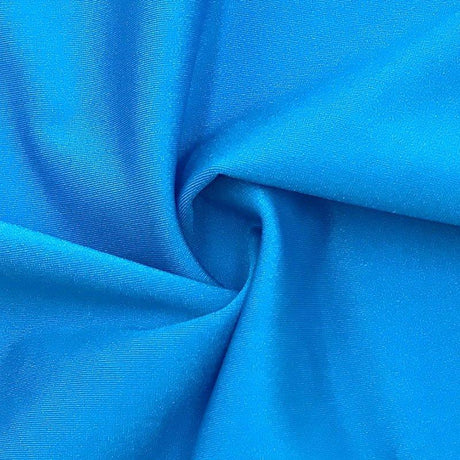
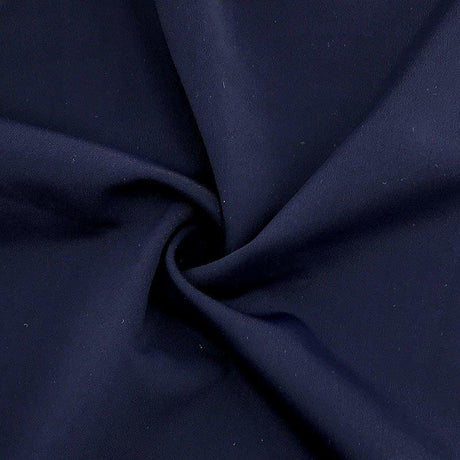
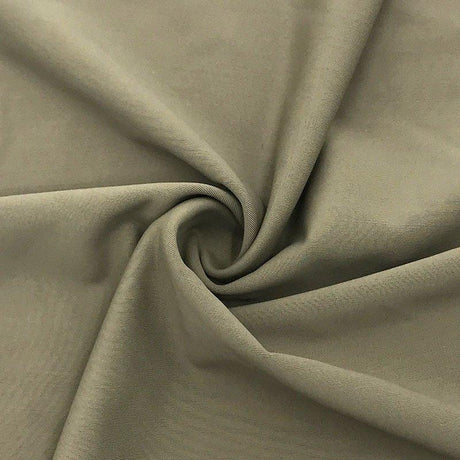
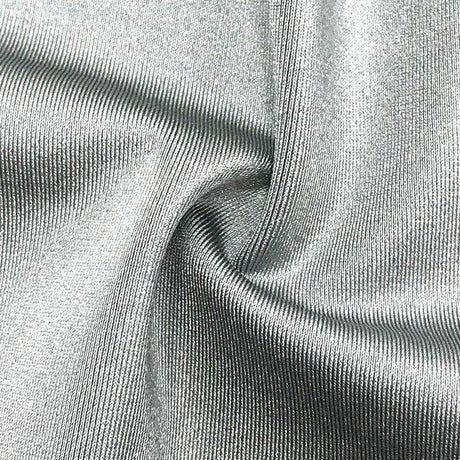
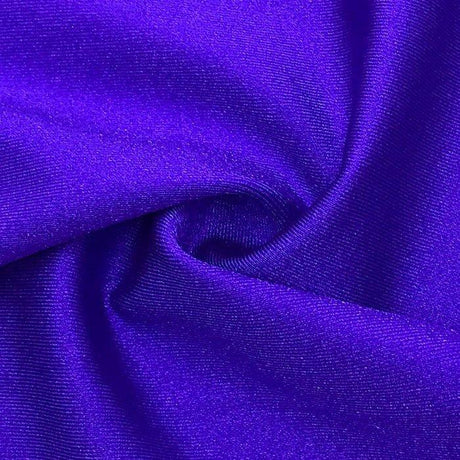
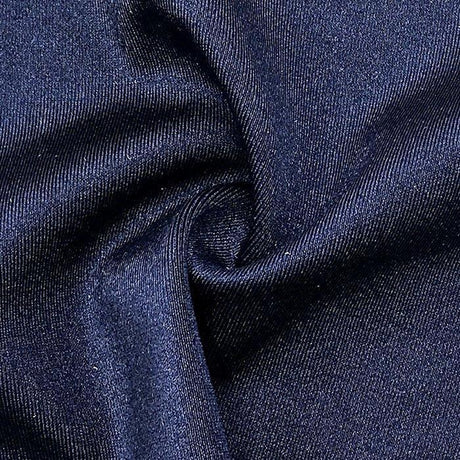
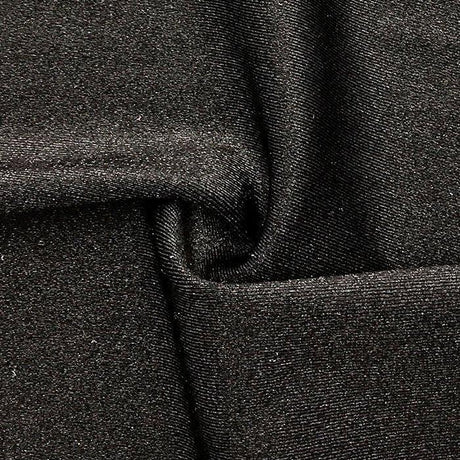
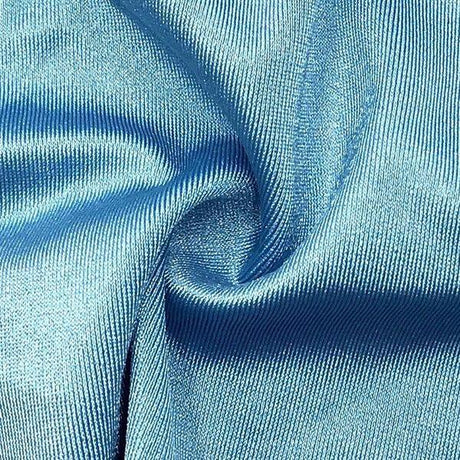
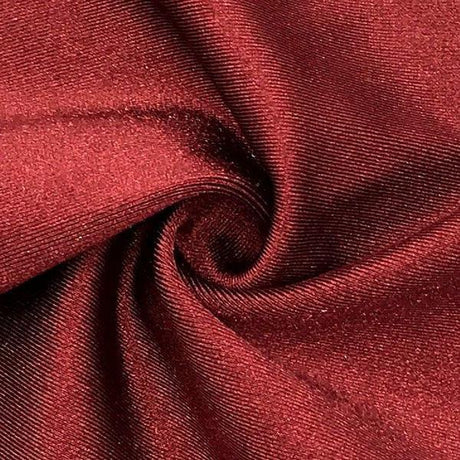
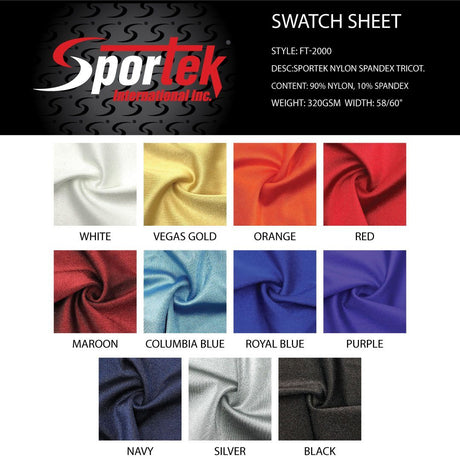
Description: A blend of nylon (polyamide) and spandex – often a tricot knit with a smooth texture. Available in matte or shiny finishes. Browse nylon spandex fabric options.
Properties: Excellent 4-way stretch and strong recovery. Typically ~80% nylon, 20% spandex. Medium weight (~200 GSM) for support. See full breakdown in our nylon spandex fabric guide.
Benefits: Lightweight yet extremely durable. Resists pilling and fading, wicks moisture, and dries quickly.
Use: Ideal for competitive gymnastics and performance dancewear requiring durability and stretch.
Polyester-Spandex
Description: Polyester blended with spandex, commonly used for printed fabrics. Learn more about sublimation fabrics for vibrant designs.
Properties: 4-way stretch with strong recovery. Mid-weight (~180–200 GSM). Quick-drying and colorfast.
Benefits: Durable, UV-resistant, and perfect for printed stretch designs that stay vibrant after washing.
Use: Ideal for practice wear, team uniforms, and fun printed designs.
How to Choose the Right Fabric
Match Fabric to Activity Level: Competitive training requires durable fabrics like nylon-spandex, while lighter activities can use softer blends. See our how to choose fabric guide.
Check Stretch & Recovery: Always ensure 4-way stretch for movement. Learn how to evaluate this in our stretch fabric guide.
Fabric Composition Matters: Aim for blends with 10–20% spandex. Avoid cotton-heavy fabrics for intense activity.
Weight (GSM) and Coverage: Mid-weight fabrics (~180–220 GSM) offer the best balance. See our fabric weight guide.
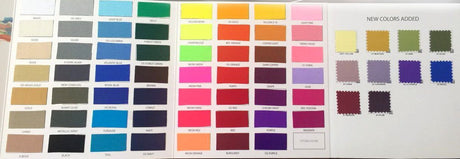
Desired Aesthetics: Choose matte, shiny, or printed finishes. Explore options in our fabric finishes guide.
Comfort Extras: Consider lining, seams, and breathability. For sewing tips, visit how to sew stretch fabric.
Use-Cases: Matching Fabric to Purpose
High-Performance Gymnastics: Nylon-spandex provides strength and elasticity for demanding routines.
Fun Practice & Recital Outfits: Polyester-spandex offers versatility with vibrant printed designs.
Dance Costumes with Flair: Specialty fabrics like velvet or holographic spandex create visual impact.
Seasonal Considerations: Choose lighter fabrics for summer and thicker ones for cooler climates.
DIY vs Professional: Beginners may prefer cotton blends, while pros use performance fabrics. Learn more in expert help & advice.
When to Use Cotton-Lycra Blend
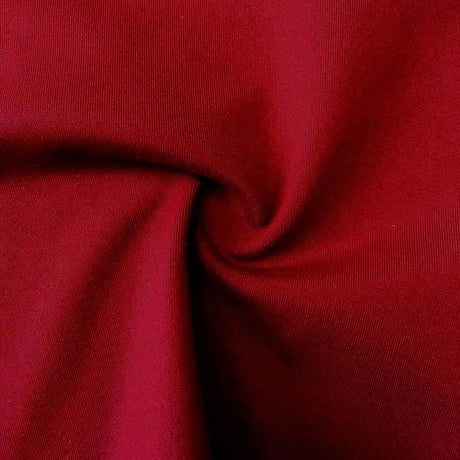
Comfort: Cotton-spandex blends are soft and breathable, ideal for sensitive skin. Explore cotton spandex fabric guide.
Beginner Use: Great for low-impact classes or casual wear.
Drawbacks: Less durable and absorbs moisture, making it unsuitable for intense training.
When to Choose: Best for comfort-focused scenarios or light activity.
Conclusion
Finding the best fabric means balancing comfort and durability. High-performance spandex blends like nylon and polyester excel in both areas. Whether you’re a professional or DIY creator, choosing the right fabric ensures long-lasting performance and comfort.
Explore more in our fabric guides hub to continue learning and choosing the best materials.