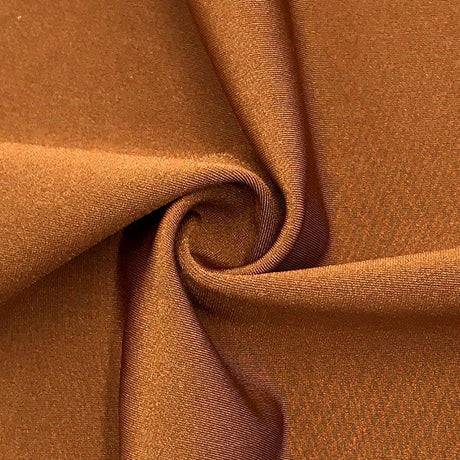
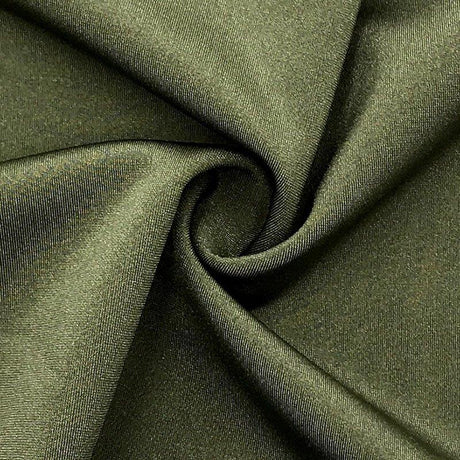
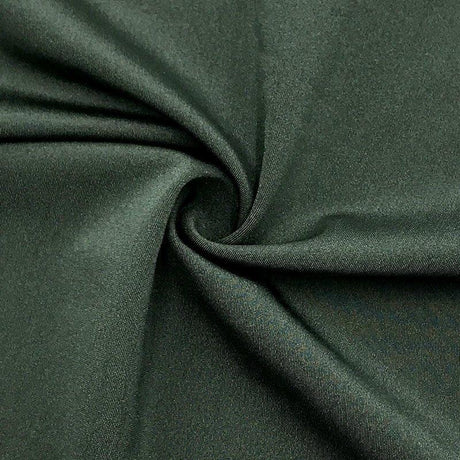
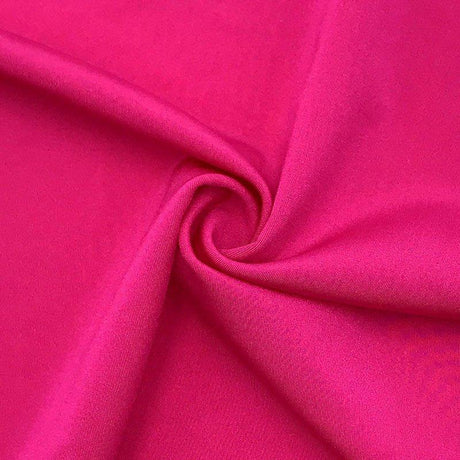
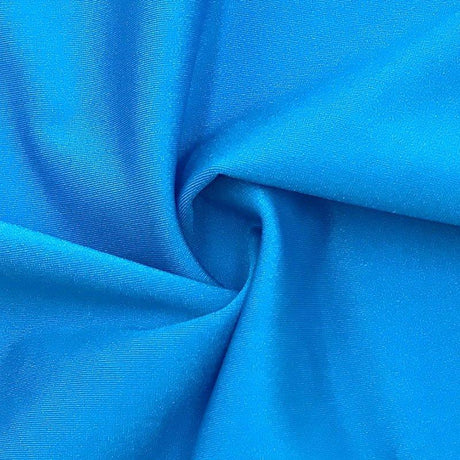
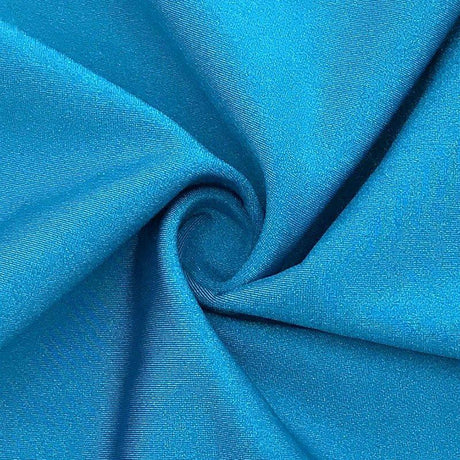
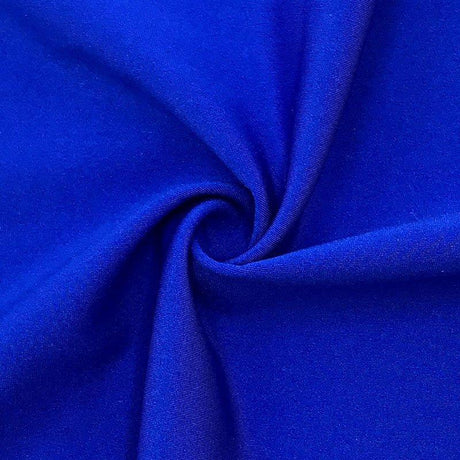
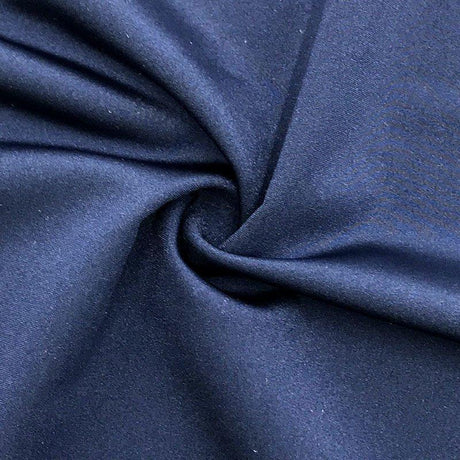
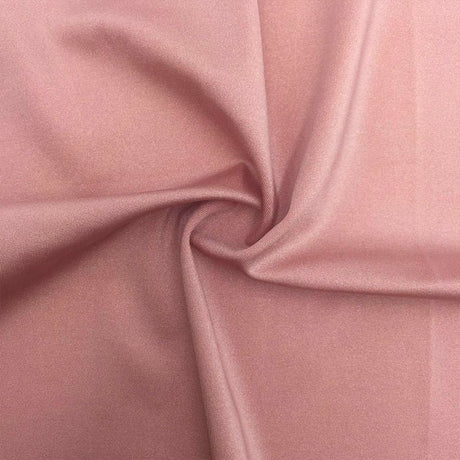
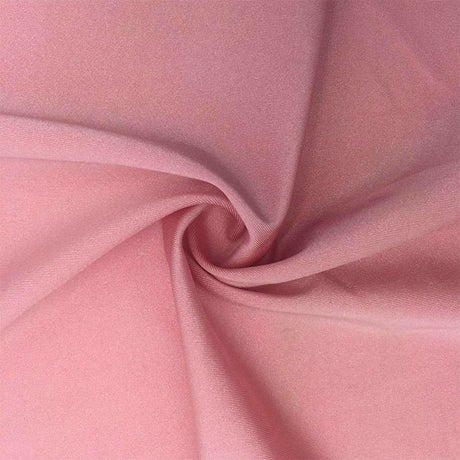
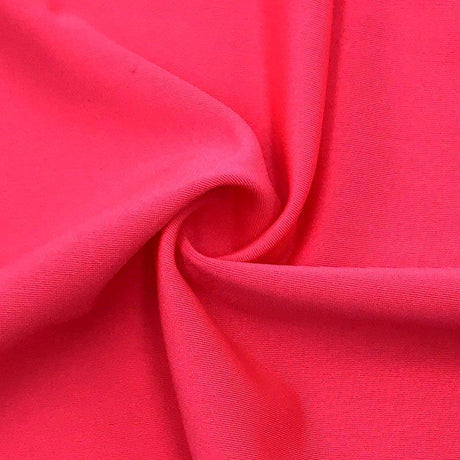
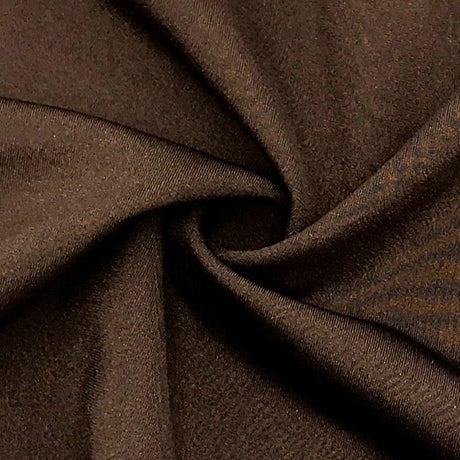
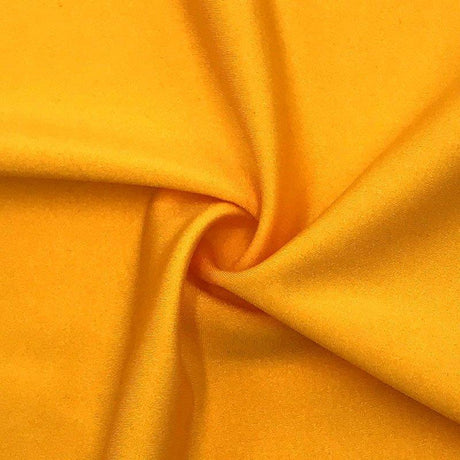
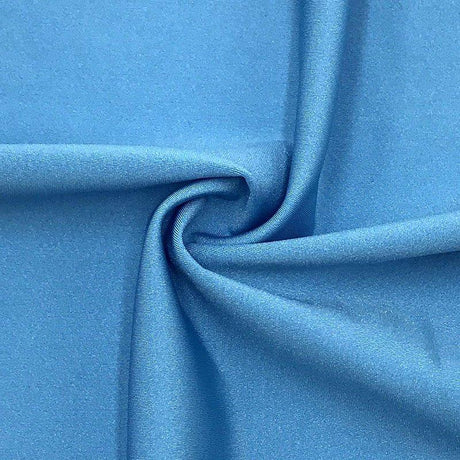
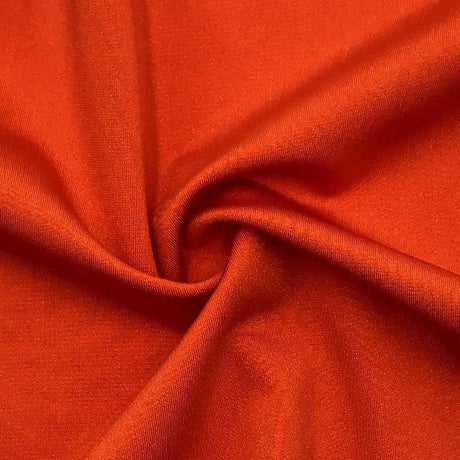
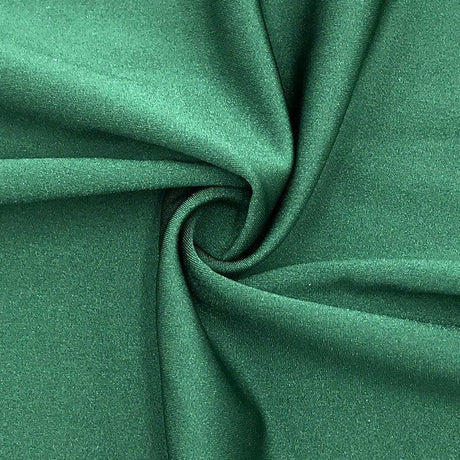
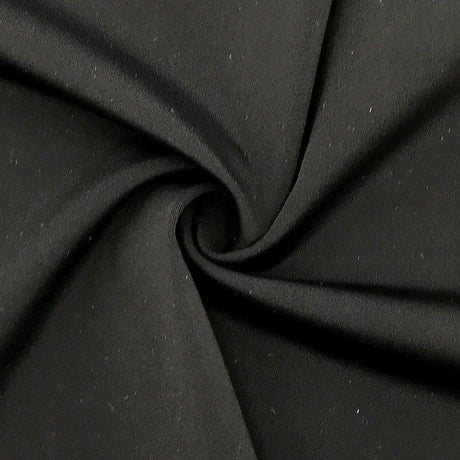
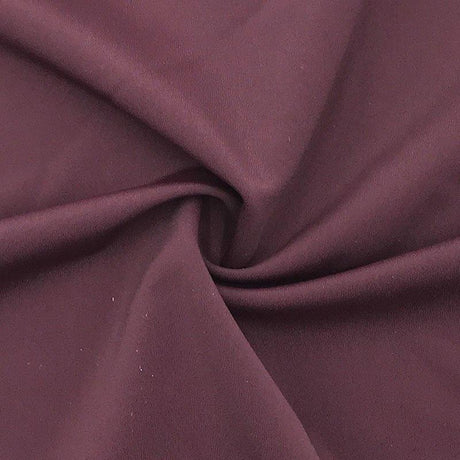
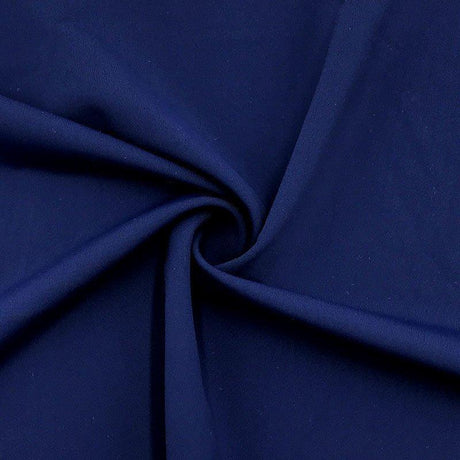
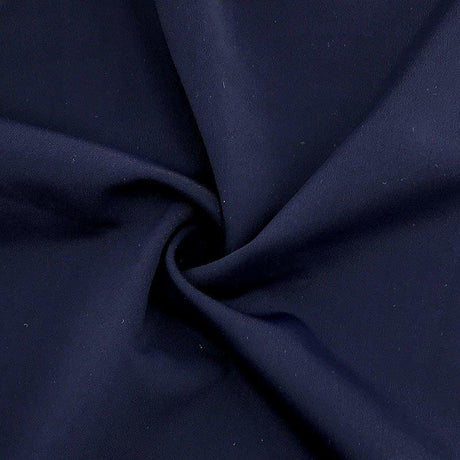
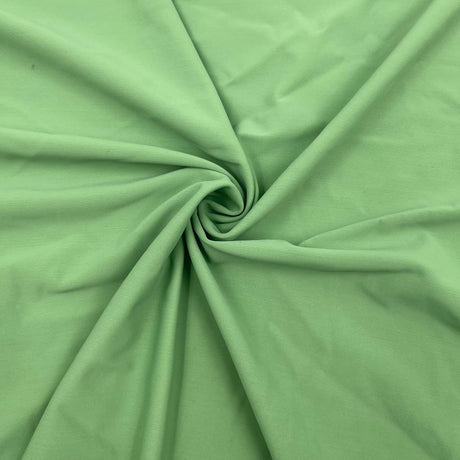
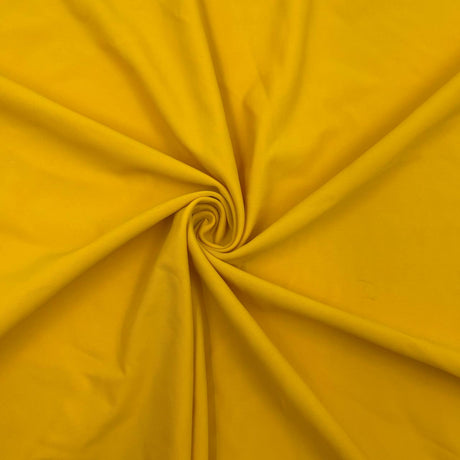
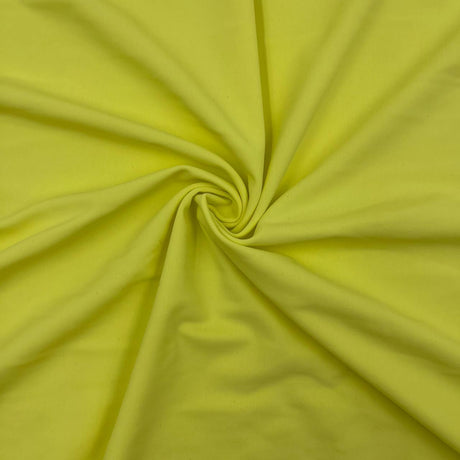
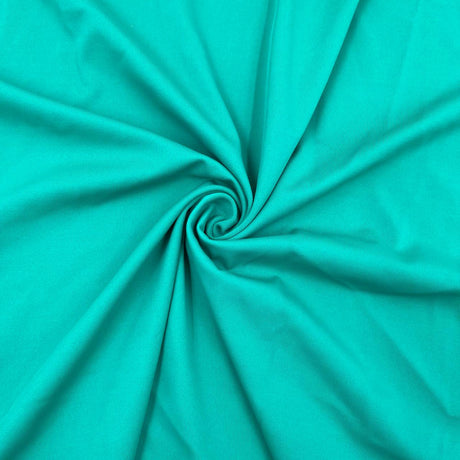
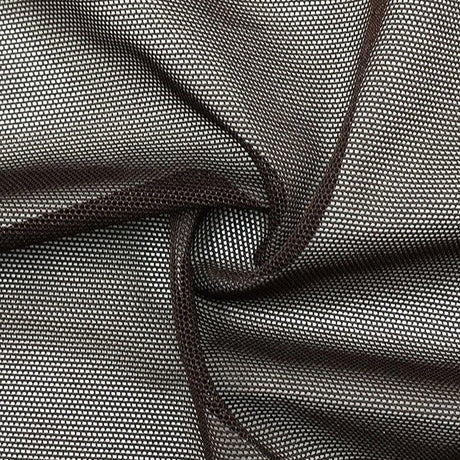
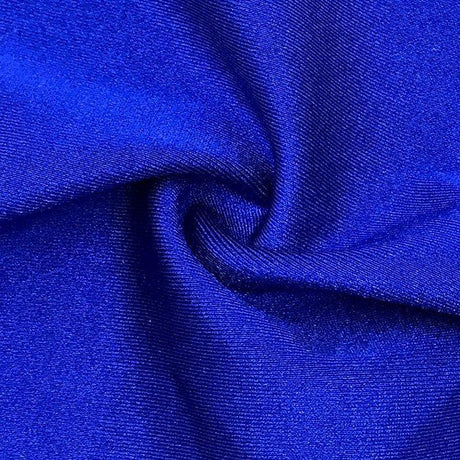
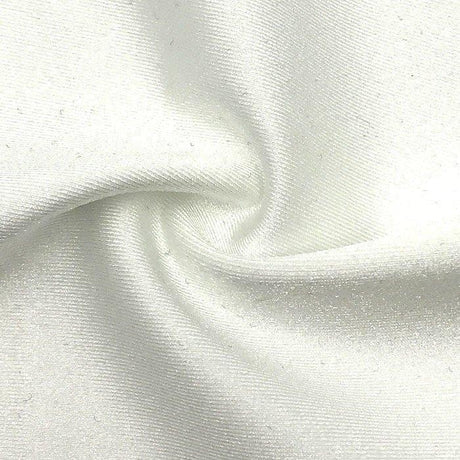
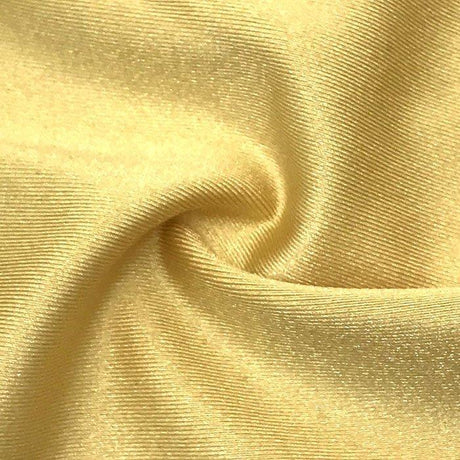
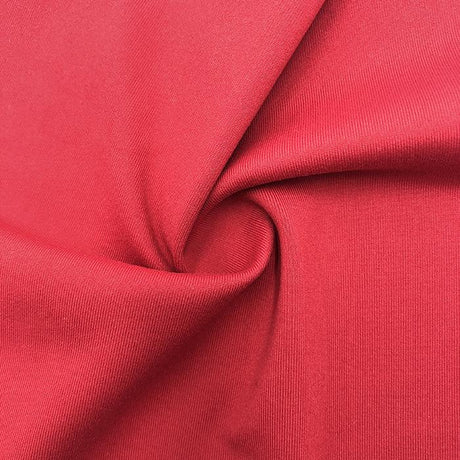
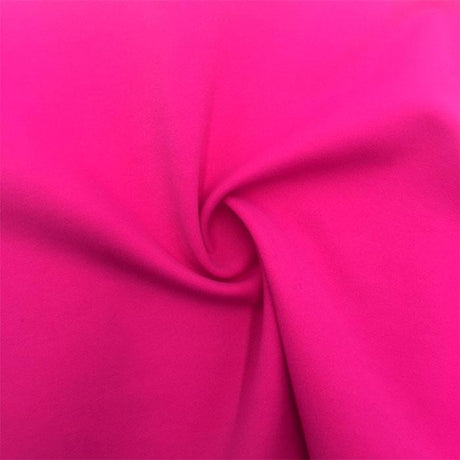
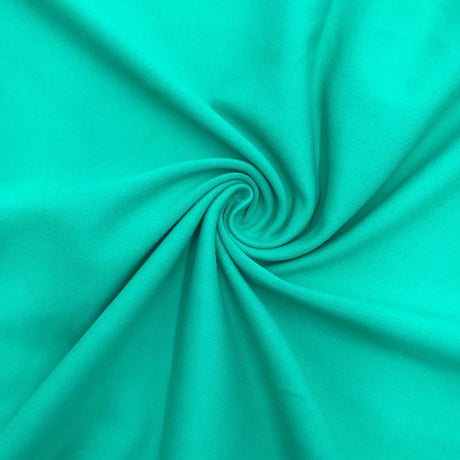
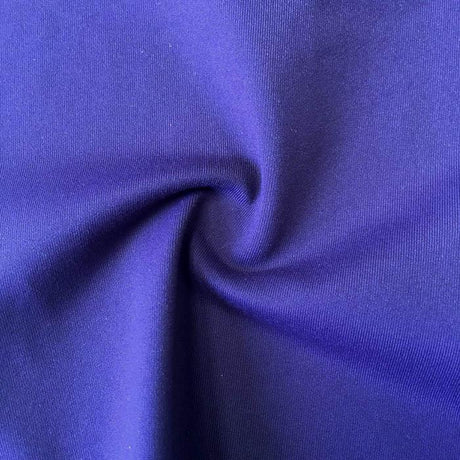
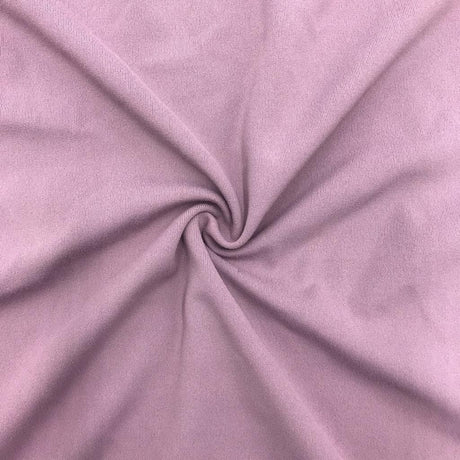
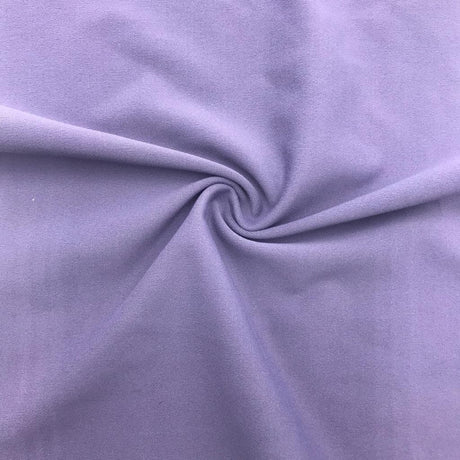
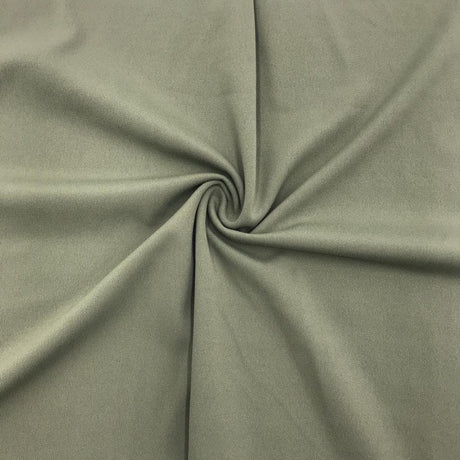
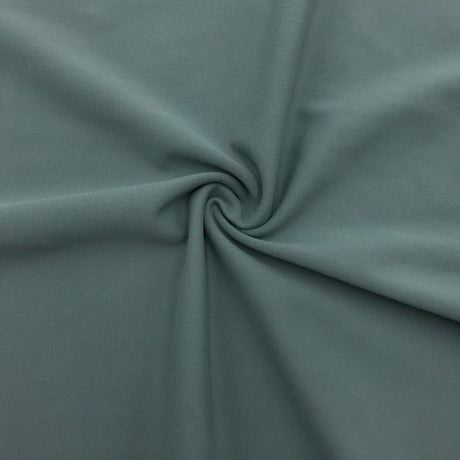
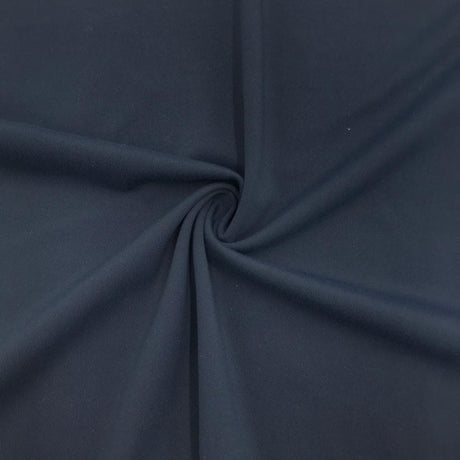
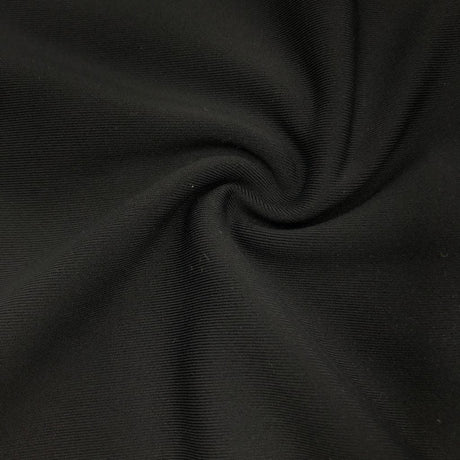
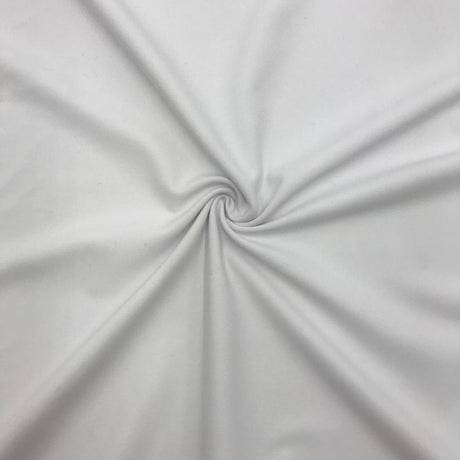
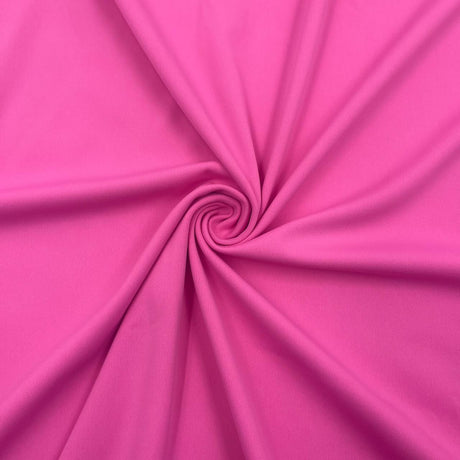
Loungewear sets must balance comfort, flexibility, and easy care. The goal is fabric that feels cozy and soft, stretches with movement, and endures frequent washing without losing quality.
Whether you're a professional apparel manufacturer or a DIY sewing enthusiast, selecting the best fabric for loungewear is crucial. The right choice ensures happy customers (or a satisfying personal project) with garments that are both luxurious to wear and practical to maintain. For a broader foundation before diving in, explore our fabric guides hub or visit our how to choose fabric guide for a structured decision framework.
Recent trends show a surge in demand for high-quality loungewear – people want outfits that transition from relaxing at home to quick errands, all while being low-maintenance. This guide will walk through technical fabric specs and real-world considerations to help you pick the ideal material for any lounge set project.
Technical Specifications: GSM, Stretch %, Durability
Fabric Weight (GSM): Grams per square meter indicates fabric heft. Loungewear fabrics typically range ~160–280 GSM – lightweight jerseys around 160–180 GSM for drape, vs. mid-weight knits 250+ GSM for warmth. A higher GSM often means a thicker, warmer material, while lower GSM gives an airy, fluid feel better for warmer climates. Our fabric weight guide provides a full breakdown of GSM ranges and how weight affects drape, warmth, and durability across all common loungewear fabric types.
Stretch & Recovery: Look for 4-way stretch or at least 2-way stretch knit content (often 5%–8% spandex/Lycra) to ensure the set moves with you. Aim for a fabric that can stretch 20–50% of its length comfortably and springs back without sagging. Good recovery prevents knees or elbows from bagging out. Our stretch fabric types page explains how to compare stretch percentages and recovery ratings across jersey, rib knit, and spandex-blended constructions.
Durability: Choose fabrics with resilience – the ability to withstand frequent wear and wash cycles. Blends with polyester or rayon can add strength and reduce shrinkage, whereas 100% cotton may wear faster or shrink if not pre-shrunk. Look for terms like "anti-pilling" or tight-knit structures that resist abrasion. Poly-rayon blends often have smooth, strong fibers that resist pilling and add longevity. Our fabric finishes guide covers anti-pilling treatments and other surface finishes that extend the lifespan of loungewear fabrics.
Ease of Care (Washability): Prioritize machine-washable, pre-shrunk or wash-tested fabrics. Cotton and poly blends tolerate warm washes; rayon or bamboo fabrics need gentler cold wash and air-dry to prevent damage. Also check colorfastness – dyes should not bleed or fade with washing. Our fabric care guide covers laundering protocols for all common loungewear fabric types, and our spandex care guide specifically addresses how to preserve elastane recovery through repeated washing.
Breathability vs. Warmth: Depending on the climate, balance thermal properties. Cotton and bamboo viscose are breathable and moisture-wicking (great for warm weather), while fleece or brushed knits trap heat for coziness. Ensure the GSM and fiber content align with the season and environment of use. Our activewear fabric guide covers moisture management and breathability ratings across synthetic and natural fiber blends.
How to Choose the Right Fabric (Based on Use)
General Tip: Coordinate fabric choices for two-piece sets. Often, the top and bottom may use different materials – e.g. a lighter, drapey knit for the hoodie or top and a slightly sturdier fabric for pants. For the top, prioritize a soft drape and gentle give. For bottoms, ensure adequate weight and recovery so they don't become see-through or baggy with wear. Our fabric weight guide makes it easy to identify compatible GSM ranges for coordinated two-piece sets.
Consider Climate & Layering: Adapt your fabric to the season. In summer or warm indoor settings, opt for breathable cotton or moisture-wicking bamboo blends. In winter, you might choose thicker fabrics or incorporate comfort lining layers (like a plush sherpa or jersey lining) for extra insulation.
Lounging at Home (Casual Everyday Sets)
Priorities: Ultimate comfort and easy care. For relaxing around the house, fabrics should be soft to the touch, warm enough if your home is cool, and not too delicate. Stretch is important for activities like curling up on the couch.
Recommended Fabrics: Brushed sweatshirt fleece and French terry are go-to choices. They offer a plush interior nap for coziness and a stable knit structure. For colder months, cozy fleece fabrics let you snuggle up in warmth and comfort – for example, a poly-cotton fleece sweatshirt or jogger that's soft, warm, and machine-washable. French terry (looped back knit) provides warmth without as much bulk and resists wrinkles, handy if the set doubles as quick errand wear. Our fabric finishes guide covers brushed and fleece surface treatments and how they affect warmth, drape, and care requirements.
Alternate Options: On warm days, lightweight cotton jersey lounge pants or linen-blend drawstring pants can keep you cool. You can also consider thermal waffle knit for a textured, cozy home outfit. If you use looser wovens (like linen), accept less stretch and more wrinkles, or blend with spandex for give. Our stretch fabric types page covers spandex-free stretch options that still provide sufficient give for casual loungewear.
Tips: If using wool or wool-blend knits, add comfort lining layers (e.g. line the inside with a soft cotton jersey) to avoid any itchiness against skin. Stick to fabrics that can handle frequent laundering – your go-to home lounge set will see a lot of wash cycles, so durable cotton blends or synthetics are ideal. Our fabric care guide covers high-frequency laundering best practices for all common lounge fabric types.
Sleepwear & Pajamas (Night Time Comfort)
Priorities: Breathability and skin-friendly softness for a good night's sleep. Fabrics should regulate temperature – keep you warm but not overheated – and have minimal irritating seams or textures.
Recommended Fabrics: Cotton knit jerseys and ribbed knit are popular for pajamas – they are naturally breathable, soft, and have great stretch for unrestricted movement. Bamboo rayon jersey is a luxe choice here: it's exceptionally soft and silky, drapes lightly on the body, and is thermoregulating. For warm climates or those who run hot, consider moisture-wicking performance knit – it will pull sweat away and dry quickly, enhancing comfort during sleep. Our activewear fabric guide covers moisture-wicking knit constructions that translate well into performance sleepwear applications.
Woven Sleepwear: If you prefer classic pajama sets or nightshirts, look at light, breathable wovens like cotton lawn, voile, or seersucker. These cotton fabrics are crisp, very breathable, and help regulate temperature. In cooler weather, flannel (brushed cotton) pajama pants or sets are a winter staple – cozy and insulating yet still breathable. Our fabric weight guide helps you identify the right GSM range for sleepwear depending on your climate and temperature preferences.
Tips: Avoid heavy or very thick fabrics for sleepwear, as they might cause overheating or feel cumbersome in bed. Ensure any elastic waistbands or cuffs are covered with soft fabric or have a smooth lining for comfort. A moderate stretch (20%+) is sufficient for most knit sleepwear so it moves with you as you turn in your sleep. Our how to sew stretch fabric guide covers waistband and cuff construction techniques that keep sleepwear comfortable and flat-lying.
Fashion-Forward Lounge Sets (Stylish or Outdoor-Ready)
Priorities: A blend of comfort with a polished look. The fabric should have a nice drape or structure and possibly interesting textures, while still feeling like loungewear. Durability and wrinkle-resistance become more important if you're sitting or moving about outside the home.
Recommended Fabrics: French terry, double knits (like ponte), and fine sweater knits are excellent for fashionable loungewear. French terry has enough body to hold a silhouette (like a structured jogger or cardigan) and resists wrinkles. Ponte/double knit is thicker and very stable, giving a clean, streamlined appearance in pants or jackets while maintaining stretch. For tops, lightweight sweater knits (e.g. a cashmere blend or rayon-poly sweater knit) can elevate a lounge outfit with a chic texture yet remain soft and flexible. Our fabric weight guide covers ponte and double knit GSM ranges and how they compare to French terry for structured loungewear applications.
Luxe Options: If the goal is upscale lounge sets, you might experiment with silk blends (silk jersey or silk-modal mixes) or Tencel™ Lyocell knit, which has a subtle sheen and smooth feel. Be mindful that pure silk or delicate fibers may require more care (hand-washing), so many opt for blends that imitate the look but keep that washable convenience. Our fabric care guide covers care requirements for luxury fiber blends used in elevated loungewear.
Design Considerations: Fashion-forward sets often feature design details like rib-knit cuffs, color blocking, or draped silhouettes. Ensure any contrast fabrics (like ribbing for cuffs or waist) complement the main fabric in stretch and care requirements. Color and print can contribute to style – solid neutral colors in high-quality knits give an elevated vibe, while playful prints in a lounge set should be on a fabric that doesn't fade easily over time. For custom-printed loungewear fabrics, our sublimation guide and sublimation transfer paper resources cover how to create vibrant, wash-stable prints on stretch knit bases.
Key Factors for Selecting Loungewear Fabric
- ✔️ Softness against skin – smooth handfeel, non-itchy, comfortable for all-day wear
- ✔️ Sufficient stretch – allows movement without restriction; good recovery to avoid bagging (see stretch fabric types)
- ✔️ Appropriate weight for climate – lightweight for warm weather, mid-weight or brushed for cooler seasons (see fabric weight guide)
- ✔️ Breathability – promotes airflow and moisture comfort during extended wear
- ✔️ Durable fiber blend – resists pilling, thinning, and shape loss over time (see fabric finishes guide)
- ✔️ Easy care – machine washable, low shrinkage, minimal wrinkling (see fabric care guide)
- ✔️ Opacity & coverage – suitable for sitting, lounging, and light activity
- ✔️ Thermal comfort – maintains warmth without overheating
- ✔️ Colorfastness – holds dye through repeated washing
- ✔️ Matches style & use-case – elevated look for at-home wear, or casual-ready for errands (see how to choose fabric guide)
When to Use Alternative Fabrics
Cotton Jersey (Classic Natural Comfort)
What & Why: Cotton jersey is a single-knit, 100% cotton (or cotton-rich) fabric known for its breathable comfort. Use it when you want a natural fiber against the skin, or for summer-weight loungewear. Cotton is hypoallergenic for most and provides a familiar, cozy feel that gets softer with each wash.
Best Used For: Lightweight pajama sets, lounge tees, yoga pants or shorts for warm weather, children's loungewear. It shines in casual, loose-fitting styles.
Pros: Highly breathable (absorbs moisture and allows airflow), generally durable especially in medium/heavier weights, easy to sew, widely available and often affordable. Good cotton tends to last years and softens over time.
Cons/Care: 100% cotton jersey usually has limited stretch aside from the mechanical stretch of the knit, so it may not rebound as well unless blended with spandex. It shrinks if not pre-shrunk – prewash is absolutely required. Cotton can also hold onto moisture and may feel damp if you sweat a lot. Our cotton-spandex fabric guide covers how adding spandex to a cotton base improves recovery and care stability for loungewear applications.
Bamboo Rayon (Soft & Sustainable Alternative)
What & Why: Bamboo rayon (viscose from bamboo) has emerged as a popular choice for luxe loungewear and sleepwear. It's prized for an exceptionally silky, cool-to-the-touch feel and beautiful drape. Choose bamboo blends when you want a smooth, ultra-soft set that's also breathable. It's great for people with sensitive skin, as the fibers are naturally smooth and non-irritating.
Best Used For: Premium pajama sets, elegant lounge tops, or any garment where a bit of flow and sheen is desired. A bamboo-spandex knit makes wonderful loose-fitting lounge pants or a slouchy top that feels like butter on the skin. Also ideal for temperature regulation – bamboo fabric wicks moisture and can keep you cooler in warm conditions.
Pros: Moisture-wicking and thermo-regulating. Often has natural anti-microbial properties, meaning it resists odors – a perk for loungewear. Bamboo rayon is also fairly durable in terms of tensile strength and doesn't pill as easily as short-staple cotton. Many appreciate it for its sustainable origin.
Cons/Care: Pure bamboo viscose is more delicate in care: it requires gentle washing (cold water, gentle cycle) and preferably line drying to maintain its texture. High heat can damage it or cause excessive shrinkage. It's also typically pricier than standard cotton. Often, bamboo is blended with cotton or spandex; these blends can improve stability and stretch. Our fabric care guide covers cold-wash and air-dry protocols that protect bamboo-blend loungewear through repeated laundering.
Other Alternatives: You might also encounter Modal (a type of rayon similar to bamboo, known for its silky feel and often blended with cotton/spandex for loungewear) and Merino wool (excellent for cool climates due to fantastic moisture management and softness, though requiring delicate care). Silk and cashmere are luxury alternatives for lounge sets – offering unparalleled feel, but with higher cost and special care (dry clean or hand wash). Our fabric guides hub covers many of these alternative fiber types and their care and construction considerations in detail. For questions about specific fiber options or sourcing, our expert help and advice page connects you with knowledgeable staff who can guide your selection.
Common Mistakes to Avoid
Skipping Pre-Wash (Shrinkage Surprise): Failing to pre-shrink your fabric can ruin your project later. Always wash and dry fabrics as you intend to care for the final garment before cutting, to eliminate this risk. Our fabric care guide covers pre-washing protocols for all common loungewear fabric types, including cotton, bamboo, and poly blends.
Wrong Stitching for Stretch: Using a straight stitch or the wrong needle on a stretchy knit is a recipe for popped seams. Loungewear often endures pulling – putting on a tight neckline or bending knees. Avoid simple straight stitches on stress seams; instead use a stretch stitch or serger/overlock for construction. Use a ballpoint or stretch needle when sewing knits so you don't snag or create runs in the fabric. Our how to sew stretch fabric guide covers needle selection, stitch settings, and serger setup for all common loungewear knit types.
Over-Drying or High Heat Damage: High heat can shrink fibers beyond recovery and ruin elastic fibers (like spandex), reducing the garment's stretch recovery. It can also set in wrinkles or cause pilling on the surface. Use a low-heat setting or remove from the dryer while slightly damp and allow to air-dry. Our spandex care guide covers heat sensitivity across different elastane blends and how to preserve stretch recovery through repeated laundering.
Using the Wrong Fabric for the Job: A common error is picking a woven fabric for a pattern designed for knits (result: no stretch where needed) or choosing a fabric that's too heavy for a certain design (result: a stiff, uncomfortable garment). Always check the pattern's recommendations, and use our how to choose fabric guide to match fabric properties to pattern and style requirements before you cut.
Conclusion
Choosing the best fabric for a loungewear set involves balancing expert-level technical insight with practical, everyday considerations. By understanding GSM, stretch, and fiber properties, you can evaluate materials with a critical eye. Always align your fabric choice with the intended use – be it lazy Sundays on the couch, a comfortable night's sleep, or a chic errand-ready outfit – and don't forget to factor in climate and care.
In summary, invest in quality fabrics that are cozy to wear, forgiving in stretch, and simple to wash, and you'll create loungewear pieces that stand out for their comfort and longevity. Ready to get started? Explore our fabric weight guide and stretch fabric types page to compare your options, use our how to choose fabric guide to narrow down the field, and visit our how to sew stretch fabric guide when you're ready to start constructing. Our fabric care guide and spandex care guide will keep your finished pieces looking and feeling their best wash after wash. Have questions? Our expert help and advice page and FAQ are always available. Sign up for SpandexByYard Rewards to earn points on every purchase – because the perfect lounge set starts with the perfect fabric.