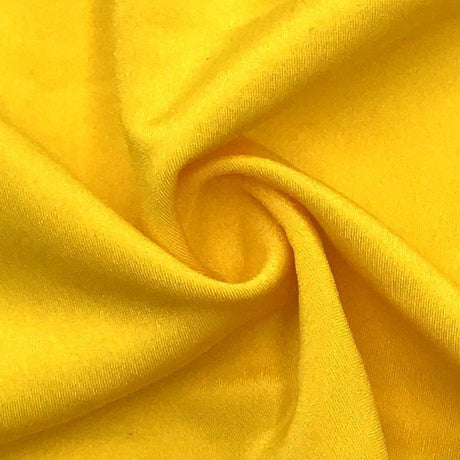
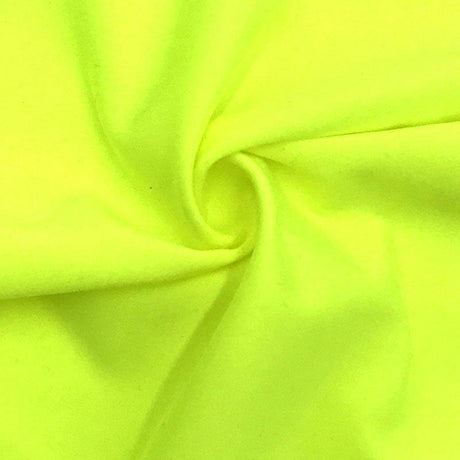
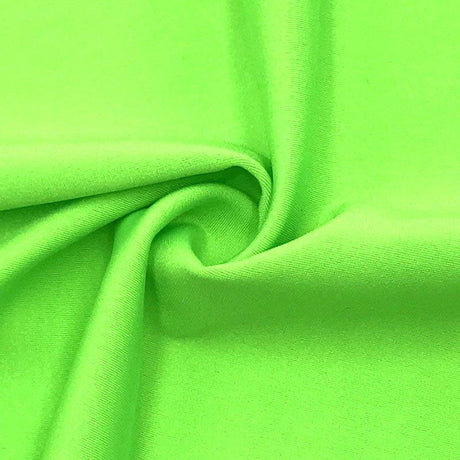
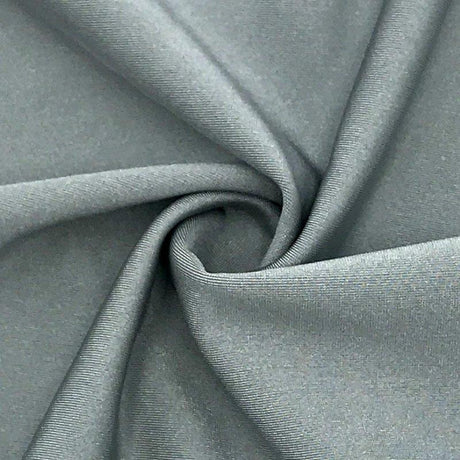
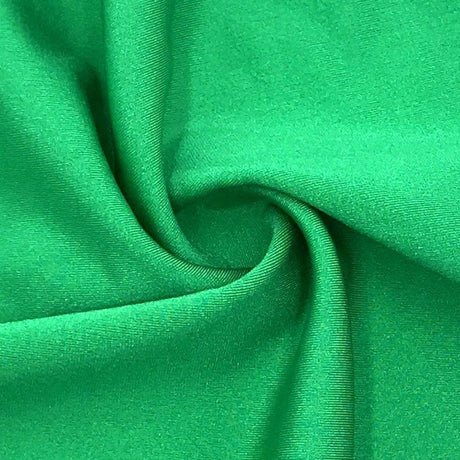
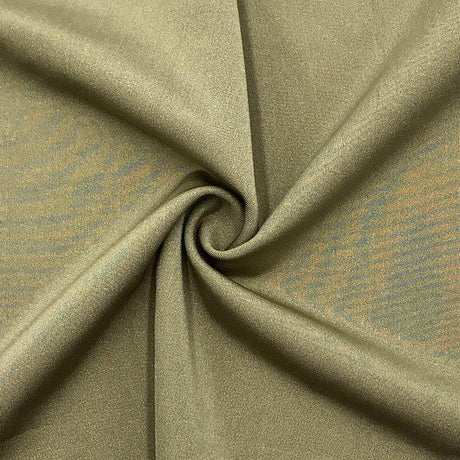
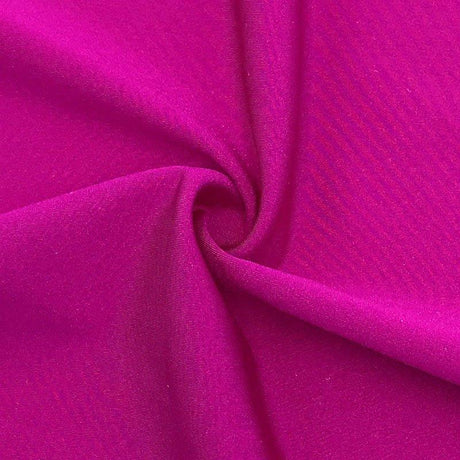
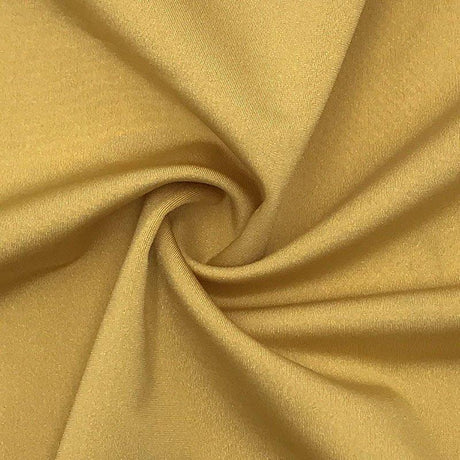
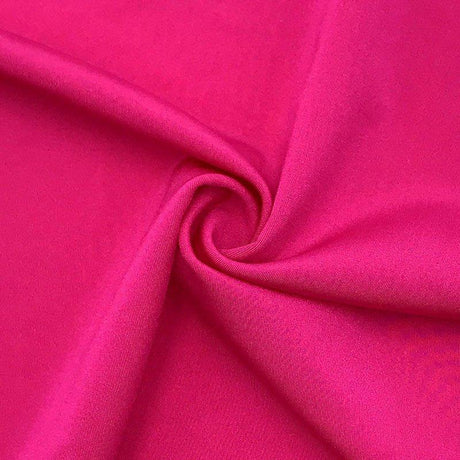
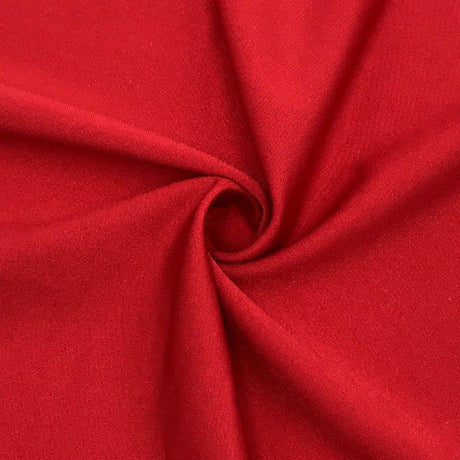
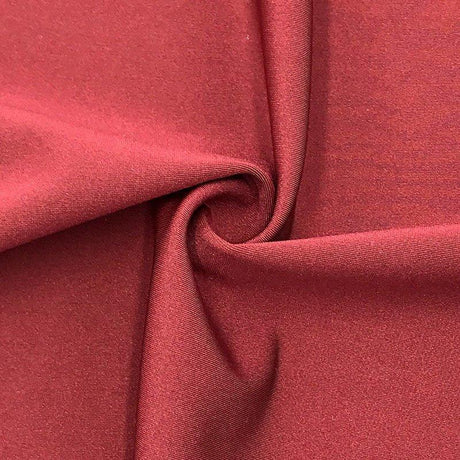
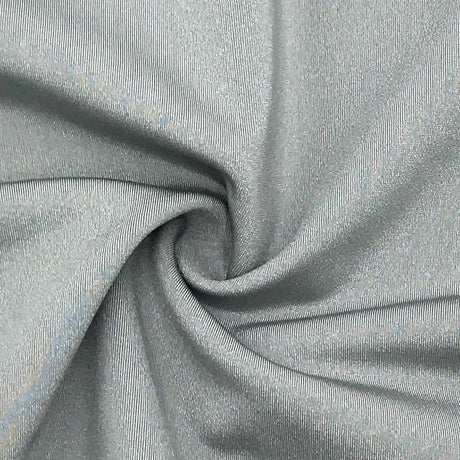
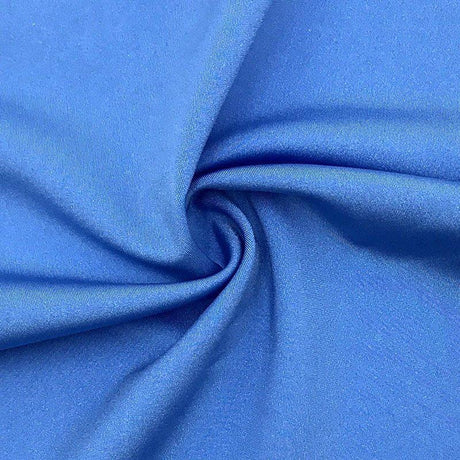
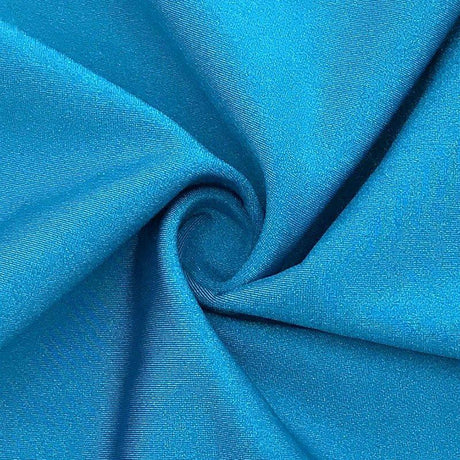
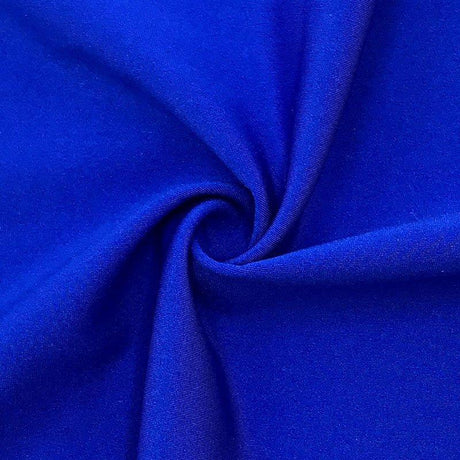
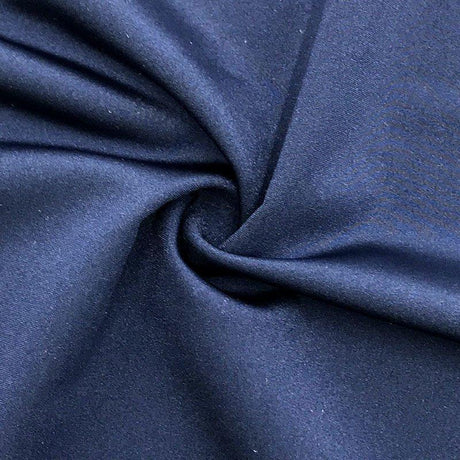
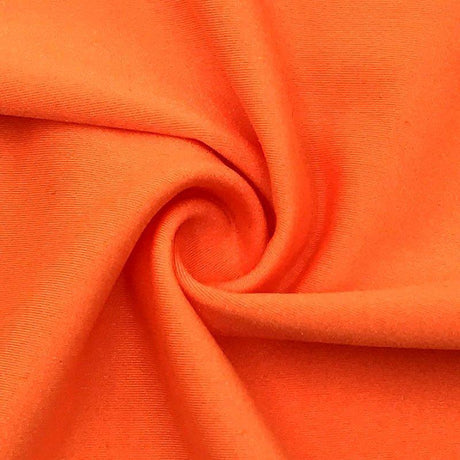
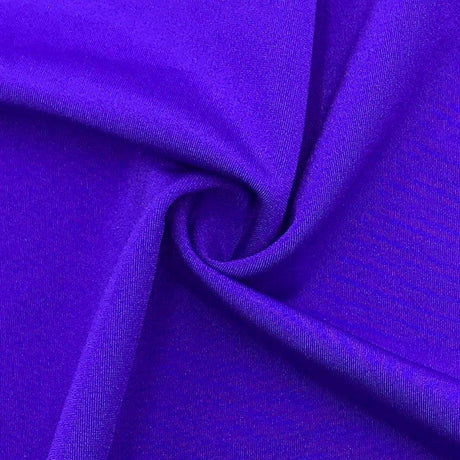
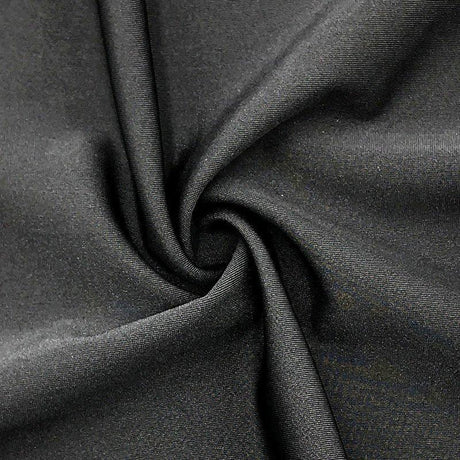
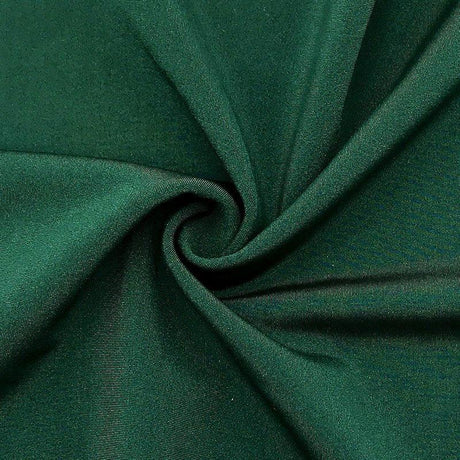
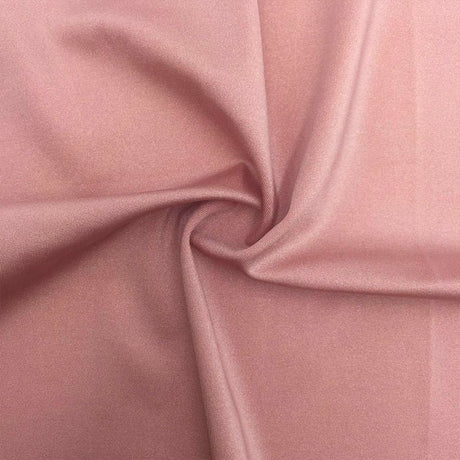
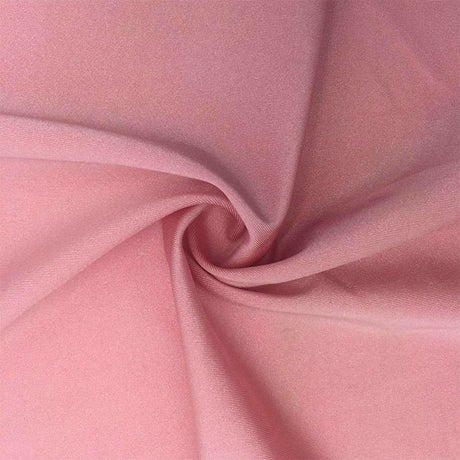
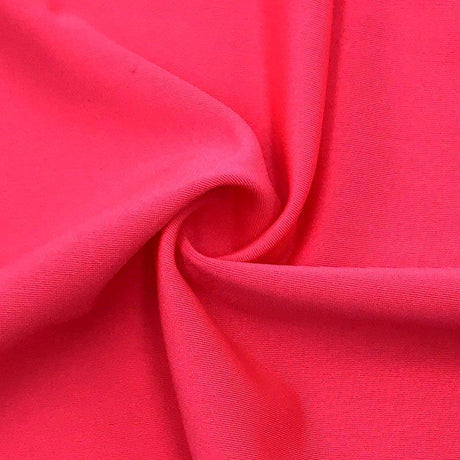
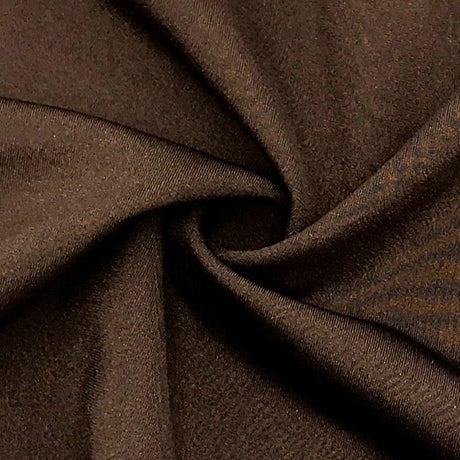
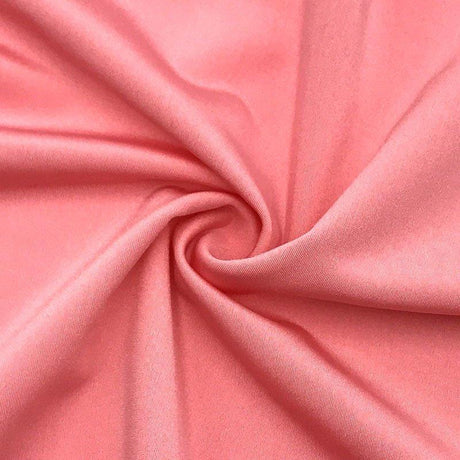
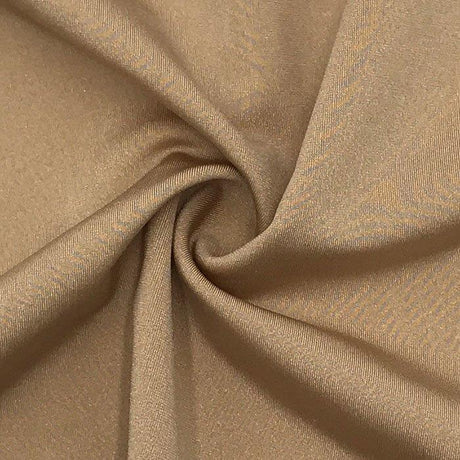
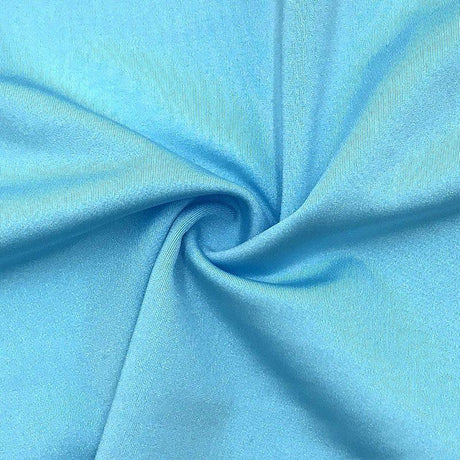
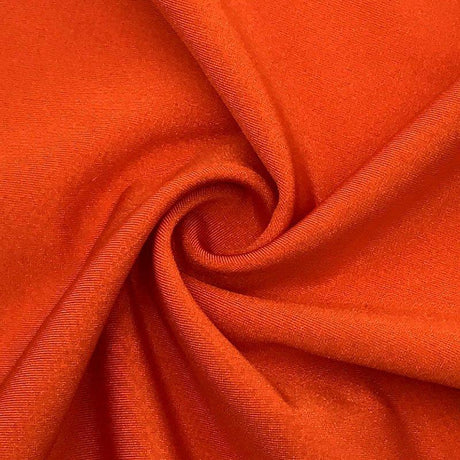
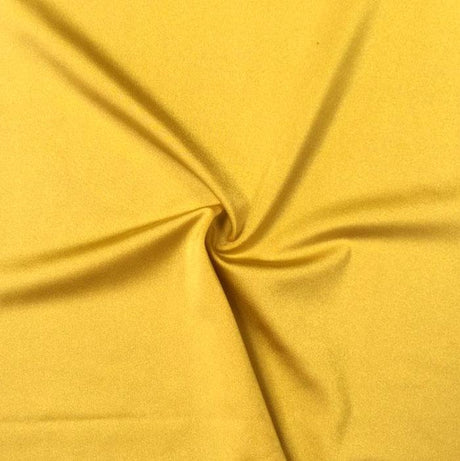
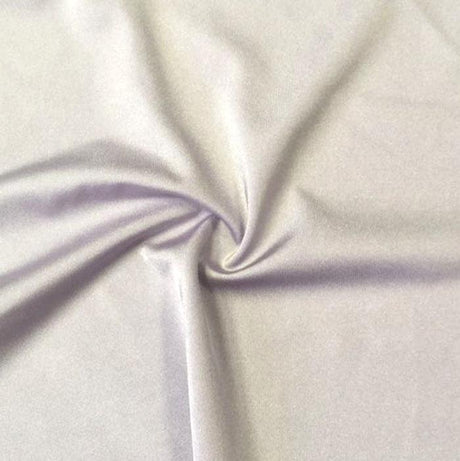
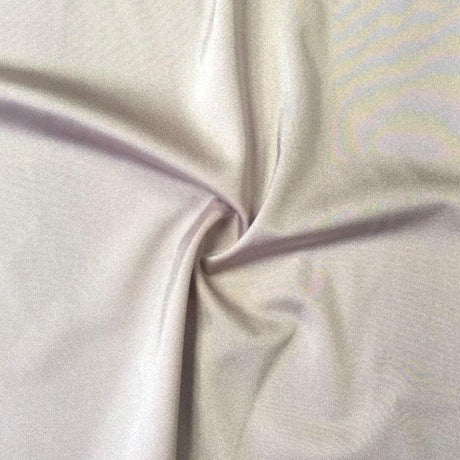
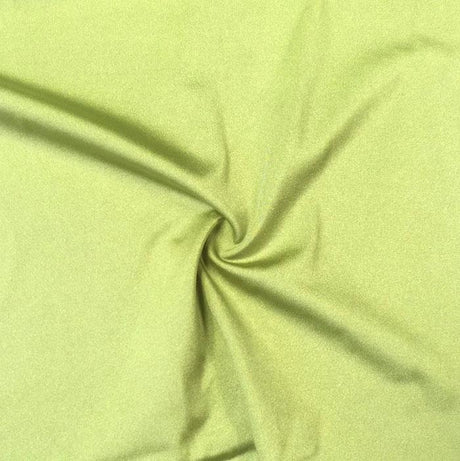
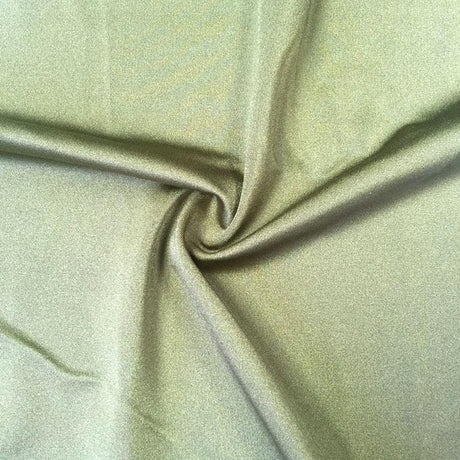
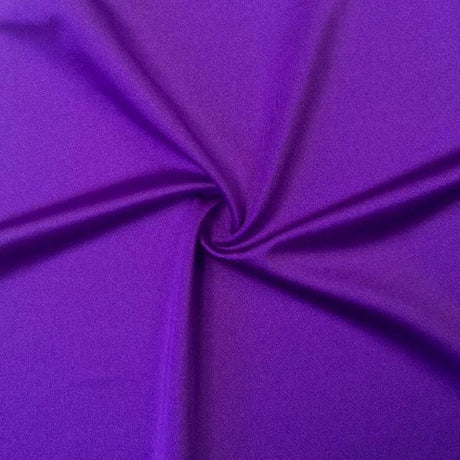
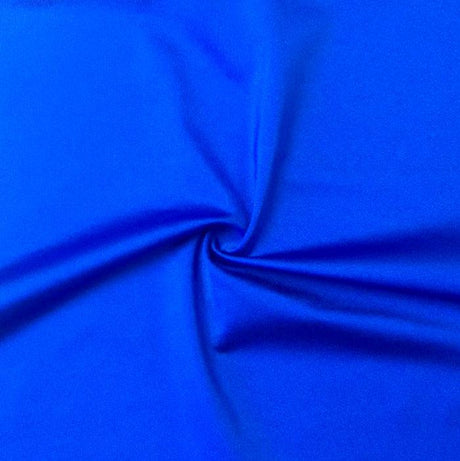
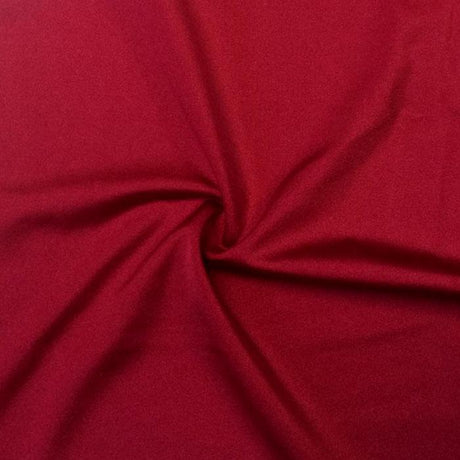
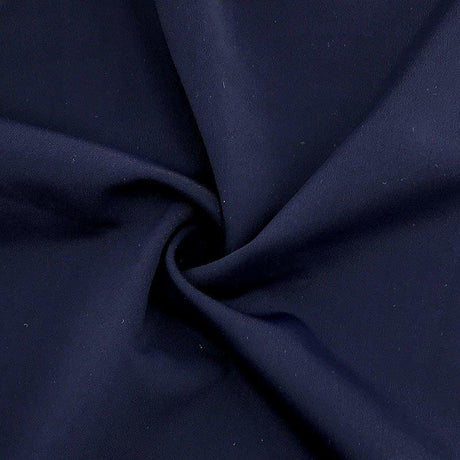
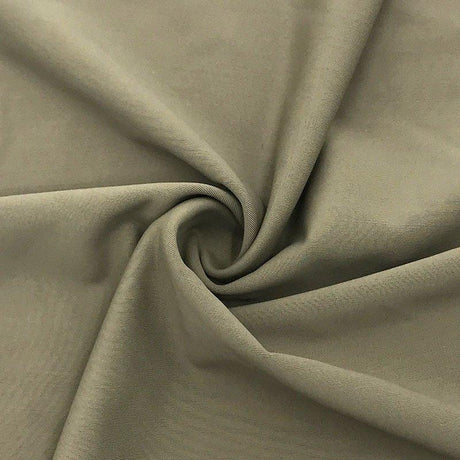
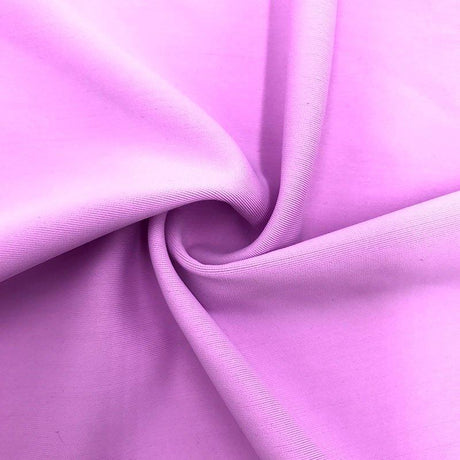
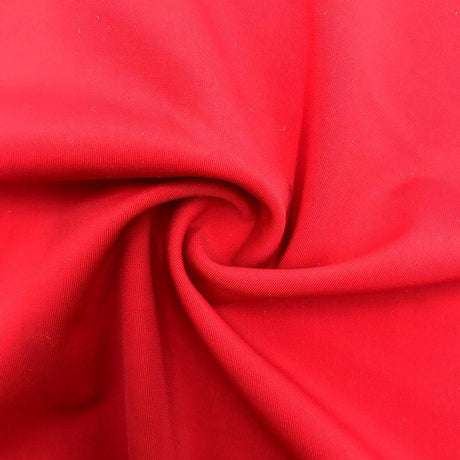
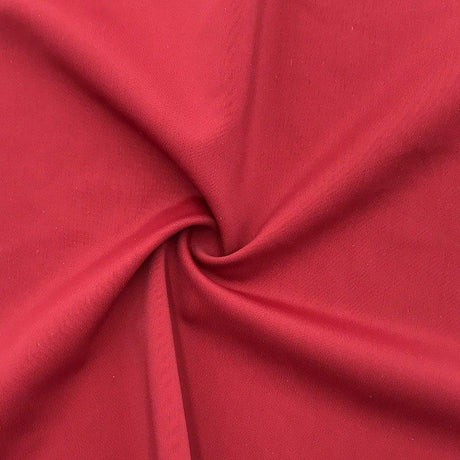
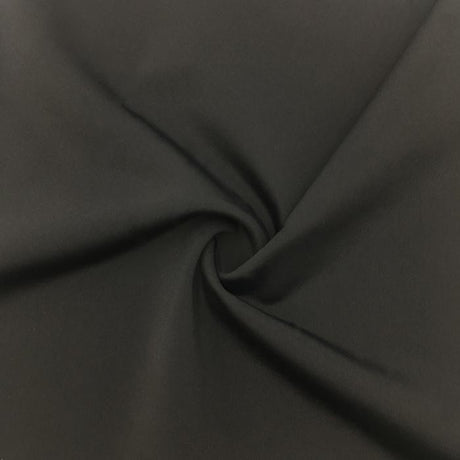
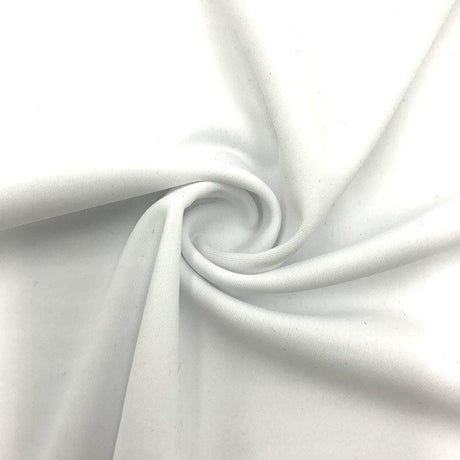
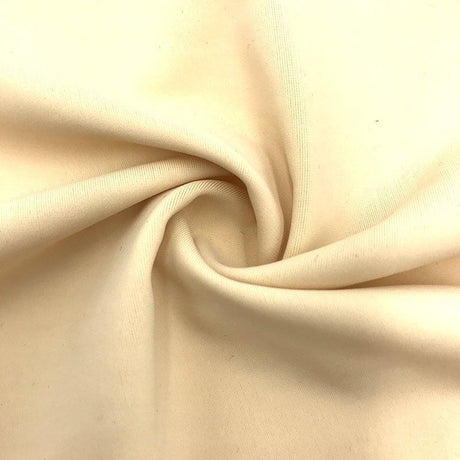
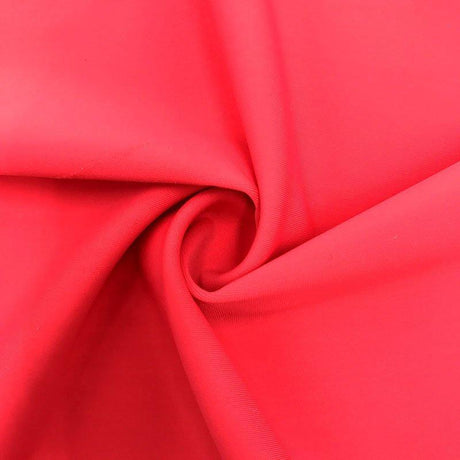
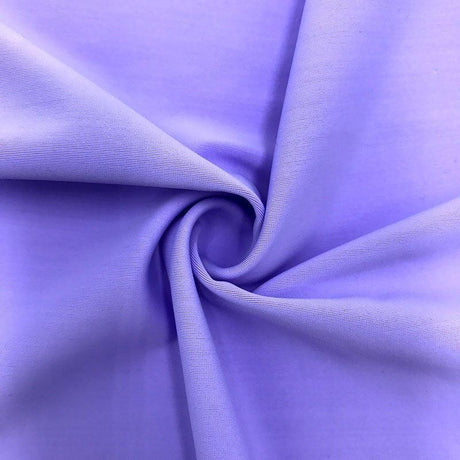
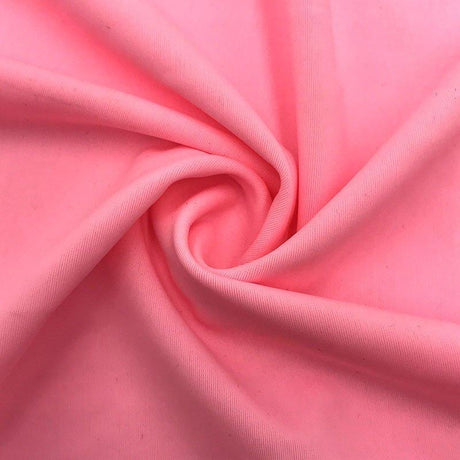
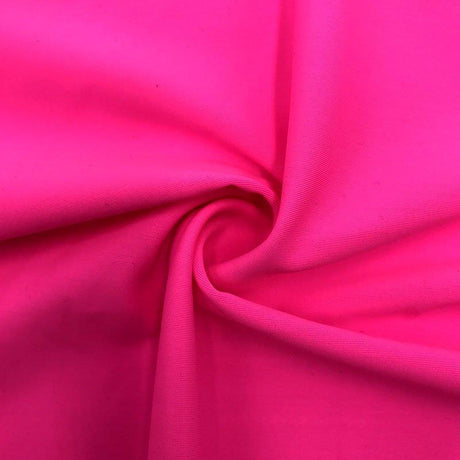
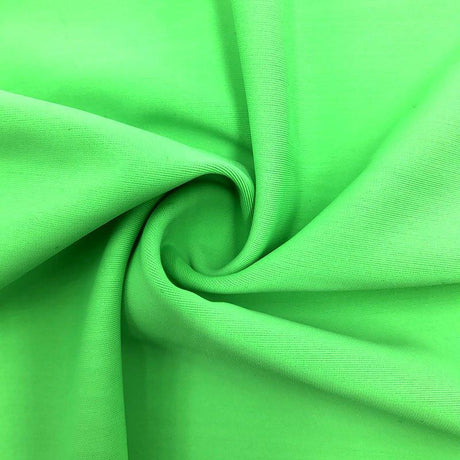
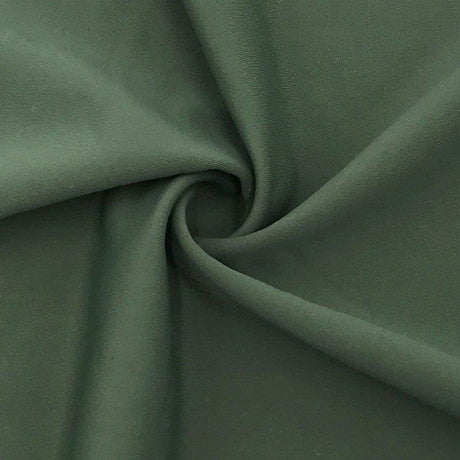
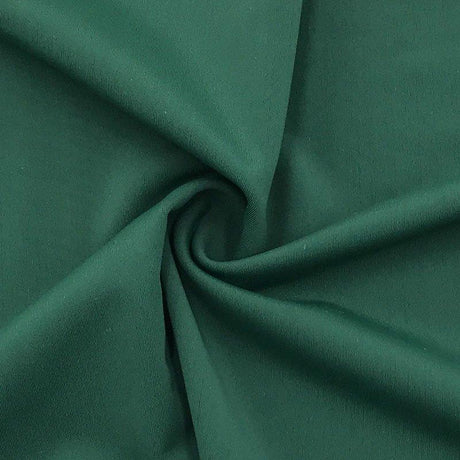
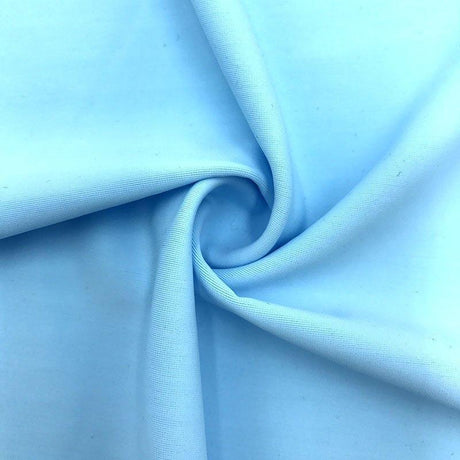
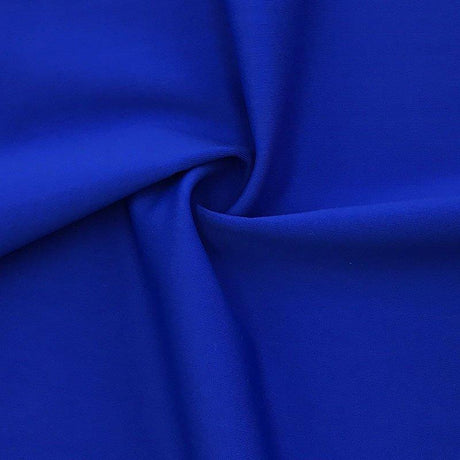
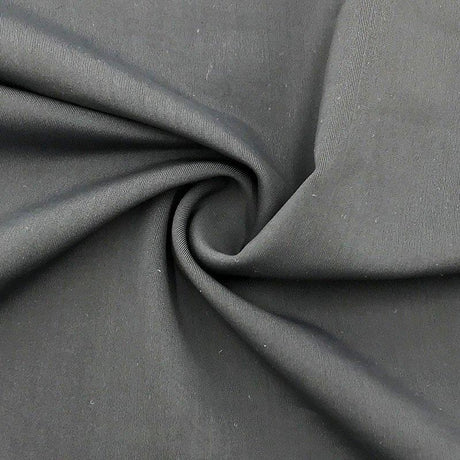
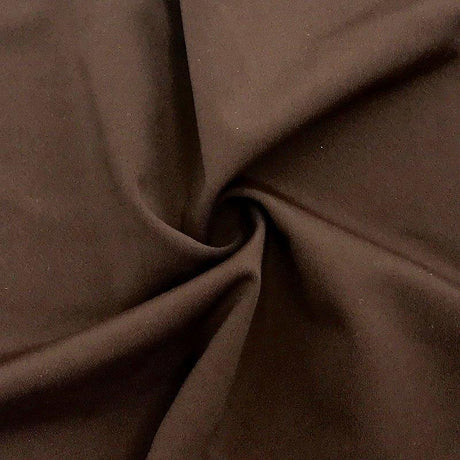
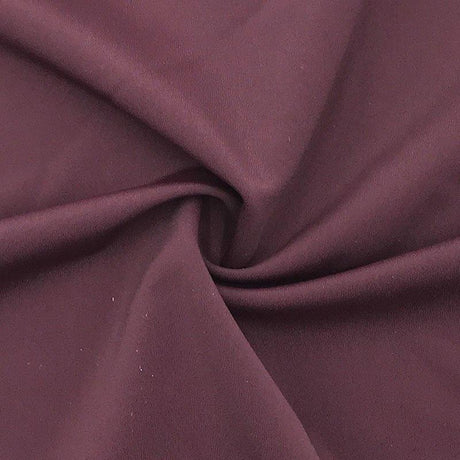
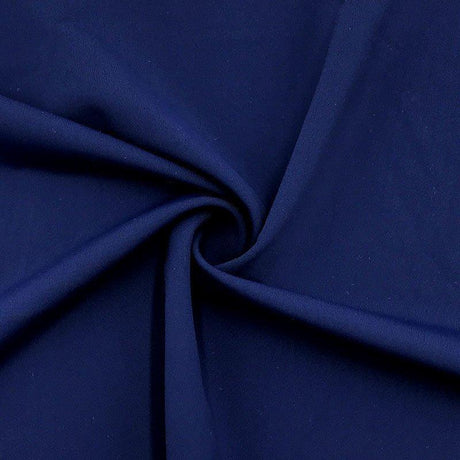
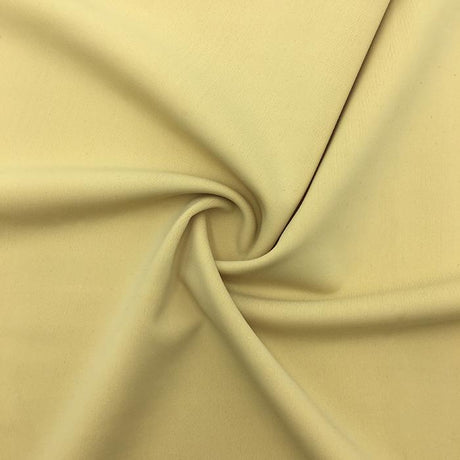
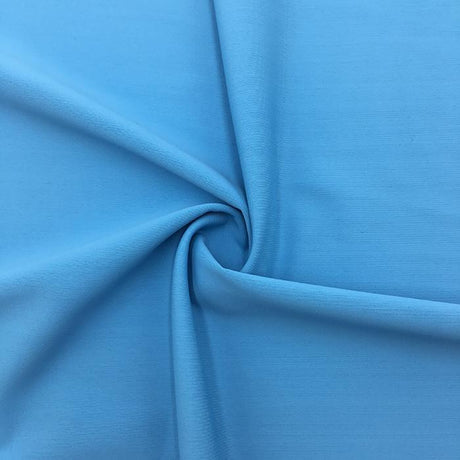
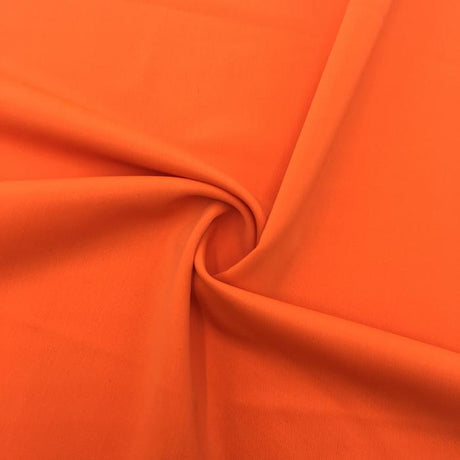
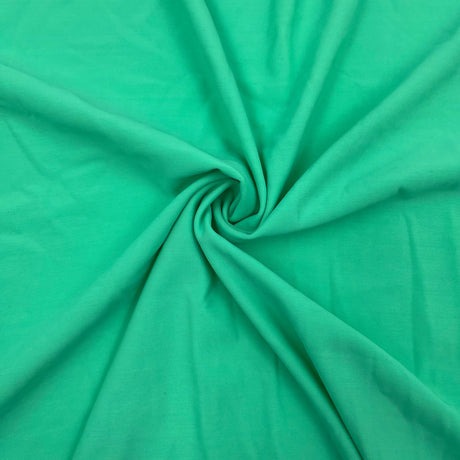
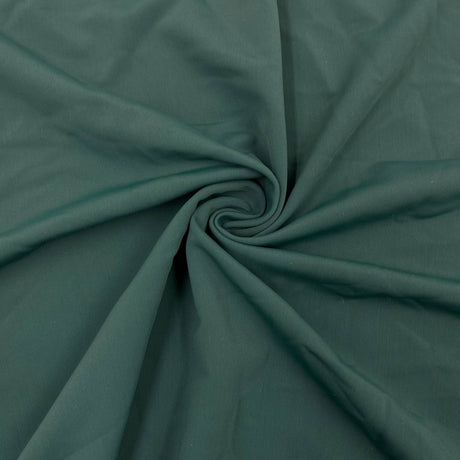
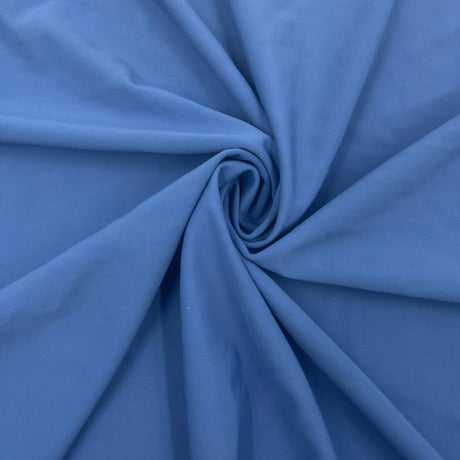
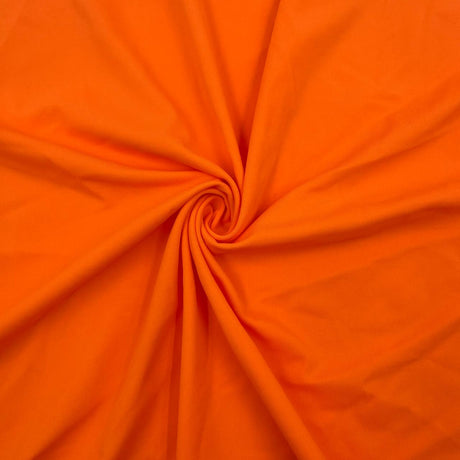
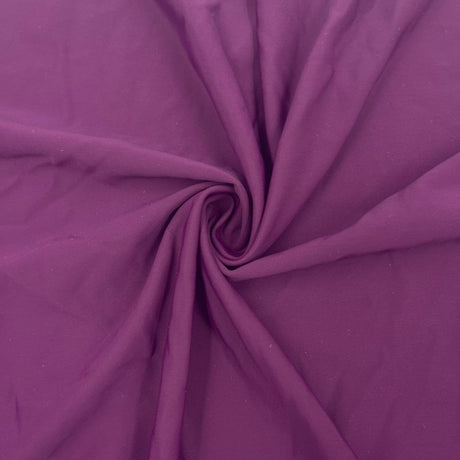
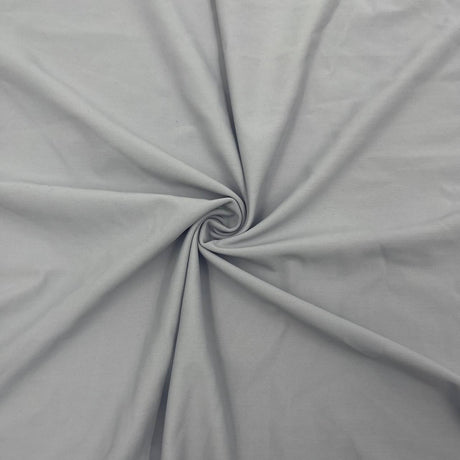
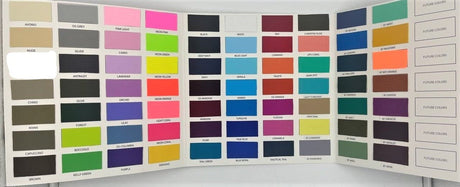
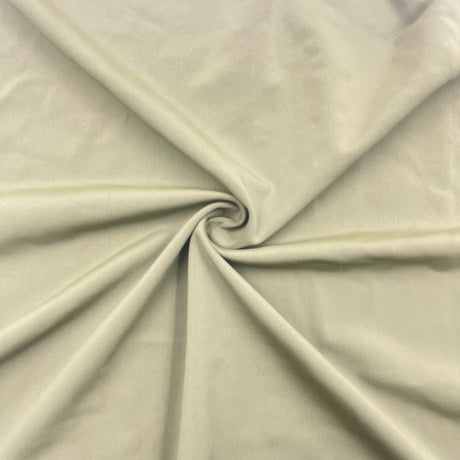
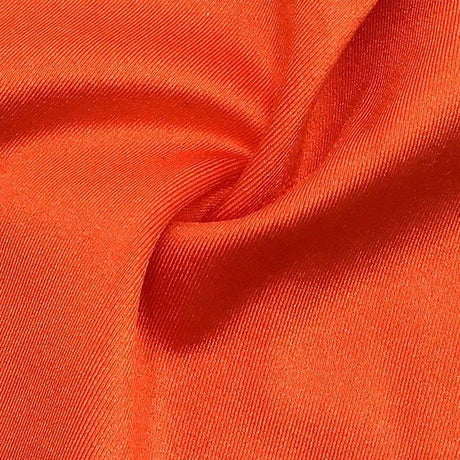
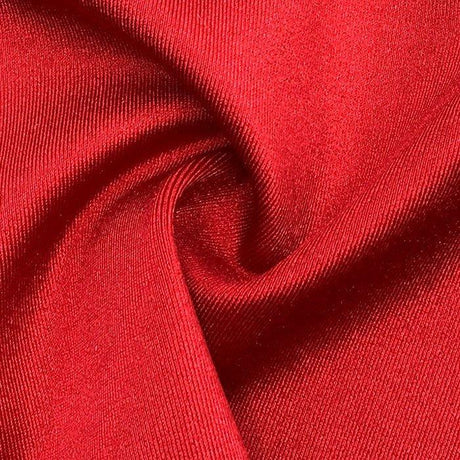
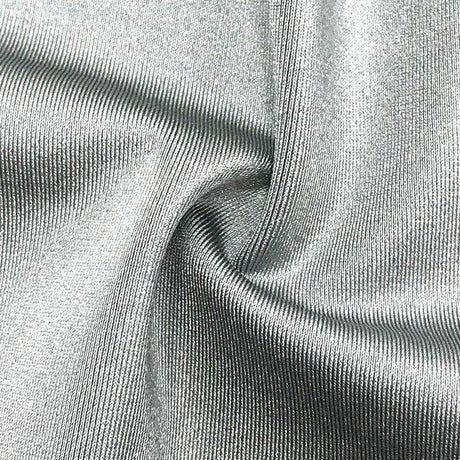
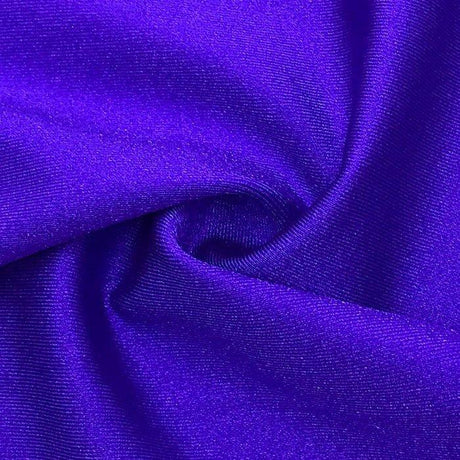
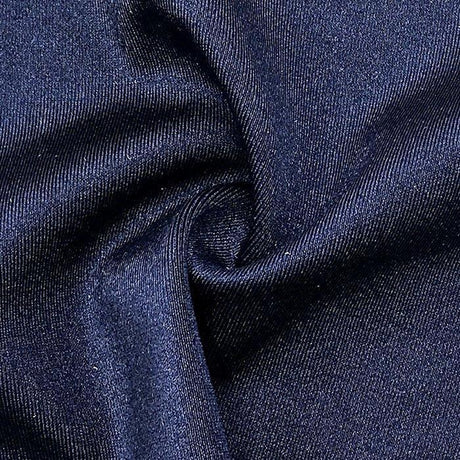
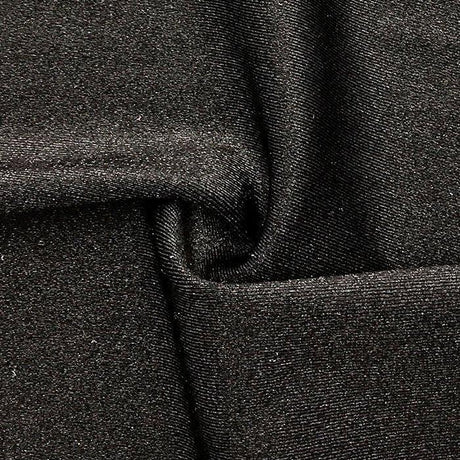
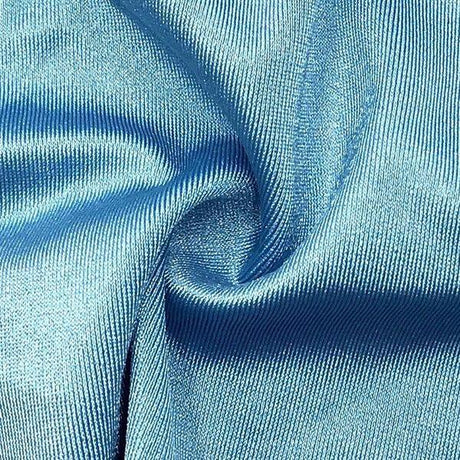
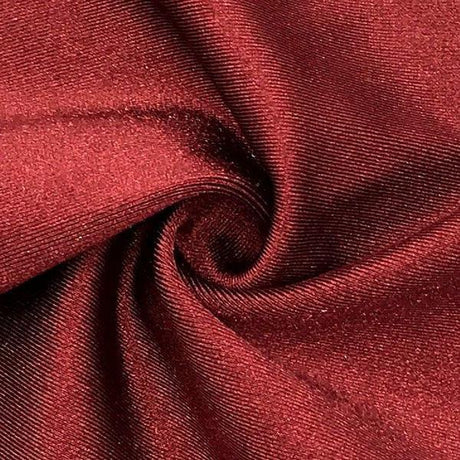
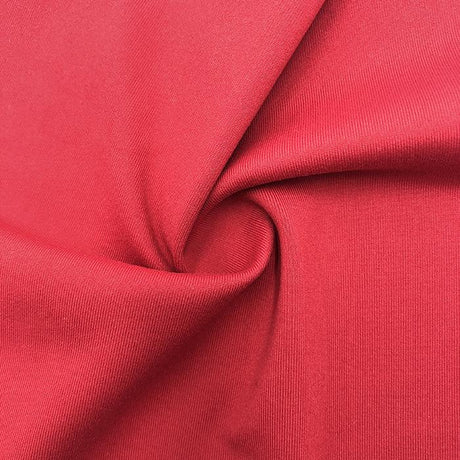
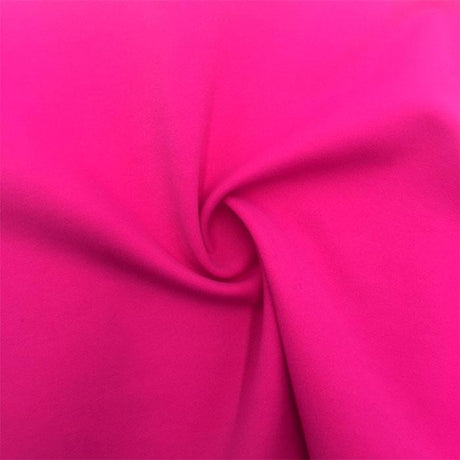
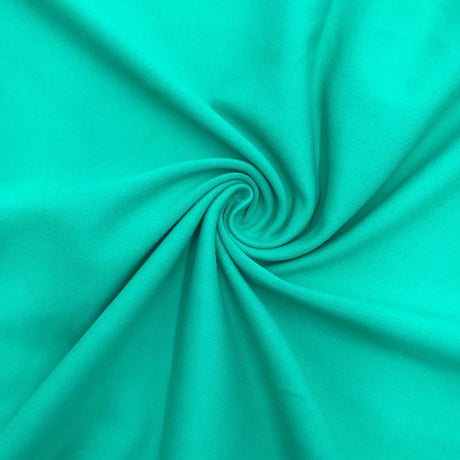
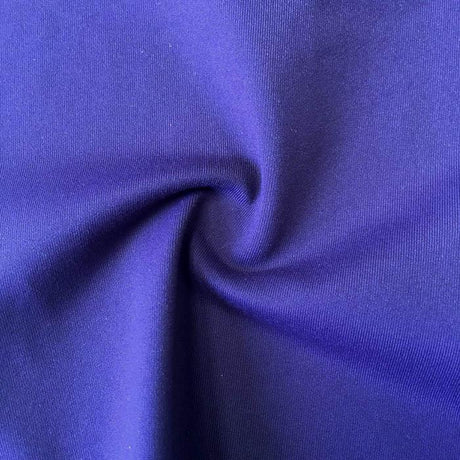
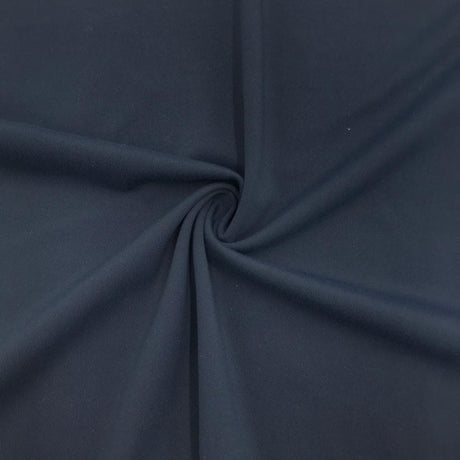
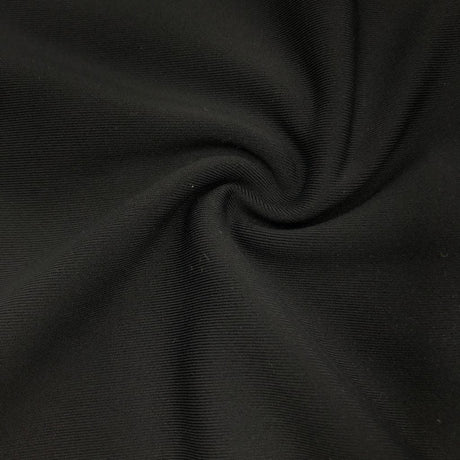
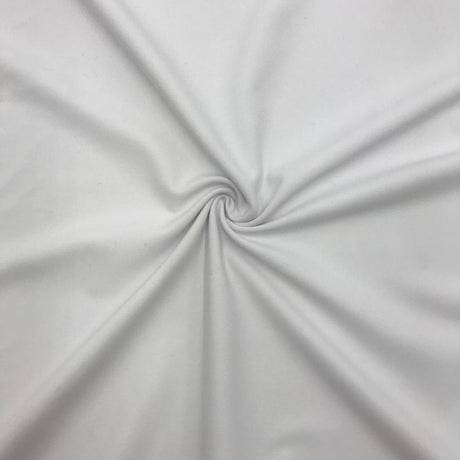
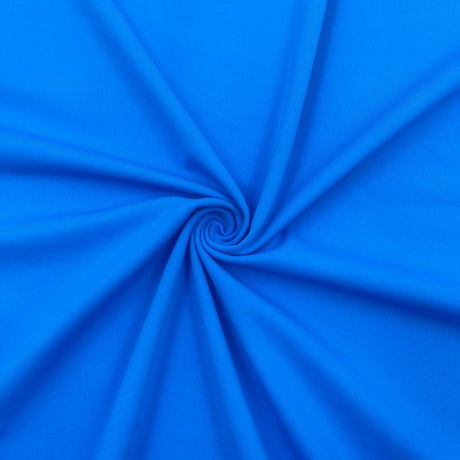
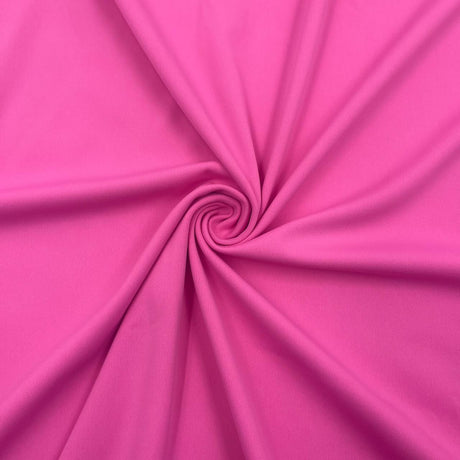
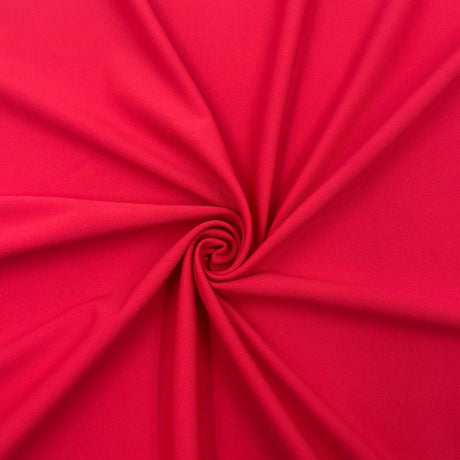
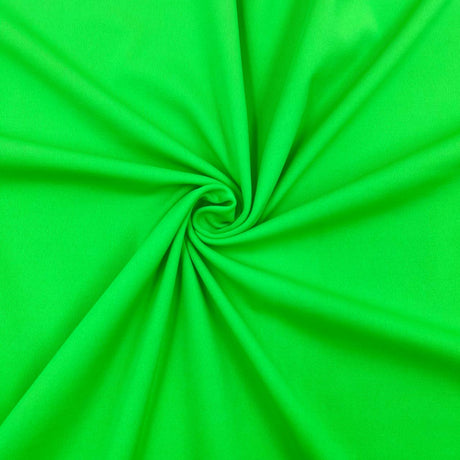
Selecting the right fabric for dancewear is a unique challenge. Dance garments must not only look stunning under stage lights but also perform under stress. They need to stretch, breathe, and endure sweat and strain, all while complementing the dancer's movements. This article serves both DIY creators and professional apparel manufacturers by breaking down what makes the best fabric for dancewear in terms of stretch, durability, and comfort. Whether you're sewing a practice leotard or sourcing materials for a production's costumes, understanding fabric performance is key. For a broader foundation before diving in, explore our dancewear fabric guide or browse our full fabric guides hub.
Why Fabric Matters in Dancewear Design
Function vs. Fashion: In dancewear, fabric choice can make or break a design. A high-quality dance costume isn't just about looks – it must meet strict performance criteria to support the dancer. This means balancing visual appeal with practicality. Under stage lighting, you might want a dazzling shine or bold color, but the material also needs to allow movement and handle sweat. The ideal dancewear fabric strikes a balance between function and flair, offering stretch, breathability, and durability without sacrificing comfort or beauty.
Impact on Movement, Breathability, Durability:
Freedom of movement: Dancers need to bend and leap freely. Fabrics with 4-way elasticity permit a full range of motion without restriction. A stiff or non-stretchy material can distract from technique or even cause a costume mishap. Our stretch fabric types page explains how 4-way construction differs from 2-way and how to verify true multidirectional stretch before purchasing.
Breathability and moisture control: Under hot lights or intense rehearsals, breathable and moisture-wicking materials are lifesavers. If the fabric traps heat or sweat, the dancer can quickly become uncomfortable or slippery. Good dance fabrics (e.g. meshes or technical blends) allow air flow and wick sweat away. Our activewear fabric guide covers moisture management ratings and breathability across common performance fabric types used in dance applications.
Durability under stress: Dance costumes go through a lot of wear and tear. Between stretching, quick changes, and frequent washes, a weak fabric can rip or lose shape. That's why most dancewear relies on strong synthetic fibers like nylon or polyester blends, which resist abrasion and hold up through multiple shows. Our nylon-spandex fabric guide covers how nylon-spandex compares to polyester-spandex in durability, stretch, and long-term performance for dance applications.
Key Technical Specifications
Weight (GSM): This refers to the fabric's weight in grams per square meter. Lighter fabrics are usually used for form-fitting pieces like leotards where a "second skin" feel and breathability are priority. Heavier fabrics (higher GSM) are used for costumes that need more structure or coverage. For instance, a lightweight 150–180 GSM knit might be perfect for a flexible bodysuit, while a 200+ GSM fabric provides more support and is less likely to turn transparent under strain. Our fabric weight guide provides a full breakdown of GSM ranges and how weight affects drape, opacity, and performance across all common dancewear fabric types.
Stretch & Recovery: Always look for 4-way stretch for dancewear. This ensures the material can accommodate high extensions, splits, and jumps. Equally important is recovery – the ability to snap back to the original shape. Quality spandex blends can stretch 4–7 times their length and still spring back. Check the elastane (spandex) percentage in the fabric; a higher percentage (say 15–20%) usually indicates excellent stretch and recovery. Our stretch fabric types page explains how to compare stretch percentages and recovery ratings across all common dancewear knit constructions.
Durability: Dance costumes need to endure intensive use. Look for fabrics labeled as abrasion-resistant or reinforced. Nylon-spandex and polyester-spandex blends are known for being tough – they resist tearing and can handle frequent washing and stretching without breaking down. Also consider color fastness (will the color hold up to sweat and wash?) and whether the fabric has any anti-fray properties. Our fabric care guide covers how to preserve color, stretch, and surface finish through repeated laundering across all common dance fabric types.
How to Choose the Best Fabric by Project Type
Leotards
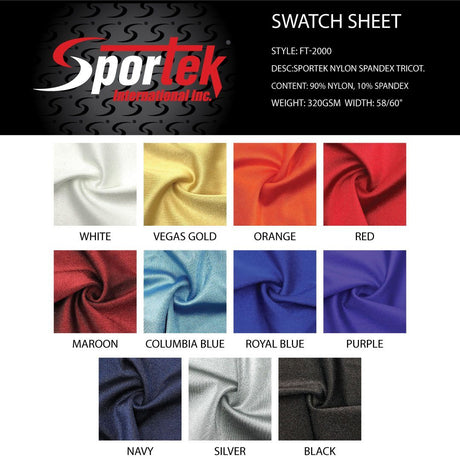
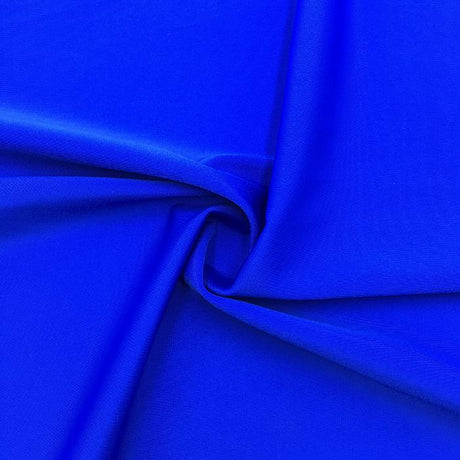
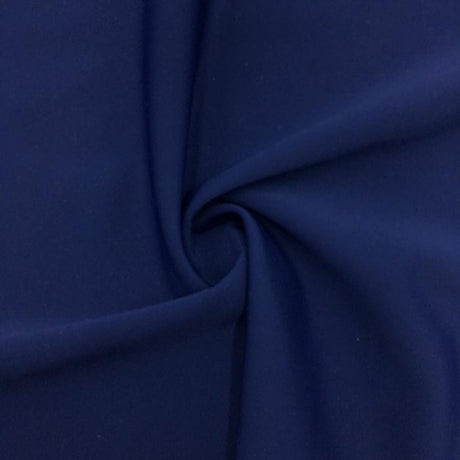
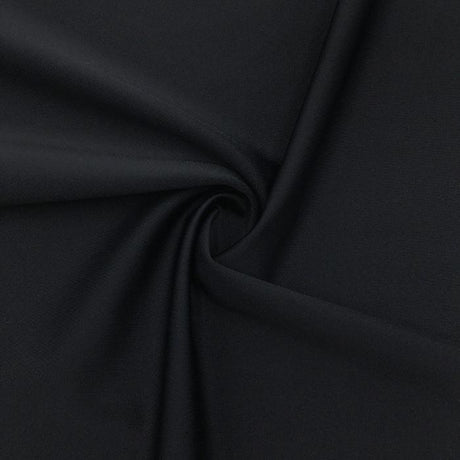
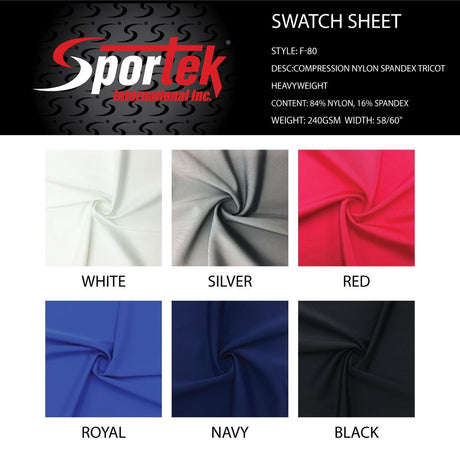
Second-skin fit: Leotards should hug the body without restricting movement. A high spandex content allows the garment to contour to the dancer's shape and move as they move. Many commercial leotards use nylon-spandex blends, which combine nylon's strength and silky smoothness with spandex's elasticity. This results in a lightweight, smooth fabric that won't weigh the dancer down. Our nylon-spandex fabric guide covers milliskin tricot and other nylon-spandex constructions commonly used for leotards, including how yarn fineness affects next-to-skin comfort.
Stretch + recovery: A good leotard fabric offers 4-way stretch and excellent recovery so it stays supportive. A blend of ~80–90% nylon and 10–20% spandex is common. The snug fit and shape retention of such fabrics means no sagging at the knees or seat, even after repeated wears. Our stretch fabric types page explains how to verify recovery ratings when comparing leotard fabric options.
Moisture-wicking comfort: Dancers sweat, so leotard fabric should handle moisture. Nylon-spandex is a winner here because nylon is quick-drying and wicks moisture away from the skin. Cotton-spandex leotards are also popular, particularly for youth and casual wear, because they are very soft and breathable on the skin. Our cotton-spandex fabric guide covers when cotton blends are appropriate for leotards and what performance trade-offs they involve. For preserving elastane recovery through washing, see our spandex care guide.
Dance Shorts
Stretch retention: Shorts experience a lot of stress at the waist, thighs, and seat. The best fabric for dance shorts has strong stretch and rebound, so it doesn't loosen or slide down during vigorous movement. Look for a fabric with a high elastane percentage and consider using a knitted waistband with great recovery. Our stretch fabric types page covers recovery ratings and how spandex percentage translates to real-world shape retention in high-stress garment areas.
Opacity & coverage: Nothing is more embarrassing for a dancer than transparent shorts under stage lights. Because dance shorts can stretch over curvy areas, choose a material with sufficient weight or a tight knit structure to remain opaque during splits and high kicks. A medium-weight nylon/spandex (200–250 GSM) is often used, as it stays opaque even under strain. Always test-stretch a swatch of the fabric – if you can see your hand through it when stretched, it may show more than you want on stage. Our fabric weight guide covers GSM thresholds for reliable opacity under stage lighting and flash photography.
Durability at the seams: The seams of dance shorts take a lot of tension. Using a strong, stretchable thread (like a polyester thread) and stitches like zigzag or flatlock will prevent seam breakage. Nylon-spandex fabrics resist tears and abrasion, surviving multiple shows without issue. Our how to sew stretch fabric guide covers seam reinforcement, stitch selection, and high-stress point construction techniques for dance shorts and other tight-fit dancewear.
Stage Costumes
Dazzle with prints and shine: Costumes often incorporate spectacular fabrics – think glitter, sequins, metallic foils, and vibrant prints. Many of these come in stretch versions. Holographic and metallic dance fabrics are typically built on a 4-way stretch spandex knit, meaning you get show-stopping sparkle without losing flexibility. Our fabric finishes guide covers the full range of surface treatments – from matte tricot to metallic foil and holographic finishes – and how they interact with stage lighting and movement.
Layering for effect: Often, a base leotard or unitard is made from a strong stretch fabric (nylon/spandex or milliskin tricot), and then decorative fabrics are added on top. An over-skirt might be chiffon or tulle for a ballet piece, or a sequined mesh overlay might add jazz-age glam on a jazz costume. Even embellished costumes usually have spandex underpinnings – it's common to mount lace, sequins, or heavy beadwork onto a stretchy backing so that the costume can still flex and won't rip during movement.
Color and theme considerations: Always consider how the material will look under lights; some shine brilliantly, while others like matte spandex or cotton have a subtle, muted look. Also test the fabric's colorfastness if the dancers will sweat in it – bold colors should not bleed. For custom sublimated prints on stretch bases, our sublimation guide and sublimation transfer paper resources cover how to create vibrant, wash-stable performance graphics. Our fabric care guide covers colorfastness testing and care protocols for specialty dance costume fabrics.
Ideal Inner Layers and Linings
Softness against the skin: No matter how dazzling the exterior, the part of the costume that touches the dancer should be soft and non-irritating. Linings made from smooth, breathable textiles (like lightweight nylon/spandex tricot or even silk jersey) can protect the dancer from scratchy sequins or coarse glitter fabrics. The goal is to prevent chafing and discomfort. Fabrics like power mesh or a thin cotton-spandex jersey are often used as linings because they're gentle on skin. Our nylon-spandex fabric guide covers lightweight tricot constructions suited to lining applications in performance costuming.
Sweat management: Linings can also serve to manage moisture. Many high-end dance costumes include moisture-wicking linings or inserts. Since pure spandex isn't sweat-wicking, liner fabrics (often poly or nylon technical knits) pull sweat away from the body, helping the dancer stay dry. This is especially important in areas like the torso or underarms. Our activewear fabric guide covers moisture-wicking lining fabric options and how they're evaluated for performance in high-sweat dance applications.
Support and structure: Sometimes a lining isn't just for comfort – it can provide support. Power net or power mesh (a very strong, tightly knit mesh) is commonly used inside costumes for extra compression or to hold things in place (for example, in bodice areas or to support heavy embellishments). These materials are stretchy yet strong, offering a bit of "invisible" structure without sacrificing movement. Our stretch fabric types page covers power mesh and power net constructions and how they compare to lighter lining options for support applications.
Common Mistakes to Avoid When Working With Dance Fabrics
Overlooking stretch direction: Always pay attention to which way your fabric stretches the most – typically, you want the greatest stretch going around the body (horizontal to the girth of a leotard or waistband of shorts). If you cut the pattern with the stretch in the wrong direction, the finished garment may not allow the dancer to move properly. Our how to sew stretch fabric guide covers grain alignment and cutting techniques for stretch fabrics in detail.
Not pre-washing your fabric: Performance fabrics, especially those with cotton or that have finishes, can shrink slightly or release dyes on the first wash. Always pre-wash (or at least steam) your fabric before cutting to avoid any surprises later. Pre-washing spandex blends prevents post-sewing shrinkage mismatches, so your garment won't suddenly get tighter after the first wash. Our fabric care guide covers pre-washing protocols for all common dance fabric types.
Using the wrong sewing tools and techniques: A common error is sewing stretch fabrics with a universal (sharp) needle or a straight stitch. Instead, use a ballpoint or stretch needle and a stretch-friendly stitch (like a narrow zigzag or special stretch stitch) so the seams can stretch with the fabric. Opt for polyester thread (which has a bit of give) rather than cotton thread, to prevent thread breakage. Our how to sew stretch fabric guide covers needle selection, stitch settings, thread pairing, and presser foot recommendations for all common dance fabric types.
When to Use an Alternative to Spandex
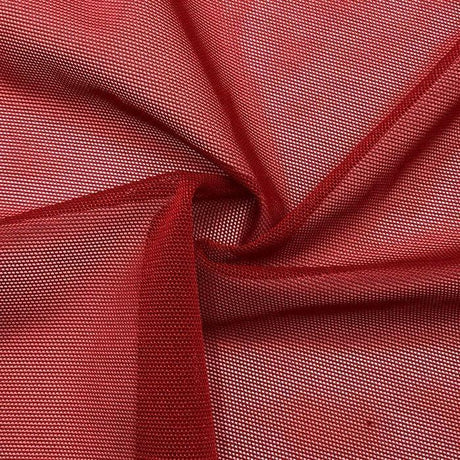
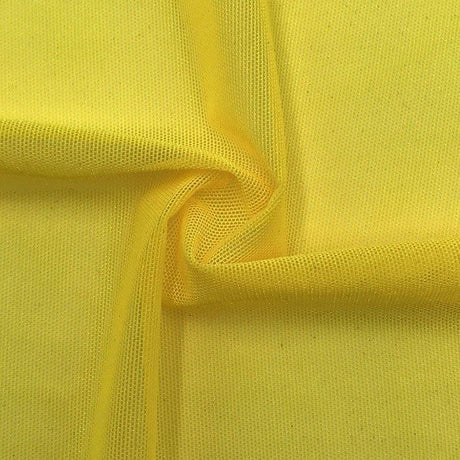
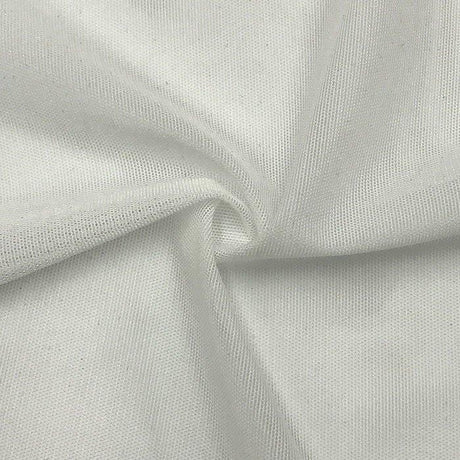
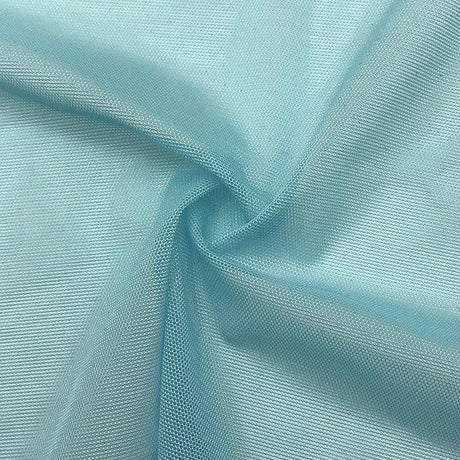
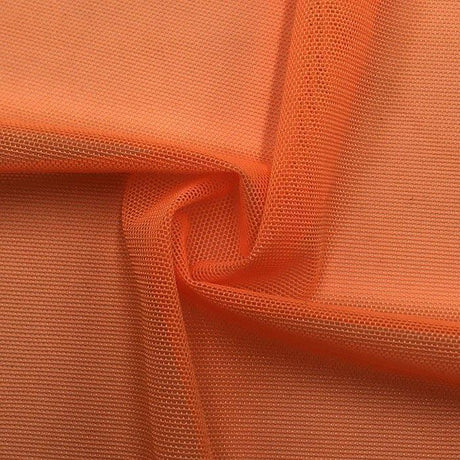
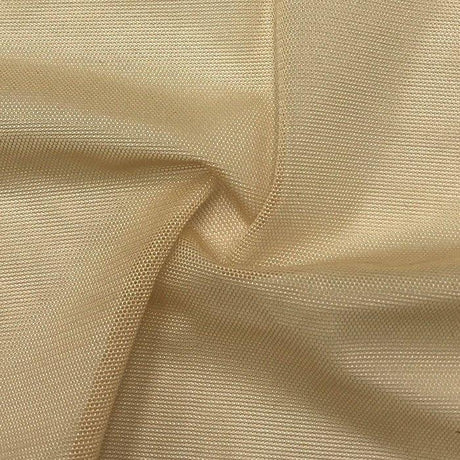
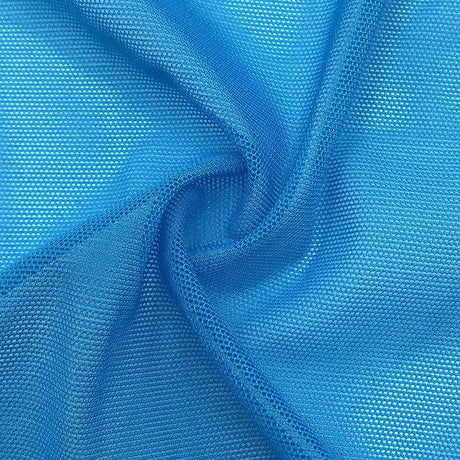
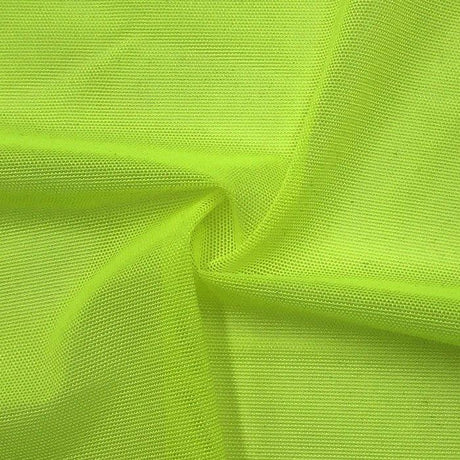
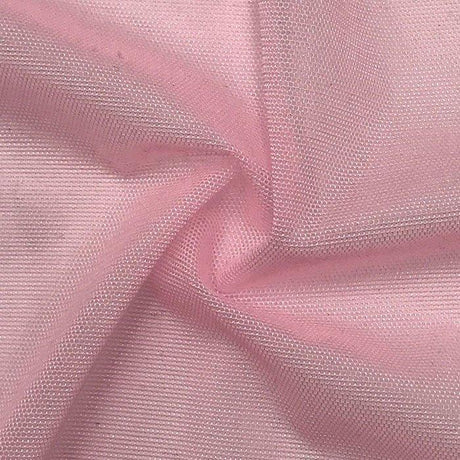
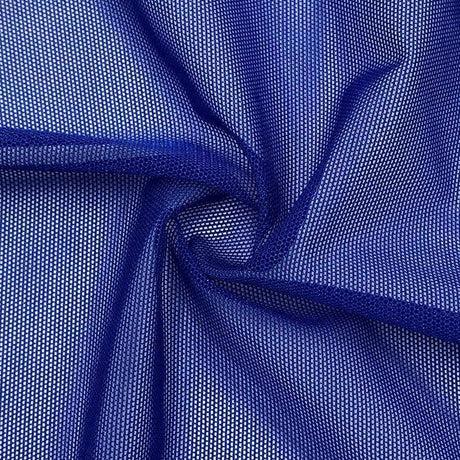
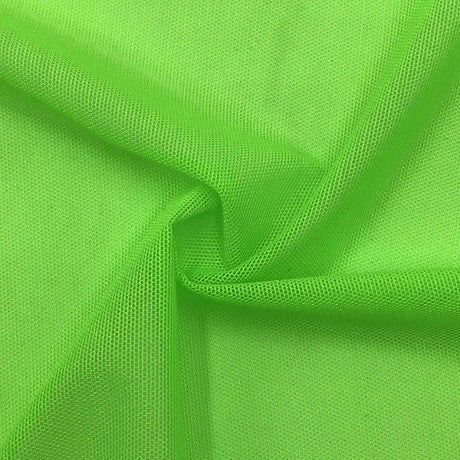
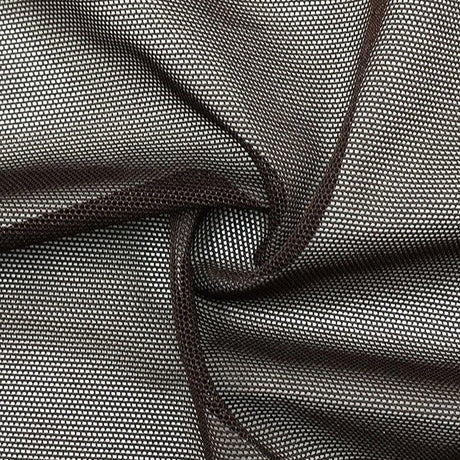
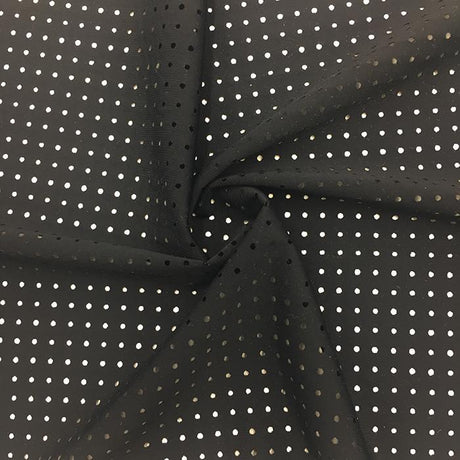
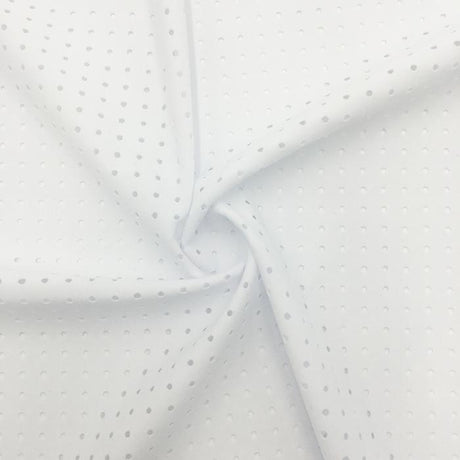
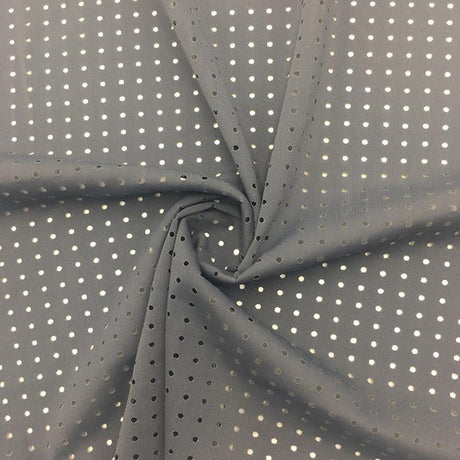
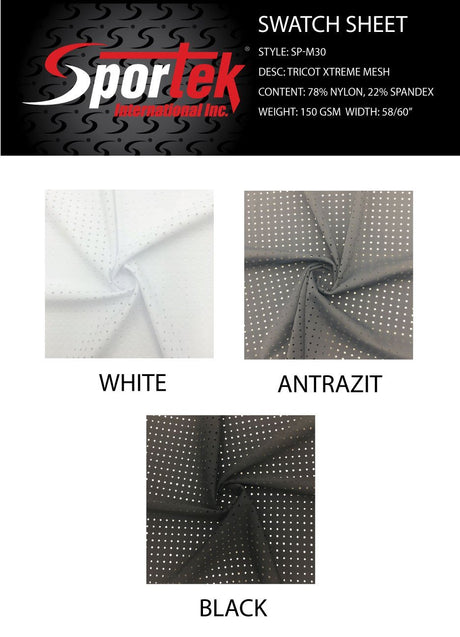
Mesh or Power Net – for breathability and illusion: When a design calls for sheer sleeves, cut-outs, or extra ventilation, mesh is the go-to. Power mesh can add support or act as an illusion panel (like nude mesh to give the look of skin while still providing coverage). Mesh fabrics are highly breathable and add flow without weight. Our stretch fabric types page covers power mesh constructions and how they compare to solid performance knits for panel, ventilation, and illusion applications in dance costuming.
Cotton or Cotton Blends – for comfort or budget: For low-impact dance or beginner costumes, cotton-based fabrics can be a practical choice. They are soft, breathable, and often less expensive than high-tech synthetics. Cotton blends are also great for warm-up outfits or rehearsal skirts, where maximum stretch isn't as critical. Always ensure there's a bit of spandex (Lycra) in the mix for stretch. Our cotton-spandex fabric guide covers cotton-spandex blend options and their care requirements for dance and casual rehearsal applications.
Stretch Velvet – for stage presence and elegance: Stretch velvet (velvet with spandex in it) is commonly used to give a luxe look while still allowing movement. It's perfect for roles or dances that require a touch of elegance – a royal character's tunic, an autumn or winter-themed piece, or any costume needing a plush appearance. Velvet's pile reflects stage light in a unique, soft way, adding visual depth and a regal sheen. Do note that velvet is heavier and warmer than regular spandex fabric. Dancers often reserve velvet costumes for slower routines or use velvet just on bodices or accents so as not to weigh themselves down. Our fabric finishes guide covers stretch velvet and other specialty surface textures and how they interact with movement and stage lighting.
Conclusion
Choosing the best fabric for dancewear comes down to understanding the demands of your specific project – and balancing them with creative vision. For a simple practice leotard, you might prioritize stretch, comfort, and washability; for an elaborate stage costume, you'll seek out a blend of performance (so the dancer can move freely) and visual drama (so the outfit shines as much as the routine). In all cases, remember the trifecta: performance, comfort, and aesthetics. The fabric should enable the dancer's movement (through stretch and support), keep them comfortable (through breathability, moisture management, and softness), and contribute to the overall look (through color, texture, and shine).
Ready to find the perfect fabric for your project? Explore our dancewear fabric guide for curated recommendations, use our stretch fabric types page and fabric weight guide to compare your options, and visit our how to sew stretch fabric guide for step-by-step construction techniques. Our fabric care guide and spandex care guide will keep finished costumes performing beautifully through every rehearsal and performance. Have questions? Our expert help and advice page and FAQ are always available. Sign up for SpandexByYard Rewards to earn points on every purchase – happy fabric hunting and even happier dancing!