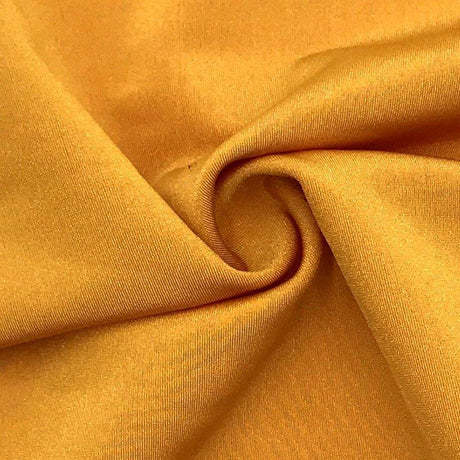
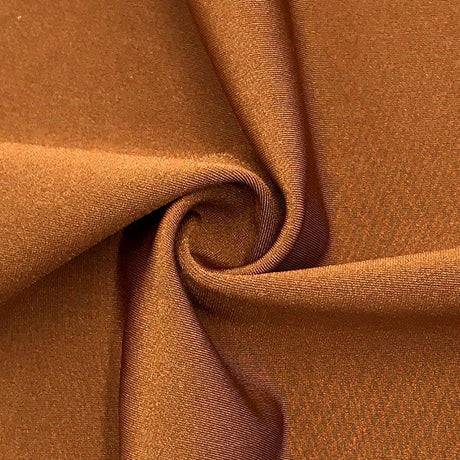
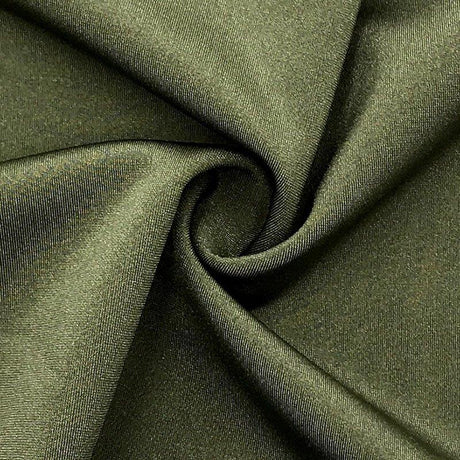
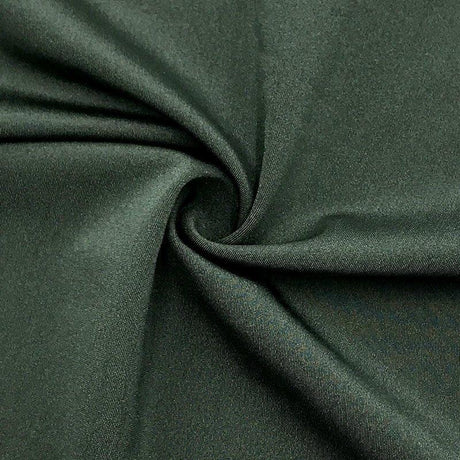
Wind changes everything. On a calm winter day, many runners feel comfortable in simple "warm" fabrics—but add gusts and suddenly your legs feel icy, your core overheats, and sweat turns into a chill the moment you slow down. That's wind chill in action: moving air accelerates heat loss from exposed skin, making it feel significantly colder than the thermometer suggests. For a broader foundation on stretch fabric properties before diving in, explore our activewear fabric guide or browse our full fabric guides hub.
What Is the Best Fabric for Cold Weather Running When It's Windy?
When the goal is cold + windy running, the "best fabric" is usually a layer-ready performance knit system, anchored by a thermal spandex knit for stretch and body-hugging warmth—then upgraded with a wind-resistant outer layer in key zones (front torso, thighs) if conditions demand it.
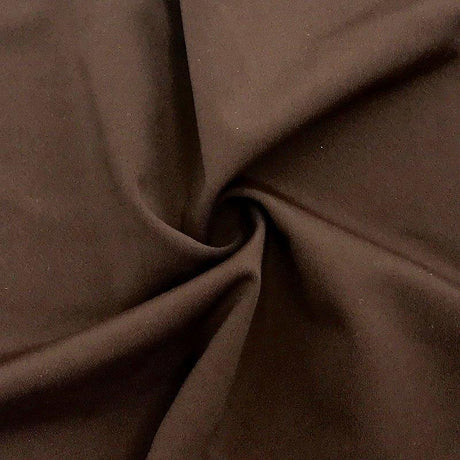
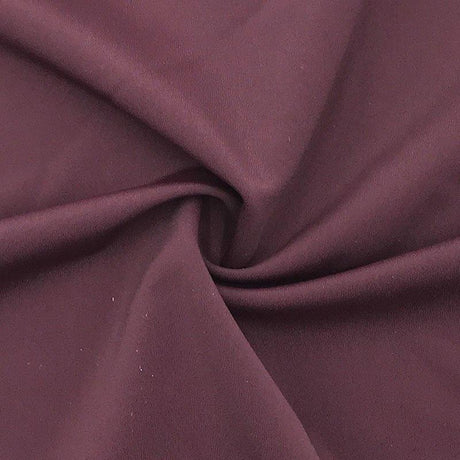
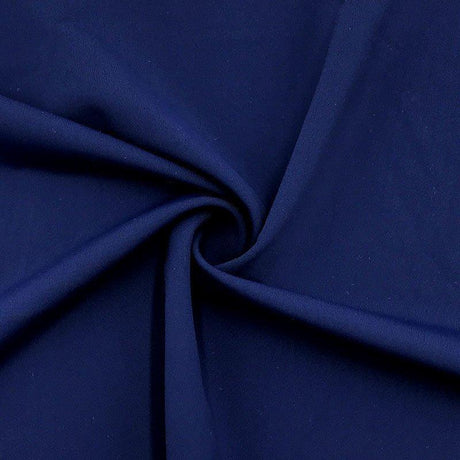
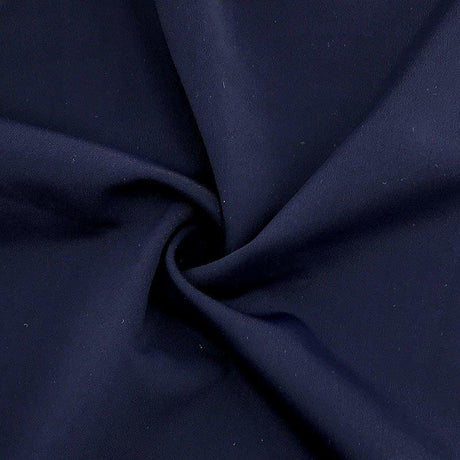
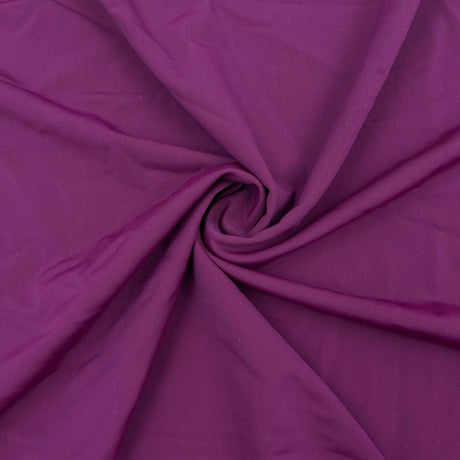
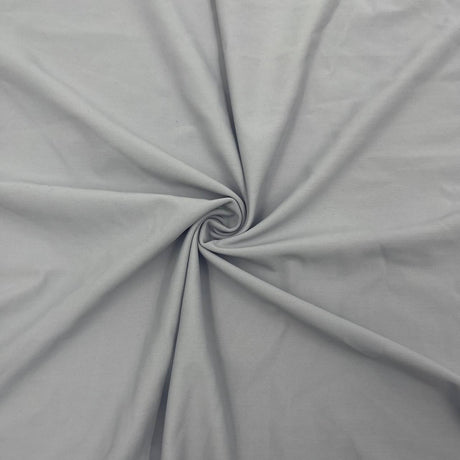
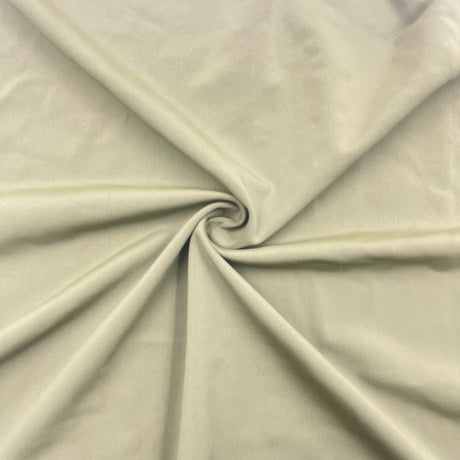
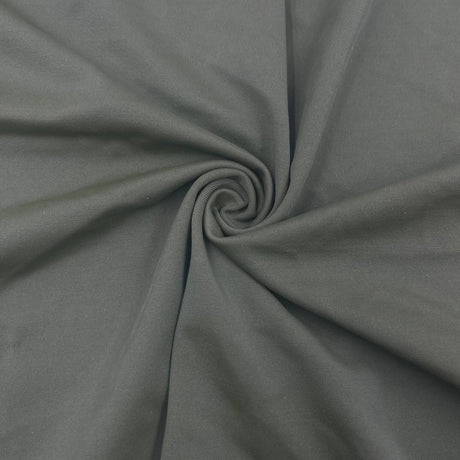
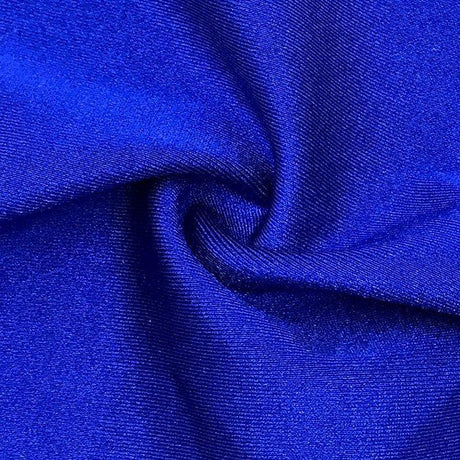
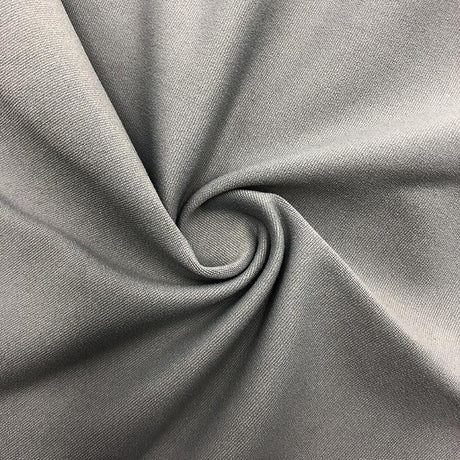
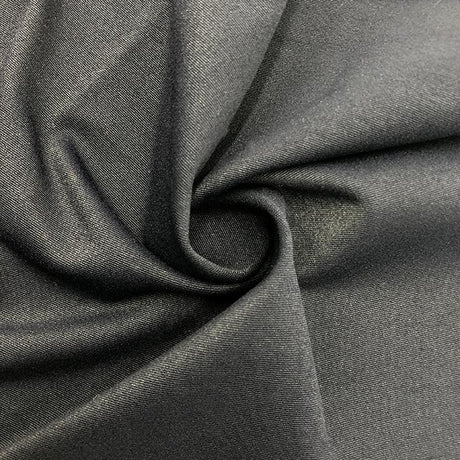
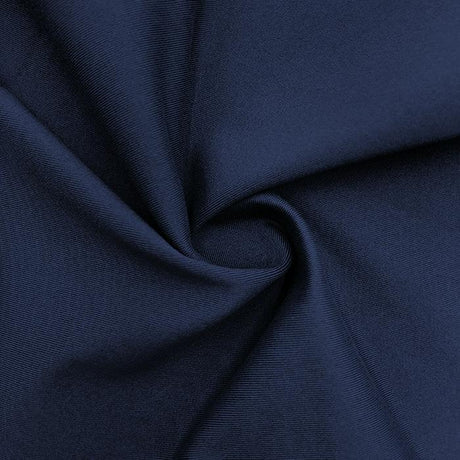
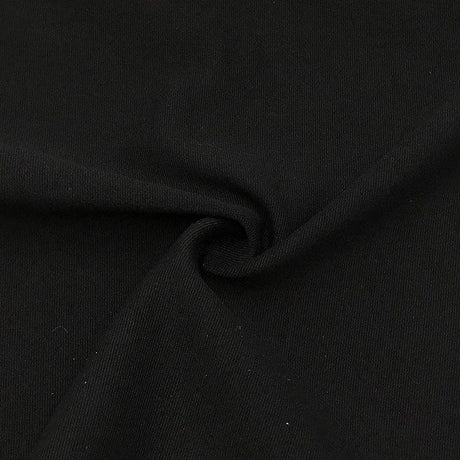
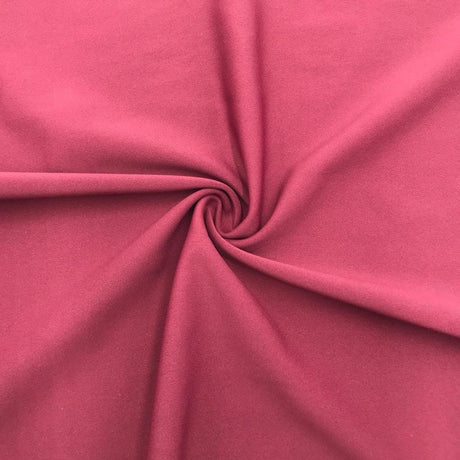
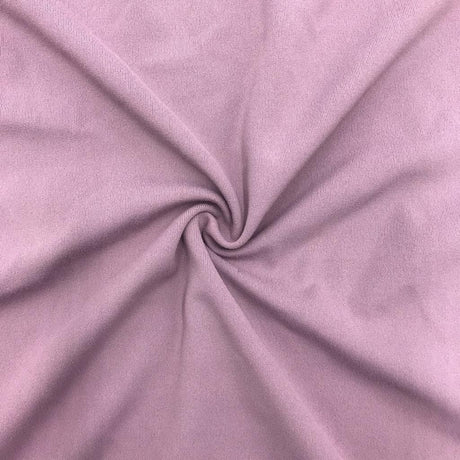
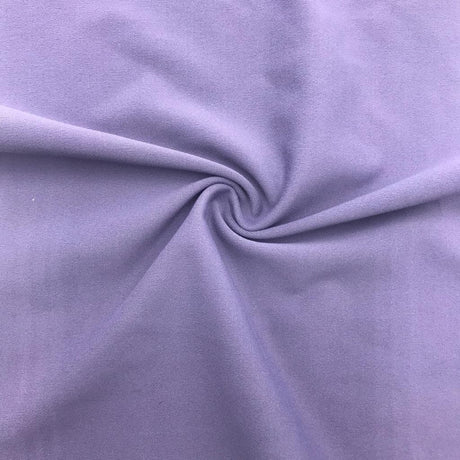
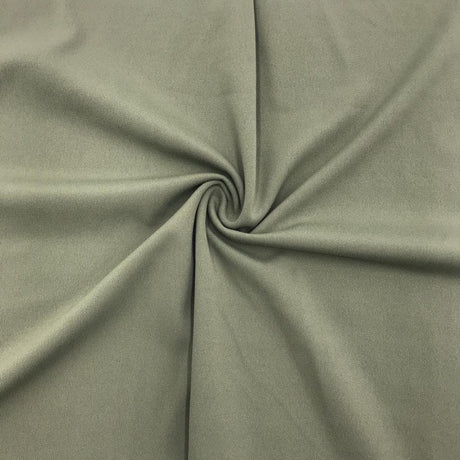
A practical, high-performing core choice (especially for tights and fitted tops) is a medium-weight thermal fleece-back poly-spandex: a smooth jersey face (slides under shells, resists snagging) plus a functional fleece/velour back (captures insulating air near the skin). For example, SP-AK90 Pro-Stretch Med Weight Thermal is described as 88% polyester / 12% spandex, 272 GSM, with a jersey face and fleece back built for warmth and flexibility.
How this differs from related fabrics:
Moisture-management spandex jerseys (light-to-midweight) focus on sweat control and next-to-skin comfort; they can be warm-ish when layered, but they're not inherently wind-blocking.
Traditional fleeces (single/double-sided) are warm, but many are air-permeable—meaning wind can cut right through unless you pair them with a shell. Polyester fleece dries quickly yet isn't windproof on its own.
Windproof softshells (often a face fabric + membrane like TPU) are purpose-built to reduce air penetration and shed weather—ideal when "windy" becomes the main problem to solve.
Key Performance Characteristics
Stretch and Recovery: For running, stretch isn't just comfort—it's stability. 4-way stretch helps garments move without seam stress, while recovery prevents bagging at knees, elbows, and waist over time. From a fiber standpoint, spandex/elastane is the engine behind stretch garments. Our stretch fabric types page covers the step-by-step stretch and recovery testing methodology in detail, including how to calculate stretch percentage from a home swatch test.
GSM (Weight) and Thermal Feel: GSM (grams per square meter) is a practical shorthand for warmth and opacity in knits. Higher GSM generally correlates with a denser, warmer fabric. Real cold-weather running examples from performance fabrics sold by the yard: 200 GSM moisture-management poly-spandex jersey (good base-layer weight with structure); ~270 GSM thermal fleece-back spandex knit (warmer tights / second layer); ~370 GSM membrane softshell (true weather barrier piece). Our fabric weight guide provides a full breakdown of how GSM affects warmth, breathability, and durability across all common performance fabric constructions.
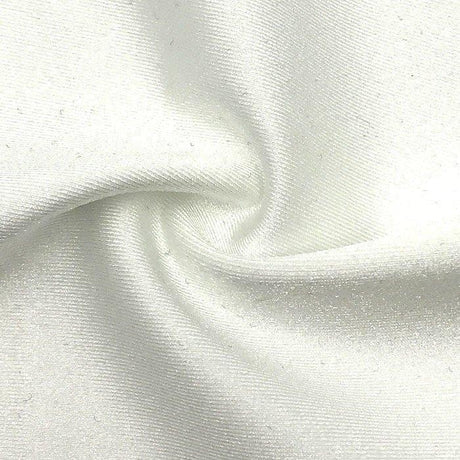
Moisture Management and Breathability: "Moisture-wicking" is often used casually, but in testing terms, liquid moisture management can be evaluated with standards like AATCC TM195, which looks at wetting, spreading speed, one-way transport, and an overall moisture management capacity (OMMC). A strong real-world fabric example is M-110AM Moisture Management Spandex, described as a poly-spandex jersey with MaxDri moisture management, plus anti-microbial finish and UPF50+. Our fabric finishes guide covers moisture-wicking surface treatments and how to evaluate their durability across all common performance fabric constructions.
Wind Resistance and "Feels-Like" Warmth: Wind doesn't just "feel cold"—it accelerates heat loss, which is why wind chill exists. Windy running gear often needs lower air permeability (more wind resistance) on the outside, while maintaining moisture control inside. Membrane softshells explicitly target this—described as windproof, waterproof, and breathable, using polyester + TPU, with a soft fleece back for warmth.
Durability and Abrasion Resistance: Cold-weather running increases rubbing and stress: tights under shells, gloves against sleeves, hydration belts at the waist. Practically, nylon-spandex is often chosen for high-wear active garments because nylon is widely valued in performance apparel for durable, long-lasting stretch applications. Our nylon-spandex fabric guide covers how nylon-spandex constructions compare to polyester-spandex in durability, recovery, and moisture management.
Softness and Next-to-Skin Comfort: In cold wind, comfort problems show up fast: scratchy interiors, clammy linings, and chafe at seams. Brushed tricot is a warp-knit with a brushed side that creates a soft "peach skin" feel and adds a bit of insulation versus open meshes.
Comparison with Similar Fabrics
Thermal Fleece-Back Poly-Spandex (e.g., SP-AK90): 88% polyester / 12% spandex; 4-way stretch knit; 272 GSM. Best for tights, thermal tops, and "second layer" warmth with mobility. Warmth + stretch; fleece back for comfort; smooth face for layering. Not truly windproof; can overheat at high exertion without venting (design dependent).
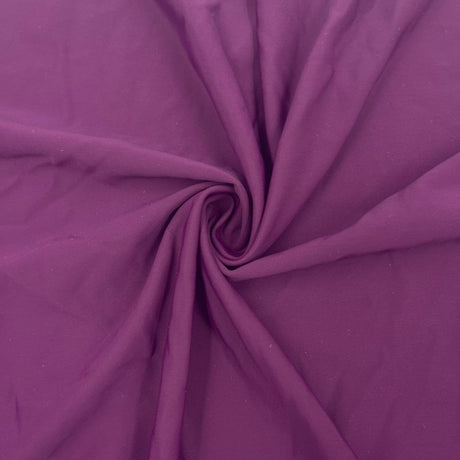
Moisture-Management Poly-Spandex Jersey (e.g., M-110AM): 90% polyester / 10% spandex; stretch jersey knit; 200 GSM. Best for base layers, functional tees, and next-to-skin sweat control. MaxDri moisture management; anti-microbial; UPF50+ option. Less warmth by itself vs thermal fleece-back; wind cuts through unless layered.
Windproof Softshell (e.g., Thunder Mesh 7): Polyester + TPU membrane; often limited stretch (membrane build); 370 GSM. Best for front panels, outer shells, and wind/rain exposure zones. Windproof/waterproof + breathable claim; fleece back warmth. Heavier/bulkier; breathability depends on membrane and venting design.
Best Uses & Applications
Running tights / leggings: Thermal fleece-back spandex knits are ideal when you want warmth without sacrificing range of motion. Our activewear fabric guide covers fabric weight and compression performance benchmarks across all common activewear constructions.
Half-zips, fitted hoodies, and midlayers: A 200–270 GSM stretch system works well: moisture-management jersey inside, thermal spandex as the outer face—or reverse, depending on comfort goals.
Wind-blocking vests and shell jackets: When gusts are the main issue, use softshell yardage strategically: front torso paneling, shoulder yokes, and upper arms.
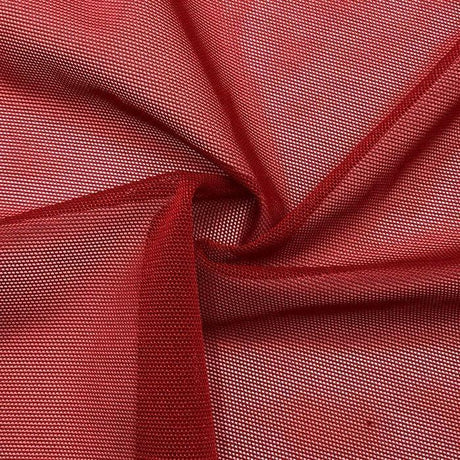
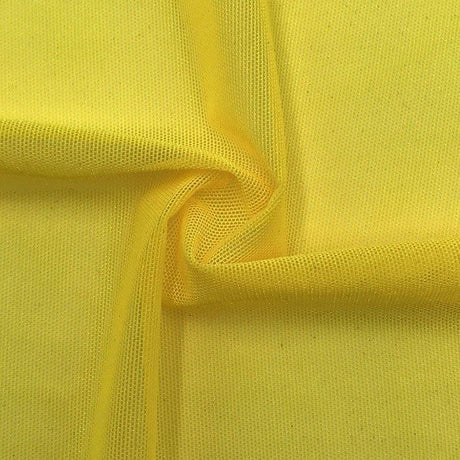
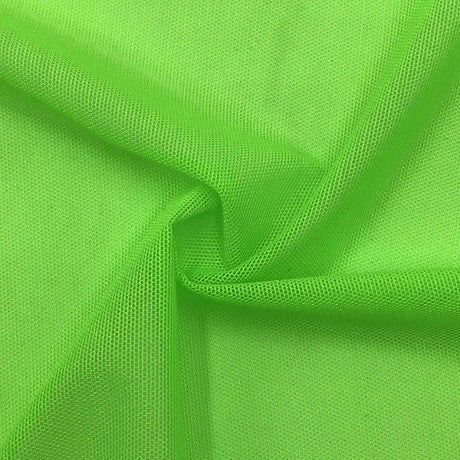
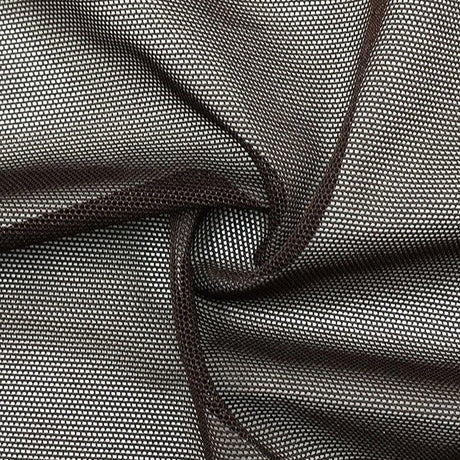
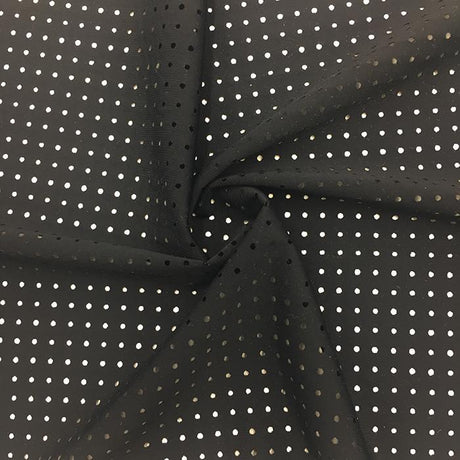
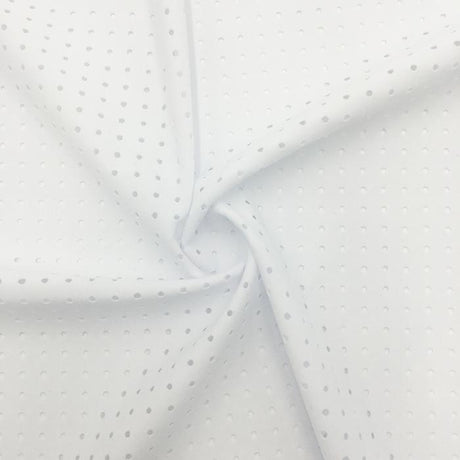
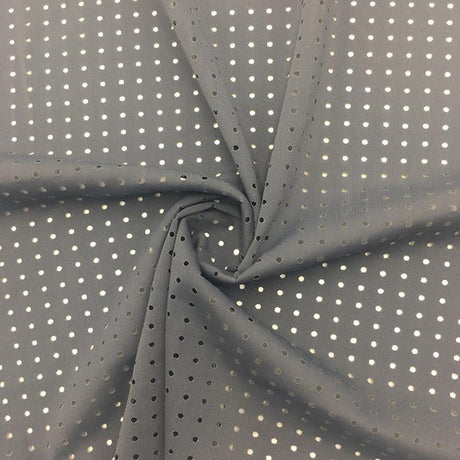
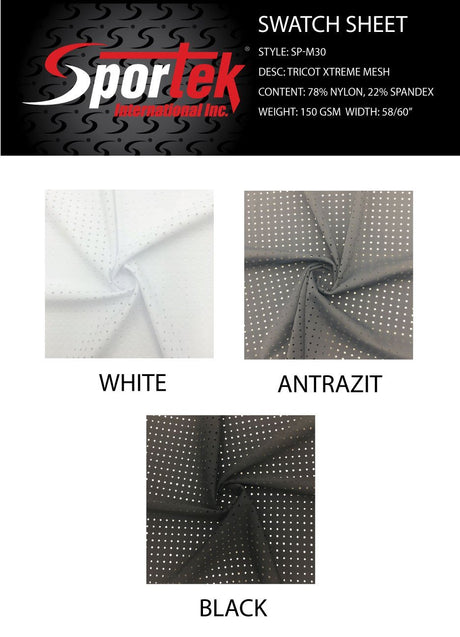
Mesh, linings, and comfort engineering: Windy doesn't mean "no ventilation"—it means controlled ventilation. Stretch mesh is useful for heat-dump zones (back yoke, underarms, behind knees) while preserving mobility. Brushed tricot and similar soft linings help reduce chafe and add light insulation without bulky fleece.
Use-case scenarios:
Everyday winter running (cool + breezy): Use moisture-management jersey for the base and a thermal spandex knit for tights; add wind resistance only where needed.
Performance workouts (hard effort in cold + wind): Prioritize moisture management and targeted wind blocking. A base like M-110AM (MaxDri, 200 GSM) plus a lighter thermal on legs, plus a windproof panel piece for the front body works well.
Custom prints & fashion-forward winter gear: If you're producing team kits or small-batch runs, look for PFP/PFD and sublimation-ready options. Our sublimation page covers how sublimation printing bonds dye into polyester-spandex fibers to achieve permanent, saturated color, and our sublimation paper and sublimation transfer paper pages cover the complete printing workflow.
How to Choose the Right Fabric
Choose by job, not by name: Start with the environmental problem: wind-driven heat loss + sweat management. A reliable decision path:
Base layer (next-to-skin): moisture-management jersey to move sweat and dry fast (e.g., M-110AM, 200 GSM). Thermal stretch layer: fleece-back spandex knit for warmth without restricting stride (e.g., SP-AK90, 272 GSM). Wind layer (as needed): softshell/membrane fabric for true wind blocking.
Our how to choose fabric guide covers what to evaluate when a physical swatch arrives, including stretch testing, opacity testing, and hand feel assessment.
Stretch requirements: For tights and close-fit running silhouettes, look for 4-way stretch, solid recovery, and choose seam placement that respects stretch direction.
Weather and use conditions: If it's cold but calm: thermal spandex might be enough. If it's cold + windy: consider adding windproof panels (front thighs, hips, chest) with a softshell fabric.
Budget and production scale: Manufacturers: spec by GSM, fiber blend, finishing (anti-pill, antimicrobial), and validate with standardized tests. DIY makers: buy a small cut first, test stretch recovery, and do a laundry trial before committing to bulk yardage (especially for thermal knits and printed goods). Have questions? Our expert help and advice page and FAQ are always available.
Common Mistakes to Avoid
Using the wrong needle on high-stretch knits: Skipped stitches and popped seams often begin with needle mismatch. Stretch needles are recommended for highly elastic knits containing Lycra®/Spandex, describing features like a medium ballpoint and design elements that reduce stitch issues. Our how to sew stretch fabric guide covers complete needle selection, stitch type, machine settings, and edge finishing guidance for all common cold-weather running garment construction scenarios.
Ignoring stretch recovery in the wrong places: A fabric can stretch but still "bag out." For tights and cuffs, prioritize blends and constructions built for performance stretch.
Assuming fleece = windproof: Many fleeces are warm but still air-permeable. Use a dedicated windbreaking layer for true protection.
Cutting without mapping "wind zones": If you're adding a softshell, don't wrap the entire garment in membrane unless you want to trap heat. Use paneling like front-chest and thigh yokes, leaving breathable zones elsewhere.
Misaligning nap/brushed direction: Brushed or fleece-back fabrics can have directional feel; inconsistent cutting can create uneven appearance or handfeel (especially important for brushed linings and fleeces).
Ready-to-Use Checklists
Pre-production checklist (manufacturers + small brands):
- Confirm intended performance role: base / thermal / wind shell panel
- Record fabric specs: composition, GSM, width, finish claims (e.g., MaxDri, antimicrobial, UPF)
- Validate with tests where relevant: AATCC TM195 (liquid moisture management), ASTM D737 (air permeability), ASTM D4966 (abrasion)
- Prototype high-wear details: waistband, knee articulation, pocket edges, zipper garages
DIY maker checklist:
- Pre-wash a swatch and check shrink + handfeel change (especially for brushed/thermal knits)
- Test stretch on both grain directions; confirm recovery after 10–15 seconds
- Use a stretch/ballpoint needle appropriate for spandex blends
- Choose stitches that stretch (zigzag/stretch stitch; cover/overlock where available)
- If adding windproof panels, baste first to confirm mobility and venting
Care & Longevity Tips
Washing: Wash cold or cool on a gentle cycle when possible, and avoid harsh handling that can distort elastomeric fibers. Our spandex care guide and fabric care guide cover complete laundering protocols for all common spandex-blend fabric types.
Drying: Air drying is the safer default for spandex-rich fabrics. Avoid wringing/twisting.
Ironing: If you must press, use low heat and a press cloth—especially on thermal knits and any membrane/TPU fabrics (heat can damage specialty layers). Softshells with TPU are engineered composites, so treat them as technical outerwear materials.
Storage: Store clean and dry. Avoid compressing plush fleece surfaces for long periods if you want to preserve loft (insulating air-trapping texture).
Print care (when relevant): For sublimation-ready PFP goods, keep detergents mild and avoid abrasive washing that may dull surface feel over time.
When to Consider an Alternative Fabric
When cotton-spandex beats nylon/poly-spandex: If the run is low intensity (walk-run, recovery jog), or you want a cozier casual handfeel for off-duty winter sets, cotton blends can feel warmer initially. But for high-sweat running, outdoor experts generally recommend avoiding cotton base layers because it doesn't wick efficiently and dries slowly—raising chill risk when conditions change. Our cotton-spandex fabric guide covers how cotton-spandex blends compare to synthetic alternatives in moisture management.
When neoprene is the better choice: Neoprene excels when you want a structured, insulating "foam" hand and body—more niche for running, but useful for protective accessories, structured panels, or fashion-meets-performance pieces. If mobility and breathability are top priorities, neoprene is usually not the first pick for distance running layers.
When mesh makes more sense: If you're overheating even in winter, build ventilation in. Stretch mesh and performance linings are common in sportswear for airflow and moisture escape, and can be placed in high-sweat zones while keeping wind protection elsewhere.
When a windproof softshell becomes non-negotiable: If your weather is truly gusty (or you run in exposed areas), a membrane softshell can be the difference between "fine" and "miserable." Wind chill is tied directly to wind-driven heat loss, and windproof paneling becomes a clear technical solution.
Conclusion
For windy winter miles, the best fabric for cold weather running is best understood as a performance fabric system—not a single magic bolt. Start with a moisture-smart base (like a moisture-management poly-spandex jersey), add a thermal stretch layer (like a fleece-back thermal spandex knit), and introduce wind protection with targeted softshell paneling when gusts demand it.
Choose by measurable specs (GSM, composition, finishing), validate performance logically (moisture management + breathability + abrasion), and build garments that balance insulation and venting—because in the cold, sweat management is warmth management. Sign up for SpandexByYard Rewards to earn points on every purchase!
FAQ
Is thermal fleece-back spandex good for cold weather running tights? Yes—thermal fleece-back spandex knits are purpose-built for warmth plus mobility. Our fabric weight guide covers the GSM thresholds that distinguish lightweight from midweight from heavyweight thermal fabric constructions.
What fabric is best for windy winter runs if I overheat easily? Use a moisture-management base layer (to control sweat) and add windproof protection only where needed (front torso/thighs). Softshell fabrics designed as windproof and breathable can be used as panels rather than full-body shells. Our fabric finishes guide covers how moisture-wicking and wind-resistant finishes compare across all common performance fabric constructions.
How durable are these fabrics for long-term projects and repeated wash? Durability depends on construction and testing targets. Our nylon-spandex fabric guide covers how nylon-spandex constructions compare to polyester-spandex in abrasion resistance and long-term recovery.
How should I care for spandex blends to preserve stretch and recovery? Gentle washing and air drying are commonly recommended to protect stretch fibers. Our spandex care guide covers complete care protocols for all common spandex-blend fabric types.
I'm sewing winter running gear—what needle should I use? For high-stretch knits containing spandex/elastane, use Stretch needles designed for highly elastic fabrics to reduce skipped stitches and improve stitch formation. Our how to sew stretch fabric guide covers all needle selection and machine setup guidance for all common stretch fabric construction scenarios.