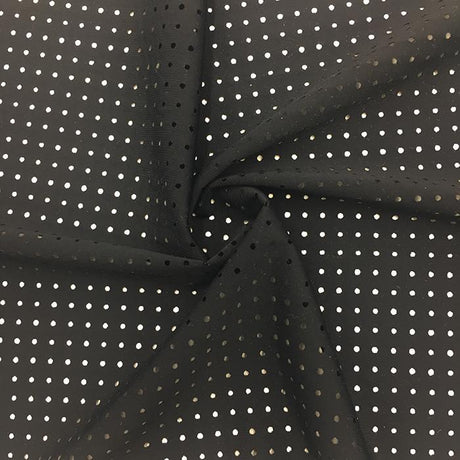
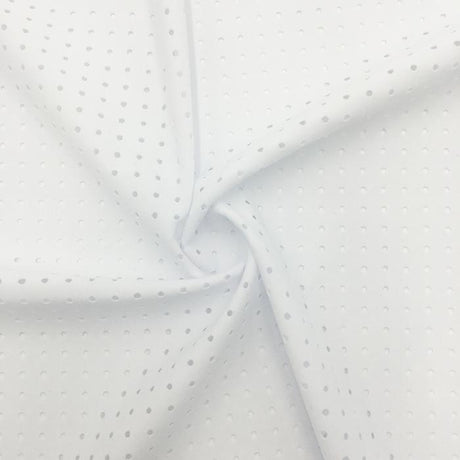
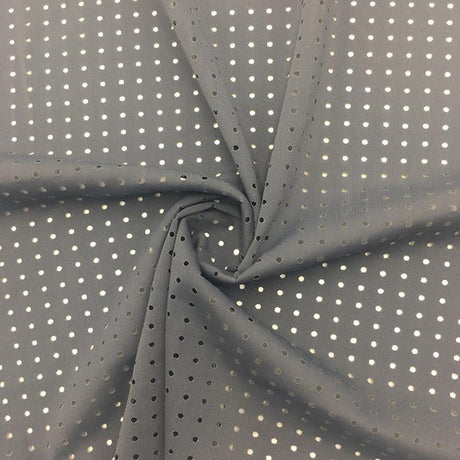
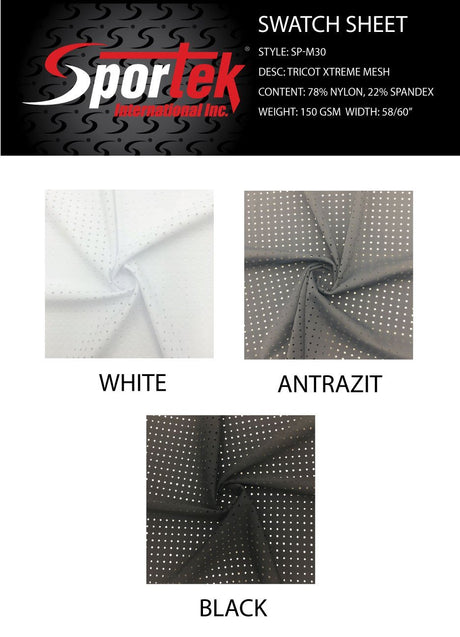
Cosplay bodysuits demand a delicate balance between form and function. These second-skin outfits must allow dynamic movement (think high kicks, acrobatic poses) without ripping seams, all while maintaining a body-hugging fit true to the character's design. Makers often struggle with print distortion on stretchy suits – a detailed pattern can warp unless the right fabric and printing method are used. Another common challenge is coverage and durability: thin fabric may turn see-through under flash photography or stage lights, and low-quality stretch material can sag at knees or elbows after extended wear. This guide tackles these issues by exploring the optimal fabrics and techniques to ensure your cosplay bodysuit looks accurate, feels comfortable, and withstands the demands of conventions and performances. For a broader foundation before diving in, explore our dancewear fabric guide or browse our full fabric guides hub.
Second-Skin Accuracy: Cosplay bodysuits are designed to fit like a glove, replicating superheroes or game characters' skintight costumes. This second-skin fit means the fabric must mold to the body's contours for authenticity. Spandex (Lycra/elastane) has become the go-to material for this reason, offering the stretch needed for characters with catsuits or zentai suits. Our stretch fabric types page explains how different spandex percentages and knit constructions translate to real-world fit and recovery.
Dynamic Movement: Unlike regular garments, bodysuit costumes endure dynamic poses, dance, and combat simulations. The fabric choice has to support 4-way flexibility so you can move freely without tearing a seam. Most superhero costumes rely on 4-way stretch spandex as it allows full mobility in all directions while snapping back to shape. Our how to sew stretch fabric guide covers the construction techniques that ensure those seams hold up under dynamic movement.
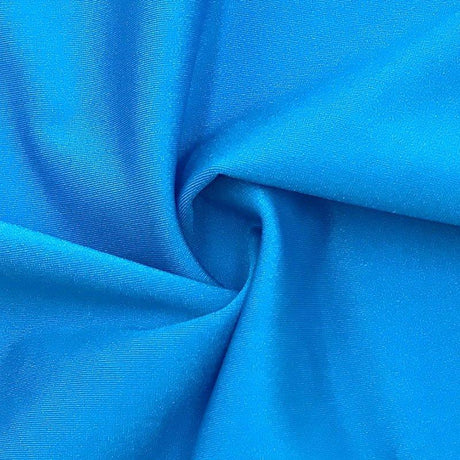
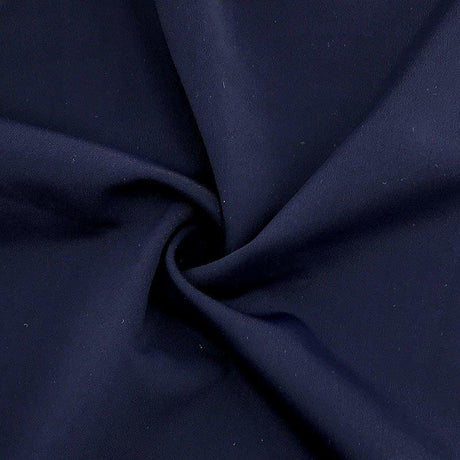
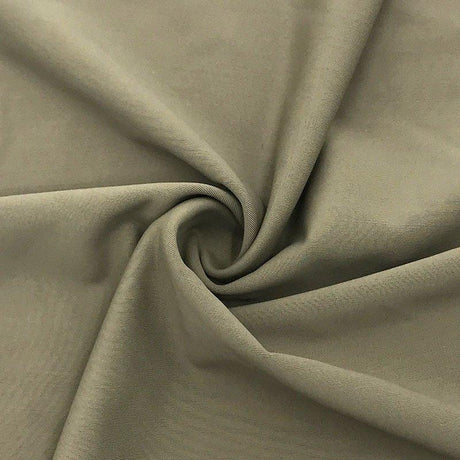
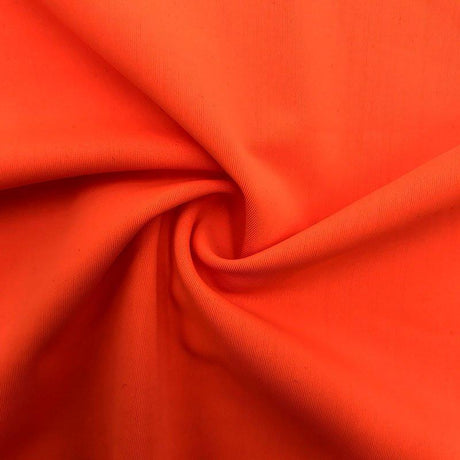
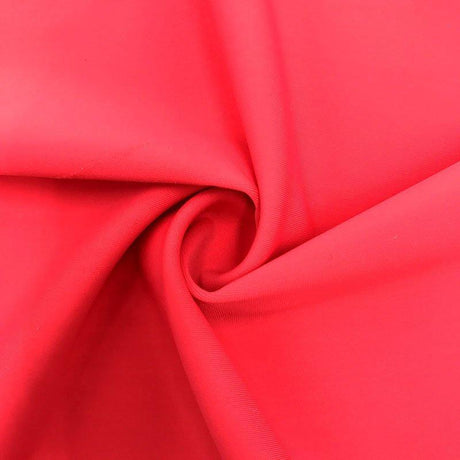
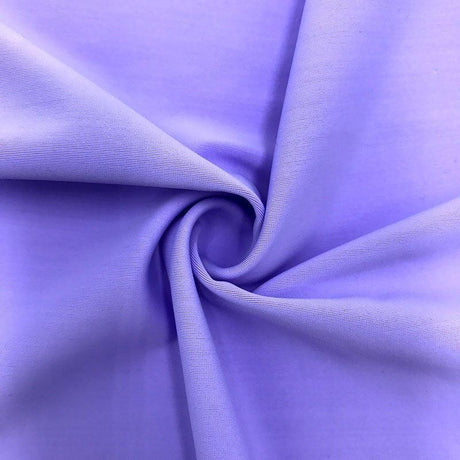
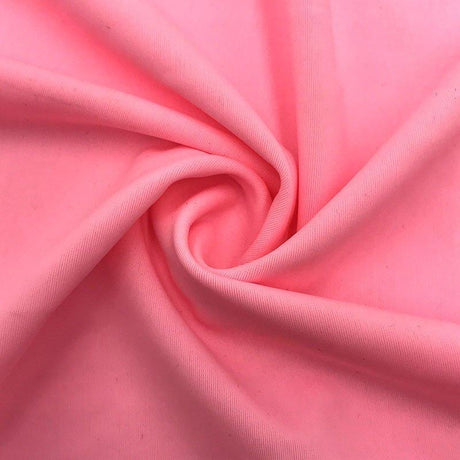
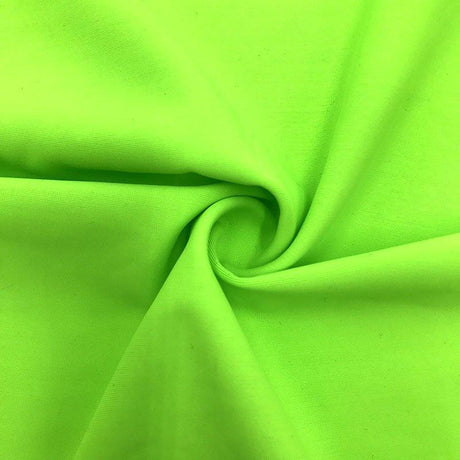
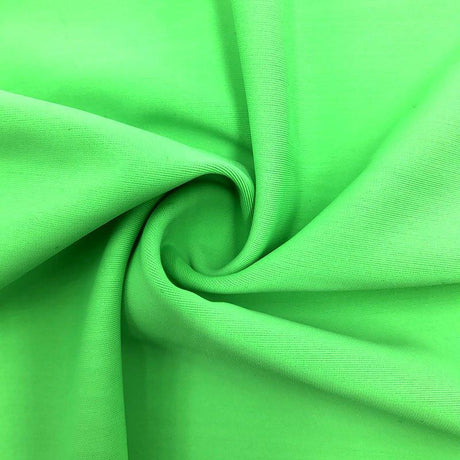
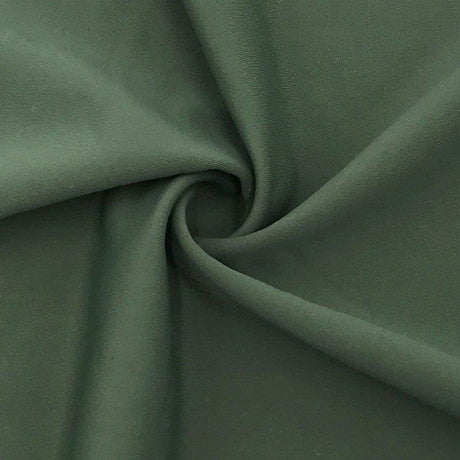
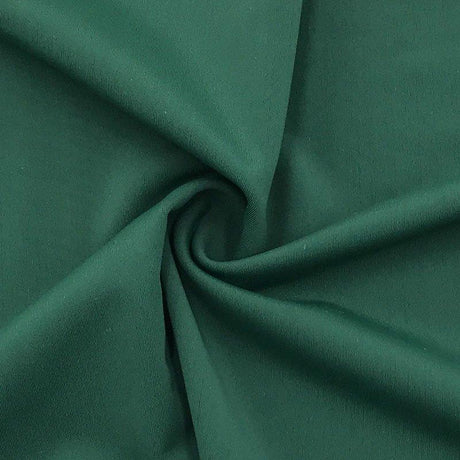
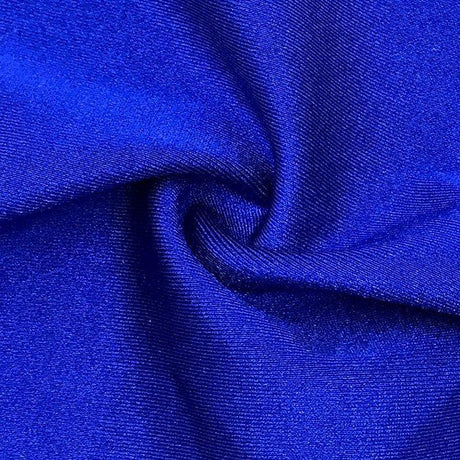
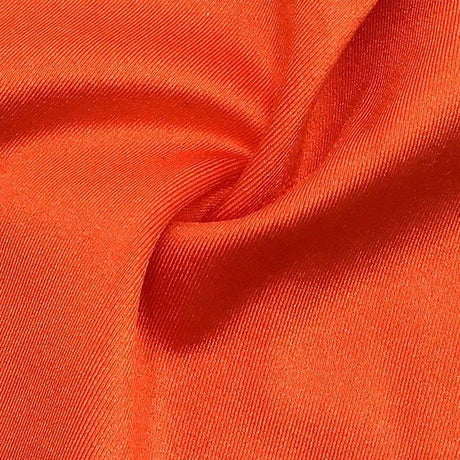
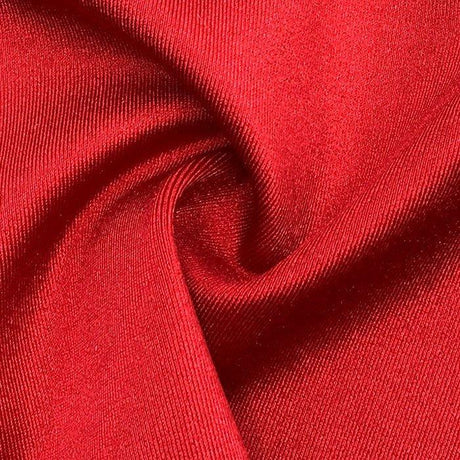
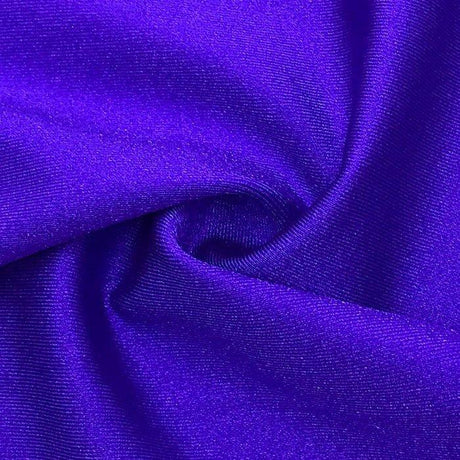
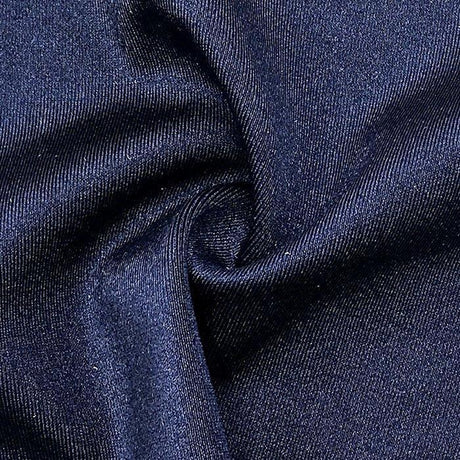
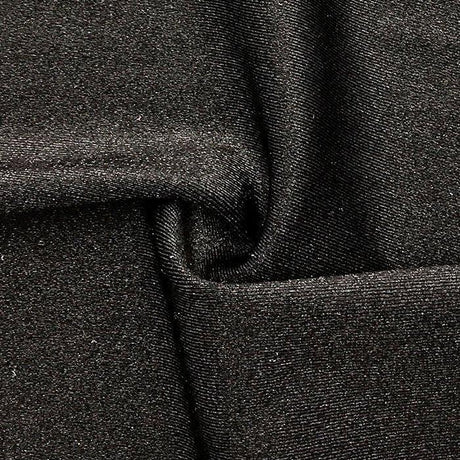
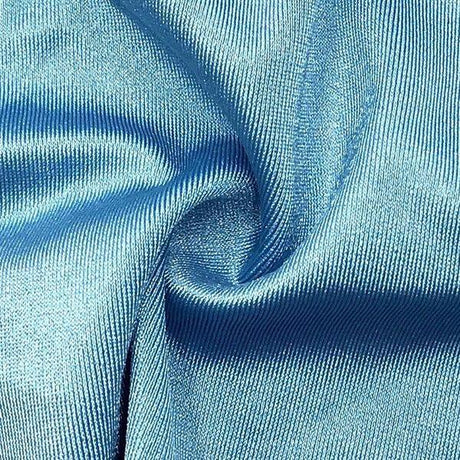
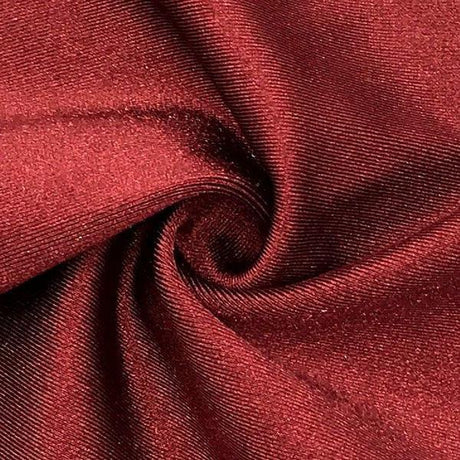
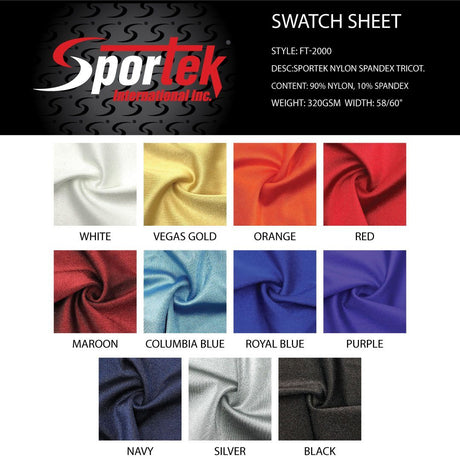
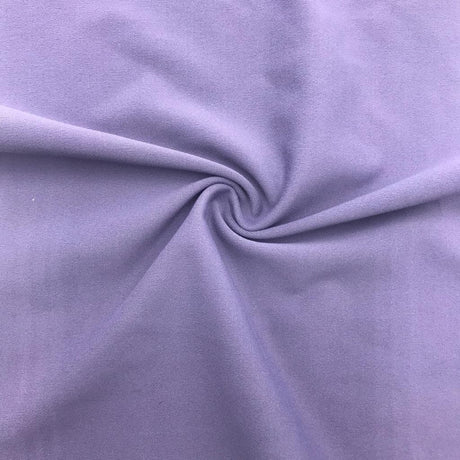
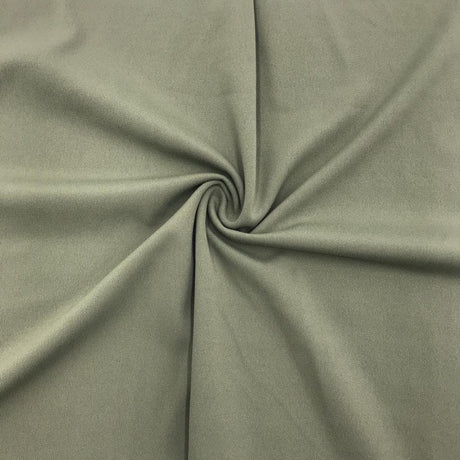
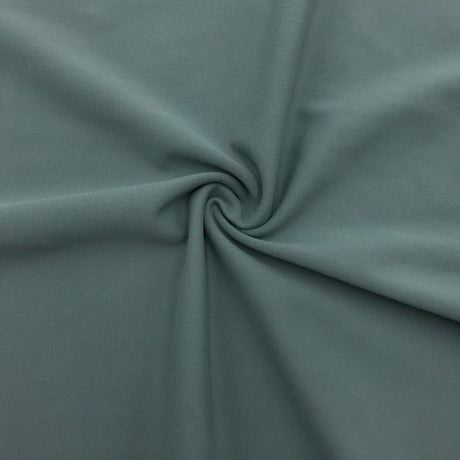
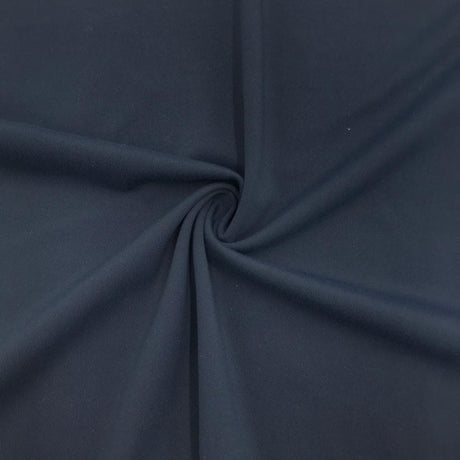
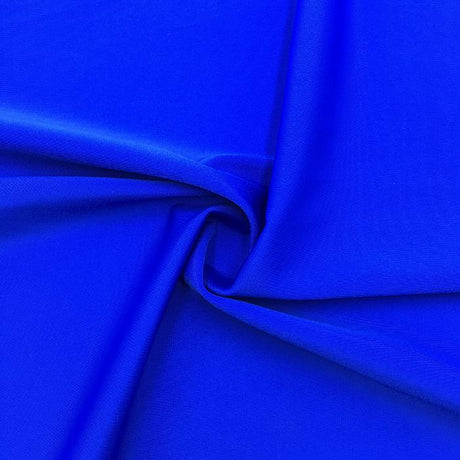
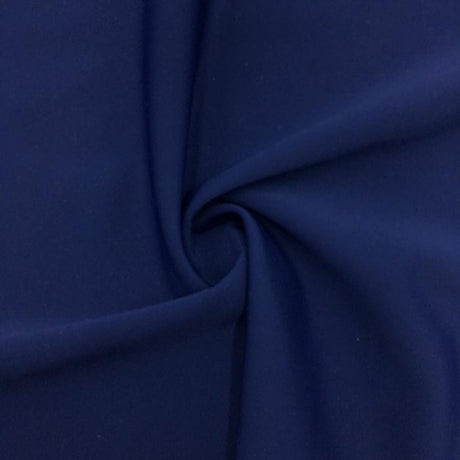
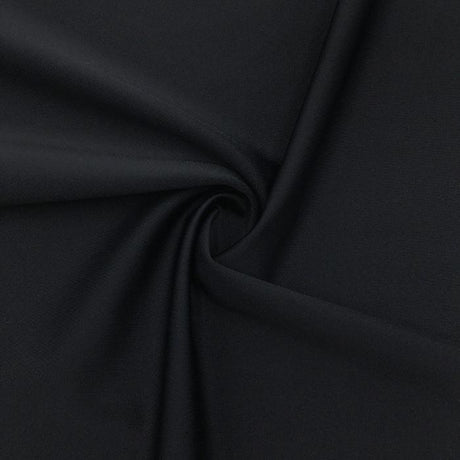
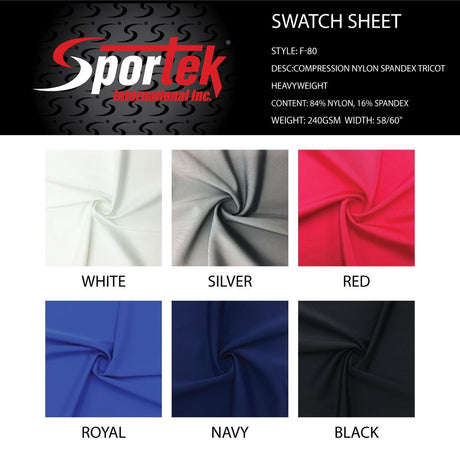
Material Evolution: Historically, cosplayers repurposed dancewear or swimwear fabrics (like milliskin tricot or stretch vinyl) for bodysuits. Today there are even specialty cosplay fabric lines. Medium-weight milliskin (a nylon-spandex tricot) is popular for hero suits because it's smooth, vividly colored, and has that ideal stretch. Modern cosplay bodysuits favor athletic-grade spandex for its blend of comfort and durability. Our nylon-spandex fabric guide covers milliskin tricot and other nylon-spandex constructions used in performance costuming.
4-Way vs. 2-Way Stretch: Prioritize 4-way stretch fabric that extends both horizontally and vertically. This ensures the suit can accommodate body movement in any direction. 2-way stretch (stretching in only one direction) is far less forgiving; using a 2-way where 4-way is needed can make the costume impossible to put on or move in. To test, stretch a swatch – if it stretches in both width and length, it's 4-way; if one direction is rigid, it's effectively 2-way. Our stretch fabric types page explains how to compare stretch ratings and identify true 4-way constructions across all common bodysuit fabric types.
Stretch Recovery: Look for fabric with excellent recovery, meaning it snaps back to its original shape after stretching. High elastane (spandex) content (around 15–20%) often indicates a resilient fabric that won't bag out. Good recovery prevents saggy knees or elbows after a day of wear. Our spandex care guide covers how to preserve elastane recovery through washing and care so your suit maintains its fit over multiple wears.
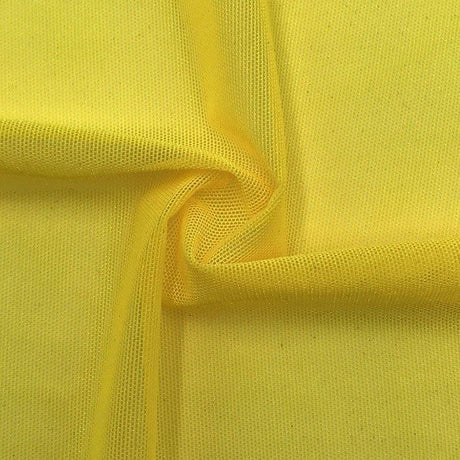
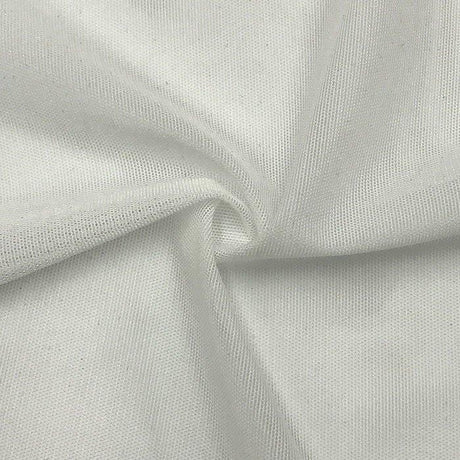
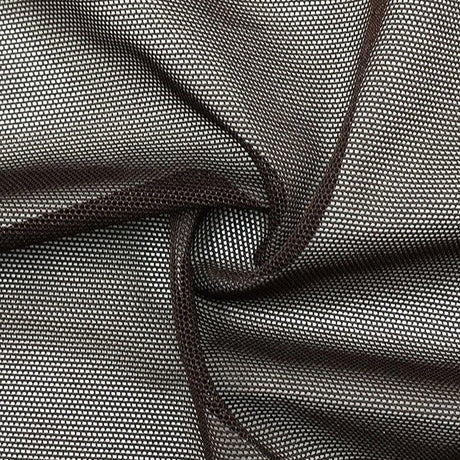
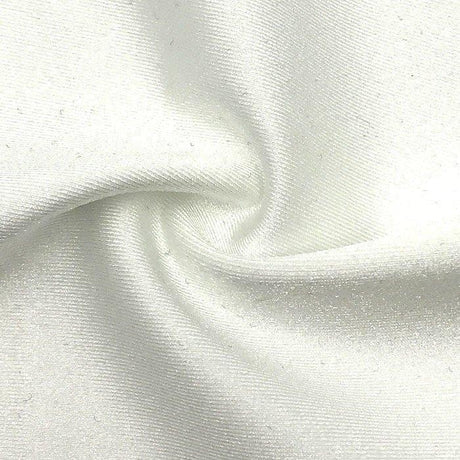
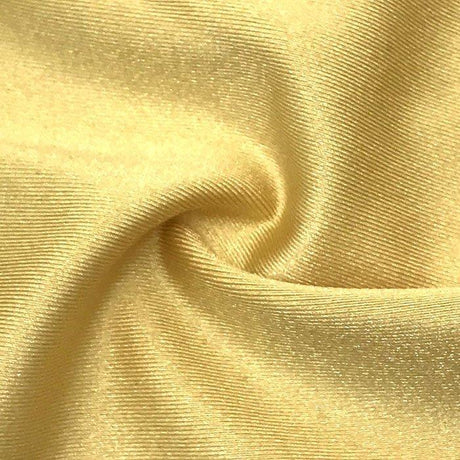
Opacity and Coverage: A top concern is avoiding transparency. A fabric might look opaque, but when stretched over a body it can turn sheer. Check opacity by holding the material up to light and stretching – if you can see your hand or light through it, it may show undergarments or skin under strain. Thicker, higher-GSM fabrics tend to be more opaque. For light colors (white, yellow, pastels), you may need to line the suit or choose a heavier knit. Our fabric weight guide covers GSM thresholds for reliable opacity under different lighting conditions including flash photography and stage lights.
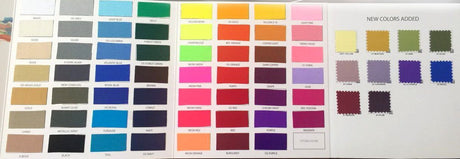
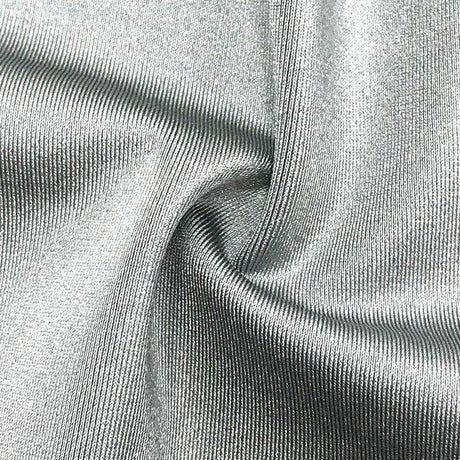
Surface Finish (Matte vs. Shiny): Decide if your character's look calls for a matte or glossy suit. Matte spandex has a non-reflective finish that photographs well and hides minor flaws. Shiny spandex (wet-look or metallic) gives a high-gloss, eye-catching sheen perfect for flashy superheroes or sci-fi outfits. Note that shiny finishes will accentuate every curve and seam, and heavily coated fabrics can be less breathable. Our fabric finishes guide covers the full range of surface treatments – from matte tricot to metallic foil and holographic finishes – and how they interact with photography and stage lighting.
Durability: A quality stretch fabric should resist runs or snags and retain elasticity over time. High elastane blends (20% range) typically handle tight fits without losing shape. Also be mindful of any coatings or embellishments: a foil holographic spandex may look amazing but could crack or shed its foil with heavy friction. Our fabric finishes guide covers how to evaluate foil and coating durability before committing to a specialty fabric.
Breathability: Full-body suits can get warm. Many modern blends include moisture-wicking properties – an athletic nylon-spandex tricot often feels cooler and dries faster, whereas a cheap polyester-spandex with a vinyl or foil layer can feel like a sauna. If you'll be in costume for many hours or dancing, opt for a fabric marketed for activewear or dancewear. Our activewear fabric guide covers breathability ratings and moisture management across performance fabric types.
Printability: Not all stretch fabrics take print well. Polyester-spandex blends are compatible with dye-sublimation printing (for vibrant, permanent prints), whereas nylon-spandex cannot be dye-sublimated and might require other methods. If your cosplay has complex patterns, consider sourcing pre-printed 4-way stretch material or having a design sublimated onto a white poly-spandex base. Our sublimation guide covers the full process, and our sublimation paper and sublimation transfer paper pages walk through the consumables needed.