Best Fabric for Bikinis: How to Choose Stretch Fabric for Comfort, Fit & Performance
Choosing the right fabric is one of the most important steps when creating bikinis and swimwear. The right material affects comfort, stretch, durability, and how the finished garment performs in water, sunlight, and daily wear. A beautifully sewn bikini can still disappoint if the fabric sags, fades, or turns sheer when wet—so understanding what to look for before you buy is essential. This guide covers everything from fiber choice and weight to lining, prints, and care, helping you select the perfect swimwear fabric by the yard for your next project.
What Makes a Good Bikini Fabric?
Bikini fabrics should provide:
- 4-way stretch for comfort and freedom of movement
- Good recovery to maintain shape after every wear
- Soft feel against the skin
- Durability for repeated use in pools and surf
- Resistance to fading and stretching out over time
The single most important quality is four-way stretch, meaning the fabric stretches both lengthwise and crosswise. This is what allows a bikini to move with the body and hug curves without binding or distorting. Close behind is recovery—the fabric's ability to snap back to its original shape—which prevents bagging at the seat and gaping at the bust. You will also want enough opacity so the suit stays modest when wet, which is where fabric weight and lining come into play. If you want a complete walkthrough of these factors, our how to choose fabric guide and the focused swimwear fabric guide are great starting points.
Nylon Spandex for Swimwear
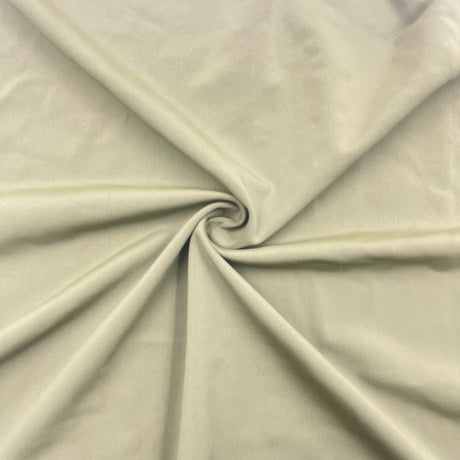
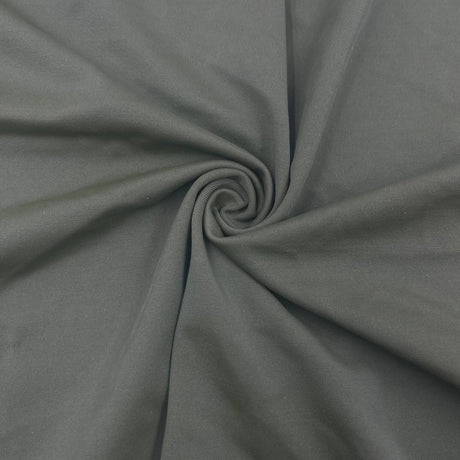
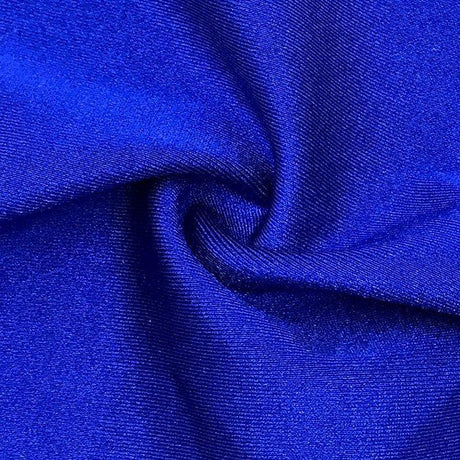
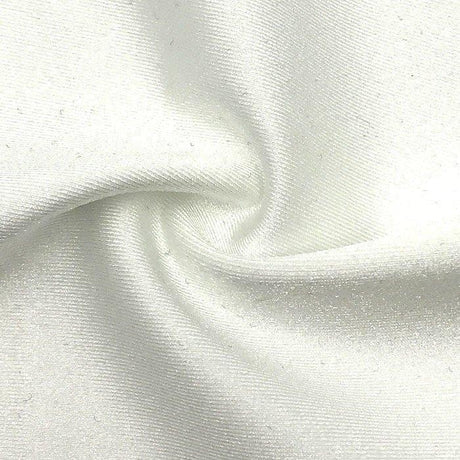
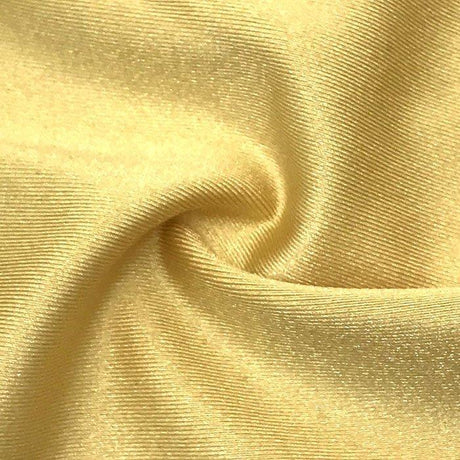
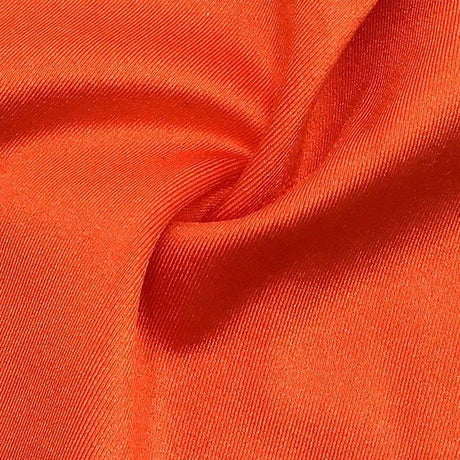
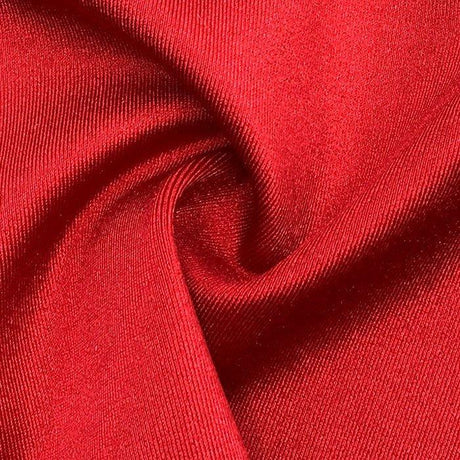
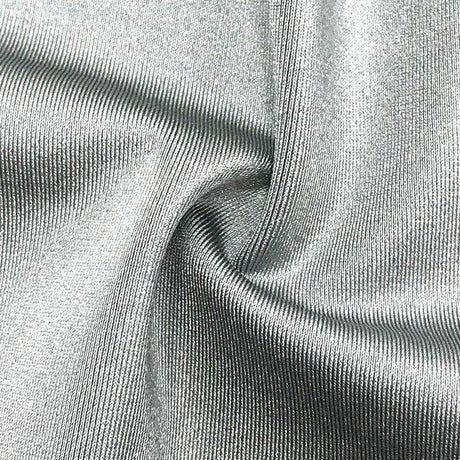
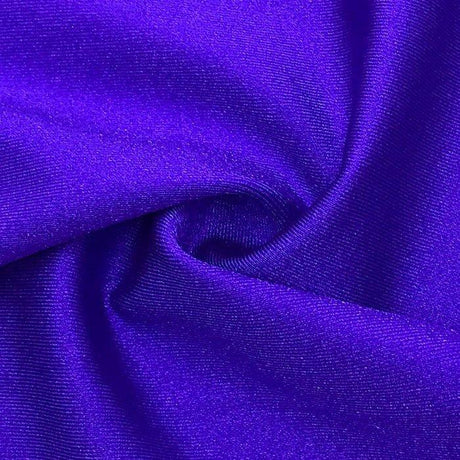
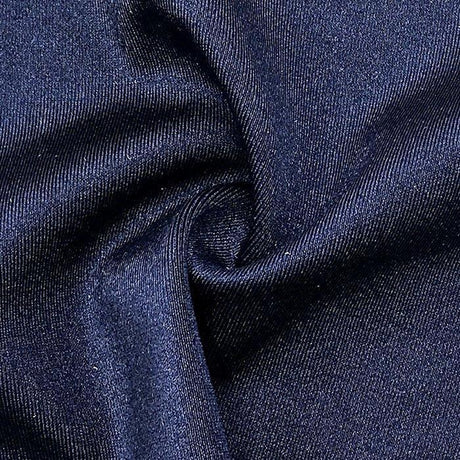
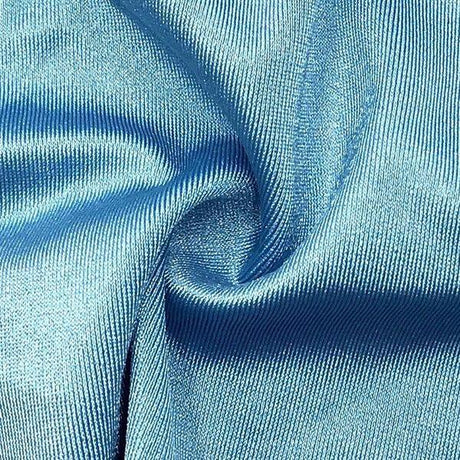
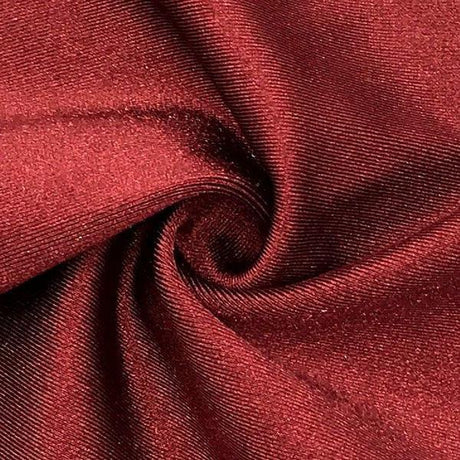
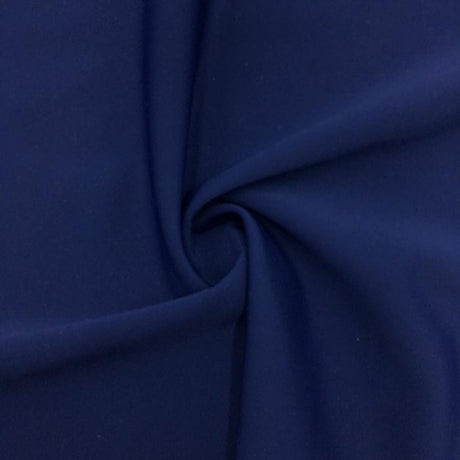
Nylon spandex remains one of the most popular choices for bikinis because of its smooth texture and comfortable fit. It has a soft, almost silky hand feel and a subtle sheen that gives finished suits a premium, retail-ready look.
- Soft hand feel
- Excellent stretch and recovery
- Comfortable, second-skin fit
- Premium appearance and beautiful drape
Nylon spandex is the go-to for boutique and fashion swimwear where comfort and luxury matter most. Browse our Nylon Spandex Fabric Collection to see the full range, and for a deeper look at weights and uses, read our dedicated nylon spandex fabric guide. If you love a peachy, ultra-soft surface for trims or cover-ups, our brushed nylon spandex is worth exploring too.
Polyester Spandex for Swimwear
Polyester spandex offers excellent color retention and works well for printed swimwear designs. It absorbs very little water, resists fading from sun and chlorine, and holds prints with sharp, vibrant detail—making it a durable choice for suits that see heavy use.
- Excellent print quality and clarity
- Strong color retention that resists fading
- Durable, long-lasting performance
- Good moisture management and fast drying
Polyester-based knits are also the standard for sublimation printing, since the dye bonds permanently with the fibers. If custom prints are part of your plan, explore our sublimation spandex tricot. For ready-made patterns, our printed spandex collection delivers bold, long-lasting designs.
Best Fabric Weight for Bikinis
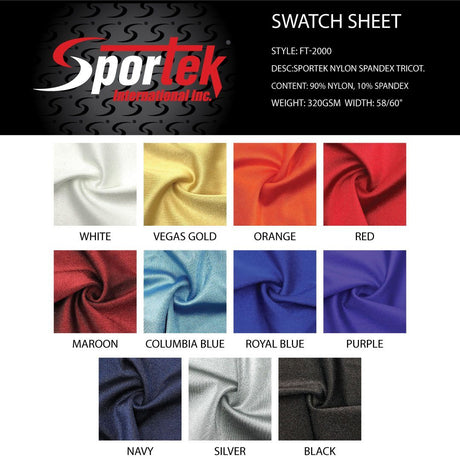
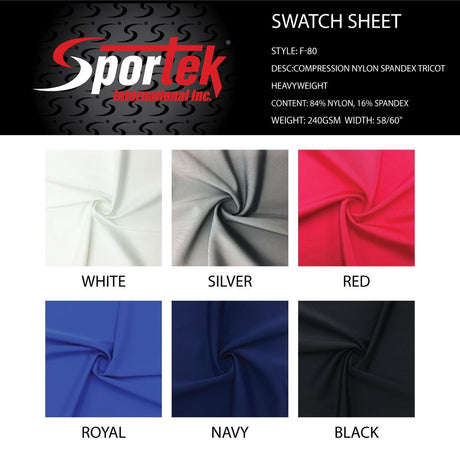
Many swimwear fabrics commonly fall between approximately 180–250 GSM. Lighter fabrics can provide flexibility and a barely-there feel, while slightly heavier options create additional support, structure, and opacity. For most bikinis, a mid-range weight strikes the best balance—substantial enough to stay opaque when wet, yet light enough to remain comfortable all day. Performance and supportive styles often benefit from the heavier end of the range, while delicate fashion pieces can use lighter knits paired with lining. Our fabric weight guide explains exactly how GSM affects feel, stretch, and coverage so you can choose with confidence.
Don't Overlook Lining and Support
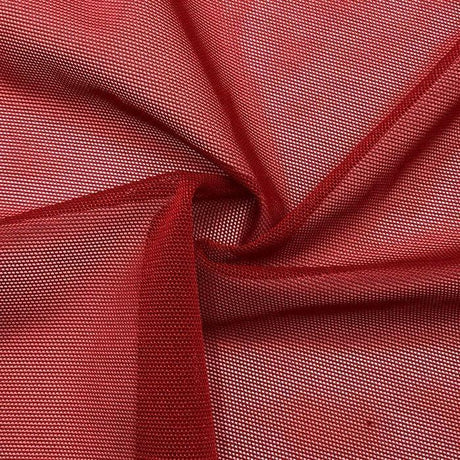
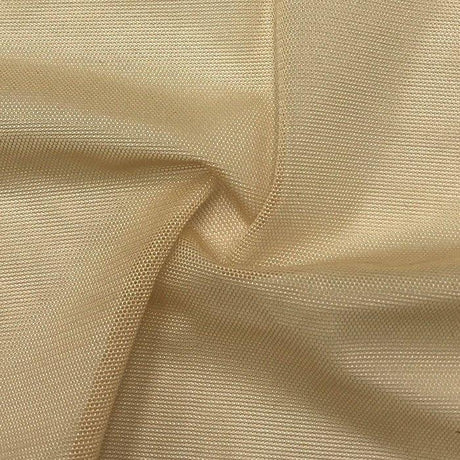
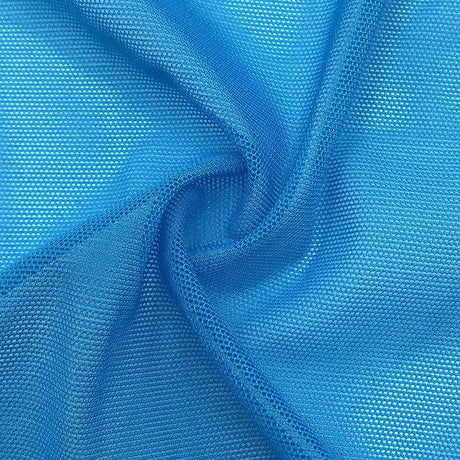
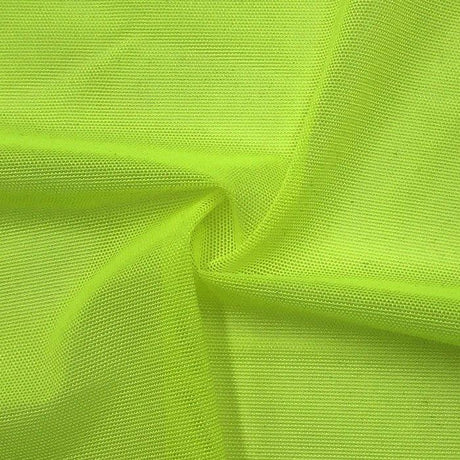
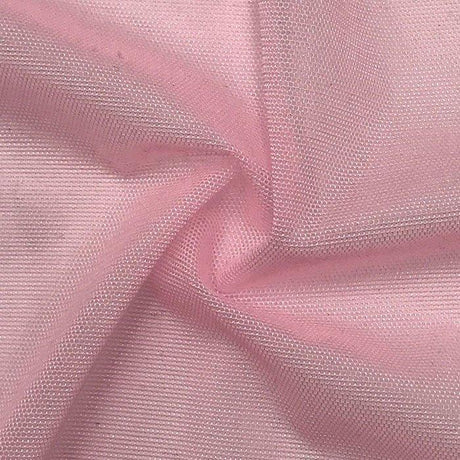
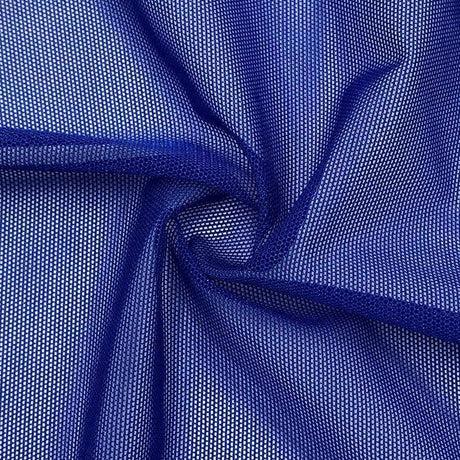
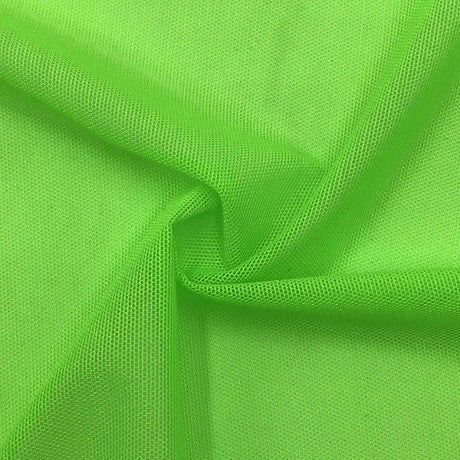
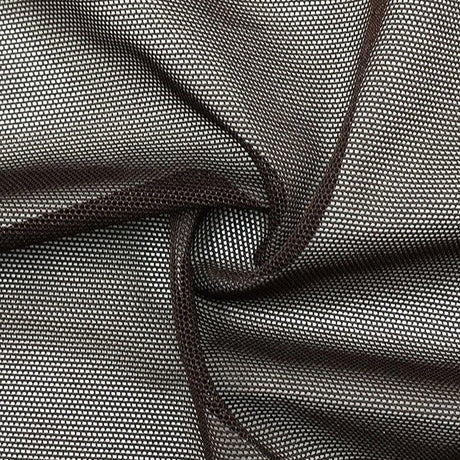
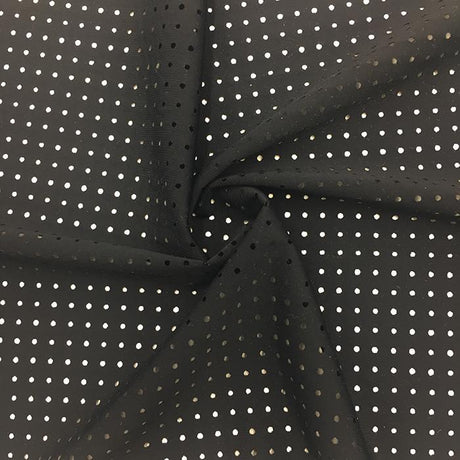
Lining is what separates a homemade-looking bikini from a polished, professional one. It adds opacity (especially important for light colors and white), provides gentle bust and seat support, and gives the suit a clean interior finish. Power mesh is the most common choice, offering breathable structure without bulk. Browse our power mesh and lining collection, and for guidance on where and how to apply it, see our swim mesh lining guide. A small detail like proper lining dramatically improves comfort, fit, and the perceived quality of the finished piece.
Choosing Prints and Colors for Your Bikinis
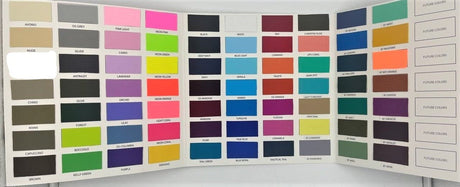
Once you have settled on a fiber and weight, color and print bring your designs to life. Statement prints can define an entire collection, while solids form a versatile, mix-and-match foundation.
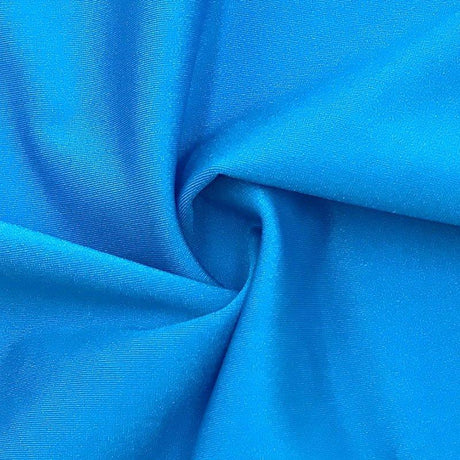
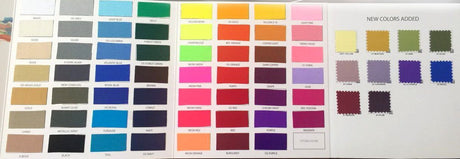
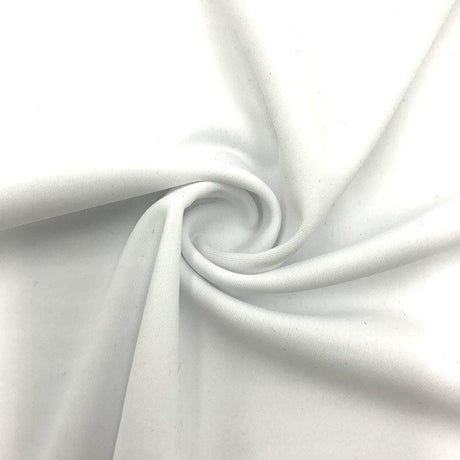
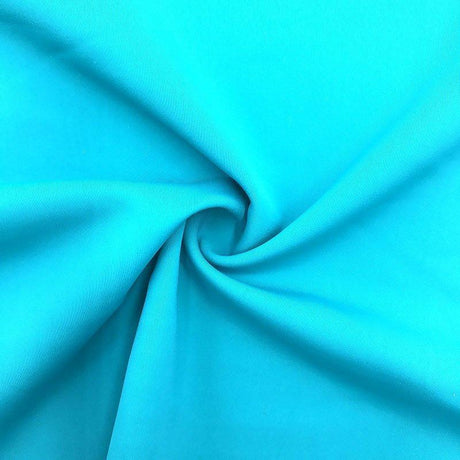
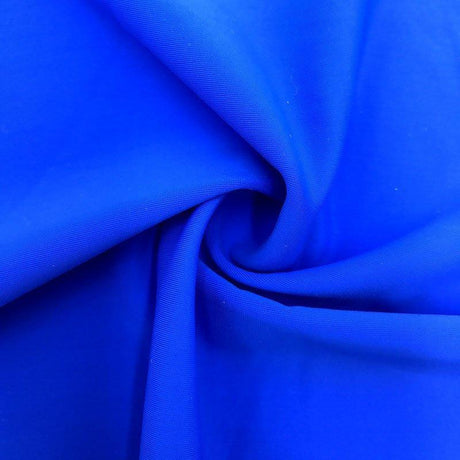
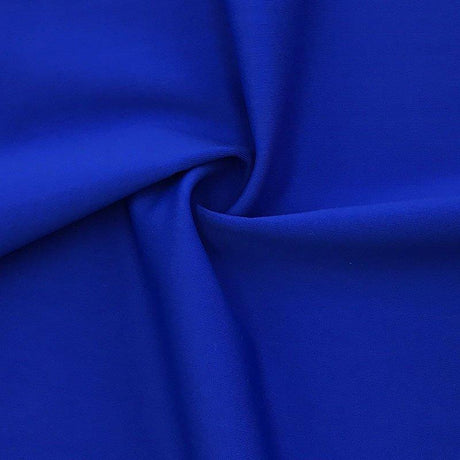
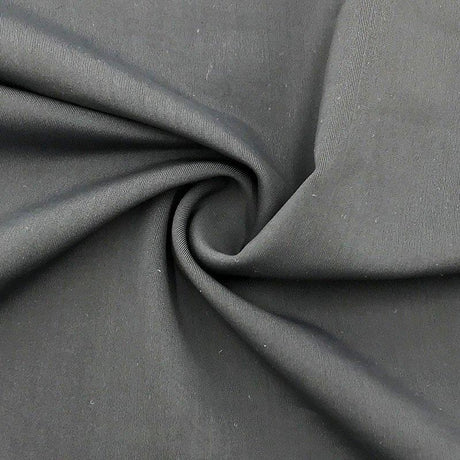
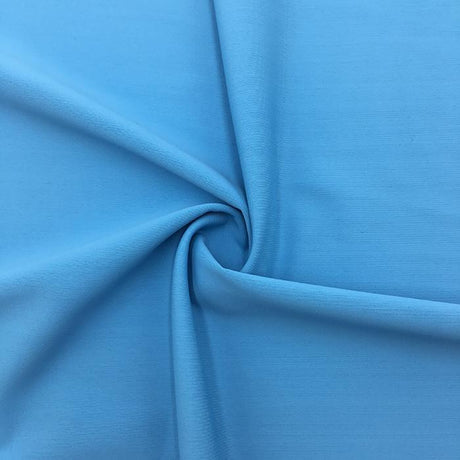
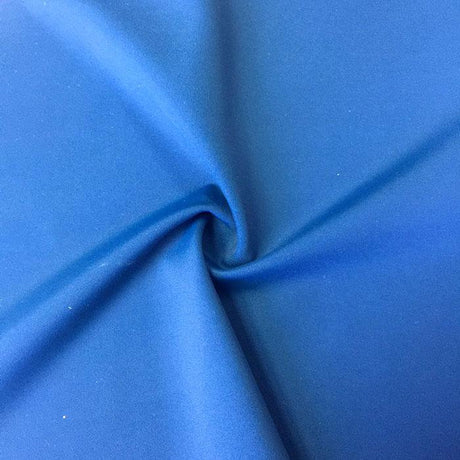
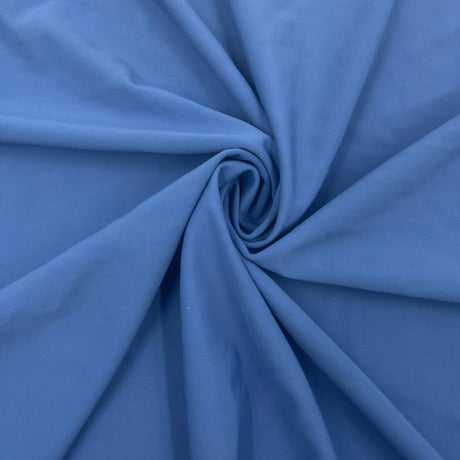
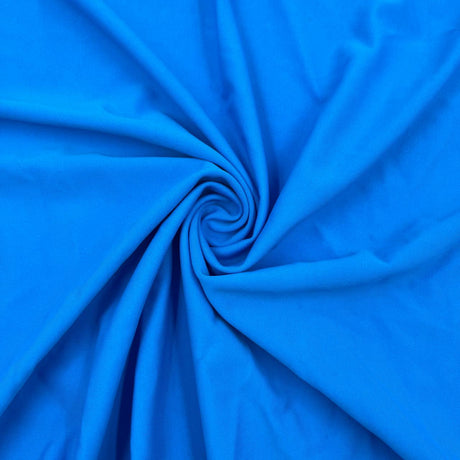
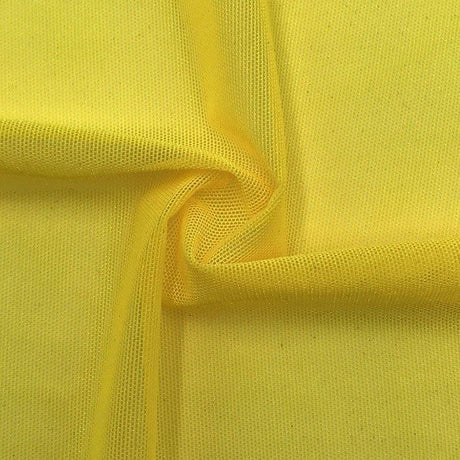
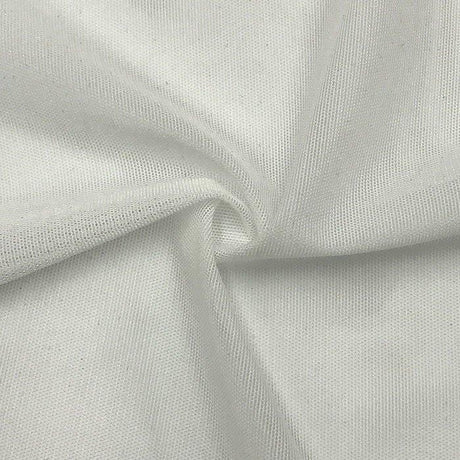
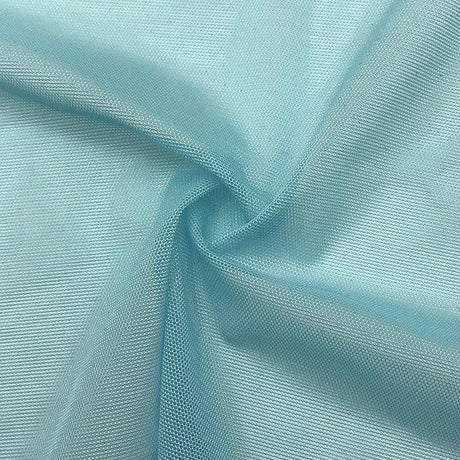
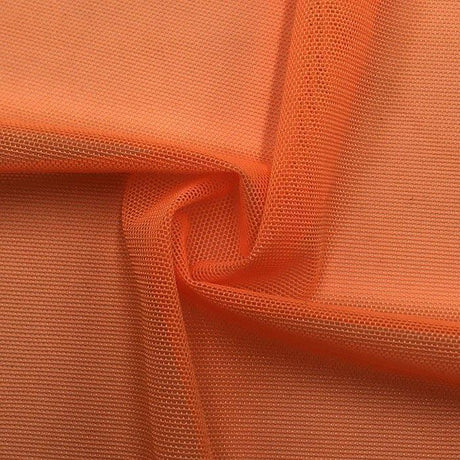
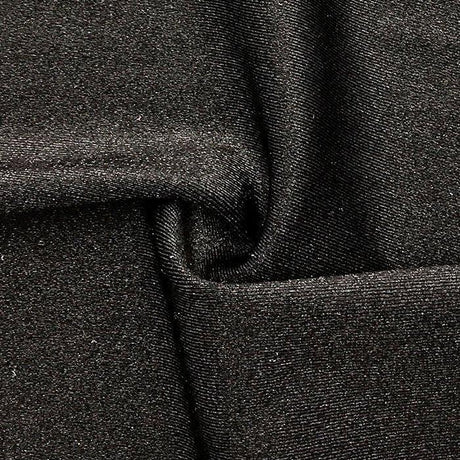
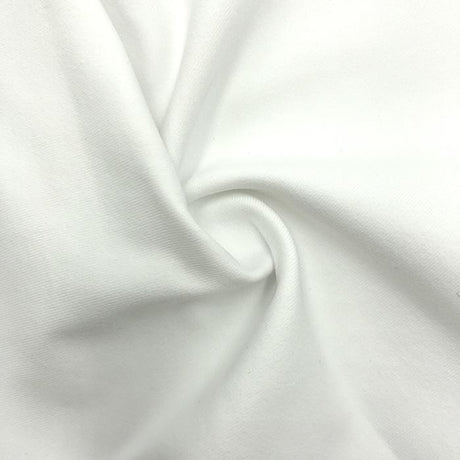
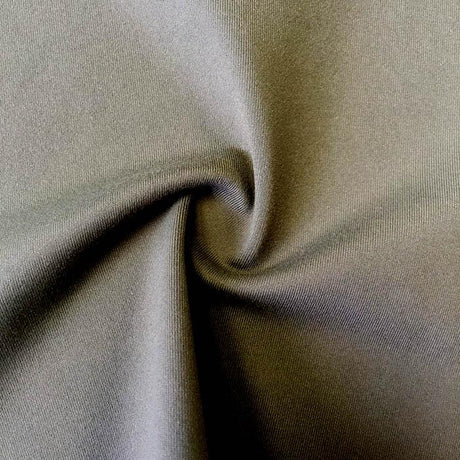
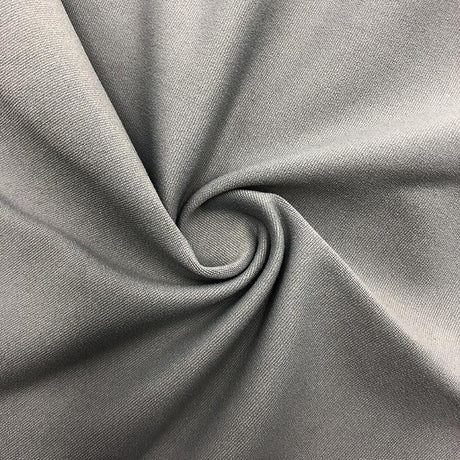
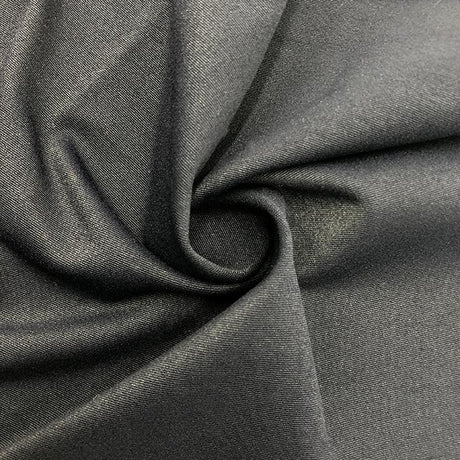
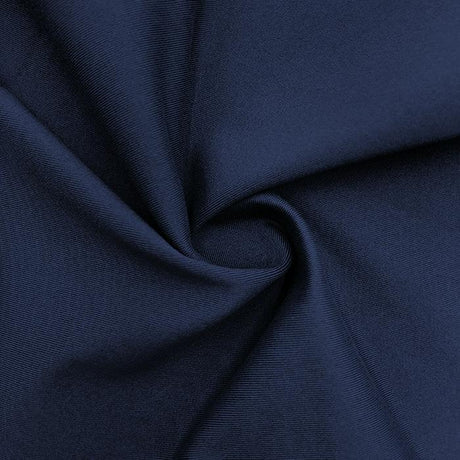
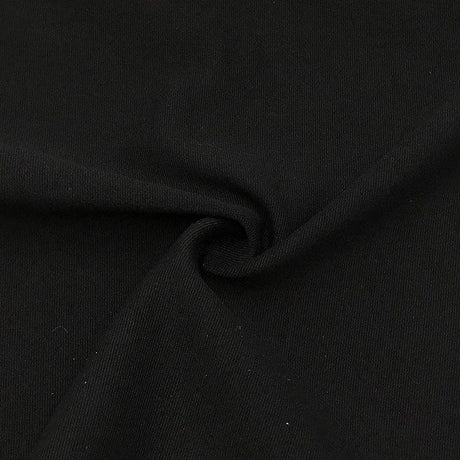
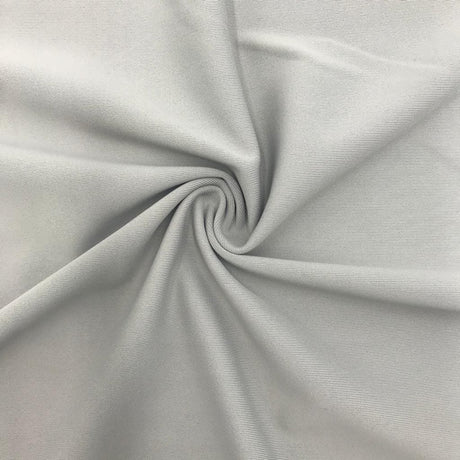
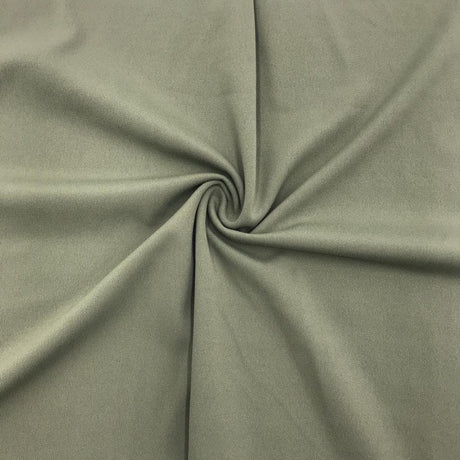
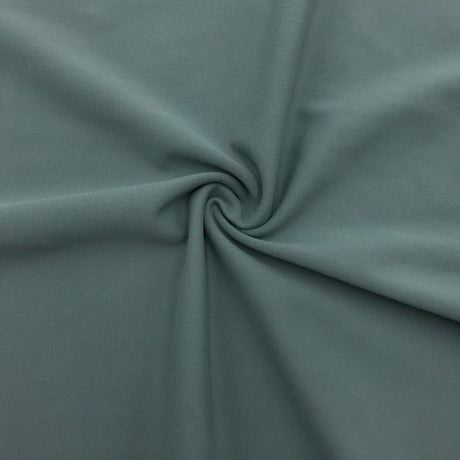
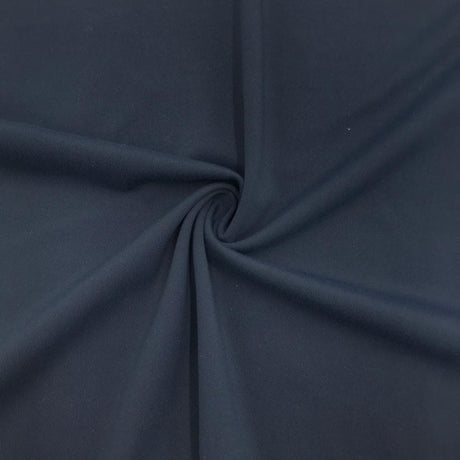
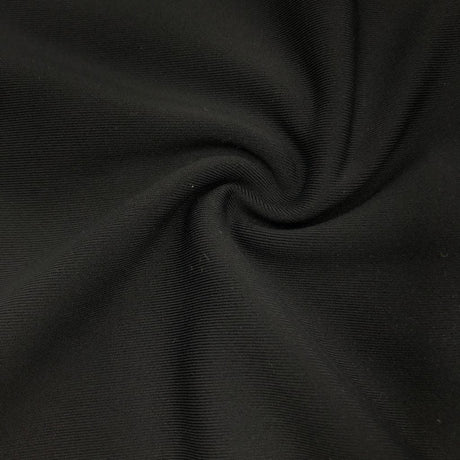
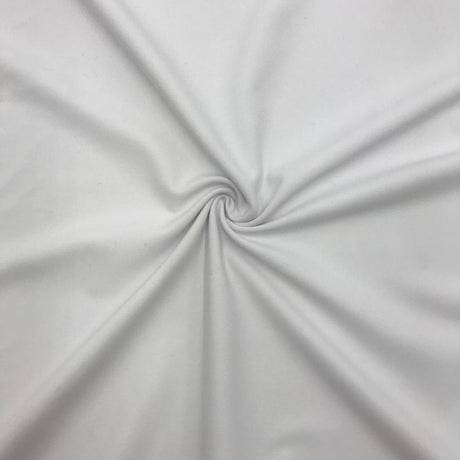
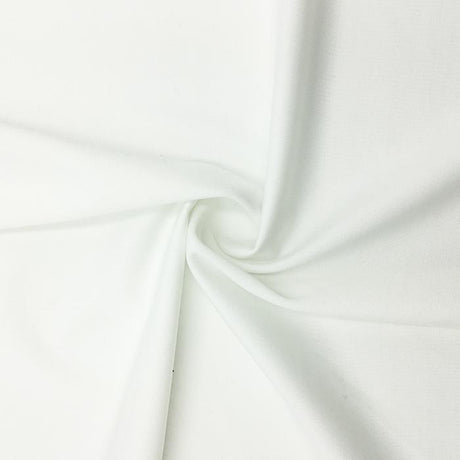
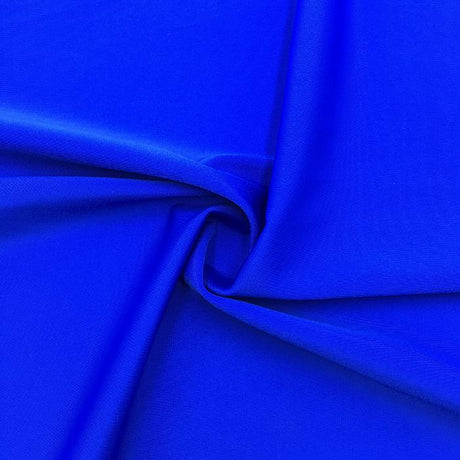
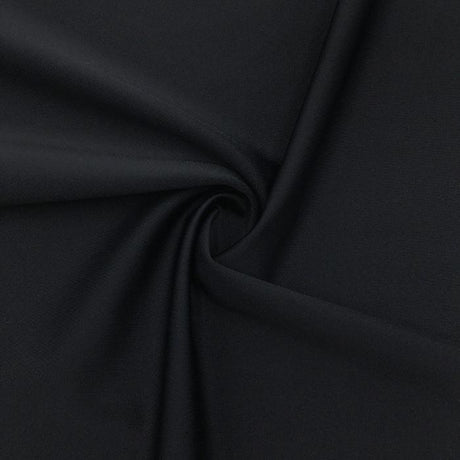
For eye-catching patterns, our floral spandex fabric brings timeless, romantic appeal, while geometric spandex fabric offers a clean, modern edge. For designs with attitude, animal print spandex fabric never goes out of style. If you prefer dependable basics, our solid nylon spandex fabric covers the essentials—including universally flattering black spandex fabric, fresh and luxurious white spandex fabric, and ocean-inspired blue spandex fabric. Stocking a strong base of solids ensures you always have coordinating options for color-blocking and contrast trim.
Matching Fabric to Your Bikini Style
The ideal fabric depends partly on the style you are sewing. Triangle and string bikinis drape beautifully in soft nylon spandex, where suppleness and a flattering hand feel matter most. High-waisted and structured styles benefit from slightly heavier, higher-recovery fabrics that hold their shape and provide light shaping. Sporty and performance bikinis—the kind that double for surfing, paddleboarding, or training—call for durable, chlorine-resistant knits, which is why the same materials cross over into activewear fabric and athleisure fabric projects. Matching the fabric's character to the silhouette is one of the easiest ways to elevate your finished suits.
Sewing and Caring for Bikini Fabric
Working with stretch knits takes a slightly different approach than woven fabric. Use a stretch or ballpoint needle, a flexible stitch such as a zigzag or serger overlock, and quality swim elastic at the edges and legline. Take care to cut with the four-way stretch running in the correct direction so seams stay smooth and the suit recovers properly. Our step-by-step guide to sewing stretch fabric covers the techniques that produce a professional finish.
Caring for the finished bikini protects your work and your customers' investment. Rinse swimwear in cool water after every wear, avoid wringing, and lay flat to dry away from direct heat, since chlorine, salt, sunscreen, and high temperatures are the main causes of fading and elastic breakdown. Share these habits with your buyers, or point them to our fabric care guide so their pieces look great season after season.
Shop Swimwear Fabric by the Yard
Explore our complete collection of Swimwear Fabric by the Yard for bikinis, beachwear, and custom projects.
Also browse:
Need a recommendation for your specific design? Our team is happy to help through our expert help and advice page.
How Much Fabric Do You Need for a Bikini?
One advantage of buying by the yard is ordering exactly what your project requires. As a rough guide, a single bikini set typically needs about half a yard to one yard of fabric, depending on size, style, and whether you are pattern-matching a print. It is always smart to order a little extra to allow for directional cutting, print alignment, and the occasional mistake—a small remnant is far less frustrating than running short mid-project. If you are sampling a new design or testing a color, ordering a yard or two first lets you prototype affordably before committing to a full run, and buying enough for a coordinated collection in one order keeps dye lots consistent across every piece.
Frequently Asked Questions
Is nylon or polyester better for bikinis? Neither is universally better—it depends on your goals. Nylon spandex feels softer and more luxurious, making it ideal for fashion swimwear, while polyester spandex resists chlorine and fading better and holds prints more vividly, making it great for performance and patterned suits.
What GSM is best for a bikini? Most bikinis work well in the 180–250 GSM range. Lighter weights feel airy and flexible, while heavier weights add support and stay opaque when wet. Pairing a lighter fabric with lining is a reliable way to get the best of both.
Do I need to line my bikini? In most cases, yes—especially for light colors, white, and sheer-prone fabrics. Lining adds opacity, support, and a clean interior finish that makes the suit feel professionally made.
How do I keep swimwear colors from fading? Rinse in cool water after each wear, avoid wringing, dry flat away from direct heat, and limit prolonged exposure to chlorine and sunscreen. Choosing a fade-resistant fabric like polyester spandex also helps colors last longer.
Final Thoughts
The best bikini fabric depends on your project goals. Nylon spandex often provides premium softness and stretch, while polyester spandex delivers strong durability and vibrant printed designs. Selecting the right fabric—in the ideal weight, with proper lining and a flattering print or color—can improve comfort, appearance, and long-term performance, turning a good bikini into a great one.