These are the most common and often the most costly problems in bulk fabric sourcing. A fabric that does not meet your specifications is a total loss. Before diving into problem-solving, our how to choose fabric guide and FAQ page provide a strong foundation for defining your requirements before you place any order.
Part 1: Problems with Fabric Quality – The Most Costly Issues
Problem 1: Inconsistent Color and Dye Lots
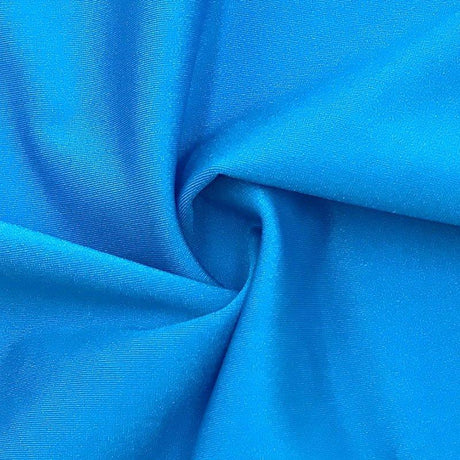
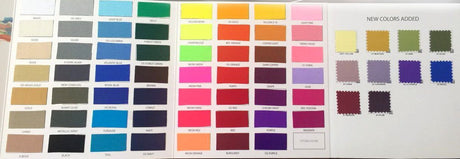
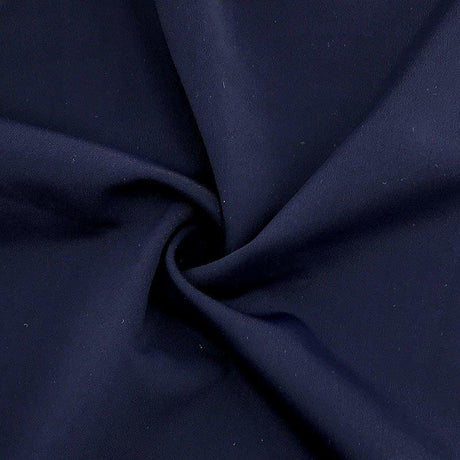
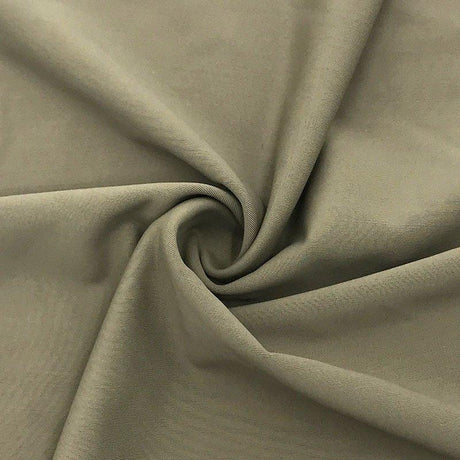
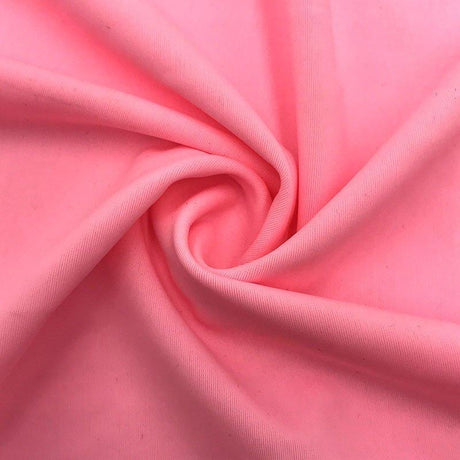
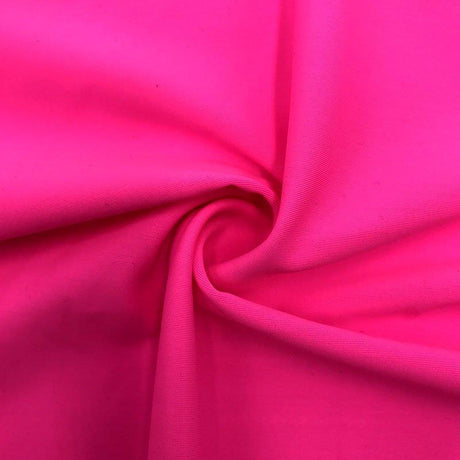
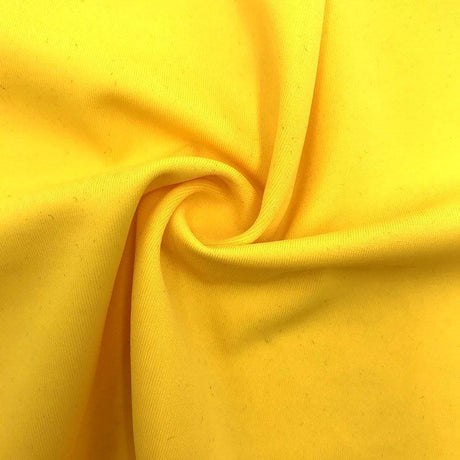
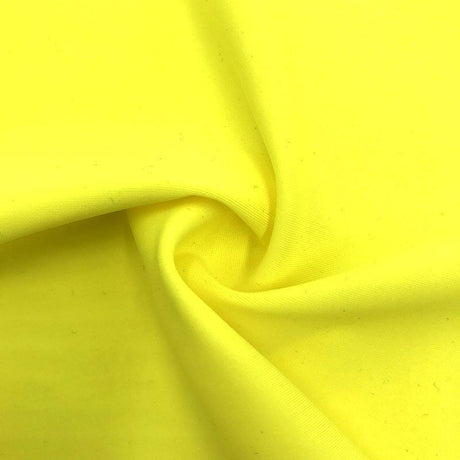
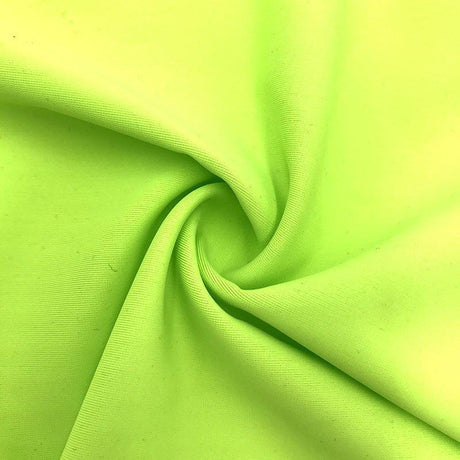
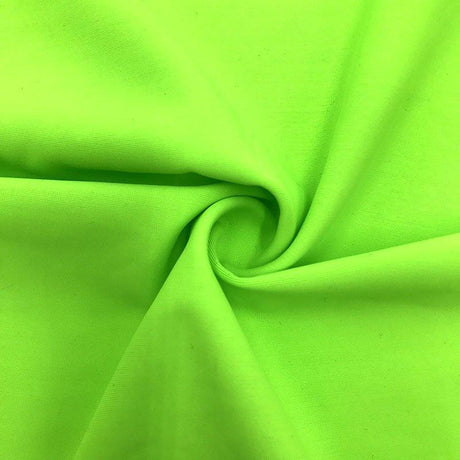
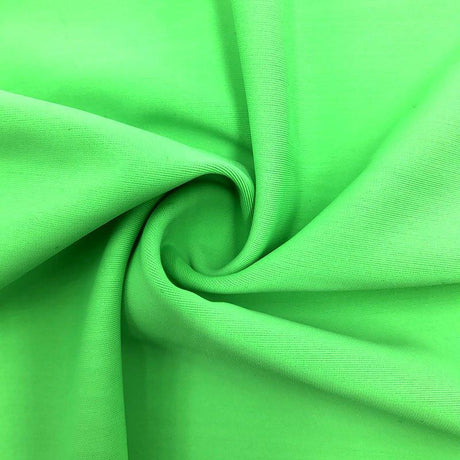
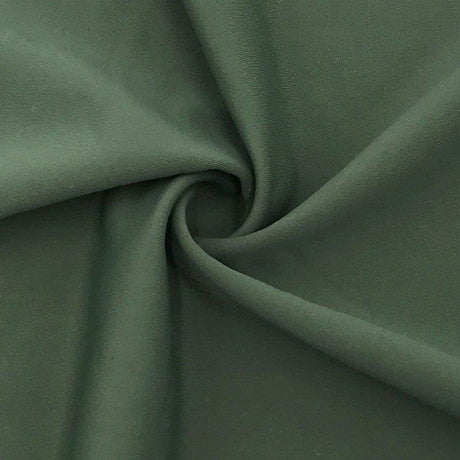
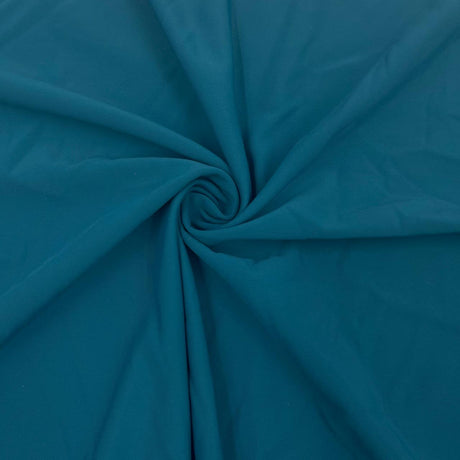
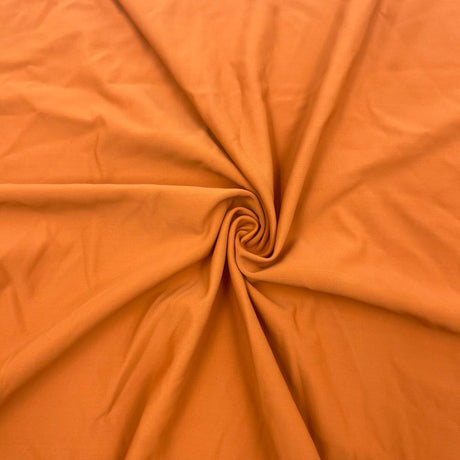
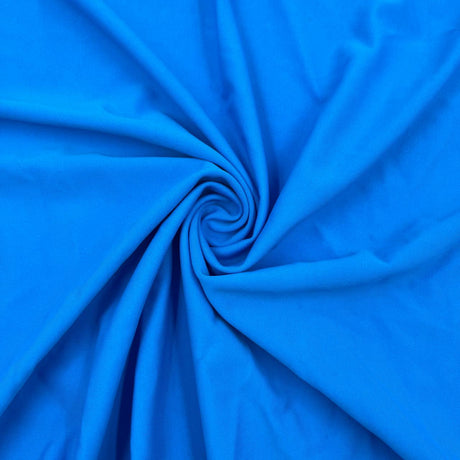
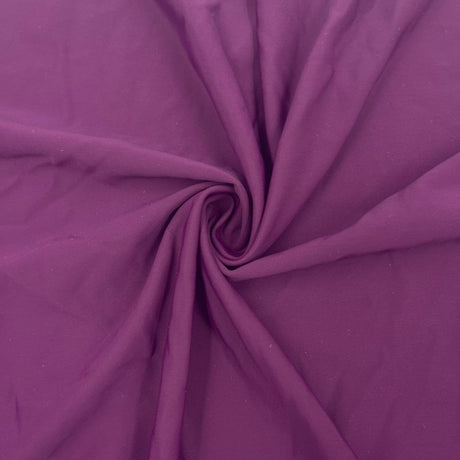
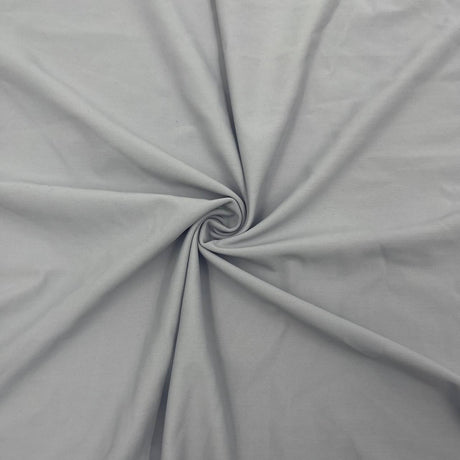
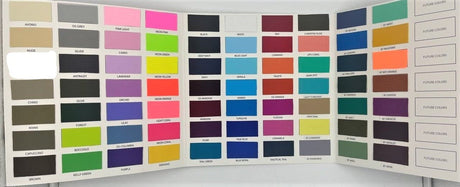
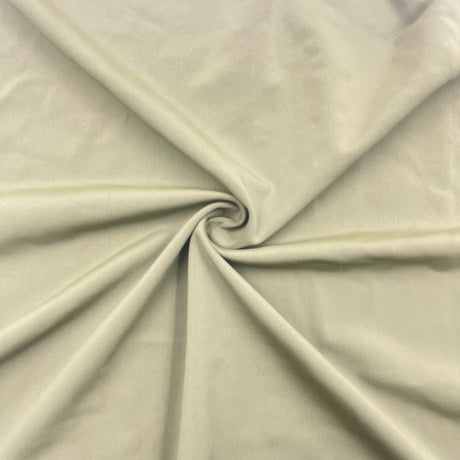
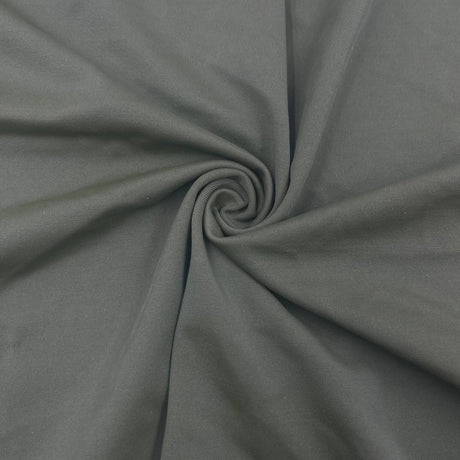
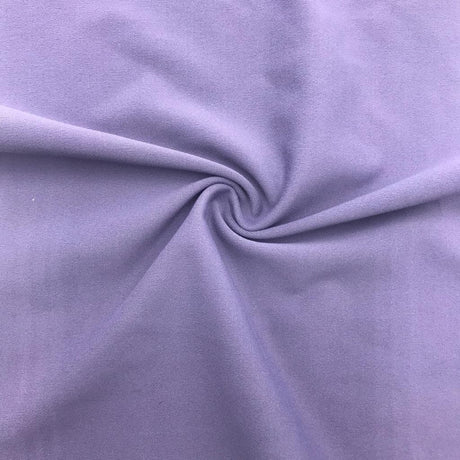
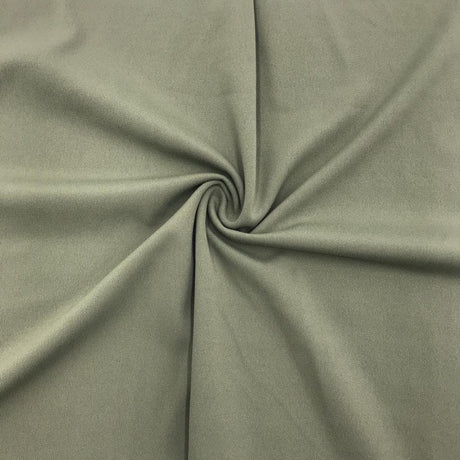
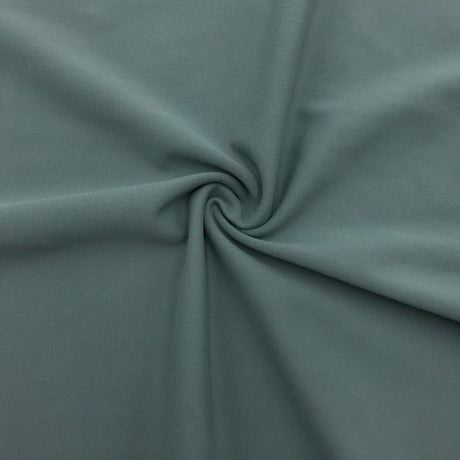
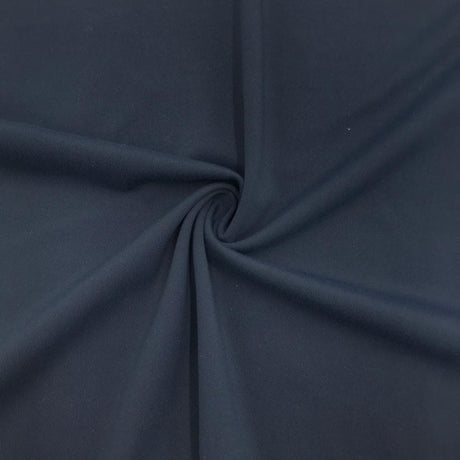
You receive a sample that is a perfect Pantone color, but the bulk order that arrives has a subtle but noticeable color difference. This can be a devastating problem, as a garment from one batch will not match a garment from another, leading to a host of customer complaints.
The Cause: Inconsistent color is a result of a lack of a robust quality control process. It can be caused by a poor dyeing process or by a supplier mixing fabric from different dye lots.
The Solution:
Always order from a single dye lot: Make it a non-negotiable part of your contract. This is especially critical for fabrics intended for sublimation printing – our sublimation guide covers why base fabric color consistency matters for achieving accurate print results.
Request a physical swatch from the bulk order: Before the fabric is shipped, ask for a small swatch from the actual batch of fabric you are buying. This is the only way to ensure a consistent color.
Conduct a visual check upon receipt: When the fabric arrives, visually check a portion of the rolls against your original swatch in a natural light source. Our fabric care guide covers colorfastness testing and how to identify premature color degradation that may indicate dyeing quality issues.
Problem 2: Inconsistent Stretch and Recovery
You receive a sample that has a perfect 80% stretch and an excellent recovery rate, but the bulk order you receive has a saggy, loose feel and a much lower stretch percentage. This can lead to an ill-fitting garment that does not perform as expected.
The Cause: This is a direct result of using a low-quality spandex yarn or an inconsistent manufacturing process. Our stretch fabric types page explains the polymer chain structure that creates spandex's recovery and why inconsistent manufacturing directly compromises it.
The Solution:
Request a technical data sheet: A reputable supplier will have a technical data sheet for their fabric that outlines the stretch and recovery numbers. Our stretch fabric types page covers how to read and compare these numbers across different spandex-blend constructions.
Perform your own test: When the fabric arrives, perform a simple stretch and recovery test on a piece of fabric from a few different rolls to ensure consistency. Our spandex care guide covers how elastane recovery degrades over time and what baseline recovery should look like in a quality fabric.
Problem 3: Fabric Defects (Holes, Stains, Snags)
You receive a bulk order that has visible defects, such as holes, stains, or snags. This can lead to a significant amount of wasted fabric and a host of production delays.
The Cause: Fabric defects are a result of a poor quality control process. They can be caused by a lack of a thorough inspection process at the factory or by mishandling during the shipping process.
The Solution:
Perform a receiving inspection: On every new shipment, pull a few yards from a few rolls and visually check for any visible defects.
Have a clear return policy: You must have a clear and fair return policy in writing from your supplier. Our FAQ page covers our own return and defective product policies as a useful benchmark when evaluating other suppliers.
Part 2: Problems with the Supplier and Logistics – Communication is Key
Problem 4: Production Delays and Unreliable Lead Times
Your supplier gives you a four-week lead time, but after six weeks, the fabric has still not arrived. This can cause a significant delay in your production schedule.
The Cause: A supplier who is unreliable or has poor communication is a major cause of delays. They may be over-promising on their lead times to win your business or may not have a robust production planning process.
The Solution:
Vet the supplier thoroughly: Ask for client references and a clear timeline. Our expert help and advice page covers how to evaluate supplier reliability before committing to a bulk order.
Get a clear and realistic timeline in writing: Get a firm lead time in your contract or purchase order.
Stay in consistent communication: Stay in touch with your supplier throughout the process. A good supplier will provide you with regular updates.
Problem 5: Unexpected Shipping and Customs Fees
You receive a shipping invoice that is several hundred dollars more than you were expecting. This can wipe out your profit margin and be a major financial shock.
The Cause: This is a result of a lack of a clear understanding of Incoterms, customs, and documentation.
The Solution:
Use a freight forwarder: A freight forwarder is a professional who can help you navigate the complexities of international shipping and customs.
Have a clear understanding of Incoterms: For most bulk purchases, FOB (Free on Board) is recommended.
Ensure all documentation is correct: Ensure that you have all the necessary documentation, including the commercial invoice and the packing list. Our FAQ page covers our own shipping documentation and policy requirements as a useful reference.
Part 3: Problems with Pricing and Payment – Protecting Your Finances
Problem 6: Price Hikes and Unclear Pricing
Your supplier quotes you a price per yard, but when you place a bulk order, they suddenly raise the price.
The Cause: This can be a result of a supplier's poor communication or a fluctuating raw material cost. They may have also given you a low quote to win your business, with a plan to raise the price later.
The Solution:
Get a clear and firm quote in writing: Get a formal quote that includes the price per unit, the pricing structure for different quantities, and the validity of the quote.
Understand the market: Be a savvy buyer who understands the average market price for the fabric. Understanding the technical specifications that drive fabric cost – covered in our fabric weight guide and nylon-spandex fabric guide – will help you identify when a quote is unusually low or high.
Problem 7: Receiving a Fabric That is Not What You Ordered
You place an order for a 220 GSM nylon-spandex fabric, but the fabric that arrives is a 180 GSM polyester-spandex.
The Cause: This can be a result of a clerical error or a dishonest supplier.
The Solution:
Get a physical sample from the actual production run: Before the fabric is shipped, ask for a small swatch from the actual batch of fabric you are buying.
Know your specifications in advance: Our fabric weight guide covers how to distinguish 180 GSM from 220 GSM by hand, and our nylon-spandex fabric guide covers how nylon and polyester companion fibers differ in feel, sheen, and performance – making it much easier to spot a substitution on arrival.
Have a clear and fair return policy: This is your final line of defense against a bad purchase.
The Proactive Approach: The Path to a Problem-Free Purchase
Vet Your Supplier: Your supplier is your partner. A good supplier will be transparent, responsive, and eager to work with you to prevent problems. Our expert help and advice page connects you with knowledgeable staff who can help you evaluate supplier claims and specifications.
Define Your Standards: Know exactly what you need and get it in writing. Our stretch fabric types page, fabric weight guide, and activewear fabric guide are the best tools for building a precise, defensible technical brief before you approach any supplier.
Inspect Everything: Do not simply trust the supplier. Inspect the sample, inspect the documentation, and inspect the bulk order upon receipt. Use our how to choose fabric guide as your evaluation framework at each stage.
Communicate Constantly: Stay in touch with your supplier throughout the process. A good relationship is your most valuable asset. For ongoing care and maintenance of fabrics once they arrive, our fabric care guide and spandex care guide cover everything you need to store, handle, and preserve your inventory correctly.
Conclusion
The fear of a bulk purchase can be intimidating, but with the right knowledge and a clear, proactive strategy, you can avoid the most common pitfalls. By understanding the problems that can arise with the fabric, the supplier, and the logistics, you can arm yourself with the tools to prevent them.
The key is to remember that you are not just a buyer; you are a business partner. A reputable supplier will respect your due diligence and will be a partner in your success.
Ready to explore a world of certified, high-quality fabrics? Use our fabric weight guide and stretch fabric types page to build your technical specifications, our nylon-spandex fabric guide and activewear fabric guide for detailed product information, and visit our expert help and advice page for personalized sourcing guidance. Our FAQ page answers common ordering and specification questions. Sign up for SpandexByYard Rewards to earn points on every purchase – because integrity, transparency, and the right fabric are the foundation every great brand is built on.