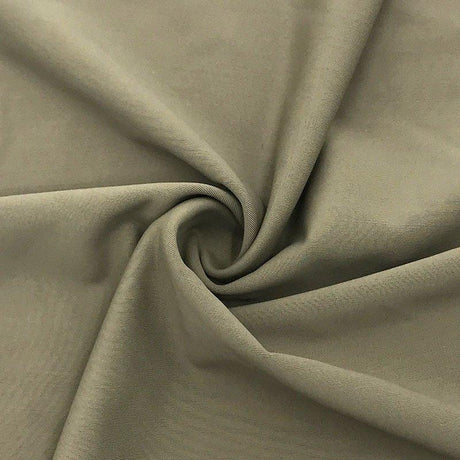
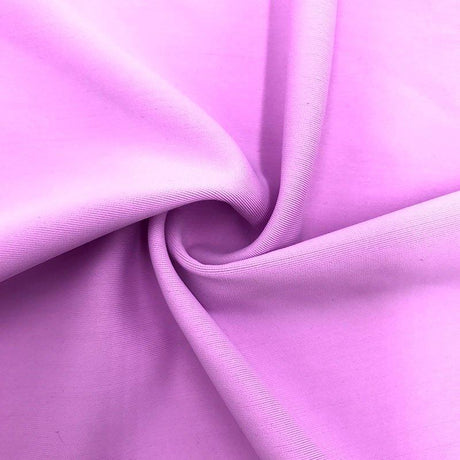
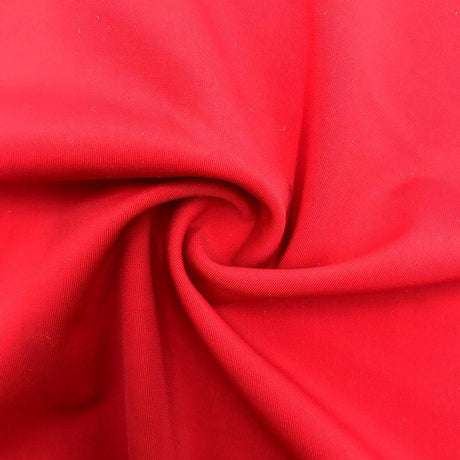
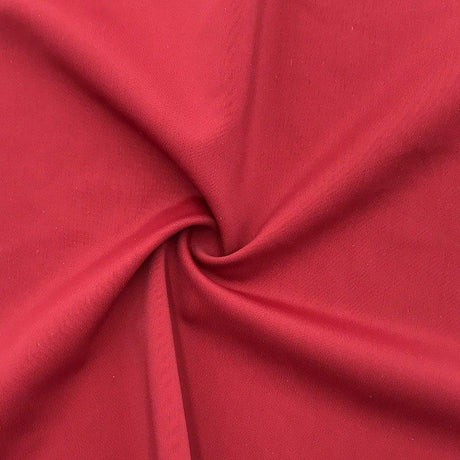
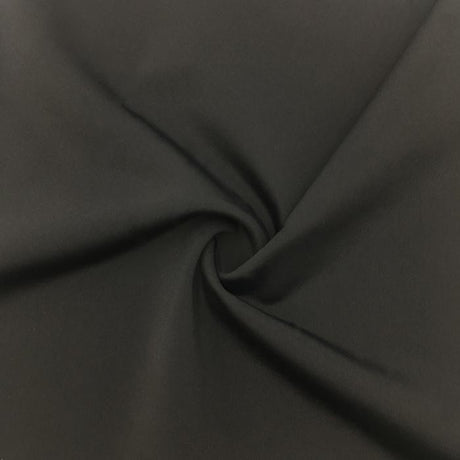
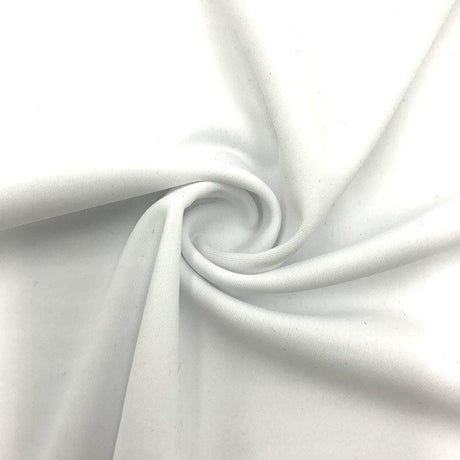
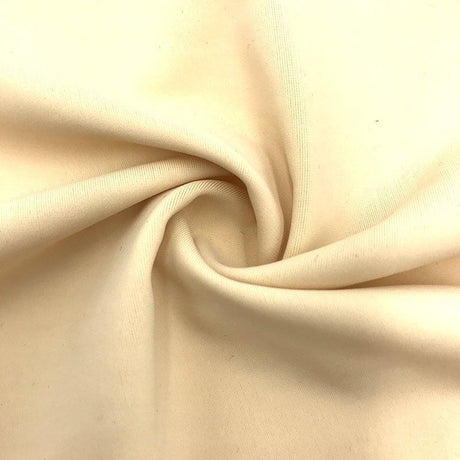
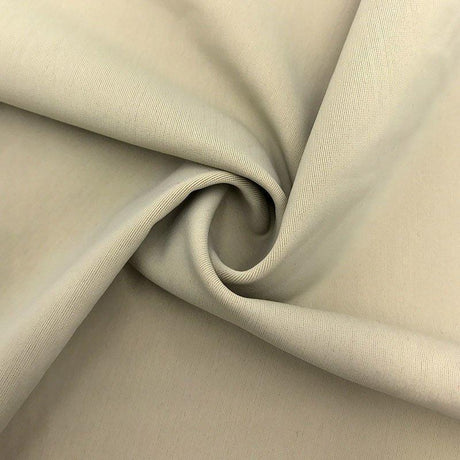
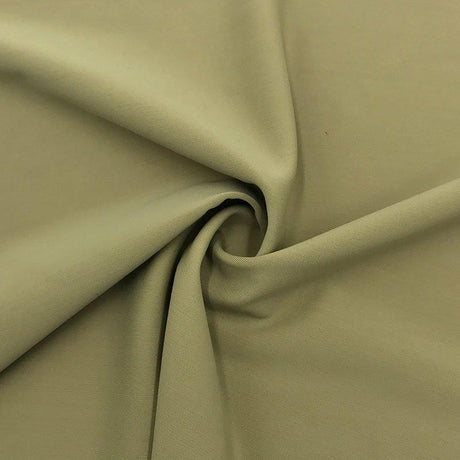
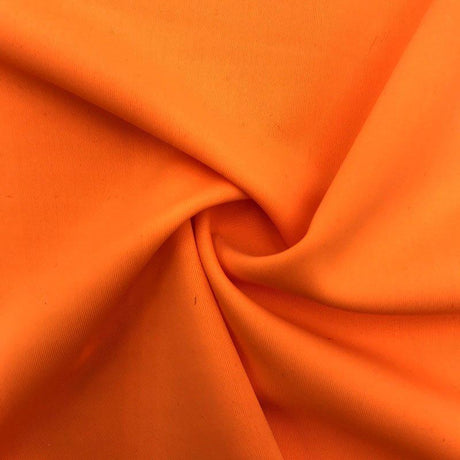
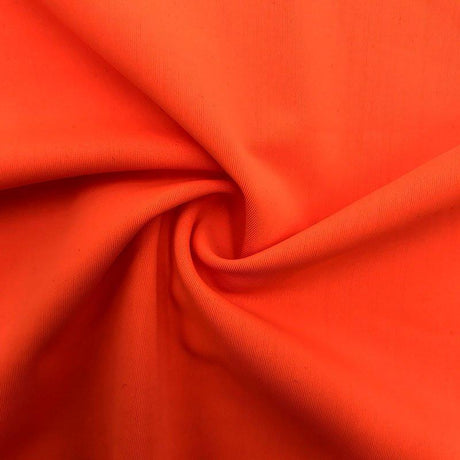
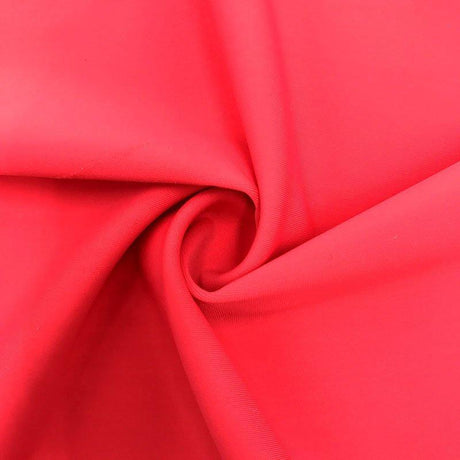
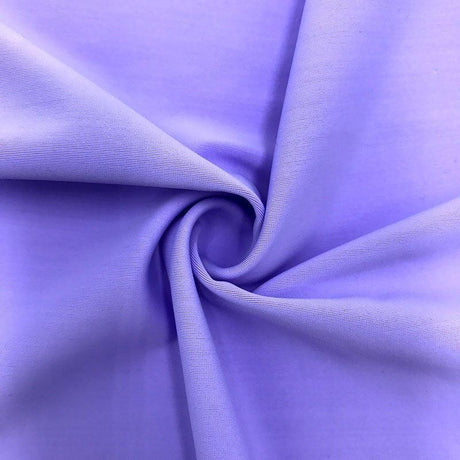
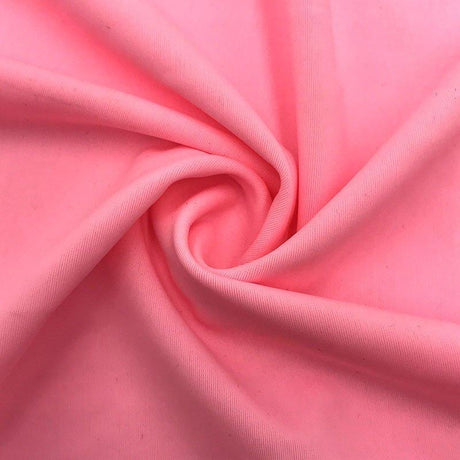
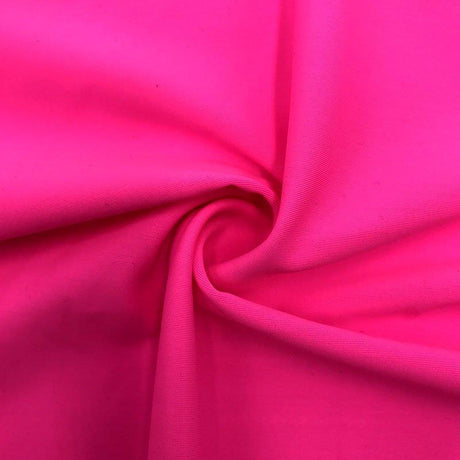
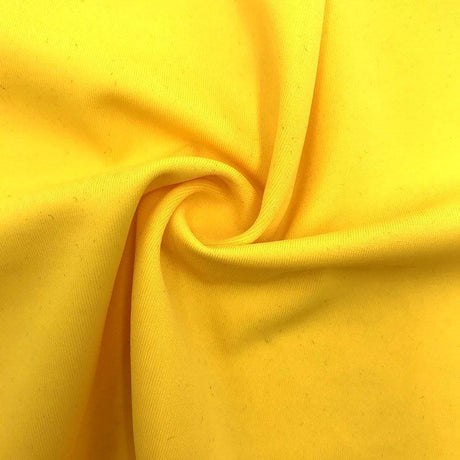
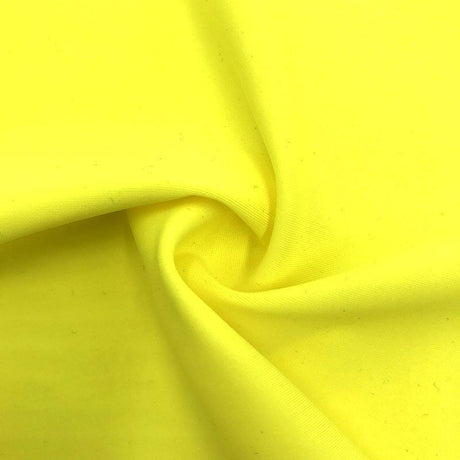
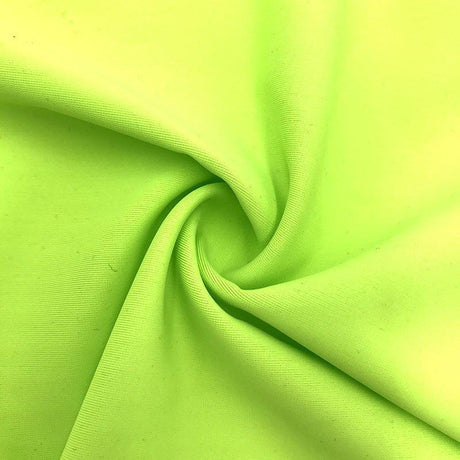
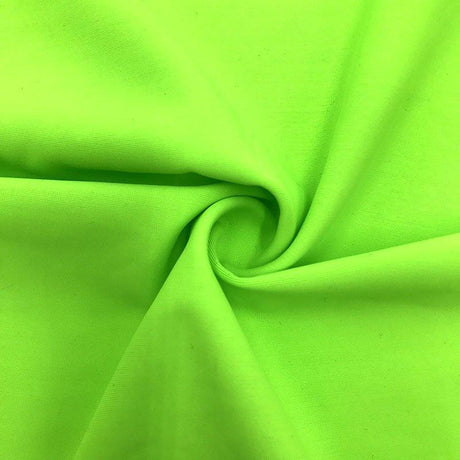
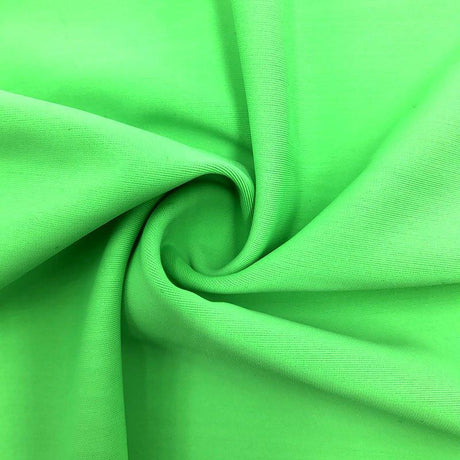
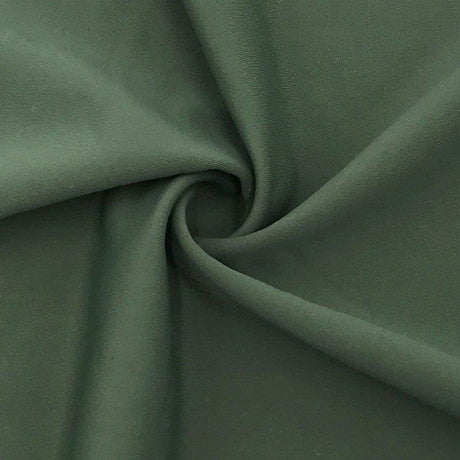
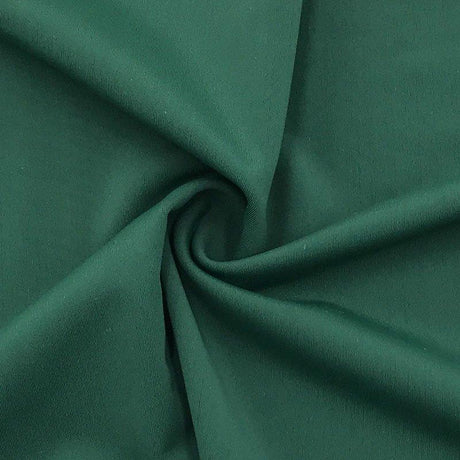
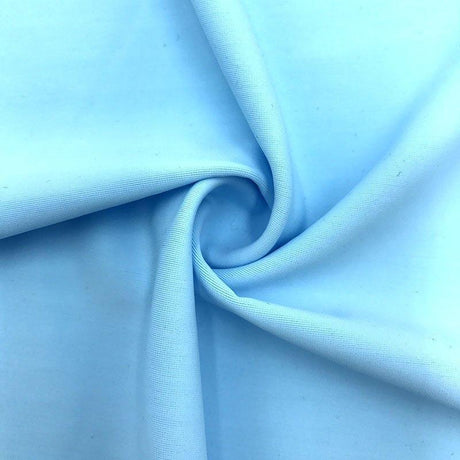
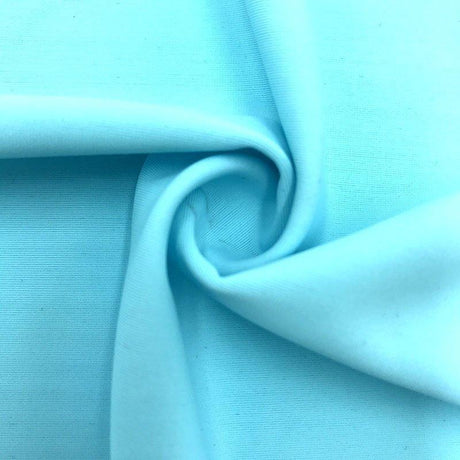
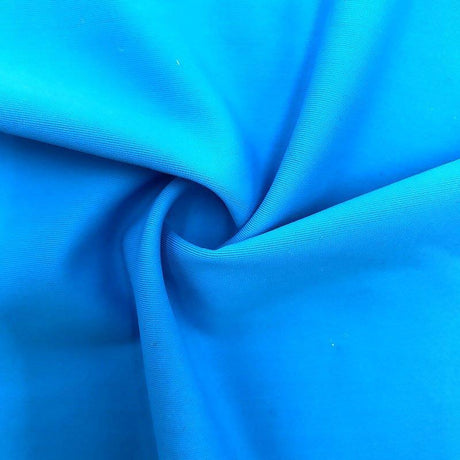
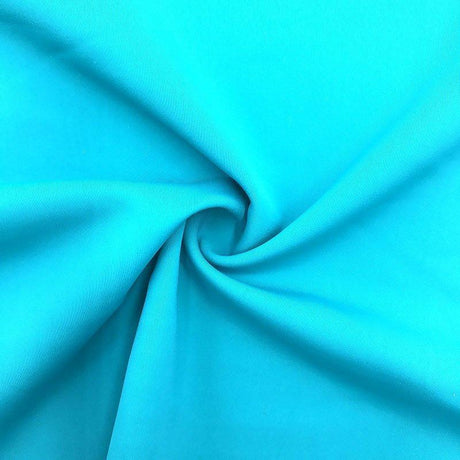
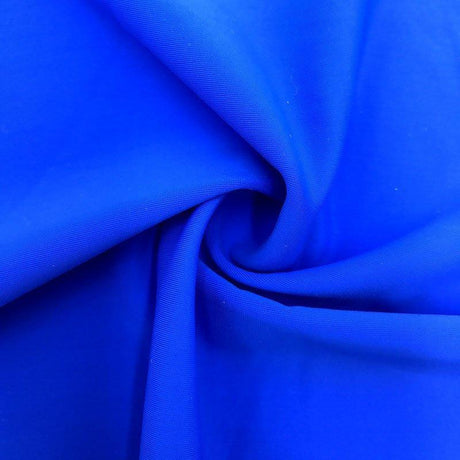
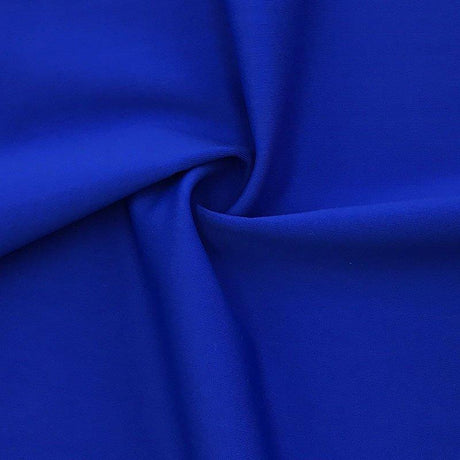
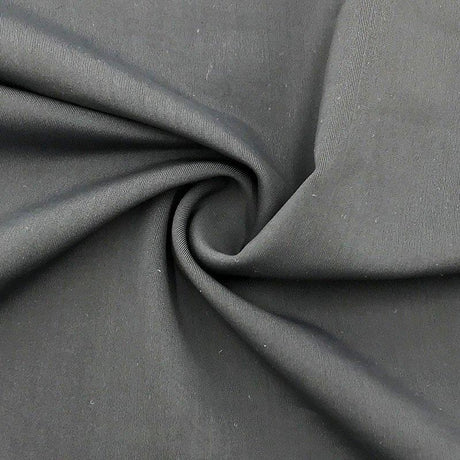
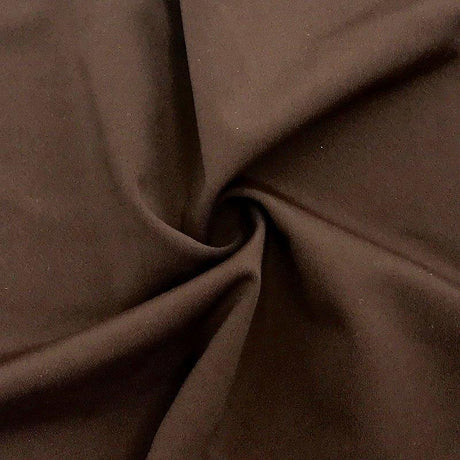
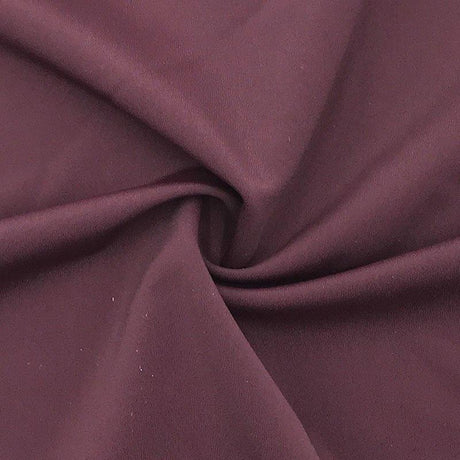
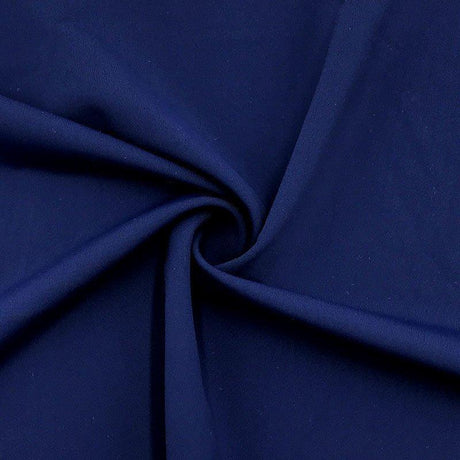
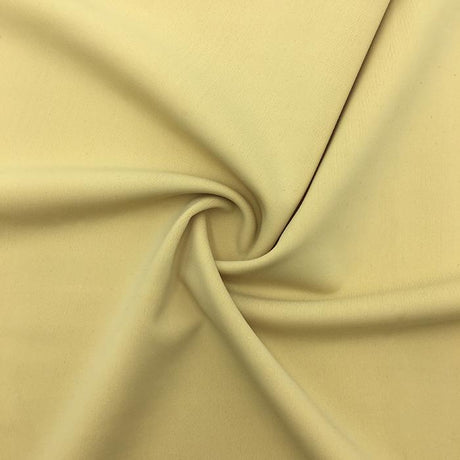
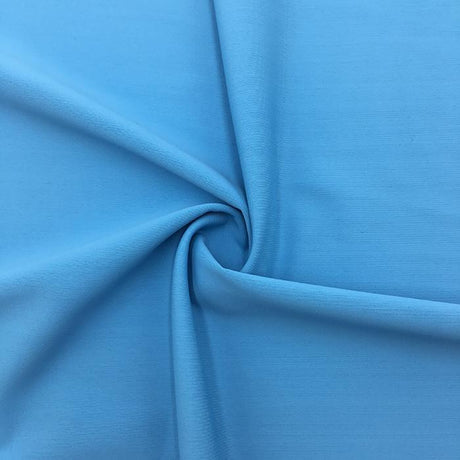
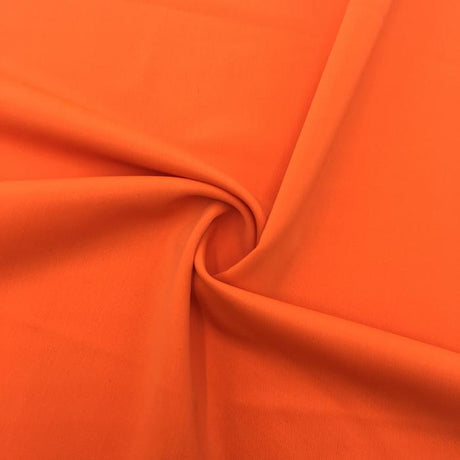
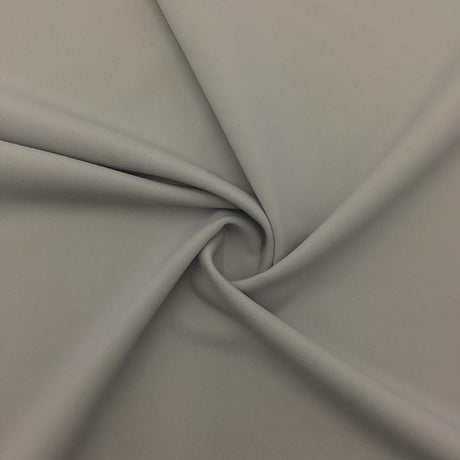
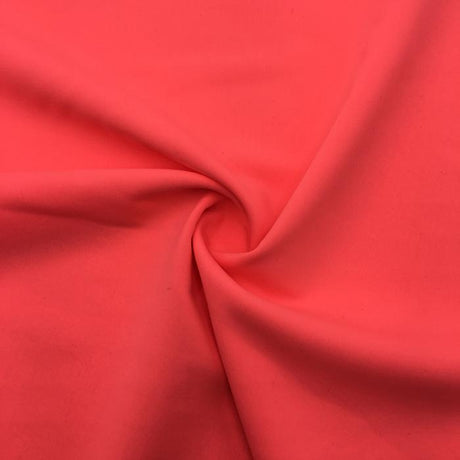
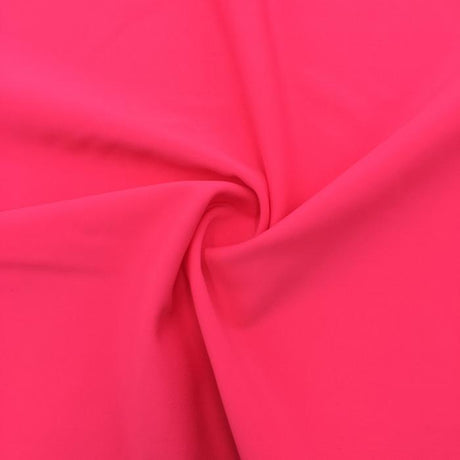
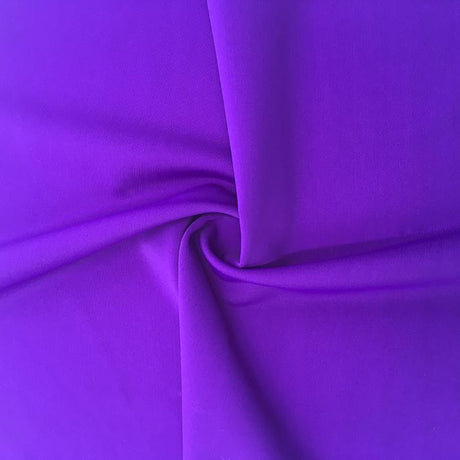
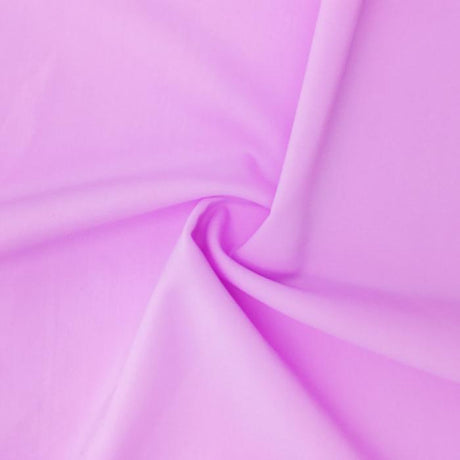
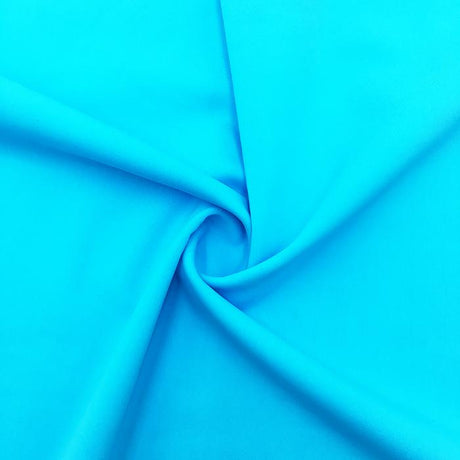
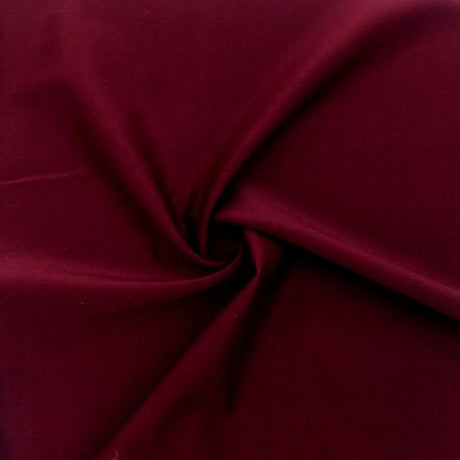
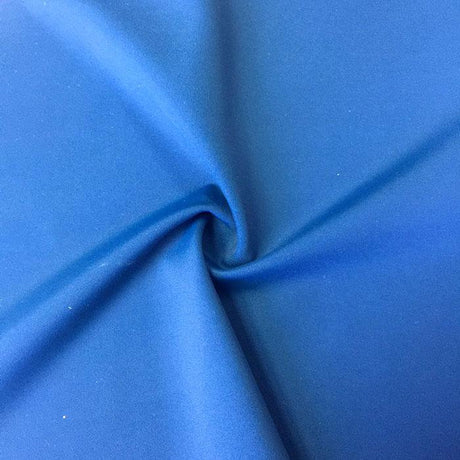
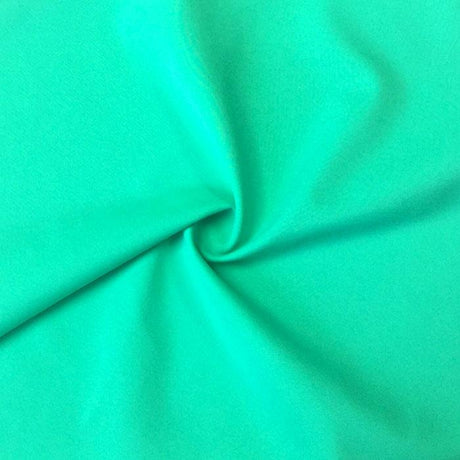
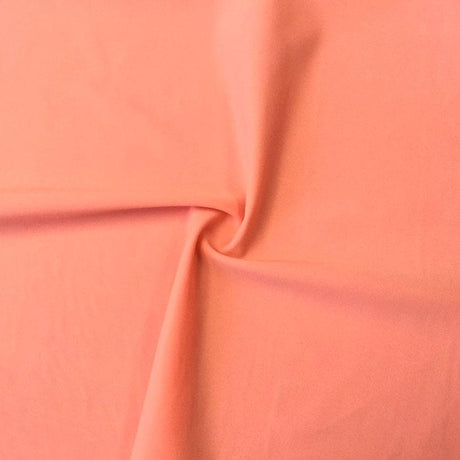
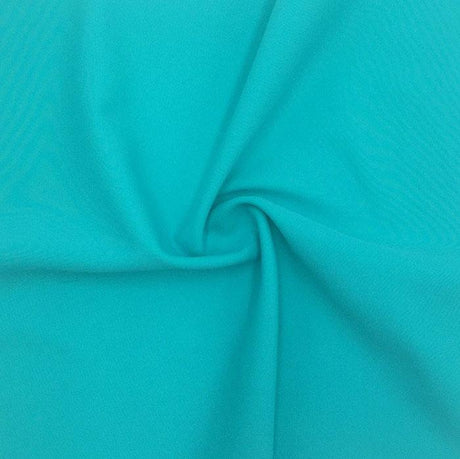
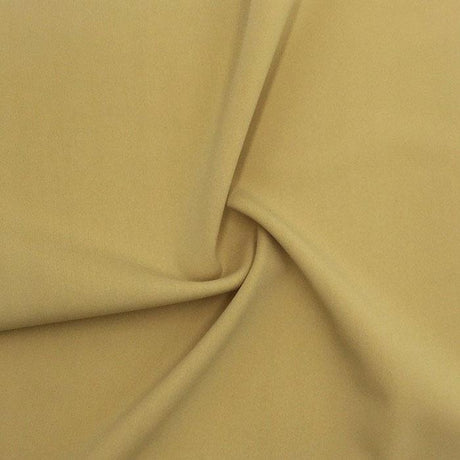
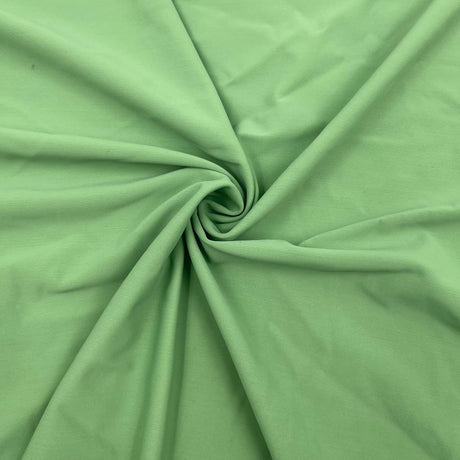
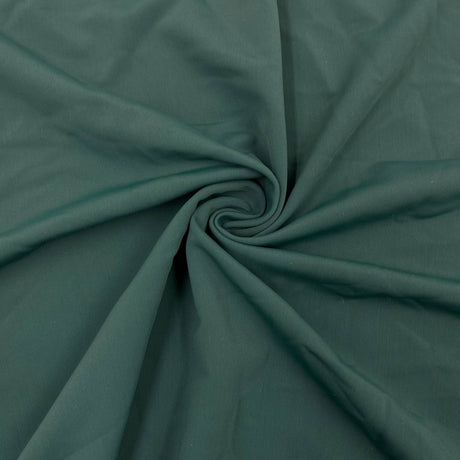
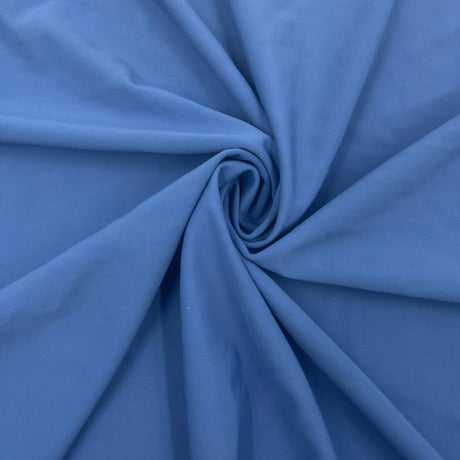
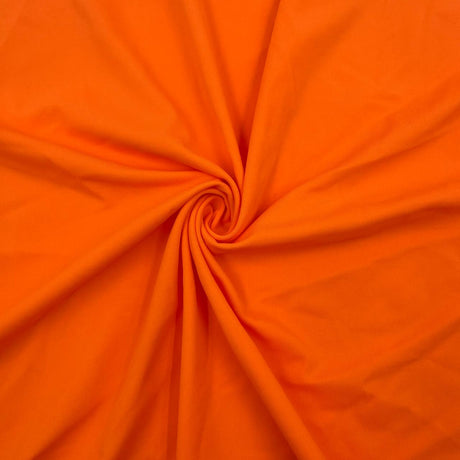
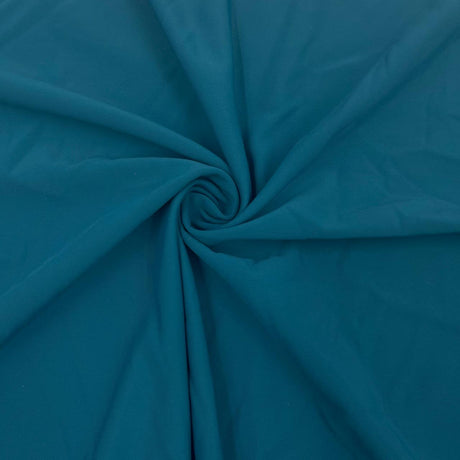
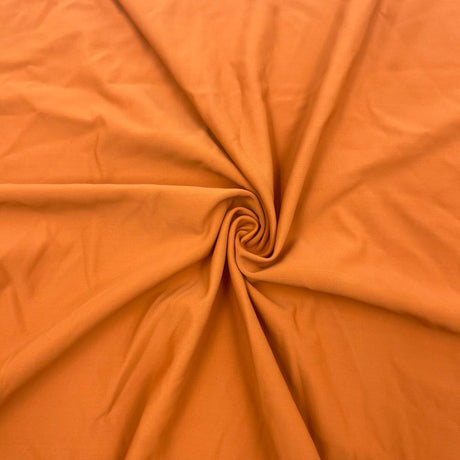
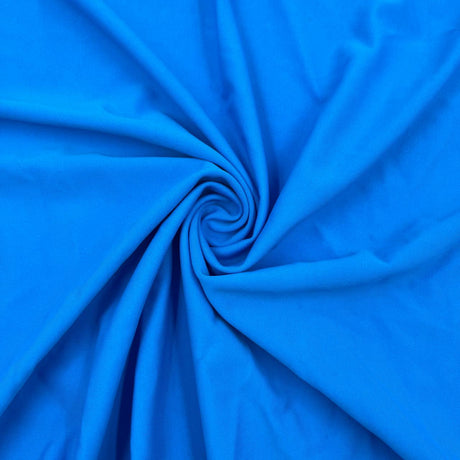
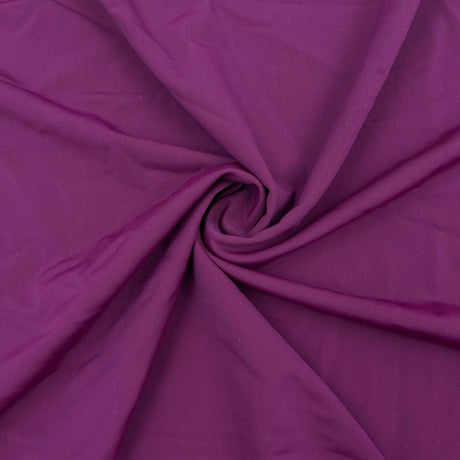
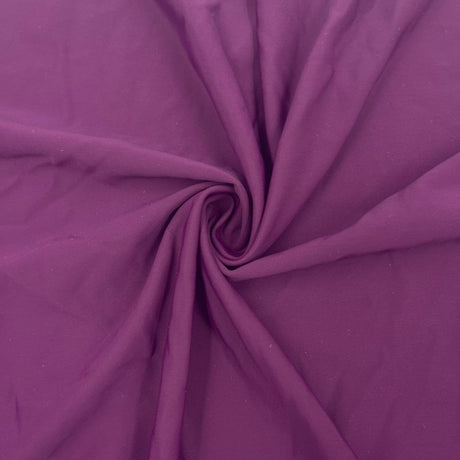
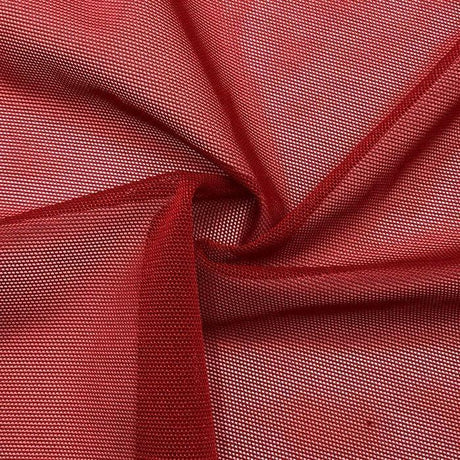
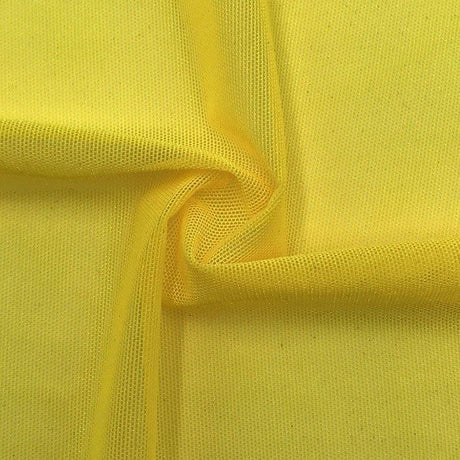
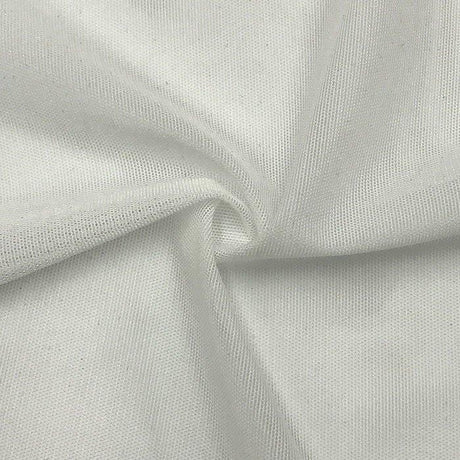
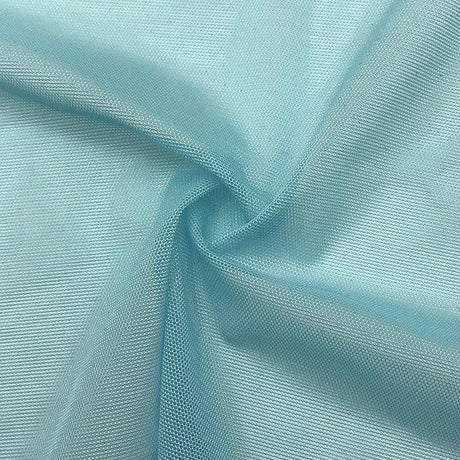
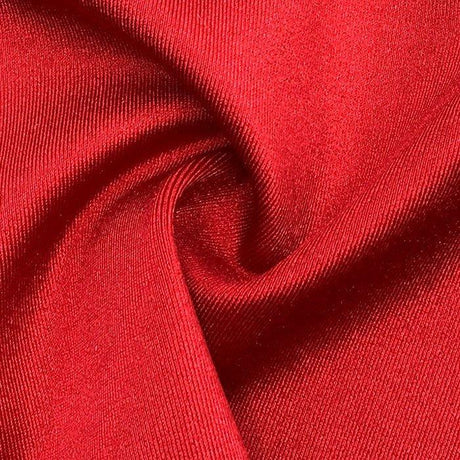
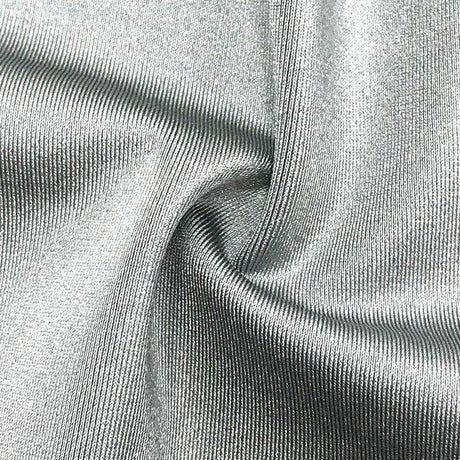
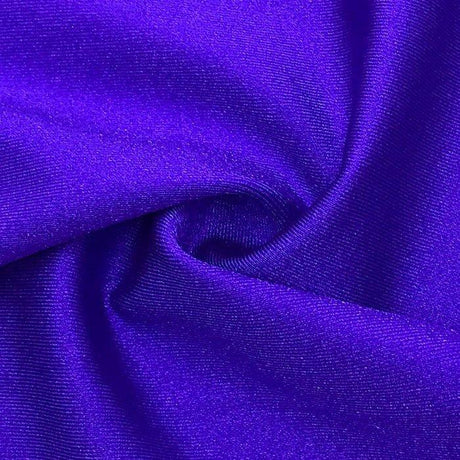
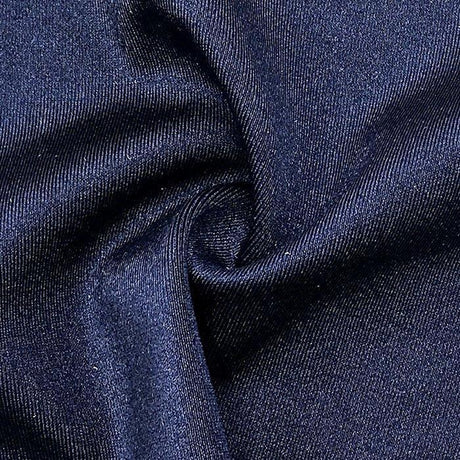
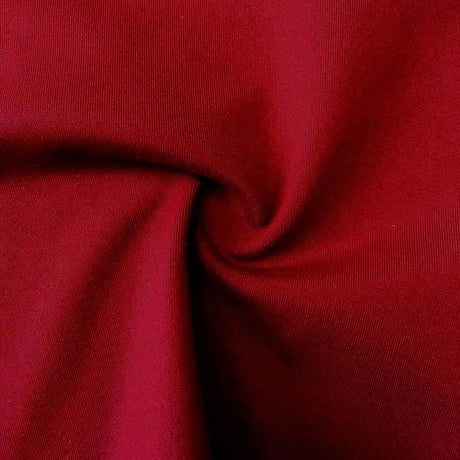
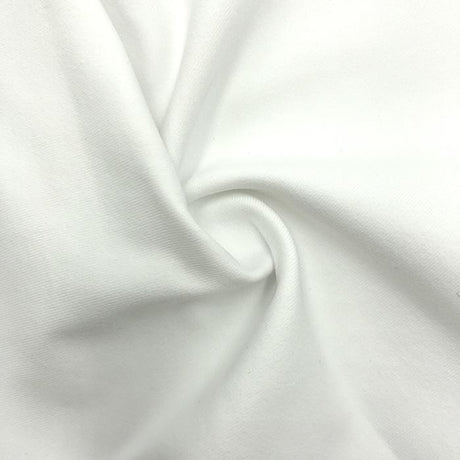
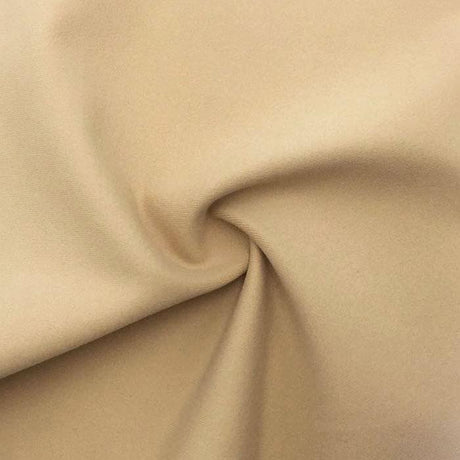
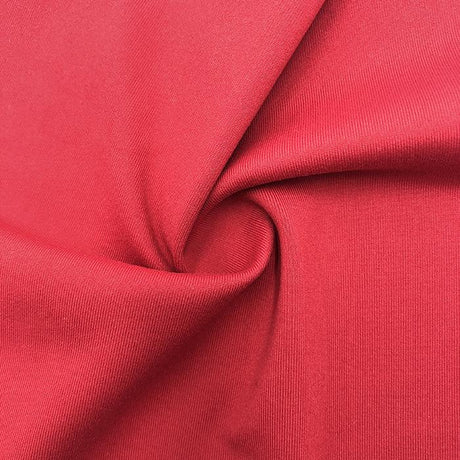
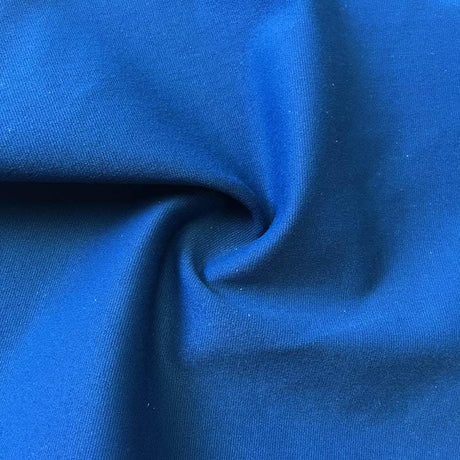
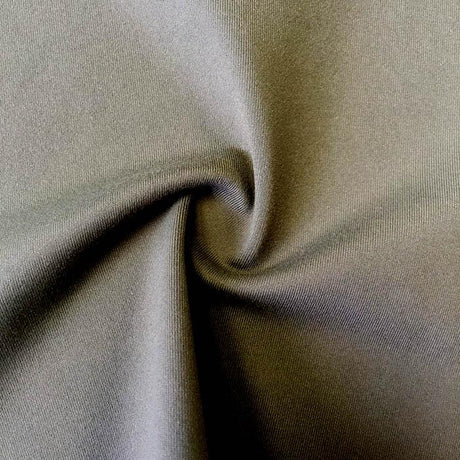
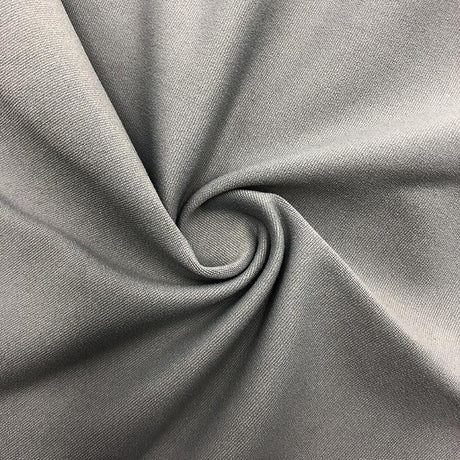
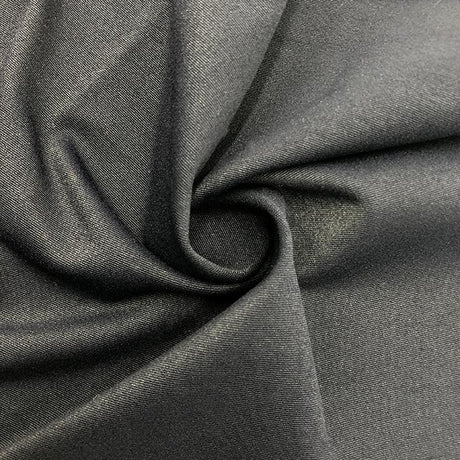
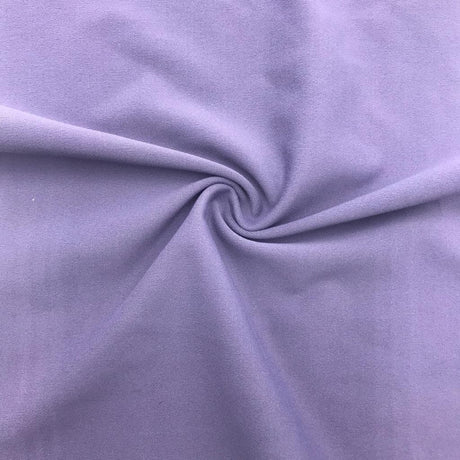
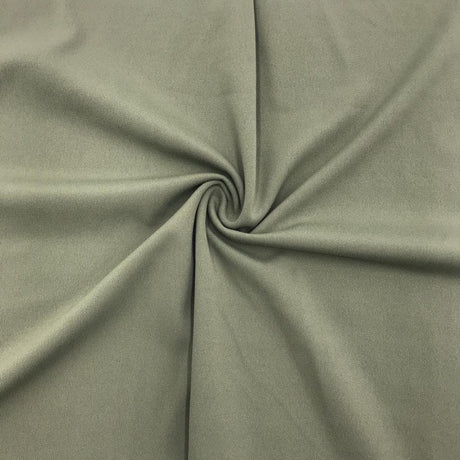
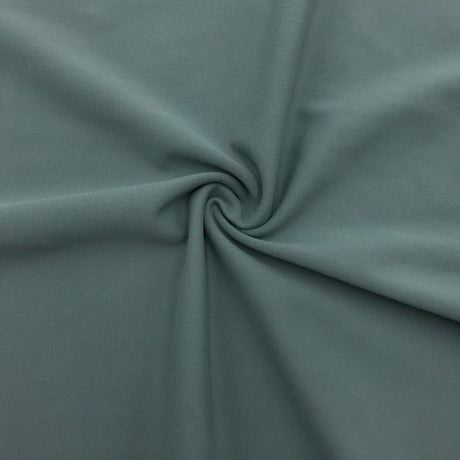
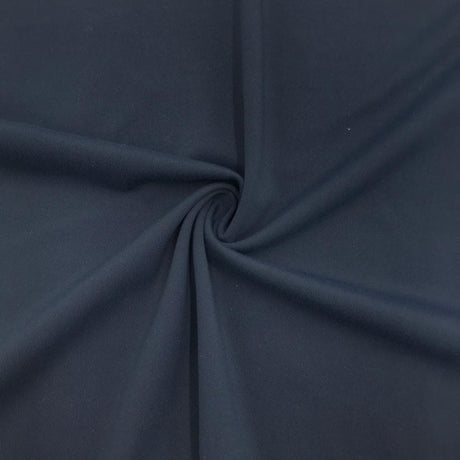
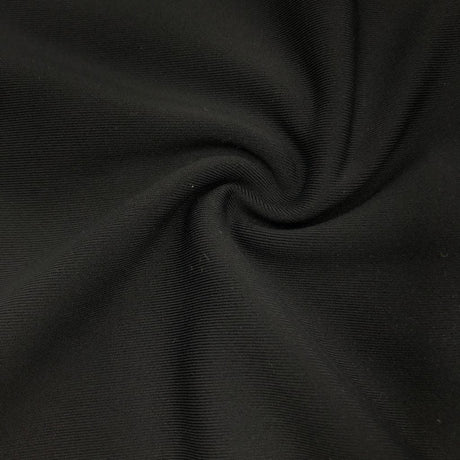
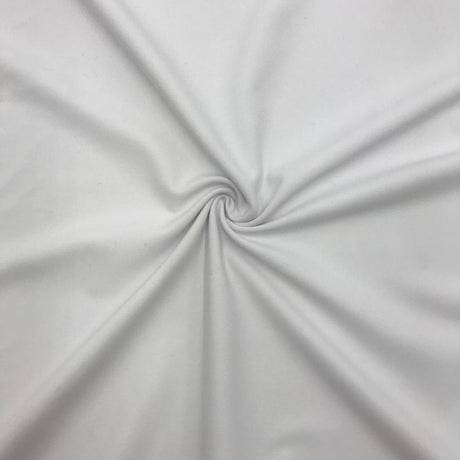
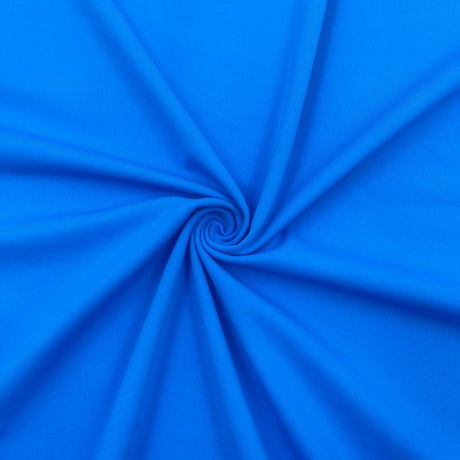
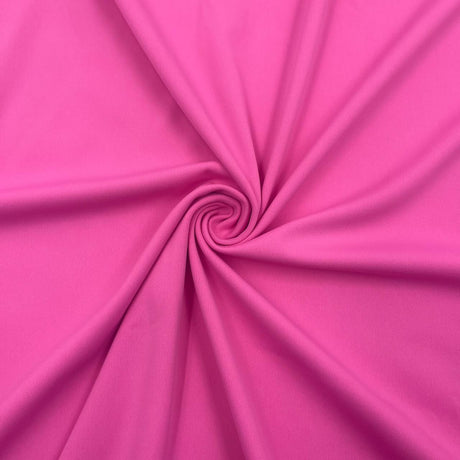
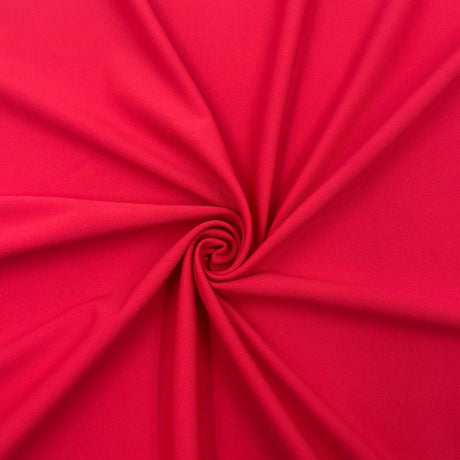
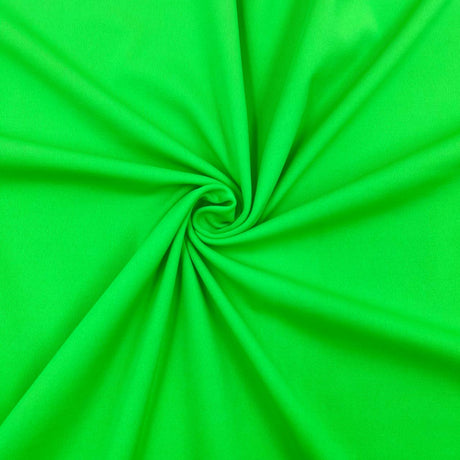
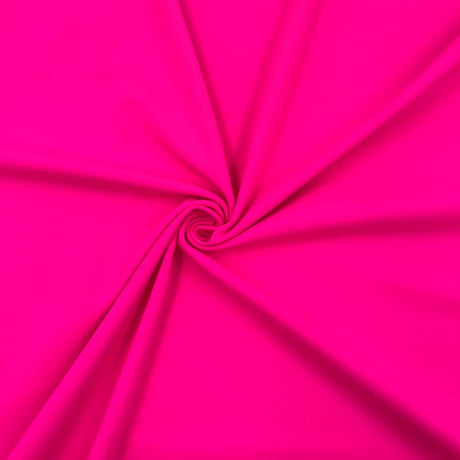
Choosing the right stretch fabric can completely change how your finished project looks, feels, and performs. Whether you are sewing leggings, swimwear, dancewear, costumes, sports bras, or fashion pieces, the fabric you pick affects stretch, comfort, support, durability, and fit. The same sewing pattern can turn out beautifully in one fabric and disappointingly in another, so the fabric choice is often more important than the pattern itself.
At Spandex By Yard, shoppers can find stretch fabrics for both personal sewing projects and small production runs. From smooth solids to bold prints and swimwear-ready materials, the right fabric starts with understanding what your project actually needs. This guide walks through the questions to ask before you buy, so you spend on fabric that fits your design instead of guessing.
Start With the Type of Project You Are Making
Not every spandex fabric is meant for the same use. A fabric that works beautifully for swimwear may not give enough compression for leggings. A fabric that feels supportive for activewear may feel too heavy for a lightweight dance costume. Matching the material to the garment is the single most important decision you make.
Before buying fabric, ask yourself what you are making and how it will be worn. Leggings, yoga pants, compression shorts, swimwear, leotards, dancewear, and fashion tops all need slightly different fabric qualities. Think about movement, coverage, and how often the garment will be washed or stretched.
If you are shopping for workout clothing, start with our performance fabric collection. These fabrics are built for activewear projects that need stretch, recovery, and comfort during movement, and they hold up to repeated wear better than general fashion knits.
Understand Stretch Versus Recovery
Two qualities decide how a fitted garment behaves: stretch and recovery. Stretch is how far the fabric extends. Recovery is how well it snaps back to its original shape afterward. Many beginners focus only on stretch, but recovery is what keeps a garment from sagging at the knees, waist, or seat after a few hours of wear.
A fabric can have plenty of stretch and still have poor recovery, which is why a cheap knit may look fine on the cutting table but go baggy on the body. For anything fitted and worn for hours at a time, prioritize fabrics that combine generous stretch with strong recovery. This single distinction separates a garment that holds its shape from one that does not.
Best Fabric for Leggings and Yoga Pants
Leggings and yoga pants need fabric with strong stretch and dependable recovery. They also need enough weight and density to stay opaque when you bend, squat, or lunge, so coverage holds up during real movement rather than just standing still.
For leggings, many swists prefer nylon spandex because it feels soft, smooth, and supportive. It works well for yoga pants, dance leggings, compression wear, and fitted activewear styles. A matte finish often reads as more premium for everyday leggings, while compression-grade fabrics add a sculpted, supportive feel.
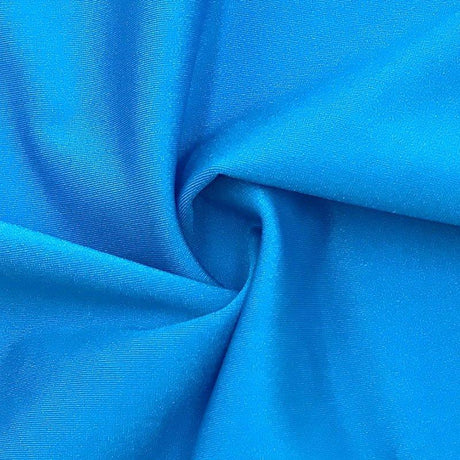
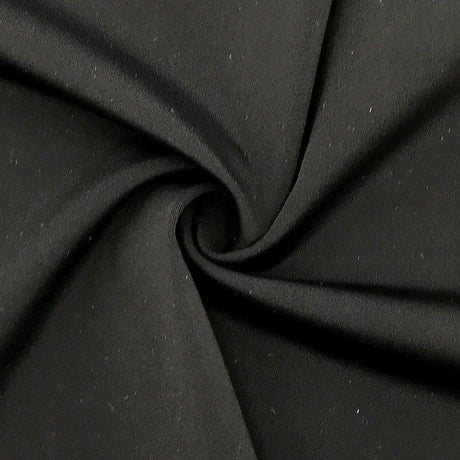
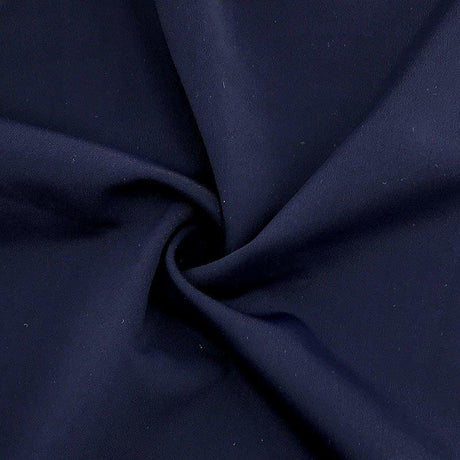
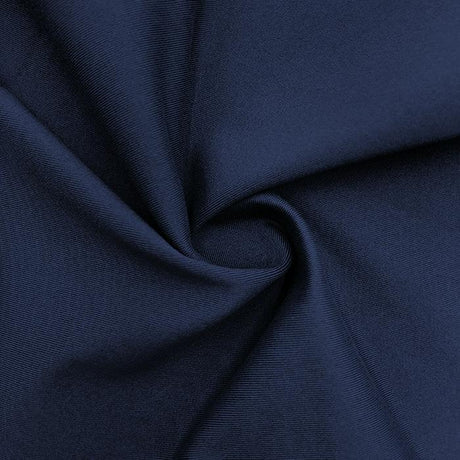
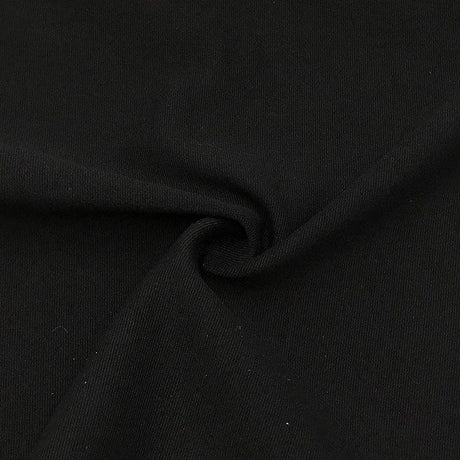
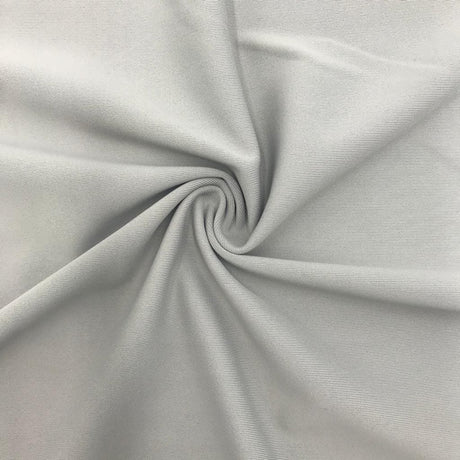
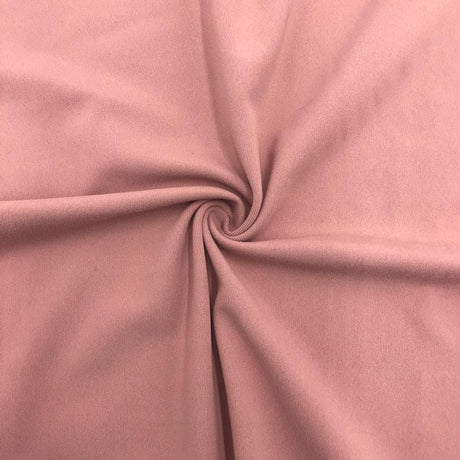
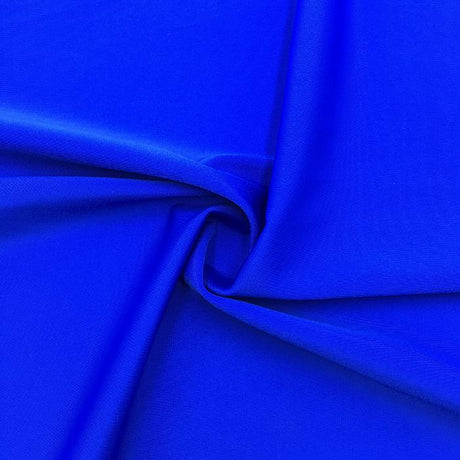
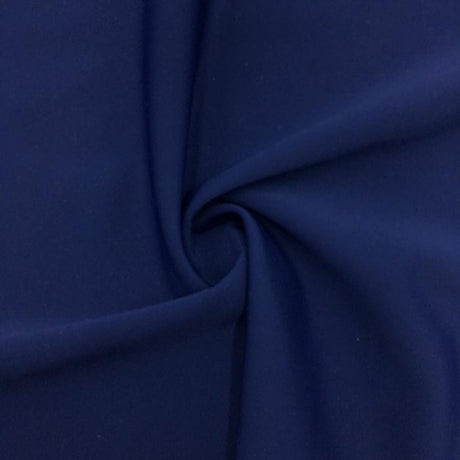
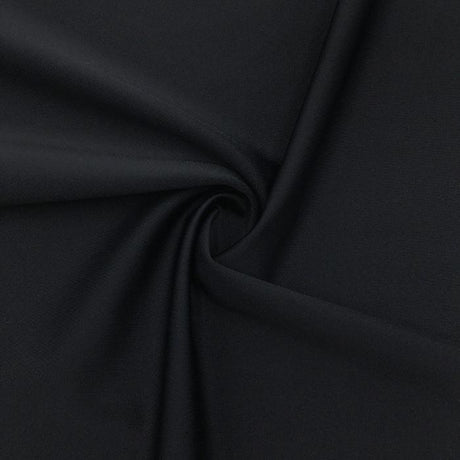
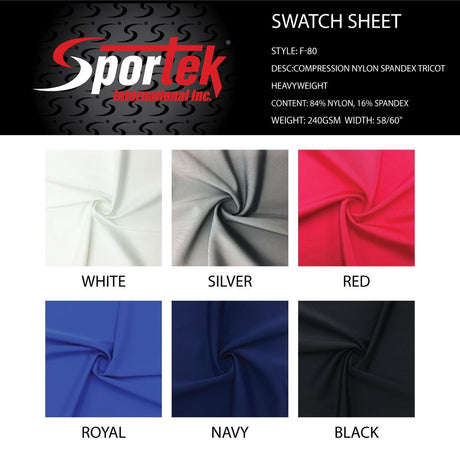
Explore our nylon spandex solids if you want a clean, versatile fabric for leggings, yoga pants, bodysuits, and fitted garments. Heavier weights in this family give you the opacity and hold that leggings depend on.
Best Fabric for Swimwear
Swimwear fabric needs to handle water, movement, stretch, and repeated wear. A good swimsuit fabric should stretch comfortably, recover well, and feel secure when wet rather than stretching out and clinging. Look for materials that hold their shape after time in the water.
For bikinis, one-piece swimsuits, rash guards, dance costumes, and resort wear, look for stretch fabrics designed specifically for swimwear use. These fabrics should feel flexible but stable, so the finished garment keeps its shape. Chlorine resistance and quick-dry performance are worth checking if the suit will see pool use, and many swim styles also benefit from a swim lining for comfort and coverage.
Shop our swimwear fabric by the yard collection for fabrics suited to swimwear sewing projects, beachwear, and performance swim styles.
Match the Fiber to the Function
Most stretch fabrics in this category are built on either nylon spandex or polyester spandex, and the difference is worth understanding before you buy. Nylon spandex tends to feel softer and more luxurious against the skin, with excellent stretch and a smooth hand, which makes it a favorite for swimwear, leotards, and premium leggings.
Polyester spandex is often more colorfast and holds printed designs well, which makes it popular for sublimation, bold prints, and high-use performance pieces. Neither is universally better; the right choice depends on whether you are prioritizing softness, print clarity, or long-term color retention. When you are unsure, choose the fiber that best matches the garment's main job rather than the lowest price.
When to Use Printed Spandex
Printed spandex is a great choice when you want your project to stand out. It works well for dance costumes, gymnastics outfits, swimwear, festival wear, cosplay, fashion tops, and statement leggings, adding personality that a solid simply cannot.
If your project needs color, movement, and personality, printed spandex gives you more design impact than a basic solid. A bold print can turn a simple sewing pattern into a finished piece that feels custom and expressive. Pay attention to print scale as well, since a large repeat can look very different on a small garment than it does on the bolt, and consider how the pattern will land across seams and pattern pieces.
Browse our printed spandex fabrics for colorful options that work well for fashion, costumes, swimwear, and activewear projects.
Pay Attention to Stretch Direction
Stretch direction matters more than many beginners realize. Some fabrics stretch mainly from side to side, while others stretch both side to side and up and down. This is often called two-way stretch or four-way stretch.
For leggings, swimwear, bodysuits, leotards, and fitted activewear, four-way stretch is usually preferred because the garment needs to move with the body in multiple directions. If you are using a sewing pattern, always check the stretch requirement before buying fabric. Using the wrong stretch direction can make the garment feel too tight, too loose, or uncomfortable, and it can throw off the fit even when the measurements are correct.
Understand Fabric Weight and GSM
GSM stands for grams per square meter. It tells you how heavy or dense the fabric is. Lighter fabrics may work for tops, linings, overlays, and fashion pieces. Heavier fabrics are often better for leggings, shorts, compression garments, and structured activewear that needs to hold its shape.
For leggings and yoga pants, you usually want a fabric that feels supportive and not see-through. For swimwear, you want enough weight for coverage but enough flexibility for comfort. When in doubt, order a sample first, since GSM numbers alone do not tell you how a fabric drapes or feels in hand. A small swatch can save you from buying the wrong fabric for a full project.
Check Opacity Before Cutting
Opacity means how much the fabric hides when stretched. This is especially important for leggings, shorts, dancewear, and swimwear. Some fabrics look solid when flat but become sheer when stretched over the body, which is a common and avoidable surprise.
Before cutting your pattern pieces, stretch the fabric by hand and hold it up to light. If it becomes too see-through, you may need a heavier fabric, a lining, or a different style. Lighter colors tend to show more than dark ones, so test the exact fabric and color you plan to use.
Think About Comfort and Hand Feel
Hand feel means how the fabric feels when you touch it. Some stretch fabrics feel slick and smooth. Others feel brushed, matte, soft, or more structured. The right hand feel depends on the garment and on personal preference.
For clothing worn close to the skin, comfort matters as much as appearance. Leggings, swimwear, leotards, and sportswear should feel good during movement, not just look good on a table. A fabric that feels scratchy or stiff in your hand will rarely feel better once it is sewn into a garment.
Order a Sample Before Committing
Whenever you are working with a new fabric, a new color, or a new project type, ordering a swatch first is the cheapest insurance you can buy. A sample lets you test stretch, recovery, opacity, and hand feel against your actual pattern before you commit to yardage.
This is especially valuable for production runs, where buying the wrong fabric in volume is an expensive mistake. A few small swatches let you compare options side by side and choose with confidence instead of guessing from a screen.
Common Mistakes to Avoid
A few recurring mistakes trip up makers more than any others. The most common is choosing fabric by color or price alone, without checking weight, stretch, and recovery. Another is ignoring the stretch requirement on a sewing pattern, which leads to a garment that fits nothing like the sample. A third is skipping the opacity test and discovering too late that leggings turn sheer under tension.
Avoiding these comes down to a simple habit: match the fabric to the garment first, then confirm the details with a quick hand test or a swatch. That order of operations prevents most disappointing results.
Final Tips Before You Buy
- Choose fabric based on the garment, not just the color.
- Use four-way stretch for fitted activewear and swimwear.
- Prioritize recovery for anything worn for hours at a time.
- Check GSM if you need support or coverage.
- Test opacity before sewing leggings or swimwear.
- Order samples for new projects whenever possible.
- Match prints and solids to your pattern style and scale.
Find the Right Fabric for Your Next Project
The best fabric depends on what you are making. Leggings need support and recovery. Swimwear needs stretch and comfort when wet. Dancewear and costumes need movement and visual impact. Activewear needs durability, flexibility, and a fabric that can keep up with hard use.
Ready to start your next project? Explore all fabric collections, shop nylon spandex solids, browse swimwear fabrics, or add color with printed spandex from Spandex By Yard.