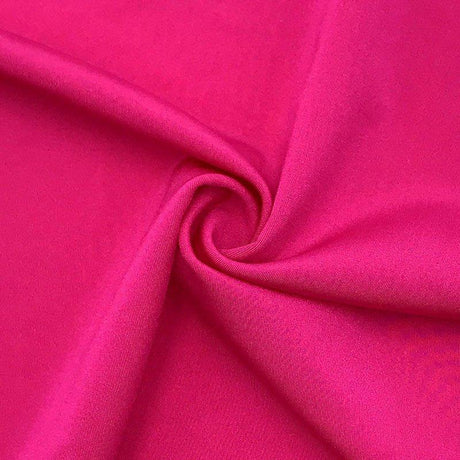
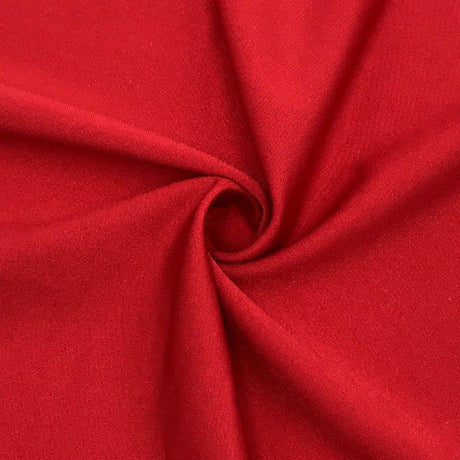
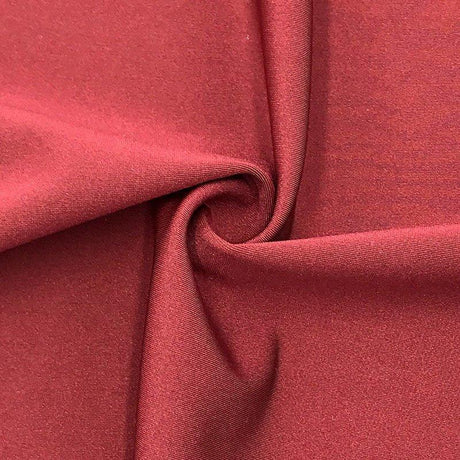
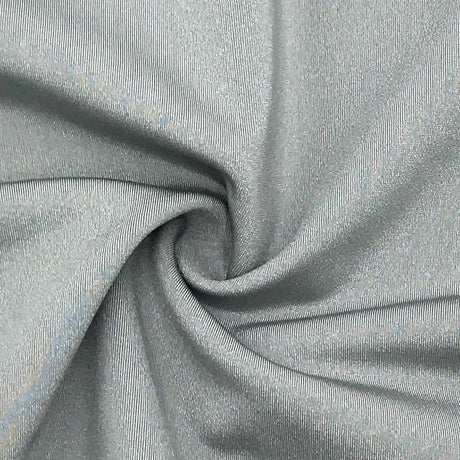
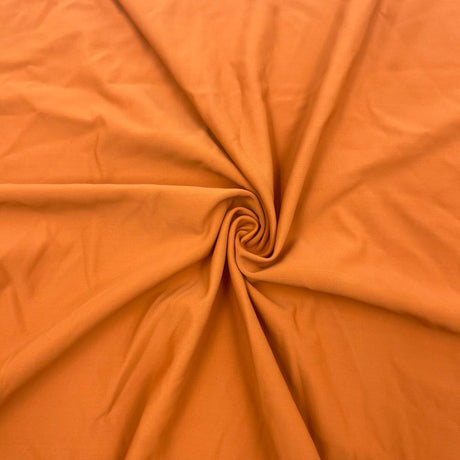
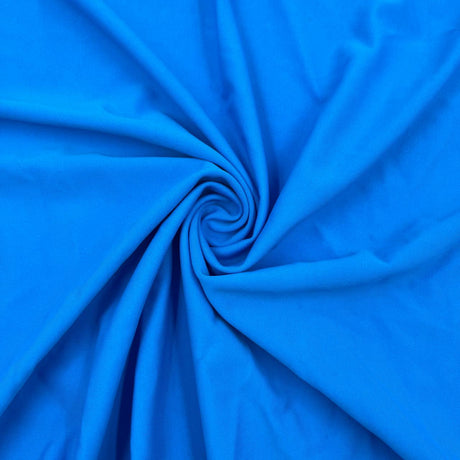
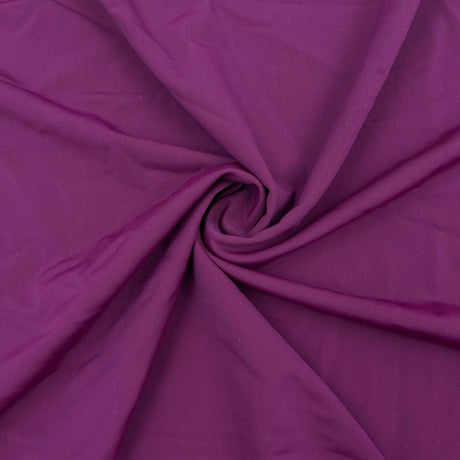
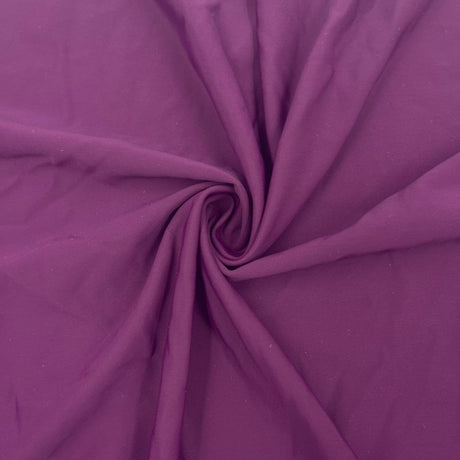
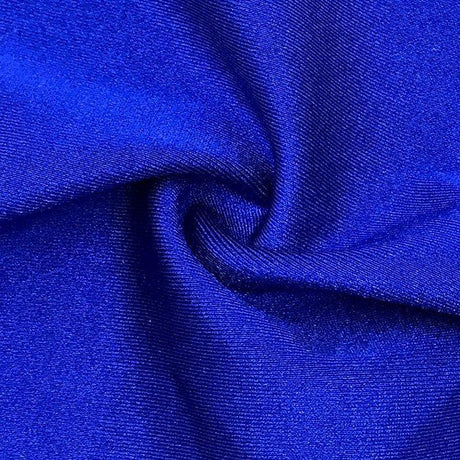
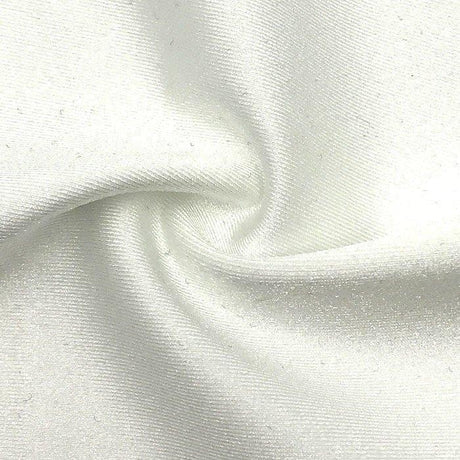
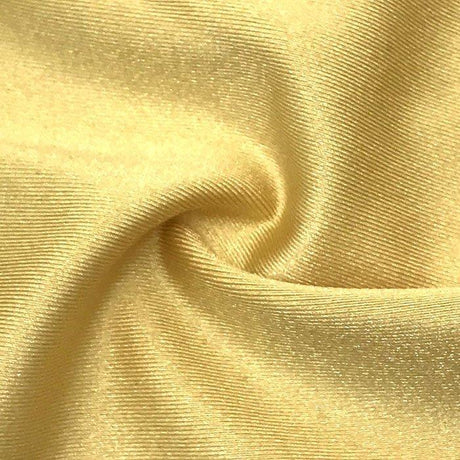
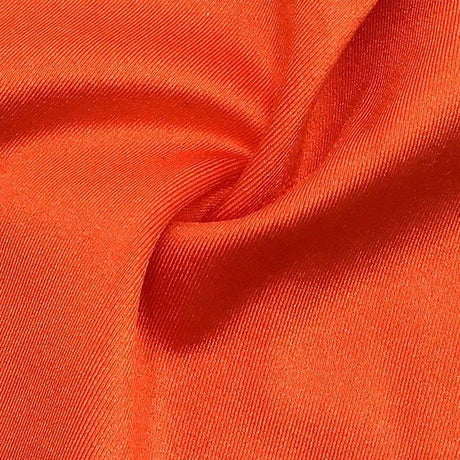
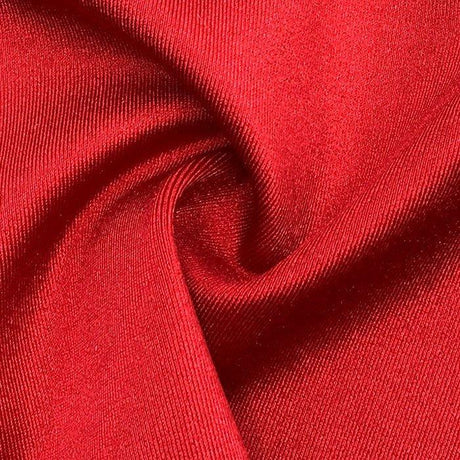
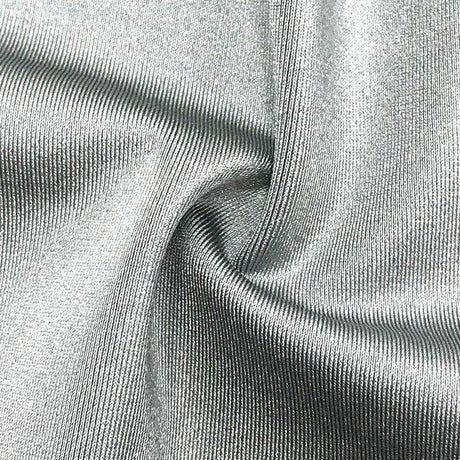
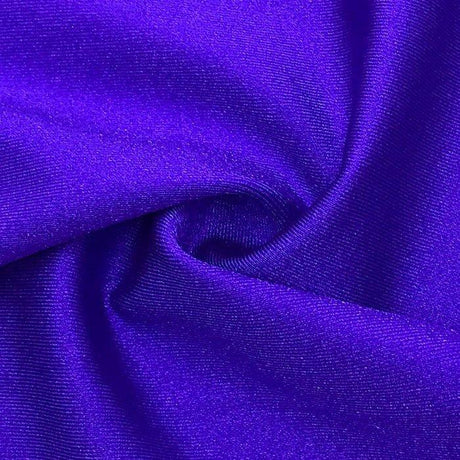
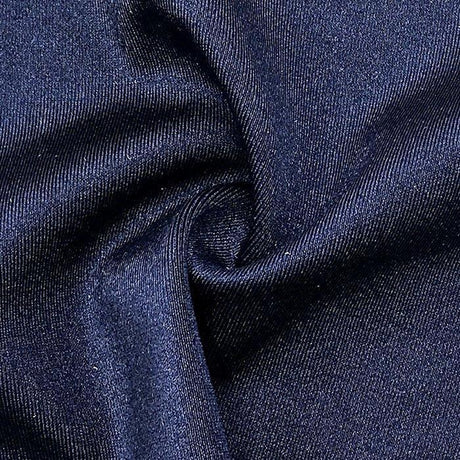
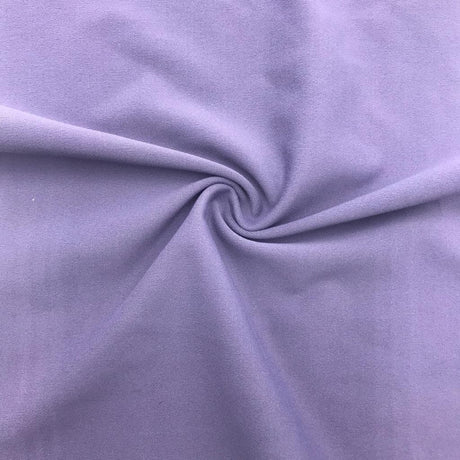
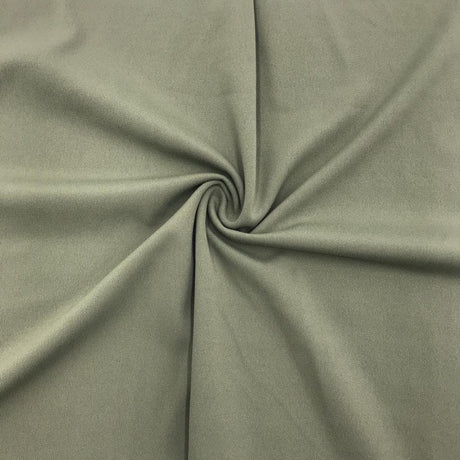
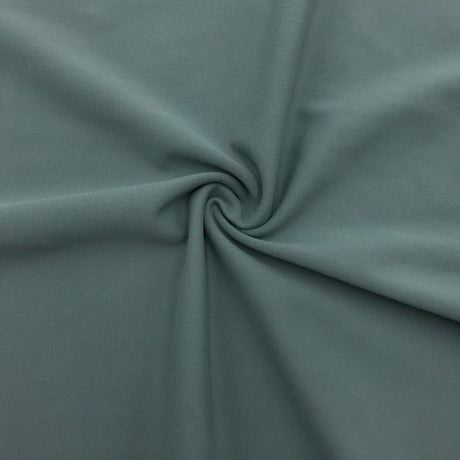
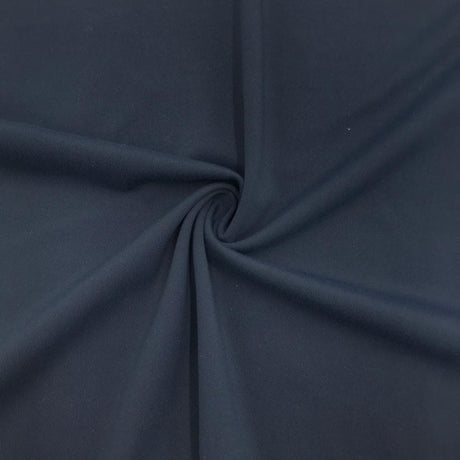
If you've ever sampled a "cute but complicated" tennis skirt prototype, you've probably met the three most common failure points: the skirt loses shape after warm-up, the built-in shorts feel restrictive (or slide), and the outer layer clings or flips in motion. For a broader foundation on stretch fabric properties before diving in, explore our activewear fabric guide or browse our full fabric guides hub.
For tennis and pickleball, a fabric for athletic skirt has to do more than look polished. It needs controlled stretch for lateral movement, reliable recovery so hems don't ripple, and enough opacity for bright outdoor light. And because most skirts are really skorts, the solution is often a fabric system—an outer fabric with the right drape, plus a short/lining fabric that's supportive and breathable.
What Is Fabric for Athletic Skirt?
When people say "athletic skirt fabric," they're usually describing a stretch performance knit (or stretch woven) engineered for movement, moisture control, and durability. Most performance skirt fabrics are blends: a primary fiber (nylon or polyester) for strength, surface, and dye/print behavior—plus elastane/spandex for stretch and recovery.
From a fiber-definition standpoint, spandex/elastane is a segmented polyurethane elastomeric fiber composed of at least 85% by mass of a segmented polyurethane, characterized by stretch-with-recovery behavior. In practical skirt-making terms: the elastane content and knit construction determine whether your skirt feels "buttery and drapey," "snug and supportive," or "stable and swingy." Our nylon-spandex fabric guide covers how nylon-spandex constructions achieve the combination of smooth hand feel, strength, and 4-way stretch that defines quality performance fabric.
Construction That Changes Behavior: Tricot, Jersey, and Interlock
Even at the same fiber content, construction changes performance:
Tricot (warp-knit) is commonly valued for stability and clean handling—a warp-knit made with many parallel yarns, producing a smoother face and a more stable structure than many weft knits, with less edge curl and higher run resistance. Jersey (weft-knit) is typically drapier and softer, but can be more prone to edge curl and growth if not stabilized correctly—especially in lighter weights. Interlock (double-knit) tends to be more opaque and stable than single jersey and is often used when you want a smoother "premium legging" feel in a skirt/short application (especially for built-in shorts).
Key Performance Characteristics
Stretch and Recovery: Stretch is how far the fabric extends; recovery is how well it returns. For skorts, poor recovery shows up as: waistbands that relax, hems that "grow" and wave, and seat/butt areas that bag out. Our stretch fabric types page covers the step-by-step stretch and recovery testing methodology in detail, including how to calculate stretch percentage from a home swatch test.
Bench test (fast and effective): Mark 4" on grain (lengthwise and crosswise). Stretch to comfortable max (not "until it hurts"). Measure extension and re-measure after 30 seconds of relax. If it doesn't return close to the starting length, expect bagging.
Weight and GSM: For "fabric for athletic skirt" work, GSM is one of the fastest ways to prevent wrong-fabric sampling. Here are real by-the-yard examples you can use as anchors: a nylon-spandex tricot example is listed at 200 GSM (80% nylon / 20% spandex); a higher-compression nylon-spandex tricot example is listed at 250 GSM (77% nylon / 23% spandex); a moisture-wicking brushed jersey example is listed at 200 GSM (88% polyester / 12% spandex); and a stretch power mesh example used for lining is listed at 100 GSM (85% nylon / 15% spandex).
How to apply that to skirts: outer skirt layer performs best in the ~180–240 GSM neighborhood for "swing + coverage"; built-in shorts typically prefer ~220–300 GSM for support and pocket durability; lining/vent panels are often ~80–130 GSM mesh for airflow. Our fabric weight guide provides a full breakdown of how GSM affects opacity, breathability, and durability across all common stretch fabric constructions.
Moisture Management and Breathability: In racquet sports, sweat management is comfort and performance. AATCC TM195 is commonly used to evaluate a fabric's ability to transport liquid moisture across surfaces and includes factors like absorption, wetting time, and one-way transport capability. Our fabric finishes guide covers moisture-wicking surface treatments and how to evaluate their durability across all common performance fabric constructions.
Durability and Abrasion Resistance: Shorts rubbing, ball-pocket stress, repeated wash cycles, and court contact all punish the surface. For manufacturers, abrasion resistance is often specified via ASTM D4966, which covers abrasion resistance determination using the Martindale tester.
Handfeel, Opacity, and "Drape Control": Softer/brushed surfaces feel great but may show wear sooner in high-friction zones. Smoother tricots are often sleeker and resist snags better (and can look more "uniform-ready"). Drape is also the difference between a skirt that flares and swings in motion and a skirt that clings in humidity or flips in wind.
Comparison with Similar Fabrics
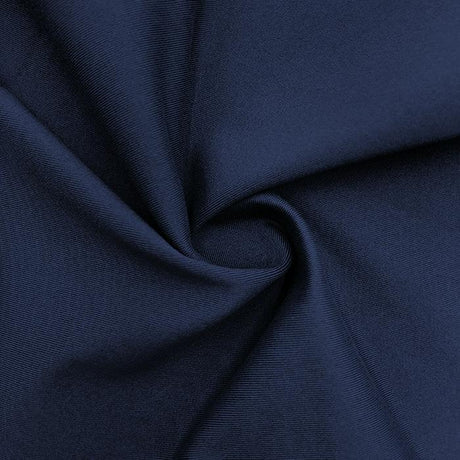
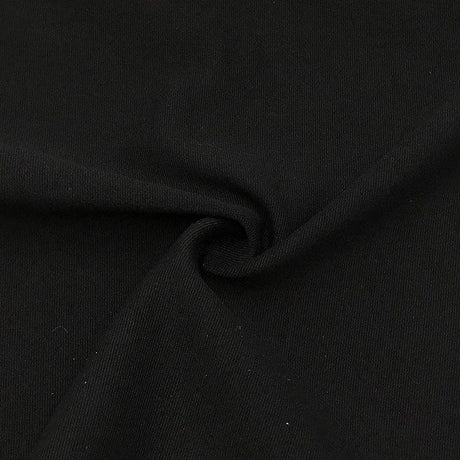
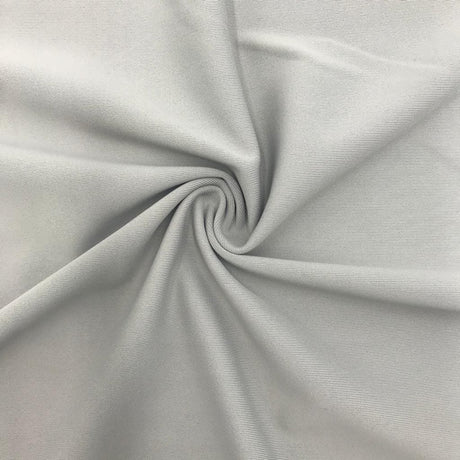
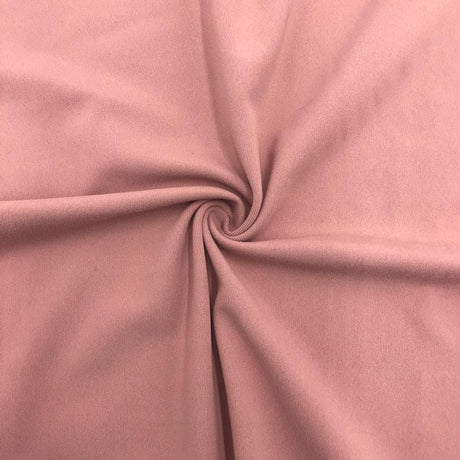
Nylon-Spandex Performance Knit (Tricot/Jersey): 80/20 nylon/spandex tricot at 200 GSM; higher compression 77/23 at 250 GSM. Often 4-way stretch depending on knit and elastane %. Best for premium-feel outer skirt + supportive shorts; court-to-swim skorts when chlorine/UPF matters. Smooth, durable, flexible; wide range of tricot/jersey/compression options in solids. Some nylon-heavy fabrics can feel warmer; shine/matte choices affect show-through.
Polyester-Spandex Wicking Jersey/Tricot: 88/12 poly/spandex brushed wicking jersey at 200 GSM. Often 4-way stretch; wicking finishes common. Best for printed/team looks, fast-dry tops/skirts, and sublimation-forward designs. Excellent for moisture-wicking programs and bright printing paths. Brushed surfaces can show abrasion sooner in high-friction zones; printing on stretch requires pattern and distortion control.
Stretch Woven (Poly + Spandex): Poly+spandex blend with stretch and shape retention. Often 4-way stretch twills/softshells in woven stretch collections. Best for structured skirts/pleats, more "crisp" look, wind resistance options, and DWR finishes on some styles. Stable hand for pleats and clean silhouettes; durable woven structure. Wovens can be less forgiving at seams; waistband/short integration must be engineered carefully.
Best Uses and Applications for Tennis and Pickleball Skirts
Outer Skirt Shell: If you want stable, uniform-ready behavior, tricot is a strong candidate because its warp-knit structure is stable and run-resistant, and it tends to lie flatter when cut than jersey. If you want a softer, fashion-athleisure look, a brushed performance jersey can work. For solids designed for active garments, start with the nylon-spandex family, positioned as a go-to for athletic wear.
Built-In Shorts (Skort Liner): The short needs higher recovery than the skirt shell, abrasion resistance between thighs, and enough compression to hold a ball pocket without sagging. That usually pushes you toward compression tricot (example: 250 GSM, 77/23 nylon/spandex) or interlock for opacity + support (example: 260 GSM, poly/nylon/spandex; described as non-see-through). Our activewear fabric guide covers compression performance benchmarks and fabric weight recommendations across all common activewear constructions.
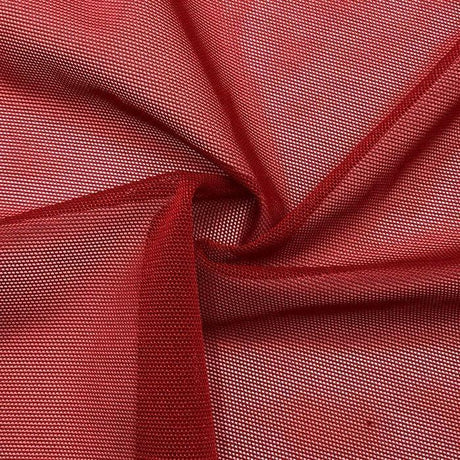
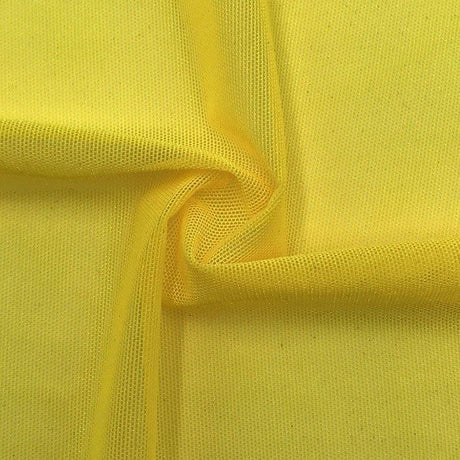
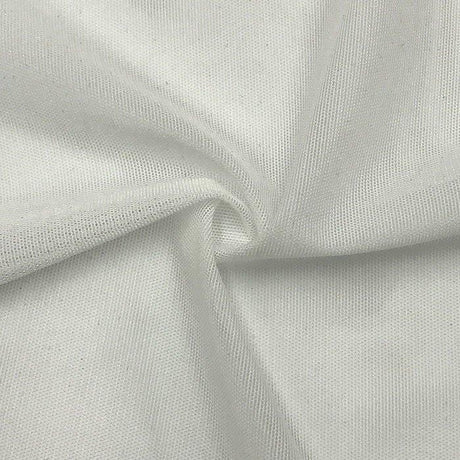
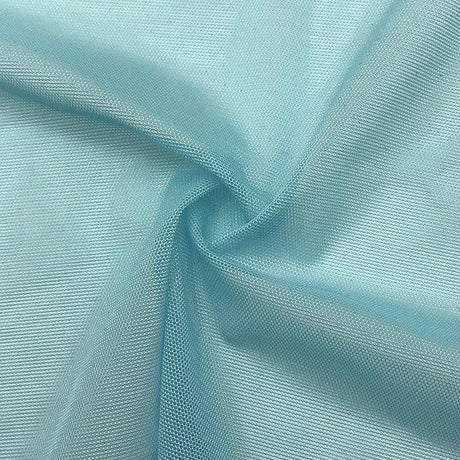
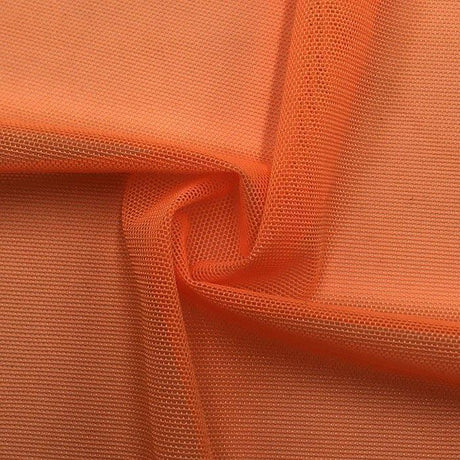
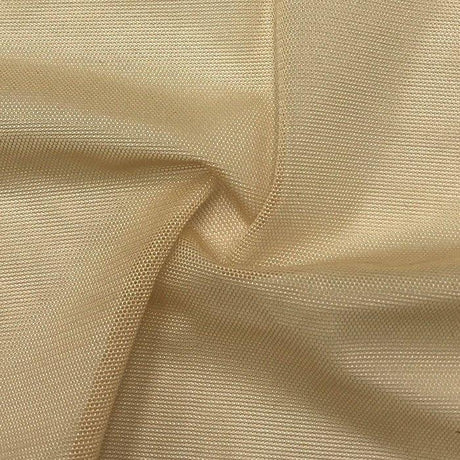
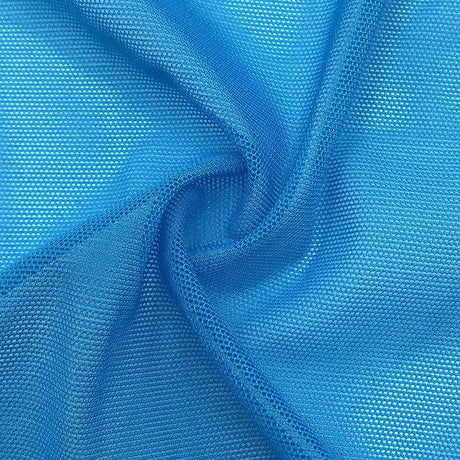
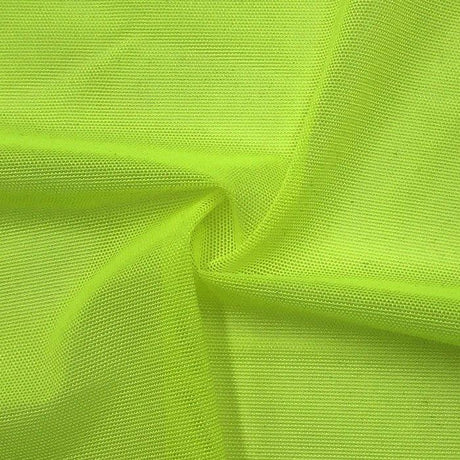
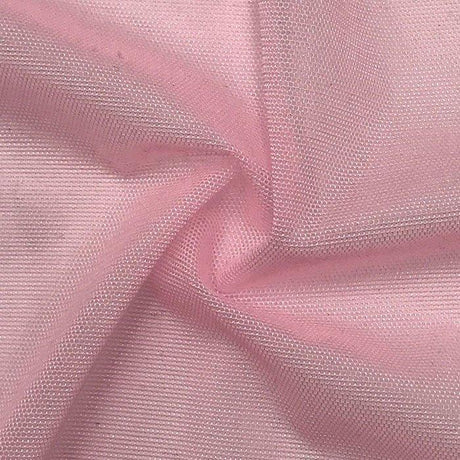
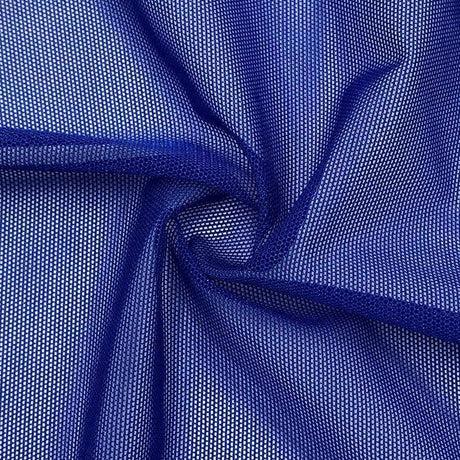
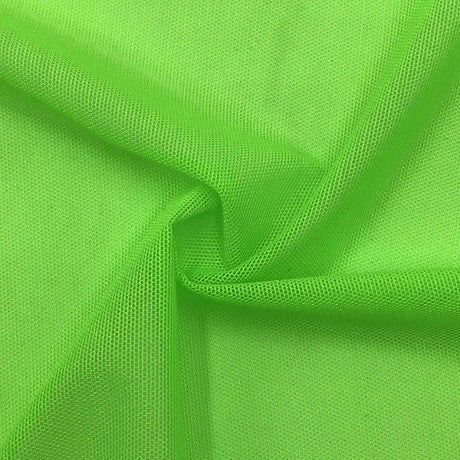
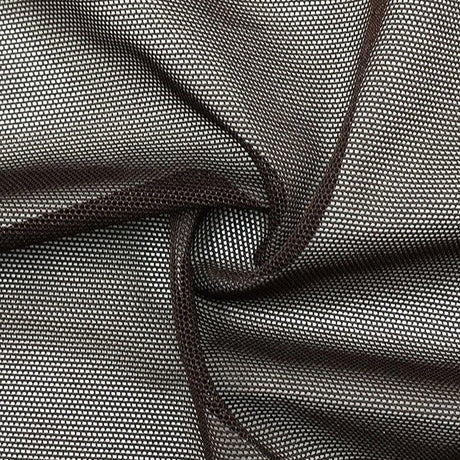
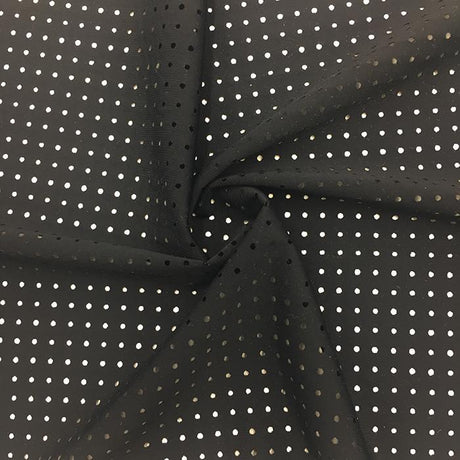
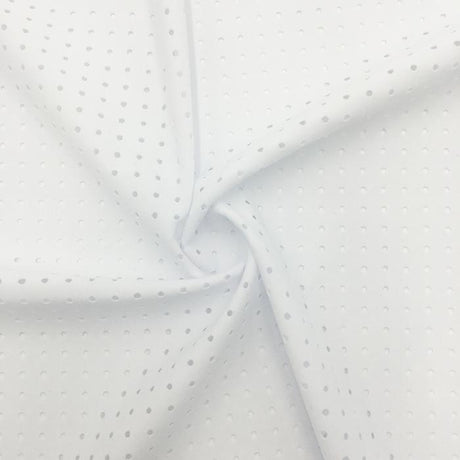
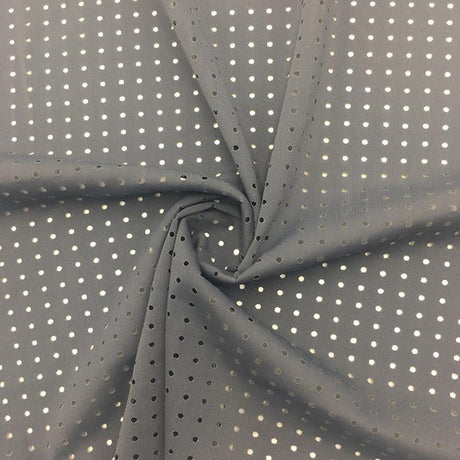
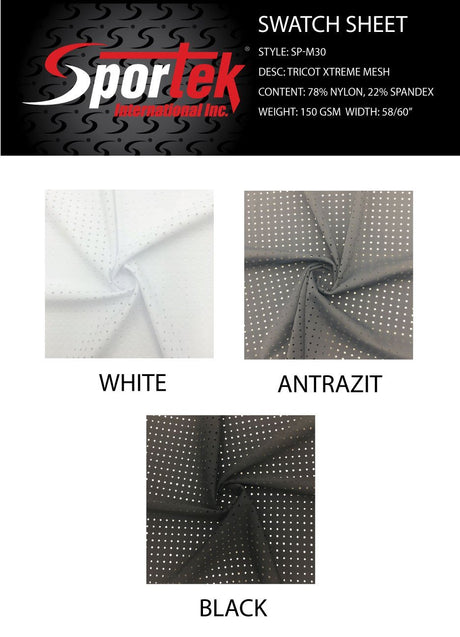
Lining, Ventilation Panels, and Pocket Bags: Mesh is the workhorse for breathable inner layers, cool pocket bags, and side panels that vent without losing stretch. A concrete example is a nylon-spandex power mesh listed at 100 GSM (85/15) and 58–60" width—very usable for skort ventilation and pocketing.
Printed and Team-Design Skirts: If your skirt is part of a team capsule, tournament merch drop, or bold fashion direction, printing routes matter. Printed spandex collections include nylon and polyester spandex bases and mention options designed for tricot wet printing, positioned for activewear and swimwear. Our sublimation page covers how sublimation printing bonds dye into polyester-spandex fibers to achieve permanent, saturated color, and our sublimation paper and sublimation transfer paper pages cover the complete printing workflow.
Cold-Weather Court Skirts: For cool mornings or winter leagues, a brushed-back or fleece-backed stretch fabric can deliver warmth without losing mobility. Pro-Stretch fleece is positioned as an elastic, soft, warm-yet-breathable option for activewear/outerwear.
Court-to-Swim Skorts: For outdoor sun + occasional pool days, a swimwear-grade fabric with UV/chlorine positioning makes a "court-to-swim" skort concept more durable. A nylon LYCRA® Life tricot option is explicitly described as chlorine resistant and UPF50+. Our swimwear fabric guide covers chlorine resistance ratings and UV performance across all common swimwear fabric constructions.
How to Choose the Right Fabric
Define the Skirt Silhouette First: A-line/swingy: prioritize drape (often jersey or lighter tricot). Pleated/structured: prioritize stability (often tricot or stretch woven). Tricot is described as more stable and less prone to edge curl than jersey in construction comparisons. Our how to choose fabric guide covers what to evaluate when a physical swatch arrives, including stretch testing, opacity testing, and hand feel assessment.
Set Minimum Stretch Requirements: Outer skirt: moderate 2-way or 4-way depending on design; you want comfort without flaring seams. Built-in shorts: true 4-way stretch with excellent recovery is typically preferred.
Choose Weights by Garment Zone:
Outer skirt shell → swing + coverage → ~180–240 GSM → 200 GSM nylon/spandex tricot; 200 GSM poly/spandex brushed wicking jersey.
Built-in shorts → support + pocket stability → ~220–300 GSM (or higher for compression) → 250 GSM nylon/spandex compression tricot; 260 GSM interlock.
Lining/vent → airflow → ~80–130 GSM → 100 GSM nylon/spandex power mesh.
High-compression applications → strong hold → 300+ GSM → 350 GSM compression moisture-management jersey example.
Decide: Solid vs Print: If you need bold patterns with production efficiency, printed spandex and sublimation-ready tricot categories are built for that workflow. If you need color matching and classic uniforms, solids make grading and replenishment simpler.
Have questions? Our expert help and advice page and FAQ are always available.
Common Mistakes to Avoid
Using the Wrong Needle (Skipped Stitches + Popped Seams): Highly elastic knits often need stretch-focused needles. Knits with elastic are suitable for Jersey needles or Stretch needles in common sizes (e.g., 75/11 or 90/14), depending on fabric weight. Our how to sew stretch fabric guide covers complete needle selection, stitch type, machine settings, and edge finishing guidance for all common stretch fabric construction scenarios.
Ignoring Fabric Growth (Your Skirt Length "Mysteriously" Changes): Even when stretch looks perfect on the cutting table, some knits can grow under stress. Check fabric growth before bulk cutting.
Choosing a Drapey Skirt Shell but a Stiff Short: When the short is too rigid compared to the skirt shell, the skirt may ride up or twist because the layers fight each other. Match extension values (or keep the short slightly firmer, but not dramatically different).
Wrong Stitch Selection (Looks Fine, Fails in Play): For high-stretch seams, use stitches designed to stretch (zigzag, stretch stitch, serger, coverstitch). A straight stitch on a high-stretch short seam is one of the fastest ways to get popped seams during lunges.
Cutting Without Respecting Grain and Print Alignment: Tricot lies flatter with minimal curling compared to jersey, which can make cutting more accurate—but you still must align grain for consistent stretch direction. For printed fabrics, plan extra yardage and cutting strategy for motif matching.
Ready-to-Use Checklists
Fabric Selection Checklist:
- Confirm end-use: tennis, pickleball, training, or court-to-swim
- Identify the fabric system: shell + short + lining/pockets
- Verify GSM against your performance target (shell vs short vs mesh)
- Test stretch and recovery in both directions (especially for shorts)
- Decide wicking needs (especially summer leagues); consider moisture management fabrics positioned for sweat wicking and breathability
Cut-and-Sew Checklist:
- Use the correct needle for elastic knits (Stretch or Jersey needle by fabric weight)
- Stabilize waist seams (elastic + proper stitch)
- Reinforce pocket openings (bar tack or stretch cover)
- For mesh: avoid over-stretching while sewing; use walking foot if necessary
- Test seam stretch: pull seam to maximum expected extension before approving
Fit + Field-Test Checklist:
- Do a lunge test (front, side, crossover)
- Check ball pocket: does it sag when loaded? (Consider higher GSM/compression short fabric)
- Check opacity in sunlight (especially light colors)
- Wash once and retest recovery and hem stability
Care and Longevity Tips
Washing: For spandex blends, treat heat and harsh chemistry as enemies of recovery—especially if a wicking finish is involved. Use gentler handling (e.g., avoiding wringing/twisting and favoring air drying). Our spandex care guide and fabric care guide cover complete laundering protocols for all common spandex-blend fabric types.
Drying: Air drying is a safe default for most spandex blends; it helps preserve stretch and reduces finish breakdown risk.
Ironing and Heat: If pressing is needed: keep temperatures low, press from the wrong side, use a pressing cloth, and avoid lingering on one spot.
Print Care and Sublimation Notes: Always test print + stretch: stretch can visually distort graphics if placement ignores extension direction. Higher polyester content generally performs better in dye-sub workflows, and blends can change final appearance (color, sharpness).
When to Consider an Alternative Fabric
Choose cotton-spandex over nylon-spandex when you're making a lifestyle skirt for low-sweat wear and want a more natural handfeel. Just remember cotton absorbs moisture differently and may feel heavier during intense play—so it's less common for serious tennis/pickleball use. Our cotton-spandex fabric guide covers how cotton-spandex blends compare to synthetic alternatives in stretch behavior and moisture management.
Choose a stretch woven when you want crisp structure or pleats that hold shape, or a more "tailored athletic" look. Stretch wovens are positioned as polyester/spandex blends with stretch and shape retention for performance garments.
Choose mesh-forward designs when heat and ventilation are the primary comfort issues and you want breathable pocketing and lighter liners.
Choose fleece-backed stretch when your skirt is built for cold weather training or winter leagues. Pro-stretch fleece is positioned for warmth + stretch + breathability, supporting outerwear/activewear use cases.
Choose swimwear-grade tricot when you want a court-to-swim skort with chlorine/UV considerations. Swimwear fabrics offer 4-way stretch, recovery, and resistance to chlorine/saltwater/UV.
Conclusion
A great fabric for athletic skirt—especially for tennis and pickleball—comes down to matching stretch + recovery to the movement profile, choosing GSM/weight that supports your silhouette without overheating, and building a smart layer system (shell + short + mesh/lining) rather than forcing one fabric to do every job.
Start with a stable performance knit (often nylon-spandex tricot/jersey), engineer your built-in shorts with higher recovery (compression tricot or interlock), and use stretch mesh strategically for ventilation and pocketing. If you need prints, choose the right print pathway and test for stretch distortion. Sign up for SpandexByYard Rewards to earn points on every purchase!
FAQ
Is nylon-spandex a good fabric for an athletic skirt? Yes—nylon spandex is explicitly positioned as a go-to fabric for athletic wear, and it's offered in multiple constructions (tricot, jersey, compression) that let you tune drape and support for tennis/pickleball skirts. Our nylon-spandex fabric guide covers full performance profiles of nylon-spandex constructions.
What fabric weight is best for a tennis or pickleball skirt? Many successful skirt shells sit around the 200 GSM range for balance, while built-in shorts often benefit from heavier or more supportive options (e.g., 250–260 GSM compression tricot/interlock). Mesh lining can be far lighter (e.g., 100 GSM). Our fabric weight guide covers the GSM thresholds that distinguish lightweight from midweight from heavyweight constructions.
What should I use for the built-in shorts lining? Use a higher-recovery knit (compression tricot or interlock) for support and pocket stability, then add mesh panels where you want airflow. Our activewear fabric guide covers compression performance benchmarks across all common activewear constructions.
What needle should I use to sew spandex performance fabric? For knits with elastic, use Jersey or Stretch needles (commonly 75/11 or 90/14 depending on weight). This reduces skipped stitches and helps seams stretch properly. Our how to sew stretch fabric guide covers all needle selection and machine setup guidance for all common stretch fabric construction scenarios.
Is sublimation a good option for custom tournament skirts? It can be—especially on polyester-rich, sublimation-ready fabrics. Dye-sublimation compatibility guidance emphasizes that higher polyester content generally improves results and that blends can change the final appearance. Our sublimation page covers the complete sublimation workflow for polyester-spandex fabrics.