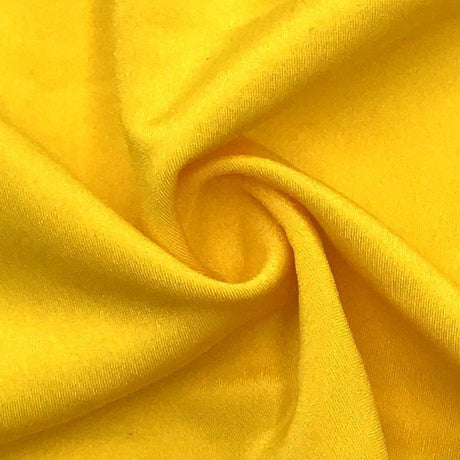
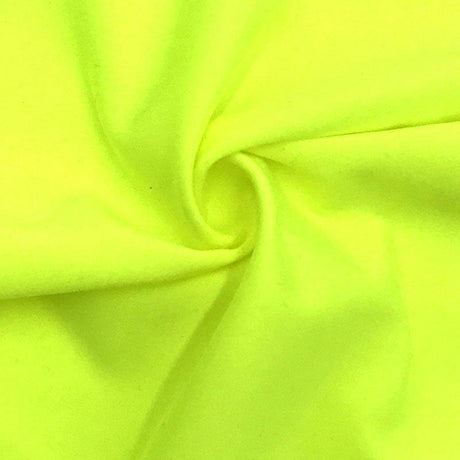
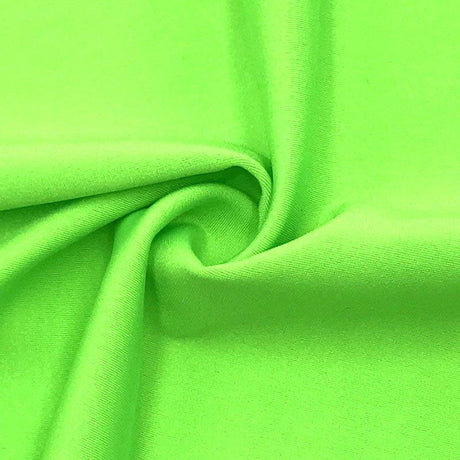
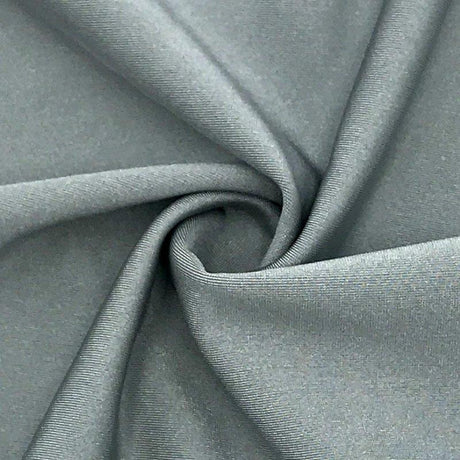
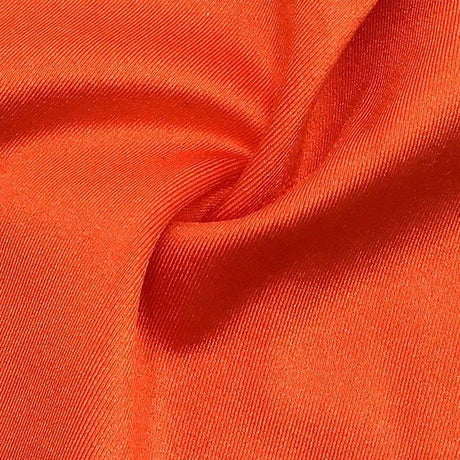
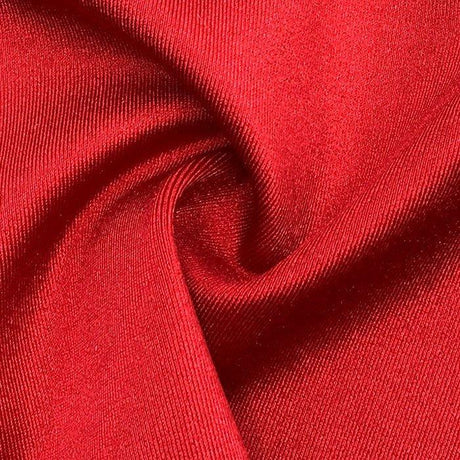
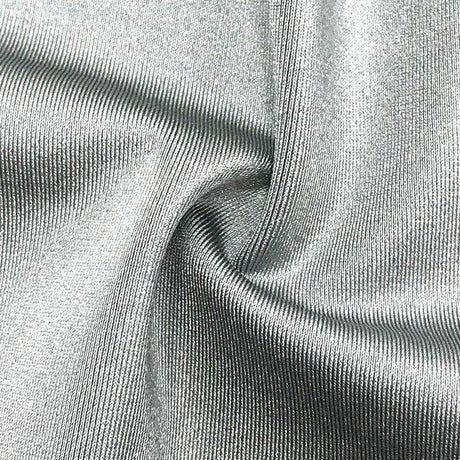
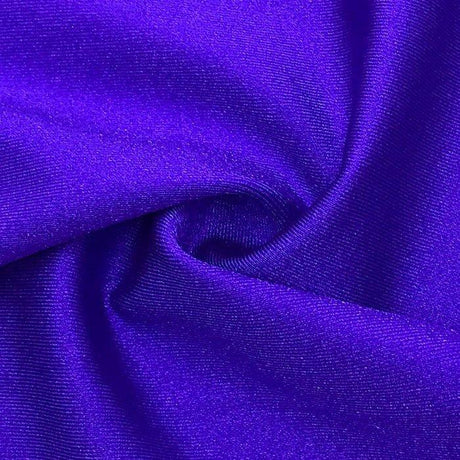
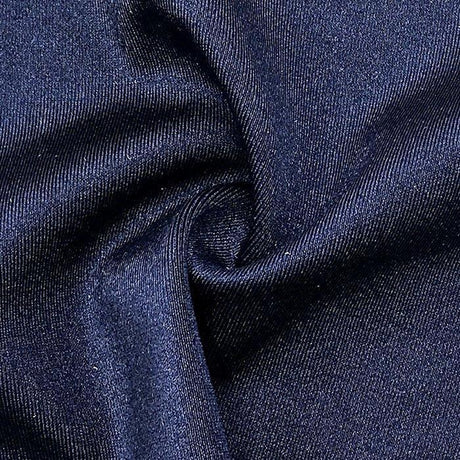
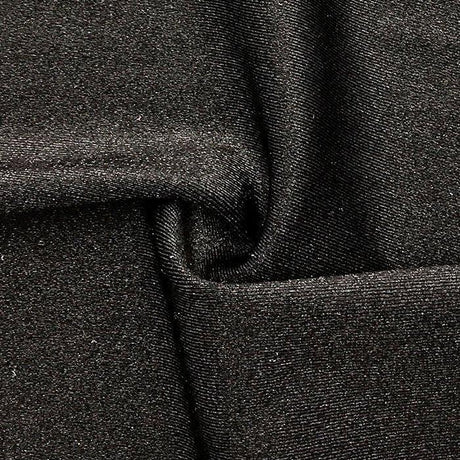
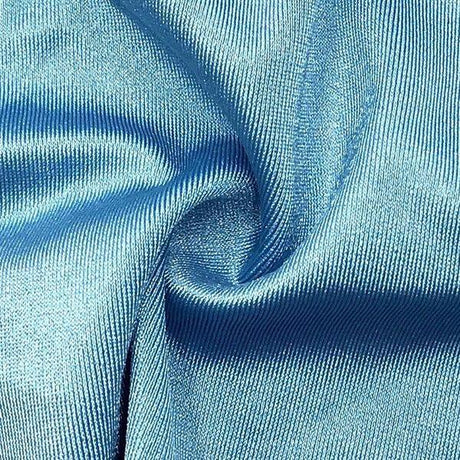
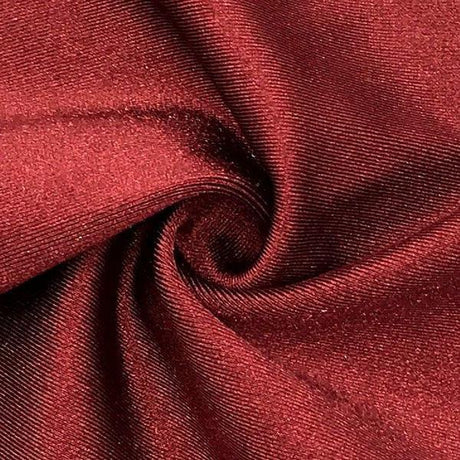
Not all yoga pants are created equal – the fabric they're made of can make a huge difference in how comfortable and functional they are. Whether you're a beginner yogi or a seasoned fitness enthusiast, understanding yoga pants fabric is key to getting the most out of your activewear. For a broader foundation before diving in, explore our activewear fabric guide or browse our full fabric guides hub.
The right material will stretch with your movements, wick away sweat, and feel good against your skin, whereas the wrong choice might leave you feeling damp, restricted, or even chafed. In this article, we'll explore the common fabrics used in yoga pants and activewear – from stretchy spandex blends to breathable cotton and even eco-friendly options like bamboo – and weigh their pros and cons.
Why Fabric Matters for Yoga Pants
Choosing the right fabric for yoga pants isn't just about softness or style – it affects performance and comfort in many ways. Here are a few factors to consider when evaluating yoga pant materials:
Stretch and Recovery: Yoga involves bending, lunging, and stretching, so your pants need to move with you. A good yoga pants fabric offers four-way stretch without losing shape, allowing complete mobility for even the deepest poses. Fabrics like spandex (elastane) are added to blends specifically to provide that signature stretch and "bounce back" recovery so your pants don't sag. Our stretch fabric types page covers how spandex percentage translates to real-world stretch, recovery, and compression ratings across all common blend types.
Opacity (Non-See-Through): The thickness and quality of the fabric determine opacity. Thinner, lower-quality knits can become see-through when stretched, so a durable, high-density fabric is important to keep you confidently covered during workouts. Our fabric weight guide covers the GSM thresholds that ensure reliable opacity across all common yoga legging fabric constructions.
Moisture-Wicking and Breathability: Sweating is a natural part of intense yoga sessions or hot yoga classes. Breathable, moisture-wicking materials (like polyester or nylon blends) help keep you cool and dry, whereas fabrics that absorb moisture (like plain cotton) will feel heavy and damp. Our activewear fabric guide covers moisture-wicking ratings across all common spandex-blend constructions for yoga and fitness applications.
Durability: A quality yoga pant fabric should withstand lots of stretching, washing, and wear. Synthetic fibers like polyester and nylon are generally very durable and resist abrasions, making them well-suited for activewear. Our spandex care guide covers how to preserve elastane recovery through proper laundering so your pants maintain their stretch and support over time.
Comfort and Feel: The fabric's texture (smooth vs. brushed) and weight (lightweight for agility vs. slightly thicker for support) contribute to overall comfort. Some materials naturally inhibit odor-causing bacteria (for example, bamboo is naturally antibacterial), keeping you fresher during sweaty sessions.
In short, the fabric of your yoga pants matters because it influences how well they stretch, breathe, wick sweat, hold up with use, and even how they manage odors.
Common Yoga Pants Fabric Types and Their Pros & Cons
Spandex (Elastane/Lycra) – The Stretch Factor
Spandex is the secret sauce in almost every pair of stretchy yoga pants. Also known as elastane (with Lycra being a popular brand name), this synthetic fiber is what gives yoga pants their incredible elasticity and ability to spring back into shape. Most performance leggings contain about 10–15% spandex blended with other fibers – just that small percentage provides the four-way stretch and form-fitting recovery you need for bending and flexing. Our stretch fabric types page explains how spandex percentage affects stretch percentage, recovery ratings, and compression level across all common blend types used in yoga apparel.
Pros: The biggest advantage of spandex is its superb stretch and mobility. It allows your yoga pants to contour to your body and enables unrestricted movement through any pose or workout. It also gives a sleek, sculpting fit that resists bagging when properly blended. It's also relatively lightweight and doesn't hold moisture, so it dries quickly.
Cons: On its own, spandex isn't very breathable or durable for garments. Spandex fibers can degrade or lose elasticity with high heat and chlorine exposure, and can yellow or weaken over time if not cared for properly. Our spandex care guide covers exactly which heat levels and chemicals to avoid to preserve elastane recovery in yoga leggings. Spandex is an essential high-performance ingredient in yoga pants fabric, but it works best in a supporting role alongside other fibers.
Many athleisure enthusiasts and DIY apparel makers source spandex fabric by the yard from specialty suppliers to create custom leggings with the perfect amount of stretch – this just goes to show how valued spandex is for delivering that signature stretchy comfort in yoga pants.
Polyester – Moisture-Wicking Workhorse
Polyester is one of the most common base fabrics for yoga pants and gym leggings. A common blend is around 80–87% polyester and 13–20% spandex, which yields a nice balance of firmness and stretch. Our nylon-spandex fabric guide covers how polyester-spandex compares to nylon-spandex in moisture management, softness, and durability for yoga and activewear applications.
Pros: Polyester's biggest strength is its moisture management. It's hydrophobic, meaning it doesn't absorb much water – instead, it transports sweat to the fabric surface where it can evaporate. This keeps you drier during intense or hot yoga sessions. Polyester is also tough: it's resistant to stretching out, wrinkling, or losing color. It's a low-maintenance fabric that is easy to wash and quick to dry.
Cons: The downside to polyester is that it's less breathable than many natural fibers when used alone. Polyester can also trap odors more than natural fibers – it tends to hold onto bacteria if not treated with an antimicrobial finish. Another concern is environmental: polyester is a petroleum-based fiber and can shed microplastics in the wash. Some yoga wear companies now use recycled polyester to reduce the eco impact. Our fabric care guide covers how to properly launder polyester-spandex yoga pants to minimize odor buildup and preserve performance properties.
Overall, polyester is a champion for sweat-heavy, high-intensity workouts. It will keep you dry and comfortable when you're heating up. Just look for blends or design features that enhance breathability, and wash promptly to prevent odors.
Nylon – Soft, Strong, and Smooth
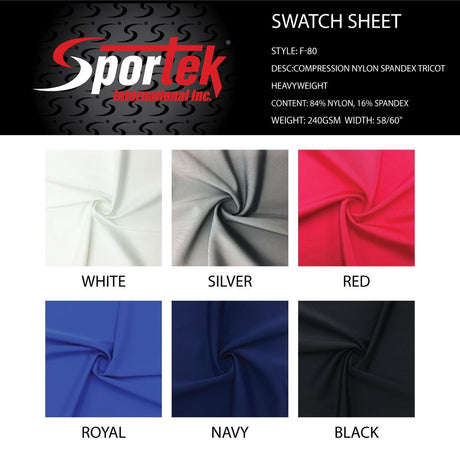
Nylon (also known as polyamide) is another popular synthetic found in activewear. Nylon is prized for its silky smooth feel and high strength. It's commonly found in premium yoga pants, often blended with spandex – for instance, 70% nylon and 30% spandex gives a very soft, second-skin stretch fit. Our nylon-spandex fabric guide covers this blend's full performance profile, including how it compares to polyester-spandex in softness, stretch, recovery, and long-term durability for yoga applications.
Pros: Nylon is highly elastic and durable, handling a lot of movement and friction without wearing thin quickly. Many people find nylon-blend leggings supremely soft and comfortable. Nylon is quick-drying and moisture-wicking, and an advantage nylon has over polyester is that it tends to be very opaque, even when knit thin – so it can create lighter-weight leggings that still aren't see-through. Nylon resists mildew and molding, and it's easy to wash.
Cons: Nylon can be slightly more prone to color fading over time. It may feel a bit more slick or "slippery" to some people – a matter of personal preference. Pure nylon fabric can absorb a small percentage of water, so extremely sweaty workouts might leave nylon feeling a touch more damp than comparable polyester. Very thin nylon knits may lack support and are best for lower-impact or casual wear. Nylon can also be a bit pricier than polyester. Like polyester, it's a synthetic from petrochemicals unless you find recycled nylon products. Recycled nylon options (from old fishing nets or carpets) are emerging, offering the same benefits with a greener footprint. Our fabric care guide covers how to preserve color and shape in nylon-spandex yoga pants through proper laundering.
In summary, nylon-blend yoga pants are a great choice if you value a soft touch and high flexibility. They shine in form-fitting, high-stretch designs that feel like a gentle hug on the body.
Cotton and Cotton Blends – Soft Breathability with Trade-offs
Cotton is a natural fiber that often appears in yoga and athleisure clothing, especially in blends like "95% cotton, 5% spandex" for yoga pants meant more for lounging or gentle yoga. Our cotton-spandex fabric guide covers this blend's full performance profile, including stretch behavior, moisture management, and care requirements for different yoga and everyday wear applications.
Pros: Cotton is a very breathable fiber that allows air to circulate without trapping heat the way poly can. This makes cotton yoga pants pleasant for mild activities, casual wear, or restorative yoga classes. Cotton fabric is also naturally hypoallergenic and unlikely to cause irritation. Many find that cotton leggings have a softer, warmer feel than slick synthetic ones. When blended with a bit of spandex (5–15%), cotton pants gain some stretch and recover better from stretching. A well-made cotton/spandex yoga pant can feel wonderfully soft yet still fit well due to the elastane holding it in shape.
Cons: The biggest drawback: cotton absorbs moisture like a sponge and dries slowly. If you sweat in cotton leggings, they will soak it up and likely stay wet for a while. Cotton is not ideal for strenuous exercise or hot yoga, where you'll end up damp and weighed down. Wet cotton can also lead to chafing. Another issue is that 100% cotton lacks resilience – pure cotton yoga pants tend to lose their shape and get baggy or saggy over time unless there's spandex in the mix. Cotton is also less durable than synthetics; it can pill and wear out with lots of washing and friction. Our fabric care guide covers pre-washing protocols and care temperature recommendations that help preserve cotton-spandex yoga pants through repeated laundering.
Bottom line: Choose cotton or cotton-blend yoga pants for light exercise, yoga nidra, or daily athleisure when comfort is your priority and sweat is minimal. For vigorous exercise, opt for something that will keep you drier.
Bamboo and Eco-Friendly Options – Soft, Cool, and Sustainable?
In recent years, bamboo has emerged as a popular fabric in yoga and activewear, often marketed as a sustainable and ultra-soft option. Bamboo fabric used in clothing is usually a form of viscose rayon derived from bamboo cellulose. Alongside bamboo, there are other eco-conscious fabrics like Modal and Tencel (Lyocell) – also types of rayon made from plant fibers.
Pros of Bamboo Viscose: Bamboo yoga pants are often described as "buttery soft" with a drape and touch that rivals cashmere. This makes bamboo leggings extremely comfortable and a great choice for those with sensitive skin. Bamboo viscose can absorb a lot of moisture and then allow it to evaporate. It's also naturally odor-resistant – bamboo contains an antimicrobial bio-agent that helps it resist odor-causing bacteria. Bamboo fabric is praised for being thermo-regulating and offering some UV protection. From a sustainability perspective, bamboo as a crop grows extremely fast, requires less water and no pesticides, and regenerates naturally.
Cons of Bamboo Fabric: During a super intense workout, bamboo might not keep you as immediately dry as a true moisture-wicking synthetic that rapidly spreads sweat. Bamboo leggings are best for low to medium intensity workouts – fantastic for yoga, Pilates, or casual wear, but they may not provide the high compression that a polyester-spandex compression legging would. The stretch and recovery of bamboo knit fabrics usually come from blending with spandex (often 5–10%), so check that your bamboo pants have that blend – 100% bamboo viscose can lack snap-back recovery and might bag out after stretching. In terms of durability, bamboo rayon is not as abrasion-resistant as nylon/polyester. Also, while bamboo as a plant is eco-friendly, the process to turn it into viscose involves chemicals (unless it's bamboo lyocell), so not all bamboo fabric is as "green" as marketed. Our fabric care guide covers gentle laundering protocols that preserve bamboo-spandex yarn integrity through repeated washing.
Modal and Tencel: Modal, made from beech tree pulp, is used in some yoga pants for its ultra-soft feel and breathability, often blended as 90–94% modal with 6–10% spandex. Tencel (Lyocell), derived from eucalyptus, is known for its moisture-wicking and cooling properties and the lyocell process is a closed-loop system that recycles almost all chemicals. Some high-end athletic brands use Tencel blends for soft yet technical leggings.
Summary of Eco-Friendly Fabrics: If you prioritize sustainability and comfort, fabrics like bamboo viscose, modal, and Tencel are wonderful choices for yoga pants. They offer top-notch softness, breathability, and are made from renewable resources. Just remember these fabrics shine in low-to-moderate intensity activities. For very sweaty, high-impact workouts, blends that incorporate polyester or nylon provide extra support and faster moisture-wicking. Our activewear fabric guide covers when eco-friendly natural fiber blends are appropriate vs. when synthetic performance fabrics are the better choice for yoga and fitness applications.
Choosing the Right Fabric for Your Needs
With an understanding of the different fabric types, how do you decide which is best for you? Our how to choose fabric guide walks through this decision framework systematically for all common yoga and activewear garment types.
For High-Intensity or Hot Yoga: When you're doing vigorous vinyasa, hot yoga, or cardio-intensive workouts, opt for fabrics that excel at sweat wicking and quick drying. Polyester-spandex or nylon-spandex blends are ideal. Look for descriptors like "moisture-wicking" or "quick-dry" on the label. A higher percentage of spandex (15% or more) can be beneficial for flexibility in fast-paced flows. Avoid heavy cotton in these classes. Our activewear fabric guide covers moisture-wicking ratings and stretch percentage requirements across all common yoga legging fabric constructions.
For Gentle Yoga, Stretching, or Daily Wear: Cotton-spandex blends, bamboo, or modal leggings are excellent for Yin yoga, restorative practice, or wearing yoga pants as all-day loungewear. In a calm yoga class or while running errands, you won't be perspiring heavily, so the superior coziness of these fabrics shines. Our cotton-spandex fabric guide covers the full performance profile for gentle yoga and everyday athleisure applications.
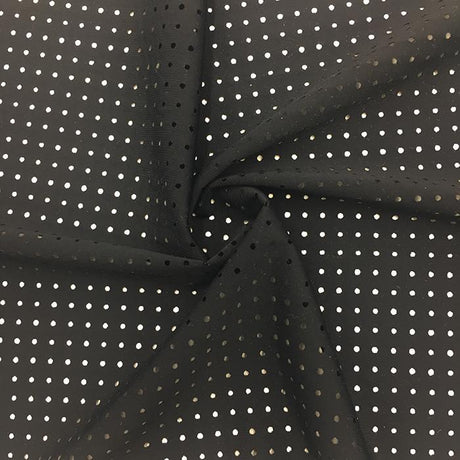
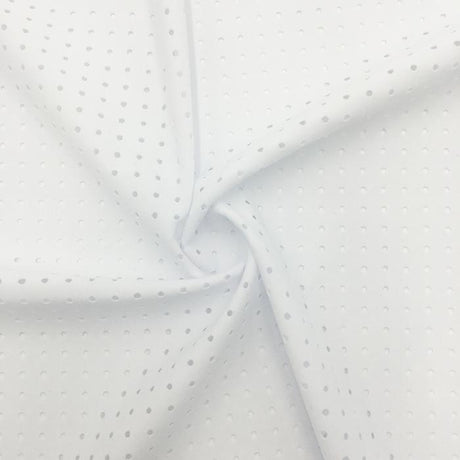
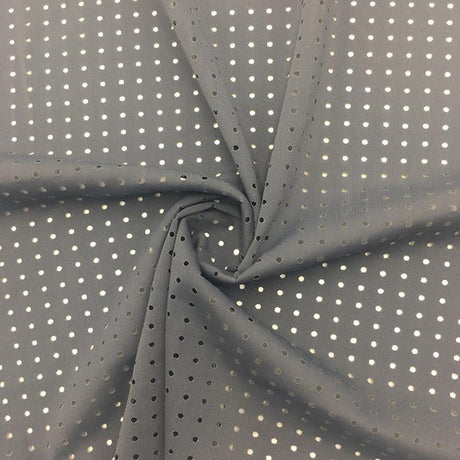
In Hot Climates or Summer: Look for thin, sweat-wicking leggings made with polyester or nylon blends as they tend to release heat and dry fastest. Some designs include mesh panels or lighter weaves to boost airflow. Bamboo or Tencel-blend leggings can also be great in summer since these fabrics have natural cooling properties.
In Cold Climates or Outdoor Yoga: Consider yoga pants that provide insulation while still wicking moisture. Thermal leggings or fleece-lined polyester leggings are popular for winter. Merino wool-blend leggings are another excellent option for cold conditions; merino wool helps regulate body temperature and retains warmth even if it gets damp. Our fabric weight guide covers how GSM and construction affect warmth and breathability in cold-weather yoga pant applications.
If You Prefer a Lot of Compression or Support: A polyester/spandex blend is often cited as the best fabric for workout leggings because it offers a great deal of stretch and compression. Look for terms like "compression jersey" or a higher spandex content (20%+). Our stretch fabric types page covers how spandex percentage translates to compression level and recovery ratings in high-performance yoga legging constructions.
For the Eco-Conscious and Sensitive Skin: Consider bamboo viscose, modal, organic cotton, and recycled polyester/nylon. Bamboo and modal are very gentle on skin and naturally antibacterial. Recycled polyester and nylon take waste and spin them into new fabric, reducing the need for virgin synthetic production. Our fabric guides hub covers sustainable fiber options and their performance characteristics across yoga and activewear applications.
Ultimately, choosing the best yoga pants fabric comes down to balancing your priorities: moisture control, plush comfort, sustainability, and the conditions you practice in.
Conclusion
When it comes to yoga pants and activewear, knowledge is power – or in this case, comfort. The fabrics that go into your yoga pants determine how they perform when you're flowing through Sun Salutations or tackling a tough workout. Synthetic blends (like polyester/spandex or nylon/spandex) are champions for high-sweat, high-movement activities, offering stretch, durability, and moisture-wicking capabilities. Natural and eco-friendly fabrics (like cotton, bamboo, and modal blends) excel in comfort, softness, and breathability for gentler practices and everyday wear – though they come with trade-offs in sweat management. Many of the best yoga pants today blend multiple fibers to harness the best qualities of each.
Ready to find the perfect yoga pant fabric? Use our activewear fabric guide for curated fabric recommendations, our stretch fabric types page and fabric weight guide to compare your options, and our how to choose fabric guide to evaluate all factors systematically. For construction guidance, visit our how to sew stretch fabric guide. Our spandex care guide and fabric care guide will keep every pair of yoga pants performing beautifully through every practice. Have questions? Our expert help and advice page and FAQ are always available. Sign up for SpandexByYard Rewards to earn points on every purchase – namaste and happy stretching!