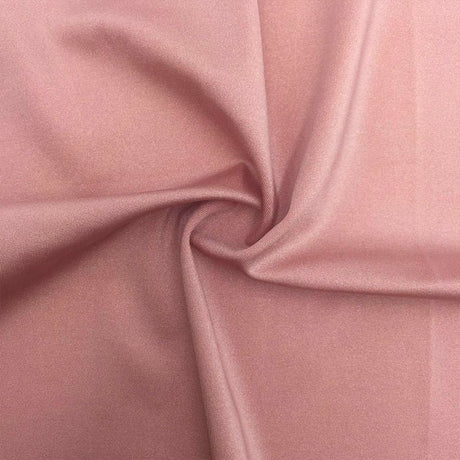
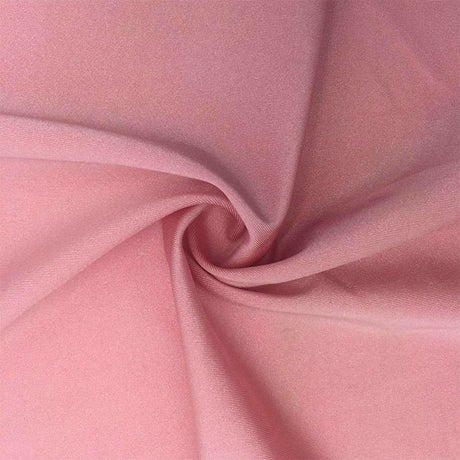
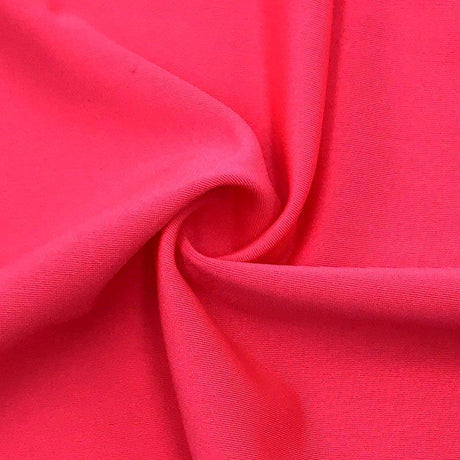
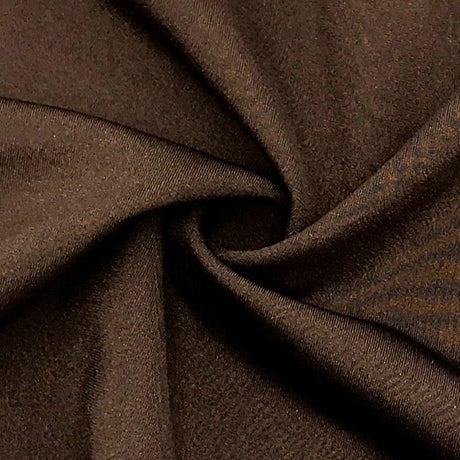
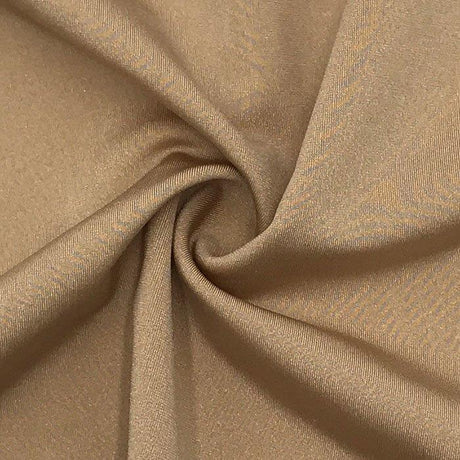
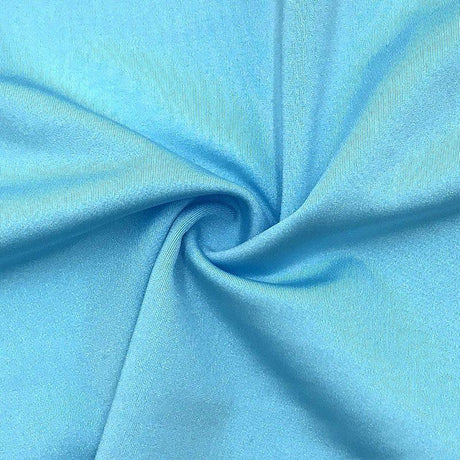
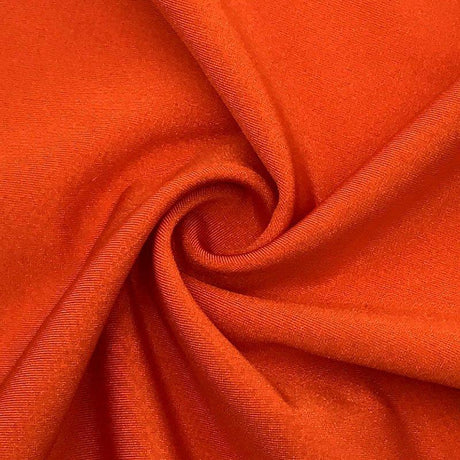
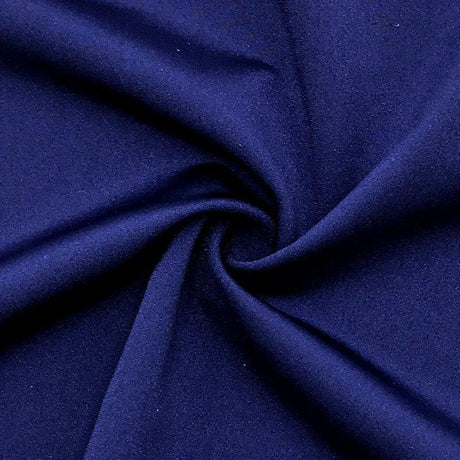
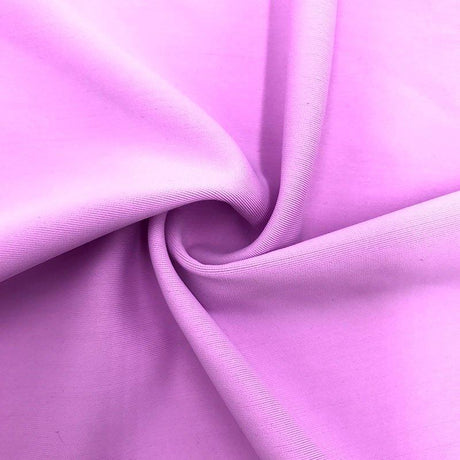
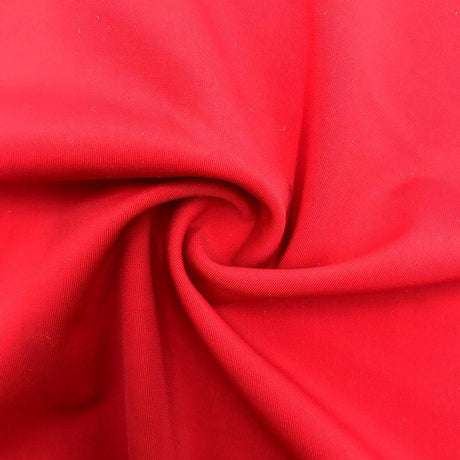
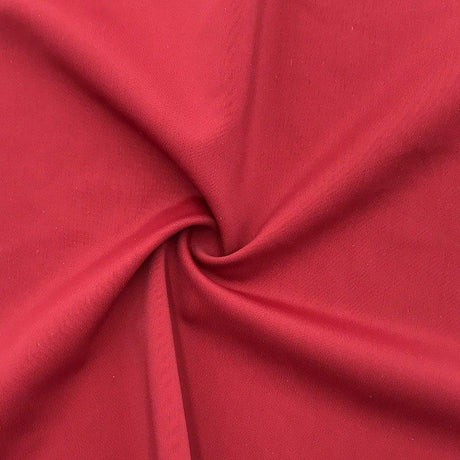
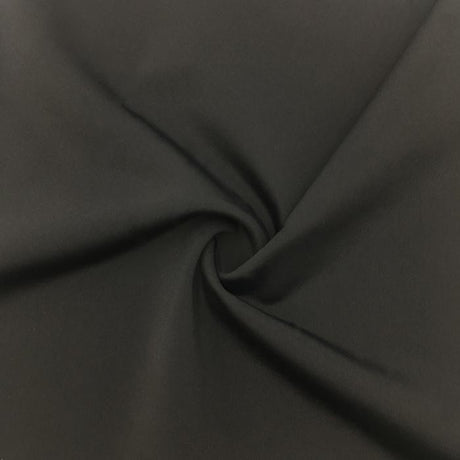
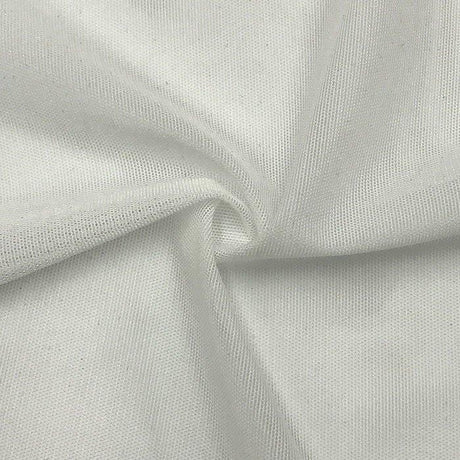
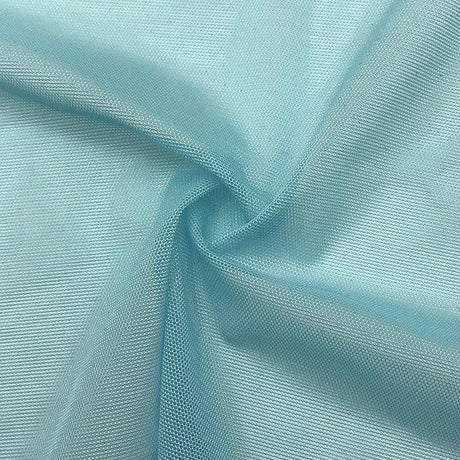
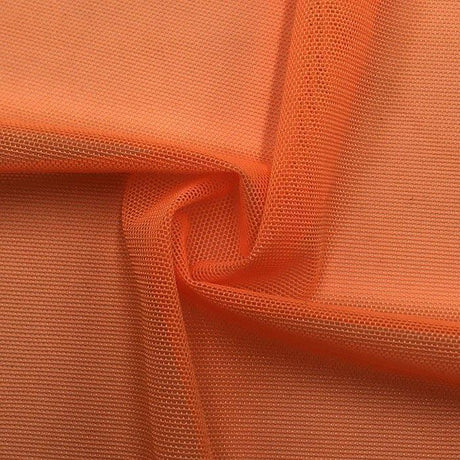
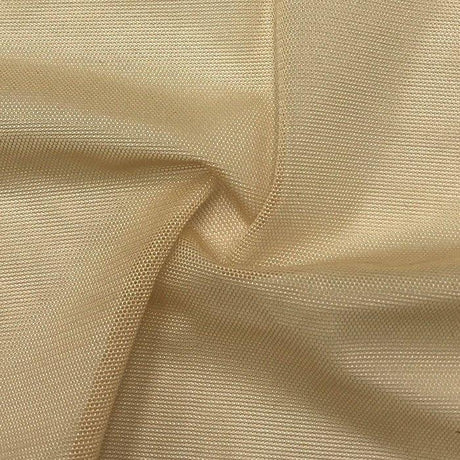
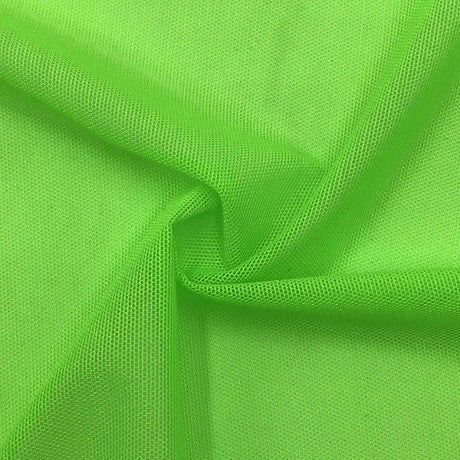
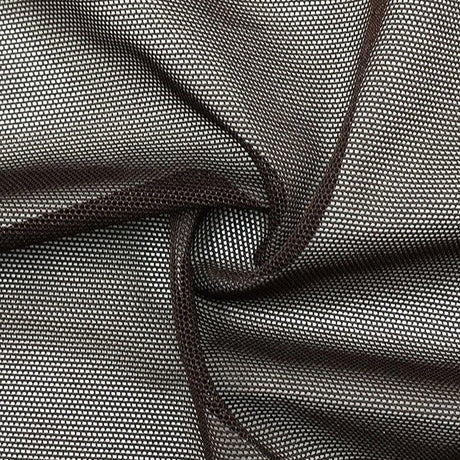
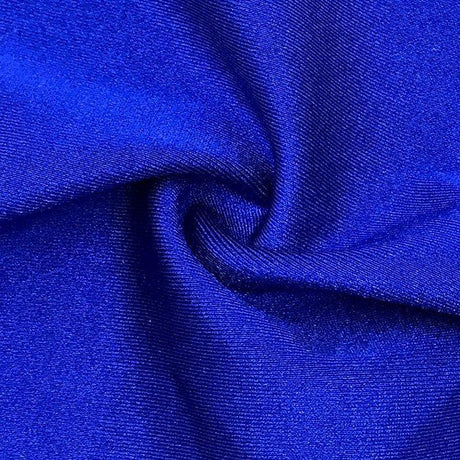
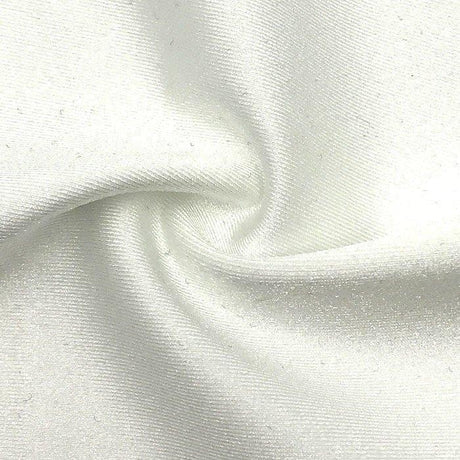
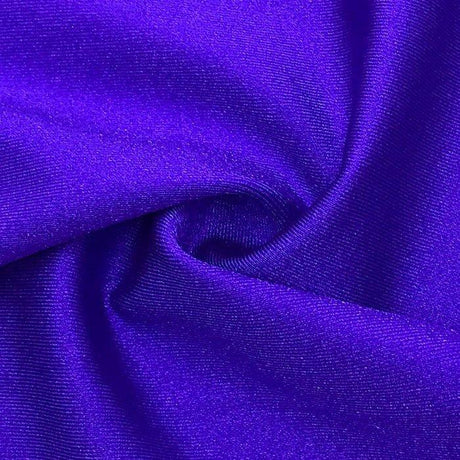
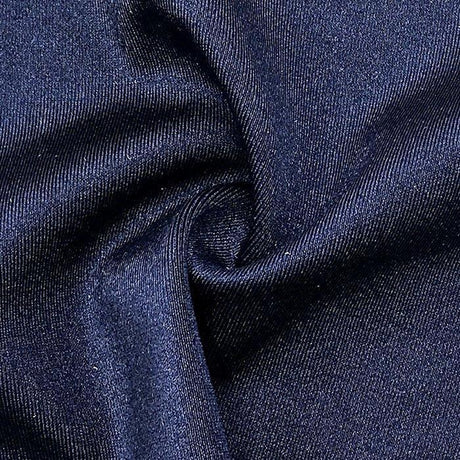
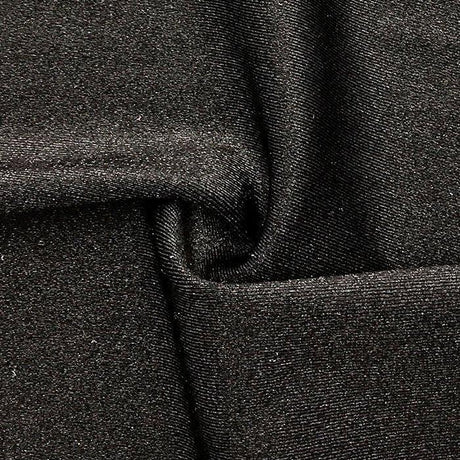
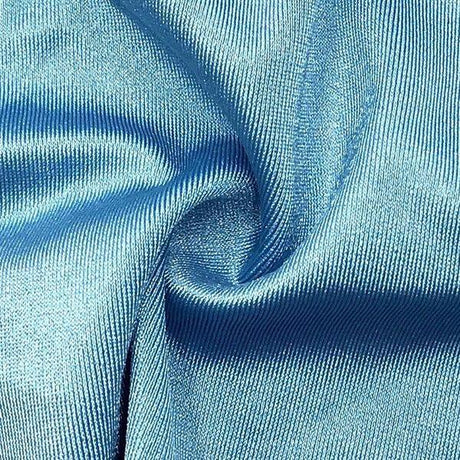
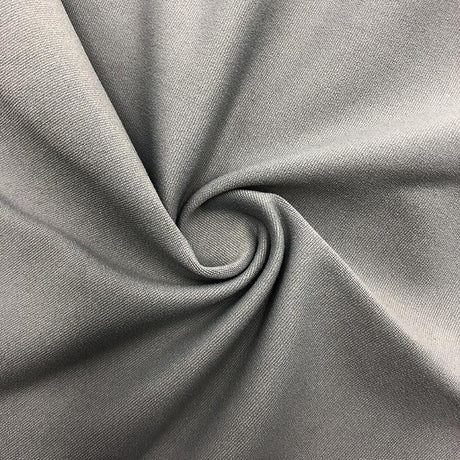
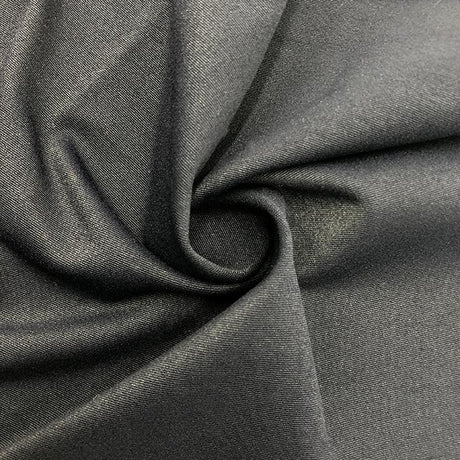
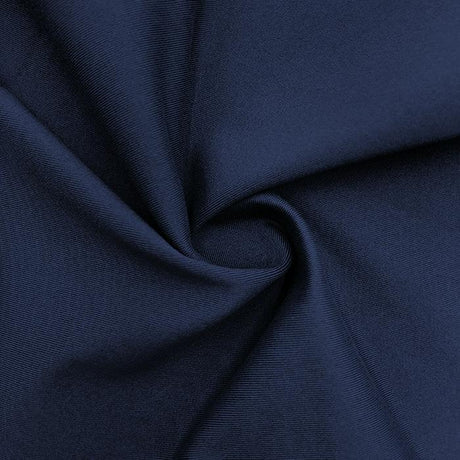
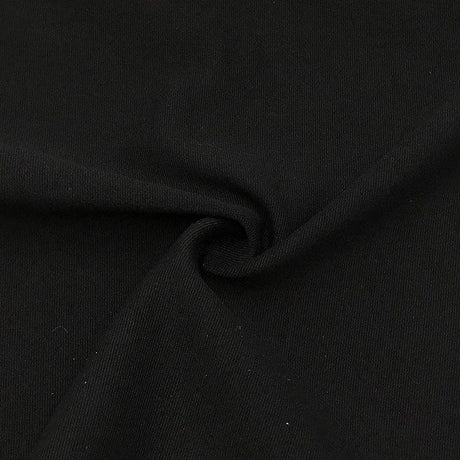
You're shopping for new activewear, and you see a tag that says "contains spandex." In another store, a similar garment's label reads "elastane." And on a third, you find the famous brand name "Lycra™." If you've ever felt confused, you're not alone. What's the difference between these names? Are they all the same thing, or do they have distinct properties?
Navigating the world of stretch fabrics can be a challenge. While these names are often used interchangeably, understanding their precise definitions and differences is key to making informed choices. The "stretch" in a garment can come from a variety of sources, from high-tech synthetic fibers to natural yarn properties. Each one brings its own unique set of characteristics, affecting a fabric's performance, durability, and feel. For a broader foundation before diving in, explore our stretch fabric types page or browse our full fabric guides hub.
The Polyurethane Family: Spandex, Elastane, and Lycra Explained
The most important thing to understand is that spandex, elastane, and Lycra all belong to the same family of synthetic elastic fibers, all of which are a type of polyurethane. The differences are primarily a matter of name and branding.
Spandex: The Generic Name in North America
Spandex is the generic name for a synthetic elastic fiber in the United States and Canada. The name is a fun anagram of the word "expands," perfectly describing its core property. When you see "spandex" on a tag, it's referring to the fiber itself, regardless of who manufactured it. This versatile fiber is celebrated for its incredible elasticity, capable of stretching up to 600% of its original length and returning to its initial shape. It is typically blended with other, less elastic fibers (like nylon or polyester) to give them stretch and comfort. Our nylon-spandex fabric guide covers how nylon-spandex blends compare to polyester-spandex in stretch, recovery, handfeel, and durability across a wide range of applications.
Elastane: The European and International Standard
Elastane is simply the internationally recognized name for the same fiber as spandex. It is the official generic name used in Europe and Asia. You'll commonly see this name on the tags of garments produced by international brands. So, if you're holding a pair of leggings from a European brand with a tag that says "90% polyester, 10% elastane," it's functionally the same thing as a pair from an American brand that says "90% polyester, 10% spandex." The only difference is geography. Our stretch fabric types page explains how elastane/spandex percentage interacts with different base fibers to produce different stretch percentages and recovery ratings.
Lycra: The Brand That Became a Synonym
Lycra is not a generic name for a fiber; it is a registered brand name owned by The Lycra Company (formerly part of DuPont). Lycra is a premium, high-quality type of spandex/elastane.
Think of it this way: Lycra is to spandex what Kleenex is to facial tissues or Xerox is to photocopies. Due to extensive marketing and a reputation for superior quality, Lycra became a genericized trademark, often used to refer to any spandex fiber.
The key takeaway is that while all Lycra is a type of spandex, not all spandex is Lycra. A garment made with Lycra is a strong indicator of a high-quality elastic fiber that offers:
- Superior Recovery: Lycra has excellent "snap-back," preventing garments from bagging or stretching out over time. Our spandex care guide covers how to preserve this recovery through proper laundering so your Lycra-blend garments maintain their performance over the long term.
- Enhanced Durability: It's often more resistant to chlorine, sun, and other common stressors that can degrade other spandex fibers. Our swimwear fabric guide covers Lycra Xtra Life and other chlorine-resistant spandex options for aquatic applications.
- Consistent Quality: The brand guarantees a high level of consistency and performance, making it a preferred choice for professional apparel manufacturers.
Beyond Polyurethane: Spandex vs. Other Stretch Fibers
While spandex is the most common and powerful elastic fiber, it's not the only one. Other fibers and fabric constructions can provide stretch, each with their own unique properties and applications.
Mechanical Stretch Fabrics
What they are: Some fabrics have stretch without a single elastic fiber. This is achieved through the fabric's mechanical structure, such as a crimped or textured yarn, a unique weave, or a knitting pattern that naturally provides some give. For example, some seersucker fabrics and crêpe fabrics have a natural, albeit limited, stretch due to their textured surface.
Spandex vs. Mechanical Stretch:
- Stretch: Mechanical stretch is far more limited (usually 10–20%) compared to spandex's massive stretch capabilities.
- Recovery: Mechanical stretch fabrics have poor recovery and can easily get stretched out of shape.
- Durability: They can be durable, but their stretch is not as resilient.
- Best for: Casual wear, fashion apparel, and garments that need a little bit of "ease" but not a full-range stretch. They are generally not suitable for activewear.
Our stretch fabric types page compares mechanical stretch constructions to elastane-blended fabrics across stretch percentage, recovery, and end-use suitability.
Elastodiene: The Original Stretch
What it is: Elastodiene is the generic name for fibers made from natural or synthetic rubber. These were the original elastic fibers used in textiles before spandex was invented.
Spandex vs. Elastodiene:
- Performance: Spandex is a significant improvement over elastodiene. Spandex is lighter, stronger, and far more durable.
- Chemical Resistance: Spandex is resistant to degradation from oils, sweat, and detergents, all of which would quickly break down rubber-based fibers. Our fabric care guide covers how different elastic fiber types respond to common detergents and washing conditions.
- Durability: Spandex has superior resilience and a longer lifespan.
- Best for: While still used in some specific industrial applications, elastodiene has been largely replaced by spandex in apparel due to its superior performance.
Elasterell-p: The Stretch Polyester
What it is: Elasterell-p is a generic name for a type of stretch polyester. It is a polyester-based fiber that is engineered to have spring-like properties, providing a durable but more moderate stretch.
Spandex vs. Elasterell-p:
- Stretch: Elasterell-p has a much lower stretch percentage (typically up to 50%) than spandex.
- Recovery: While it has good recovery, it's not as powerful as spandex.
- Durability: It shares the durability and strength of polyester, making it very resilient. It's also more resistant to chlorine and heat than spandex.
- Best for: Blending with cotton for denim and other casual wear where comfort and a subtle stretch are needed without the powerful "snap-back" of spandex. It's also sometimes used in swimwear for its chlorine resistance. Our swimwear fabric guide covers chlorine-resistant fiber options and how Elasterell-p compares to Lycra Xtra Life for aquatic applications.
Natural Stretch Fabrics: Wool and Cotton
What they are: Certain natural fibers, such as wool, have a degree of natural crimp and elasticity. This allows fabrics made from them to have a small amount of stretch and recovery. Some cotton knits also have inherent stretch due to their structure.
Spandex vs. Natural Stretch:
- Stretch: The stretch in these fabrics is minimal and not very resilient.
- Recovery: They have poor recovery and can easily lose their shape, especially when wet.
- Best for: These fabrics are used when a subtle amount of give is needed for comfort, such as in a wool sweater or a cotton jersey T-shirt. For any serious performance or form-fitting application, they would be combined with spandex. Our cotton-spandex fabric guide covers how adding spandex to a cotton base improves recovery and shape retention for everyday and athletic applications.
Practical Guide: Choosing the Right Stretch Fabric for Your Project
Choosing the right fabric requires thinking about the performance you need, not just the name on the label. Our how to choose fabric guide walks through this decision framework systematically for all common stretch garment types.
For High-Performance Activewear and Compression: The best choice is spandex (especially Lycra) blended with a high-quality companion fiber like nylon or polyester. This application demands maximum stretch, powerful recovery, and superior durability. A high percentage of quality spandex (15–25%) ensures the garment will provide consistent compression, support muscles, and maintain its shape through rigorous workouts. Our activewear fabric guide covers the full range of high-performance spandex-blend constructions and how to match them to specific athletic applications.
For Swimwear and Chlorine-Resistant Garments: The best choice is Lycra Xtra Life or a high-quality Elasterell-p blend. Traditional spandex can degrade when exposed to chlorine over time. Lycra Xtra Life is specifically engineered to resist chlorine damage, offering a longer lifespan. Our swimwear fabric guide covers chlorine-resistant fabric options in detail and walks through how to identify the right fiber for pool vs. ocean use.
For Casual Wear and Everyday Comfort: The best choice is Elasterell-p or a low percentage of spandex/elastane (2–5%) blended with cotton, polyester, or rayon. These applications only require a subtle amount of stretch for ease of movement and comfort. A small amount of spandex or Elasterell-p prevents the garment from bagging out while maintaining the breathability and feel of the main fiber. Our cotton-spandex fabric guide covers low-spandex cotton blend options suited to casual and everyday wear applications.
For Upholstery or Heavy-Duty Fabrics: The best choice is spandex blended with a heavy-duty companion fiber like nylon. The stretch in these applications is for fit and durability, not athletic movement. A heavy-duty spandex blend provides a tight, wrinkle-free fit for upholstery while being incredibly resistant to abrasion and wear. Our fabric weight guide covers GSM ranges and fiber content considerations for heavy-duty stretch fabric applications.
Fiber Comparison Table
| Fiber/Name | Primary Stretch Mechanism | Typical Stretch | Recovery | Primary Use Cases |
|---|---|---|---|---|
| Spandex / Elastane | Synthetic Polyurethane | Very High (600%) | Excellent | Activewear, swimwear, compression, dancewear |
| Lycra | Premium Spandex | Very High (600%) | Superior | High-end activewear, performance swimwear |
| Elastodiene | Natural/Synthetic Rubber | High | Poor to Good | Niche industrial uses, has been replaced |
| Elasterell-p | Stretch Polyester | Moderate (50%) | Good | Denim, casual wear, chlorine-resistant swimwear |
| Mechanical Stretch | Fabric Structure | Low (10–20%) | Poor | Casual wear, lightweight blouses |
| Natural Stretch | Natural Fiber Crimp | Very Low | Poor | Wool sweaters, certain cotton knits |
For a full breakdown of how stretch percentage and recovery ratings translate to real-world garment performance, visit our stretch fabric types page. For guidance on matching fabric weight to end use across all these fiber types, see our fabric weight guide.
Conclusion
Spandex, Lycra™, and elastane are often used interchangeably, but understanding their nuances is essential. Spandex is the generic name for the fiber, elastane is its European counterpart, and Lycra is a high-quality brand of spandex. By recognizing these distinctions, and by knowing the properties of other stretch-providing fabrics like Elasterell-p, you can move beyond simple guesswork.
This knowledge empowers you to choose not just a fabric that stretches, but one that is perfectly engineered for its purpose – whether it's providing maximum compression for a weightlifting session, offering subtle give in a pair of jeans, or ensuring your swimwear is durable enough to last for years.
Ready to explore a world of quality stretch fabrics? Use our stretch fabric types page and how to choose fabric guide to identify the right fiber and construction for your project, explore our activewear fabric guide, swimwear fabric guide, and dancewear fabric guide for application-specific recommendations, and keep our spandex care guide and fabric care guide handy to protect your investment after every wash. Have questions about specific fiber options or certifications? Our expert help and advice page and FAQ are always available. Sign up for SpandexByYard Rewards to earn points on every purchase – because knowing your fibers means choosing with confidence.