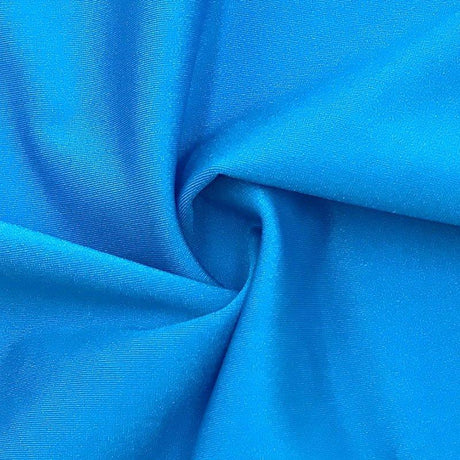
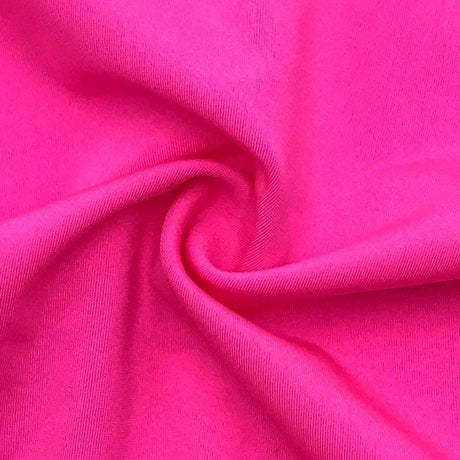
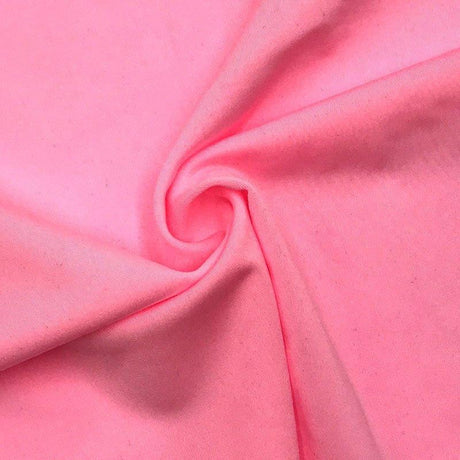
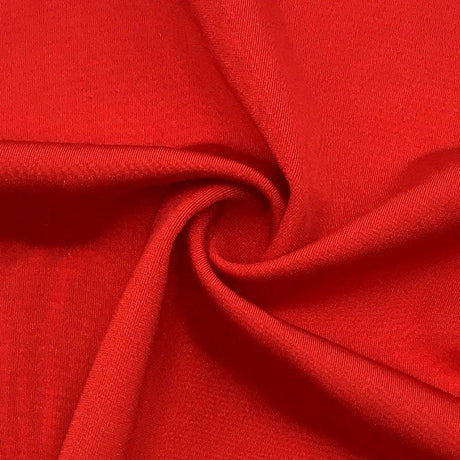
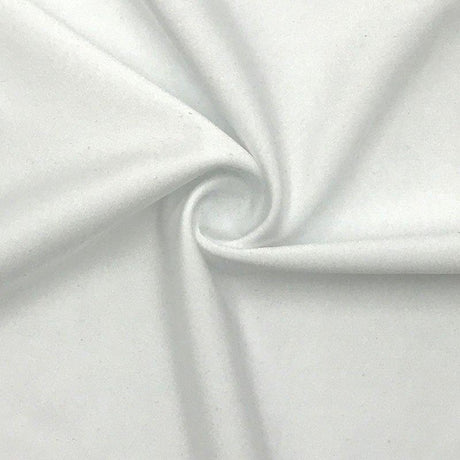
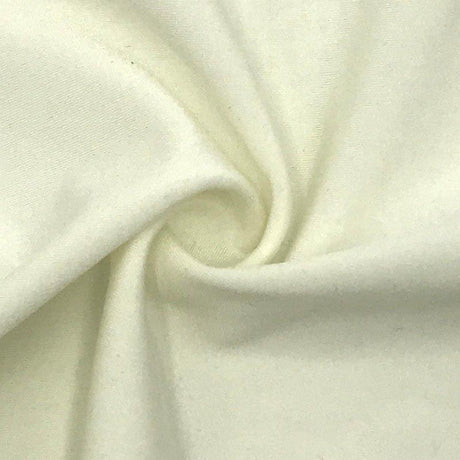
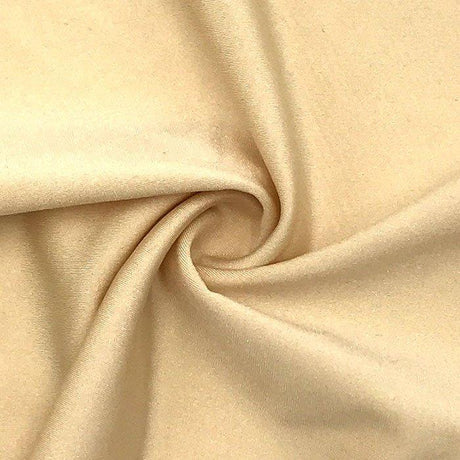
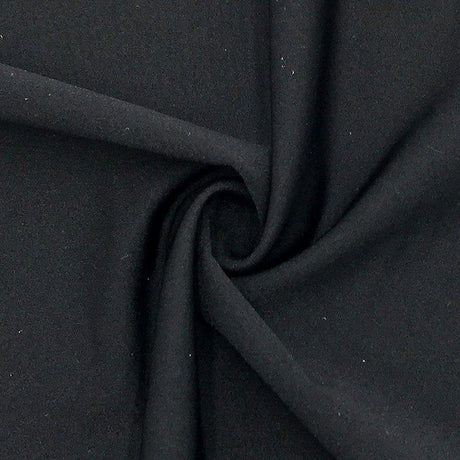
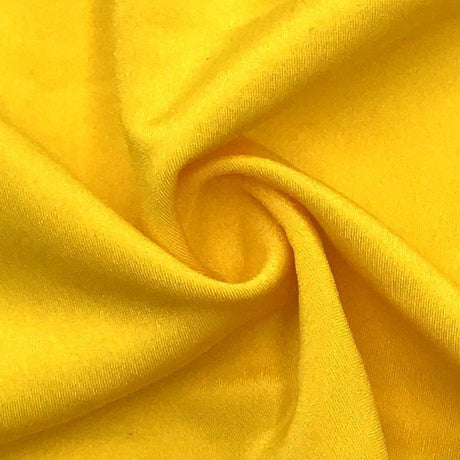
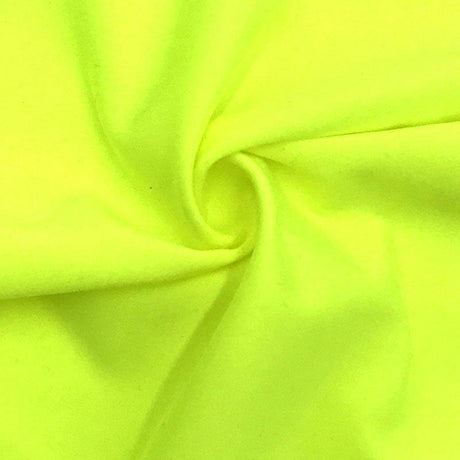
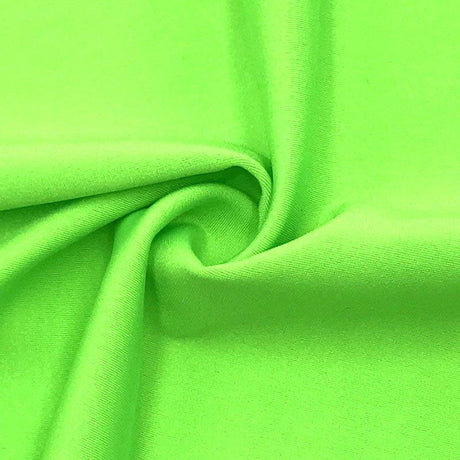
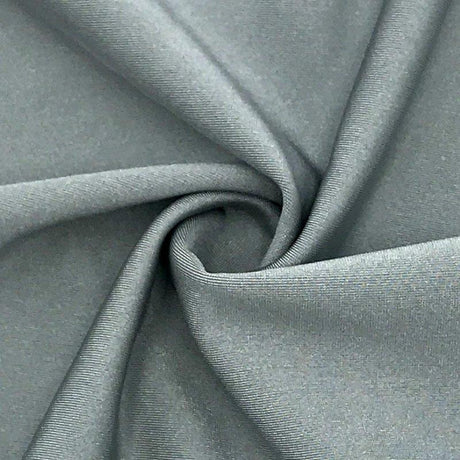
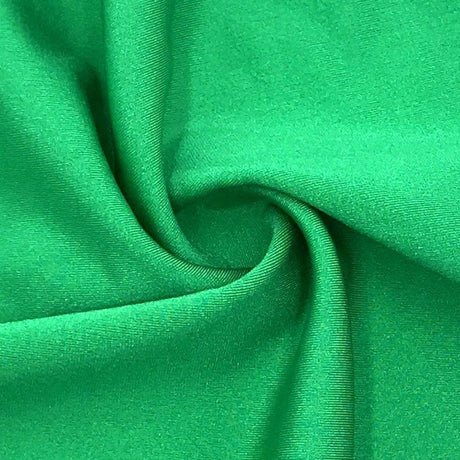
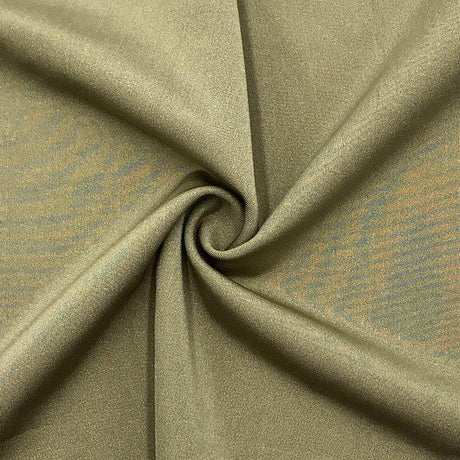
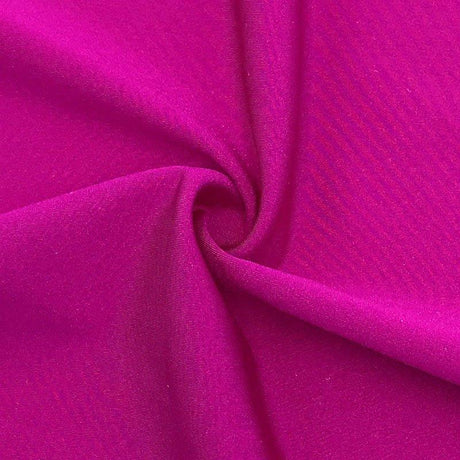
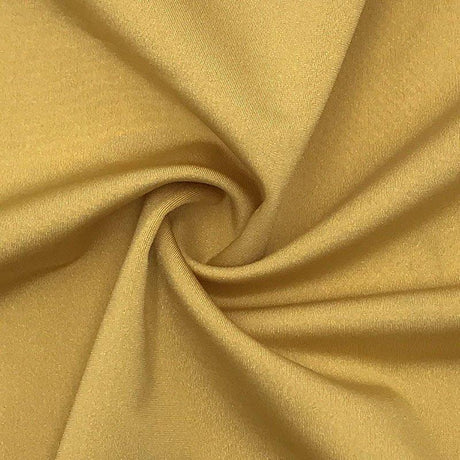
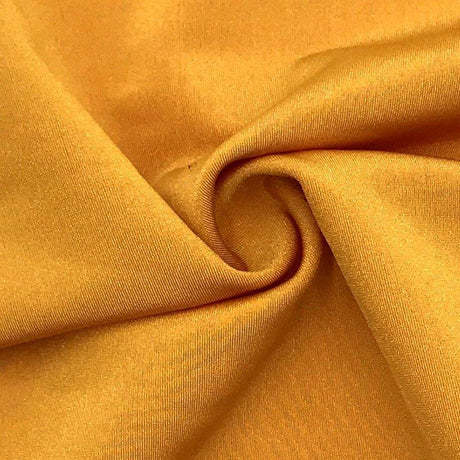
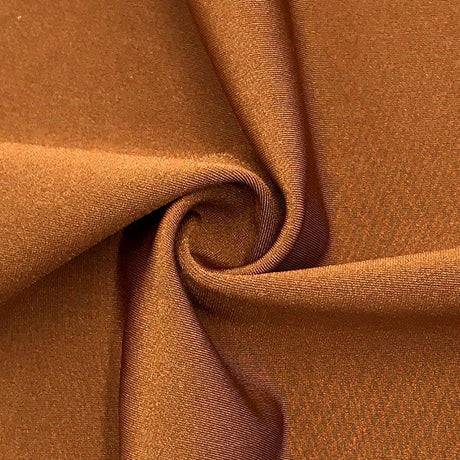
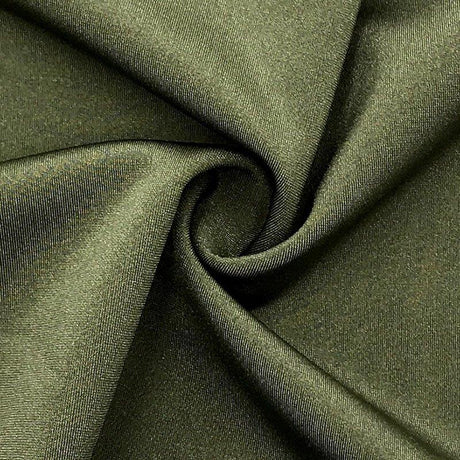
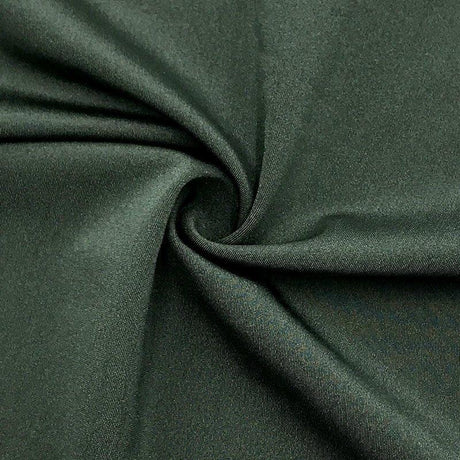
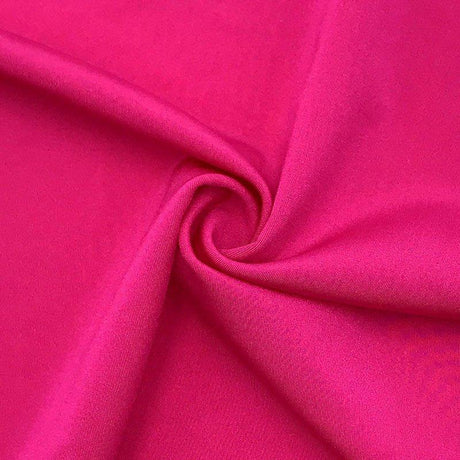
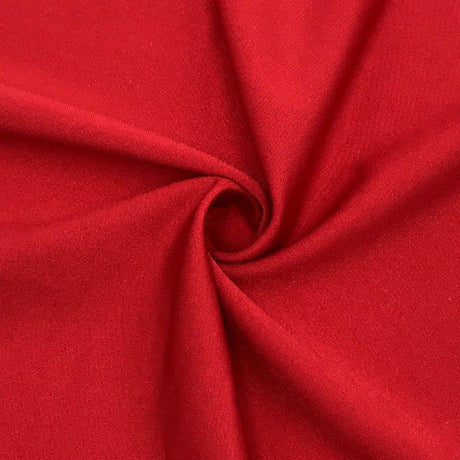
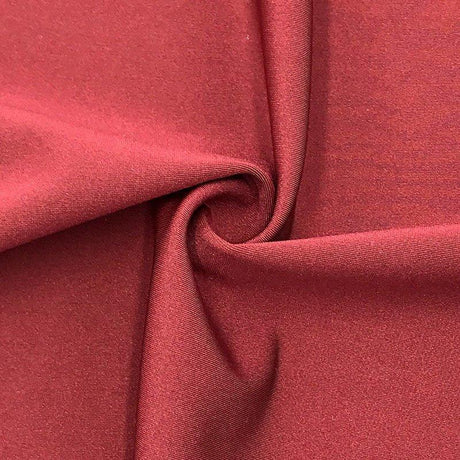
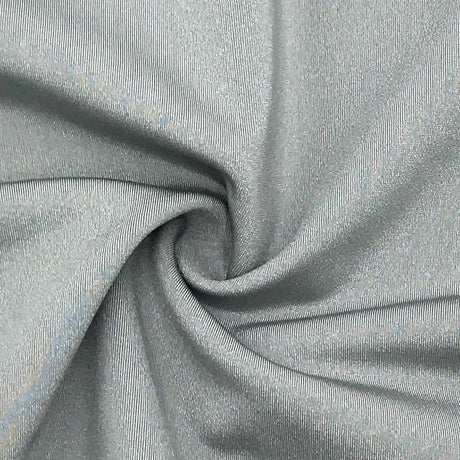
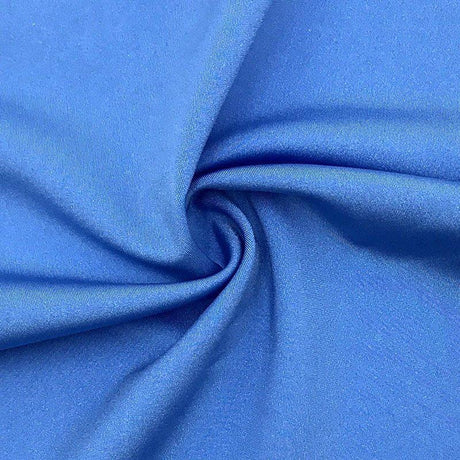
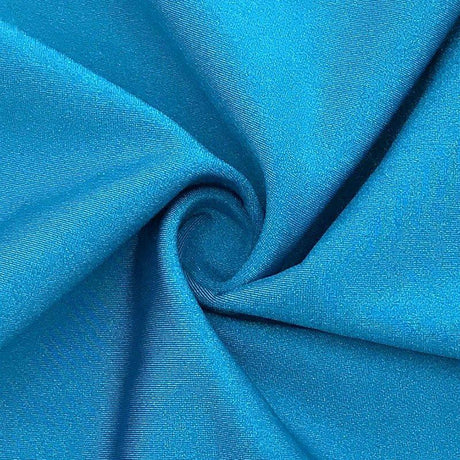
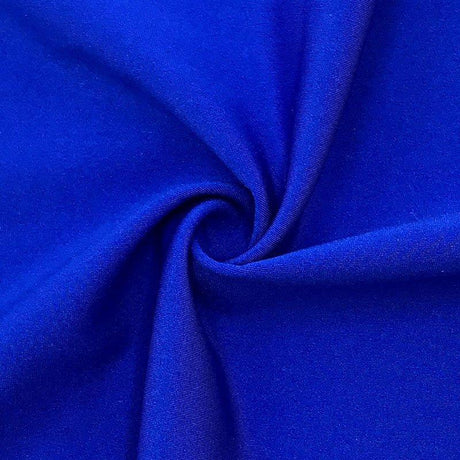
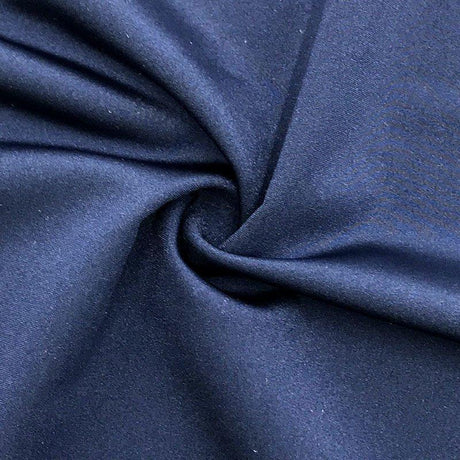
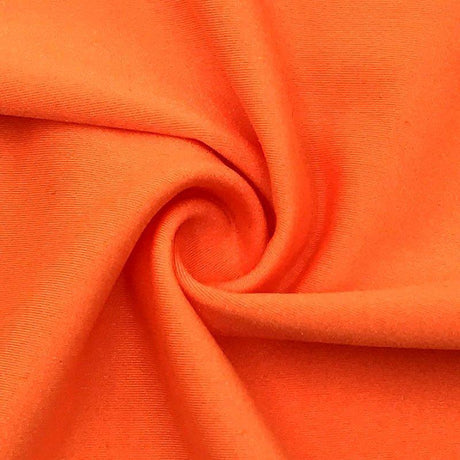
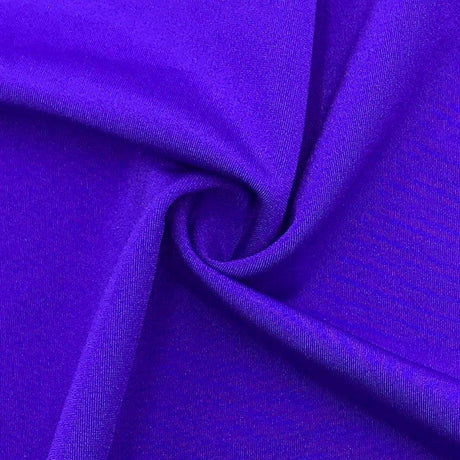
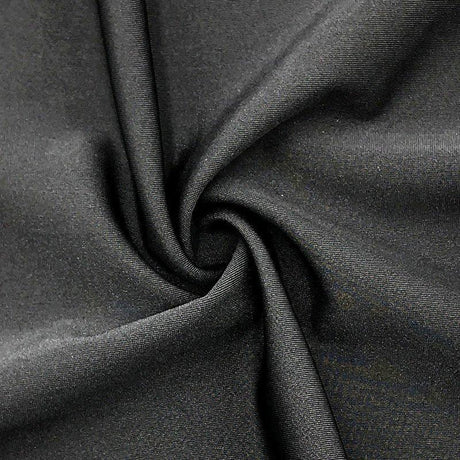
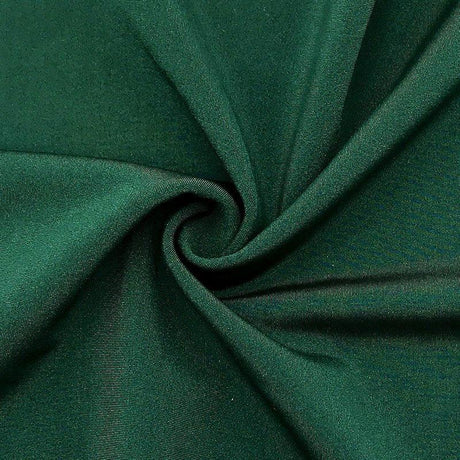
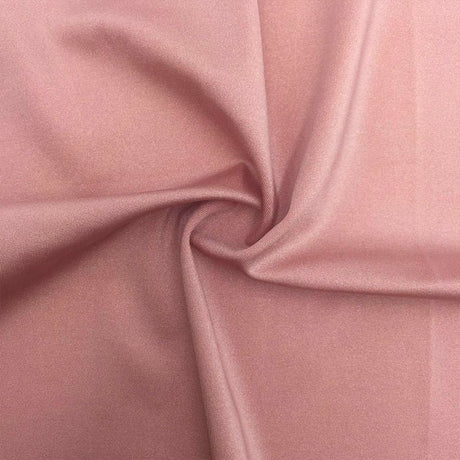
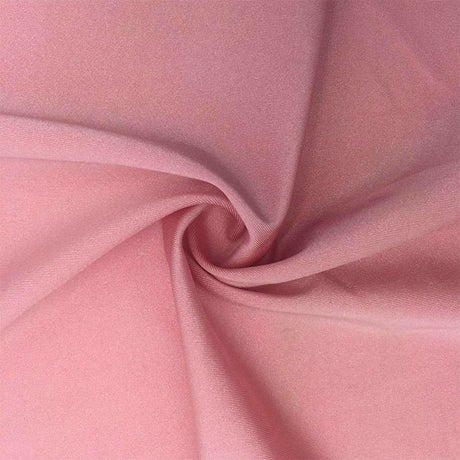
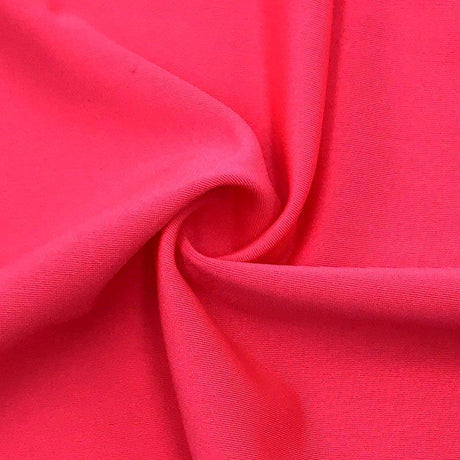
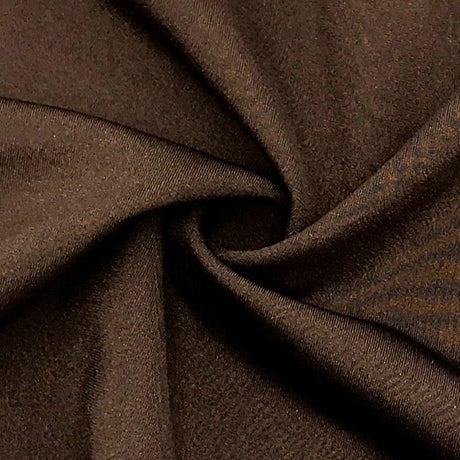
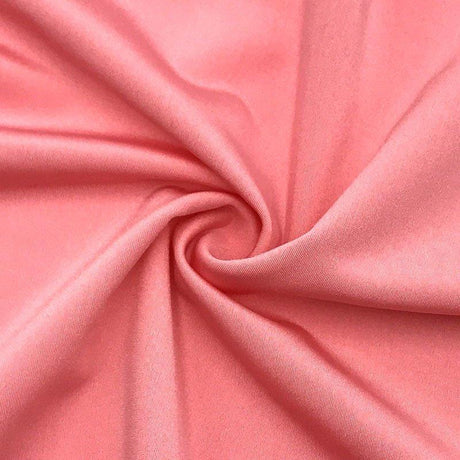
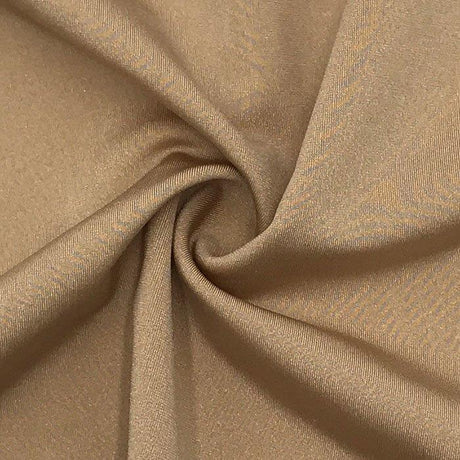
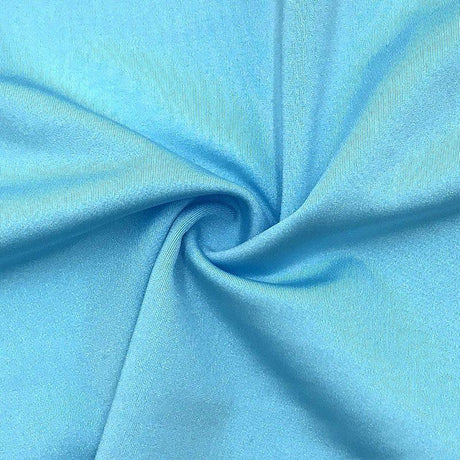
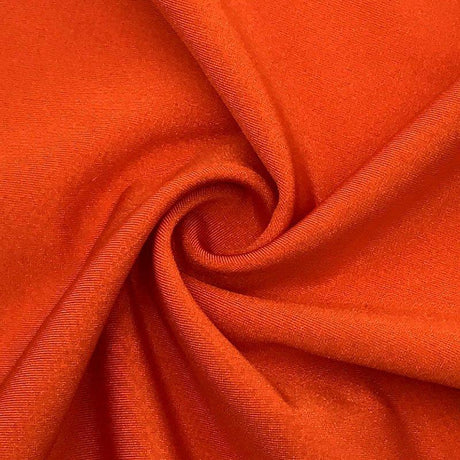
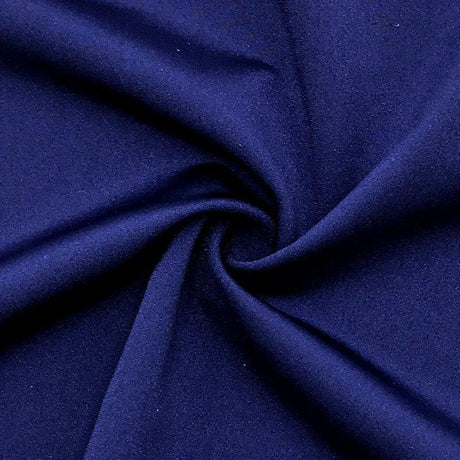
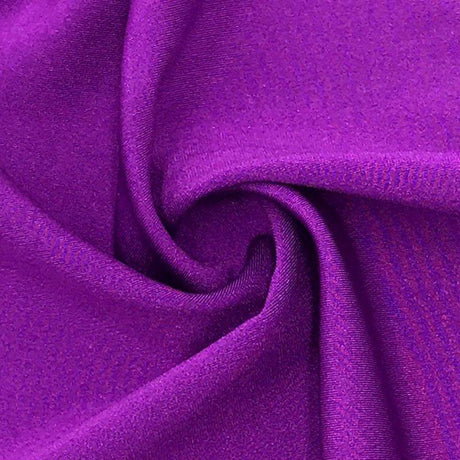
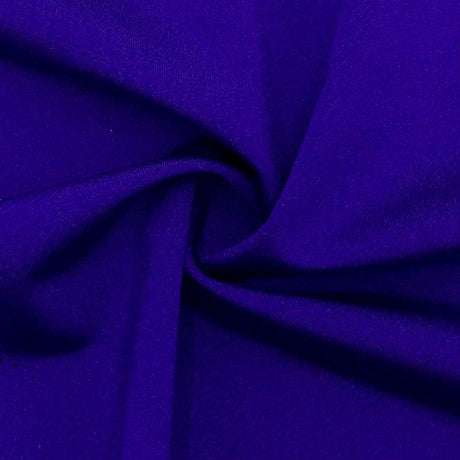
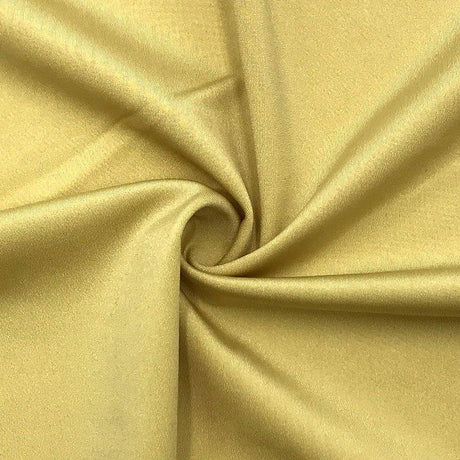
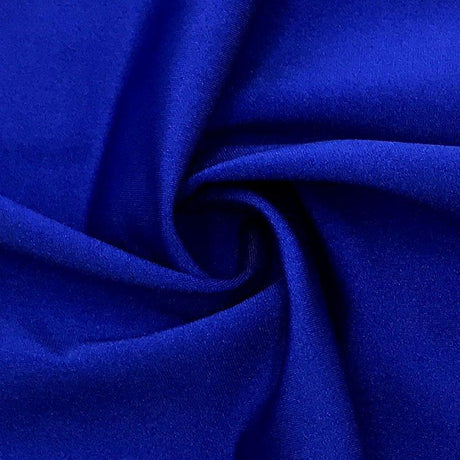
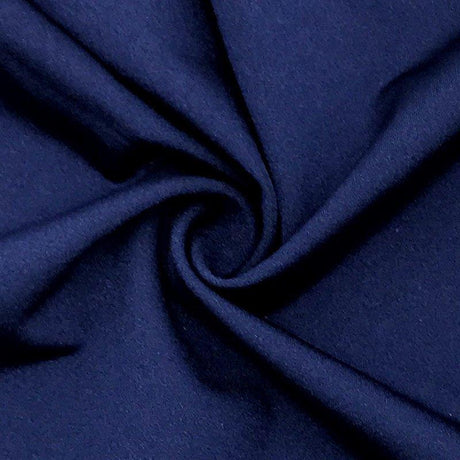
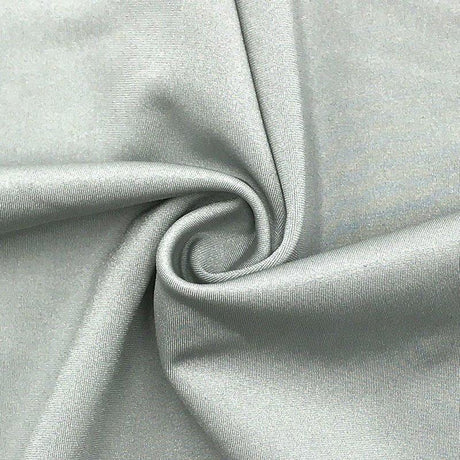
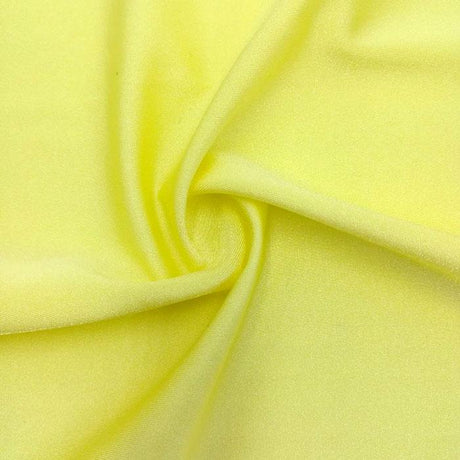
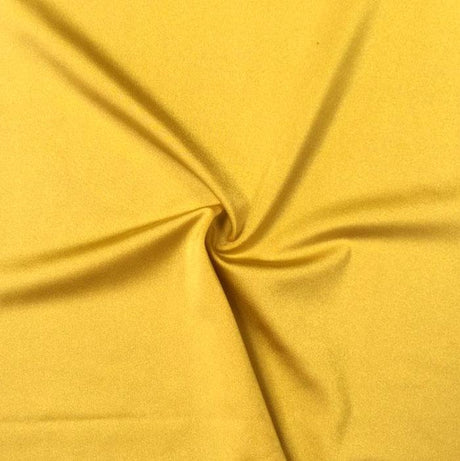
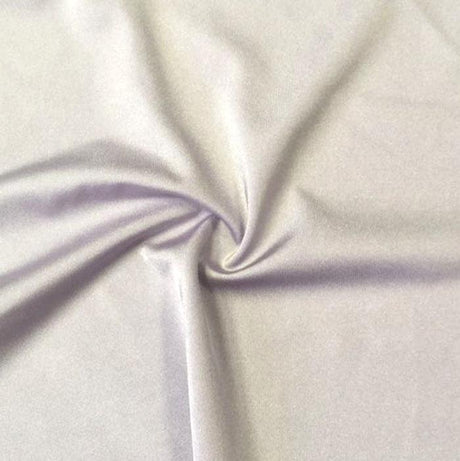
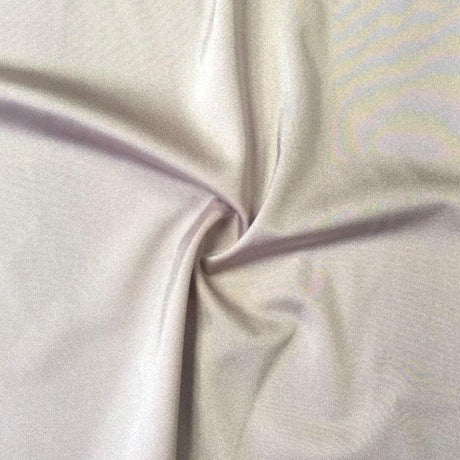
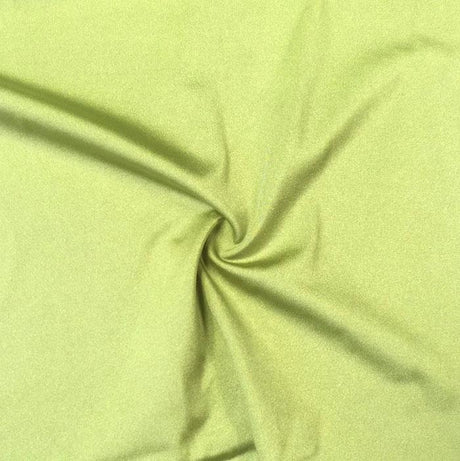
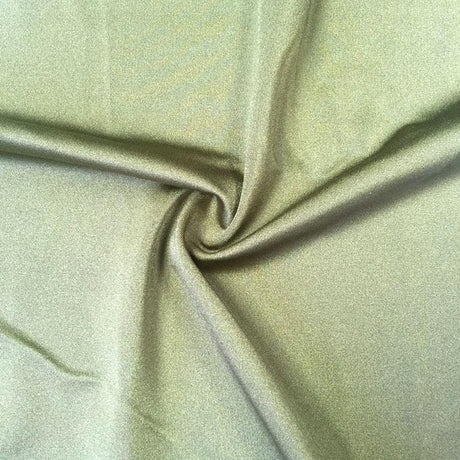
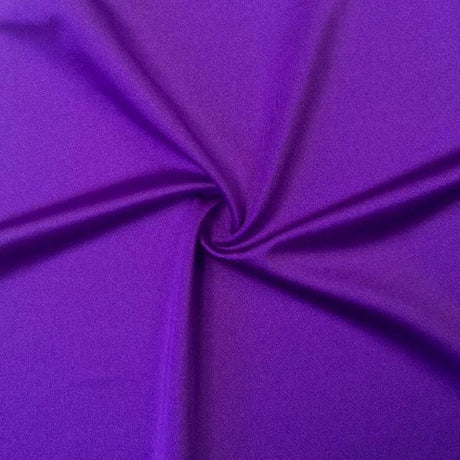
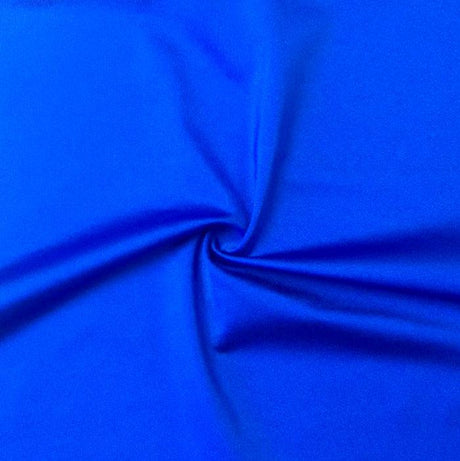
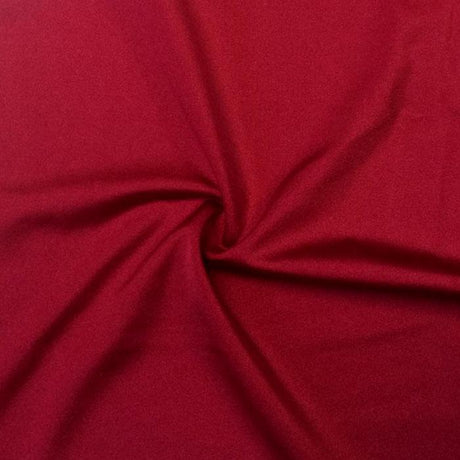
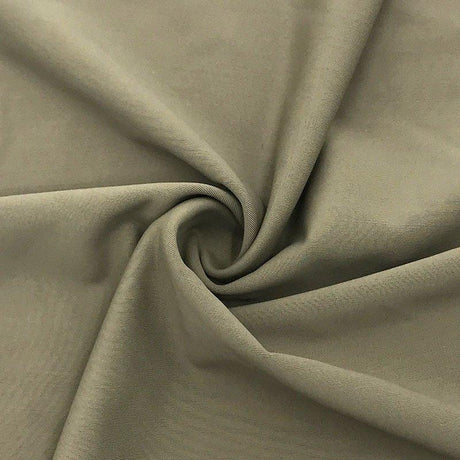
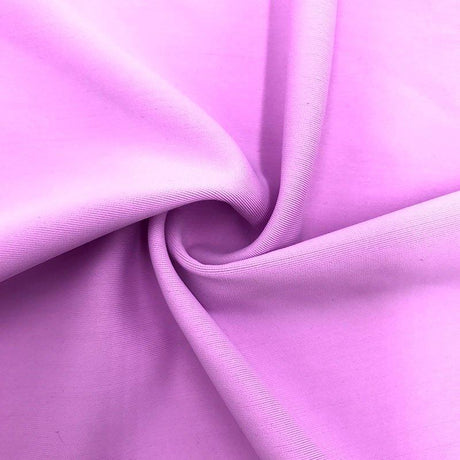
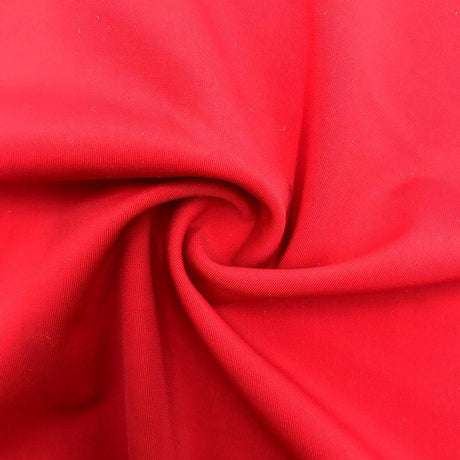
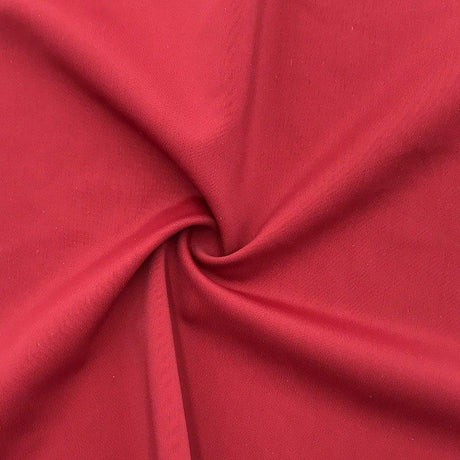
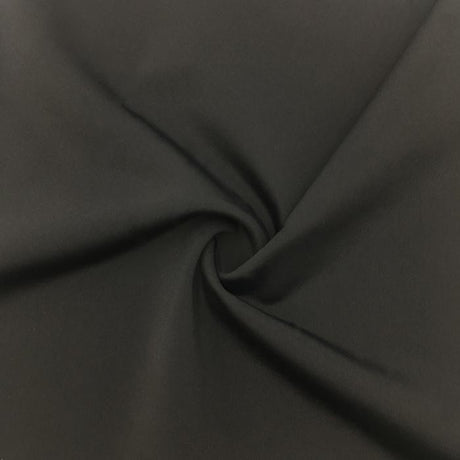
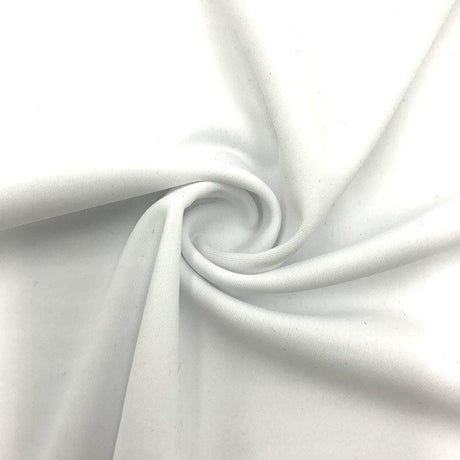
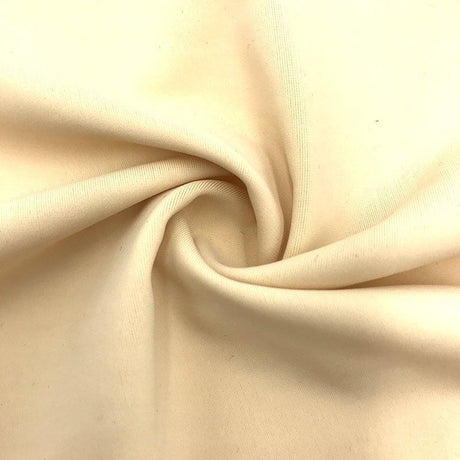
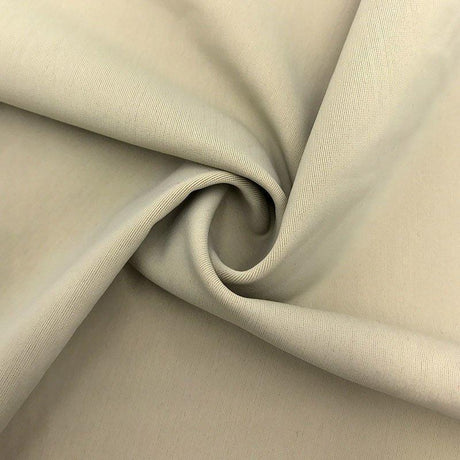
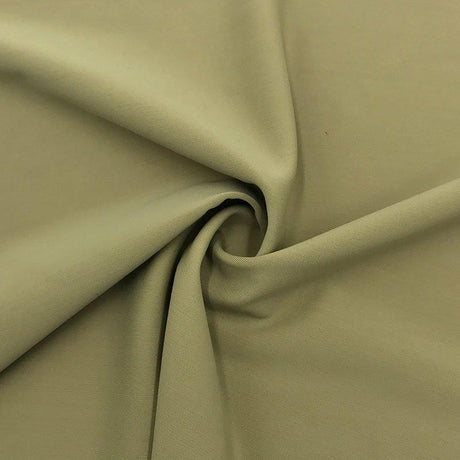
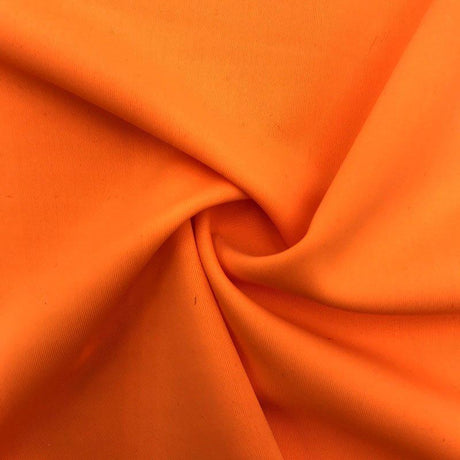
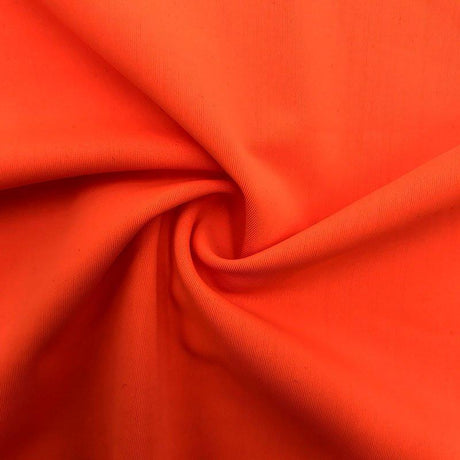
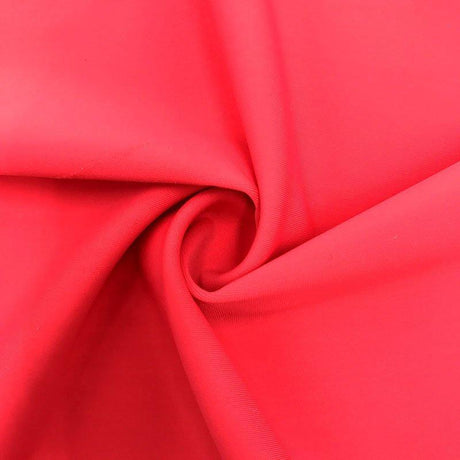
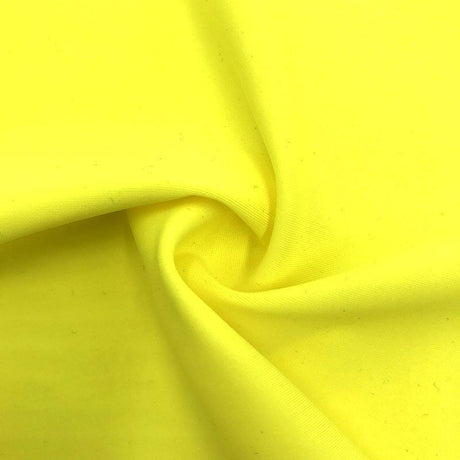
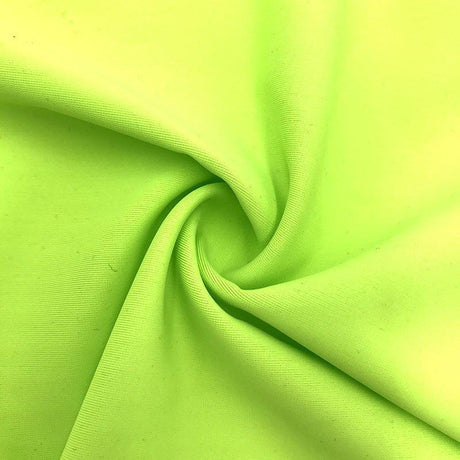
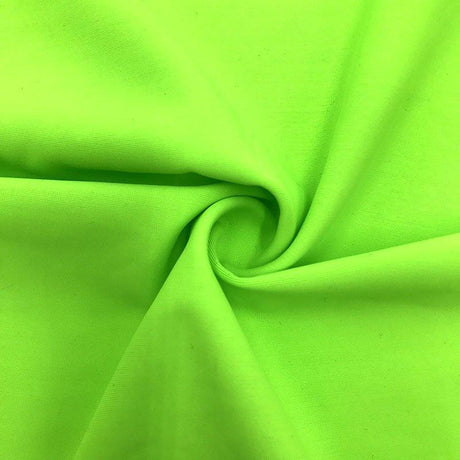
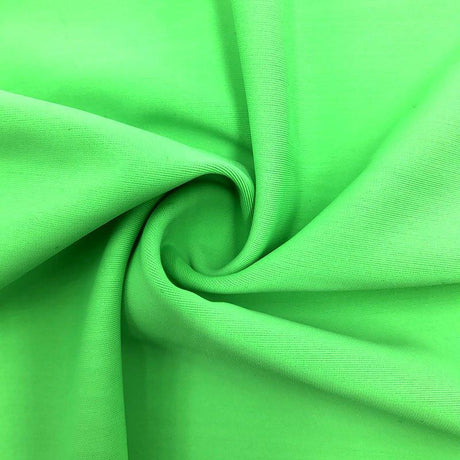
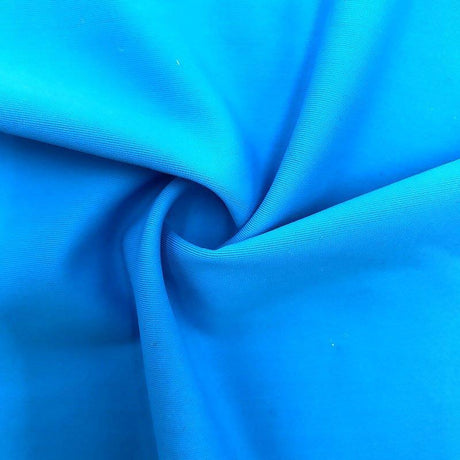
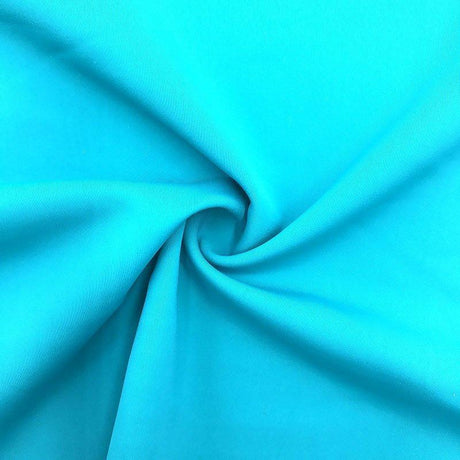
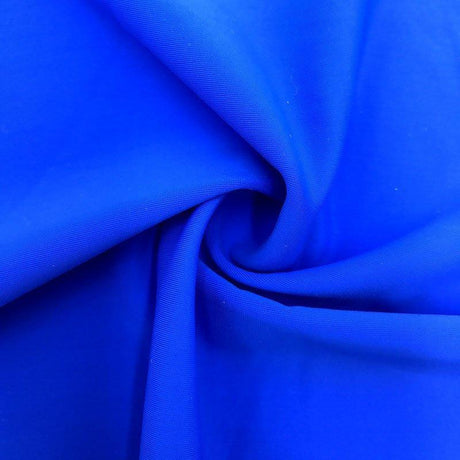
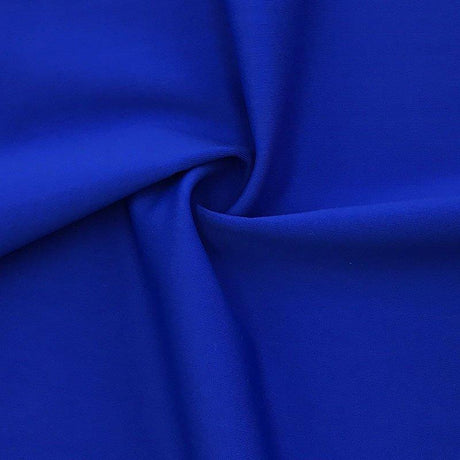
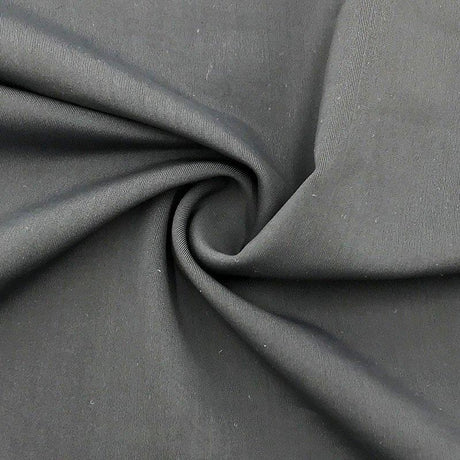
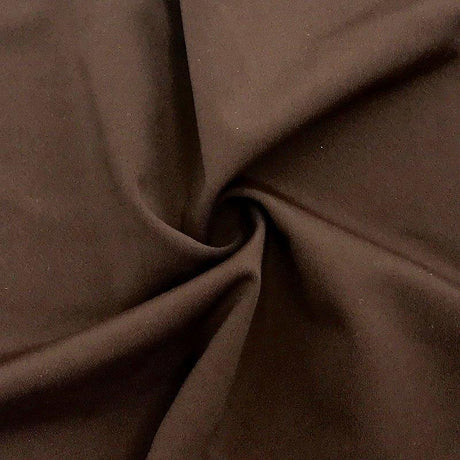
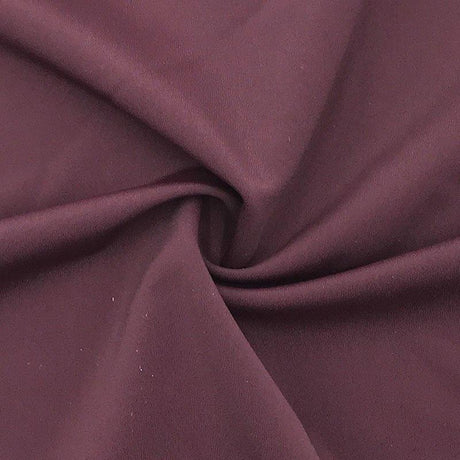
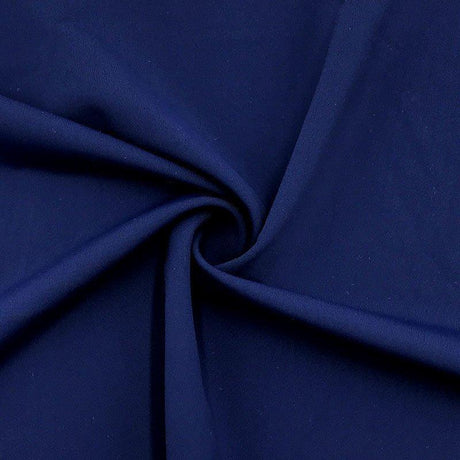
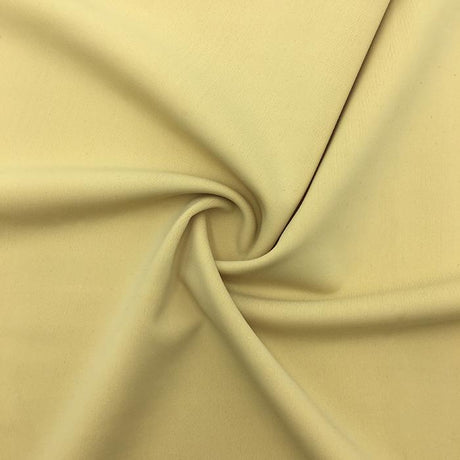
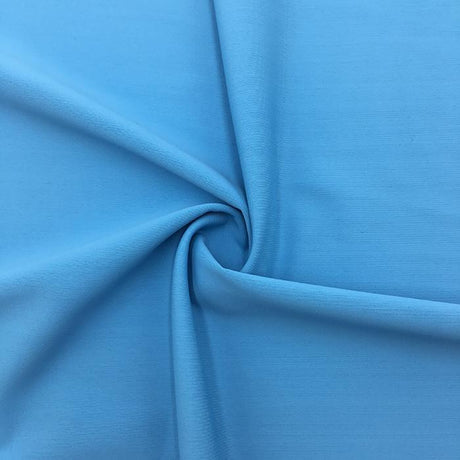
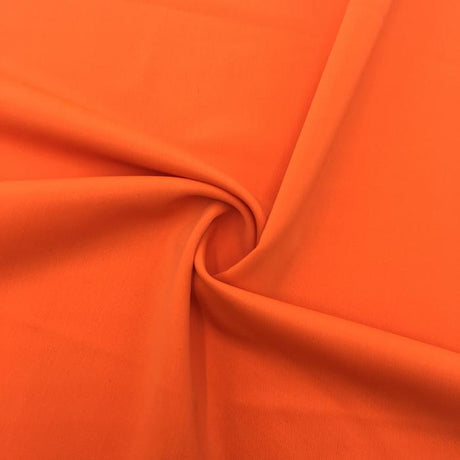
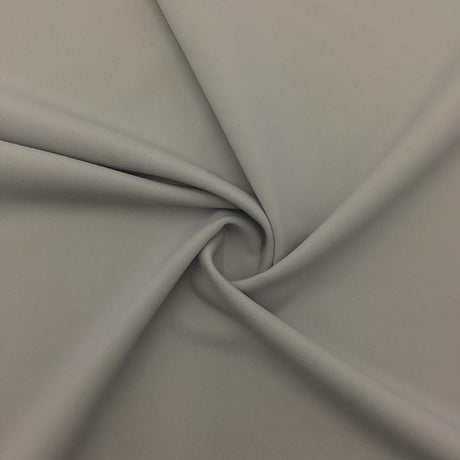
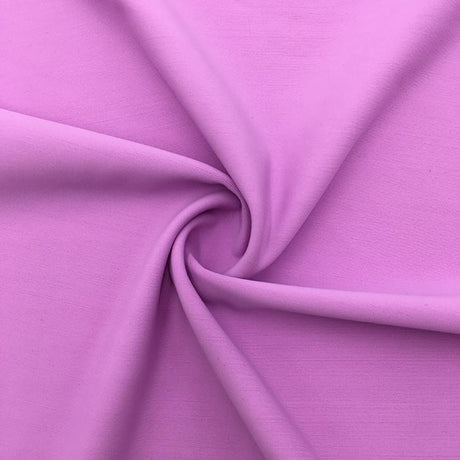
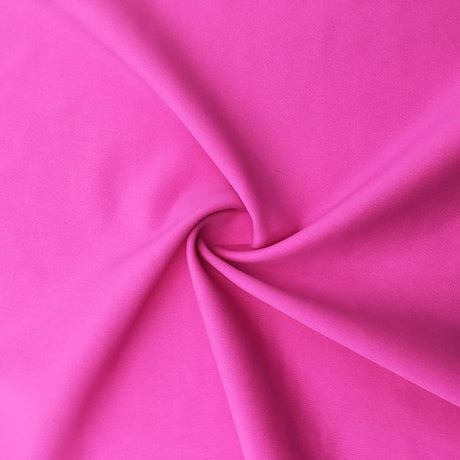
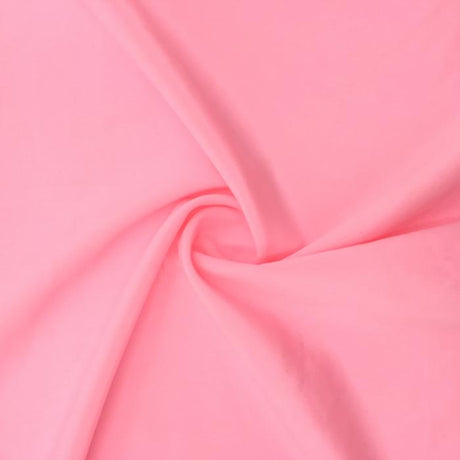
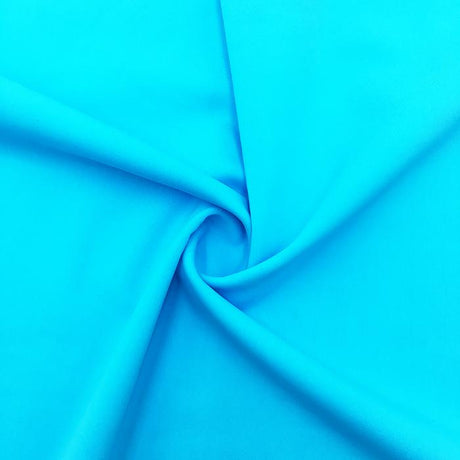
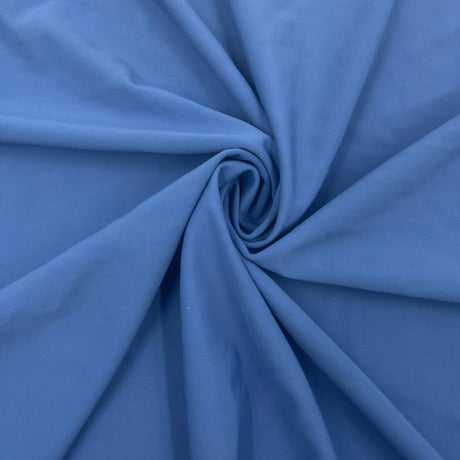
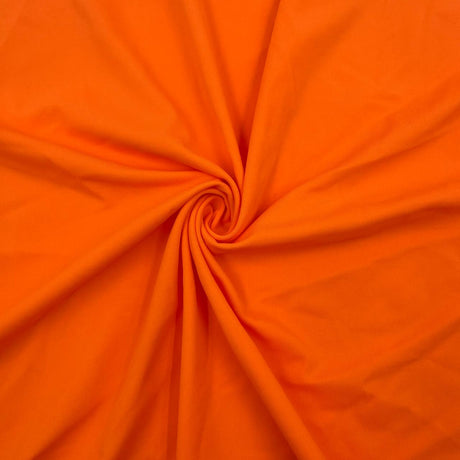
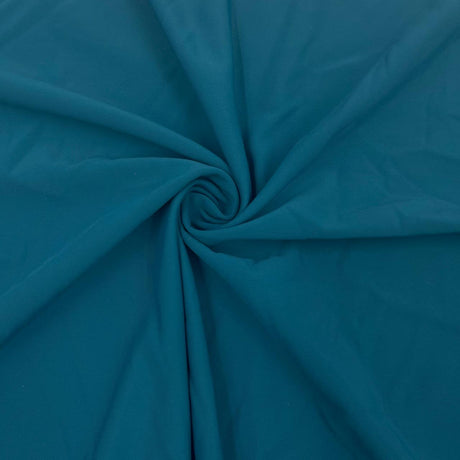
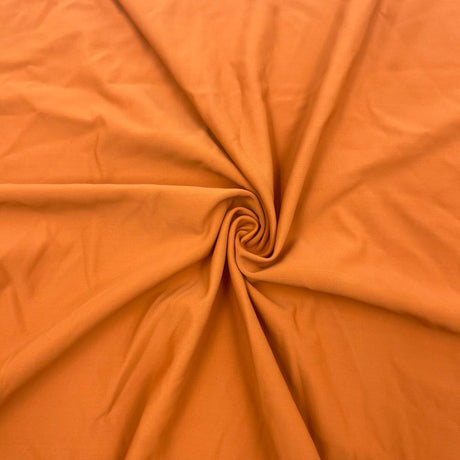
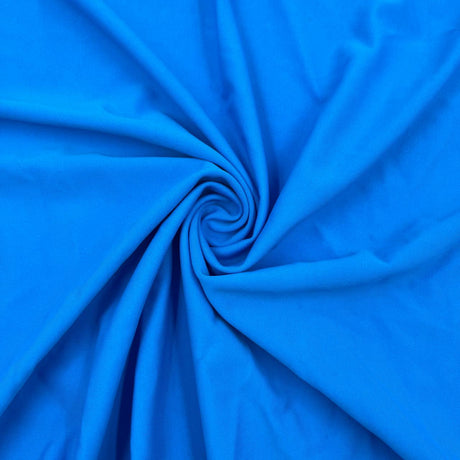
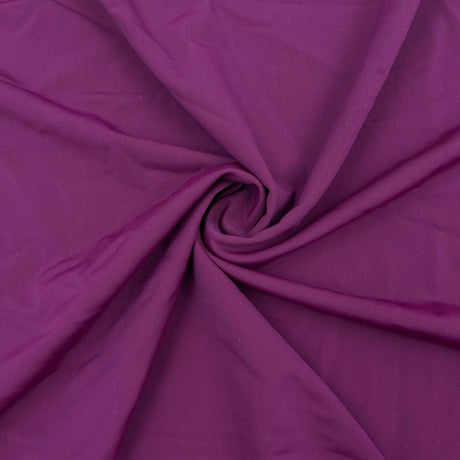
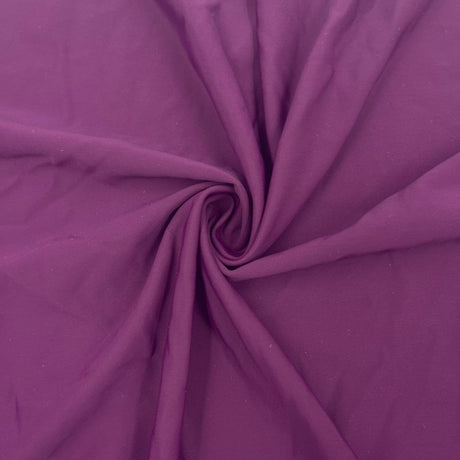
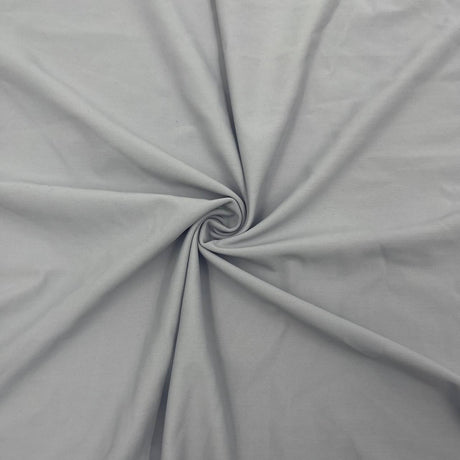
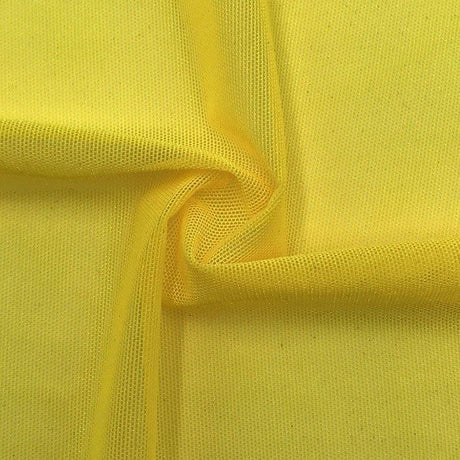
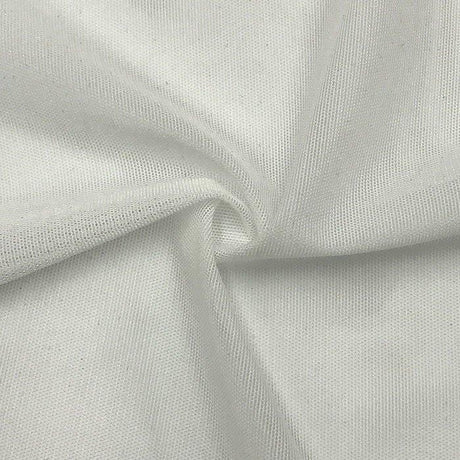
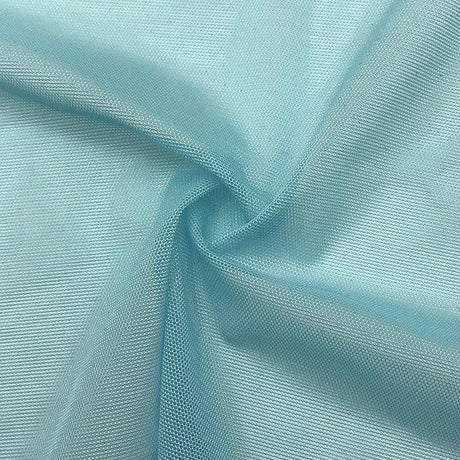
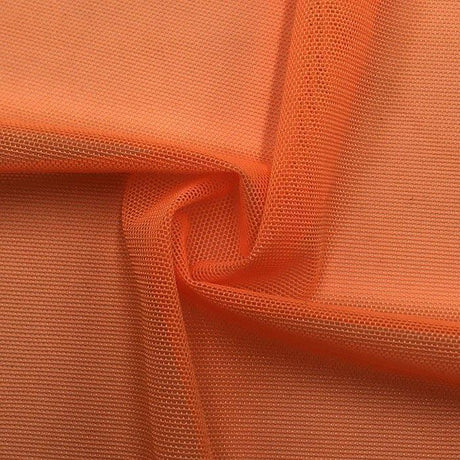
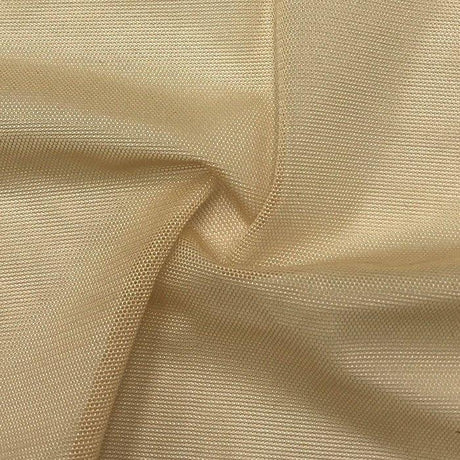
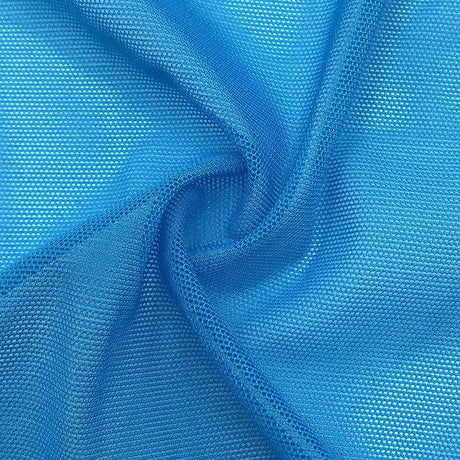
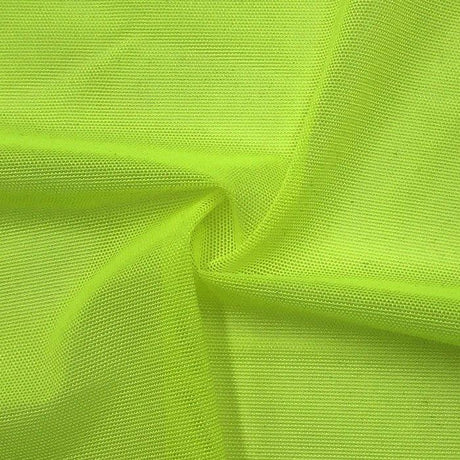
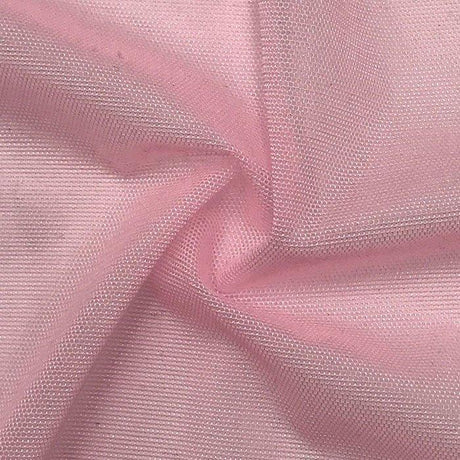
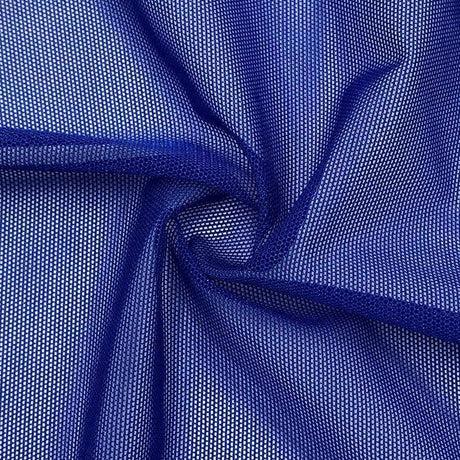
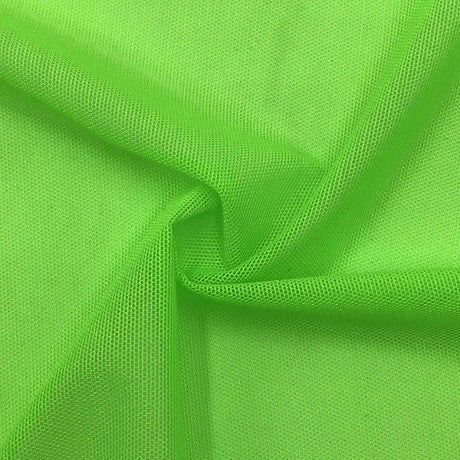
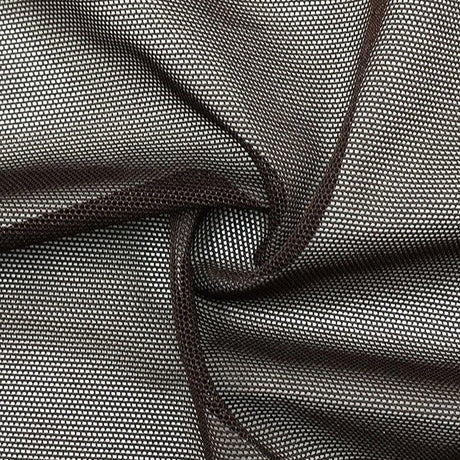
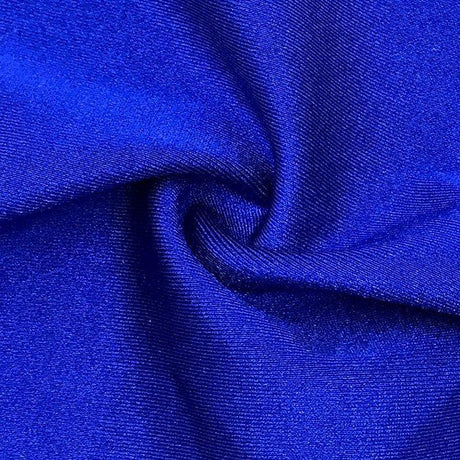
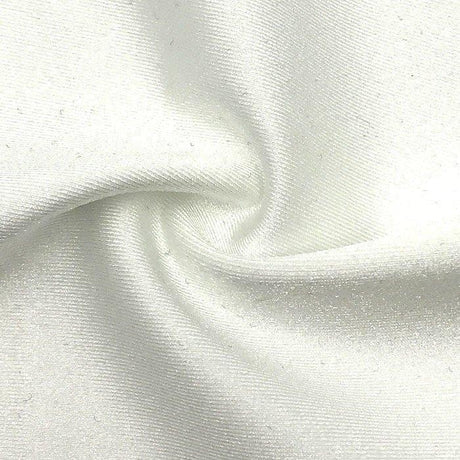
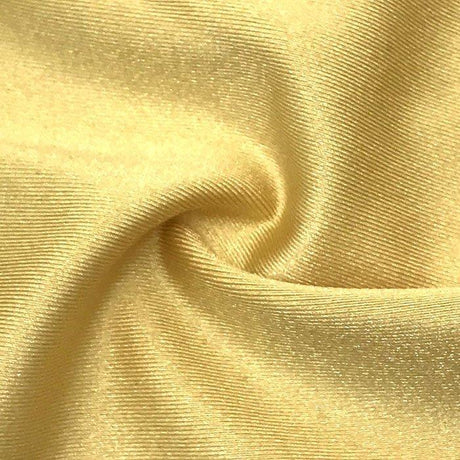
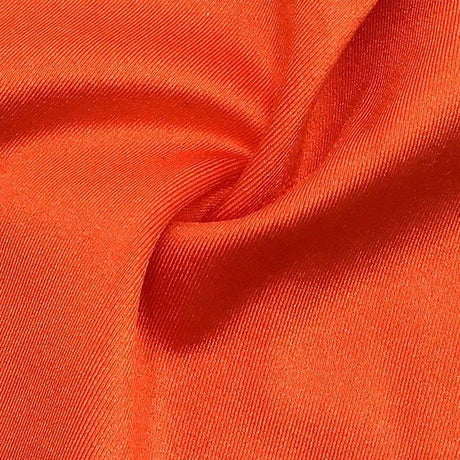
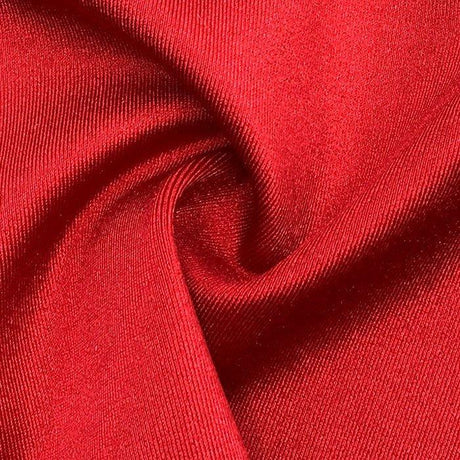
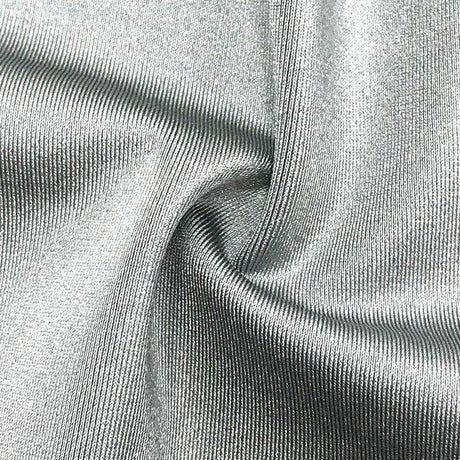
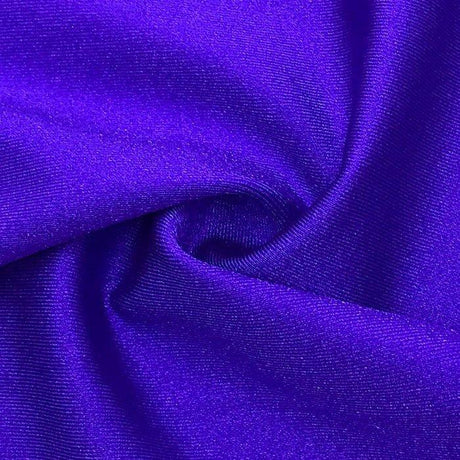
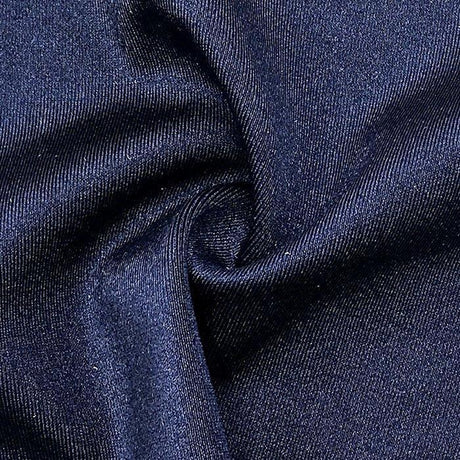
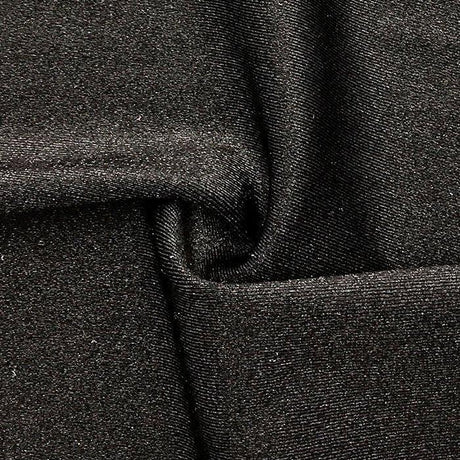
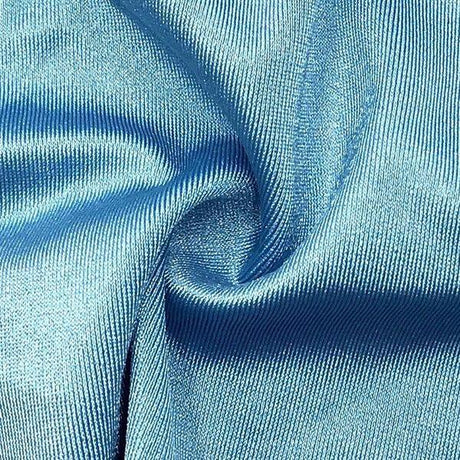
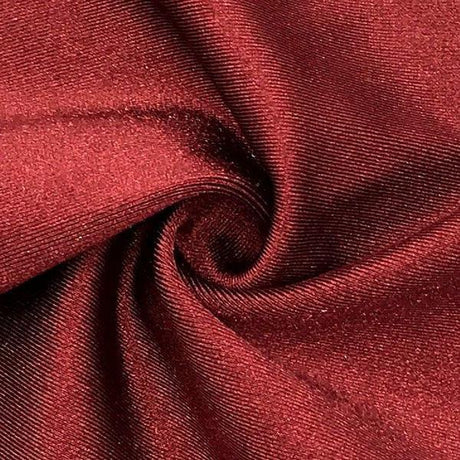
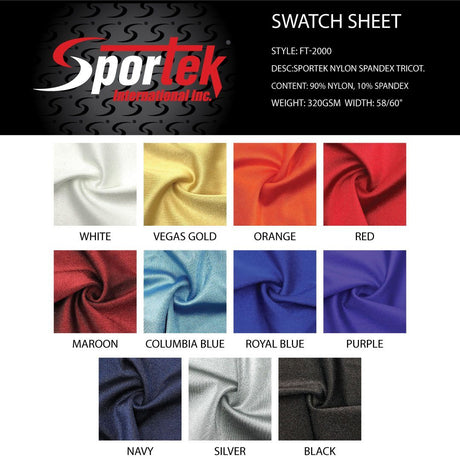
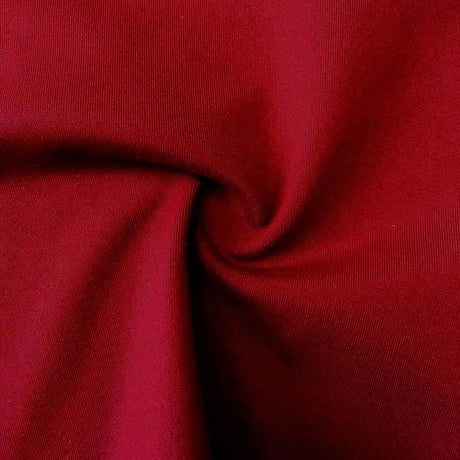
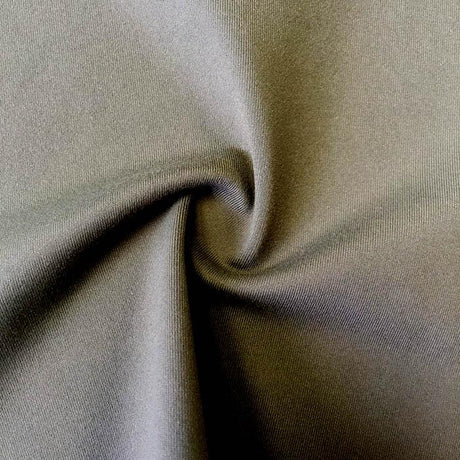
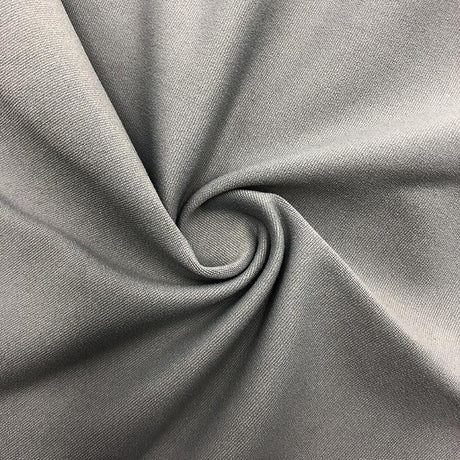
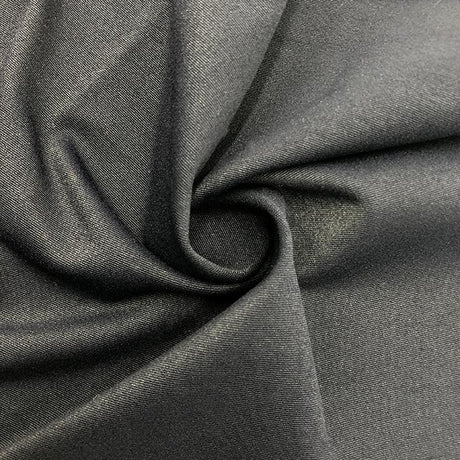
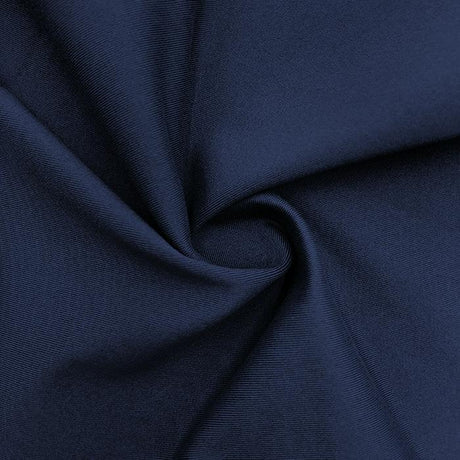
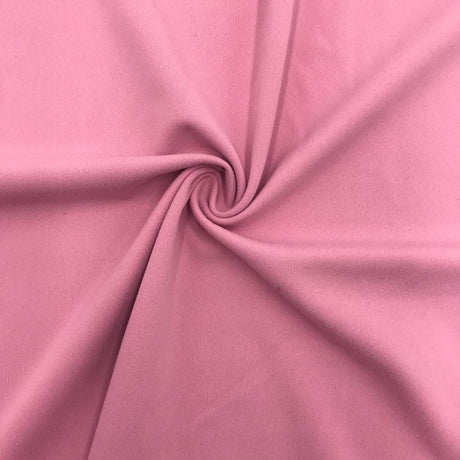
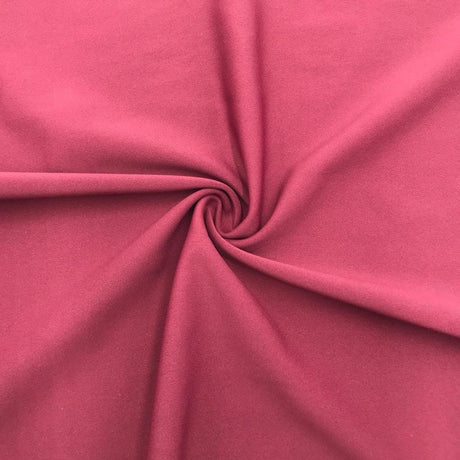
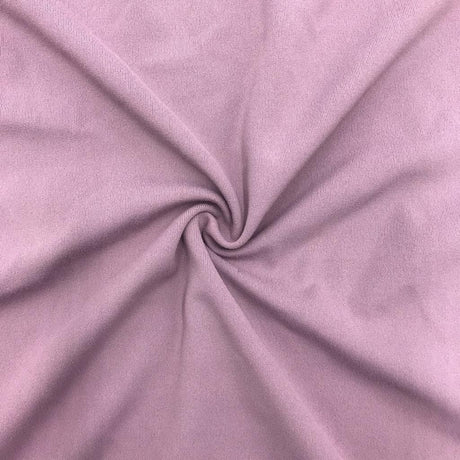
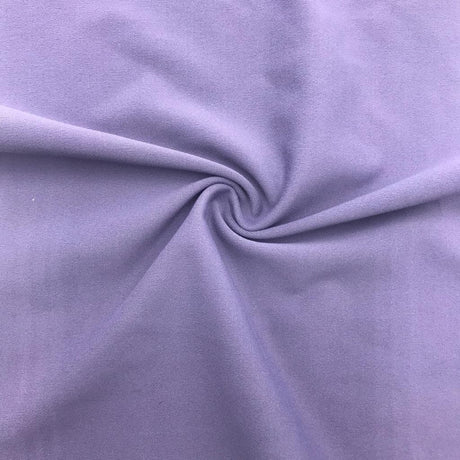
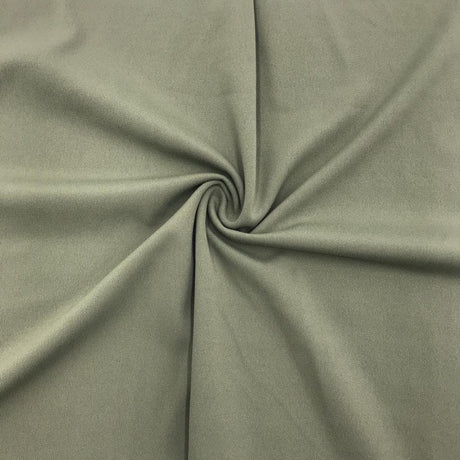
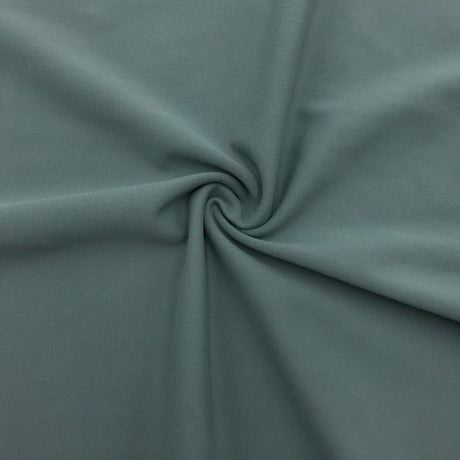
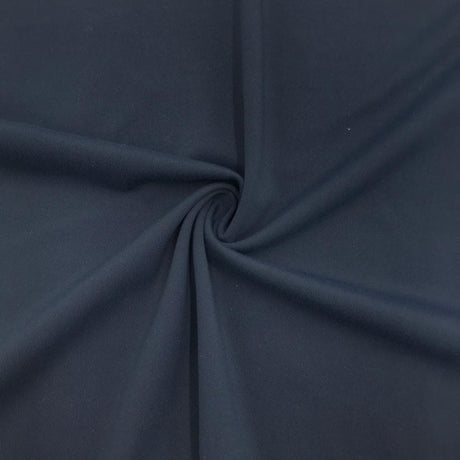
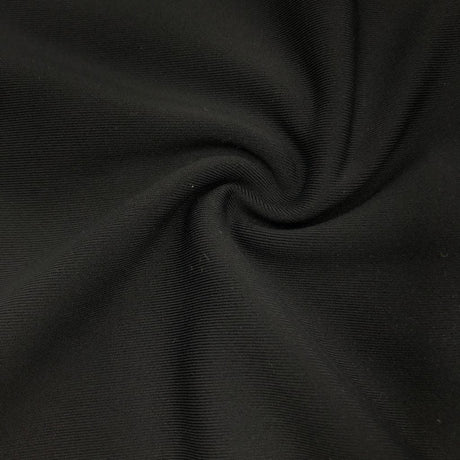
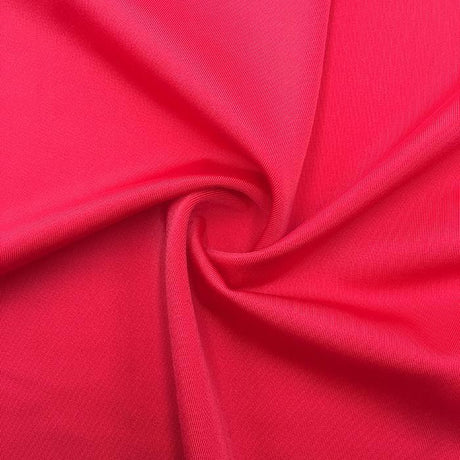
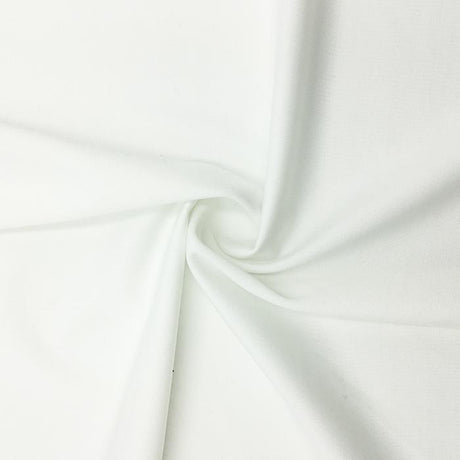
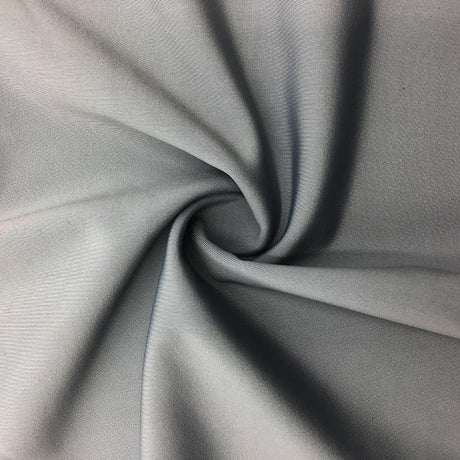
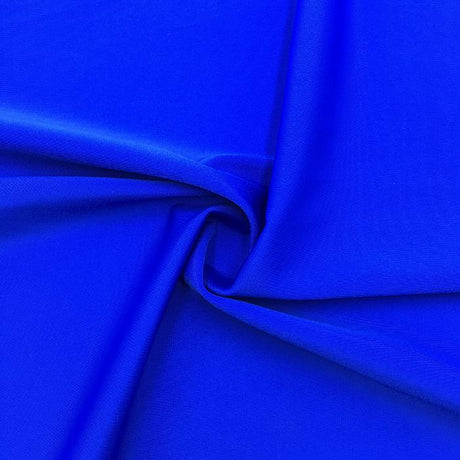
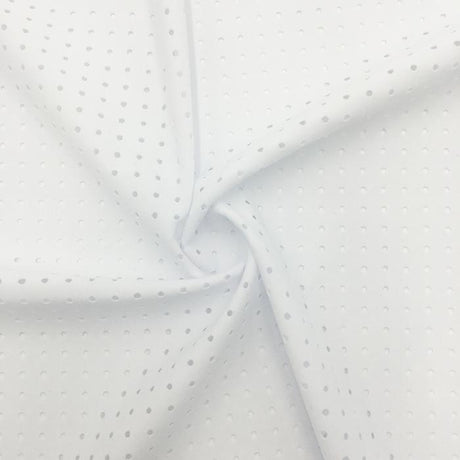
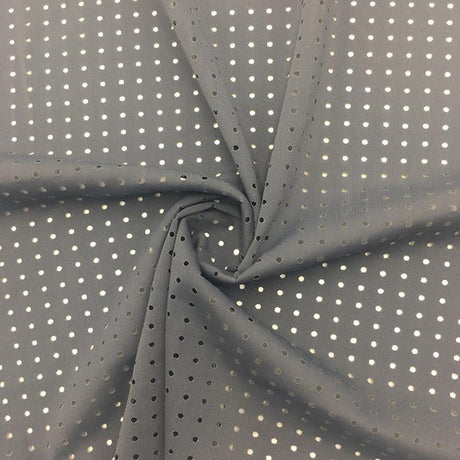
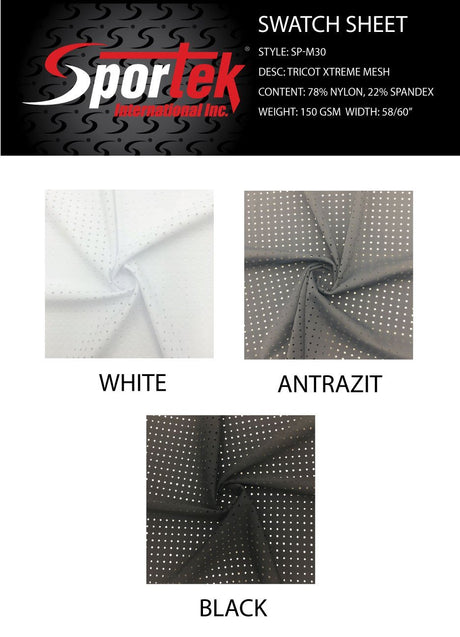
When working with spandex fabrics, one common question arises: does spandex turn sheer when stretched? The short answer is yes – it can, if you choose the wrong type of fabric. Spandex (also known as Lycra or elastane) is prized for its extreme stretch, but that same stretch can cause issues with opacity. For a broader foundation on stretch fabric properties before diving in, explore our stretch fabric types page or browse our full fabric guides hub.
Why Some Spandex Fabrics Turn Sheer
Fabric Weight & Thickness: Perhaps the biggest factor is the GSM (grams per square meter) or ounce-weight of the fabric. Ultra-lightweight spandex fabrics (50–100 GSM) are very thin and often sheer to semi-sheer by nature. Medium-weight spandex (around 150–200 GSM) tends to be fully opaque when properly knitted, making it ideal for leggings and swimwear. Heavier knits above 200 GSM usually provide excellent opacity even at full stretch. Our fabric weight guide provides a full breakdown of how GSM affects opacity, compression, and durability across all common spandex-blend constructions.
Fiber Content & Fabric Structure: Spandex fibers themselves are very thin and often clear or white. A fabric with only 5% spandex and 95% opaque fibers will usually cover better than one that's 30% spandex with less of the base fiber. The knit or weave also matters: tightly-knitted fabrics (such as tricot or interlock knit) have less space between yarns, so they hold opacity better than loose, light jersey knits.
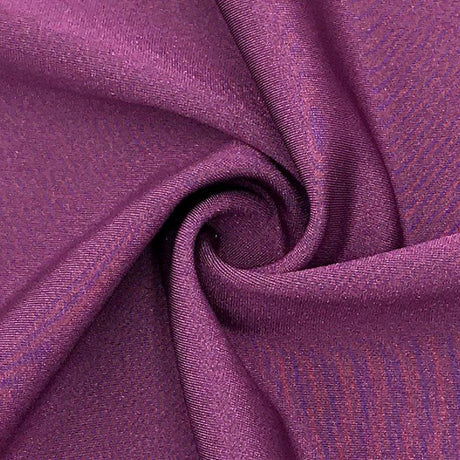
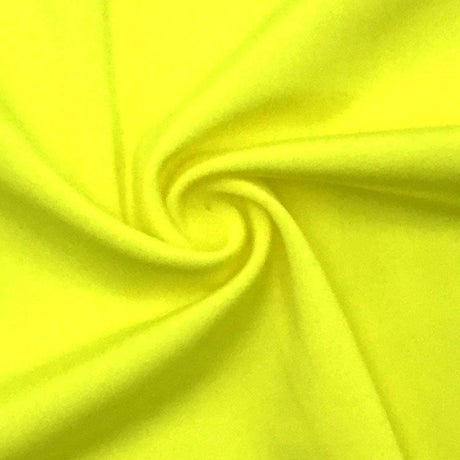
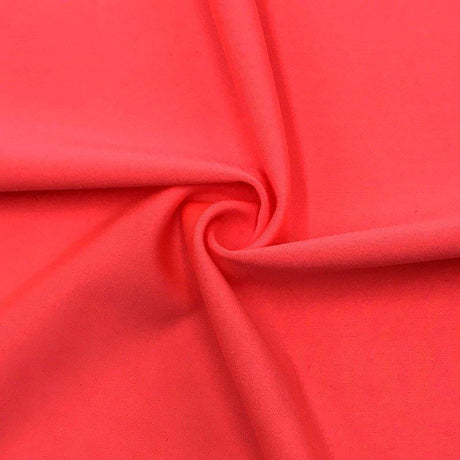
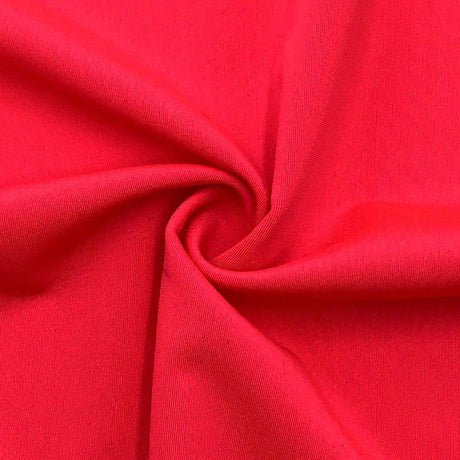
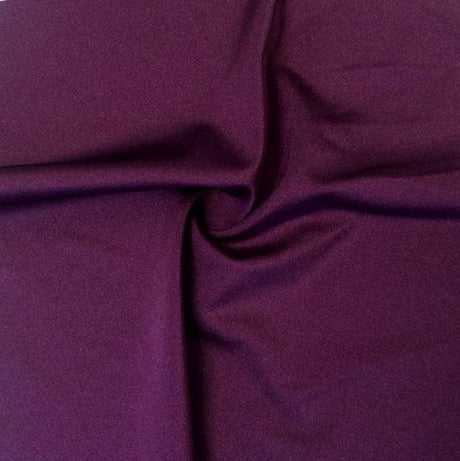
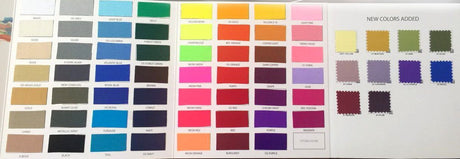
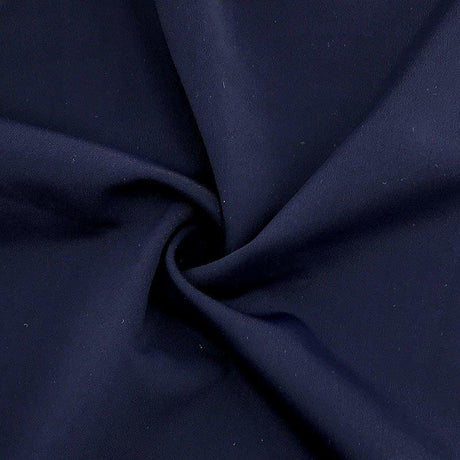
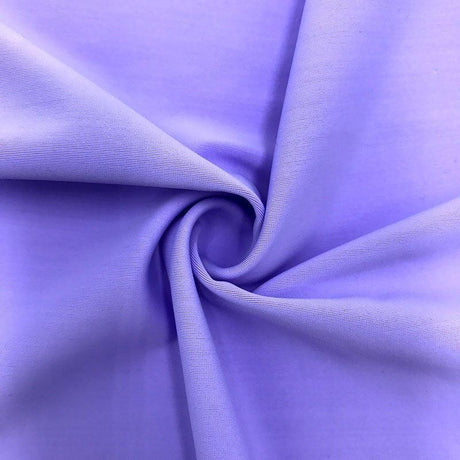
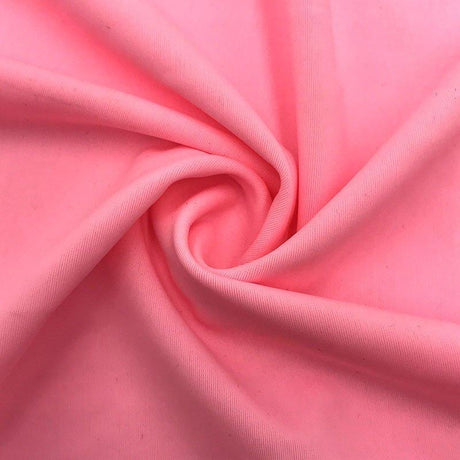
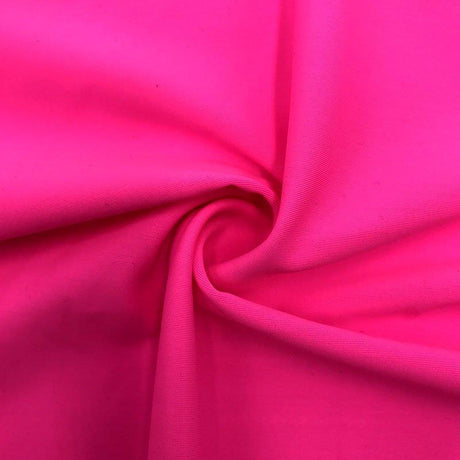
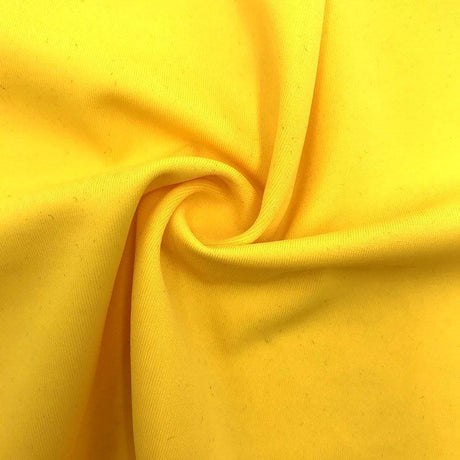
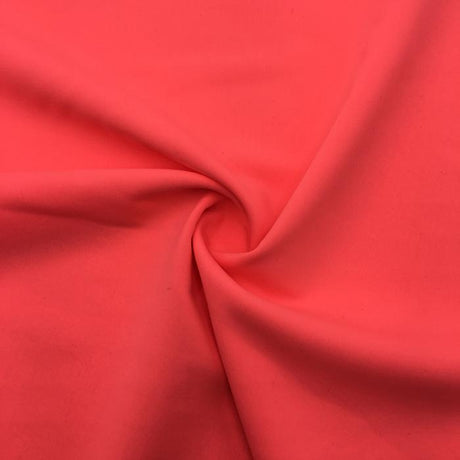
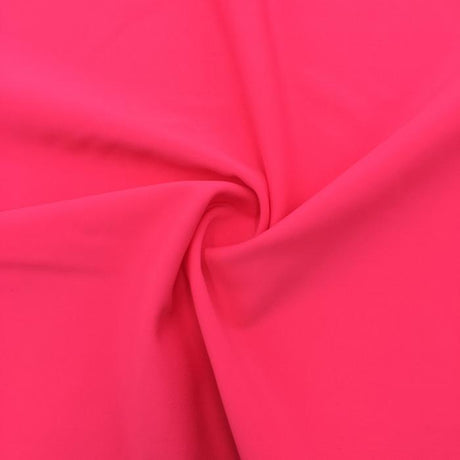
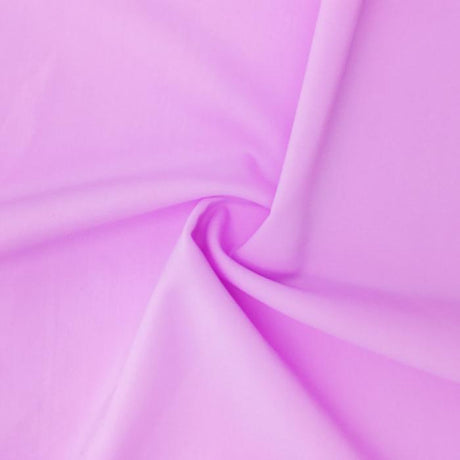
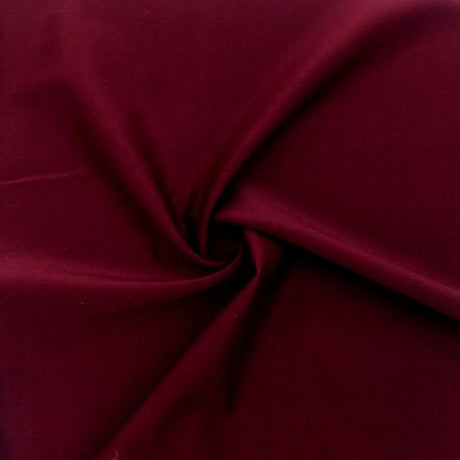
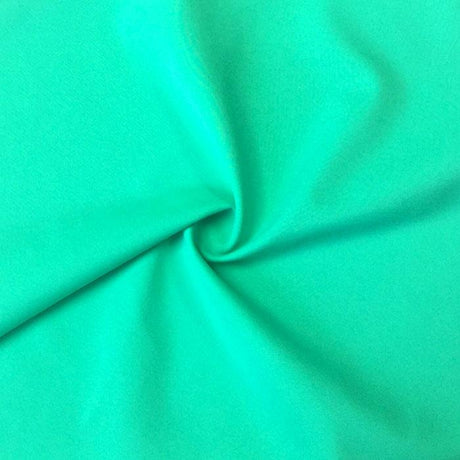
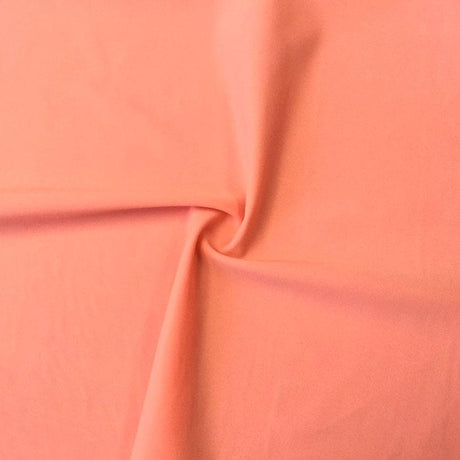
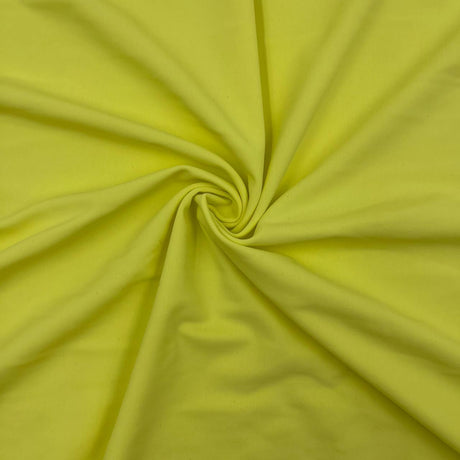
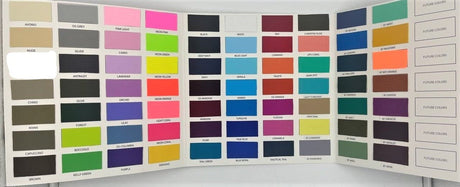
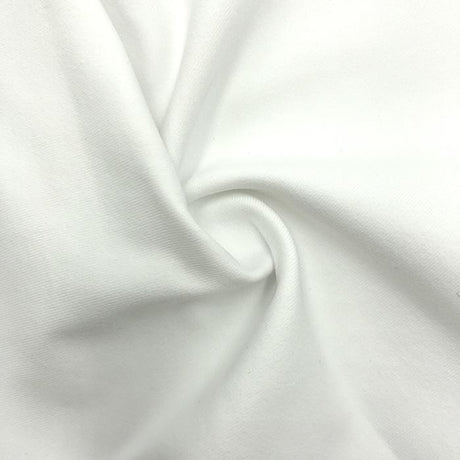
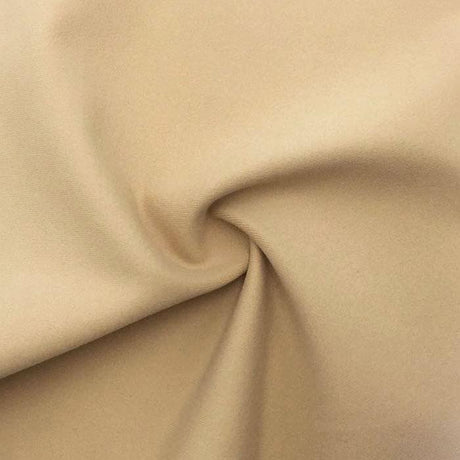
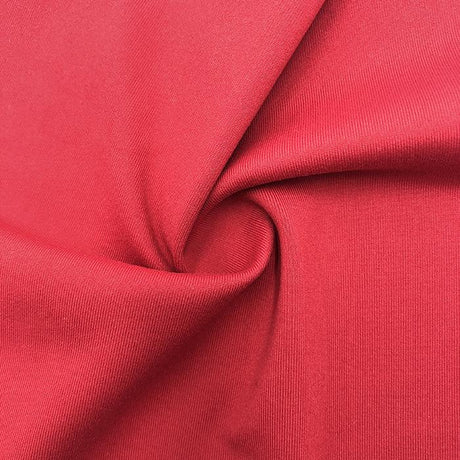
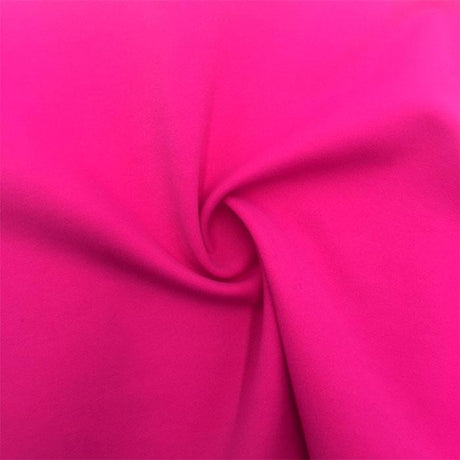
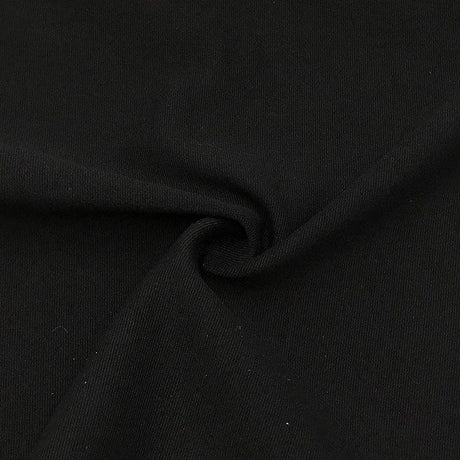
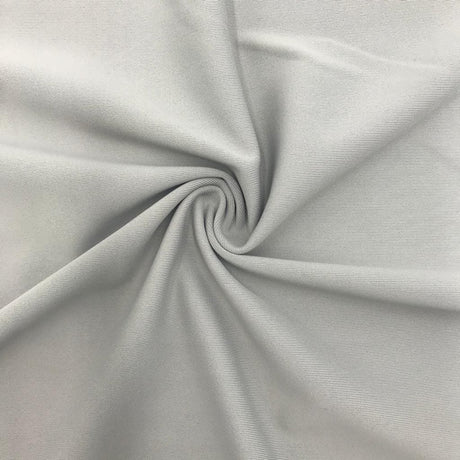
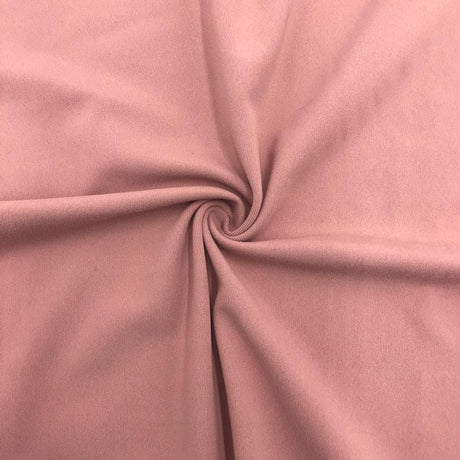
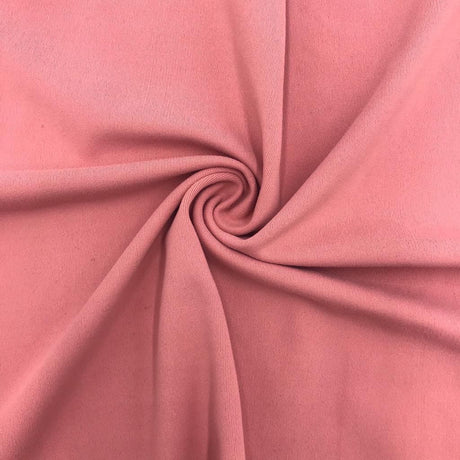
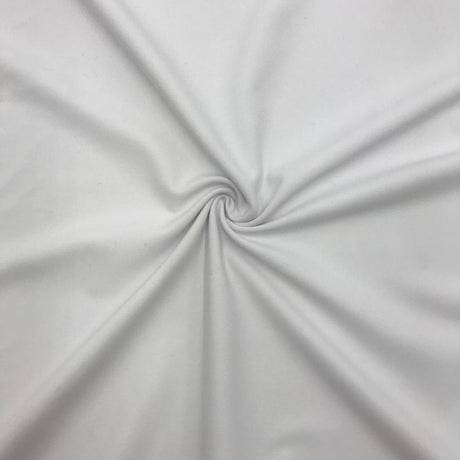
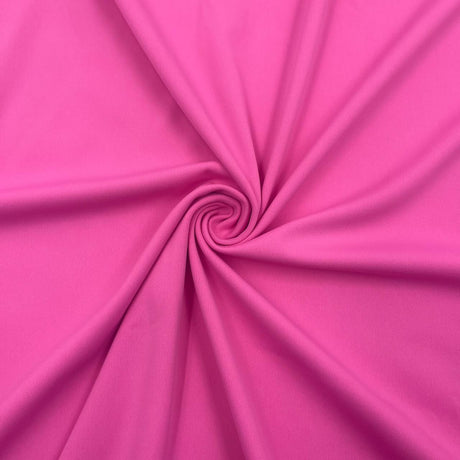
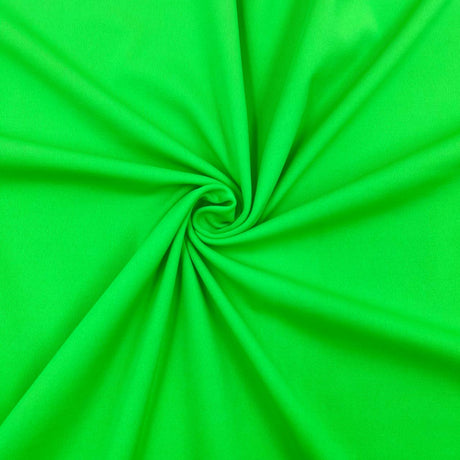
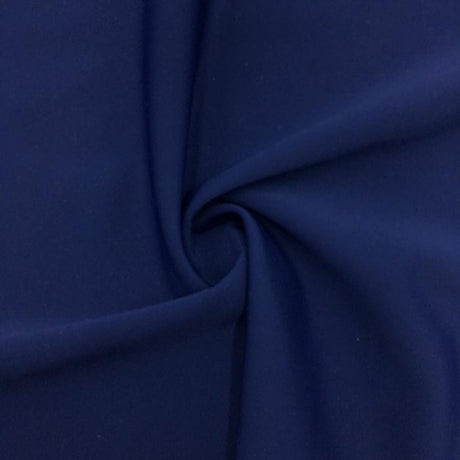
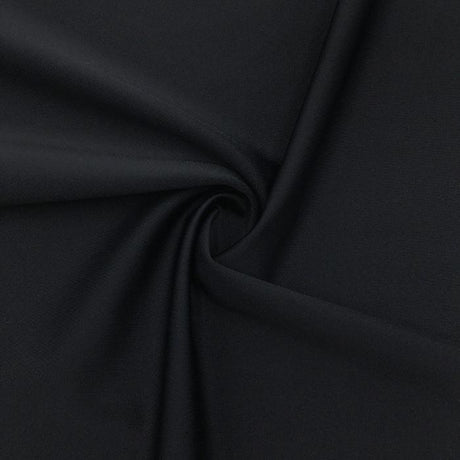
Color Selection: Darker, richer colors like black, navy, or burgundy are far less likely to show through than white, pastels, or neon shades. Dark pigments absorb light and obscure what's beneath, whereas light colors reflect more light and tend to reveal the outline of whatever's under the fabric.
Printed vs. Solid Fabrics: Many printed spandex fabrics are made by printing the design onto a white base fabric. When such a fabric is stretched, the underlying white fibers start to show (a phenomenon called "grin-through"), which makes the print look faded or the fabric appear lighter/thinner. Solid-dyed fabrics or yarn-dyed blends have color infused throughout the fibers, so they tend to maintain the same color and opacity even when stretched. Our sublimation page covers how dye-sublimation printing works on polyester-spandex fabrics and what determines print depth and grin-through resistance.
Degree of Stretch Required: The more you push a fabric to its maximum extension, the more likely it is to thin out visually. Proper pattern sizing and not over-stressing the material is important. Our stretch fabric types page covers how to match fabric stretch percentage to pattern requirements so you're never pushing a fabric beyond its intended stretch range.
Technical Comparison: Spandex Types, Weights & Opacity
| Fabric Category | Typical GSM | Stretch % (W × L) | Common Composition | Opacity Level | Typical Uses |
|---|---|---|---|---|---|
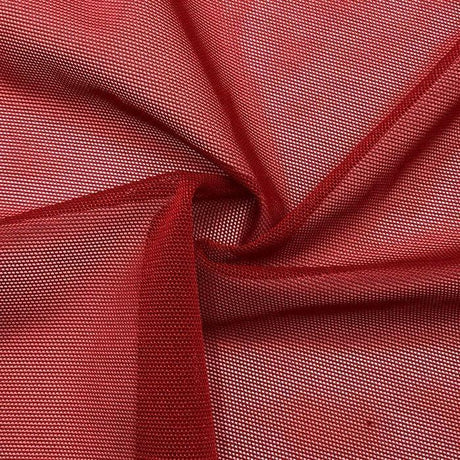
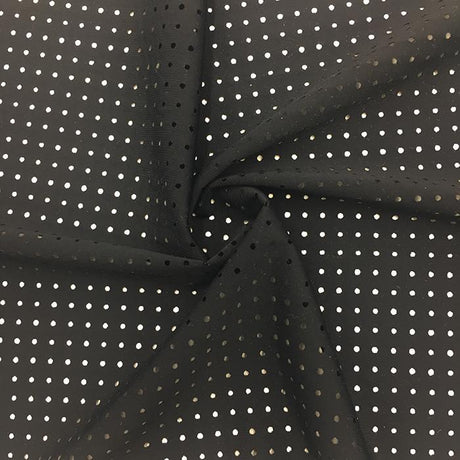
| Ultra-Light Sheer Knit | 60–100 GSM | 100–150% × 100% | Nylon/Spandex (90/10 to 85/15) | Sheer / Transparent | Dance mesh, hosiery, illusion panels |
| Lightweight Stretch Knit | 120–150 GSM | 80–120% × 80–100% | Polyester or Nylon/Spandex (85/15) | Semi-sheer when stretched | Linings, fashion tops, lightweight costumes |
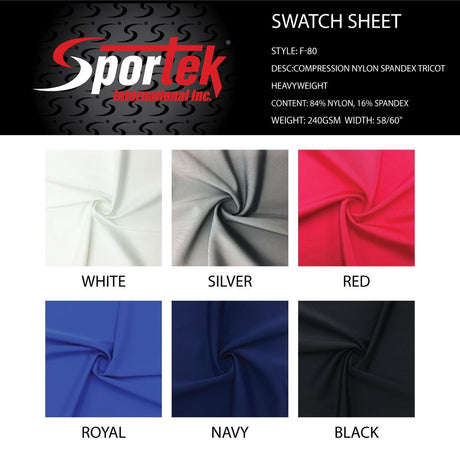
| Medium-Weight Tricot | 170–200 GSM | 60–80% × 60–75% | Nylon/Spandex (80/20) | Fully opaque | Leggings, yoga pants, swimwear |
| Heavy Double Knit | 250–320 GSM | 30–50% × 30–45% | Nylon/Spandex or Poly/Spandex (70/30 to 80/20) | Very opaque / compressive | Compression wear, structured garments |
| Scuba / Moleskin Spandex | 300–350 GSM | 25–40% × 25–40% | Polyester/Spandex (85/15) | Maximum coverage | Costumes, shapewear, performance outfits |
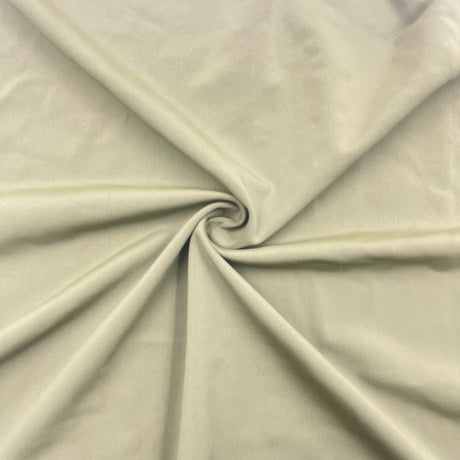
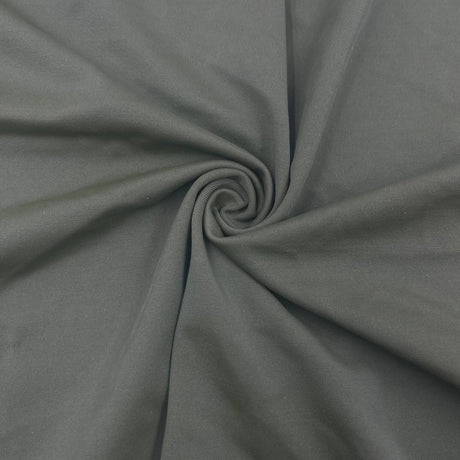
"Milliskin" Nylon-Spandex Tricot: Milliskin is a popular 4-way stretch tricot knit (usually ~80% nylon, 20% spandex) often used in swimwear, dancewear, and cosplay bodysuits. It typically comes in around ~180–200 GSM. This fabric is known for being opaque when stretched, especially in darker colors or with a lining for lighter colors. Our nylon-spandex fabric guide covers how nylon-spandex tricot constructions achieve this combination of smooth hand feel, strength, and 4-way stretch.
Polyester-Spandex Printed Jersey: Often poly/spandex blends (e.g. 85–90% poly, 10–15% spandex), these range from 150 GSM up to 220 GSM. The crucial thing is whether the print was applied to a white base. A high-quality print fabric will either have deeper dye penetration or a thicker base fabric to counteract grin-through.
Cotton-Spandex (Cotton Lycra) Jersey: Common in casual wear, usually 90–95% cotton with 5–10% spandex, around 180–220 GSM. In terms of opacity, cotton fibers themselves are opaque, so a thick cotton-spandex can be quite opaque. However, lighter cotton jerseys (especially in light colors) can be see-through. For swimsuits, cotton spandex is not recommended – it becomes baggy and more transparent when wet. Our cotton-spandex fabric guide covers how cotton-spandex blends achieve the stretch behavior ideal for casual and low-impact applications.
Moleskin or "Supplex" Heavy Spandex: These are heavier knits around 250–300 GSM with a sueded matte finish. They are extremely opaque and "squat-proof", meaning you can do deep bends or athletic movements and not worry about anything showing. Our activewear fabric guide covers heavy-weight spandex options across all common activewear categories.
Selection Criteria for Opaque Stretch Fabrics
Fabric Weight (GSM): For leggings, swimwear, and other close-fitting garments, look for at least ~180 GSM or higher for solid opacity. Thinner fabrics (under 150 GSM) may work for layered outfits or ruched styles, but they're risky as single layers. Our fabric weight guide covers how to select the right GSM for each specific garment type.
Fiber Blend and Quality: High nylon or polyester content (80–90%) with a lower spandex percentage (10–20%) typically indicates the base is strong and opaque. If available, feel the fabric: a cheap thin spandex can almost feel like a thick pantyhose, whereas a quality one feels substantive in hand.
Color & Print Considerations: If you want white, pastels, or neons, plan for extra measures (like lining for added coverage or selecting a thicker fabric). For prints, prefer those advertised with terms like "no grin-through" or that use dark bases. Stretch a swatch of the print over a dark object or your hand – if the colors significantly lighten or you see a white cast, that print will likely go sheer on a body.
Stretch Percentage & Recovery: Check if the fabric has 2-way stretch (only across the width) or 4-way (both width and length). Fabrics with strong recovery (thanks to quality spandex fiber) will maintain opacity better because they don't "bag out" or stay thinned after stretching. Our stretch fabric types page covers how to verify true 4-way stretch and compare stretch percentages and recovery ratings when evaluating fabric samples.
Swatch and Light Test: Order a sample and do these quick checks: (a) Stretch Test: stretch it taut between your hands – does the color lighten? (b) Light Test: hold the stretched fabric up against a bright window – if you can read text through it, it will be see-through on the body. (c) Hand Test: place your hand behind a single layer and stretch – if you can easily see the color of your hand, that's a red flag. Our how to choose fabric guide covers this complete evaluation framework in detail.
Consider Lining or Layering: If you've fallen in love with a particular fabric that's borderline in opacity, remember you have the option to line the garment or double-layer the fabric. Many athletic leggings use a second layer in the butt or thigh area for this reason, and virtually all light-colored swimwear is fully lined. Our swimwear fabric guide covers lining fabric options and opacity evaluation techniques for all common swimwear applications.
Use Cases: Choosing the Right Spandex for the Job
Activewear & Leggings (Squat-Proof Sportswear)
Choose Medium-Heavy Weight Performance Knits: Look for nylon-spandex or poly-spandex blends in the 200–300 GSM range, often labeled as "compression," "power stretch," or "athletic" knit. These textiles are engineered for sports, meaning they balance stretch with coverage. Avoid anything that feels like thin fashion swimwear for heavy-use leggings; it won't hold up to deep stretches.
Darker Colors or Heathers: For leggings, dark solids are the safest for opacity. If you want lighter colors, consider heathered fabrics or those with a subtle print that can help camouflage trouble areas.
High Spandex Content vs. Double Layers: Some premium leggings use a lining in the butt/thigh of either the same fabric or a thin second layer to guarantee squat-proofness. For DIY, you can choose patterns that are double-layered in sensitive areas.
Testing and Care: Always perform a squat test or ask a fit model to try prototypes. A pair of leggings that starts squat-proof should stay that way if the fabric is good; if not, you might start getting complaints after a few months. Our spandex care guide and fabric care guide cover the laundering protocols that preserve elastane opacity through repeated washing.
Swimwear & Bathing Suits
Use Proper Swim Fabrics: Use nylon-spandex or polyester-spandex fabrics made for swim, typically in the 170–200 GSM range. Do not use cotton blends or cheap costume spandex for actual swim garments. Stick to fabrics labeled "swimwear fabric" or "tricot Lycra." Our swimwear fabric guide covers how to evaluate and source all common swimwear fabric constructions.
Always Line Light Colors and Sensitive Areas: Nude or matching-color swim lining (a lightweight, beige or skin-tone nylon spandex) is commonly used under fashion fabrics to prevent see-through. For instance, a white bikini will have a nude lining so that even when wet, nothing is visible.
Printed Swim Fabrics: Swim prints are often on polyester for dye-sublimation (for better chlorine resistance). Since swim is typically lined, grin-through is less of an issue. Our sublimation page covers how dye penetration affects print vibrancy and grin-through resistance in polyester-spandex swim fabrics.
Testing in Wet Conditions: A dry opacity test isn't enough for swim. Wet your fabric swatch and stretch it again over a hand. Always err on the side of caution with swim: assume it will need lining unless proven otherwise.
Cosplay, Dance & Costume Wear
Match Fabric to Character/Design Needs: Many cosplayers use milliskin matte tricot (nylon 80/20) for zentai suits because it's opaque, comes in many colors, and has a realistic lycra sheen without being shiny. If the character has a white or light-colored suit, plan to double-layer the spandex or wear a full-coverage base layer underneath. Our dancewear fabric guide covers fabric selection for performance costuming applications.
Dance and Performance Costumes: For competitive dance, most organizations require that outfits are not see-through; double-layering nude mesh under lace, using flesh-tone briefs under skirts, etc., are standard practice. Always test with movement and different lighting – spotlights can be unforgiving.
Creative Use of Layers: In cosplay and costume, you have creative leeway to incorporate layers as part of the design. Many ice skating dresses are built with a full powermesh lining that acts as a base nude layer. So don't be afraid to use multiple fabrics to achieve both the look and the coverage.
DIY Sewing Projects
Start with Opaque-Friendly Patterns: Some sewing patterns are drafted with double layers (e.g., reversible swimwear, lined leggings) which inherently solve transparency problems. If you're worried, choose a pattern that calls for lining.
Common Home Sewing Mistakes: (a) Using a regular sharp needle – use a ballpoint or stretch needle instead. (b) Overstretching the fabric while sewing – let the machine feed. (c) Skipping the try-on test – always baste and try on the main pieces before final sewing. (d) Wrong care = ruined opacity – cold wash, gentle detergents, no bleach, and hang or low-heat dry. Our how to sew stretch fabric guide covers all construction techniques, needle selection, stitch type, machine settings, and edge finishing for all common spandex-blend project types.
Common Mistakes to Avoid (and Fixes)
Ignoring Fabric Specifications: Always read the specs. Use filters or categories (e.g., "Legging Weight," "Swimwear") to guide you to the right material.
Assuming "All Spandex is the Same": Educate yourself on the types of spandex. If you're making a cosplay bodysuit, research what fabrics the community recommends. For sewing athletic wear, read blogs or guides about squat-proof legging fabrics.
Skipping the Lining on Light Fabrics: Just line it! If you absolutely can't line, at the very least choose a thicker fabric and test in all conditions.
Not Ordering Enough Fabric (for Double Layers): When in doubt, get an extra yard or two so you have the flexibility to add layers.
Sewing and Handling Mishaps: Use a zigzag, stretch stitch, or serged seam for construction so the seams can stretch with the fabric. This keeps the integrity of the material intact and avoids any seam-line transparency or failures. Our how to sew stretch fabric guide covers all stitch type options and their stretch performance for all common spandex constructions.
When to Use Alternative Fabric for Better Coverage
If Maximum Coverage and Moderate Stretch Is Required: Consider a double-knit fabric like Scuba knit or Ponte di Roma. Scuba is a poly-spandex double knit that's generally around 1mm thick, very spongy, and opaque. These alternatives can be great for skirts, skorts, or structured leggings where you want zero show-through.
For Swimwear – Competitive Needs: If you're making swimwear for racing or aqua aerobics, consider 100% polyester knit fabrics (with mechanical stretch) that have no spandex. These PBT blends are very chlorine-proof and opaque. Our swimwear fabric guide covers PBT's role in competitive swimwear and how it compares to nylon-spandex for different aquatic applications.
In Cosplay/Costume for Structural Pieces: Consider materials like Neoprene or vinyl-coated stretch fabrics for panels that need to be completely opaque and add shape. Using a non-traditional stretch material could give you the coverage and effect needed.
Conclusion
Opacity issues in stretch fabrics can be a designer's nemesis, but armed with the right knowledge, you can confidently overcome this challenge. By applying the selection criteria (checking GSM, doing stretch tests, planning for linings, etc.), you can filter out unsuitable fabrics before they cause problems. And with tailored advice for specific use-cases, you can approach each project – squat-proof leggings, a neon bikini, or a dazzling cosplay suit – with strategies to keep it opaque and comfortable.
Ready to find the right opaque spandex for your next project? Use our fabric weight guide and stretch fabric types page to evaluate technical specifications, our nylon-spandex fabric guide and activewear fabric guide for curated recommendations, and our swimwear fabric guide or dancewear fabric guide for end-use specific guidance. Our how to sew stretch fabric guide covers all construction techniques, and our spandex care guide and fabric care guide keep every finished garment performing at its best. Have questions? Our expert help and advice page and FAQ are always available. Sign up for SpandexByYard Rewards to earn points on every purchase – may all your future spandex projects be comfortably opaque, resilient, and stunning!