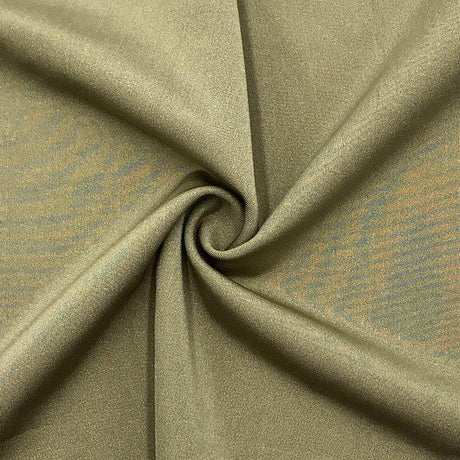
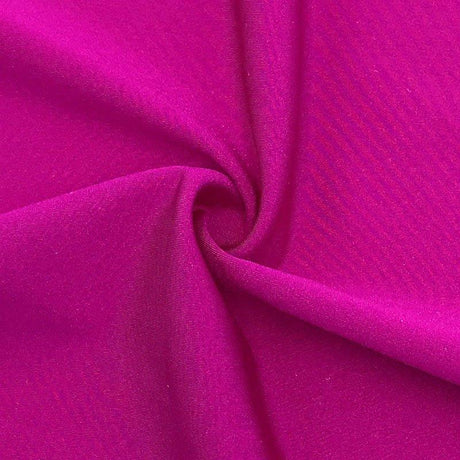
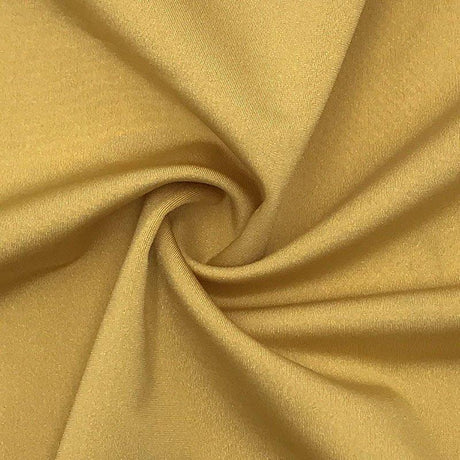
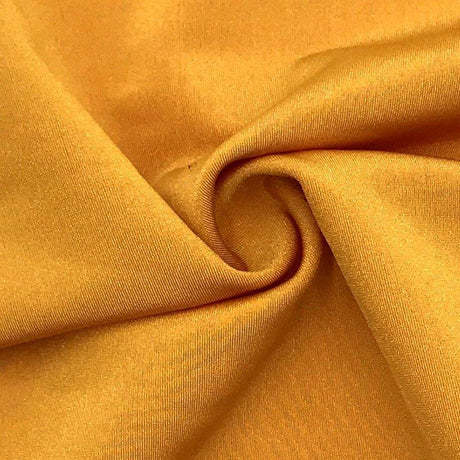
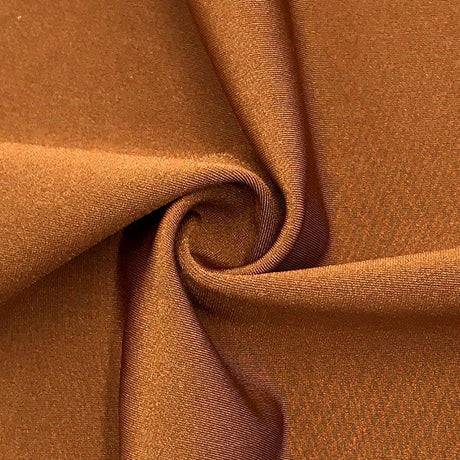
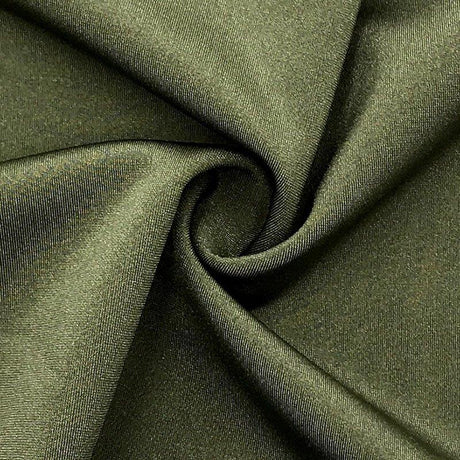
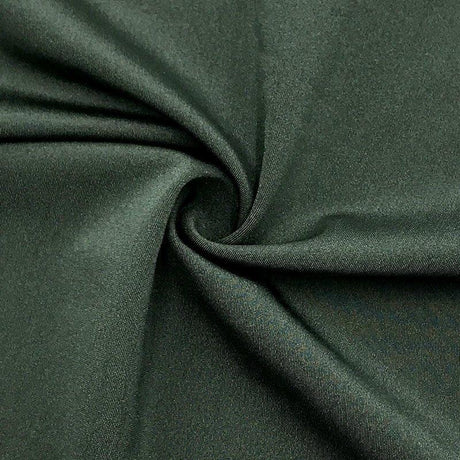
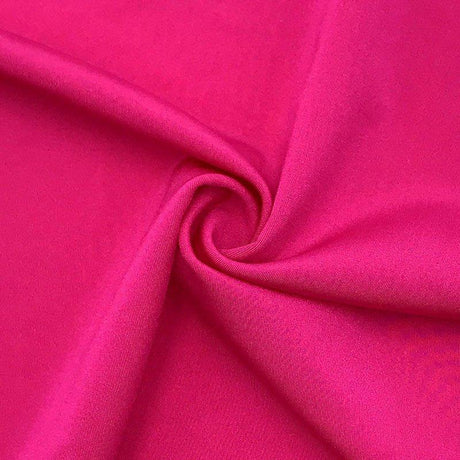
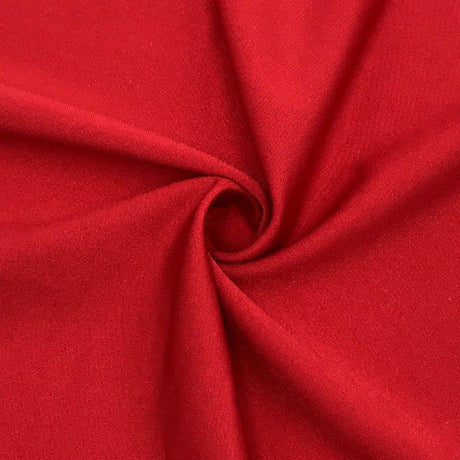
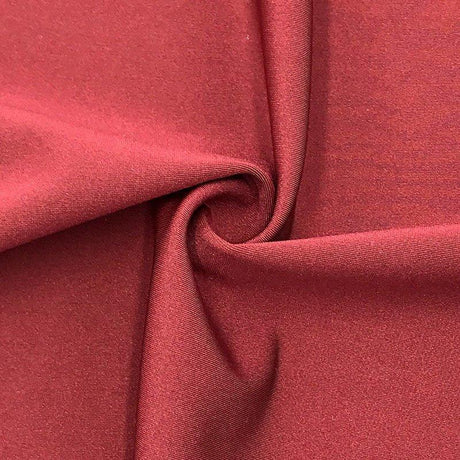
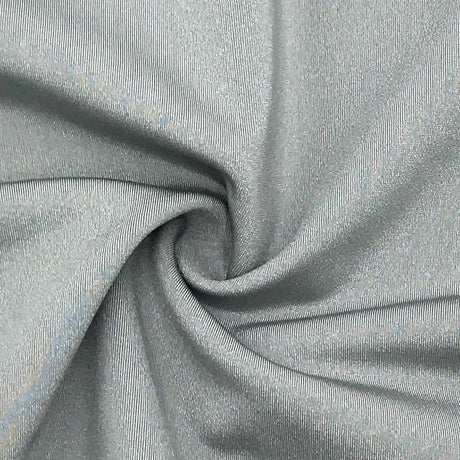
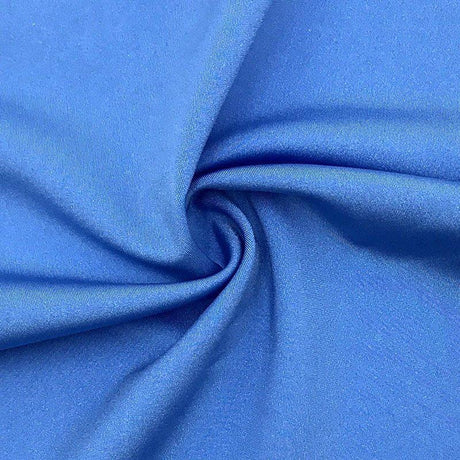
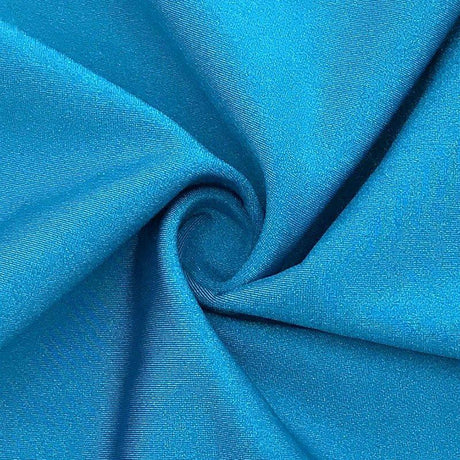
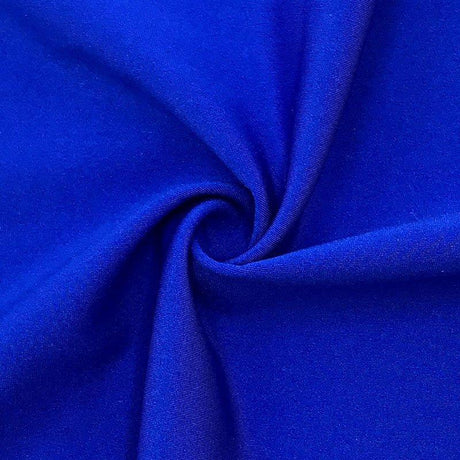
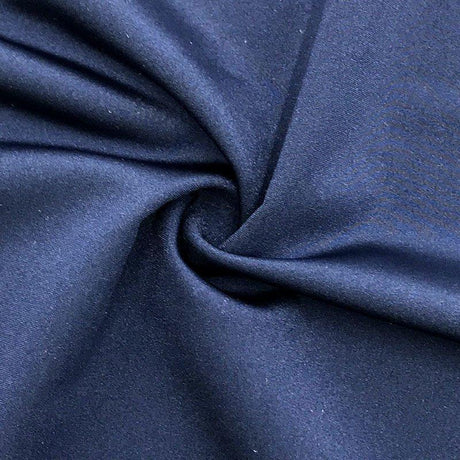
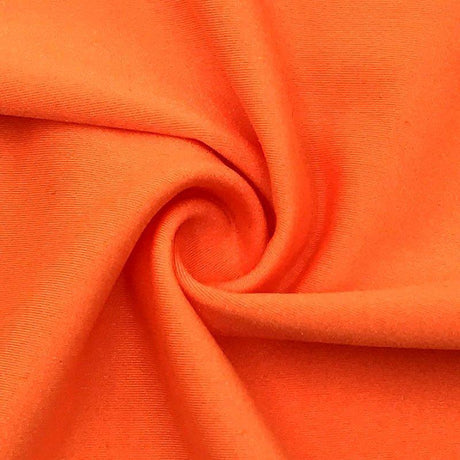
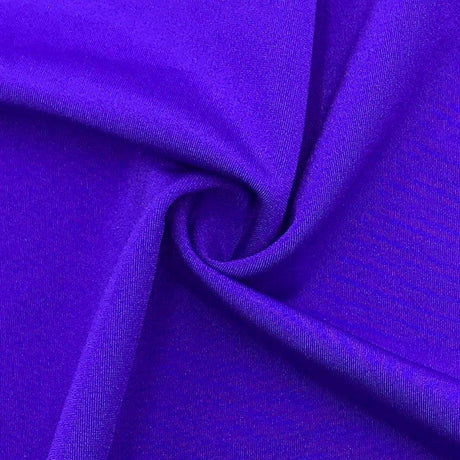
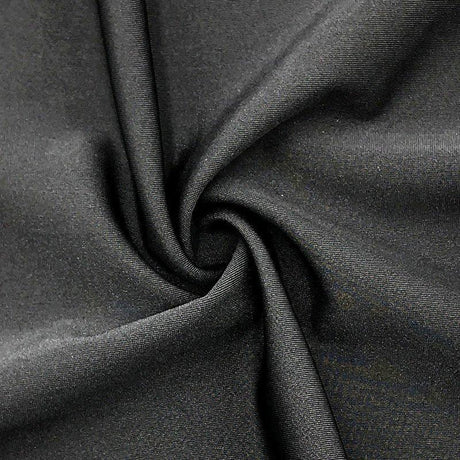
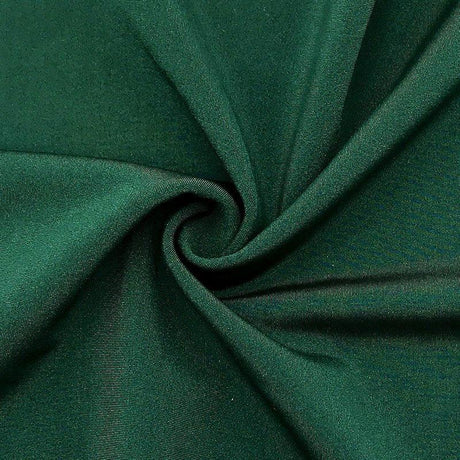
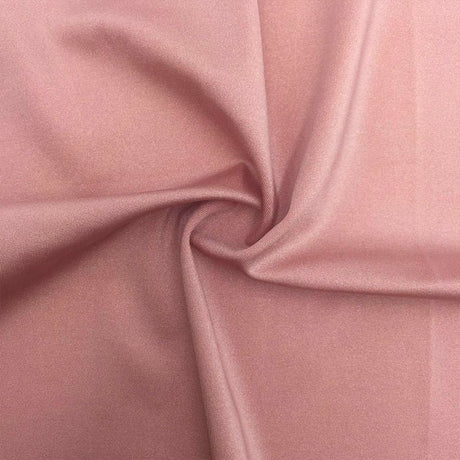
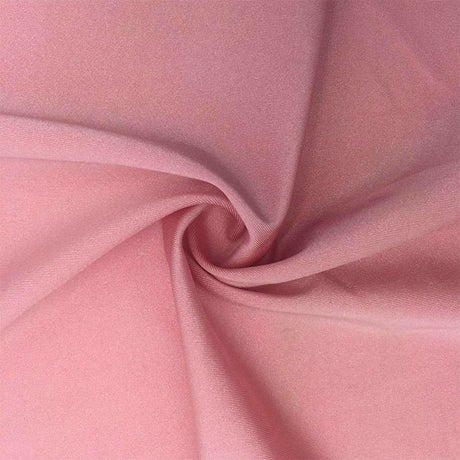
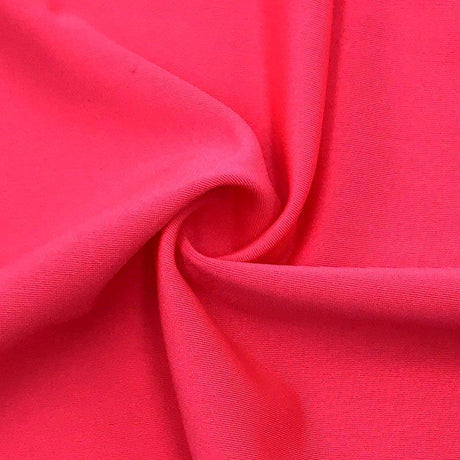
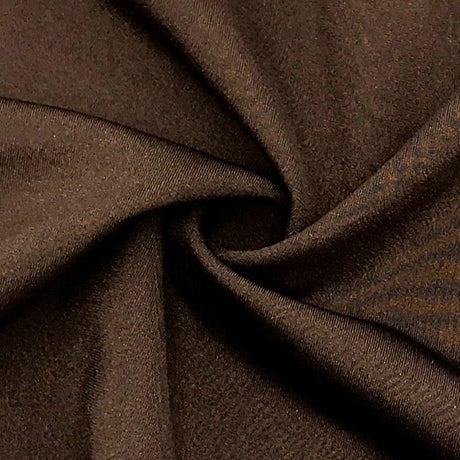
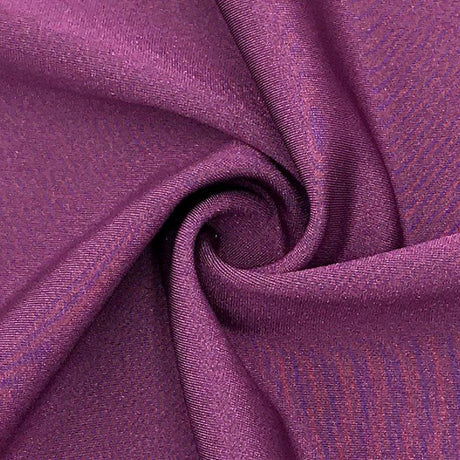
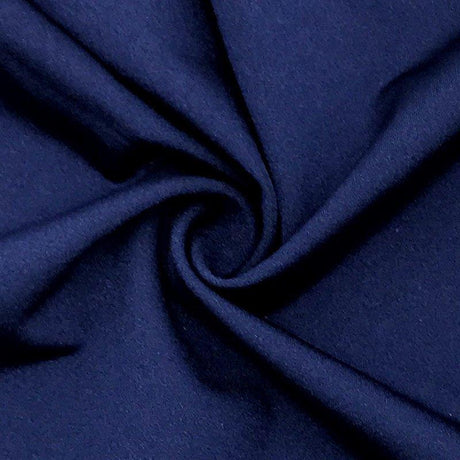
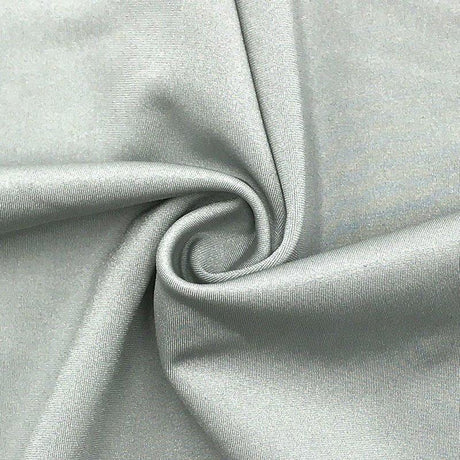
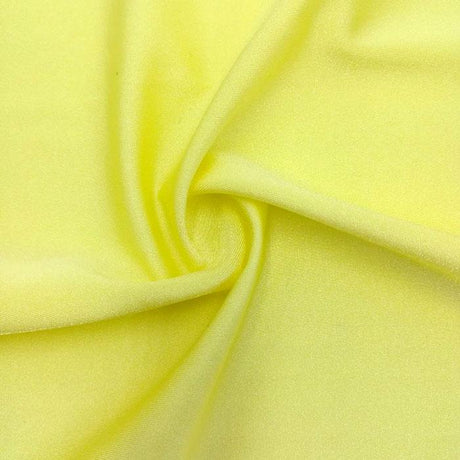
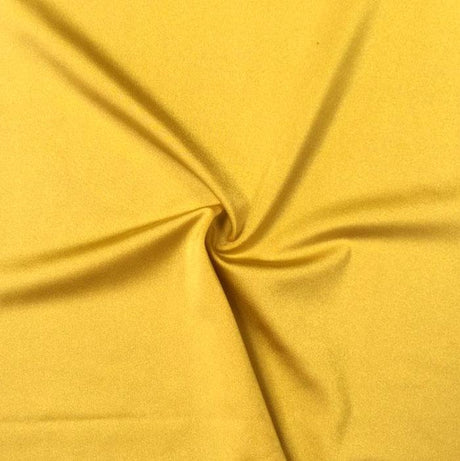
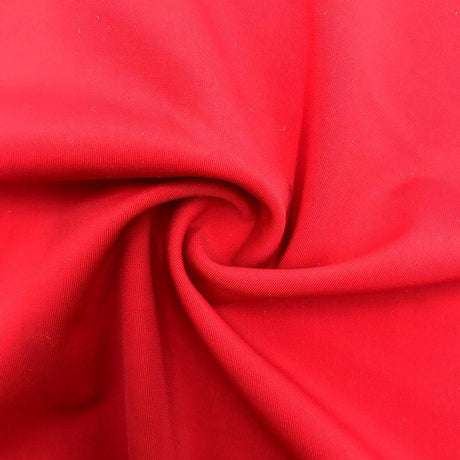
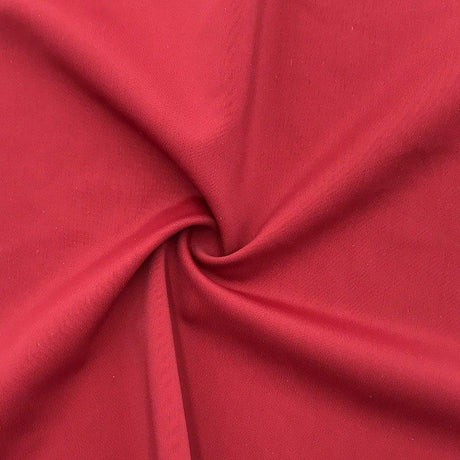
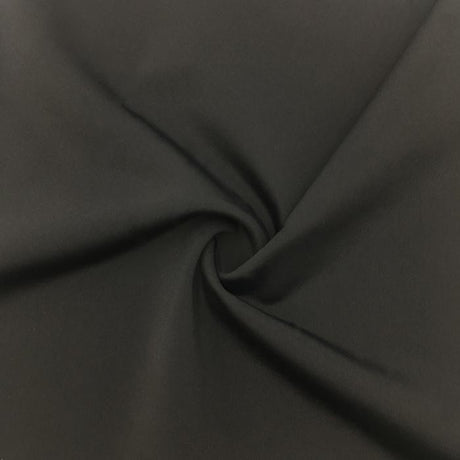
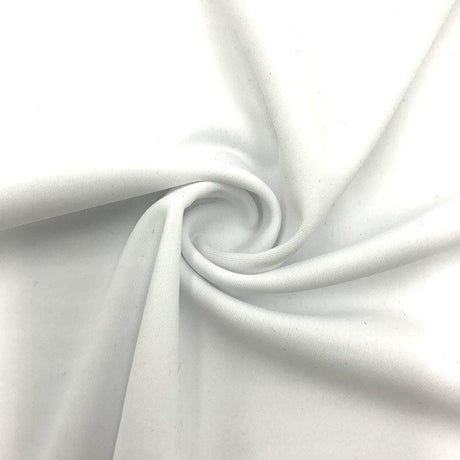
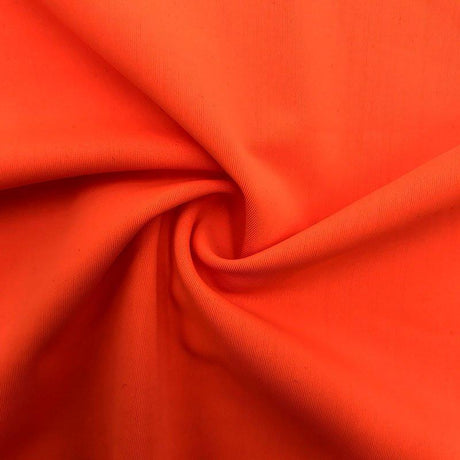
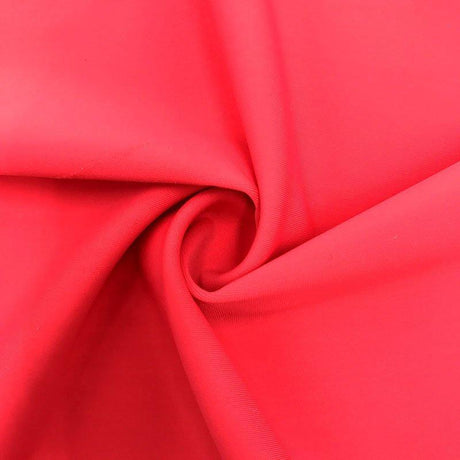
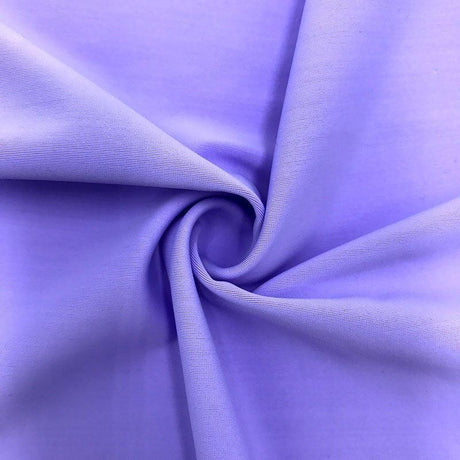
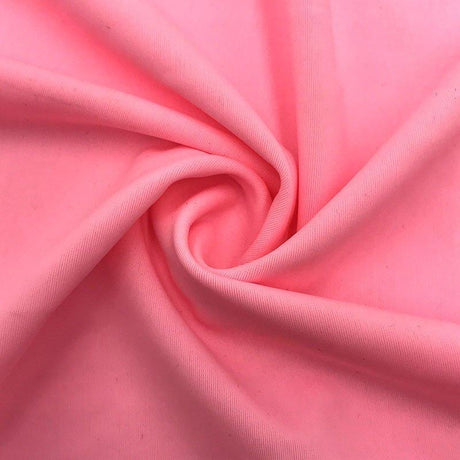
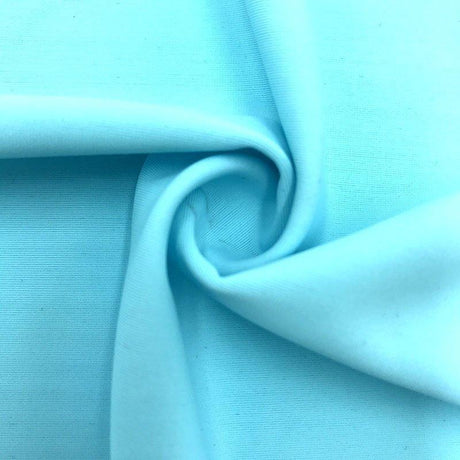
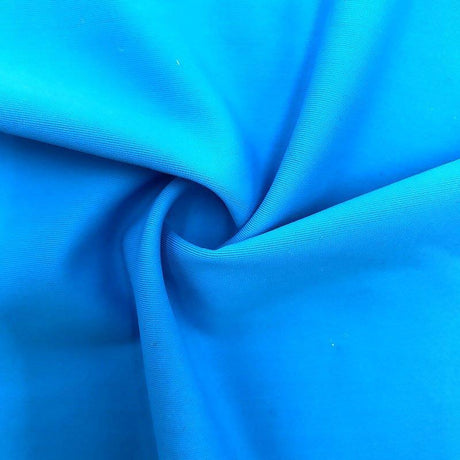
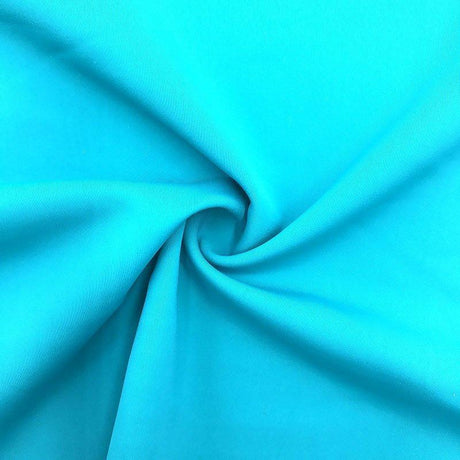
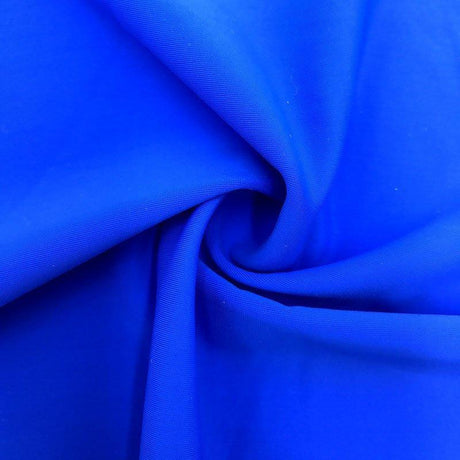
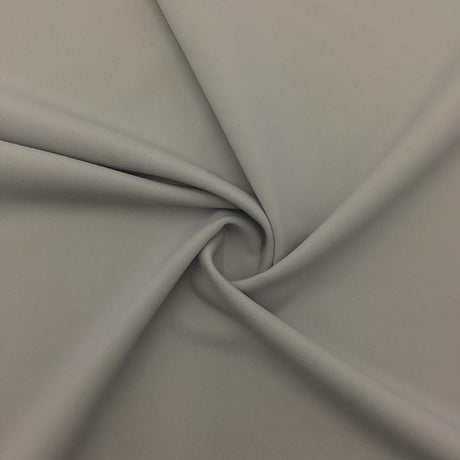
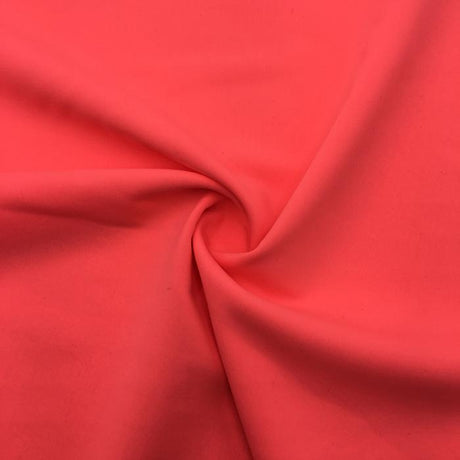
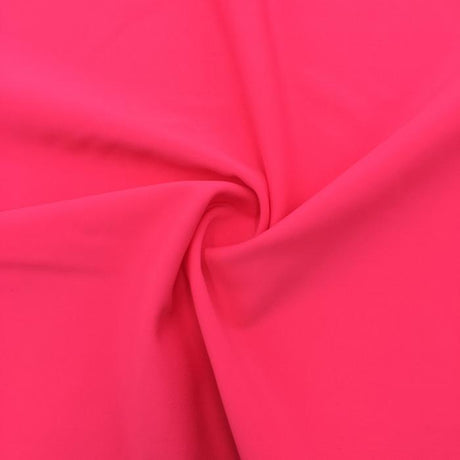
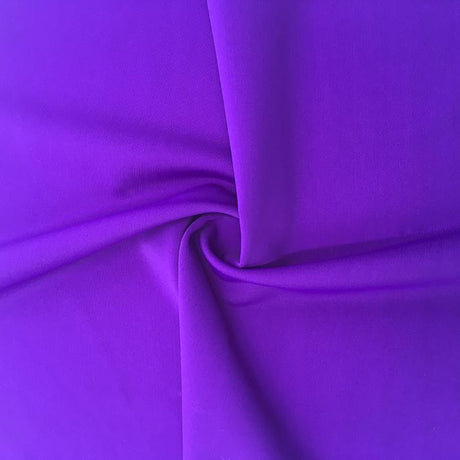
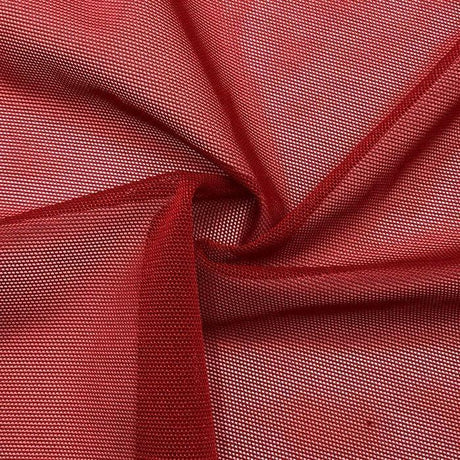
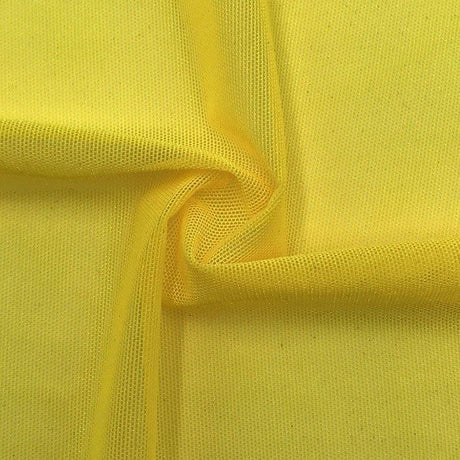
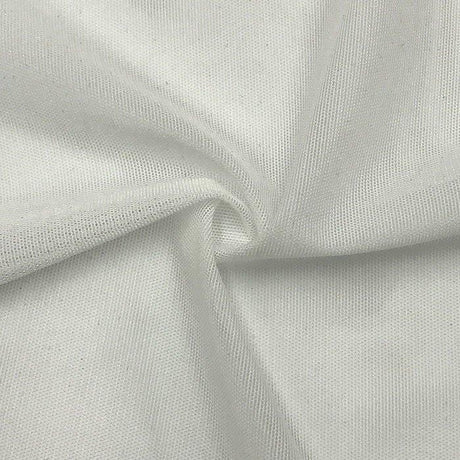
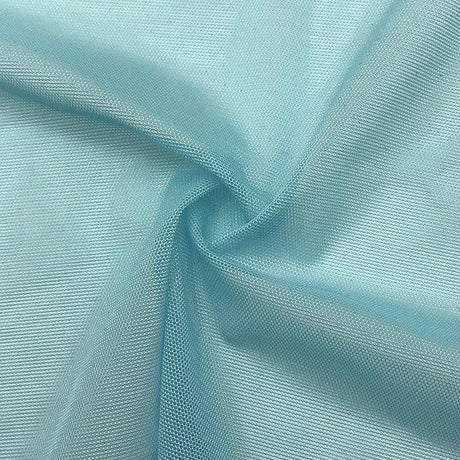
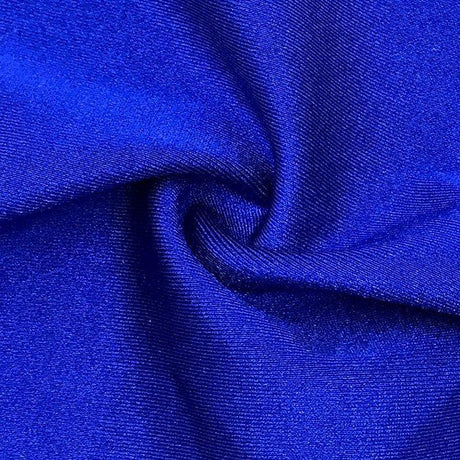
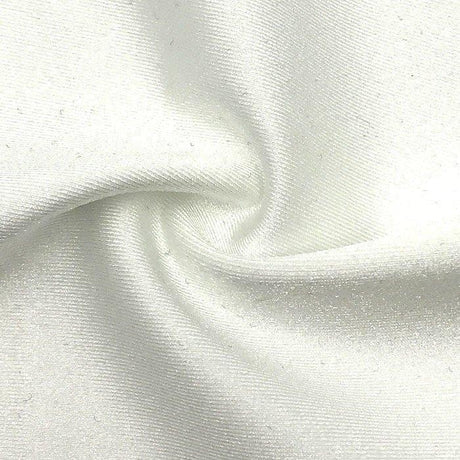
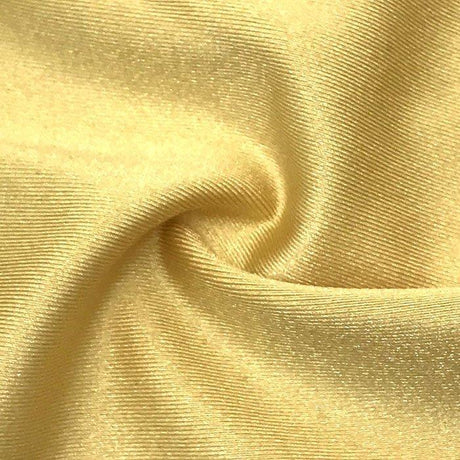
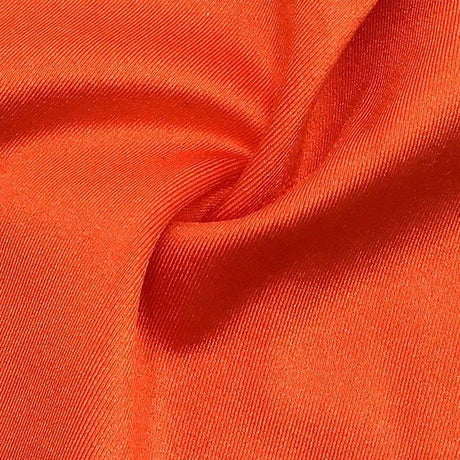
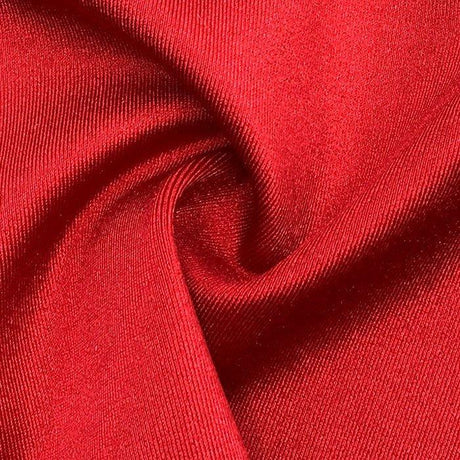
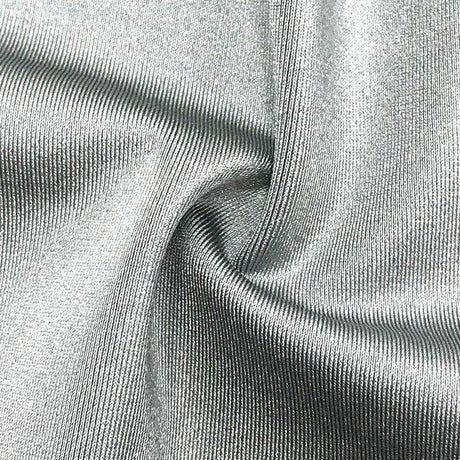
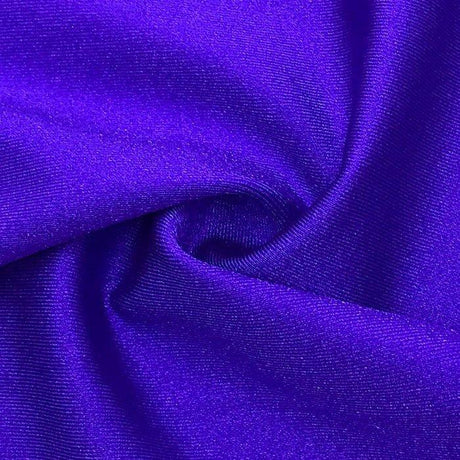
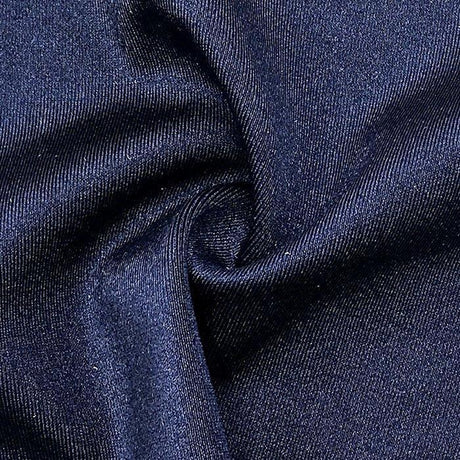
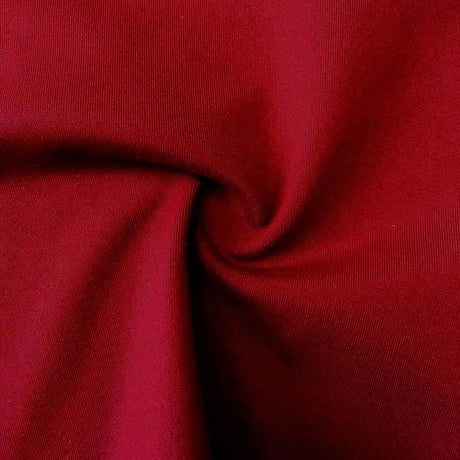
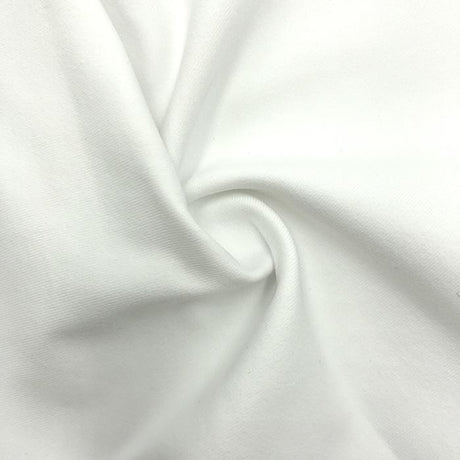
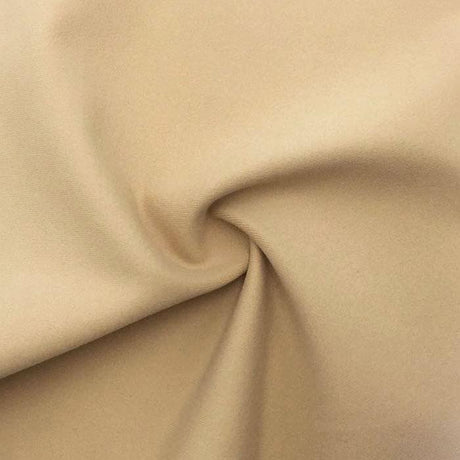
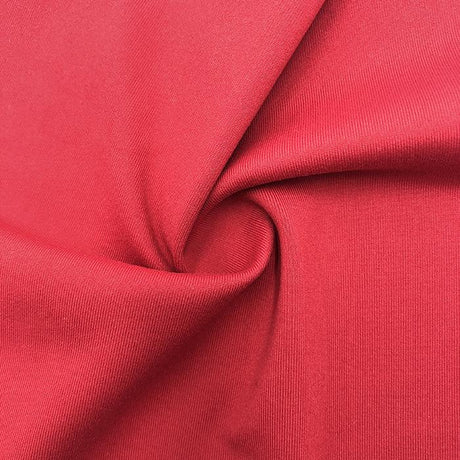
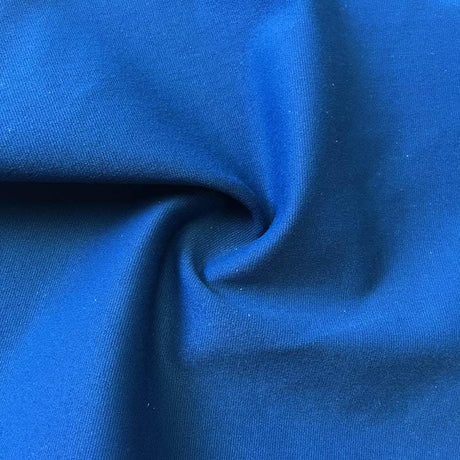
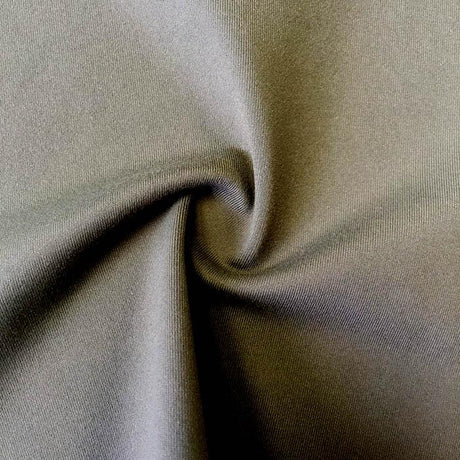
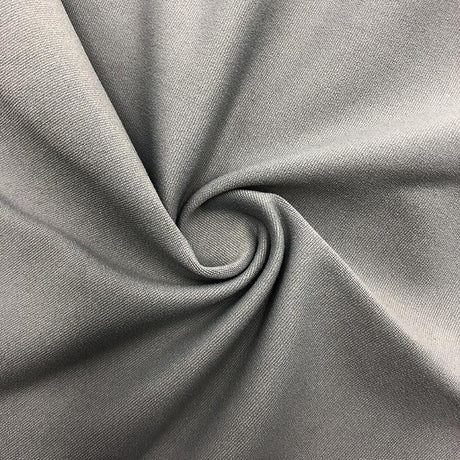
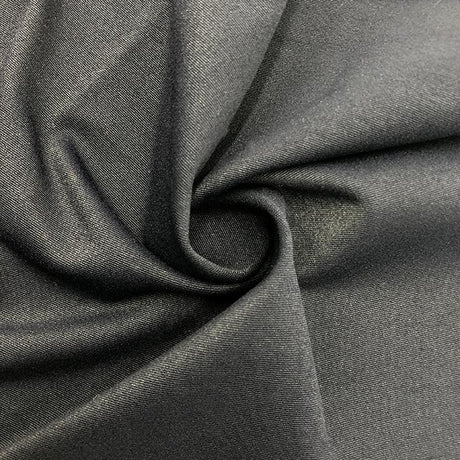
Spandex – known generically as elastane and famously by DuPont's brand name Lycra – is a synthetic fiber that has dramatically shaped the fashion landscape over the past six decades. Renowned for its exceptional elasticity and recovery, spandex can stretch up to five times its original length and snap back without losing shape. From replacing restrictive girdles in mid-century underwear to enabling the body-hugging sportswear and athleisure of today, the spandex history is a story of scientific innovation meeting fashion evolution. For a technical foundation on spandex fiber properties and blend types referenced throughout this history, explore our stretch fabric types page or browse our full fabric guides hub.
Origins in the 1950s: Inventing a Revolutionary Fiber
The tale of spandex begins in the post-World War II research labs of DuPont, where chemists were seeking a better alternative to rubber for women's foundation garments. In 1958, Joseph C. Shivers, a DuPont chemist, successfully developed the fiber that would come to be known as spandex. (The name "spandex" itself was cleverly chosen as an anagram of the word expands.) This new material, a type of polyurethane-based elastomer, could withstand high temperatures and repeated stretching without breaking, unlike earlier elastic threads.
It offered unprecedented stretch and recovery – able to elongate several times its length and return to its original shape – and was more durable than rubber, resisting degradation from body oils, perspiration, and detergents. DuPont initially codenamed it "Fiber K," but chose the brand name Lycra for their proprietary spandex fiber. After patenting the invention in 1958, DuPont introduced Lycra to the public in 1962.
Scientific Innovation: Spandex is a polyether-polyurea copolymer with a segmented structure at the molecular level. Hard segments provide strength, while soft segments let the fiber stretch extensively under tension and then contract. Always used in blends (usually comprising a few percent of a fabric's content), spandex yarns imbue textiles with stretchability and snap-back fit far beyond what natural fibers or rubber could achieve. Our stretch fabric types page covers the full technical profile of how spandex percentage affects stretch, recovery, and compression across all common blend types used today.
1960s: Foundation Garments and the First Fashion Applications
Spandex made its commercial debut in the early 1960s, and its first major impact was on foundation garments – the structured undergarments of the era. At the time, women's girdles and corsetry relied on thick rubber panels to provide shaping, which were hot, heavy, and restrictive. The new Lycra fiber offered a lightweight alternative. By blending spandex into girdles, bras, and pantyhose, manufacturers could create undergarments that smoothed and supported the body with far more comfort and flexibility than before.
Beyond underwear, the stretchy fabric started appearing in fashionable outerwear by the mid-1960s. Style icon Audrey Hepburn helped popularize the idea of sleek, form-fitting stretch pants, becoming one of the first Hollywood stars to embrace the Lycra look. Designers in Europe also began experimenting with the novel elastane: French couturier André Courrèges's futuristic 1960s designs often featured sleek stretch fabrics, and Rudi Gernreich's 1964 monokini relied on elastic knits to stay in place – early signs that spandex was infiltrating even avant-garde fashion.
1970s: From Sportswear to Disco Glam
By the 1970s, social changes and new style trends steered spandex into fresh realms. DuPont astutely repositioned Lycra in the 1970s as the fiber for the emerging fitness and dance movement. This association was cemented at the 1968 Winter Olympics, where the French ski team famously wore sleek, Lycra-based ski suits that demonstrated the performance benefits of spandex – providing athletes with greater range of motion and aerodynamic fit. Throughout the '70s, swimmers, skiers, and cyclists increasingly donned spandex-blend uniforms. Our activewear fabric guide covers how nylon-spandex and polyester-spandex constructions evolved from these early performance applications into the performance activewear market of today.
Dance and exercise fads were simultaneously gaining momentum among the general public. Jazzercise (founded 1969) and disco-era dance studios filled with enthusiasts wearing leotards and leggings made of spandex-knit fabrics. The late 1970s disco trend embraced form-fitting clothing, from slinky spandex disco pants to glittering stretch jumpsuits on the dance floors of Studio 54. Spandex allowed these garments to cling to the body and move with the wearer through every dance step. By the end of the decade, spandex had firmly transitioned from exclusively underpinning garments to being visibly part of outer fashion.
1980s: The Fitness Craze and High Fashion's "Stretch" Embrace
No period showcased spandex's influence quite like the 1980s. Fitness icons like Jane Fonda (with her bestselling 1982 workout videos) and Richard Simmons brought aerobic exercise into living rooms, and brightly colored spandex leotards, leggings, and headbands became an emblem of the era. The trend spilled out of gyms onto the streets: the 1983 film Flashdance popularized leggings with oversized off-the-shoulder sweatshirts as everyday clothing. In the mid-80s, even cycling shorts became a streetwear trend. By 1987, DuPont struggled to keep up with worldwide demand for Lycra, as virtually every apparel category was incorporating it. Our fabric weight guide covers the GSM ranges common in the leggings and activewear that defined this era and how weight affects opacity, compression, and wearability.
The 1980s also saw high fashion designers fully embrace spandex. Donna Karan made the bodysuit a cornerstone of her 1985 "Seven Easy Pieces" collection – sleek, stretchy foundation pieces in neutral colors that could transition from the gym to the office. Azzedine Alaïa, dubbed the "King of Cling," used Lycra blends to craft sculptural, second-skin dresses that celebrated the female form. As one fashion editor noted of this shift: "Women's bodies were now shaping the clothes, rather than clothes shaping the body." Even established houses like Chanel and Yves Saint Laurent eventually worked stretch materials into their designs. By the end of the '80s, the divide between "gym clothes" and fashion was increasingly blurred.
1990s: Mainstream Staple – From Shapewear to Everyday Apparel
If the 1980s proved spandex could be fashionable, the 1990s proved it was indispensable. Sara Lee Corporation launched spandex-rich body-shaping undergarments called "Bodyslimmers," which became hugely popular. This era's shapewear – unlike the stiff corsets of old – was soft, elastic, and meant to comfortably smooth the figure under the clingy fashions of the time. In 2000, a newcomer brand called Spanx would take this concept even further, but the groundwork was laid in the '90s.
Meanwhile, spandex was quietly transforming everyday clothing construction. The first stretch-denim jeans had appeared in the late 1970s, but it was in the '90s that major brands began adding a touch of elastane to denim to create form-fitting but comfortable "stretch jeans." By the mid-90s, slim-fit women's jeans with 1–3% spandex content were ubiquitous, allowing the skinny jean silhouette to gain traction ahead of its 2000s heyday. Our cotton-spandex fabric guide covers how cotton-spandex blends achieve the stretch behavior that made stretch denim and casual stretch apparel possible in this era.
Even traditional tailored clothing started to get a spandex boost – by the end of the decade, retailers were using Lycra blends in men's shirts, pants, and suits to offer a little give and ease of movement. In sports, the 1990s cemented the dominance of spandex in performance attire: from Olympic sprint suits to professional basketball uniforms, virtually every sport switched to body-hugging stretch uniforms for competitive advantage and comfort.
2000s: Stretch Becomes the New Normal
By the 2000s, consumers had come to expect stretch in most of their apparel. The idea of a rigid, non-stretch garment began to feel outdated for everyday wear. One of the decade's defining items, the premium "skinny" jean, would have been impractical without spandex – denim innovators incorporated just enough elastane to make slim jeans comfortable and flattering. Women's wardrobes filled with stretch tees, stretch camisoles, and yoga pants. Spanx (founded 2000) popularized spandex-powered shapewear among a broad consumer base, demonstrating that modern consumers were happy to adopt foundation garments as long as they were comfortable – something only possible because of spandex fibers.
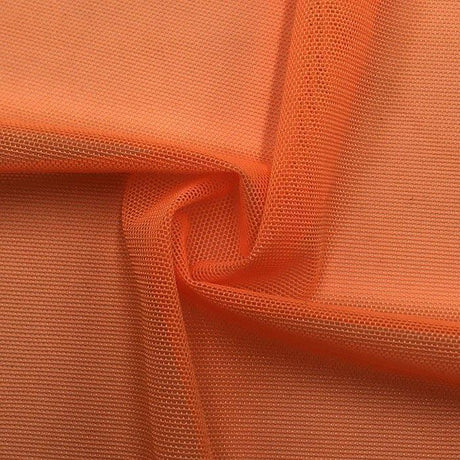
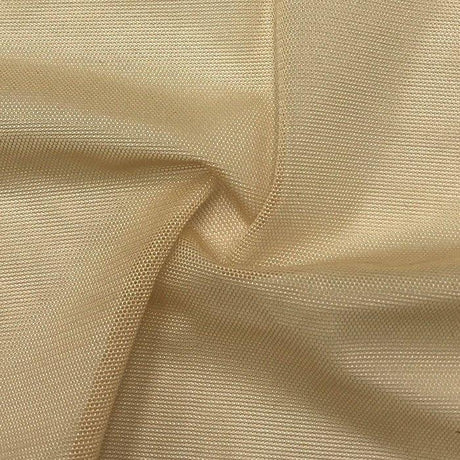
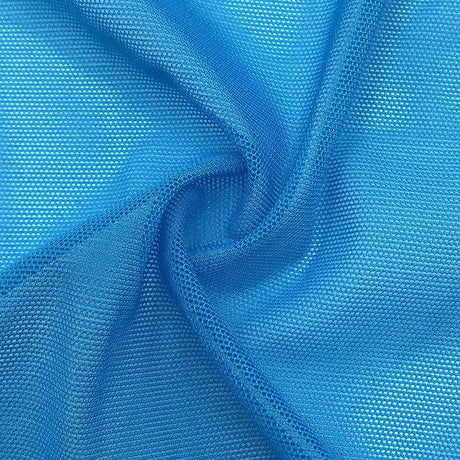
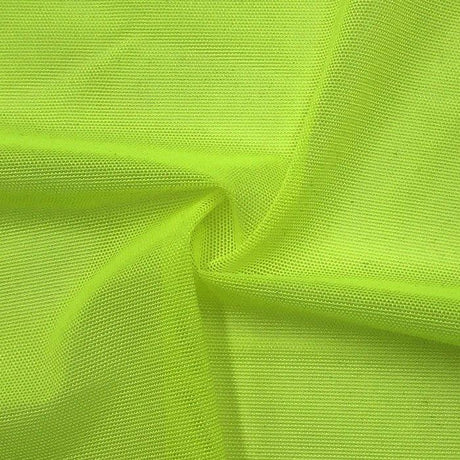
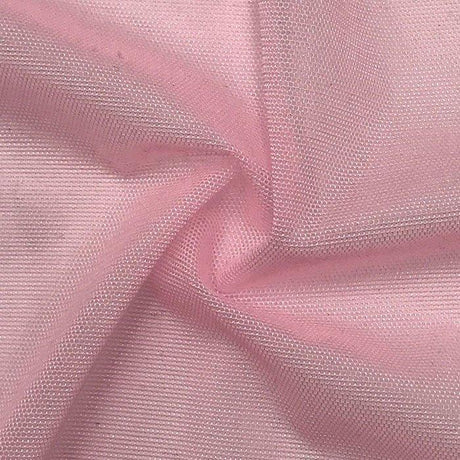
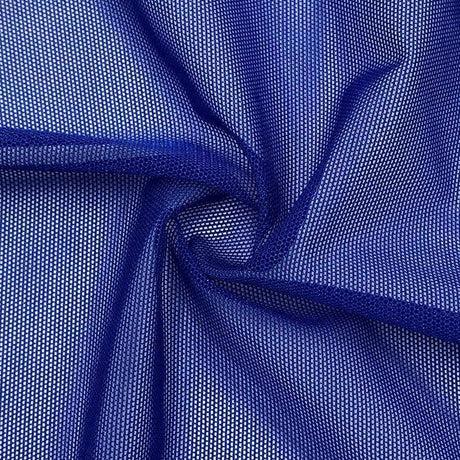
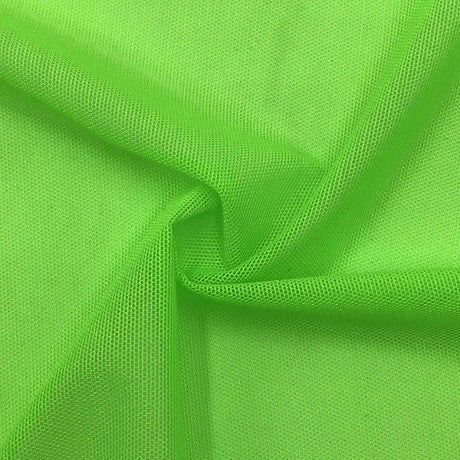
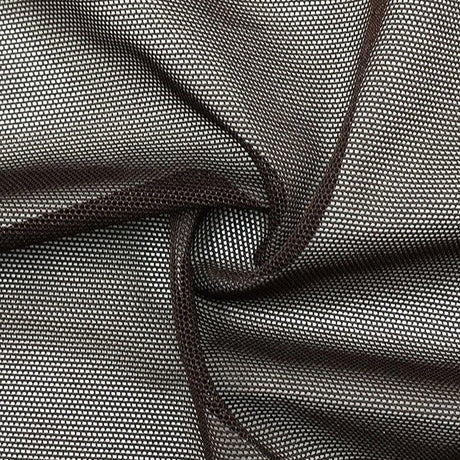
On the high fashion front, designers in the 2000s used stretch fabrics not just for tight silhouettes but also for enhancing comfort in luxury clothing. Evening gowns might hide power-mesh (a strong Lycra mesh) inside to shape the body gently, or a couture silk satin dress might include a few percent elastane for a slight stretch that made walking and sitting easier.
Perhaps the most significant development in the late 2000s was the groundwork for athleisure. Collaborations like Stella McCartney for Adidas (launched 2004) brought designer credibility to performance garments, while sportswear labels like Nike and Under Armour started emphasizing style alongside function. By 2009, it was not unusual to see designer sneakers paired with leggings on a fashion runway, signaling that the strict line between gym clothes and street clothes had all but vanished. Our nylon-spandex fabric guide covers the nylon-spandex constructions that became the industry standard for the performance and athleisure garments that defined this convergence.
2010s: The Athleisure Boom and Modern Innovations
The 2010s cemented spandex as the backbone of contemporary apparel, thanks in large part to the athleisure movement. Yoga pants and gym leggings essentially became the new jeans, worn to brunch, travel, and even casual Fridays at work. As one report noted mid-decade, denim sales actually dipped for the first time in decades as consumers opted for yoga pants and leggings instead. Lululemon, Athleta, Sweaty Betty and countless others exploded in popularity, offering stylish leggings, sports bras, and compression tops that blurred the line between exercise attire and casual wear.
High fashion didn't sit on the sidelines – luxury brands released their own takes on athleisure, and designers like Alexander Wang and Virgil Abloh incorporated sporty spandex pieces such as cycling shorts and unitards into their runway shows. In denim, brands like Levi's and Uniqlo began marketing 4-way stretch jeans with advanced spandex blends that could rebound and hold shape better than ever. By the end of the 2010s, spandex was everywhere: in the lining of a tailored Balenciaga jacket, in a fast fashion retailer's $20 leggings, and even in specialist wearable tech garments. Our dancewear fabric guide and swimwear fabric guide cover the performance-focused spandex innovations of this era in their respective apparel categories.
Runway to Retail: High Fashion vs. Mass-Market Uses
One striking aspect of spandex's journey is how it bridged the gap between elite fashion and everyday mass-market clothing.
High Fashion: Luxury designers have used spandex both subtly and boldly. In many cases, spandex is the invisible ingredient that makes a high-end garment more wearable – for example, a couture sheath dress with 2% Lycra woven into a wool-silk blend, giving just a hint of stretch for comfort. High fashion also embraced spandex in eye-catching ways: Versace's glamorous evening leggings and bodysuits in the '80s, Alaïa's sculpted Lycra dresses, and more recently, brands like Mugler using power-stretch fabrics to create dramatic, body-revealing silhouettes. Our fabric finishes guide covers the matte and shiny surface treatments that gave high-fashion spandex garments their distinctive stage presence.
Mass Market: In everyday apparel, spandex became almost synonymous with fit and convenience. Mass-market brands use spandex primarily to improve the wearability of basics: stretch skinny jeans that accommodate various body shapes, t-shirts that keep their shape wash after wash, and wrinkle-resistant stretch dress pants for office workers. Spandex enabled "easy fit" sizing, where a garment can flatter a wider range of bodies. The result was more affordable clothing that still offered a modern, slim look and comfort. Our how to choose fabric guide covers how to evaluate spandex-blend specifications when selecting fabrics for any point on this spectrum, from mass-market basics to performance apparel.
Design, Production, and Consumer Impact
The integration of spandex has brought notable changes to garment design and production techniques. Designers must account for stretch when crafting a piece – patterns for stretchy fabrics often have negative ease (smaller than body measurements) to ensure a snug fit. Sewing and construction methods evolved to handle elastane; factories introduced new stitches and machinery (like overlock and coverstitch machines) to sew stretch seams that move without breaking. Whole product categories emerged, like seamless knitwear, where circular knitting machines produce spandex-blend garments in near-final shape, a technique impractical without elastic yarn. Our how to sew stretch fabric guide covers the construction techniques, needle selection, and stitch settings that emerged from these production innovations.
For consumers, spandex raised expectations of comfort and fit across the board. Shoppers learned to look for terms like "stretch" or "Lycra blend" on labels, associating them with quality and comfort. It became conceivable to have clothes that both looked tailored or tight and yet felt easy to wear. Spandex's ability to recover shape means garments maintain their look over time – knees in jeans bag out less, knit dresses don't become shapeless sacks after a day's wear – reinforcing a consumer mindset that well-fitting clothes should also be resilient. Our spandex care guide covers how to preserve this elastane recovery through proper laundering so that garments maintain their original performance throughout their lifespan.
Sustainability Concerns and Future Innovations
As spandex ubiquity grew, so too did awareness of its environmental footprint. Traditional spandex is a petroleum-based synthetic that does not biodegrade, and its blending with other fibers can complicate recycling. Even a small percentage of spandex (5% or more in a fabric) can make that textile incompatible with most recycling processes, since the elastic fibers don't easily separate from other fibers. Moreover, like other synthetics, spandex can contribute to microplastic pollution when garments are washed.
The response has been a push for innovations in sustainable spandex technology. In 2022, The LYCRA Company announced a collaboration with Qore – a biotech venture backed by Cargill – to produce Lycra made from renewable resources. By fermenting corn sugar to create a bio-derived chemical called Qira (1,4-butanediol), they can produce a Lycra fiber that is approximately 70% bio-based in content, yet identical in performance to conventional spandex. The first large-scale plant for this bio-based spandex ingredient opened in 2025 in Iowa, aiming to cut the carbon footprint of elastane by nearly half.
Another innovation has been recycled spandex. Lycra's EcoMade line uses pre-consumer recycled content to create spandex with a lighter environmental impact. Researchers and startups are also exploring truly biodegradable or compostable elastane alternatives. Our fabric guides hub covers GRS-certified recycled fiber options and their performance characteristics across activewear and everyday apparel applications.
While these solutions are still in early stages, the fashion industry recognizes that making stretch fabrics sustainable is crucial to its future. The focus is on reinventing spandex rather than eliminating it. In the coming years, we can expect to see more garments marketed with "eco-spandex" or "responsible stretch" components, as well as efforts to design clothing for easier recycling.
Conclusion
The history of spandex in fashion is a testament to how a single material innovation can transform an entire industry. From its humble origins in a DuPont lab aiming to liberate women from uncomfortable girdles, spandex grew to become a cornerstone of modern apparel, synonymous with comfort, fit, and freedom of movement. Each decade saw spandex enabling new trends – the liberated silhouettes of the '60s, the disco and fitness gear of the '70s and '80s, the body-con and shapewear of the '90s, and the casual athleticism of the 2000s and 2010s. It bridged high fashion and street fashion, allowing designers at all levels to explore form and function in unprecedented ways.
Today, it's hard to imagine fashion without spandex. We expect our clothes to adapt to our bodies, an expectation rooted in the stretch revolution that spandex sparked. Looking forward, the challenge for the industry is to continue this legacy of innovation in a sustainable manner – to keep the stretch without the environmental strain. Just as spandex reinvented comfort and style in the 20th century, it is poised to reinvent itself for the 21st.
Ready to explore the materials that define modern stretch apparel? Use our stretch fabric types page to evaluate how spandex percentage affects performance across all common blend types, our nylon-spandex fabric guide and cotton-spandex fabric guide for full blend performance profiles, and our activewear fabric guide and swimwear fabric guide for end-use specific recommendations. Our spandex care guide and fabric care guide will help you preserve every spandex-blend garment at its best. Have questions about specific fabrics or sourcing? Our expert help and advice page and FAQ are always available. Sign up for SpandexByYard Rewards to earn points on every purchase – because the stretch revolution that began in 1958 is still expanding today.