

Selecting the right fabric weight is crucial when designing stretch garments like leggings, swimwear, or dance costumes. Fabric weight is often measured in GSM (grams per square meter), which indicates how much one square meter of fabric weighs. In stretch fabrics (such as those with spandex/Lycra content), the GSM directly affects the garment's feel, support, opacity, and performance. A higher GSM generally means a thicker, more opaque and supportive material, while a lower GSM yields a lighter, more breathable fabric. For a broader foundation before diving in, explore our fabric weight guide or browse our full fabric guides hub.
What is GSM and Why It Matters for Stretch Fabrics
Definition of GSM: GSM stands for grams per square meter, a standard unit for fabric weight or density. It tells you how much a piece of fabric would weigh if you cut a one-meter by one-meter square. Manufacturers determine GSM by cutting a precise sample (often 10cm x 10cm or using a circular cutter) and weighing it, then scaling up to a full square meter. This standardized measure allows easy comparison of fabric heft across different materials.
Significance for stretch fabrics: In spandex-blend textiles (e.g. nylon-spandex or polyester-spandex knits), GSM is a key indicator of how the fabric will perform. Heavier GSM fabrics tend to be thicker, more opaque, and more supportive, offering greater compression and hold. Lighter GSM fabrics are thinner, more translucent, and drape more fluidly, prioritizing flexibility and airiness over support. Two fabrics may both contain spandex, but if one is 300 GSM and another 150 GSM, they will feel and behave very differently. Our fabric weight guide provides a full breakdown of GSM ranges and how weight affects opacity, compression, breathability, and durability across all common spandex-blend constructions.
How GSM is measured: Cut a small sample of known dimensions – commonly a 10 cm x 10 cm square – and weigh it in grams. Multiply the sample's weight by the appropriate factor to scale up to a full square meter (for a 10×10 cm sample, multiply by 100). For example, if a 10×10 cm swatch weighs 2.5 grams, the fabric is 250 GSM (2.5g × 100). Industry professionals use dedicated GSM cutters and gram scales for accuracy.
How GSM Affects Stretch Fabric Performance
Different GSM levels will significantly impact a stretch fabric's properties.
Feel & Drape: Low-GSM fabrics feel lightweight and often have a soft, fluid drape. In contrast, higher GSM fabrics feel more substantial and structured. A heavy-weight spandex knit will be thicker and stiffer, with less fluid drape, but it provides a firm, supportive hand.
Stretch & Support: A heavier spandex fabric will offer stronger support and compression. High GSM fabrics have more material per area, meaning they resist stretching and "snap back" with more force, providing a supportive, hugged-in feel. This is ideal for compression leggings or shapewear. Lighter GSM fabrics stretch more easily and feel less restrictive, but they also provide minimal support. (Note that elastic fiber content also plays a role: a 250 GSM fabric with 20% spandex will be more compressive than a 250 GSM fabric with only 5% spandex.) Our stretch fabric types page covers how spandex percentage and knit construction interact with GSM to determine compression level and recovery ratings across all common constructions.
Opacity & Coverage: GSM is a major factor in whether a stretch fabric is opaque or see-through. Lower-weight fabrics are often semi-sheer when stretched; many lightweight knits (under ~150 GSM) can become transparent over curves or when pulled taut. Higher GSM fabrics are typically more opaque. If modesty is a concern (for leggings, swimwear, etc.), choosing a higher GSM or a denser construction is crucial.
Breathability: Lightweight stretch fabrics generally allow more airflow and tend to be cooler to wear. Heavyweight stretch fabrics (high GSM) can run warmer since the knit is dense and there's more fiber mass insulating the body. For hot weather activewear or dance costumes, a lower GSM improves breathability. Our activewear fabric guide covers how GSM interacts with fiber type to determine breathability and moisture management across different activewear fabric constructions.
Durability: A higher GSM fabric will generally be more durable and long-lasting. With more fibers packed in, heavy fabrics resist wear and tear, abrasion, and repeated stretching better than flimsy lightweight fabrics. If a garment will undergo frequent washing or high strain, a higher GSM ensures greater longevity. Our nylon-spandex fabric guide covers how nylon-spandex constructions achieve high durability at mid-range GSM values.
Moisture and Warmth: Heavier fabrics can absorb or hold slightly more moisture simply due to more material, and provide more warmth or insulation – useful for winter running tights or scuba-knit dancewear. Lighter fabrics dry quickly and feel cooler, advantageous for sweat-wicking summer workout gear.
In summary, low GSM yields a lightweight, breathable, but less supportive garment; high GSM yields a sturdy, opaque, supportive garment at the cost of some breathability and drape.
GSM Categories for Spandex-Blended Fabrics
Lightweight Spandex: Approx. 120–180 GSM. These fabrics are thin, highly breathable, and often have a very soft or silky hand. They prioritize stretch and comfort over coverage and may be slightly sheer, especially in light colors or when stretched.
Uses: Best for sheer or layered applications – stretchy linings, dancewear overlays, lightweight lingerie or hosiery, and base-layer tops. Our dancewear fabric guide covers how lightweight mesh and overlay fabrics in this GSM range are used in performance costuming applications.
Mid-Weight Spandex: Approx. 180–250 GSM. This is the "sweet spot" for many stretch fabrics. Mid-weight spandex knits strike a balance between comfort and support: they are generally opaque, with solid coverage, yet still reasonably breathable and flexible.
Uses: Ideal for everyday activewear and athleisure, such as yoga pants, standard leggings, sportswear tops, and sports bras. Mid-weight fabrics are also common in casual dresses or skirts that need stretch. Our activewear fabric guide covers mid-weight polyester and nylon-spandex constructions for this range of applications.
Heavyweight Spandex: Approx. 250–400+ GSM. These are substantial, thick stretch fabrics with high density. Heavyweight spandex textiles are very opaque and offer excellent compression and support. They tend to have a firm stretch (significant resistance) and strong recovery, snapping back into shape easily.
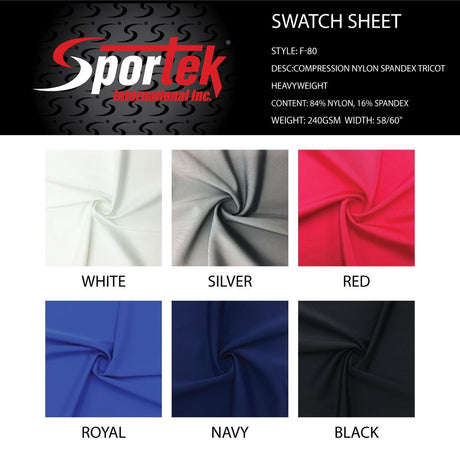
Uses: Suited for high-performance and support garments – compressive running or cycling tights, wrestling singlets, structured dancewear bodysuits, swimwear, and medical-grade compression garments. Our swimwear fabric guide covers how heavy-weight nylon-spandex tricot constructions in this range achieve the opacity, chlorine resistance, and shape retention needed for competitive swimwear.
Recommended GSM Ranges by Garment Type
Leggings and Yoga Pants: For standard leggings or yoga pants, a mid-weight fabric (~180–250 GSM) is usually best. At ~180–200 GSM, you get that "second skin" feeling ideal for yoga. Higher GSM towards 220–250 is common for "squat-proof" leggings meant for the gym, ensuring they aren't see-through and have a bit more compression. If you want a more structured legging (jeggings or pants that mimic denim), you might go 250+ GSM with a dense knit. Our activewear fabric guide covers GSM recommendations for different legging applications from casual yoga to high-performance gym wear.
High-Impact Athletic Wear & Sports Bras: For running tights, compression shorts, high-intensity training wear, and sports bras, lean towards mid to heavyweight spandex fabrics. Typically 220–280 GSM is ideal. The higher weight provides the necessary muscle support and reduces bounce or vibration during exercise. Serious athleticwear benefits from a spandex GSM on the higher end of the mid-weight category, balancing stretch with firmness.
Swimwear (Swimsuits, Surf Wear): Stretch fabrics for swimwear are typically heavyweight for their category – usually in the 250–320 GSM range. A heavier spandex GSM is necessary for swimsuits to ensure opacity and shape retention, especially when the fabric is wet. Swimwear fabrics around 200–250 GSM are common for fashion swimwear, often paired with an inner lining layer. For competitive or high-end swimwear, weights can reach 280–300 GSM to provide compression and streamline the body. Our swimwear fabric guide covers these GSM ranges and how they interact with chlorine resistance and UV protection across nylon-spandex and polyester-spandex swim fabric constructions.
Shapewear and Compression Garments: Shapewear demands a high GSM because it needs powerful stretch recovery and compression. Fabrics in the 200–300 GSM range are typically used. Heavyweight spandex blends are ideal for shapewear, as they provide strong resistance to stretch and won't easily become sheer even when significantly expanded. Serious compression garments will push toward 300–400 GSM with specialized knit structures.
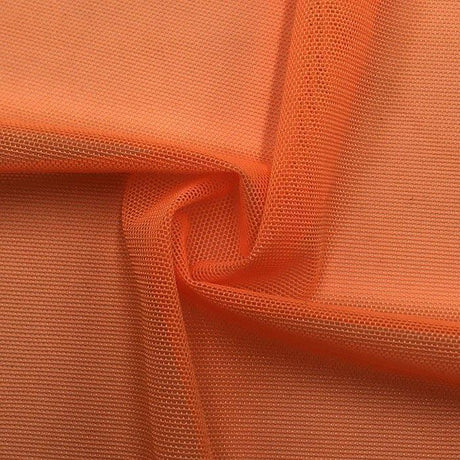
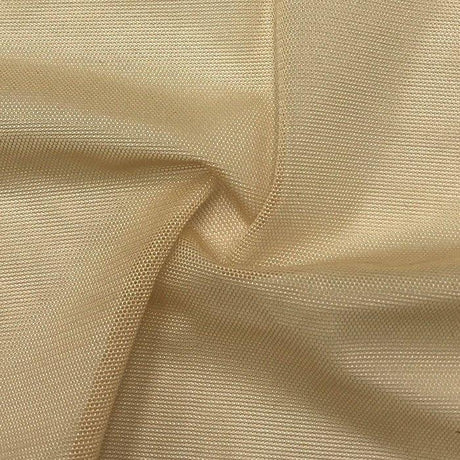
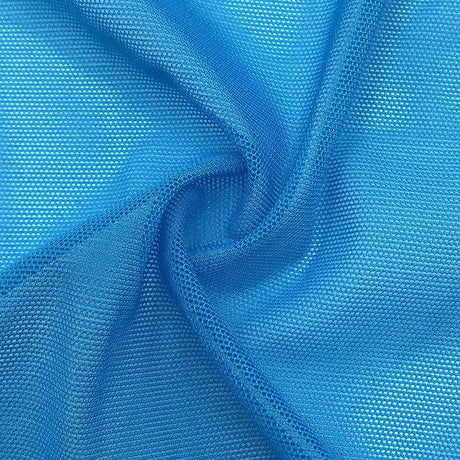
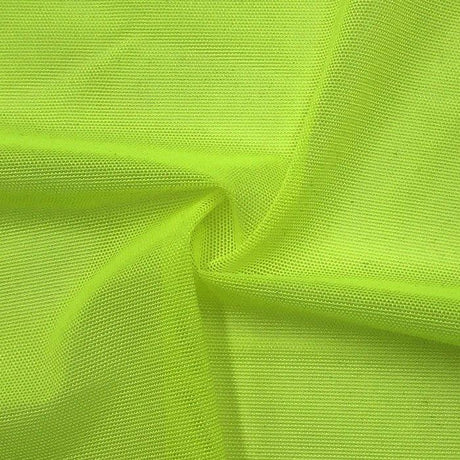
Undergarments and Lingerie: For everyday underwear, stretchy bras, or lingerie, the fabric weight is usually on the lighter side (around 100–180 GSM). Comfort and soft drape are the priorities here, so fabrics are chosen to be very pliable and breathable. Many stretchy lace or mesh lingerie fabrics fall in the 80–150 GSM range.
Dancewear: Practice dancewear or leotards often use medium-weight fabrics (~180–220 GSM) to strike a balance between movement and durability. Performance dance costumes can vary widely: some use lightweight stretch fabrics for flowing skirts or draped costumes (e.g. a lyrical dance dress might use 120 GSM stretch mesh layers), while others require heavyweight spandex for structured, athletic looks (e.g. acrobatic or cheer dance bodysuits using 250–300 GSM for maximum compression). Our dancewear fabric guide covers GSM recommendations across all dance genres and costume types.
Costume and Performance Fabrics: Costumes can utilize any GSM that achieves the desired effect. Many theatrical and cosplay costumes use medium-weight (180–250 GSM) spandex as a base, then build structure via added layers or interfacing. The key question: do I need a heavier knit so it's not see-through under stage lights, or can I use a lighter fabric but line it?
| Garment Type | Typical GSM Range | Characteristics & Rationale |
|---|---|---|
| Leggings (casual/yoga) | 180–220 GSM | Light to mid-weight for "second skin" comfort, full flexibility, and sufficient opacity for stretching poses |
| Leggings (performance) | 220–280 GSM | Mid-heavy weight for gym or running leggings that are opaque and provide mild compression |
| Sports Bras & Compression Shorts | 220–300 GSM | High GSM to deliver firm support; thick, strong fabric minimizes bounce and retains shape |
| Swimwear (Swimsuits) | 250–320 GSM | Heavyweight warp-knit fabrics to maintain shape when wet; very opaque and snug |
| Shapewear | 200–300 GSM | Heavy, high-compression knits for body-shaping effect; strong recovery |
| Everyday Undergarments | 100–180 GSM | Lightweight for comfort and breathability; smooth under clothing |
| Dancewear (Leotards) | 180–220 GSM | Medium weight for balanced stretch and coverage |
| Costumes | Varies: 150–300 GSM | Chosen per design; often layers of different GSM fabrics are combined |
Testing and Comparing Fabric GSM in Practice
When you receive fabric samples or are evaluating materials, it's wise to test the GSM yourself.
- Cut a sample – Use a small piece with a known area. A 10 cm x 10 cm square is exactly 1/100th of a square meter, which simplifies calculations.
- Weigh the sample – Place it on a gram scale. Ensure the scale is tared (zeroed) and sensitive enough for a few grams.
- Calculate GSM – Multiply the sample's weight by 100 (for a 10×10 cm sample). For example, 3 g × 100 = 300 GSM.
- Compare to specs – Compare this measured GSM to the supplier's specs or to other fabrics. If a supplier claimed 280 GSM and your test shows 220 GSM, that's a red flag.
Technical tip: If you don't have a precise scale handy, you can estimate GSM by comparing fabrics of known weight – but using a scale is the professional approach for accuracy. Always pair GSM testing with stretch testing and opacity testing. Our stretch fabric types page covers the step-by-step stretch and recovery testing methodology that should accompany GSM verification when evaluating a new fabric.
Fiber Content, Knit Structure, and Layering Considerations
While GSM is a crucial metric, fiber content and knit construction also play big roles in how a stretch fabric behaves.
Fiber Content (Nylon vs. Polyester Spandex): At an equivalent GSM, nylon-spandex fabrics tend to feel a bit smoother and sometimes "lighter" in drape, even if they are very strong. Nylon is generally softer and more durable in terms of abrasion resistance, and it has natural moisture-wicking ability. Polyester-spandex fabrics are typically slightly stiffer to the touch but have advantages like better chlorine resistance, UV resistance, and often a lower cost. A nylon-spandex fabric might achieve the same opacity at a slightly lower GSM compared to a polyester-spandex, because nylon yarns can be strong yet fine. Our nylon-spandex fabric guide covers how nylon and polyester companion fibers compare in hand feel, moisture management, and durability across equivalent GSM ranges.
Knit Style (Jersey, Interlock, Tricot): The knit construction impacts how the GSM translates to performance. Single jersey is a single-layer knit that tends to be lightweight and has significant stretch. Interlock knit is essentially two jerseys knitted together – a double-faced, thicker fabric that feels more stable and opaque than a jersey at the same weight. A 180 GSM interlock might have the coverage similar to a 220 GSM single jersey because interlock is inherently more dense. Tricot knit is a warp-knit often used in swimwear and lingerie, known for a smooth, somewhat lustrous face. Heavier tricots (250+ GSM) are used for competition swimwear or compression wear. Our stretch fabric types page covers all four common knit structures and how they affect stretch, opacity, and performance in activewear applications at equivalent GSM ranges.
Layering and Lining: In stretch garments, layering is a technique to get the desired effect without a single fabric doing all the work. A swimsuit might use a shell fabric of 200 GSM and a lining of 100 GSM, effectively giving the wearer ~300 GSM of combined coverage in critical areas. When layering, the effective GSM (in terms of what the wearer feels or how opaque it looks) is higher than each layer alone. Be cautious with layering different GSM fabrics – the stretch properties should be compatible (a super stretchy light layer might get restricted by a heavy low-stretch layer). Always test layered swatches together. Our how to sew stretch fabric guide covers construction techniques for attaching and aligning layers of different GSM and stretch properties.
Sourcing Fabrics by GSM: Questions to Ask and Avoiding Pitfalls
Confirm the Numbers: Always verify the GSM with the supplier, and ask how it was measured. Some suppliers might list fabric weight in ounces per square yard (oz/yd²) instead – 6 oz/yd² roughly equals 203 GSM. Make sure you're speaking the same language. Our FAQ page covers our own fabric specification documentation and ordering policies, which can serve as a useful reference when evaluating how to request accurate specs from any supplier.
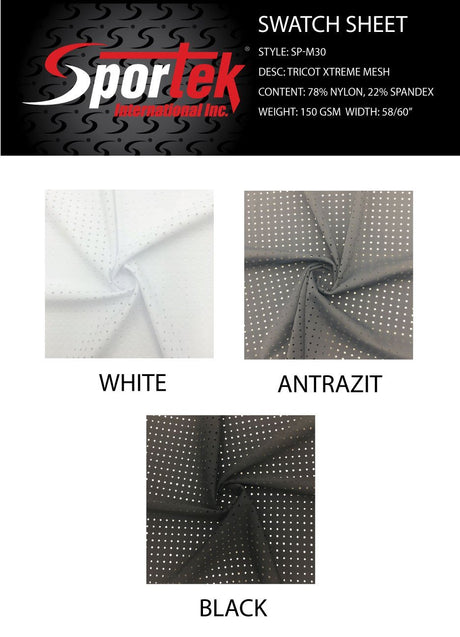
Ask for Swatches: Never rely solely on a GSM number to judge a fabric's quality. Request swatches or sample cards whenever possible. A reputable supplier will understand these requests. If they can't provide a swatch, try to get more details like knit type, spandex percentage, and even a close-up photo. Our how to choose fabric guide covers what to evaluate when a physical sample arrives, including stretch testing, opacity testing, and hand feel assessment.
Inquire About Composition and Finishes: Ask about the fiber blend (nylon vs. polyester content) and percentage of spandex. A 300 GSM fabric that's 5% spandex and 95% cotton will behave differently from a 300 GSM fabric that's 25% spandex and 75% nylon. Also ask if there are any coatings or finishes (e.g. a PU coating can add weight and change hand feel). Our fabric finishes guide covers the surface treatments and coatings that can affect both GSM measurement and real-world fabric performance.
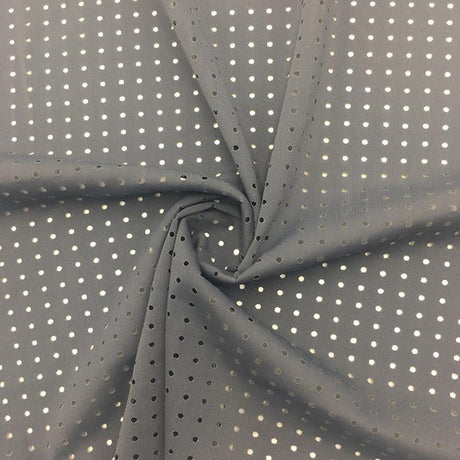
Watch for Misleading Labels: Sometimes the GSM is exaggerated to make a fabric seem higher quality. Cross-check by looking at the typical use: if someone claims a mesh is 300 GSM, that's suspicious because meshes are usually lighter. Use context clues and compare to the ranges discussed above. If possible, measure the swatch yourself on a scale when it arrives to confirm it matches the spec.
Discuss Tolerances: A fabric advertised at 200 GSM might actually be 190 or 210 in a given batch. Ask suppliers what their tolerance is (often ±5% is normal in textiles). Darker colors sometimes end up marginally heavier due to dye absorption.
Opacity and GSM in Sourcing: Ask the supplier for an opacity or stretch test description. When you get a swatch, do your own stretch and light test to ensure the GSM translates to the opacity you need. Our stretch fabric types page covers how to verify stretch, recovery, and opacity at home before committing to a bulk order.
Sample Garment Test: If you can, make a prototype garment with the sample fabric. Sometimes a fabric that seems heavy enough in a small swatch still behaves differently when made into a full garment. Our how to sew stretch fabric guide covers construction techniques that reveal fabric behavior issues during the prototype stage. Have questions about specific fabric specifications or sourcing? Our expert help and advice page connects you with knowledgeable staff, and our FAQ page answers common ordering and specification questions.
Conclusion
Choosing the correct fabric weight (GSM) for stretch garments is a critical decision that affects the comfort, appearance, and performance of the final product. Remember that higher spandex GSM fabrics provide more support, coverage, and durability, whereas lower GSM fabrics offer lightness, flexibility, and a flowing drape. There is no one-size-fits-all answer – a yoga teacher's leggings will have different GSM needs than a competitive swimmer's racing suit or a ballet dancer's costume.
Use the recommended ranges as a starting point, but also consider fiber content (nylon vs. polyester blends), knit construction (jersey, interlock, tricot), and whether you can use layering or linings to achieve the desired effect.
Ready to put this knowledge into practice? Use our fabric weight guide for a full breakdown of GSM ranges across all common spandex-blend constructions, our stretch fabric types page to evaluate how spandex percentage interacts with GSM to determine compression and recovery, and our how to choose fabric guide to build a complete fabric evaluation framework. Our activewear fabric guide, swimwear fabric guide, and dancewear fabric guide provide GSM recommendations specific to each end-use category. Our spandex care guide and fabric care guide will keep every finished garment performing at its best. Sign up for SpandexByYard Rewards to earn points on every purchase – because choosing the right GSM is the foundation of every great stretch garment.


































1 comment
Thank you for this great explanation! Still I wonder. If I’m about to source fabrics for activewear for tennis. In what GSM range should I look for fabrics for A: Tennis shorts (with pockets) and B: T-shirts (basic crew necks).
Would be very happy with an answer!
Best regards
Pelle Lundquist, Stockholm