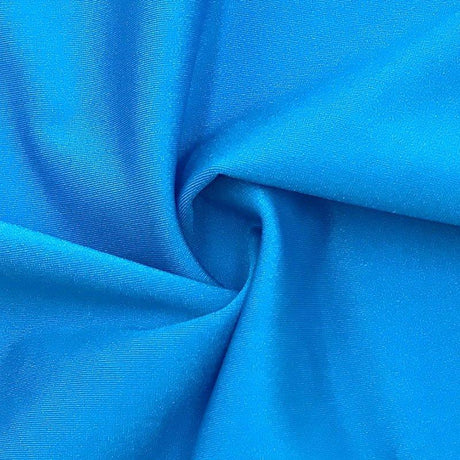
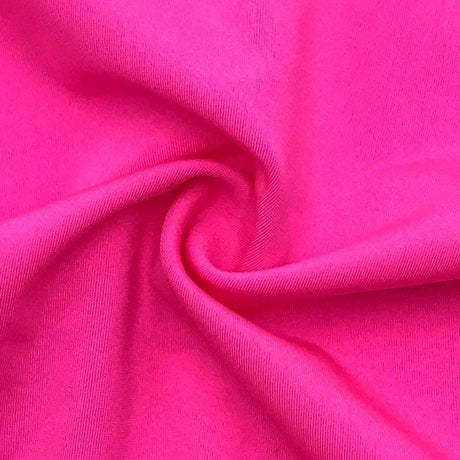
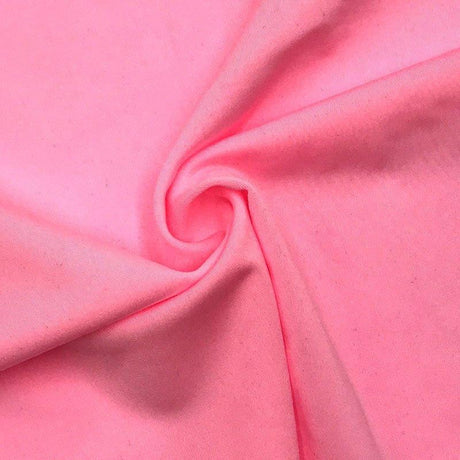
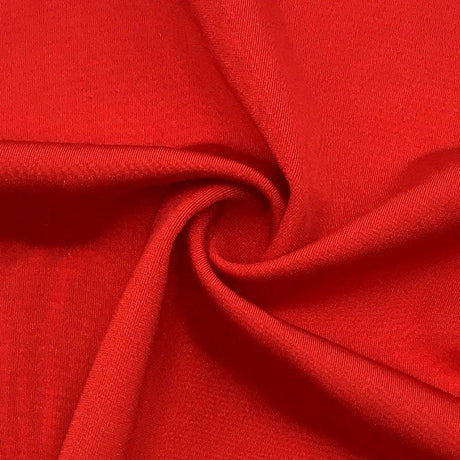
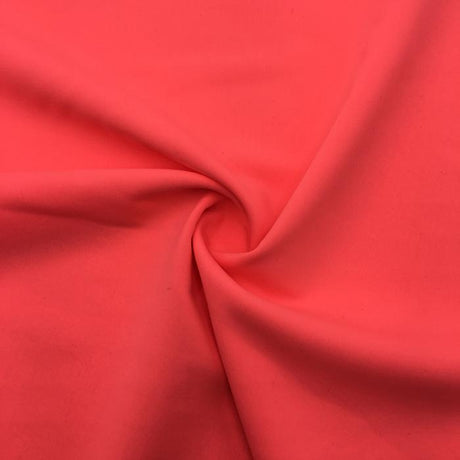
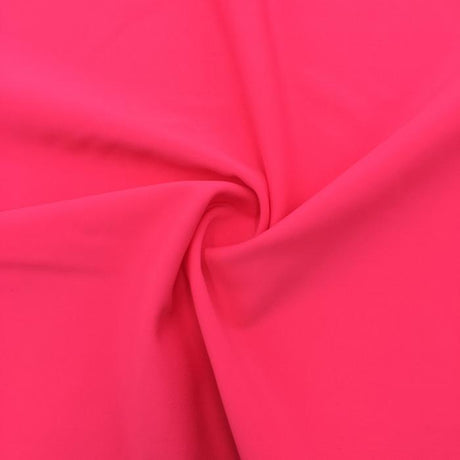
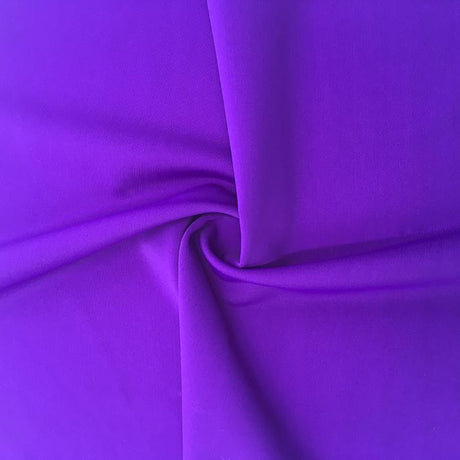
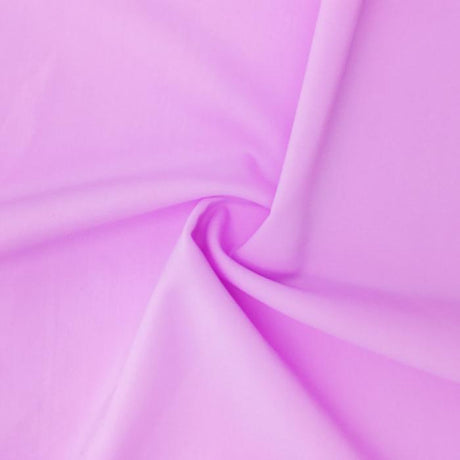
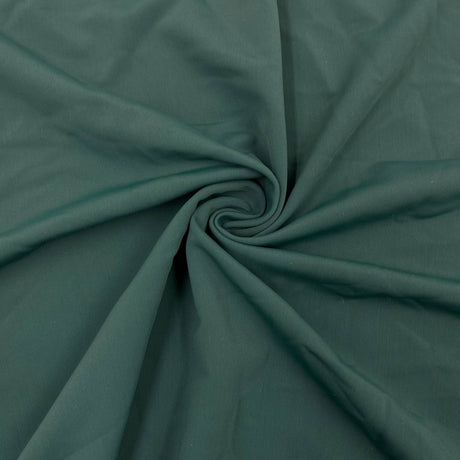
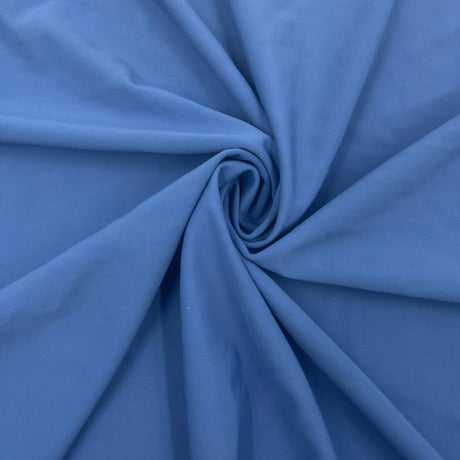
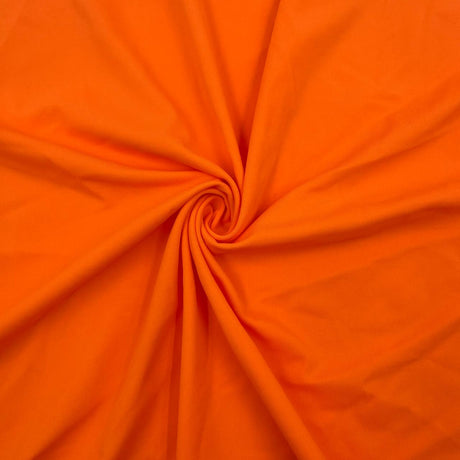
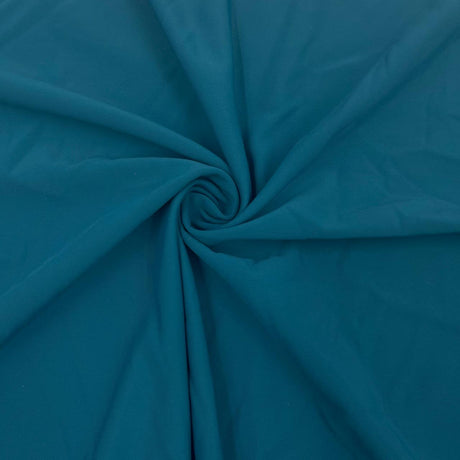
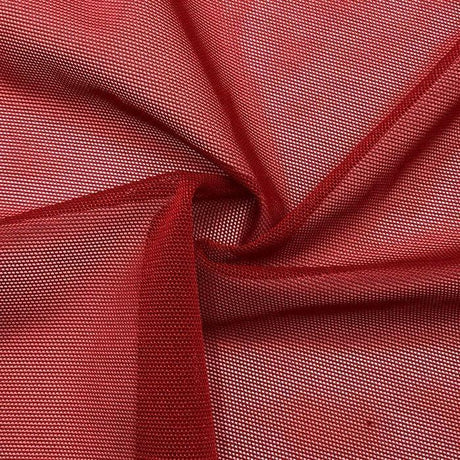
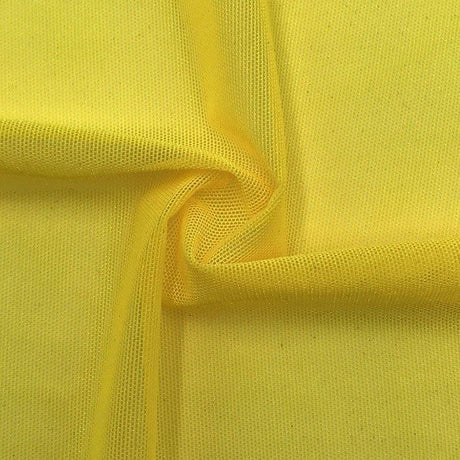
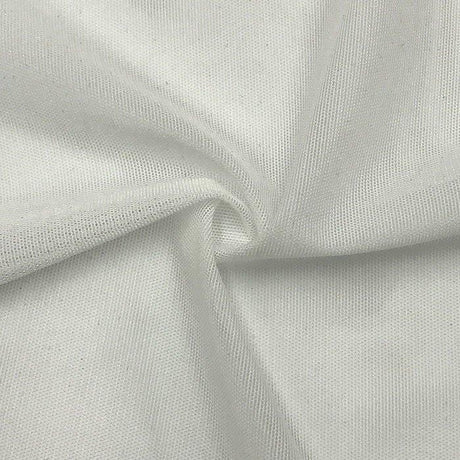
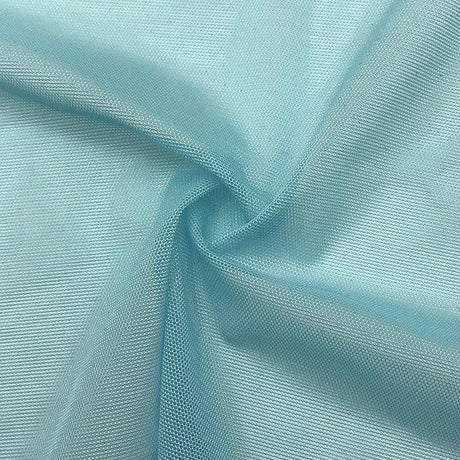
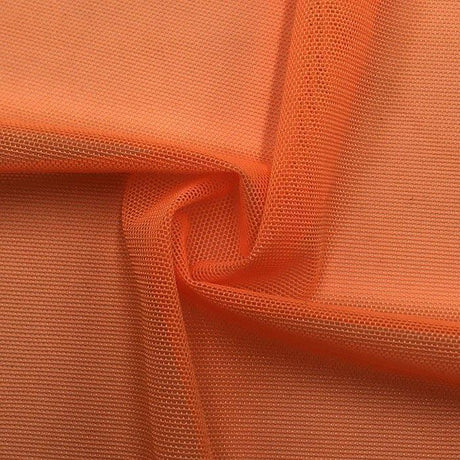
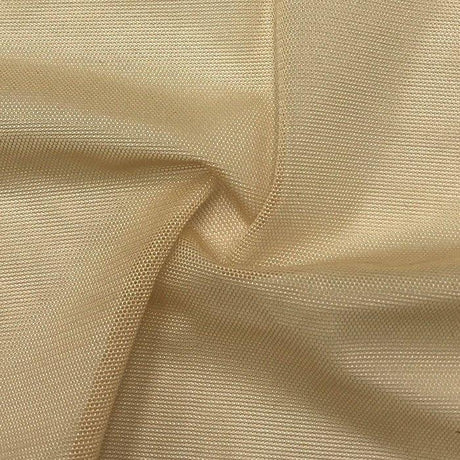
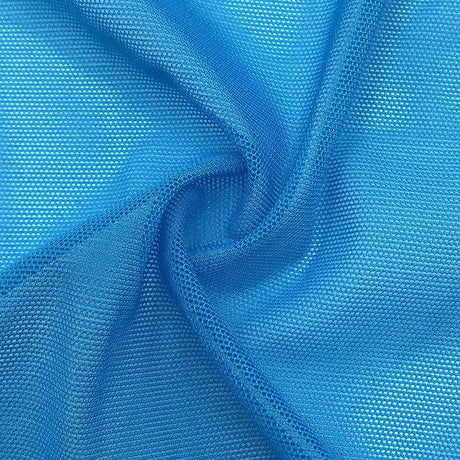
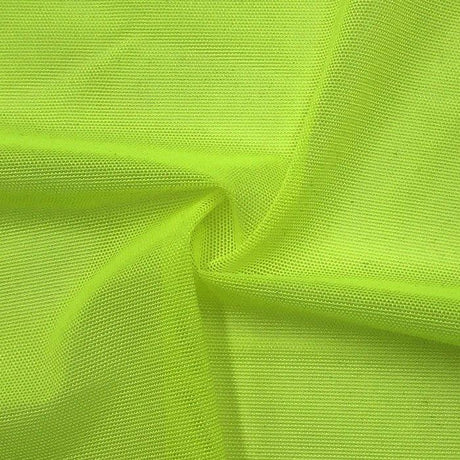
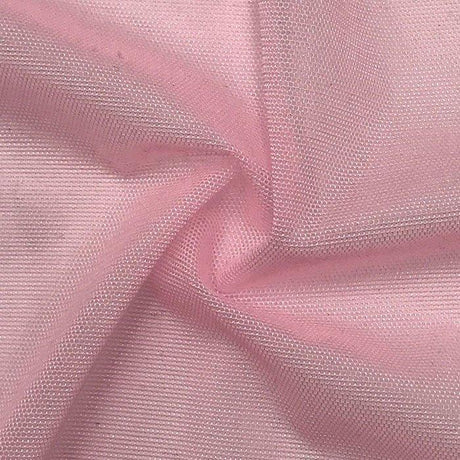
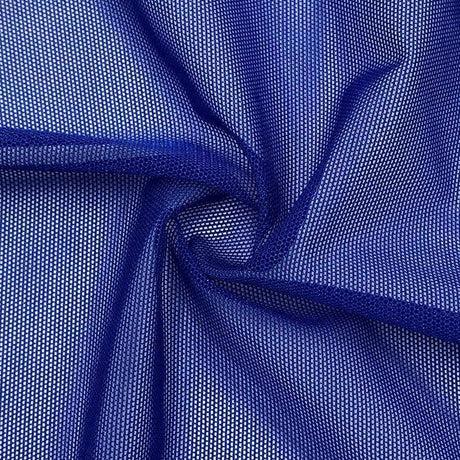
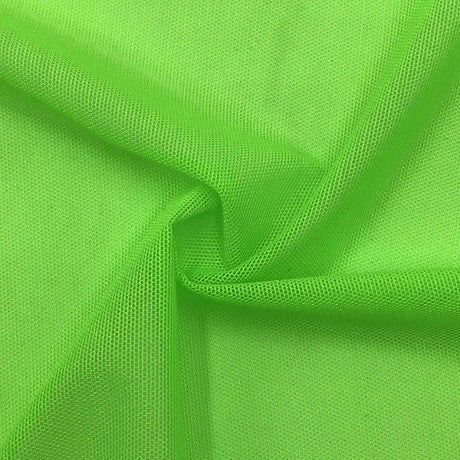
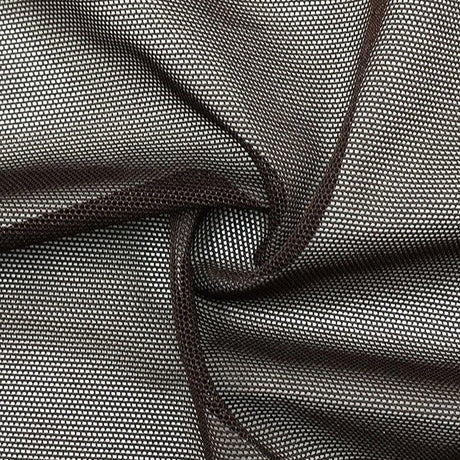
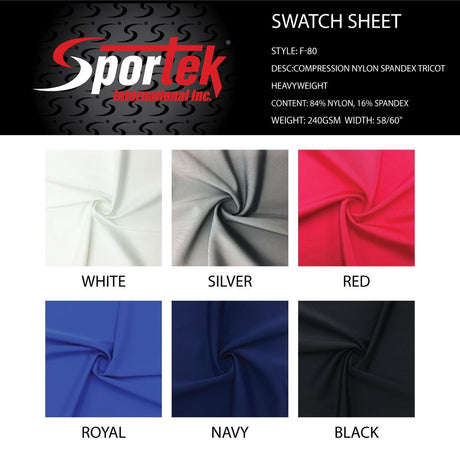
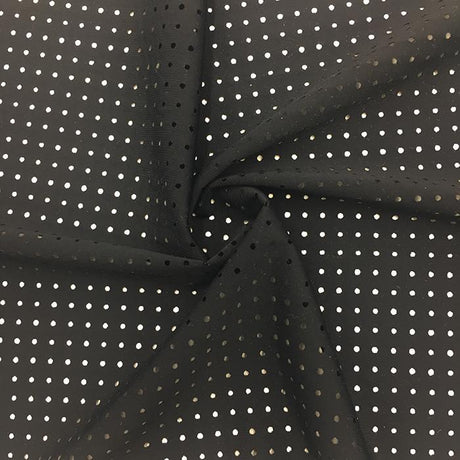
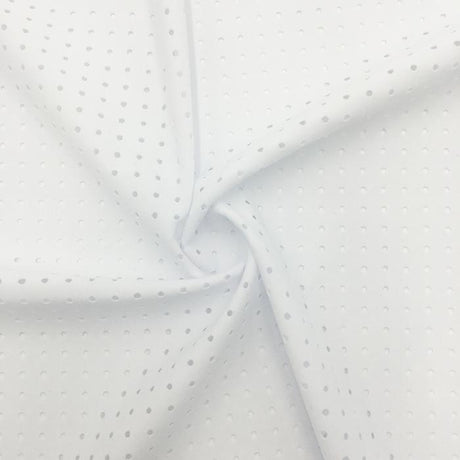
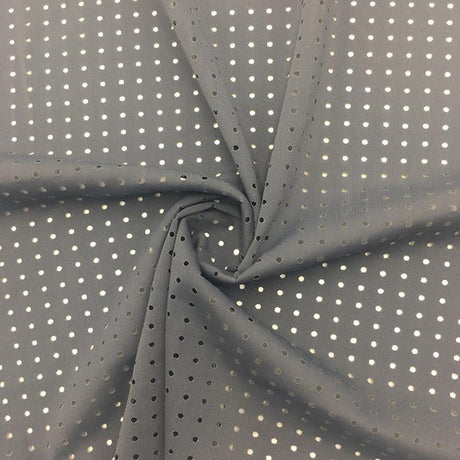
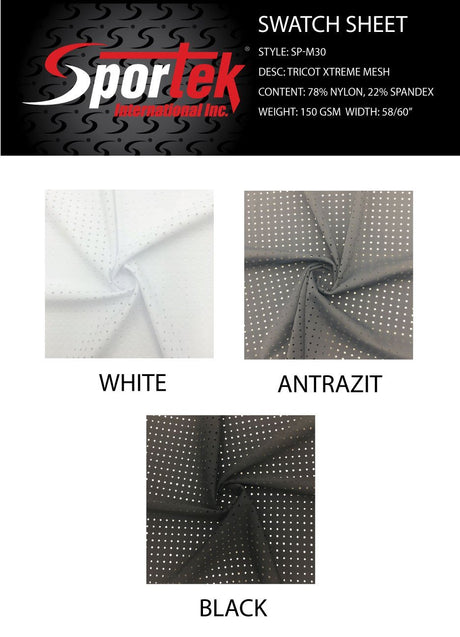
Mesh fabrics have become essential in modern sportswear for their unique combination of breathability, stretch, moisture management, and style. Unlike solid fabrics, mesh incorporates thousands of tiny openings that allow air circulation, helping athletes stay cool and dry during intense workouts. For a broader foundation before diving in, explore our activewear fabric guide or browse our full fabric guides hub.
At the same time, the inclusion of spandex (elastane) fibers gives these fabrics 4-way stretch, enabling unrestricted movement and a snug fit that moves with the body. Designers often use mesh spandex panels in active garments not only for functional ventilation but also as eye-catching style elements – for example, sheer mesh inserts in leggings or jerseys add visual interest while serving a purpose.
Why is mesh so important? Most athletic mesh fabrics weigh only about 80–130 GSM, roughly half the weight of a typical cotton T-shirt. This lighter weight means less bulk and faster drying times, which is crucial when layering garments or sweating profusely. Our fabric weight guide covers how GSM affects drape, breathability, and performance across all common spandex-blend constructions including mesh.
The porous structure of mesh allows sweat vapor to escape easily, aiding in moisture management. The synthetic fibers used (polyester or nylon) wick moisture away and dry quickly, preventing the fabric from feeling clammy. The stretch and recovery of spandex ensure that even as the mesh opens up with movement, it snaps back to maintain support and shape. Our stretch fabric types page covers how spandex percentage translates to stretch percentage, recovery ratings, and compression level across all common mesh-blend constructions.
What is Mesh Spandex?
Mesh spandex refers to any knit fabric with an open-hole structure that also contains spandex (elastane) fibers for stretch. Technically, mesh is characterized by visible small holes or gaps in the knit, created by a specialized knitting technique that produces an open grid or honeycomb pattern. When we talk about mesh spandex, we mean mesh fabric that is engineered with a blend of spandex to provide significant stretch (usually 4-way stretch).
Most mesh spandex fabrics are blends of a primary synthetic fiber with a smaller percentage of elastane. A common composition is polyester + spandex or nylon + spandex. For example, a typical athletic mesh might be around 90% polyester and 10% spandex, whereas a lightweight power mesh could be 95% polyester and 5% spandex. Nylon-spandex meshes are also popular, often in ratios like 80/20 or 76/24 for stronger compression meshes.
The choice of polyester vs. nylon impacts the fabric's feel and performance: polyester mesh tends to be a bit stiffer but excels in moisture wicking and quick drying, while nylon mesh is usually softer to the touch but can absorb a bit more moisture. Our nylon-spandex fabric guide covers how nylon and polyester companion fibers differ in hand feel, moisture management, and durability across all common mesh constructions.
Construction-wise, mesh spandex is often knit on tricot or Raschel warp knit machines for stability, or on circular knit machines for maximum 4-way stretch. The knitting pattern can create different hole shapes and sizes – from tiny pinhole mesh to larger athletic mesh holes. Regardless of the knit method, the open-hole structure combined with elastane is what makes mesh spandex special: you get ventilation through the holes, and stretch + recovery from the spandex.
To summarize, mesh spandex is a stretchy, breathable fabric constructed with an open knit. It's typically a blend of man-made fibers (often polyester) with elastane, resulting in a smooth, hair-free texture that resists wrinkles and holds its shape and color well.
Key Performance Characteristics of Mesh Spandex
Mesh spandex fabrics offer a range of performance properties that are crucial in athletic wear.
Breathability and Airflow: The most obvious advantage of mesh is its breathability. The open holes allow air to pass through easily, which helps vent heat and circulate air around the body. A typical athletic mesh may have an open area percentage (OAP) of about 15–25%. In tests, mesh fabrics dry significantly faster than equivalent solid fabrics – one experiment showed a mesh drying in 22 minutes versus 58 minutes for a solid polyester fabric (62% faster). Breathability isn't solely about hole size; it's also affected by knit density and fiber type.
4-Way Stretch and Recovery: Thanks to the spandex content, mesh spandex fabrics usually stretch in all directions and snap back to their original shape. The 4-way stretch ensures that a garment can accommodate dynamic movements – whether you're sprinting, stretching, or lifting, the fabric moves with you and then recovers. High-quality mesh spandex has excellent recovery, meaning it won't stay saggy or bagged-out after being stretched. Our stretch fabric types page explains how to evaluate and compare recovery ratings across different mesh-blend constructions.
Compression vs. Flexibility: The ratio of spandex and the weight of the mesh determine where it falls on the compression spectrum. Some mesh spandex fabrics are designed for high compression support – often called power mesh or powernet. These have a higher elastane content and tighter knit. A power mesh might be 76% nylon, 24% spandex at 145 GSM, offering strong stretch resistance and support. On the other end, meshes with lower spandex (5–10%) and looser knit are extremely flexible and drapey, used more for breathability and range of motion than for support. Our fabric weight guide covers how GSM interacts with spandex percentage to determine compression level across different mesh constructions.
Recovery and Shape Retention: Beyond just stretching, recovery is about how well the fabric returns to shape. The inclusion of quality spandex fibers means that after stretching, the fabric rebounds without permanent deformation. Recovery also ties into wrinkle resistance – mesh spandex doesn't wrinkle easily, and any creases tend to fall out once the garment is worn or lightly steamed. Our spandex care guide covers how to preserve elastane recovery in mesh garments through proper laundering.
Abrasion Resistance and Durability: Despite looking delicate, mesh fabrics made from nylon or polyester are quite durable. The fibers themselves are strong and abrasion-resistant, and the knit structure of mesh prevents runs from propagating easily. That said, mesh edges and seams can be vulnerable if not properly constructed. Our nylon-spandex fabric guide covers how nylon-spandex mesh compares to polyester-spandex mesh in abrasion resistance and long-term durability.
By understanding these performance characteristics, you can select the right type of mesh spandex for your project – whether you need maximum breathability, strong compression, or a balanced combination of properties.
Mesh Types and Weights
Not all mesh fabrics are identical. Mesh spandex comes in various types and weights, each suited to different purposes in sportswear.
Lightweight Power Mesh: This is a sheer, 4-way stretch mesh often used as a lining or for semi-transparent panels. Lightweight power mesh typically weighs around 60–100 GSM. It's usually made of polyester/spandex (or sometimes nylon/spandex) with a relatively low spandex content (5–15%). At this weight, the mesh is quite transparent due to the fine holes and thin yarns; a single layer will be see-through. However, it provides gentle stretch and a smooth feel.
Ideal uses: lining for sports bras or shorts (to add support without bulk), sheer inserts in leggings or jerseys for style, and layering in dance or gymnastics costumes. Our dancewear fabric guide covers how lightweight power mesh is used in performance costuming applications.
Athletic Mesh (Medium Weight): Athletic mesh refers to the mesh fabrics commonly used as the primary material in sports uniforms, training jerseys, basketball shorts, and the like. These are medium-weight meshes, roughly 100–130 GSM. They can be 100% polyester (with mechanical stretch from the knit) or a poly/spandex blend around 90/10 for true 4-way stretch. Athletic mesh is usually semi-opaque: the holes are noticeable but because the fabric has a bit more substance, you won't see completely through it at a distance.
Ideal uses: full athletic tops, team jerseys, basketball or training shorts, and ventilated panels in running shirts. These meshes strike a balance between breathability and structure – light enough to keep you cool, but heavy enough to withstand contact and frequent washing. Our activewear fabric guide covers athletic mesh constructions and their performance ratings for different team sport and training applications.
Hex Mesh / Honeycomb Mesh: Hex mesh refers to mesh fabrics with a hexagonally shaped hole pattern (resembling a honeycomb). These can range from medium to heavy weight depending on construction. Some hex meshes are 3D structured or spacer fabrics, meaning they have a bit of thickness and stand away from the body to improve airflow. A honeycomb 3D mesh with moisture management finish might weigh around 200 GSM. Lighter hex meshes (~100 GSM) are more like standard fabric with a hexagon knit design.
Ideal uses: ventilation zones in workout apparel (e.g., underarm or back panels to dump heat), style accents on leggings or jackets, and non-apparel uses like sneaker linings or sports gear inserts. Our fabric finishes guide covers the surface treatments and moisture management finishes often applied to hex mesh constructions.
Heavy-Duty Supportive Mesh (Powernet): At the far end of the spectrum is heavy power mesh, often called powernet in the context of shapewear or high-compression apparel. This is a strong, tightly knit mesh with high spandex content (typically 20% or more elastane). Weight can range from ~130 GSM up to 200 GSM in some medical-grade compression meshes. These fabrics have smaller holes and feel significantly firmer and heavier in hand.
Ideal uses: waistbands for leggings, inner lining for sports bras, compression shorts or sleeves, and inserts in dance costumes for shaping. In sports bras, a layer of powernet is often used to line the front or back panels to reduce bounce. Our swimwear fabric guide covers how power mesh is used as a lining layer in competition swimwear for support and modesty.
Comparison Table:
| Mesh Spandex Type | Composition (approx) | Weight (GSM) | Opacity | Stretch & Feel | Ideal Uses |
|---|---|---|---|---|---|
| Lightweight Power Mesh | Poly/Spandex (90–95%/5–10%) | ~60–100 GSM | Very sheer (fine holes) | 4-way stretch, very soft; light support | Linings, bra cups, sheer panels in leggings, dancewear overlays |
| Athletic Mesh (Medium) | Poly or Poly/Spandex (e.g. 90/10) | ~80–130 GSM | Semi-transparent (small holes) | 4-way (with spandex) or 2-way stretch; breathable & durable | Jerseys, shorts, tank tops, side panels, pocket linings, team uniforms |
| Hex/Honeycomb Mesh | Poly/Spandex (varies) | ~100 GSM (light) up to 200 GSM (3D) | Varies – open honeycomb can be very sheer | 4-way stretch if spandex added; structured or textured feel | Ventilation zones, style inserts, printed jersey designs, spacer pads |
| Heavy Supportive Mesh | Nylon/Spandex or Poly/Spandex (e.g. 75/25) | ~130–180 GSM (some up to 200) | Low transparency (tight knit) | Firm 4-way stretch; high compression and snap-back | Waistband inserts, sports bra lining, compression leggings, shapewear, support panels |
Our fabric weight guide covers each of these GSM ranges in full detail with real-world application examples and how weight interacts with fiber blend type across all common mesh constructions.
Application-Specific Recommendations
Different athletic garments call for different mesh solutions.
Leggings: For workout leggings, mesh is often used in ventilation panels (behind the knees, calves, or along the thighs). A medium-weight athletic mesh or a lightweight power mesh works well for these areas. For compression leggings where you want to add support, use a heavy power mesh layer in the waistband or thigh – a 145 GSM nylon/spandex mesh with high spandex content acts like an internal girdle panel without the bulk. In summary: use light mesh for venting and style, and heavy mesh for support zones. Our activewear fabric guide covers mesh panel placement and performance specifications for different legging applications.
Compression Tops or Sports Bras: In sports bras, a heavy-duty supportive mesh (power mesh) is often used to line the inner bra or the racerback panel. Look for ~150–170 GSM mesh with 20%+ spandex – this will provide strong stretch resistance to minimize bounce. You can also double layer power mesh for extra strength, common in bra side wings. When incorporating style or ventilation in a compression top, a medium-weight athletic mesh works well for areas that don't require as much support. Our nylon-spandex fabric guide covers how nylon-spandex power mesh delivers the support and recovery needed for sports bra applications.
Athletic Tops or Tanks: For running shirts, gym tanks, or training jerseys, a polyester athletic mesh around 100 GSM is a great choice for the main body – it's breathable, quick-drying, and can be printed or colored easily. For ventilation zones like the upper back or sides of a tank top, a mesh with a more open structure (larger holes or a stylish hex mesh pattern) creates effective heat-dump zones. If modesty is a concern, choose a mesh with a finer knit or layer two different meshes together. Our sublimation guide covers how to print custom designs on polyester athletic mesh, and our sublimation paper and sublimation transfer paper pages cover the tools needed for professional print quality on mesh fabrics.
Training Shorts or Inserts: For loose basketball or soccer shorts, a medium-weight small-hole mesh (polyester, ~100–120 GSM) is ideal. Inside running shorts, a lightweight, soft mesh is key – something like an 80 GSM micro mesh that is breathable but not abrasive. For compression shorts with mesh panels behind the knees for breathability, pick a mesh that matches the stretch of the base fabric. Mesh around 90 GSM is common for pocket linings. Our fabric weight guide covers how GSM affects drape, coverage, and comfort across all mesh weight ranges used in shorts and training applications.
Athleisure or Streetwear Designs: For fashion-forward athletic-inspired pieces, mesh is often used for its visual impact as much as its function. Patterned meshes designed for sublimation printing allow you to create one-of-a-kind looks, like a printed mesh bomber jacket or a colorful mesh-backed windbreaker. When using mesh in streetwear, consider layering: a mesh outer layer backed with an opaque knit creates a cool see-through effect that still maintains coverage. Our how to sew stretch fabric guide covers construction techniques for layering and attaching mesh panels to opaque stretch bases cleanly and securely.
Colorfastness, Dyeability, and Printability
One often overlooked aspect of choosing the right mesh is how it handles color. Polyester mesh holds color especially well and is resistant to UV fading; it can be dyed in vibrant shades and tends to keep those colors through many wash cycles. Nylon mesh also dyes well, but nylon is slightly more prone to UV yellowing over time and can fade if exposed to chlorine repeatedly. If maximum colorfastness in sunlight or chlorine is needed, polyester-based mesh is a safer bet.
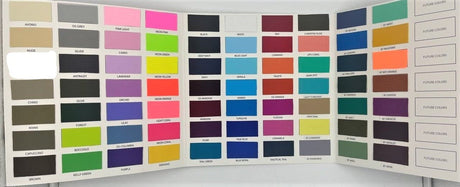
Dyeability: Most mesh fabrics can be purchased in a range of solid colors. Some mesh fabrics are labeled PFP (Prepared For Print) or PFD (Prepared For Dye) – meaning they come in white, ready for custom coloration. If you need a very specific color or print, printing is often the better route than trying to dye mesh yourself.
Printability: Sublimation is a technique where ink is transferred via heat into the fabric, yielding vibrant, permanent colors that don't affect the fabric's breathability. This is how many team jerseys get their graphics on mesh. For sublimation, the mesh should be at least mostly polyester and white or light-colored. Our sublimation guide covers base fabric requirements for sublimation printing on mesh, and our sublimation paper and sublimation transfer paper pages cover the complete printing workflow for professional results on athletic mesh.
When it comes to colorfastness in use, always pre-wash brightly colored mesh fabrics to check for dye runoff, especially reds or neon colors. For long-term use, wash mesh sportswear in cold water with mild detergent to preserve colors. High heat drying not only harms spandex elasticity but can also fade colors faster, so line drying is preferred. Our fabric care guide covers complete laundering protocols for all common mesh-blend activewear garment types.
Finally, note that prints and colors can affect opacity. A dark-colored mesh will appear more opaque than the same mesh in white or nude. Printed meshes can also trick the eye and provide more coverage even if the fabric is sheer – a dense camouflage print on mesh might make it look less see-through, which can be a design advantage when using mesh in areas where you want some modesty.
Sewing and Handling Mesh Spandex
Working with mesh spandex in sewing requires a few best practices to ensure your finished garment is both strong and professional-looking. Our how to sew stretch fabric guide covers needle selection, stitch settings, and machine setup for all common stretch fabric types including mesh – essential reading before you begin any mesh construction project.
Cutting Mesh: Use sharp fabric scissors or a rotary cutter for clean cuts through the netted structure. It often helps to cut mesh in a single layer since the holes can cause the layers to snag or misalign when doubled. If the mesh is very lightweight or rolling at the edges, lay a sheet of tissue paper under it while cutting – this stabilizes it and can be easily torn away later. Pattern weights are preferable to pins for holding mesh down during cutting, as pins can cause runs or distortions.
Needle and Thread Choices: Always use a ballpoint or stretch needle when sewing mesh spandex. A ballpoint needle (e.g., size 75/11 for light mesh, 90/14 for heavier power mesh) will slide between the knit fibers rather than piercing them. A sharp needle can cut the spandex yarns and lead to holes or runs in the mesh. As for thread, a good polyester thread is ideal – it has some give and won't easily break with stretch. Avoid cotton thread, as it has no stretch and can weaken with sweat exposure. Our how to sew stretch fabric guide covers complete needle and thread selection guidance for all common mesh-blend constructions.
Stitch Type and Tension: Since mesh spandex is a knit and will be under stress, you need stretchable seams. On a regular sewing machine, use a stretch stitch or a narrow zigzag stitch for seams. A common approach is a zigzag of width 0.5–1 mm and length ~2.5 mm. A serger (overlock) is excellent for assembling mesh panels quickly with a soft edge. Tension should be adjusted so that the mesh isn't being "pulled" by the machine – if you see the mesh puckering, loosen the tension or use a differential feed on your serger.
Seam Reinforcement: One trick is to incorporate a strip of clear elastic into the seam – particularly for shoulder seams on a mesh shirt, or along a sports bra band made of mesh – to stabilize and strengthen it while still allowing stretch. For very open mesh that might tear, consider French seams or enclosed seams where possible, so the raw edge is hidden and less likely to catch and rip. Flatlock stitching is a great option for mesh as it lays flat without chafing.
Stabilizing During Sewing: A lightweight, tear-away stabilizer placed under the fabric can prevent the mesh from getting stretched out by the feed dogs. For heavier power mesh, a fusible knit interfacing strip on the seam allowance can keep it flat. Practice on scraps: sew a seam in your mesh with different stitch settings and try pulling – the seam should stretch somewhat and recover, not break or stay puckered.
Needle Holes and Finishing: Mesh edges can curl; a coverstitch or twin-needle hem with a slightly longer stitch length can finish edges nicely. If the mesh is very prone to fraying or snagging at cut edges, bind the edges with a stretch binding or fold-over elastic, especially in places like armholes or necklines.
Care and Maintenance of Mesh Sportswear
To maximize the lifespan and performance of sportswear made with mesh spandex, proper care is important. Our spandex care guide and fabric care guide cover complete care protocols for all common mesh-blend activewear garment types.
Washing: Wash mesh activewear in cool to warm water on a gentle cycle. Avoid very hot water, as high heat can weaken spandex fibers over time and cause shrinkage. One report noted that a mesh fabric machine-dried at 80°C shrank about 8% and lost 40% of its stretch recovery – a clear warning to keep mesh away from high heat. Because mesh fabrics have lots of tiny holes, they can sometimes snag on other garments; wash mesh garments in a laundry bag or turn them inside out.
Drying: Air drying is strongly recommended for mesh spandex apparel. The fabrics typically dry very quickly on their own due to their open structure. If you must use a dryer, use the lowest heat setting or a tumble dry with no heat, and remove the items promptly. Keep mesh out of direct sunlight while drying if the color is bright, to avoid any UV fading, especially for nylon-based meshes.
Ironing: Generally, you won't need to iron athletic mesh, as it doesn't wrinkle much. Ironing is risky – direct high heat from an iron can melt polyester or nylon. If you have a stubborn crease, use a steamer or iron on the absolute lowest setting with a press cloth and do not let the iron linger.
Avoid Bleach and Harsh Chemicals: Chlorine bleach will damage spandex yarns, causing them to lose elasticity. If you need to disinfect or whiten, use an oxygen bleach sparingly. Also avoid fabric softeners on activewear – fabric softener can leave residues that clog the mesh's moisture-wicking ability and can degrade elastic over time.
Pilling and Snags: If you notice a snag (like a loop pulled out), do not cut it off flush – that could create a hole. Instead, try to work the loop back into place gently, nudging the loop to the backside with a needle. Because of the open knit, snags can often be eased back without leaving much trace, as long as the yarn isn't broken.
Long-Term Durability: Over many uses, you might find the mesh areas of a garment get a bit limp compared to when new. High-quality mesh fabrics will last many years if cared for, but nothing with elastic lasts forever due to elastane's gradual degradation with heat and body oils. By following proper washing and drying protocols, you'll significantly extend the life through dozens upon dozens of gym sessions.
Conclusion
By understanding the varieties of mesh spandex and their properties, you can confidently choose the right fabric for each sportswear project. Whether you need the barely-there feel of a light power mesh for ventilation or the firm hug of a powernet for support, today's fabric options have you covered.
Ready to find the perfect mesh fabric for your next project? Use our fabric weight guide and stretch fabric types page to evaluate technical specifications, our activewear fabric guide and swimwear fabric guide for end-use specific recommendations, and our how to sew stretch fabric guide for construction guidance. For custom printing on polyester mesh, our sublimation, sublimation paper, and sublimation transfer paper pages cover everything you need. Our spandex care guide and fabric care guide will keep every mesh garment performing at its best. Have questions? Our expert help and advice page and FAQ are always available. Sign up for SpandexByYard Rewards to earn points on every purchase – here's to making sportswear that works as hard as you do!