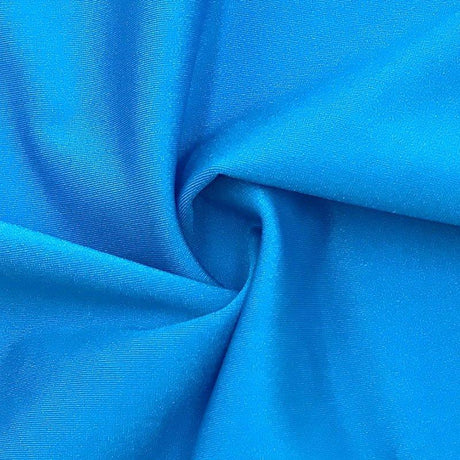
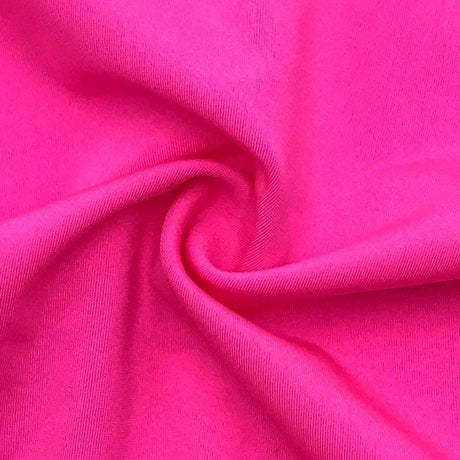
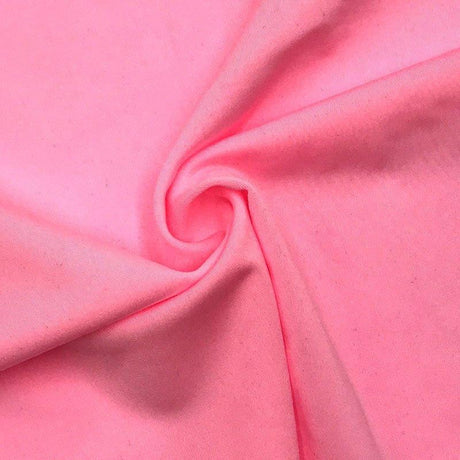
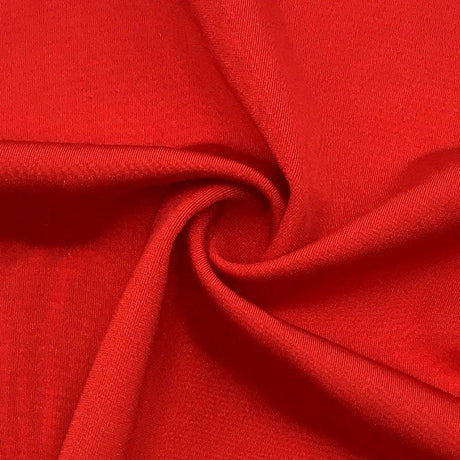
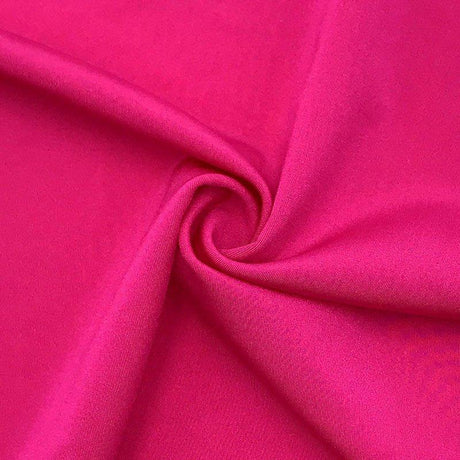
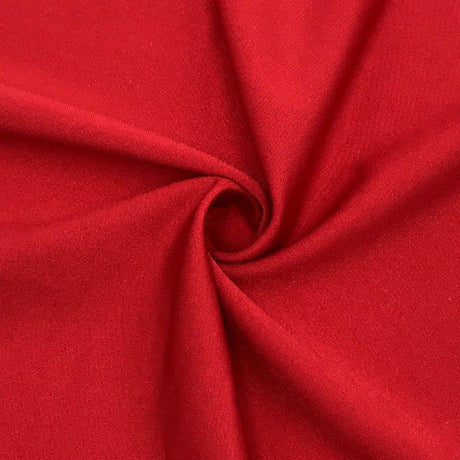
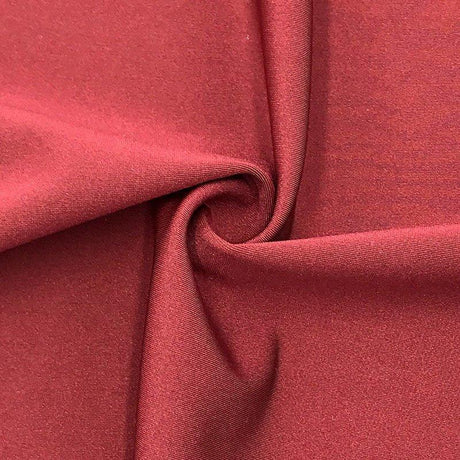
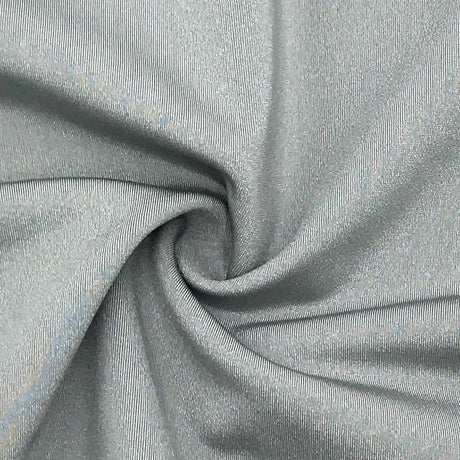
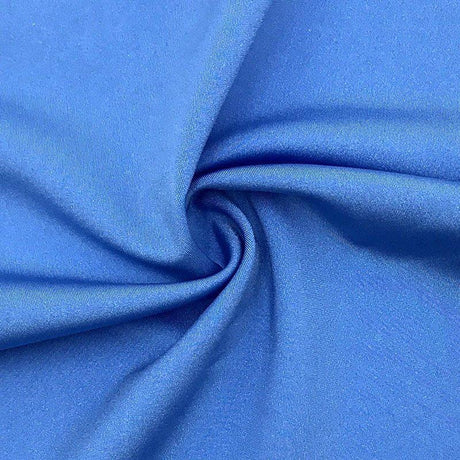
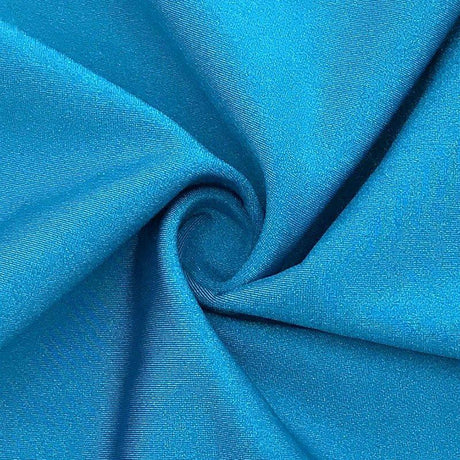
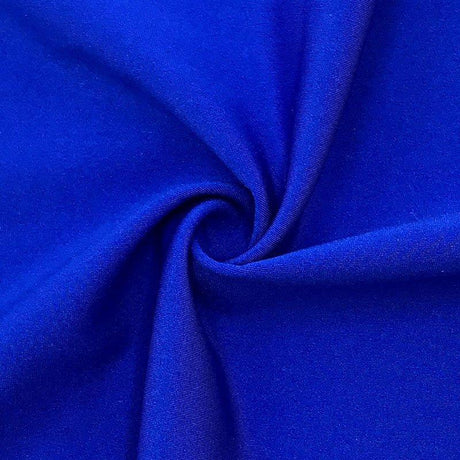
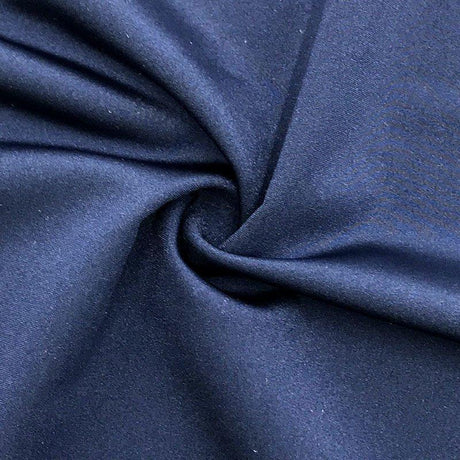
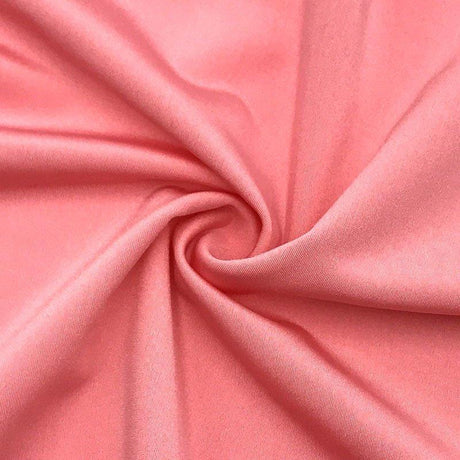
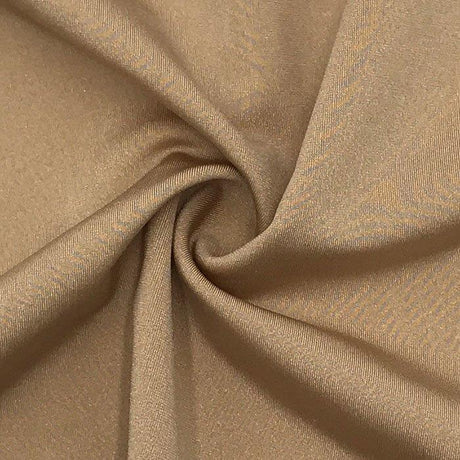
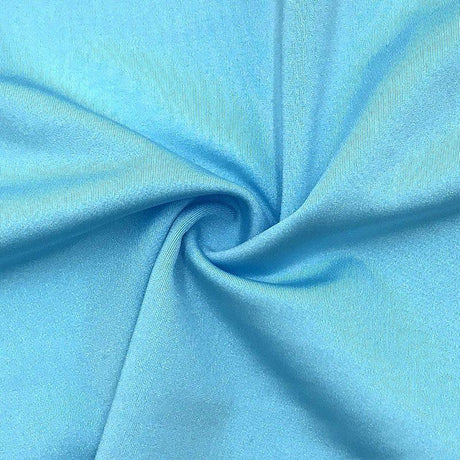
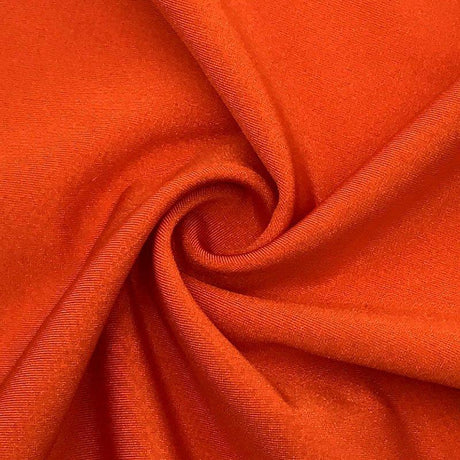
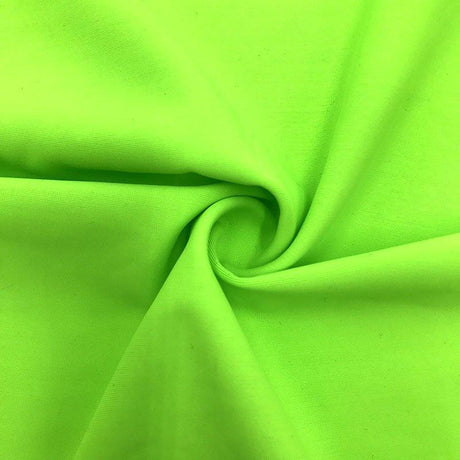
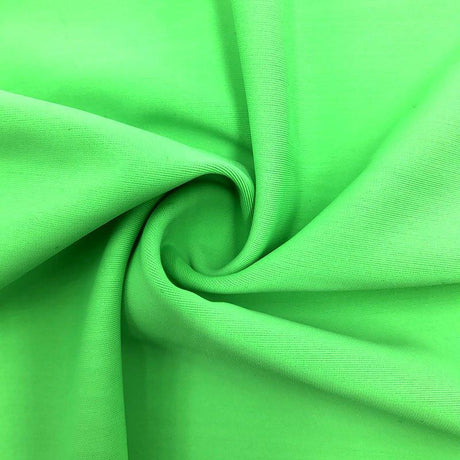
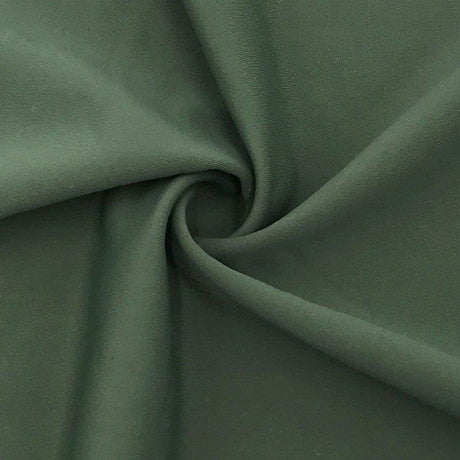
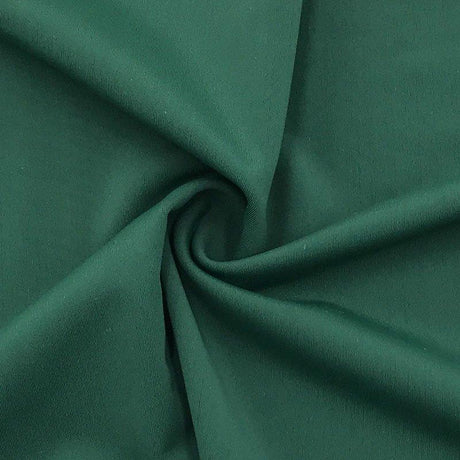
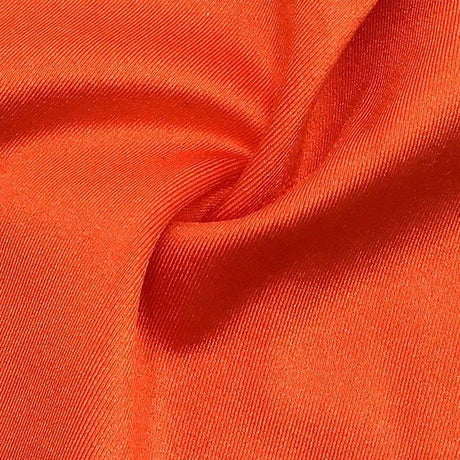
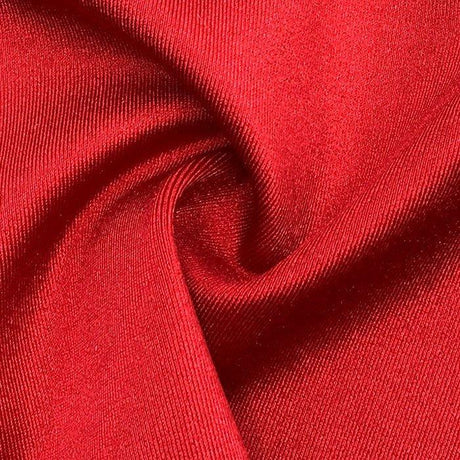
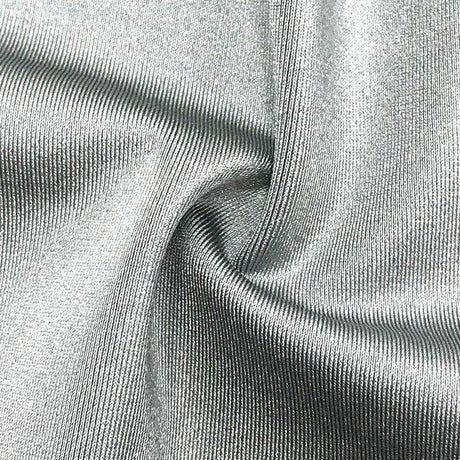
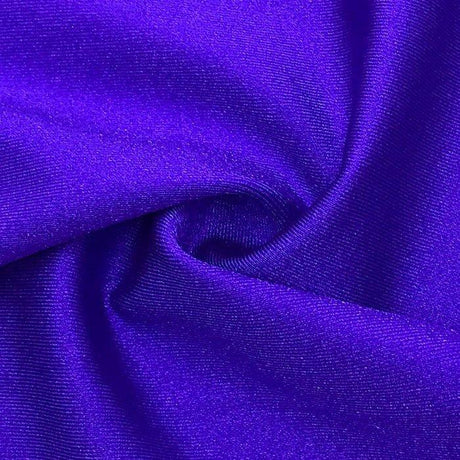
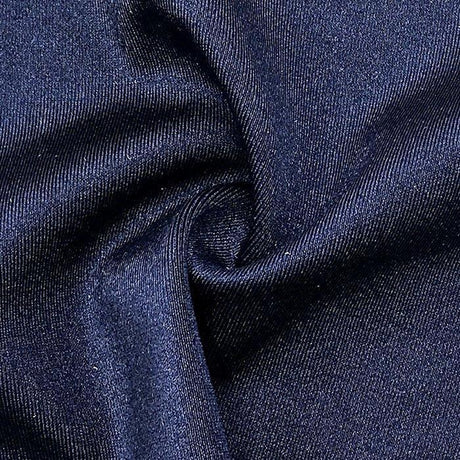
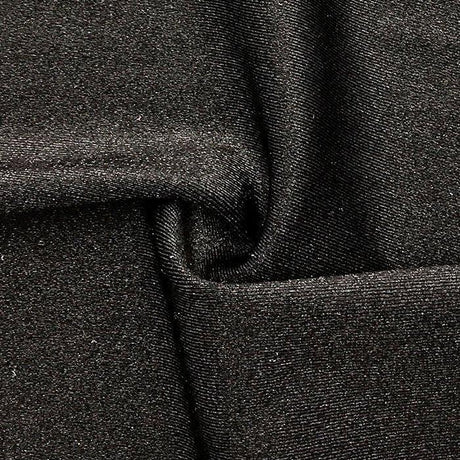
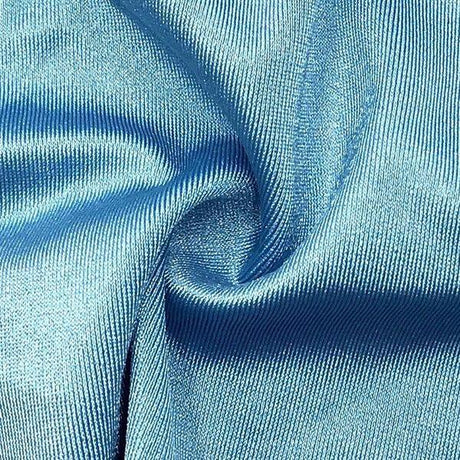
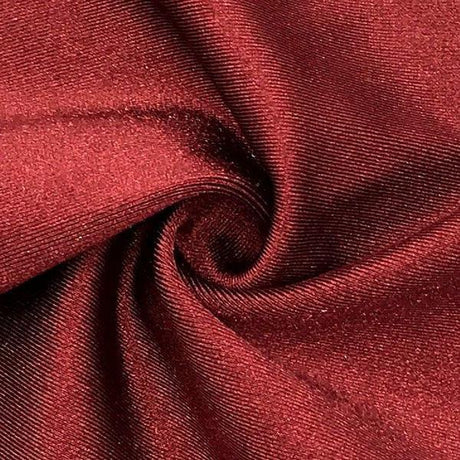
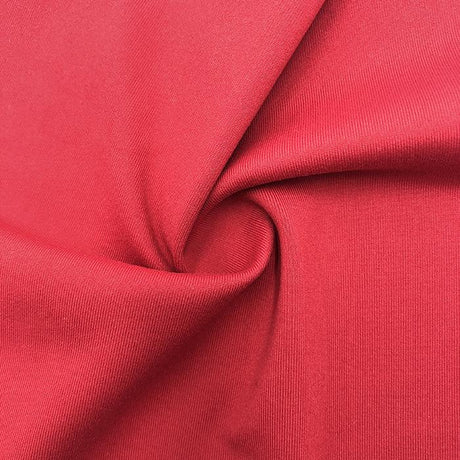
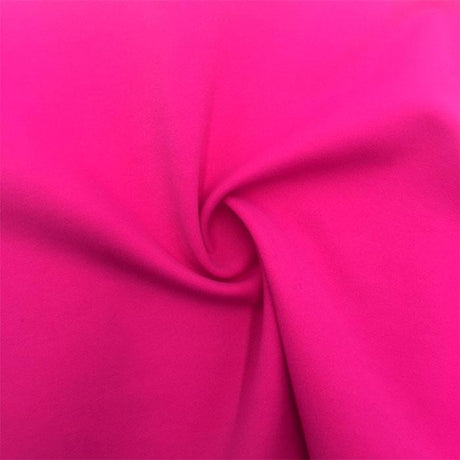
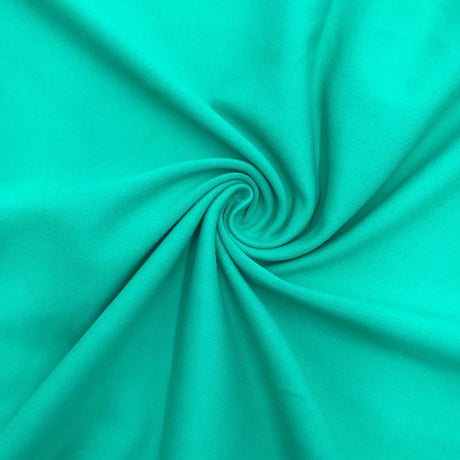
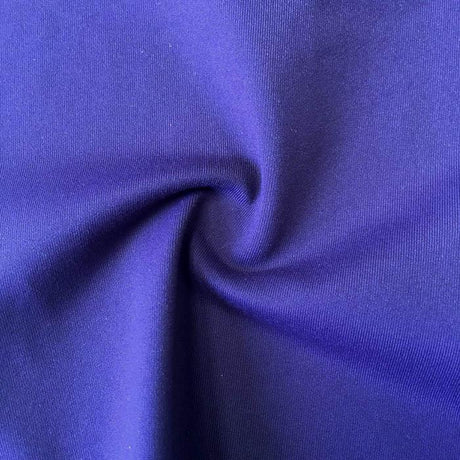
The fabric of a dance costume can make or break a performance. Whether you're a costume designer, dance instructor, or an enthusiastic performer, choosing the right dancewear fabric is essential. The best materials ensure the outfit moves with the dancer, keeps them comfortable, and stands out on stage. For a broader foundation before diving in, explore our dancewear fabric guide or browse our full fabric guides hub.
In this article, we'll explore key performance criteria for dance fabrics, examine popular fabric types (from stretchy spandex to elegant tulle), and recommend the best choices by dance style. We'll also discuss layering techniques, visual impact, and maintenance considerations. Let's dive into the world of dancewear fabrics!
Performance Criteria for Dancewear Fabric
A high-quality dance costume isn't just about looks – it must meet strict performance criteria to support the dancer. Here are the core factors to consider when evaluating dancewear fabric options:
Stretchability & Flexibility: Dance garments must allow a full range of motion. Fabrics with 4-way stretch (like those containing Lycra/spandex) let dancers bend, leap, and twist freely without restriction. Stretchy materials are fundamental for form-fitting pieces like leotards, as they provide a snug fit that stays in place through every routine. Our stretch fabric types page explains the full difference between 2-way and 4-way stretch constructions and how to verify true multidirectional stretch when evaluating dancewear fabric.
Breathability: Under hot stage lights or intense rehearsals, breathable fabric is a lifesaver. Materials that allow air flow (such as mesh or natural fibers) help keep dancers cool by permitting heat and moisture to escape. Good breathability prevents the discomfort of overheating and reduces sweat buildup.
Moisture-Wicking: Beyond basic breathability, many modern dancewear fabrics offer moisture-wicking capabilities. Technical blends like microfiber (fine polyester/nylon) excel at sweat control, whereas cotton tends to absorb sweat and stay wet. Our activewear fabric guide covers moisture-wicking ratings across all common spandex-blend constructions for performance applications.
Durability: Dance costumes go through a lot – stretching, repeated washes, and the wear and tear of performances. Synthetics like nylon and polyester are known for their strength and abrasion resistance, often outlasting pure natural fabrics. Our nylon-spandex fabric guide covers how nylon-spandex constructions compare to other blend types in abrasion resistance and long-term durability.
Comfort: No matter how flashy a material is, it should feel good on the dancer's body. Softness and comfort are key for long hours of wear. Fabrics should be gentle against the skin to prevent irritation. Our fabric weight guide covers how GSM affects comfort, drape, and breathability across all common dancewear fabric constructions.
Aesthetic Appeal: Dance is a visual art, and the look of the fabric under stage lighting is paramount. Consider color, sheen, and drape. Some fabrics have a lustrous shine (like satin or metallic foils) that catches the light and dazzles the audience. Our fabric finishes guide covers matte and shiny surface treatments and how each interacts with stage lighting differently.
Keep these criteria in mind as we explore specific fabric types. The ideal dancewear fabric strikes a balance between function and flair – offering stretch, breathability, and durability without sacrificing comfort or beauty.
Top Fabrics for Dancewear & Costumes
Spandex (Lycra)
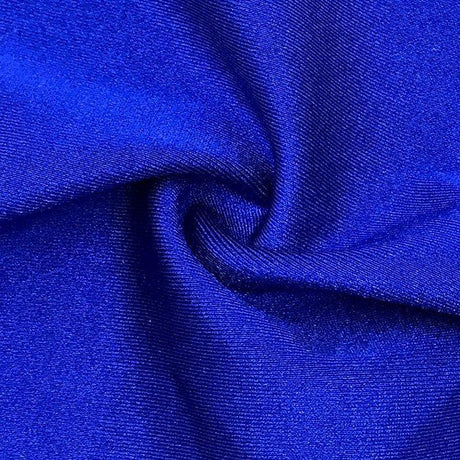
Spandex (brand name Lycra) is the unsung hero of dancewear. This ultra-stretchy synthetic can expand 4–7 times its length and spring back into shape, making it essential for form-fitting dance garments. It's lightweight, smooth, and usually blended with other fibers (nylon or cotton) to create high-stretch fabrics. Our stretch fabric types page covers spandex percentage ranges and how they translate to real-world stretch, recovery, and compression ratings across all common blend types.
Benefits:
- Exceptional stretch and flexibility – allows full range of motion without restriction.
- Snug fit and shape retention – spandex helps costumes conform to the body like a second skin and stay there. No sagging or bagging even after repeated wears.
- Durability – when blended with nylon or polyester, spandex outfits resist wear and tear.
Drawbacks:
- Low breathability on its own – pure spandex is not very breathable and can trap heat. Dancewear solves this by using blends (e.g. nylon-spandex) or adding mesh panels for ventilation.
- Not moisture-wicking – spandex doesn't wick sweat by itself. Costumes often include moisture-wicking fibers or linings to compensate. Our spandex care guide covers how to air-dry and care for spandex garments to maintain freshness and elasticity.
- Shine level – standard spandex has a slight sheen, which looks great on stage, but matte finishes are available for a subtler look.
Common uses: Nearly everything. Spandex or Lycra blends form the base layer of most dancewear – from ballet leotards and jazz unitards to acro and gymnastics costumes. It's ideal for any piece that requires extreme mobility and a tight fit.
Nylon (Nylon Blends)
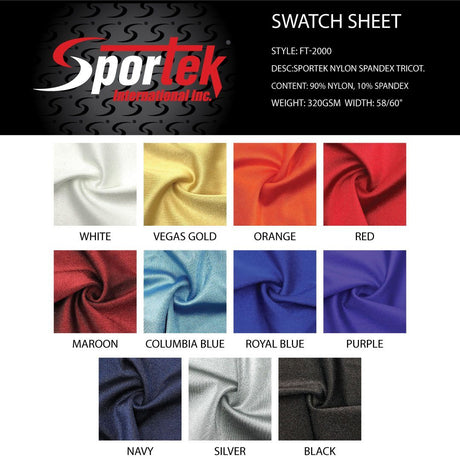
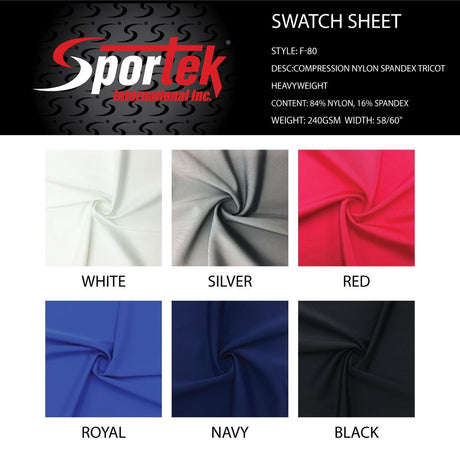
Nylon is another dancewear workhorse synthetic. It's a strong, silky fiber often used in concert with spandex to add durability and sheen. Many commercial leotards are made of nylon-spandex blends, combining nylon's strength with spandex's stretch. Our nylon-spandex fabric guide covers this blend's full performance profile, including how it compares to polyester-spandex in softness, moisture management, and durability for performance applications.
Benefits:
- Lightweight & smooth: Nylon fabrics feel comfortable against the skin, with a smooth finish that prevents irritation.
- Moderate stretch: Nylon is usually knit in a way (like tricot knit) that provides 2-way or 4-way stretch, making it suitable for dance styles with quick movements.
- Durable and resilient: Nylon is highly durable, resisting tears and abrasion. It also resists wrinkles and shrinking.
- Moisture-wicking & quick-drying: Unlike cotton, nylon doesn't hold onto sweat. It wicks away moisture and dries fast, helping keep dancers cool and dry under stage lights.
Drawbacks:
- Less breathable than natural fibers: Heat can build up if the fabric is thick or non-ventilated.
- Can feel clammy when very sweaty: Although it wicks moisture, if a nylon garment becomes soaked it can feel slick until it dries.
- Shine and texture: Basic nylon/spandex dancewear fabric often has a shiny or semi-matte appearance.
Common uses: Nylon-spandex blends appear in leotards, leggings, unitards, and tights across all dance forms. They are favored for jazz and hip-hop costumes that need to be vibrant and long-lasting.
Cotton Blends
Natural cotton brings breathable comfort to dancewear, though it's usually blended with spandex or polyester for better performance. Our cotton-spandex fabric guide covers this blend's full performance profile, including stretch behavior, moisture management, and care requirements for dance and activewear applications.
Benefits:
- Soft and breathable: Cotton is naturally breathable and gentle on skin, which is great for dancers with sensitive skin or those dancing long hours.
- Moisture absorption: Cotton can soak up sweat effectively in moderate activity.
- Comfort for rehearsals: Cotton or cotton-rich fabrics are often used in rehearsal and class wear for warm-ups or lower-intensity dance.
Drawbacks:
- Limited stretch & shape retention: Pure cotton lacks stretch and can bag out with movement. Dance clothes usually use cotton blended with Lycra to add the needed elasticity.
- Holds moisture: When a dancer sweats a lot, cotton's absorbency becomes a downside – the fabric can become damp and heavy.
- Less durable: Cotton fibers break down faster with frequent washing and stretching.
Common uses: Practice dancewear often contains cotton – cotton-spandex leotards, yoga-style dance pants, t-shirts, and ballet skirts are great for daily class. Cotton blends are also favored for warm-up gear for their coziness.
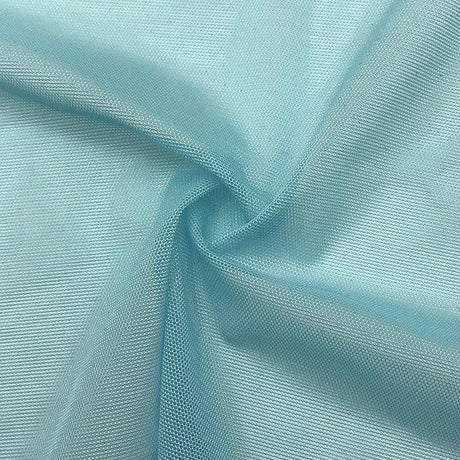
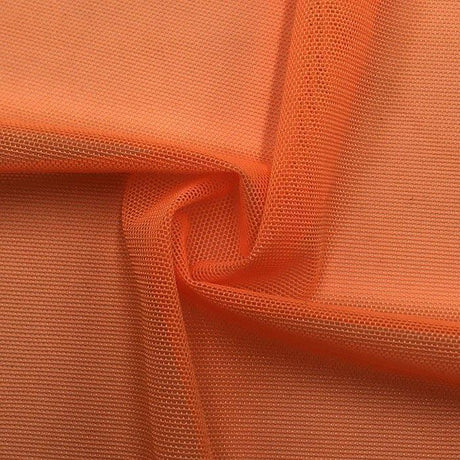
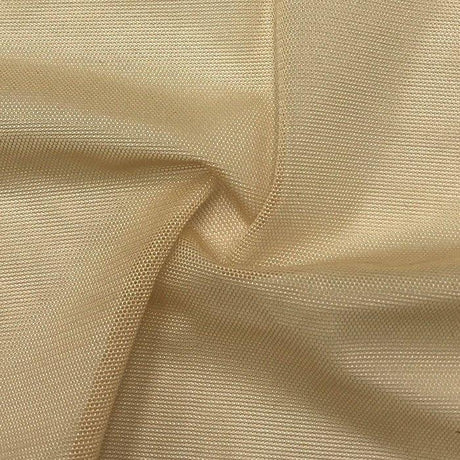
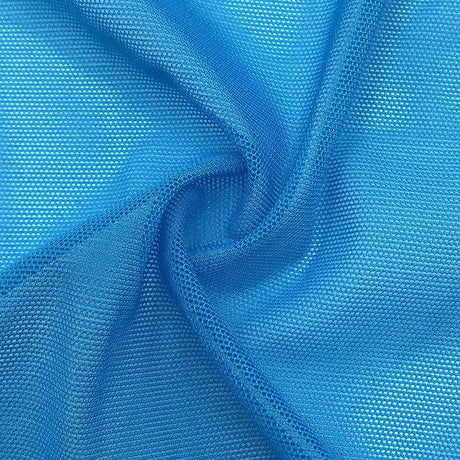
Mesh (Power Mesh/Net)
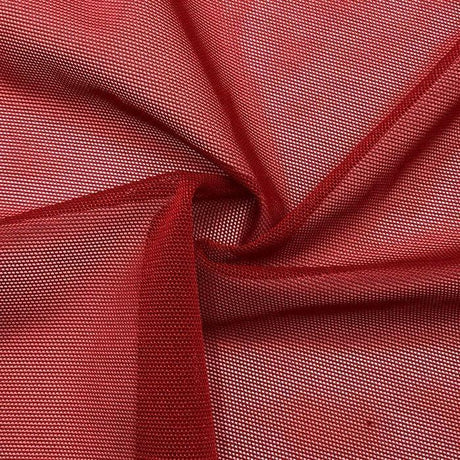
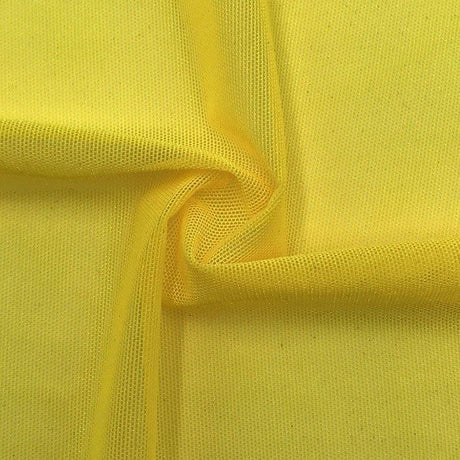
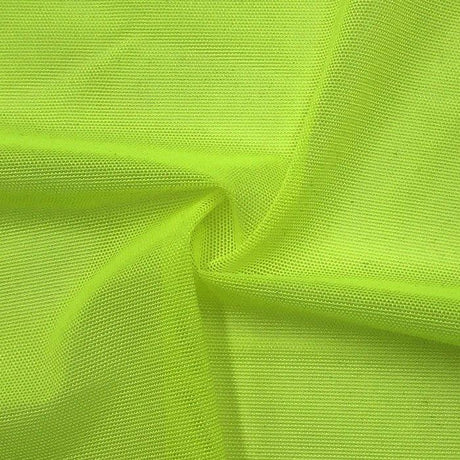
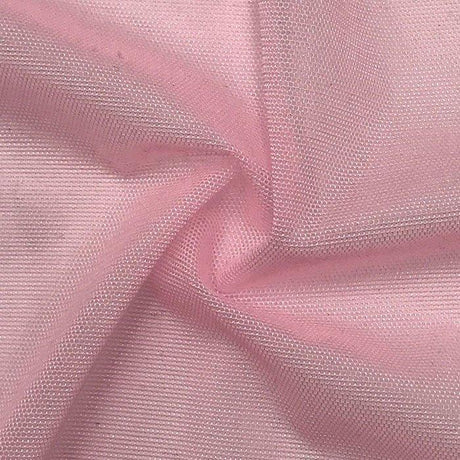
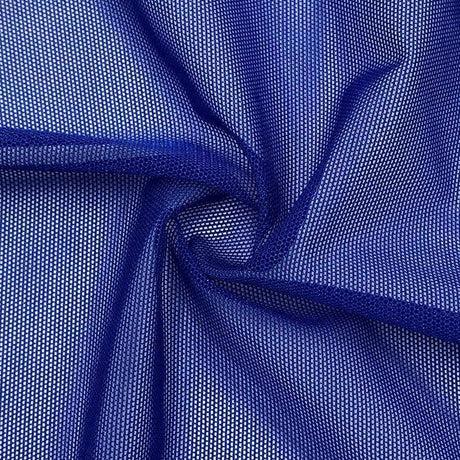
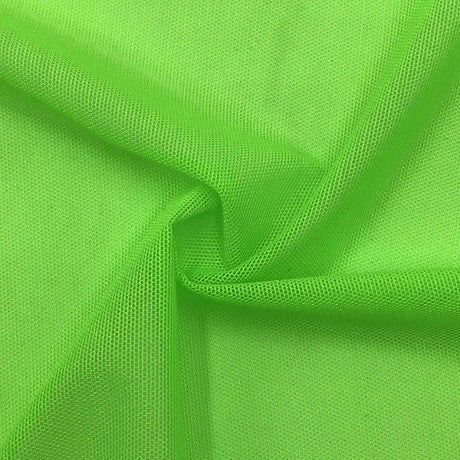
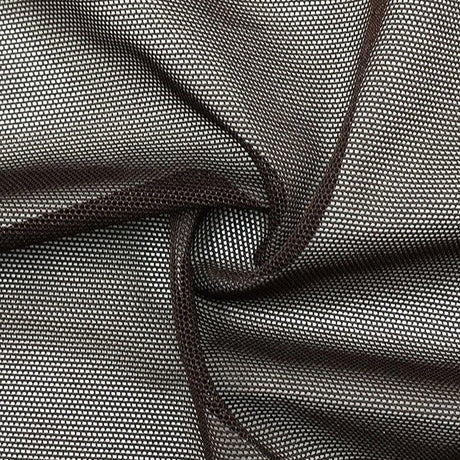
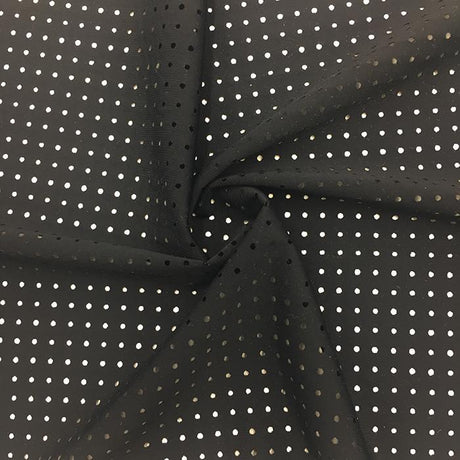
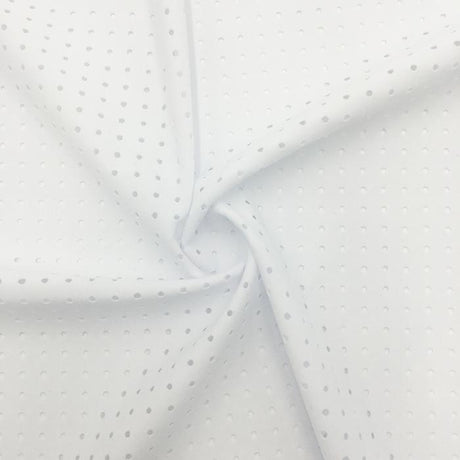
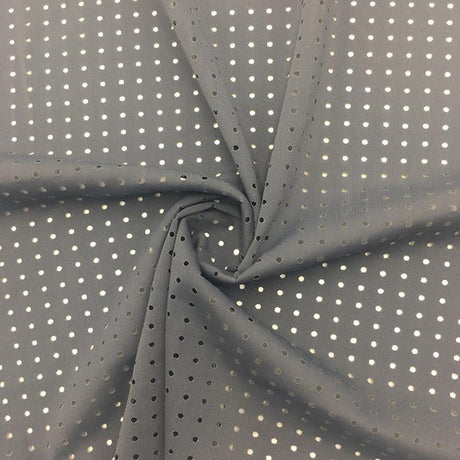
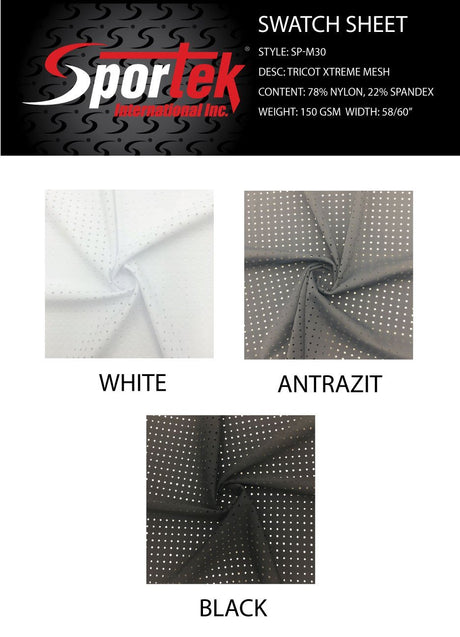
Mesh fabrics are lightweight materials with an open, net-like knit structure. They can be made of nylon, polyester, or spandex blends, and come in varying hole sizes and textures. Our stretch fabric types page covers the full range of mesh constructions – from standard stretch mesh to power mesh – and how they compare in stretch percentage, recovery, and breathability.
Benefits:
- Highly breathable: The open construction means excellent airflow, helping keep dancers cool during intense performances.
- Lightweight & flowy: Mesh adds movement and flow without weight, creating an ethereal effect great for lyrical or contemporary pieces.
- Versatile layering piece: Mesh can be layered over other fabrics to add depth and texture, used for illusion necklines, or strategically placed for visual contrast.
Drawbacks:
- Sheer (needs layering): By nature, mesh is transparent. It usually serves as an accent or overlay, not as the sole fabric for areas that require coverage.
- Delicate (snag risk): Fine mesh can snag or tear if caught on something sharp, especially when paired with abrasive textures like sequins.
- Varied stretch: Some meshes are very stretchy (power mesh with spandex), while others have minimal stretch.
Common uses: Mesh is extremely common for skirts, sleeves, and cut-outs on costumes. Power mesh (a stronger, tighter knit mesh) is used in structural ways, like inset waist panels or light compression layers.
Chiffon
Chiffon is a sheer, lightweight woven fabric known for its delicate, flowing quality. Often made from silk or polyester, chiffon has a slight transparency and a soft drape that creates an ethereal look in motion. Our fabric weight guide covers how lightweight GSM ranges translate to drape and flow in overlays and skirts used in dancewear.
Benefits:
- Beautiful flow: Chiffon floats and trails when a dancer moves, perfect for creating the illusion of movement in skirts, scarves, or sleeves.
- Lightweight layering: Because it's so light, chiffon can be layered without bulk, creating volume while still looking soft and dreamy.
- Elegant, classic look: The slight sheen and transparency of chiffon impart a romantic, ethereal aesthetic.
Drawbacks:
- No stretch: Chiffon is typically non-stretch, so it's used only for loose overlays or skirts.
- Delicate: Chiffon snags and frays easily; it requires careful handling and often hand-washing for maintenance.
- Transparency: Chiffon is sheer, so it requires lining or multiple layers for coverage.
Common uses: Chiffon shines in ballet, lyrical, and contemporary costumes. Classical ballet romantic tutus, lyrical dresses with flowing skirts, and ballroom floats all make use of chiffon's graceful movement.
Tulle
Tulle is a netting fabric known for its use in ballet tutus. It's stiffer than chiffon or mesh, with a fine mesh structure that can hold a shaped form. Made of nylon, polyester, or silk, tulle ranges from soft and drapey to coarse and structured depending on starching and weave.
Benefits:
- Adds volume and structure: Tulle can stick out and hold a shape, which is why pancake tutus are made of many layers.
- Lightweight despite bulk: Tulle layers create bulk without heavy weight, crucial so dancers aren't weighed down.
- Whimsical, dramatic effect: Fine tulle looks like a cloud around a dancer, perfect for fairy or sylph-like characters.
Drawbacks:
- Stiff (in some varieties): Structured tulle can be quite stiff and scratchy on bare skin.
- No stretch & prone to tearing: Tulle has zero stretch and can rip if pulled too hard.
- Can snag or dull: Tulle can snag on sequins or rough surfaces easily, and white or light tulle can gray out with handling.
Common uses: Ballet tutus – from the soft, flowing long tutus of romantic ballets to the short, rigid classical tutus. Tulle is also used in veils, skirts, or bustles for various costumes when a touch of fairy-tale magic or dramatic volume is needed.
Velvet
Velvet is a plush, soft pile fabric that exudes luxury. For dance, stretch velvet (with spandex) is commonly used to combine opulence with flexibility. Our fabric finishes guide covers how velvet's pile surface interacts with stage lighting and how to maintain it through proper care.
Benefits:
- Rich texture and appearance: Velvet reflects light in a unique way, giving a dynamic visual effect under stage lighting.
- Comfortable and warm: The soft nap of velvet feels gentle on the skin and provides a bit of warmth.
- Moderate stretch (in variants): Stretch velvets include spandex in the fabric, allowing movement while providing a regal look.
Drawbacks:
- Heat retention: Velvet's lush pile can get warm and trap heat and moisture.
- Weight and drag: Compared to other dance fabrics, velvet is heavier and may not flare as lightly as chiffon.
- Care and maintenance: Velvet often needs gentle hand washing or dry cleaning and must be stored carefully to preserve the pile.
Common uses: Velvet is popular in ballroom and Latin costumes, lyrical and contemporary costumes for texture and depth, and holiday or character dance costumes where richness is desired.
Satin
Satin refers to the smooth, glossy fabric finish rather than a specific fiber. Satin fabrics (often made of polyester or silk) have a characteristic sheen on one side and a dull back. Our fabric finishes guide covers the science behind satin's reflective surface and how it compares to other finishes under stage lighting.
Benefits:
- High shine, polished look: Satin's lustrous surface catches light beautifully, making the dancer visually pop.
- Smooth drape: A satin skirt or wide-leg pant will swish and sweep elegantly across the floor.
- Structured flow: Satin has some weight and body, working well for structured garments like tailored jackets or corset-style bodices.
Drawbacks:
- Limited stretch: Standard satin has little to no stretch and can restrict movement if used in the wrong area.
- Shows sweat and wrinkles: The shiny surface can reveal sweat spots readily and tends to wrinkle from folding or sitting.
- Snags and fraying: Satin can snag on rough surfaces and frays if seams are not properly finished.
Common uses: Satin is a favorite for ballroom dance costumes, lyrical and jazz costumes for an Old Hollywood elegance, and accessories like ribbons and gloves for a touch of shine.
Sequined Fabric
Sequined fabric is any textile encrusted with small reflective discs, either sewn on or glued in patterns. It's the ultimate stage fabric for sparkle and is common in jazz, tap, and show costumes.
Benefits:
- Maximum sparkle: Sequins catch light and reflect it brilliantly, ensuring the dancer is visible from afar.
- Bold visual impact: Nothing says "showbiz" like sequins. They convey energy, glamour, and extravagance.
- Variety of styles: Sequin fabrics come on different bases – stretch mesh, tulle, or non-stretch fabric – allowing diverse design applications.
Drawbacks:
- Limited stretch & comfort: Sequins sewn onto fabric reduce its stretch significantly. They can also scratch the skin without proper lining.
- Heavy and heat-retaining: A garment blanketed in sequins can get heavy and trap heat.
- Maintenance issues: Sequins can fall off over time and washing must be very gentle to avoid losing shine.
Common uses: Jazz, tap, and Broadway-style dance costumes. Ballroom uses sequined fabrics as accents on Latin dance dresses, and ballet can have touches of sequins on tutu bodices for key characters.
Holographic & Metallic Fabrics
Holographic fabrics are textiles with a shiny, iridescent or metallic surface finish, often built on a spandex base coated with a reflective foil. Most holographic or metallic dance fabrics are built on a 4-way stretch spandex base, meaning you get the sparkle without losing the flexibility. Our stretch fabric types page covers how holographic spandex constructions compare to standard spandex in stretch and recovery performance.
Benefits:
- Intense shine and color effects: These fabrics reflect light in a spectrum of colors, creating a dazzle effect on stage.
- Stretchy base: Most holographic or metallic dance fabrics are built on a 4-way stretch spandex base, so dancers can have a head-to-toe metallic look and still move freely.
- Distinctive look: Holographic fabrics convey a modern, edgy vibe perfect for futuristic or bold themes.
Drawbacks:
- Surface can wear off: The shiny foil or holographic coating is typically a film applied to the fabric. With heavy wear and stretching, this coating can dull or peel over time.
- Less breathable: The metallic coating doesn't breathe, so a full body holographic suit can get hot and sweaty.
- Can be unflattering in large areas: An all-over metallic look can highlight every curve and fold. Designers sometimes prefer to use holographic fabrics in panels or trim.
Common uses: Acro and gymnastics costumes, jazz and hip-hop performances, ballroom Latin dancewear, and theatre or character costumes with a high-tech shimmer theme.
Lace
Lace is a classic fabric featuring openwork patterns, often floral or geometric, created by weaving or knitting threads in an intricate design. In dance costumes, lace is usually used as an overlay or accent to add texture and elegance.
Benefits:
- Elegant, delicate aesthetic: Lace instantly adds sophistication and romance to a costume, evoking vintage or classical themes.
- Textural contrast: Lace provides visual and textural contrast in a mix of fabrics, creating depth.
- Breathable and light: Lace is generally lightweight and somewhat open, so it doesn't usually make a costume heavy or hot.
Drawbacks:
- Limited stretch (unless stretch lace): Traditional lace has no stretch and can be quite rigid. Stretch lace (with spandex content) is preferable for fitted dance costume areas.
- Fragility: Lace is prone to snagging or tearing if caught, especially with heavy usage.
- Requires backing or lining: Lace is full of holes, so for coverage or structure it often needs backing with another fabric.
Common uses: Ballet and lyrical costumes for delicate beauty, ballroom costumes particularly for Standard dances to add femininity and detail, and contemporary pieces where black or bold lace over bright underlays creates edgy contrast.
Best Fabric Choices by Dance Style
Ballet
Ballet costumes demand timeless elegance and unencumbered movement. Key fabric considerations include lightness, fluidity, and support. Our dancewear fabric guide covers fabric selection across all classical and contemporary dance forms in detail.
For leotards and tights: Spandex/Lycra blends are the standard. Nylon-spandex or cotton-spandex fabrics are breathable yet snug. The stretch provides needed support while enabling high extensions and jumps. Our nylon-spandex fabric guide covers the performance specifications most relevant to ballet leotard and tight applications.
For skirts and tutus: Tulle and chiffon reign supreme. Tulle creates the classic tutu silhouette while chiffon is used for softer skirts or attached drapes, especially in neo-classical or contemporary ballets.
Overlays and details: Lace and silk/satin might appear as overlays on bodices or as decorative sleeves, always backed by a stretchy base to maintain movement. Nude mesh is often used for illusion necklines.
Why these fabrics? Ballet technique is precise and fluid; lightweight materials like chiffon and tulle ensure the costume doesn't interfere with legwork or lifts, while the spandex-based leotard foundation allows dancers to execute anything from grands jetés to arabesques without fabric limitation.
Jazz
Jazz dance is energetic, sharp, and often sassy. Costumes need to allow quick, angular movements and usually have a flashy, showy quality.
Stretch fabrics for movement: Spandex, stretch nylon, or stretch blends form the base of most jazz costumes. Sleek unitards, leggings, or form-hugging dresses made of these materials ensure dancers can hit every move sharply.
Shine and sparkle: Sequined fabrics, metallic foils, or holographic accents are very common in jazz costumes. Fringe and tassels are also frequent additions – often attached to a spandex base – to give extra movement.
Bold colors and patterns: Fabrics in neon colors, bold geometric prints, or animal prints (often on a stretch base) appear in jazz costumes to add personality and attitude.
Why these fabrics? Jazz is about high energy and entertainment, so fabrics serve both function and flash. Stretch fabrics ensure dancers can execute fast movements with ease while shiny and sequined materials amplify every movement under stage lighting.
Hip-Hop
Hip-hop dance costumes draw from streetwear influences and need to accommodate a very wide range of movements. Comfort and durability are key, with a touch of swag in the look.
Flexible comfort fabrics: Cotton blends, French terry, or jersey knits are common, breathing easily and allowing movement. For more performance-oriented hip-hop, stretchy leggings or unitards are worn under layered street clothes to enable acrobatics and floor moves. Our cotton-spandex fabric guide covers how cotton blends perform in high-activity casual dance applications.
Durable synthetics: Polyester blends are popular for performance-oriented hip-hop costumes because they're tough and vibrant. Polyester track pants slide well on the floor and handle friction. Our activewear fabric guide covers polyester-spandex constructions suited to high-impact, floor-contact dance applications.
Style elements: Mesh may be used in jerseys or as breathable panels in street-style outfits. Holographic or metallic accents can add a modern, edgy vibe to stage costumes.
Why these fabrics? Hip-hop is about self-expression and power. The fabrics need to let dancers drop to the floor, do knee spins, or krump without ripping – hence the emphasis on durability and movement-friendly construction.
Lyrical & Contemporary
Lyrical and contemporary dance styles emphasize fluidity, emotion, and storytelling. Costumes prioritize freedom of movement and usually aim for an ethereal or expressive quality.
Flowing, lightweight fabrics: Lightweight fabrics like chiffon, mesh, and soft jersey move with the dancer and amplify movement. Long chiffon skirts, sheer mesh layers, or draped jersey fabric are all common for lyrical pieces.
Form-fitting bases with soft texture: A lyrical/contemporary costume will typically have a base leotard or unitard in spandex or cotton-spandex, often in a neutral or soft color. Stretch velvet can give a muted, emotional tone while still stretching with movement.
Breathability and simplicity: Cotton or bamboo blends can be used for softness and breathability when a piece calls for a more pedestrian look. Simplicity is key – costumes favor breathable, unencumbering materials rather than heavy embellishments.
Why these fabrics? Light, flowing fabrics create a near-seamless connection between the dancer's movement and their costume, trailing and accentuating every turn or reach while the minimal stretch base allows full athletic range.
Ballroom & Latin
Ballroom dance costumes must balance glamour, movement, and partnering requirements. They often use a combination of rich fabrics for visual impact and stretch fabrics for function.
Standard Ballroom (Smooth): Satin, chiffon, tulle, and organza are commonly used for skirts and floats because they create beautiful, sweeping movements. Many ballroom bodices are made of a sturdy stretch fabric (like stretch satin or Lycra) and adorned with lace appliqués or rhinestones for sparkle.
Latin & Rhythm: Spandex and stretch mesh bases are a must – Latin dresses are often essentially leotards with skirts or fringe attached. Sequins, fringe, and feathers are hallmark embellishments, giving a lot of motion with each hip shake. Our nylon-spandex fabric guide covers the smooth, form-fitting constructions used as the base layer in Latin dance costumes.
Men's ballroom fabrics: Stretch gabardine or stretch suiting for pants, and shirts often of spandex blends to allow arm movement while maintaining a polished appearance.
Why these fabrics? Ballroom costumes must be built to complement partnered movement, with stretch fabrics allowing the female dancer to lift her arms and the male dancer to move freely. The visual of ballroom is about glamour and drama, so fabrics with shine and movement are employed alongside durable synthetics that can handle strenuous routines.
Acro (Acrobatic Dance)
Acro dance combines classical dance technique with acrobatic elements. Costumes need to be especially secure and flexible, since dancers might be upside down or in extreme positions frequently.
High-performance stretch fabrics: The base of any acro costume is typically a full-bodied spandex or Lycra garment – like a unitard, biketard, or leotard with tights. A strong 4-way stretch fabric (often a nylon/spandex blend) that can handle being stretched and pulled in many directions without losing shape is essential. Our nylon-spandex fabric guide covers the high-strength constructions most suitable for acrobatic performance applications.
Secure design and layering: Stretch mesh or power mesh is used for artistic details while maintaining function. Nude mesh is used to create the illusion of two-piece or cut-away while keeping the costume one secure piece – important for acro so the outfit stays put.
Durability and coverage: Acro dancers need fabric that handles friction from floor contact. Reinforced stitching and strong fabric blends (like 80% nylon, 20% spandex) are common. Moisture-wicking properties are a bonus, as acro is very physically demanding.
Why these fabrics? Essentially, acro costumes use materials similar to athletic wear or gymnastics costumes because the demands are comparable – maximum flexibility, support, and hold – while also often giving a vibrant, polished look so the acrobatics are visually enhanced.
Practical Considerations: Layering, Movement, and Maintenance
Layering Fabrics for Effect: Costumes often use multiple fabrics in layers – a sparkly sequin overlay on a solid base, or a mesh drape over a Lycra bodysuit. When layering, consider how the fabrics interact: avoid placing very abrasive fabrics directly over delicate ones to prevent damage. A layer of power mesh or lining is often used as a buffer between such fabrics. Our how to sew stretch fabric guide covers construction techniques for layering and attaching overlays to stretch bases cleanly and securely.
Ease of Movement vs. Visual Impact: Always ask: will this design element hinder movement? Strategic placement is key – put the eye-catching fabric where it won't impede joints (e.g., metallic panels on the torso, but stretch fabric in the arms and legs). The goal is a costume that enhances movement, not fights it.
Visual Impact on Stage: Under powerful stage lights, fabrics can transform. Shiny fabrics (satin, sequins, foils) reflect light and make movements more pronounced. Matte fabrics (matte jersey, cotton) offer a subtler look that can be elegant. Testing fabrics under lighting or at a distance can ensure the visual effect is as intended. Our fabric finishes guide covers how different surface treatments interact with stage lighting and projection.
Care and Maintenance: Dance costumes are investments that must endure sweat, stretching, and frequent cleaning. In general, gentle hand washing or cold delicate cycle is safest for most dancewear. Harsh detergents or hot water can damage spandex and dull shiny coatings or sequins. Air drying is highly recommended for leotards, spandex pieces, or anything with embellishment. Our spandex care guide and fabric care guide cover complete care protocols for all common dancewear fabric types, including how to preserve embellishments, sequins, and holographic coatings through proper laundering.
For tutus or tulle skirts, hang them up and use gentle steaming to remove wrinkles. Velvet should be stored rolled or hung to avoid crushing the pile. Sequined or stoned costumes should be stored in garment bags to prevent snagging other items.
Final Tip – Rehearsal vs. Performance Wear: Many dancers use different clothing for rehearsal and save the costume for performance. Always do a full dress rehearsal to test the fabric in action – this often reveals if straps need tightening, if a skirt is catching the heel, or if a fabric makes an unexpected sound. Those last-minute adjustments can then be made for a smooth performance.
Conclusion
Selecting the best fabrics for dancewear and costumes is a nuanced art that blends practicality with creativity. The right fabric ensures a costume meets the rigorous demands of dance – offering stretch for freedom, breathability and moisture management for comfort, and durability for countless rehearsals. At the same time, fabrics contribute immensely to a costume's visual storytelling.
Know your performance criteria and choose fabrics that fulfill those needs. Often, this means combining fabrics: a sturdy stretch base layered with a delicate overlay to get the best of both. Tailor your fabric choices to the dance style – what works for a ballet tutu might not suit a hip-hop outfit, and vice versa, as we've explored.
Ready to find the perfect dancewear fabric? Explore our dancewear fabric guide for curated fabric recommendations by performance type, use our fabric weight guide and stretch fabric types page to compare your options, and visit our how to sew stretch fabric guide for construction techniques. Our spandex care guide and fabric care guide will keep every costume performing beautifully through every performance and rehearsal. Have questions? Our expert help and advice page and FAQ are always available. Sign up for SpandexByYard Rewards to earn points on every purchase – because the right fabric makes every dancer shine in the spotlight.