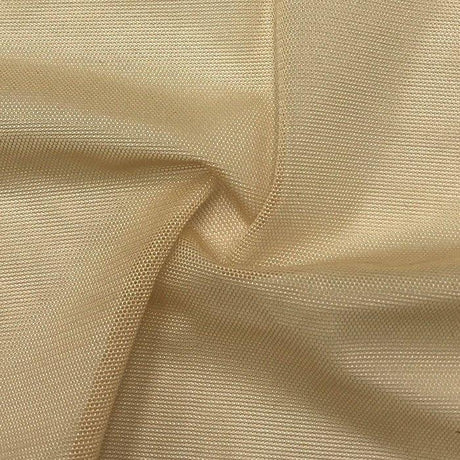
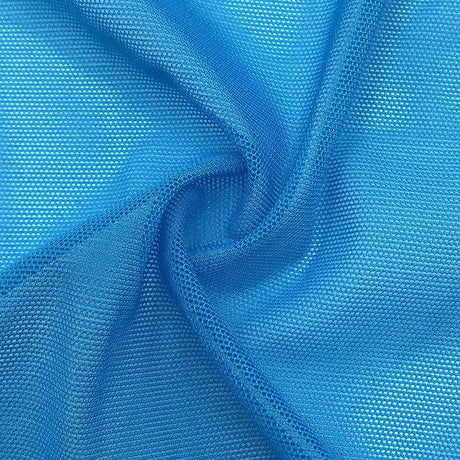
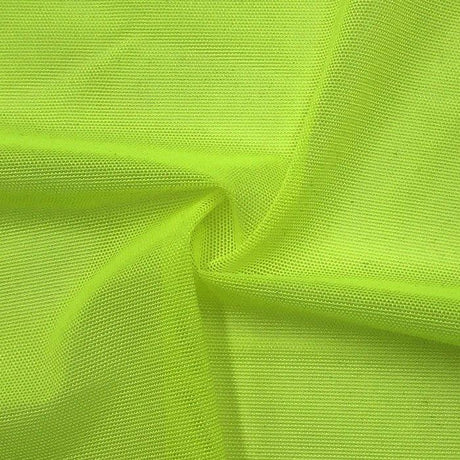
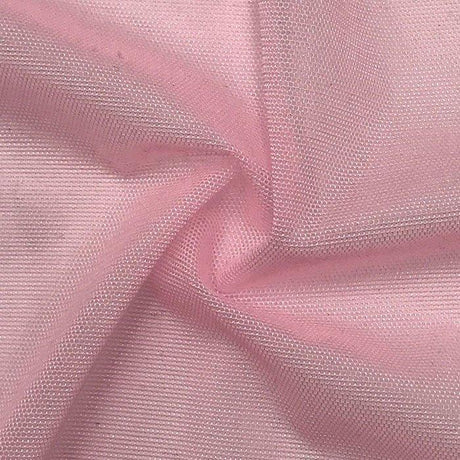
Bikini designers often encounter linings that sag, add unwanted bulk, or don’t stretch properly with the outer fabric. The right bikini lining can make the difference between a swimsuit that fits well and one that falls short. In fact, ignoring proper lining choice can lead to transparency issues, sagging when wet, and overall poor fit – problems that undermine even the best outer fabric. This guide will help you select the best lining for bikini projects that ensures comfort, opacity, support, and minimal bulk for both professional swimwear designers and DIY enthusiasts.
Why Choosing the Right Bikini Lining Matters
A high-quality swimwear lining isn’t just about making the inside look neat – it directly affects the performance and longevity of the bikini. Here’s what the liner does for your swimsuit:
- Prevents Transparency: The lining provides coverage to keep light-colored or thin bikinis from becoming see-through when wet. This is crucial for lighter fabrics and nude tones.
- Maintains Shape & Support: A good lining adds structure, helping the suit hold its shape and avoid sagging when wet. It offers extra support in areas like the bust or tummy so the suit doesn’t stretch out of shape.
- Improves Comfort: Most linings are a silky, smooth lining for bikinis that sits softly against the skin. A soft, brushed lining prevents irritation and chafing, making the bikini more comfortable to wear for long periods.
- Enhances Durability: Lining fabric acts as a buffer between the body and the outer material. This extra layer reduces friction and strain on the outer fabric, increasing the swimsuit’s lifespan. Many designers find that fully lined suits last longer, especially in chlorinated water, because the lining protects and reinforces the outer fabric.
- Adds Modesty & Coverage: For designs with thinner or mesh outer fabrics, the lining adds an extra layer of modesty. It ensures even high-stretch or untextured areas stay opaque and helps the wearer feel securely covered.

Technical Comparison of Common Bikini Lining Fabrics
Not all lining materials are created equal. Bikini linings come in various fabric types – from stretchy knits to power meshes – each with different weight, stretch, and support characteristics. The table below compares popular lining options by their approximate weight (GSM), stretch capability, stretch recovery, breathability, and opacity:
| Lining Type | Typical GSM | Stretch & Recovery | Support Level | Breathability | Opacity | Common Uses |
|---|---|---|---|---|---|---|
| Nylon–Spandex Tricot | ~90–120 GSM | Excellent 4-way stretch with strong recovery | Light–Moderate | Good | Good without bulk | Standard full lining, everyday swimwear |
| Power Net / Power Mesh | ~170–200 GSM | Firm stretch, outstanding recovery | High (compression) | Moderate–Low | High | Tummy control panels, bust support, shaping areas |
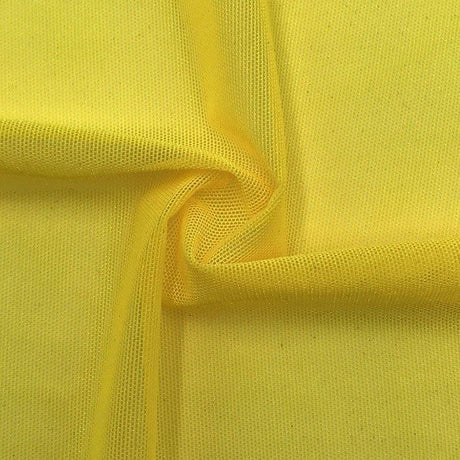
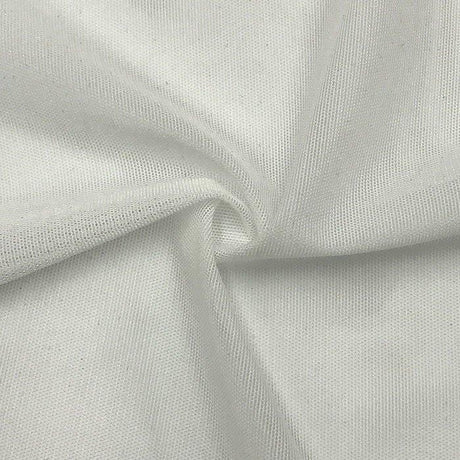
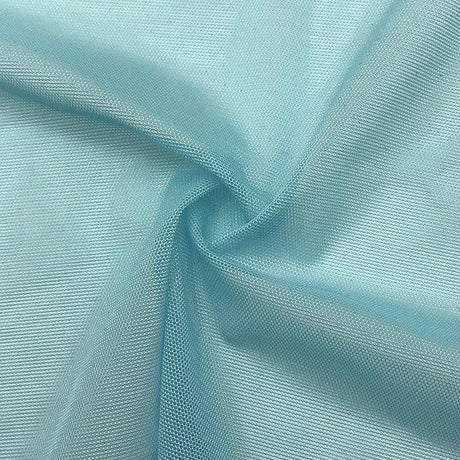
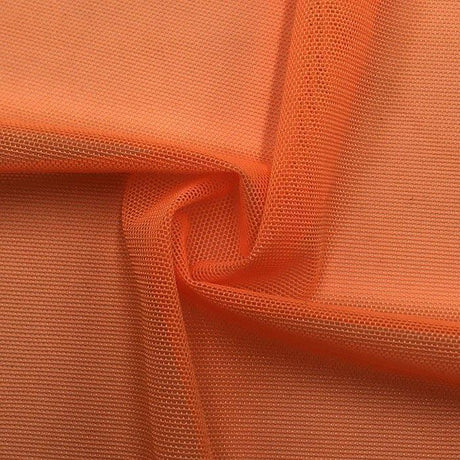
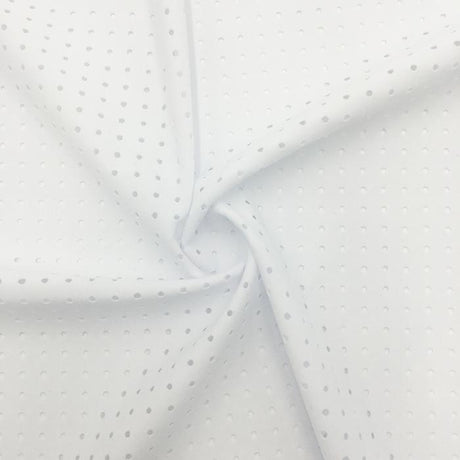
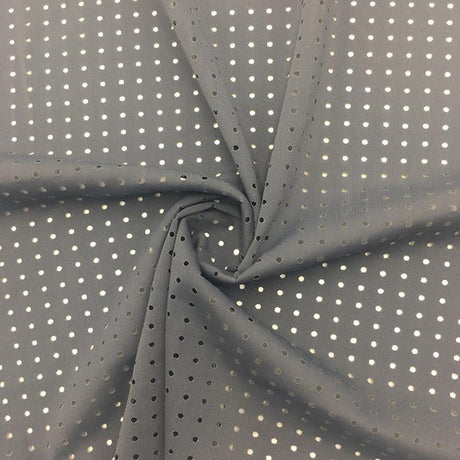
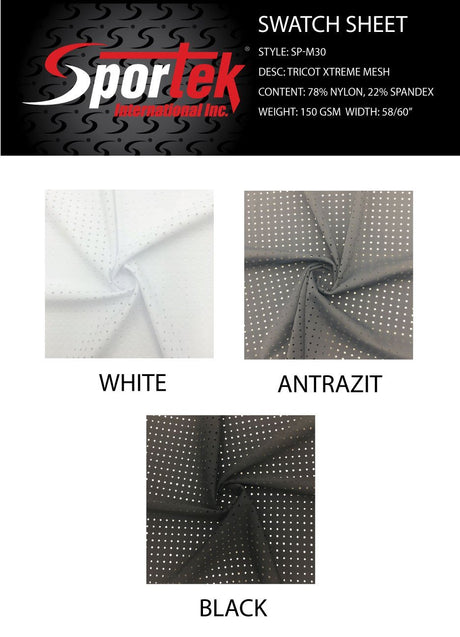
| Lightweight Stretch Mesh | ~80–100 GSM | Soft stretch, moderate recovery | Low | Excellent | Moderate | Coverage without bulk, fashion or breathable designs |
| Polyester Interlock Knit | ~110–140 GSM | Stable 2-way stretch | Moderate | Moderate | High | Children’s swimwear, budget or durability-focused suits |
Key takeaway: higher GSM linings and those with higher spandex content tend to provide more support and coverage, but may feel heavier and less breathable. Lighter linings and meshes maximize stretch and air flow, but may require double layers for adequate opacity. Always review a lining’s specs – weight, stretch % in each direction, and fiber content – to ensure it meets your bikini’s needs.
How to Choose the Best Lining Fabric
Choosing the ideal bikini lining comes down to balancing comfort, support, and compatibility with your design. Consider the following factors when evaluating lining options for swimwear:
- Stretch Compatibility: Ensure the lining fabric has at least as much stretch as the outer fabric for bikinis. A 4-way stretch lining is recommended so that it moves and recovers in sync with the main fabric. If the lining is less stretchy or has different stretch ratios, it can cause the outer fabric to twist, bag, or fit poorly.
- Weight & GSM: Match the lining weight to the suit’s needs. Use lightweight linings (90–120 GSM) for fashion bikinis where minimal bulk and quick drying are priorities, and heavier power net (150–200 GSM) for styles that need shaping or support panels. Remember that low-GSM linings may risk transparency, while very high GSM can add stiffness – find a happy medium based on the bikini style.
- Opacity & Color: For light-colored or thin outer fabrics, choose a lining that is opaque enough or double-line the critical areas to prevent see-through. Nude or matching-color linings work best to avoid show-through; for example, avoid using a stark white lining under a dark outer fabric, as it can peek through or alter the appearance.
- Support Needs: Decide if the bikini requires extra support or compression. For a simple string bikini or bralette top, a standard tricot lining is usually sufficient. But for an athletic swimsuit or plus-size bikini, you might incorporate a power mesh or power net layer in areas like the tummy control panel or bust shelf for added strength. Use high-support linings strategically so the suit holds up to movement without feeling restrictive.
- Comfort & Finish: The lining is the layer against the skin, so it should feel smooth and non-abrasive. Look for linings labeled as silky or soft touch; some premium linings (e.g. Helenca or “Helenka” lining) have a luxuriously smooth feel ideal for higher-end swimwear. Also consider how the lining is constructed into the bikini – a thin, smooth lining for bikinis will create a clean, seamless look, especially important for styles where the lining might occasionally show (like a wrap bikini or one with cutouts).
- Breathability & Drying: If you’re designing swimwear for performance or long days at the beach, a breathable lining can improve comfort. Mesh-based linings allow water and air to flow through, helping the suit dry faster. In contrast, thicker knit linings or those with high cotton content hold water and can increase drying time (and even weight when wet). Prioritize a lightweight lining mesh for cases where keeping the suit light and quick-drying is critical.
By checking each of these criteria, you can narrow down which lining fabric will work best for your specific bikini project. Below, we’ll apply these considerations to different bikini styles and use-cases.
How to Choose the Right Lining by Bikini Style
Different swimsuit styles call for different lining approaches. Here are recommendations for selecting linings based on bikini type:
String Bikinis & Minimal Coverage Styles
String bikinis, triangle tops, and other minimal-coverage suits have small pattern pieces and thin tie straps, so bulk reduction is key. You’ll want a lining that provides coverage without making the bikini feel thick or heavy. A lightweight nylon/spandex tricot or a lightweight lining mesh are top choices here. For example, a micro stretch mesh ~80–100 GSM offers coverage with virtually no added weight or bulk, perfect for petite bikini cups or narrow bottoms. These linings will ensure the suit isn’t see-through, yet won’t impede the stretch of those tiny pieces.
In many string bikini designs, the outer fabric and lining are similar in stretch and thinness – sometimes designers even use self-fabric as the lining (self-lining) if the main material is lightweight. Just be cautious: if you double up a thicker outer fabric, it could make the straps or ties too stiff. Generally, stick to one light layer of tricot lining for the front of cups and bottoms. Also, cut your lining pieces slightly smaller or use lining that has great recovery; this prevents the lining from sagging or peeking out around edges (a common issue if the lining is loose). The goal is a bikini that feels almost unlined – comfortable and form-fitting with no liner overhang.
Athletic & Performance Swimwear
Sport bikinis, training swimsuits, or any swimwear intended for athletic use will benefit from strong, durable linings. Here you should consider performance fabrics like polyester-based linings or extra supportive nets. Polyester PBT linings are often recommended for competitive swimwear and chlorine-heavy pool use because they resist chlorine damage and hold their shape longer. They also tend to dry quickly and endure frequent use.
For athletic bikinis, look for linings labeled “sport” or “chlorine-resistant” – these usually contain polyester or Xtra Life Lycra. If the design involves high impact (e.g. beach volleyball bikini) or larger bust support, integrate a power mesh or power net panel. Power mesh (~130–150 GSM) adds moderate compression without too much bulk, ideal for a tummy control lining in bottoms or a hidden bra sling in a bikini top. Power net (closer to 170–200 GSM) can be used for maximum support, like a built-in bra band or shapewear effect, but use it sparingly so the suit still flexes and stays comfortable.
In summary, athletic swimwear linings should prioritize strength, chlorine-resilience, and support. A high-quality nylon/spandex lining will work, but if possible, opt for a polyester blend lining for longevity in chlorinated water. Don’t forget to ensure any support lining is compatible in stretch – even a firm power net should have good 4-way elasticity to move with an athlete’s body.
Reversible & Seamless Designs
Reversible bikinis and styles aiming for a seamless, clean finish have special lining considerations. In reversible swimwear, the lining is the second outer layer – both sides of the bikini will be seen. This means the lining fabric should have a finished look and color that complements the main side. Often, designers will simply use the same fabric on both sides (self-lining) for reversibles. This works well if the fabric isn’t too thick; it yields two wearable looks and a uniform stretch. However, when using a distinct lining, choose one that is smooth, soft, and non-bulky so it can be neatly topstitched or enclosed without thick seams. A premium option like Helenca (Helenka) lining is popular here – it’s a silky nylon-spandex knit known for its luxurious feel and excellent drape. Helenka and similar linings create a smooth lining for bikinis that ensures the inside looks as good as the outside, with no irritating texture.
For seamless or raw-edge styles (where the edges are not bound by elastic or stitching), the lining must cooperate to lie flat. A fine-gauge tricot lining with high spandex content is ideal; it will stretch evenly and recover, preventing the edges from curling. Make sure to match the lining color to the outer fabric if any part might peek out. In fact, many seamless bikini patterns call for lining each piece entirely and then constructing the suit by sewing the lining and outer layers as one (this hides all seams between layers). In this case, pick a lining that is thin enough to double up with the outer fabric without becoming too thick.
Tip: For reversible suits, avoid any lining that is rough or has raised textures (like power mesh holes) on one side. You want both surfaces of the bikini to be comfortable on skin. A smooth, tightly knit swimwear lining will give you that reversible flexibility. Also consider using two different colors of the same lining fabric if you want a contrast reversible look – just be sure both have identical stretch.
Common Mistakes with Bikini Linings (and How to Avoid Them)
Even experienced swimwear makers can run into issues when lining a bikini. Here are some common mistakes to watch out for, and how to avoid them:
Overlining and Excess Bulk
It might be tempting to double-line or use a thick liner “just in case,” but overlining can do more harm than good. Too many layers or a lining that’s unnecessarily heavy will add bulk, making the bikini less form-fitting and slower to dry. Remember that lining always adds some bulk and weight – in children’s swimwear, for instance, it’s often recommended to leave out full lining in the back so the suit dries faster and feels light. To avoid bulk, choose the lightest lining that still achieves the needed coverage/support, and only line areas that truly need it. For example, don’t fully line a bikini bottom with power net unless it’s a special control top design; use a standard lightweight lining for most of it and add power mesh just to the front panel if needed. Overlining can also lead to a stiff feel and visible thick seams, which detract from the comfort and aesthetics of the swimwear.
Mismatched Stretch or Weight
One of the cardinal sins in swimwear construction is using a lining that doesn’t match the stretch characteristics of the outer fabric. If your bikini fabric is a super stretchy 4-way spandex and you line it with a more static 2-way stretch knit, the outer layer can end up baggy or the lining can sag – basically, the two layers fight each other. A mismatch in stretch or recovery “causes twisting and poor fit” as the garment is worn. To avoid this, always test stretch both fabrics: they should stretch to a similar percentage and have similar recovery. Also, cut your lining with the same grain/orientation as the outer fabric (usually the direction of greatest stretch goes around the body). If one fabric is heavier (higher GSM) than the other, be mindful that the heavier might pull down on the lighter. For instance, a very light swim knit self-lined with a heavier polyester lining could cause the outer fabric to droop. The safest approach is to choose a lining of equal or slightly lighter weight than the shell fabric, with equal stretch. This ensures both layers move together as one.
Also, remember the earlier tip: the lining piece can be slightly smaller (shorter) than the outer piece before sewing. This trick, often used in sewing leotards and swimwear, forces the lining to tension inside and prevents it from sagging or rolling outward. Just a difference of 3-5% in length (lining shorter) can help the outer edge roll inwards nicely, hiding the lining.
Visible Lining and Seams
Nothing ruins the look of a bikini more than the lining showing where it shouldn’t. There are a few scenarios to avoid here. First is choosing the wrong color lining – for example, using a light lining under a dark fabric or a dark lining under a light fabric. The outer layer can become murky or off-hue because the lining color is shining through, especially when stretched or wet. Using a white lining under dark swim fabric can cause show-through or a greyed-out look. The simple fix is to use a lining color that matches the outer fabric or the wearer’s skin tone for nude effect. Many swim designers keep stock of linings in neutral shades (nude, black, white) and choose the closest match that won’t be obvious underneath.
Another cause of visible lining is edge rolling or saggy lining that peeks out. This often happens if the lining isn’t secured properly or if it’s cut larger than the outer fabric. Always baste or pin your lining to the main fabric and check that it sits slightly taut. If the lining tends to roll out at the edges (like along a neckline or leg opening), consider under-stitching the seam allowances to the lining side, or use elastic to pull that edge inwards. Finally, bulky seams in the lining can imprint on the outside if not handled well. Trim excess lining fabric from seam allowances and choose a lining that lies flat so you don’t see ridges from the outside. A good practice is to use zigzag or serger stitches that stretch, so the seam junctions don’t pop and reveal the lining.
When to Use Alternative Lining Fabrics
Most modern swimwear linings are made of synthetic blends (nylon or polyester with spandex) because these handle water and stretch the best. However, in certain cases you might deviate from the standard and use a different lining approach:
- Children’s Swimwear or Sensitive Skin: For very young children or those with sensitive skin, some designers opt for linings with a high cotton content or ultra-soft knit linings. Cotton jersey or cotton interlock fabric can feel gentler against the skin than slick poly/nylon. In toddler swimsuits or swim diapers, you might see a thin cotton lining simply for comfort. That said, be aware that cotton absorbs water, becoming heavy and slow to dry. It also lacks the recovery of spandex, so a cotton-lined swimsuit may bag out when wet. Use cotton linings sparingly (e.g. only in a crotch panel, or a front lining for a baby’s swimsuit that won’t be immersed long), and always test for colorfastness and chlorine effects. A good compromise for kids is a polyester interlock lining – these are a bit thicker, very stable knits often used in girls’ swimsuits. They provide coverage and softness without as much stretch; since kids aren’t as curvy, a 2-way stretch can work for them and the extra coverage can add modesty. Just remember to keep it lightweight and avoid unnecessary double lining for kids (to reduce bulk as noted above).
- Modest Coverage Swimwear: Some swimwear styles prioritize maximum coverage and modesty, such as certain conservative swimsuits or mastectomy swimwear with pockets for prosthetics. In these cases, a thicker lining or even a double lining may be used intentionally. For example, a front panel might be lined with a high-density knit or even a lightweight foam cup material to ensure nothing shows through. Older styles of swimwear sometimes used a powder pink nylon tricot doubled up as lining for extra opacity. If using alternative linings for coverage, just be sure the edges are well enclosed and the suit can still stretch enough to be put on comfortably.
- Special Textures or Thermal Linings: Occasionally, designers experiment with unique lining fabrics for effect. A mesh lining is standard in men’s swim trunks, but some women’s bikinis might use a power mesh as an overlay or a sport-knit lining that offers compression. There are also cases of using thermal linings (a lightly fleece-lined fabric) for swimsuits meant for slightly cooler water or sun-protective swimwear. These aren’t common and tend to be niche; any such non-traditional lining must be tested for chlorine/salt resistance and stretch.
In general, stick to performance linings for most bikinis – they will yield the best results in terms of fit and longevity. Use cotton or thick linings only when there’s a compelling reason, and always educate the wearer on the trade-offs (for instance, a suit with a cotton lining should be rinsed and dried thoroughly to prevent sag and mildew).
By understanding the purpose of bikini linings and the properties of different fabrics, you can confidently choose the best lining for each bikini design. The right lining ensures your swimwear has the comfort, opacity, support, and streamlined fit that customers expect. With the comparisons, criteria, and tips outlined above, you’ll be able to avoid common lining pitfalls and create bikinis that look beautiful and perform beautifully in the water. Happy swimwear designing!