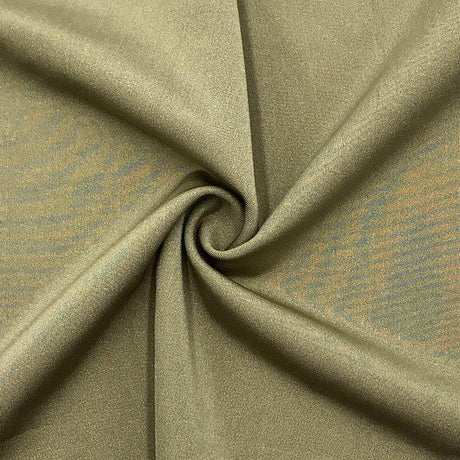
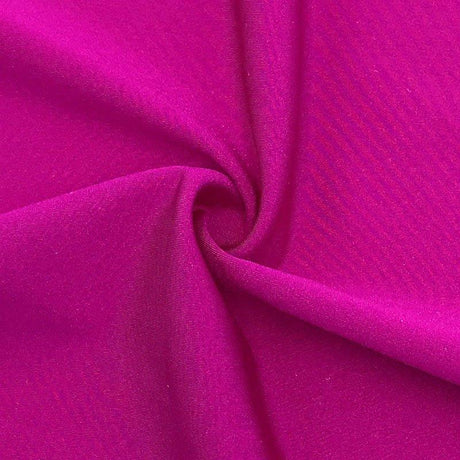
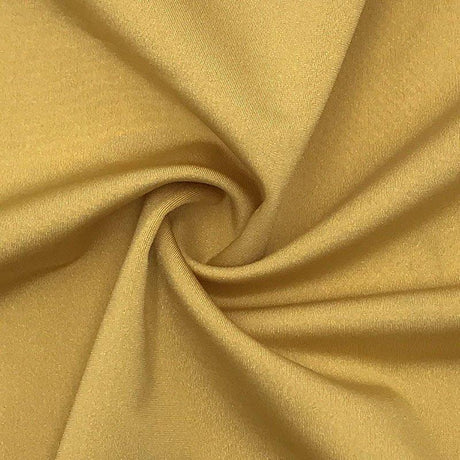
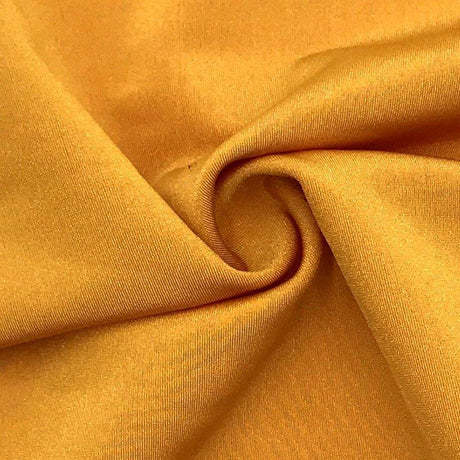
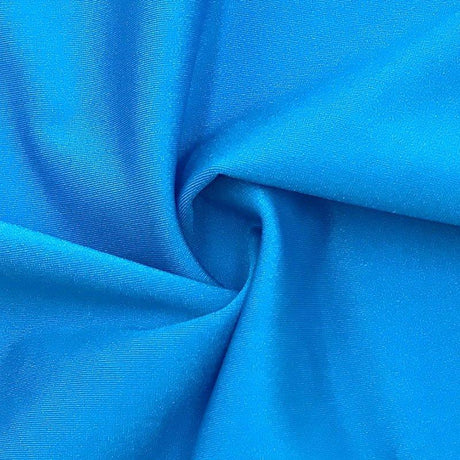
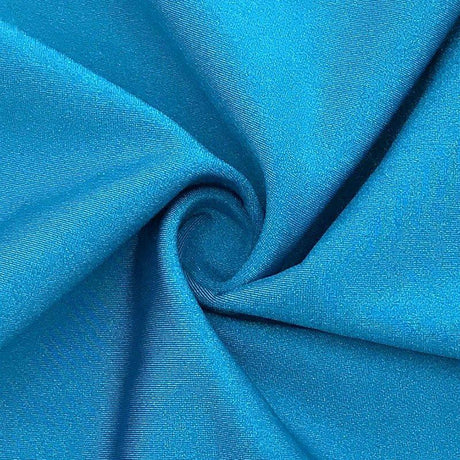
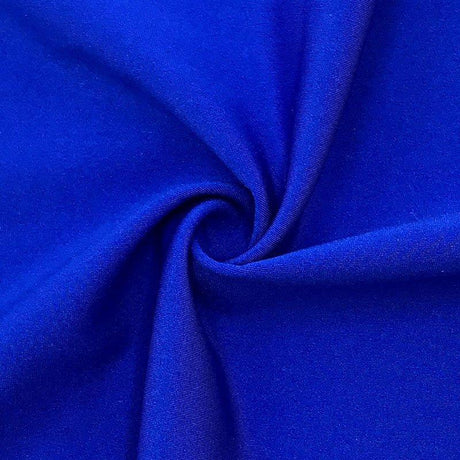
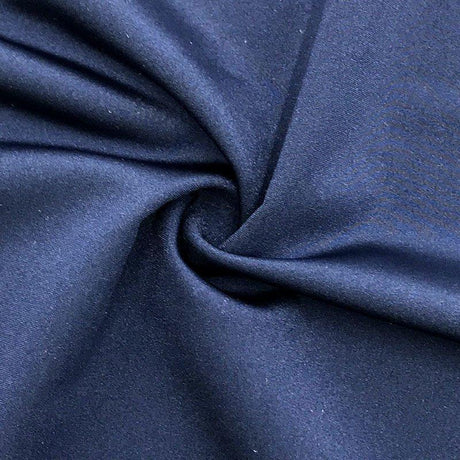
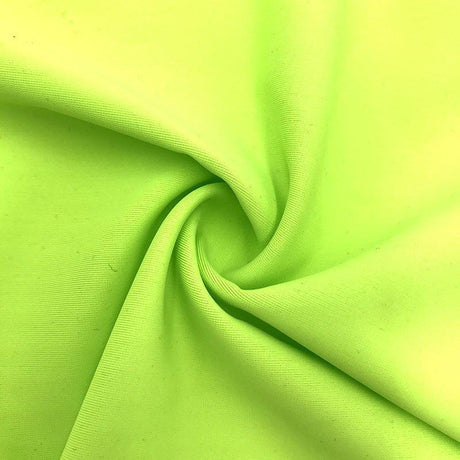
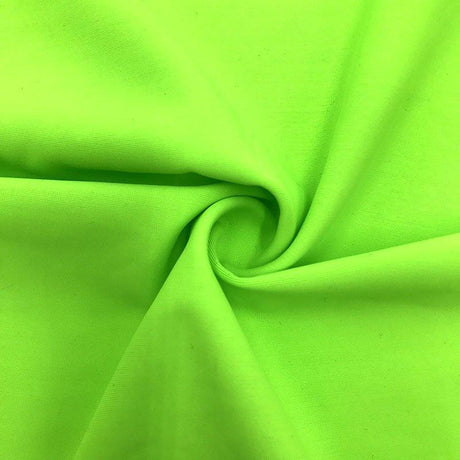
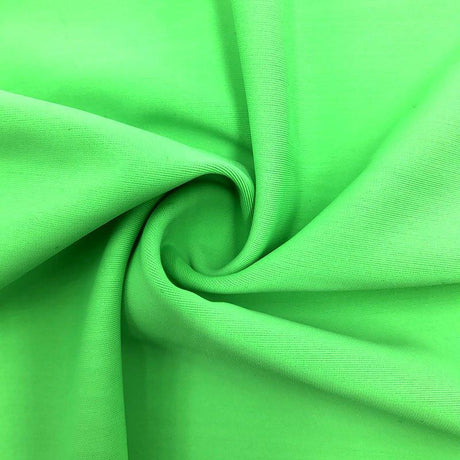
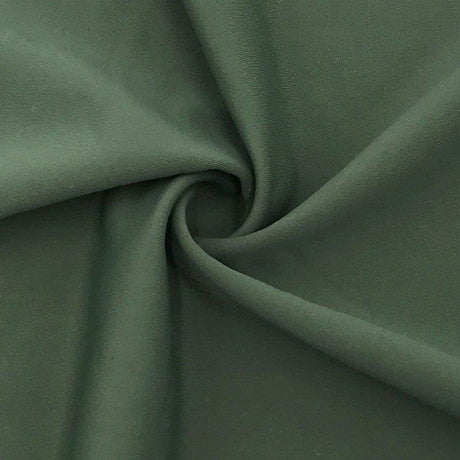
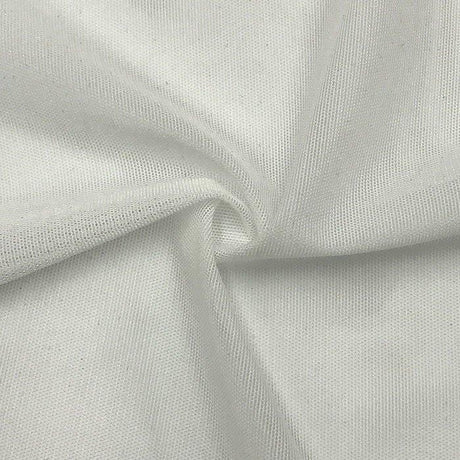
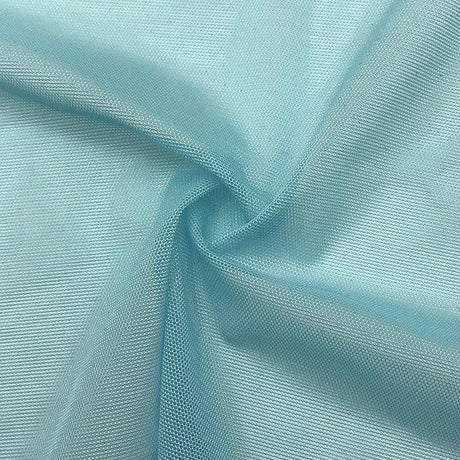
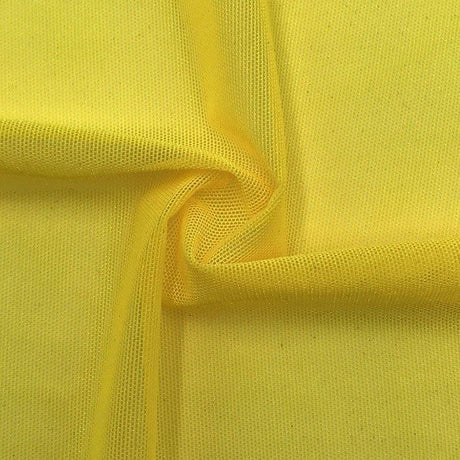
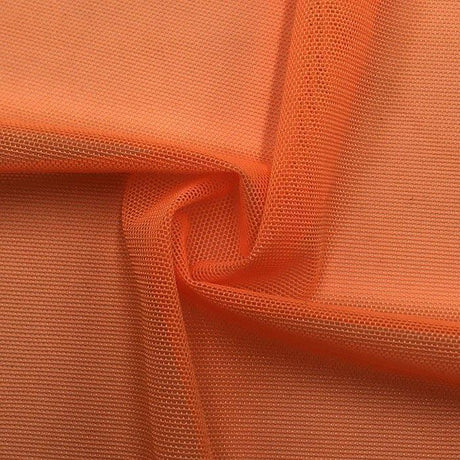
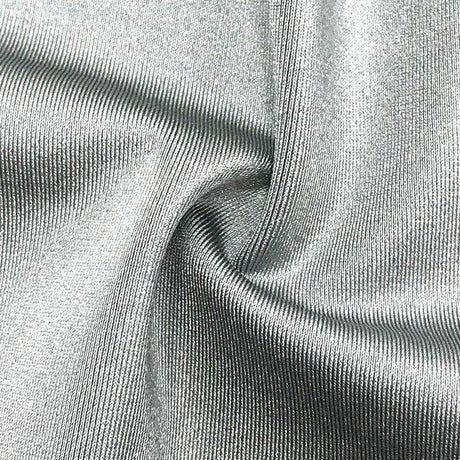
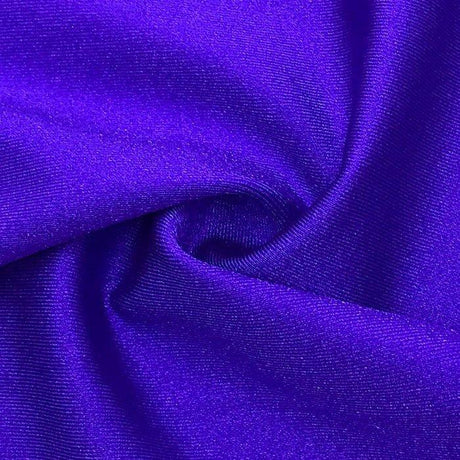
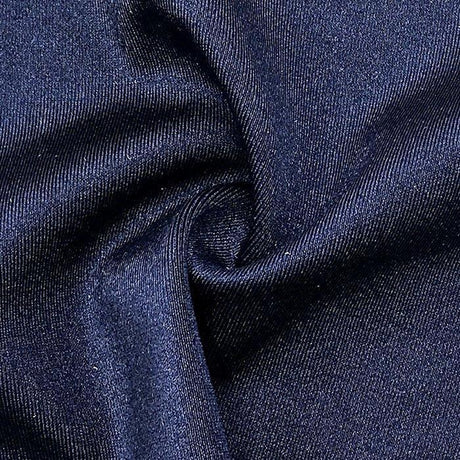
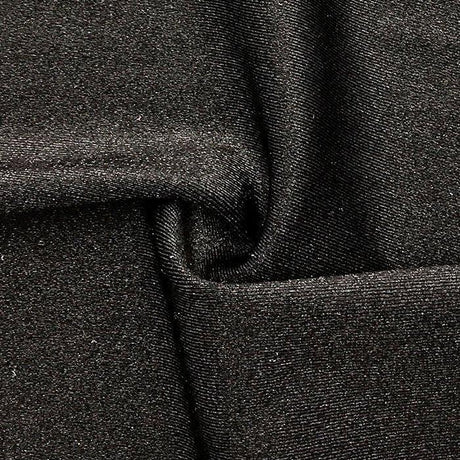
You've just finished a killer workout, and while you feel great, your gym clothes tell a different story. The funk that clings to your activewear can be a major source of frustration. In response, the market has exploded with "antibacterial," "odor-resistant," and "anti-microbial" spandex fabrics, promising to keep you and your clothes smelling fresh, even through the toughest sessions. But with so many marketing claims, a crucial question arises: do these technologies really work, and what's the science behind them? For a broader foundation on performance activewear fabrics before diving in, explore our activewear fabric guide or browse our full fabric guides hub.
The truth is, these aren't just marketing gimmicks. Backed by solid textile science, these fabrics are engineered to combat odor at its source. Understanding how they work is the key to making an informed choice that's not only good for your performance but also for your wallet and the environment.
The Science of Stink: Why Activewear Smells
Before we can appreciate how these fabrics work, we need to understand why our workout gear gets so smelly in the first place.
Sweat is mostly odorless. Fresh sweat is composed of 99% water, along with trace amounts of salt, proteins, and fats. It's largely odorless as it leaves your body.
Bacteria are the problem. The real cause of body odor is the bacteria that live naturally on your skin. These bacteria feed on the proteins and fats in your sweat, breaking them down into highly pungent, odorous compounds.
Synthetic fabrics are a breeding ground. Unlike natural fibers such as wool, the unique structure of synthetic fibers can create a hospitable, dry environment for bacteria to multiply. Polyester, in particular, is notorious for retaining odor because bacteria can more easily embed themselves within its fibers, making it difficult to wash out the smell. Our nylon-spandex fabric guide covers how nylon-spandex compares to polyester-spandex in natural odor resistance, and our cotton-spandex fabric guide explains why natural fiber blends tend to hold less odor than purely synthetic constructions.
This scientific reality is what spurred the textile industry to develop technologies that actively combat bacteria and odor.
Antibacterial and Odor-Resistant Mechanisms: The Technologies
The battle against body odor is fought on two main fronts: an antibacterial approach that kills or inhibits bacteria, and an odor-control approach that neutralizes the scent molecules themselves.
The Antibacterial Approach: Killing the Culprit
This method focuses on eliminating the bacteria that cause the odor. By stopping bacterial growth, you prevent the breakdown of sweat and, therefore, the formation of odor.
Silver Ions: This is the most popular and scientifically proven method. Silver ions are powerful antimicrobial agents that disrupt the cell wall of bacteria, effectively killing them. These ions can be applied in two main ways:
- Surface Coatings: The fabric is treated with a coating of silver ions. While effective, these coatings can sometimes wash off over time, reducing the fabric's long-term effectiveness.
- Embedded Fibers: The most durable method. Silver is permanently embedded into the core of the synthetic fibers (like nylon or polyester) before they are spun into yarn. This ensures the antibacterial properties are permanent and won't wash out.
Other Chemical Treatments: Historically, some fabrics were treated with chemicals like triclosan. However, due to concerns about environmental impact and potential health risks, these treatments are now far less common and are avoided by reputable brands.
Pros of the Antibacterial Approach: Highly effective at eliminating the root cause of odor; can also help reduce the risk of certain skin infections caused by bacteria.
Cons of the Antibacterial Approach: Some treatments may be less durable and wash out over time; concerns about the long-term effects of some chemical treatments on the environment. Our fabric finishes guide covers anti-microbial surface treatments in detail, including how to evaluate the durability of different application methods and what certifications to look for.
The Odor-Control Approach: Neutralizing the Smell
This method doesn't necessarily kill bacteria but rather works to trap and neutralize the odor molecules themselves.
Activated Carbon: Activated carbon (charcoal) is known for its incredible ability to absorb odors. It can be integrated into the fabric's fibers, where it acts like a sponge, trapping and neutralizing the odor molecules. The odor is then released from the carbon during a wash cycle.
Zeolites: These are porous minerals that can be applied as a finish to fabrics. They act like microscopic cages, trapping odor molecules and releasing them when washed.
Specialized Fiber Structures: Some polyester blends are engineered with a specific fiber structure that is less appealing to bacteria and doesn't retain odor molecules as easily. This is a more passive but effective approach.
Pros of the Odor-Control Approach: Generally considered safer and more environmentally friendly; a great alternative for those with sensitive skin who may react to antibacterial treatments.
Cons of the Odor-Control Approach: May be less powerful than a strong silver ion-based antibacterial treatment; effectiveness can vary widely depending on the quality of the technology.
So, Do They Really Work? The Verdict
Yes, they absolutely work. The best antibacterial and odor-resistant spandex fabrics are highly effective at their intended purpose. However, the degree of effectiveness depends on several factors:
The Technology Used: Silver ion technologies (especially embedded fibers) are generally considered the most powerful and long-lasting. Odor-control methods are also very effective, particularly in quality polyester blends.
The Quality of the Application: A cheaply applied surface coating of silver ions will wash off after a few laundry cycles, while a fabric with embedded silver fibers will maintain its properties for the life of the garment. This is a key reason to buy from reputable fabric suppliers or brands. Our fabric finishes guide covers how to distinguish between surface-applied and embedded anti-microbial treatments when evaluating fabric specifications.
Your Activity Level: While these fabrics are powerful, no technology can completely eliminate odor in extreme, high-sweat conditions, particularly in garments worn for multiple workouts without washing. They work by reducing odor, not by completely eliminating it.
Fabric Composition: The anti-microbial treatment is usually applied to the nylon or polyester component of the spandex blend. Therefore, the choice of the primary fiber (nylon or polyester) still matters. Our nylon-spandex fabric guide covers how nylon and polyester companion fibers respond differently to anti-microbial treatments and which performs better for odor control in different activity levels.
Scientific Evidence
Numerous scientific studies and standardized tests, such as the AATCC 100 textile test, confirm the efficacy of these technologies. In this test, treated fabric samples are inoculated with bacteria, and the reduction in bacterial count is measured after a certain period. Fabrics with anti-microbial technologies consistently show a significant reduction in bacteria (often over 99.9%) compared to untreated fabrics.
Benefits and Considerations of Odor-Resistant Fabrics
Key Benefits
Enhanced Hygiene: By inhibiting bacterial growth, these fabrics can help reduce the risk of skin irritations and minor infections that can occur in damp, sweaty environments.
Longevity and Durability: Since odor-resistant fabrics stay fresh for longer, they require fewer washes. Less washing means less stress on the fabric fibers, which can extend the lifespan of your activewear. Our spandex care guide covers how reduced washing frequency extends elastane recovery and overall garment lifespan.
Reduced Water and Energy Use: Less frequent washing not only benefits your clothes but also the environment. It conserves water and energy, contributing to a more sustainable lifestyle.
Improved Comfort: The psychological benefit of feeling fresh and confident, even after a tough workout, is invaluable.
Key Considerations
Cost: Fabrics with advanced odor-resistant technologies are typically more expensive than untreated fabrics. You're paying for the specialized treatment or fiber production.
Environmental Concerns: While many modern treatments are considered safe, some older or less-reputable chemicals could have environmental impacts. It's best to look for technologies that are OEKO-TEX® certified and widely accepted as safe. Our fabric guides hub covers OEKO-TEX® certification and what it means for fabric safety and chemical content.
Long-Term Effectiveness: Be wary of claims of "permanent" or "lifelong" odor resistance unless the technology involves fibers with embedded particles (like silver). Surface coatings can and will eventually wear off.
Your Practical Guide to Buying and Caring for Odor-Resistant Fabrics
What to Look for When Buying
Check for Branded Technologies: Reputable brands will often list the specific technology they use, such as X-Static® or Polygiene®. These are trusted names in the industry.
Read the Claims: Look for phrases like "permanently embedded silver," "anti-microbial finish," or "odor-resistant." This tells you the manufacturer is making a specific performance claim. Our how to choose fabric guide covers how to evaluate performance claims and certifications when sourcing activewear fabrics.
Invest in Quality: As with any specialized fabric, the quality of the base spandex, nylon, or polyester still matters. A high-quality fabric will provide superior durability and performance regardless of the anti-odor technology. Our fabric weight guide and stretch fabric types page cover the base construction specifications that indicate overall fabric quality.
How to Care for Your Odor-Resistant Gear
Avoid Fabric Softeners: Fabric softeners can clog the pores of the synthetic fibers, which can prevent the anti-microbial agents from working effectively.
Wash with Cold Water: Cold water is gentler on the fabric and helps preserve its integrity, especially for treated finishes.
Air Dry When Possible: High heat from a dryer can be detrimental to spandex fibers and some treatments. Air drying is always the best option.
Use a Gentle Detergent: Harsh chemicals can damage the fabric. Stick to gentle detergents specifically designed for activewear if possible.
Our fabric care guide and spandex care guide cover complete laundering protocols for all common activewear fabric types, including specific guidance on preserving anti-microbial treatments and elastane recovery through repeated washing.
Conclusion
The promise of antibacterial and odor-resistant spandex fabrics is more than just a marketing story; it's a testament to the power of textile innovation. By understanding the science behind why our activewear smells and how these technologies are engineered to fight back, you can make a choice that truly enhances your workout experience.
These specialized fabrics offer real benefits in hygiene, durability, and comfort, and they can even contribute to a more sustainable lifestyle through less frequent washing. The key is to be an informed consumer, looking past the buzzwords to find quality fabrics with proven technologies that will work as hard as you do.
Ready to explore high-performance fabrics that stay fresh longer? Use our activewear fabric guide for curated anti-microbial fabric recommendations, our nylon-spandex fabric guide to compare companion fiber options for odor resistance, and our fabric finishes guide to understand the treatments that make these fabrics perform. Our fabric care guide and spandex care guide will keep every anti-microbial treatment performing at its best wash after wash. Have questions about specific fabric technologies or sourcing? Our expert help and advice page and FAQ are always available. Sign up for SpandexByYard Rewards to earn points on every purchase – because the right fabric technology lets you work harder and smell better.